

 Italiano
 Deutsch








There are no more items in your cart
SKU:
19775
Brand:
La Cappucina
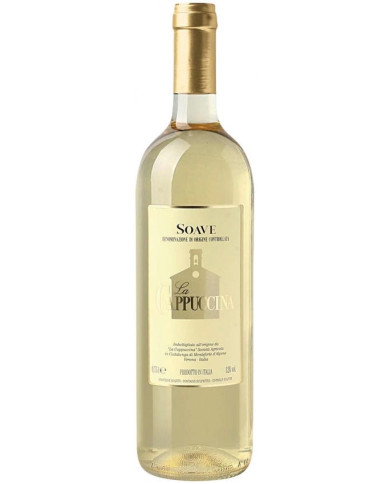
È il vino storico prodotto dall’azienda che riscuote ampi consensi sul mercato internazionale. Profumo delicato di fiori, sapore asciutto e ammandorlato nel finale, tipico dell’uva Garganega. Grazie alla sua versatilità, è piacevole come vino da tutto pasto.
€12.08
€13.90
SKU:
19762
Brand:
Collefrisio
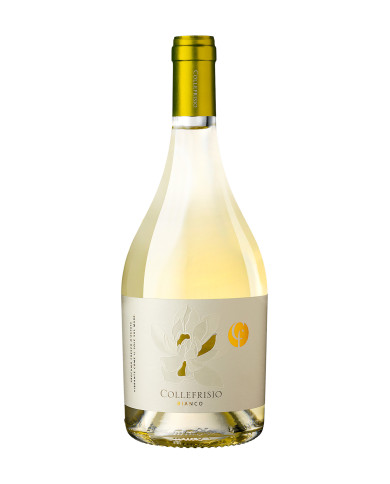
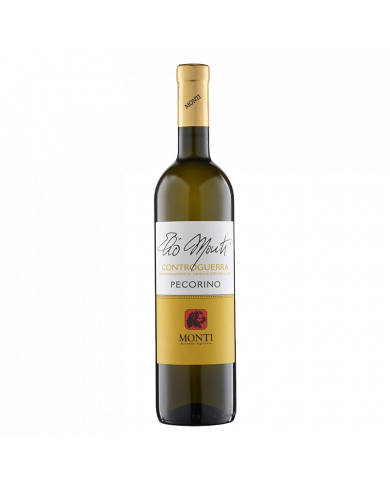
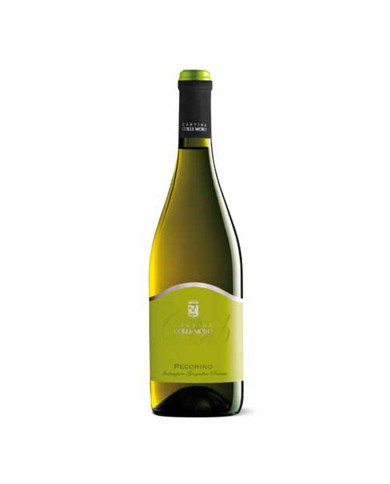
GRAPES : 100% Pecorino HARVEST : end of September VINIFICATION : Maceration at low temperature after destemming of the grapes and temperature controlled alcoholic fermentation in steel tanks. TASTING : To be accompanied with Pasta, Vegetarian, Appetizers and snacks, Lean fish, Salami.
€54.60
SKU:
19736
Brand:
Produttori del Gavi
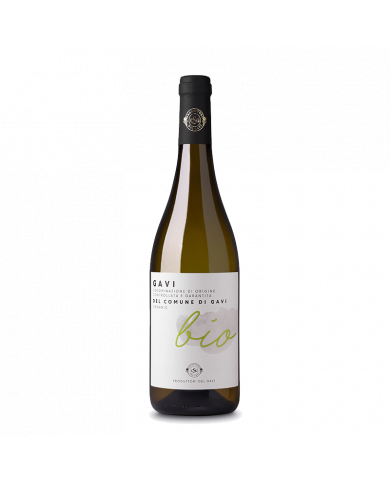
SOFT STRAW YELLOW COLOR WITH GREEN REFLECTIONS. THE NOSE EMERGES NOTES OF PEACH, BANANA AND PEAR. FINE AND PERSISTENT WITH EXCELLENT ACID SHOULDER. FRESH, STRUCTURED AND SOFT ON THE PALATE. RECOMMENDED WITH APPETIZERS, SOUPS AND LIGHT FIRST COURSES, FISH-BASED SECONDS, WHITE MEAT AND FRESH AND AGED CHEESES.
€8.21
SKU:
19735
Brand:
Produttori del Gavi
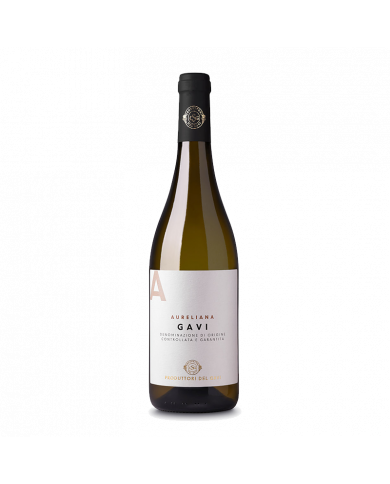
INTENSE STRAW YELLOW COLOUR. NOSE MARKED BY PLEASANTLY BUTTERY NOTES, THEN PEAR, PEACH, MANDARIN AND FLINT. DELICATE BUT AT THE SAME TIME EXTREMELY INTENSE PERFUME. ON THE PALATE IT IS FRESH, POWERFUL, LONG AND PERSISTENT. APPETIZERS, SOUPS AND LIGHT FIRST COURSES, WHITE AND RED MEAT, FISH, FRESH AND MEDIUM-MATURED CHEESES.
€8.22
SKU:
19734
Brand:
Produttori del Gavi
VERY INTENSE STRAW YELLOW COLOUR. NOSE MARKED BY HINTS OF FLINTSTONE, VANILLA WITH TOASTED AND DELICATELY SPICY HINTS. IN THE MOUTH IT IS ELEGANT, SOFT AND LONG PERSISTENT WITH A GOOD SHOULDER. APPETIZERS AND LIGHT FIRST COURSES, WHITE MEAT AND FISH SECONDS, FRESH AND AGED CHEESES.
€7.93
SKU:
19720
Brand:
Terre d'Erce
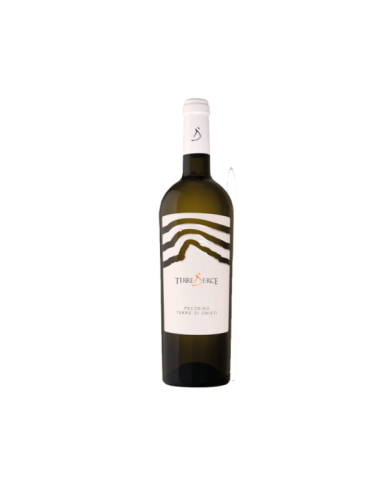
Color : intense straw yellow. Bouquet : fresh fruity notes. Taste : almond notes with a finish of acidulous and savory and pleasantly fruity veins. PAIRING · Fresh aperitifs, sushi, appetizers and fish-based meals, white meats and first courses with rich dressing.
€13.00
€11.70
SKU:
19715
Brand:
Valentino Butussi
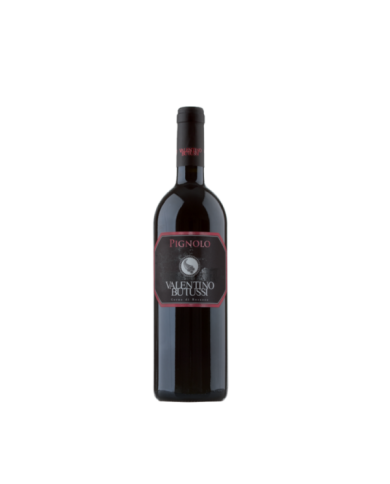
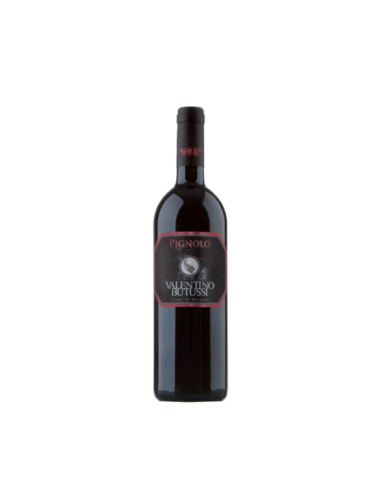
PIGNOLO BUTUSSI FRIULI VENEZIA GIULIA Grape variety: pure Pignolo Winy, tannic taste, reminiscent of raspberry. It is a wine to be discovered. Wine for meat dishes of Friulian cuisine, especially it prefers the ciàr in padiele (beef stew). Serving temperature: 16 – 18° C
€82.00
SKU:
19714
Brand:
Valentino Butussi
PIGNOLO BUTUSSI FRIULI VENEZIA GIULIA Grape variety: pure Pignolo Winy, tannic taste, reminiscent of raspberry. It is a wine to be discovered. Wine for meat dishes of Friulian cuisine, especially it prefers the ciàr in padiele (beef stew). Serving temperature: 16 – 18° C
€82.00
SKU:
19711
Brand:
Feudo Arancio
€11.19
€10.07
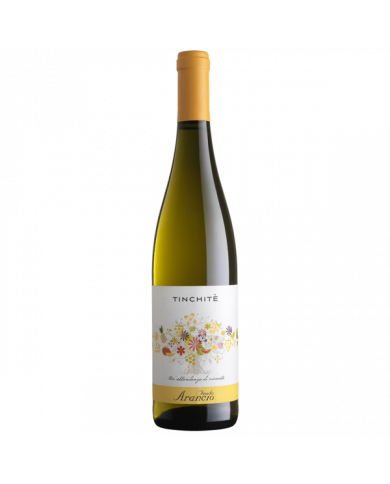
Tinchitè: an abundance of liveliness. Wine obtained from Grillo grapes grown in our wineries located in the south-east of Sicily, in the province of Ragusa, and in the west, in the province of Agrigento, where the different environmental conditions allow us to obtain grapes with different aromatic styles. In fact, if on the one hand the proximity to the sea of the vineyards cultivated at the Ragusa company and the loose and warm soils allow for more fruity and fragrant wines to be obtained, on the other, the more clayey and fertile soils of the company located near Agrigento they give the grapes more concentration, ripeness, richness and volume. From the union of these two different styles of wine, the richness and fruitiness of our slightly sparkling wine is born.
€11.19
€10.07
SKU:
19709
Brand:
Argiolas
AROMATIC AND LAMINATED GRAPES
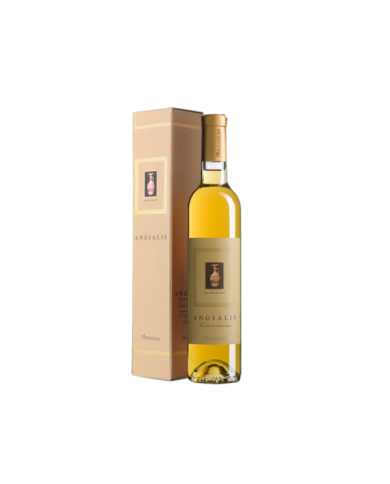
Angialis Isola dei Nuraghi Igt by Argiolas is a wine with an intense straw yellow color. On the nose they result in very intense primary aromas, markedly Mediterranean. Terpenic characters typical of Nasco.
€38.87
SKU:
19704
Brand:
Cà del Bosco
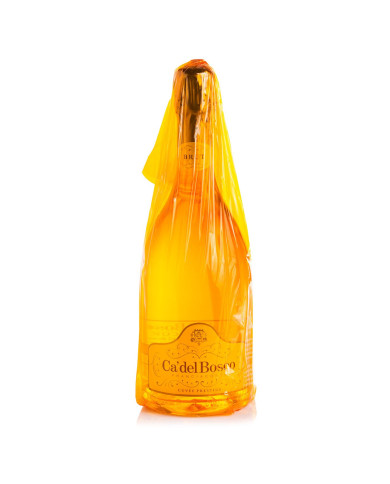
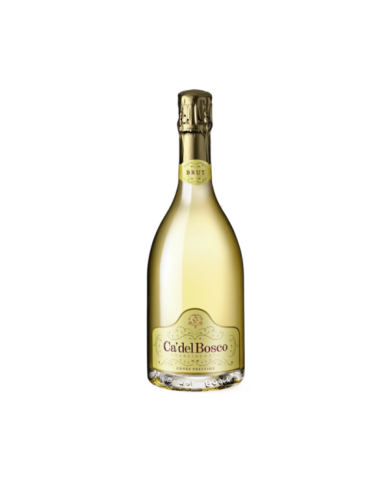
CUVÉE PRESTIGE Identity. A virtue that is found in the etymology of an ancient word: idem, or to be the same. Cuvée Prestige, the essence of Franciacorta, in the Ca 'del Bosco style. A jewel born in 2007 from thirty years of experience. Only the best Chardonnay (75%), Pinot Nero (15%) and Pinot Bianco (10%) grapes from 134 vineyards, vinified separately and wisely blended with reserves of the most beautiful vintages (at least 20%) enter the magical rite of Cuvée Creation . It will take 28 months of aging on the lees before this wine is ready to express all its richness and identity. A classic Franciacorta, balanced, pleasantly fresh and crunchy. Perfect for any occasion.
€38.47
SKU:
19703
Brand:
Pasetti
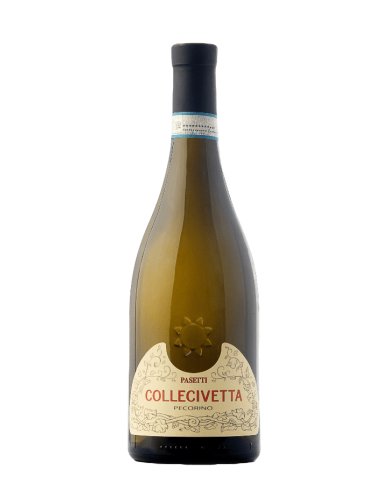
A “must” from the Pasetti company. Authentic mirror of the strong Abruzzo tradition, which is expressed here in the excellence of one of its native vines. This young pecorino in purity today represents a third of the company's production.
€11.79
SKU:
19702
Brand:
Tenuta Rocca
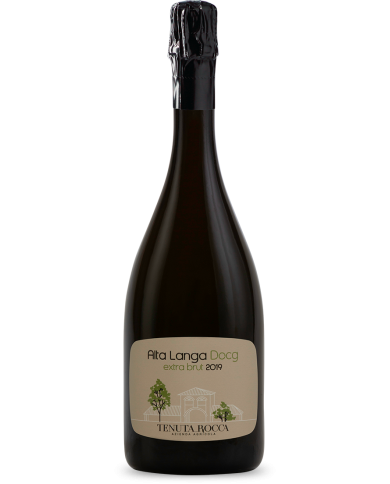
Deep straw yellow colour. The aromas, on the nose, unfold on a carpet composed of dried fruit and lightly toasted bread, wild flowers. In the mouth the entrance is full and rich
€55.51
€18.45
€16.01
€42.91
€37.04
€41.59
€41.59
SKU:
19678
Brand:
Marchesi de Cordano
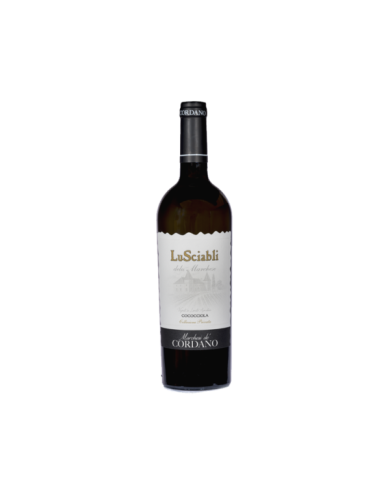
Golden yellow in color. The nose is elegant, intense and quite complex. Fruity and oral, herbaceous. On the palate it is fresh with the right flavor. Balanced and intense. The bouquet is reminiscent of orange blossom, jasmine, yellow peach, pineapple and a hint of candied citrus and notes of dry pastic ceria. Vinification : Manual harvesting of grapes in small boxes. Cold pressing in an inert environment, static decantation of the must with controlled fermentation. Anament in terracotta amphorae for 12 months. The cococciola is a grape that allows to obtain a wine of structure and longevity. The amphora does not yield any aroma, enhances the varietals of the grapes used and allows, thanks to the porosity of the clay, a good micro-genesis.
€37.70
SKU:
19676
Brand:
Cantina Roeno
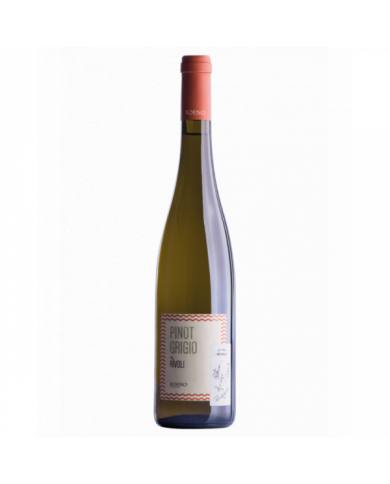
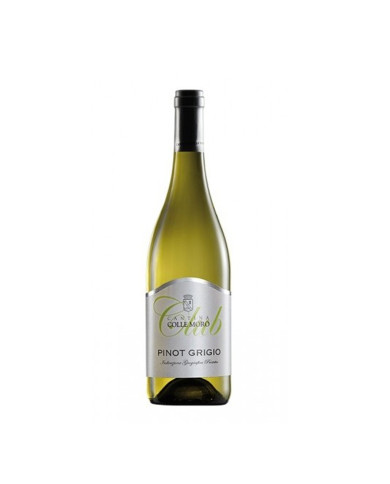
Rìvoli, from the name of the locality of choice. A Pinot Grigio of decided freshness, rich in facets, with a marked persistence and intensity.
€26.96
€13.32
€11.32
€4.08
€3.67
SKU:
19654
Brand:
Spadafora
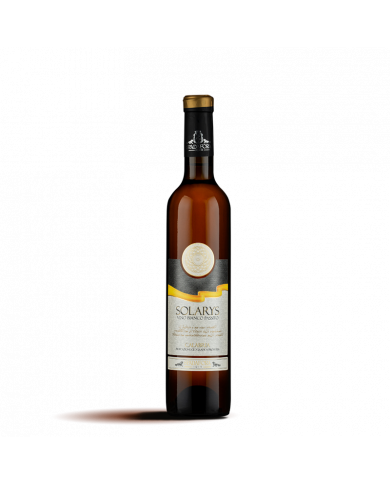
The name of this label recalls the one and only architect of its being, it is in fact the sun The name of this label recalls the one and only architect of its being, it is in fact the summer sun of our beloved land, the summer element of our beloved land, the element that determines its organoleptic characteristics. which determines its organoleptic characteristics. A raisin wine of great value, our Solarys bianco, a late harvest of grapes from A raisin wine of great value, our Solarys bianco, a late harvest of grapes from autochthonous vines, grown as saplings, left on the plant to dry gradually until the autochthonous vine , grown as saplings, left on the plant to dry gradually until reaching the natural sugar concentration; sweet, never cloying, a delicate to reach the natural sugar concentration; sweet, never cloying, a delicate nectar to be served chilled, with fresh fruit tarts or blue cheeses.
€28.55
€17.45
SKU:
19649
Brand:
Cantina Fratelli Pardi
Selection of the free-run juice with light pressure. Fermentation at temp. controlled (18 °) followed by 8 months on the fine lees.
€18.08
€15.37
SKU:
19645
Brand:
Fattoria Italiana Martelli
View: straw yellow. Smell: aromas of white flowers and white peach with hints of citrus and tropical fruits. Taste: strong and mineral taste reminiscent of the yeasts that made it.
€11.31
€9.61
€9.11
€7.29
SKU:
19642
Brand:
Fattoria Italiana Martelli
View: straw yellow. Smell: aromas of white flowers and white peach with hints of citrus and tropical fruits. Taste: strong and mineral taste reminiscent of the yeasts that made it.
€11.31
€9.61
SKU:
19641
Brand:
Gianfranco Bovio
One of a Kind Chardonnay. It is dedicated to the owner's grandfather, from whom the adventure of the Bovio family in the world of wine began. Born In 1998 From An Experiment, It Is Appreciated To Such A Point That Since Then It Has Been Considered A "Chicca" Of The Cellar.
€30.13
SKU:
19634
Brand:
Cantine di Mogoro
Light and bright straw yellow. It is a wine that finds its main characteristic in its delicacy, which is expressed on the nose with aromas of aromatic herbs such as thyme, rosemary, chamomile and fresh licorice root. Sapidity to the taste is its characteristic, combined with delicate acidity and good persistence.
€13.18
€11.20
The best Italian white wines
Italy is home to some of the finest white wines. In the Clickwine section of our online wine shop dedicated to the finest Italian white wines, you'll find bottles of excellent white wine carefully selected by our sommeliers.
The designations used in our country to classify wines are DOCG, DOC, and IGT. Sometimes you'll also find designations like DOP and IGP: these acronyms have similar meanings to the previous ones but are used by wineries that primarily sell their wines outside of Italy.
The production of white wine
White wines are produced from both light and dark grapes, but vinified as a white wine: that is, during maceration there is no contact between the must and the pomace, so that the skin – exactly the opposite of what happens with red wines – does not release substances and color.
Its myriad nuances vary according to the characteristics of the grape variety, the aging method and the vine growing area.
In white winemaking, once the grapes have been harvested, they are transported to the cellar, destemmed, and pressed, and the must is separated without any maceration or with a brief maceration. Sometimes, however, the grapes are pressed and then macerated with the skins at a low temperature for a varying length of time. This produces richer, smoother wines.
This phase is followed by the clarification of the white wine produced, which can be done by letting the must rest, by cooling, centrifugation or filtration.
Fermentation begins either by adding selected yeast to the must or spontaneously, using the indigenous yeasts present in the grapes. To preserve the aromas, finesse, and freshness of white wines, fermentation is carried out at lower temperatures than red winemaking, generally around 18°C.
To obtain a fresh and lively wine, best drunk young, malolactic fermentation is avoided by bottling early, after filtration and stabilization. More complex wines, aged or fermented in wood, are bottled only after several months in barrel.
How to taste white wine
First, you need to decide whether to uncork the bottle right away or let your white wine age. If you want to immediately succumb to its charm, its aromas of aromatic herbs, flint, or its notes of exotic fruit, then serve your white wine at the right temperature: 6-8°C for a young white and 8-10°C for a softer, more structured wine.
How to pair white wine
Dry white wines will surprise you at the table, too, and not just with their straw-yellow color. As an aperitif, and especially with a fish dish, white wine is definitely a must, but it's not easy to know which of the many labels will be best suited to the occasion.
We recommend pairing white wine with cheeses, whether low-fat, fresh, or rich in milk, such as flavorful buffalo mozzarella, or with soft, bloomy-rind cheeses. They're also perfect with white meats, such as classic scallops, but beyond tradition, white wine also pairs perfectly with meat and risotto dishes, as well as truffles. Visit our online wine shop Clickwine for expert advice on purchasing the best white wine at the best price to pair with your favorite dishes.
White wines: prices and offers
Every week, our online wine shop, Clickwine offers a selection of selected white wines at special prices. In this section and in the special offers section, you can then browse the best value wines.
A wide selection of premium products at affordable and truly exclusive prices. Don't miss the incredible deals on white wines from all the most prestigious Italian wineries; discover internationally renowned and beloved Italian wines.
Enter the Clickwine catalog and expand your selection by purchasing exclusive items online from smaller, yet exceptionally high-quality wineries.
White wines: longevity and conservation
How long can I keep white wine in the cellar? Do white wines improve as they age like red wines? These are the questions a wine consumer asks when talking about white wine.
In general, white wines have a much shorter shelf life than red wines, for two reasons: tannins and aging. Tannins are antioxidants present in the wine's skins that aren't present in white wines; as for aging, however, most white wines age in stainless steel for just a few months; even red wines, if they age briefly in stainless steel and undergo rapid maceration, don't last for many years. Let's say a classic white wine aged in stainless steel lasts a maximum of 2 to 3 years. If it undergoes maceration or ages in wood, it can last up to 20 years and improve year after year.
How many types of white wines are there?
There is no exact number of types of white wine, as there are several different white grape varieties that can be used to make white wines. Some of the most common white grape varieties used to make white wines are Chardonnay, Sauvignon Blanc, Riesling, Pinot Grigio, and Moscato. There are also other less common varieties such as Gewürztraminer, Semillon, and Viognier. Each of these varieties can be used to produce white wines with unique and different characteristics, so there are many different types of white wines available.
How to recognize a good white wine?
There are several ways to recognize a good white wine. One of the simplest is to taste the wine and evaluate its flavor and aroma. A good white wine should have a pleasant flavor and a delicate, complex aroma. Other factors that can indicate the quality of a white wine include the vintage, the grape variety, and the production area. In general, white wines produced with high-quality grapes and in particularly favorable years tend to be more valuable and of higher quality. Furthermore, white wines produced in regions renowned for producing high-quality white wines can be considered more valuable than those produced in other regions.
How to understand if a white wine is good?
As mentioned above, one of the easiest ways to determine if a white wine is good is to taste it and evaluate its flavor and aroma. A good white wine should have a pleasant flavor and a delicate, complex aroma. It's also important to keep in mind that the quality of a white wine can be influenced by several factors, such as the vintage, the grape variety, and the production area. For example, white wines produced with high-quality grapes and in particularly favorable years tend to be more valuable and of higher quality. Furthermore, white wines produced in regions renowned for producing high-quality white wines may be considered more valuable than those produced in other regions.
Why is it called white wine?
White wine is so called because it is made using white grapes. Most white grapes have transparent or lightly colored skins, so the wine made from these grapes has a light, transparent color. Sometimes the color of white wine can be influenced by the type of grape used, the winemaking process, and the addition of other ingredients, but generally, white wine has a light, transparent color.
How to replace white wine?
If you want to replace white wine in a recipe, there are several ingredients you can use. One of the most common options is to use chicken or vegetable broth instead of white wine. Other options include using white vinegar or apple juice diluted with water. Additionally, in some cases, you can omit the white wine entirely and use other ingredients to achieve the desired flavor in the recipe.