

 Italiano
 Deutsch












There are no more items in your cart
SKU:
18543
Brand:
Villa Medoro
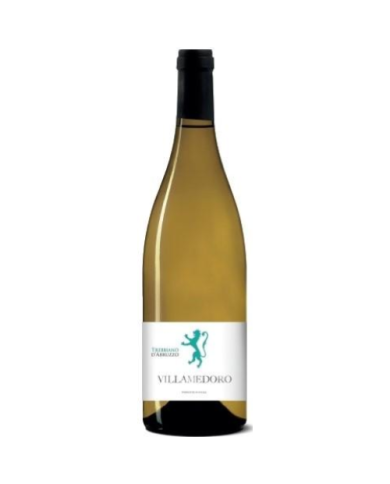
Epoca della vendemmia: fine settembre – primi di ottobre Vinificazione: macerazione a freddo sulle bucce per 8-10 ore a 5-6°C Fermentazione alcolica: in acciaio inox alla temperatura di 14-16°C Fermentazione malolattica: non svolta Affinamento: in bottiglia
€7.50
SKU:
18542
Brand:
Villa Medoro
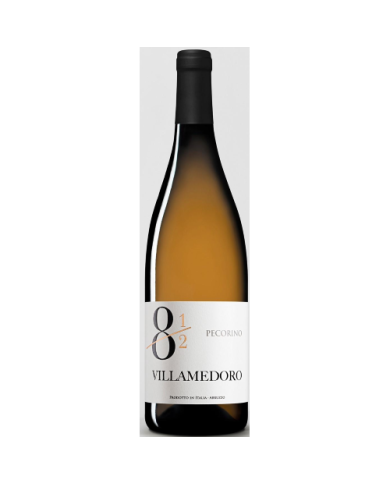
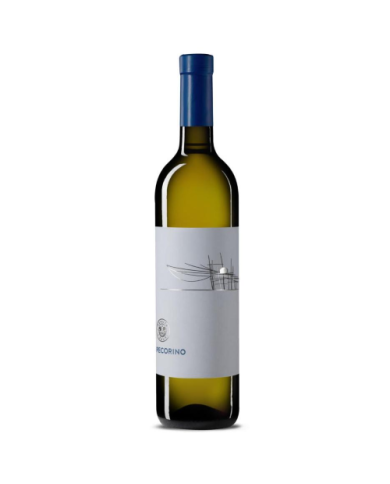
Affinato in vasche d'acciao inox per mantenere la fragranza fruttata del Pecorino. Color giallo paglierino, emana sentori di pompelmo, salvia, erbe aromatiche e tocchi erbacei.
€16.23
SKU:
18541
Brand:
Le Vigne Di Zamo'
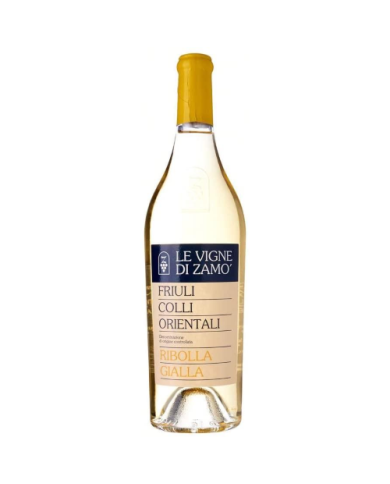
Le uve vengono diraspate e pressate direttamente, la fermentazione avviene in vasche inox termocondizionate a 16-18°C. Il vino rimane sur-lies per 8 mesi, prima di essere imbottigliato e successivamente commercializzato.
€3.29
SKU:
18540
Brand:
Vietti
Colore giallo intenso con riflessi verdolini; sentori fruttati (pera, pesca) e floreali (acacia, biancospino) con una nota di miele.
Abbinamenti: Carne cruda, salumi, antipasti, primi piatti anche di marcata sapidità e preparazioni a base di carni bianche. Dopo qualche anno di bottiglia diventa un vino perfetto da abbinare a formaggi anche stagionati.
€28.18
SKU:
18539
Brand:
Vietti
Questo vino non svolge la fermentazione malolattica e resta sulle fecce fini in vasca d’acciaio fino al momento dell’imbottigliamento.
Descrizione: Colore giallo paglierino con freschi aromi floreali, di agrumi, melone e note ammandorlate. Vino con corpo asciutto e medio e con acidità fresca. Ben bilanciato, elegante e con una buona complessità e persistenza.
€18.18
SKU:
18538
Brand:
Valle Reale
Il Trebbiano d’Abruzzo di Valle Reale è un vino fresco, lungo, succoso e minerale, vinificato e affinato solo in acciaio. Profumi di erbe aromatiche e fiori gialli si intrecciano a nuance di agrumi, frutta fresca e leggera pietra focaia, con una sottile speziatura. Il sorso è slanciato, ricco, minerale, sapido, armonico
SKU:
18537
Brand:
Terraviva
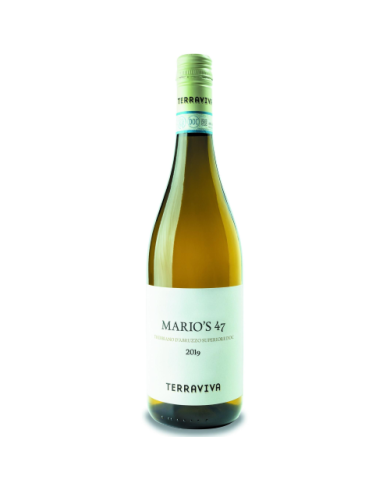
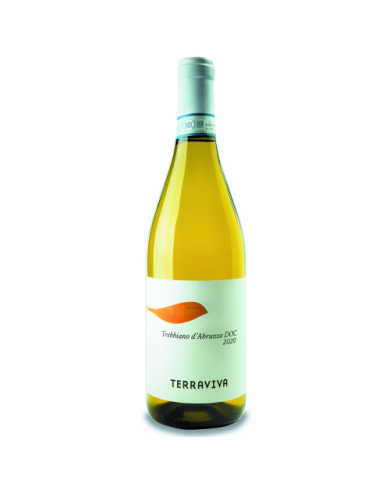
La raccolta avviene manualmente, le uve vengano selezionate in piccole cassette per conservare integri i grappoli. Le stesse in cantina vengono lavorate senza l’aggiunta di alcuna sostanza
€20.62
SKU:
18536
Brand:
Terraviva
Le uve pigiate vengono sottoposte ad una pressatura soffice. Il mosto viene poi messo a decantare.
La fermentazione avviene con lieviti indigeni ad una temperatura di 22°
€10.61
SKU:
18535
Brand:
Tercic
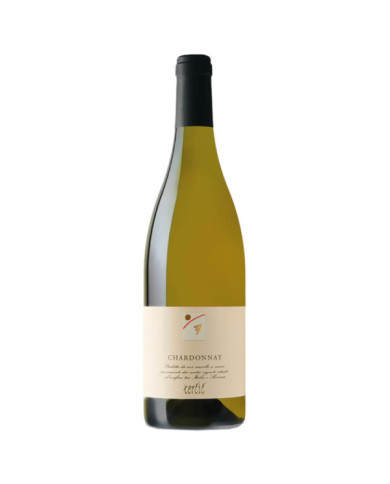
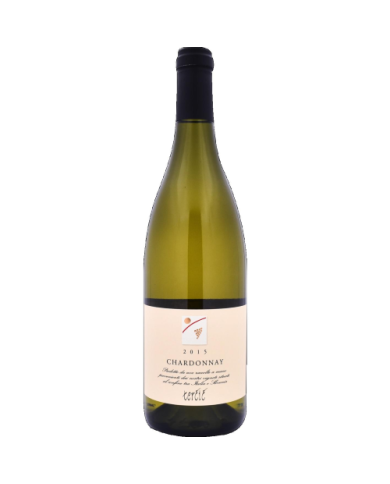
Lo Chardonnay è prodotto dall'azienda Terčič, che sorge a San Floriano del Collio, in provincia di Gorizia, a ridosso del confine nordorientale tra Italia e Slovenia.
€18.79
SKU:
18534
Brand:
Tercic
Lo Chardonnay è prodotto dall'azienda Terčič, che sorge a San Floriano del Collio, in provincia di Gorizia, a ridosso del confine nordorientale tra Italia e Slovenia.
SKU:
18533
Brand:
Tenuta i Fauri
Colore giallo paglierino, note di pera e agrumi. Ha un piacevole sentore di burro
Abbinamento consigliato Pasta, Vegetariano, Antipasti e spuntini, Pesce magro, Salumi
€15.86
SKU:
18532
Brand:
Tenuta i Fauri
Decantazione statica del mosto dopo pressatura so ce, fermentazione termo controllata e a namento in acciaio inox
€14.27
SKU:
18531
Brand:
Tenuta i Fauri
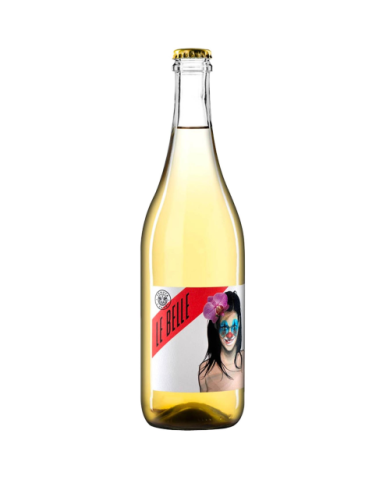
Giallo paglierino, dal vivace perlage. Al naso si avvertono sentori di crosta di pane, frutta gialla, tocchi agrumati; al sorso è fresco, fruttato, stuzzicante.
€11.10
SKU:
18530
Brand:
Petrini
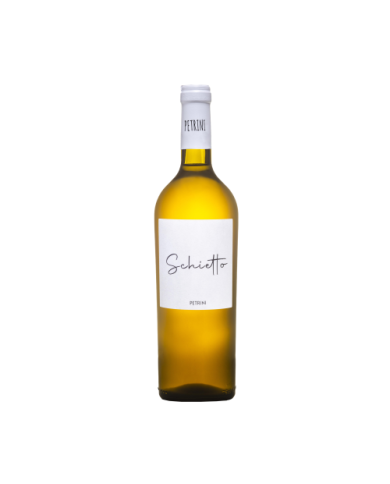
Profumo pulito con note floreali; vino dal gusto sapido di grande bevibilità.
Ottimo accompagnamento con piatti di pesce e carni magre, formaggi freschi e semistagionati. Aperitivo.
€17.57
SKU:
18529
Brand:
Petrini
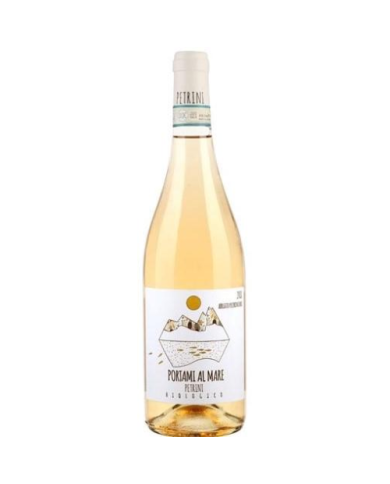
UVE Pecorino provenienti dai vigneti coltivati in Abruzzo secondo i principi dell’agricoltura biologica - Alcol 13,5%
Colore giallo paglierino; profumo intenso, floreale, con netti sentori di agrumi; sapore armonico e morbido di grande rotondità ed ottima struttura, corposità e persistenza con una nota finale di sapidità.
ABBINAMENTI: per le sue caratteristiche organolettiche è ideale per accompagnare piatti di pesce e formaggi poco stagionati
€11.10
SKU:
18528
Brand:
Petrini
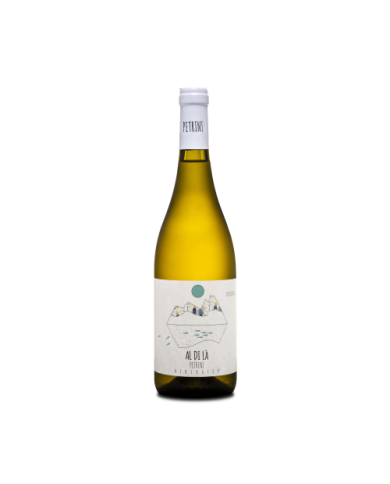
Si presenta alla vista di un bellissimo colore giallo paglierino tenue, al naso rivela eleganti sentori fruttati e delicate note floreali; al sorso è piacevole, avvolgente e di corpo medio, con una buona persistenza fruttata.
€11.10
SKU:
18527
Brand:
Olivella
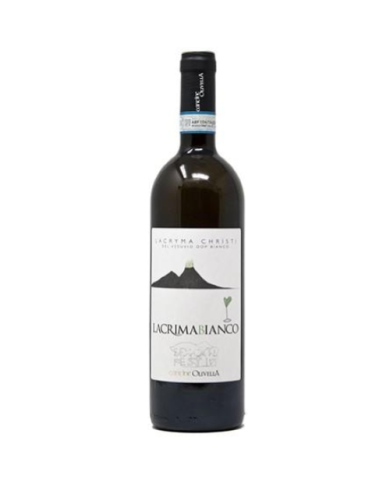
Vino di grande complessità olfattiva, con una serie di note floreali che si svelano una dopo l'altra. Al sorso non delude e porta con sè una magnifica sapidità. Note Degustative: Summa di Cantine Olivella è un vino dal colore giallo oro. All'olfatto è delicato, con note di fiori e frutta, complesso, e sapido. Abbinamenti alimentari: Sformati di pasta, torte di verdure, formaggi a pasta filata.
€38.99
SKU:
18526
Brand:
Olivella
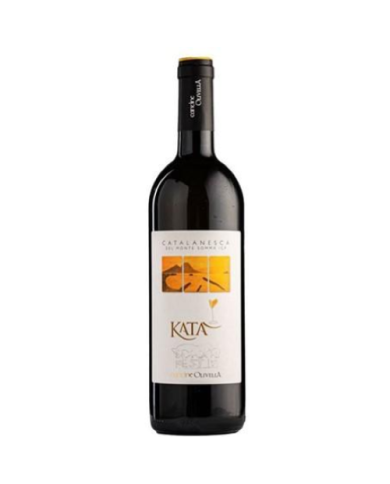
Fermentazione e Affinamento: affina sulle fecce fini per 4 mesi e 2 mesi di bottiglia Uvaggio: Caprettone 80%, Catalanesca 20%
€16.90
SKU:
18525
Brand:
Olivella
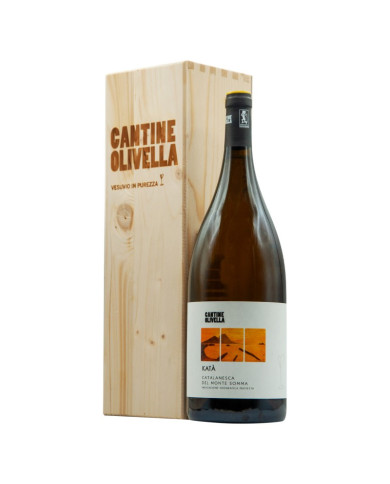
Nel calice è consistente con colore giallo dorato, naso fruttato con note di albicocca, sentori delicati di fiori e mineralità. L’assaggio dà sensazioni di freschezza e morbidezza con un piacevole finale ammandorlato
€18.89
SKU:
18524
Brand:
Olivella
Nel calice è consistente con colore giallo dorato, naso fruttato con note di albicocca, sentori delicati di fiori e mineralità. L’assaggio dà sensazioni di freschezza e morbidezza con un piacevole finale ammandorlato.
€62.99
SKU:
18523
Brand:
Nesci
Fruttato con note agrumate, tipico del nostro territorio corposo, persistente con sentori di ananas e petali di rosa.
€12.08
SKU:
18522
Brand:
Jean-Luc Mouillard
Vino di lungo invecchiamento.
Da gustare come aperitivo con cubetti di Comté, noci. Anche su piatti esotici.
€28.06
SKU:
18521
Brand:
Jean-Luc Mouillard
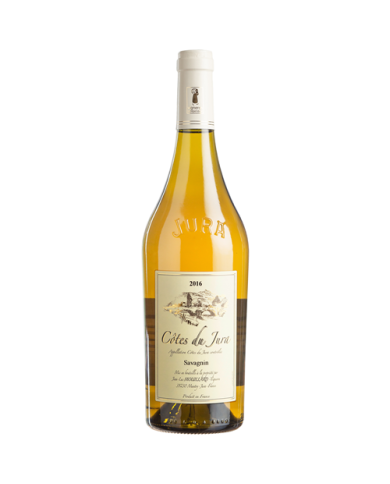
il Curieux è un Savagnin non invecchiato sotto la vela, ma messo subito in botti.
Un vino piacevole e minerale, pur mantenendo una buona pienezza al palato.
Da servire come aperitivo, su filetti di pesce affumicato.
€25.01
SKU:
18520
Brand:
Jean-Luc Mouillard
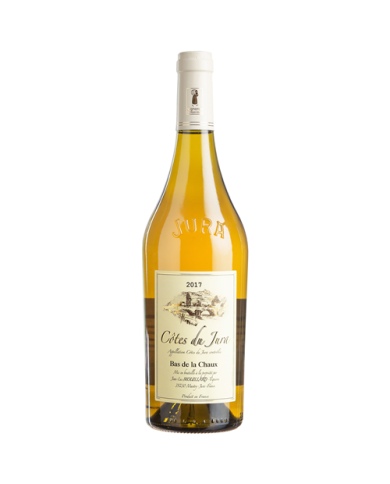
Il vino è un prodotto delle pendici alpine del Giura - la loro altezza e il loro calcare - creano una deliziosa combinazione di eleganza e mineralità. La produzione ha una media di circa 600 botti (ma il gelo, come nel 2017, può portarlo a 375)
Abbinamento consigliato Pollame, Funghi, Formaggio dolce e a pasta molle
€19.15
SKU:
18519
Brand:
Monte Tondo
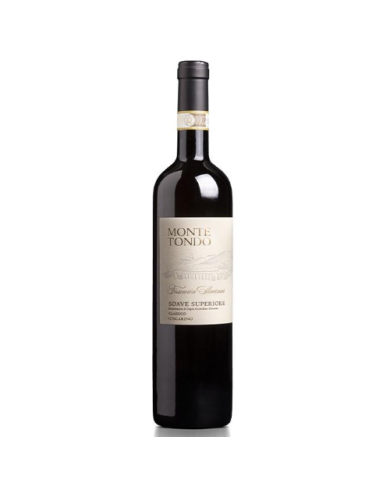
Giallo con riflessi dorati, olfatto molto fine sentori di frutta esotica matura, pepe bianco, vaniglia. Buona mineralità.
Si accosta bene a primi piatti sostanziosi e carni alla griglia.
€14.15
SKU:
18518
Brand:
Monte Tondo
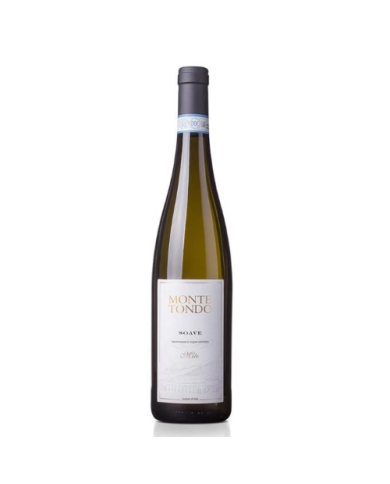
Colore giallo paglierino, profumi di fiori bianchi, al palato è asciutto e fresco.
Consigliato con antipasti e piatti di pesce, crostacei, carni bianche ed ottimo come aperitivo.
€8.78
SKU:
18517
Brand:
Monte Tondo
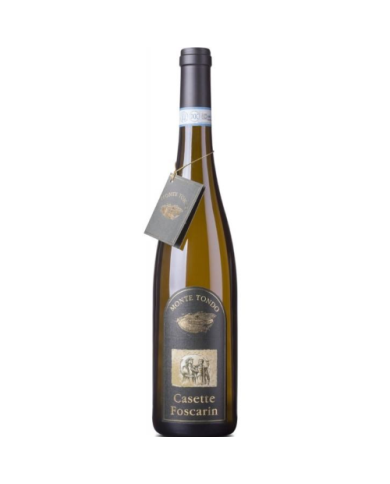
Giallo con riflessi dorati, profumi di frutta esotica matura, frutta secca e vaniglia data dalla Barrique, spiccata mineralità. Accompagna bene primi piatti di pesce elaborati con verdure, zuppe e formaggi morbidi.
€14.15
SKU:
18516
Brand:
Mongarda
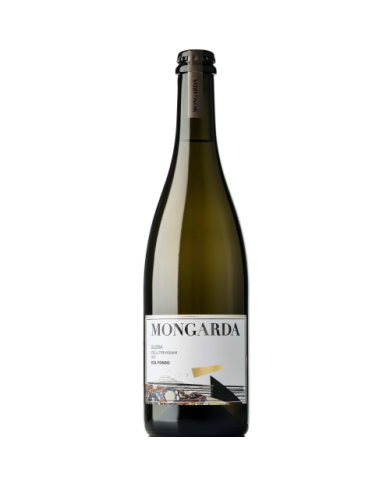
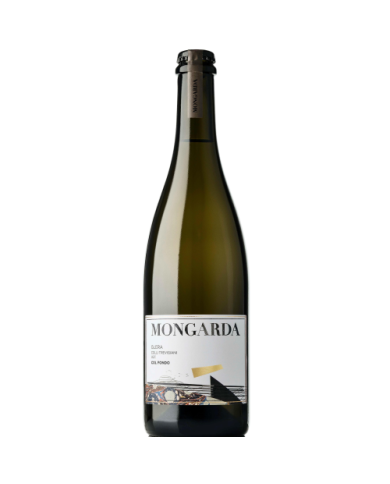
Vivo, coraggioso e ribelle, per brevi momenti elegante, poi aspro e ruvido
€11.88
SKU:
18515
Brand:
Mongarda
Vivo, coraggioso e ribelle, per brevi momenti elegante, poi aspro e ruvido
€21.59
SKU:
18514
Brand:
Mongarda
Vivo, coraggioso e ribelle, per brevi momenti elegante, poi aspro e ruvido
€19.03
€15.23
€28.55
SKU:
18511
Brand:
Martarosa
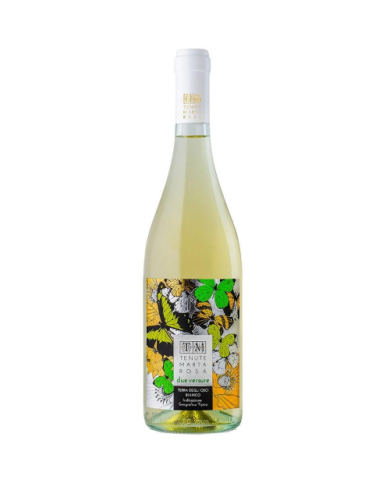
Di colore giallo paglierino intenso, ha note di fiori bianchi, frutta a polpa bianca, agrumi. Fresco e scorrevole esprime equilibrio e mineralità.
€13.01
SKU:
18510
Brand:
Martarosa
Vino moscato secco con profumo di uva spina, salvia, timo, pesca bianca, un naso sexi e dolce che invita subito alla beva. La bocca di estrema facilità lascia ricordi di frutti dolci. La sua invitante freschezza regala un finale fruttato e pulito.
€19.50
SKU:
18509
Brand:
Martarosa
Bianco di colore giallo paglierino con riflessi dorati, al naso è invitante. Pieno di fiori bianchi, frutta esotica, agrumi. Al palato la beva è piena, piacevolmente fresca e scorrevole, ha un finale minerale, lungo ed equilibrato.
€19.50
SKU:
18508
Brand:
Marc Bredif
Il Muscadet Sèvre-et-Maine "Royal-Oyster" di Marc Brédif è un bianco di piacevolissima aromaticità, fresco e scorrevole all'assaggio. Bella espressione del territorio natio, oltre che vino di personalità, è perfetto per accompagnare un menu a base di pesce.
Paglierino, con riflessi dorati.
Al naso si esprime con sentori di pera, mela e agrumi e note floreali.
Al palato è ampio, fresco e di decisa sapidità.
€23.18
The best Italian white wines
Italy is home to some of the finest white wines. In the Clickwine section of our online wine shop dedicated to the finest Italian white wines, you'll find bottles of excellent white wine carefully selected by our sommeliers.
The designations used in our country to classify wines are DOCG, DOC, and IGT. Sometimes you'll also find designations like DOP and IGP: these acronyms have similar meanings to the previous ones but are used by wineries that primarily sell their wines outside of Italy.
The production of white wine
White wines are produced from both light and dark grapes, but vinified as a white wine: that is, during maceration there is no contact between the must and the pomace, so that the skin – exactly the opposite of what happens with red wines – does not release substances and color.
Its myriad nuances vary according to the characteristics of the grape variety, the aging method and the vine growing area.
In white winemaking, once the grapes have been harvested, they are transported to the cellar, destemmed, and pressed, and the must is separated without any maceration or with a brief maceration. Sometimes, however, the grapes are pressed and then macerated with the skins at a low temperature for a varying length of time. This produces richer, smoother wines.
This phase is followed by the clarification of the white wine produced, which can be done by letting the must rest, by cooling, centrifugation or filtration.
Fermentation begins either by adding selected yeast to the must or spontaneously, using the indigenous yeasts present in the grapes. To preserve the aromas, finesse, and freshness of white wines, fermentation is carried out at lower temperatures than red winemaking, generally around 18°C.
To obtain a fresh and lively wine, best drunk young, malolactic fermentation is avoided by bottling early, after filtration and stabilization. More complex wines, aged or fermented in wood, are bottled only after several months in barrel.
How to taste white wine
First, you need to decide whether to uncork the bottle right away or let your white wine age. If you want to immediately succumb to its charm, its aromas of aromatic herbs, flint, or its notes of exotic fruit, then serve your white wine at the right temperature: 6-8°C for a young white and 8-10°C for a softer, more structured wine.
How to pair white wine
Dry white wines will surprise you at the table, too, and not just with their straw-yellow color. As an aperitif, and especially with a fish dish, white wine is definitely a must, but it's not easy to know which of the many labels will be best suited to the occasion.
We recommend pairing white wine with cheeses, whether low-fat, fresh, or rich in milk, such as flavorful buffalo mozzarella, or with soft, bloomy-rind cheeses. They're also perfect with white meats, such as classic scallops, but beyond tradition, white wine also pairs perfectly with meat and risotto dishes, as well as truffles. Visit our online wine shop Clickwine for expert advice on purchasing the best white wine at the best price to pair with your favorite dishes.
White wines: prices and offers
Every week, our online wine shop, Clickwine offers a selection of selected white wines at special prices. In this section and in the special offers section, you can then browse the best value wines.
A wide selection of premium products at affordable and truly exclusive prices. Don't miss the incredible deals on white wines from all the most prestigious Italian wineries; discover internationally renowned and beloved Italian wines.
Enter the Clickwine catalog and expand your selection by purchasing exclusive items online from smaller, yet exceptionally high-quality wineries.
White wines: longevity and conservation
How long can I keep white wine in the cellar? Do white wines improve as they age like red wines? These are the questions a wine consumer asks when talking about white wine.
In general, white wines have a much shorter shelf life than red wines, for two reasons: tannins and aging. Tannins are antioxidants present in the wine's skins that aren't present in white wines; as for aging, however, most white wines age in stainless steel for just a few months; even red wines, if they age briefly in stainless steel and undergo rapid maceration, don't last for many years. Let's say a classic white wine aged in stainless steel lasts a maximum of 2 to 3 years. If it undergoes maceration or ages in wood, it can last up to 20 years and improve year after year.
How many types of white wines are there?
There is no exact number of types of white wine, as there are several different white grape varieties that can be used to make white wines. Some of the most common white grape varieties used to make white wines are Chardonnay, Sauvignon Blanc, Riesling, Pinot Grigio, and Moscato. There are also other less common varieties such as Gewürztraminer, Semillon, and Viognier. Each of these varieties can be used to produce white wines with unique and different characteristics, so there are many different types of white wines available.
How to recognize a good white wine?
There are several ways to recognize a good white wine. One of the simplest is to taste the wine and evaluate its flavor and aroma. A good white wine should have a pleasant flavor and a delicate, complex aroma. Other factors that can indicate the quality of a white wine include the vintage, the grape variety, and the production area. In general, white wines produced with high-quality grapes and in particularly favorable years tend to be more valuable and of higher quality. Furthermore, white wines produced in regions renowned for producing high-quality white wines can be considered more valuable than those produced in other regions.
How to understand if a white wine is good?
As mentioned above, one of the easiest ways to determine if a white wine is good is to taste it and evaluate its flavor and aroma. A good white wine should have a pleasant flavor and a delicate, complex aroma. It's also important to keep in mind that the quality of a white wine can be influenced by several factors, such as the vintage, the grape variety, and the production area. For example, white wines produced with high-quality grapes and in particularly favorable years tend to be more valuable and of higher quality. Furthermore, white wines produced in regions renowned for producing high-quality white wines may be considered more valuable than those produced in other regions.
Why is it called white wine?
White wine is so called because it is made using white grapes. Most white grapes have transparent or lightly colored skins, so the wine made from these grapes has a light, transparent color. Sometimes the color of white wine can be influenced by the type of grape used, the winemaking process, and the addition of other ingredients, but generally, white wine has a light, transparent color.
How to replace white wine?
If you want to replace white wine in a recipe, there are several ingredients you can use. One of the most common options is to use chicken or vegetable broth instead of white wine. Other options include using white vinegar or apple juice diluted with water. Additionally, in some cases, you can omit the white wine entirely and use other ingredients to achieve the desired flavor in the recipe.