

 Italiano
 Deutsch





There are no more items in your cart
Young Grappas: The Freshness and Intensity of a Traditional Distillate
Young grappas represent a category of Italian spirits that is gaining increasing popularity among enthusiasts around the world. These grappas , characterized by little or no aging , are distinguished by their freshness and aromatic intensity , offering a unique and authentic tasting experience. In this article, we'll explore the fascinating world of young grappas, from their origins to their production methods, to help you fully understand the allure of this extraordinary spirit.
What is a Young Grappa?
A young grappa is a type of grappa that has not undergone, or has undergone only a brief period of, aging in wooden barrels. This means that the distillate retains its original aromatic characteristics intact, without being significantly affected by contact with the wood. The result is a grappa with a decidedly fresher , more intense , and immediate aroma and flavor profile than its "barrique-aged" counterparts.
The Origins of Young Grappas
How Did the Tradition of Young Grappa Begin?
The tradition of young grappa has its roots in the centuries-old history of distillation in Italy. From the very beginning, many producers have favored bottling the spirit immediately after distillation , without subjecting it to lengthy aging . This approach allowed them to fully preserve the freshness and uniqueness of the product , making it immediately ready for consumption.
What is the historical role of young grappas?
Young grappas have played an important role in the socioeconomic history of many Italian regions. In particular, the production and trade of these spirits have often represented a key source of income for the families of winemakers and distillers . Furthermore, young grappas have helped spread and consolidate the reputation of the best grappa producers both nationally and internationally.
The Production Process of Young Grappas
How are young grappas produced?
The production of a young grappa initially involves the distillation of the pomace left over from wine production, following traditional methods. After this phase, the distillate can be bottled and sold directly, without undergoing prolonged aging . In some cases, the distillate may undergo a brief period of aging in stainless steel tanks or wooden barrels , but this is still significantly shorter than for barrique-aged grappas.
What are the benefits of young grappa?
The main advantage of young grappas is their freshness and aromatic intensity . Being little or entirely unaffected by contact with wood, these grappas retain the typical notes of the pomace from which they are distilled, such as fruity , floral , and herbaceous notes . Furthermore, the lack of aging preserves the purity and naturalness of the distillate , making it an authentic expression of the Italian distilling tradition.
The Different Styles of Young Grappas
What are the main types of young grappa?
There are different types of young grappa , which are distinguished mainly by the length of any aging and the production techniques adopted by individual distillers . Some of the main categories include "classic" young grappa (without any aging), "afinate" young grappa (with a short aging period), and "riserva" young grappa (with slightly longer aging).
What are the best brands of young grappa?
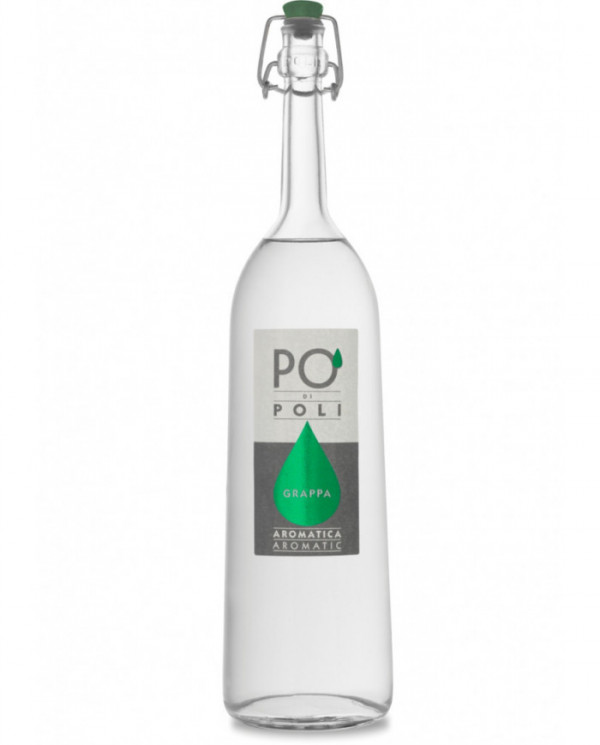
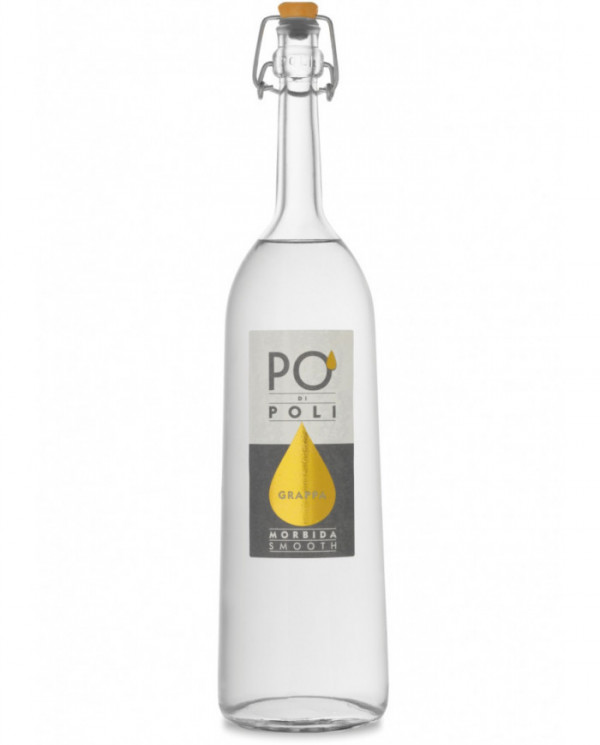
Among the best producers of young grappas are prominent names in the Italian distilling scene, such as Nonino, Bocchino, Nardini, and Poli. These companies stand out for their long tradition, the excellent quality of their products, and innovative production methods . Discover our selection of the best young grappas available online now!
How to Choose and Enjoy Young Grappas
What Factors to Consider When Buying?
When choosing a young grappa , it's important to consider several factors, such as the distillate 's provenance , the production techniques used, and whether it's been aged for a short period . Generally, younger grappas with less aging tend to have more intense and immediate aromatic notes , while those aged for a short period can offer a smoother palate. Choose based on your personal tastes and the type of tasting experience you're looking for.
How to Best Serve and Enjoy Young Grappas?
To maximize the characteristics of a young grappa , we recommend serving it at room temperature, possibly in tasting glasses that allow you to fully appreciate its aromas and flavors . You can also experiment with adding a drop of water , which can help slightly dilute the spirit and encourage the opening of its aromas. Finally, we suggest accompanying the grappa with dessert , dried fruit , or chocolate , to create pairings that can further enhance its freshness and intensity .
Conclusions
In conclusion, young grappas represent an authentic and fascinating expression of the Italian distilling tradition. These grappas, characterized by a unique freshness and aromatic intensity , offer enthusiasts a unique and memorable tasting experience. Whether you're an expert connoisseur or a curious explorer, the world of young grappas awaits you, ready to reveal all its secrets. Begin your journey to discover this extraordinary spirit today!
- Young grappas are grappas that have not undergone, or have undergone only a short period of barrel aging.
- The tradition of young grappa has its roots in the centuries-old history of distillation in Italy.
- The production and trade of young grappa has played an important role in the socioeconomic history of many Italian regions.
- The main advantage of young grappas is their freshness and aromatic intensity, due to their lack of aging.
- To best enhance young grappas, it's important to serve them at room temperature in tasting glasses and experiment with pairings with desserts, dried fruit, and chocolate.