

 Italiano
 Deutsch







There are no more items in your cart
Discover the Secrets of Sicilian Wines: A Journey Through Southern Italy's Winemaking Tradition
Sicily is one of Italy's richest regions, both for its history and its winemaking tradition. Sicilian wines are among the most appreciated in the world and are renowned for their quality. In this article, we'll discover the secrets of these delicacies and how to best enjoy them.
Sicilian Wines: An Ancient and Rich History
The tradition of winemaking in Sicily dates back to the Greco-Roman period, when the island was rich in native grape varieties. Over the centuries, Sicilian wine production has remained central to the region's culture and economy. Today, Sicilian wines are renowned worldwide for their unique quality.
Sicilian Wines: Varieties and Characteristics
Sicilian wines come in numerous varieties. The most famous are Nero d'Avola, Nerello Mascalese, Frappato, and Grecanico. These wines are characterized by a great aromatic complexity: hints of red fruits, spices, flowers, and vanilla. Nero d'Avola is an intense, full-bodied red wine, while Nerello Mascalese is lighter and fruitier. Frappato is a light, aromatic rosé, while Grecanico is a fresh, fruity white wine.
How to choose the right wine
Choosing the right wine depends on personal preference and the occasion. For example, if you want to drink a high-quality red wine, then you should opt for a Nero d'Avola. If you want a lighter, fruitier wine, you can choose a Nerello Mascalese. For a white wine, Grecanico is an excellent choice.
How to serve a Sicilian wine
To fully enjoy a Sicilian wine, serve it at a temperature of 18-20°C. Red wines are best served in fairly large glasses with a wider base and a narrower top. White wines, on the other hand, are best served in smaller glasses with a narrower base and a wider top.
The right match
Each wine has its own ideal pairing. For example, Nero d'Avola is a very versatile wine and pairs well with meat dishes, such as grilled steak. Nerello Mascalese, on the other hand, pairs better with fish or vegetable dishes. Frappato is a wine that pairs well with lighter dishes, such as a mixed salad. Grecanico is a wine that pairs well with fish or vegetable dishes.
5 tips for Sicilian wines
1. Choose a quality wine. Sicily is rich in excellent wines, so choose a product from a reliable producer.
2. Taste more wines. Taste several Sicilian wines to find out which one you like best.
3. Store your wine well. Store Sicilian wines in a cool, dry place away from heat sources.
4. Choose the right pairing. Pair Sicilian wines with the right dishes for a unique tasting experience.
5. Don't be shy. Don't hesitate to drink Sicilian wine and experiment with new varieties.
Discovering the secrets of Sicilian wines is a unique experience. Sicily is one of Italy's richest regions, and Sicilian wines are among the finest in the world. In this article, we've explored the history of these wines, their characteristics, how to choose and serve a Sicilian wine, and how to pair it with the right dishes. By following these tips, you'll be able to fully enjoy these delicacies and discover the secrets of Sicilian wines.
Sicilian Wine Denomination
Sicily is a region renowned worldwide for its wine production. Thanks to its Mediterranean climate, volcanic activity, and rich soil, the island produces some of the world's most prized wines. In this article, we'll explore Sicily's main wine appellations, their grape varieties, and their sensory characteristics, to discover the excellence of Sicilian winemaking.
Introduction to wine production in Sicily
Wine production in Sicily has ancient roots, dating back to the times of the Greeks and Romans. The region boasts a wide variety of terrain, from the volcanoes of Mount Etna and the Aeolian Islands to the inland hills, which allow for the cultivation of numerous native and international grape varieties. Thanks to the use of innovative techniques and a focus on quality, Sicilian wine production is constantly growing, offering the market high-quality wines capable of satisfying every palate.
The main denominations of Sicilian wines
Sicilian wine designations are divided into four main categories: Controlled Designation of Origin (DOC), Controlled and Guaranteed Designation of Origin (DOCG), Typical Geographical Indication (IGT), and Table Wines. Let's look at the characteristics of each in detail.
Controlled Designation of Origin (DOC)
The Controlled Designation of Origin (DOC) is a quality label awarded to wines that meet specific production criteria. Sicily has 23 DOCs, including Cerasuolo di Vittoria, Moscato di Pantelleria, and Etna Rosso.
Vittoria Cherry
Cerasuolo di Vittoria is a red wine produced in the southeastern part of the island, in the province of Ragusa. It is made with Nero d'Avola and Frappato grapes, in varying percentages, and has a deep ruby red color, a fruity aroma, and a dry, smooth flavor. It pairs perfectly with red meats, cured meats, and aged cheeses.
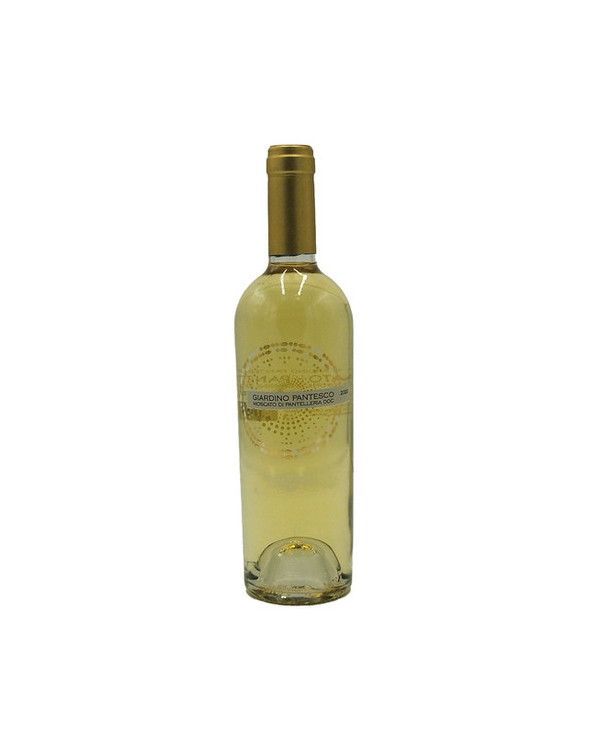
Moscato di Pantelleria
Moscato di Pantelleria is a sweet wine produced on the island of Pantelleria, located southwest of Sicily. The wine is made from the Moscato di Alessandria grape, locally known as Zibibbo, and has a deep golden yellow color, a rich, aromatic aroma, and a sweet, mellow flavor. It pairs perfectly with sweets and desserts.
Etna Red
Etna Rosso is a red wine produced on the slopes of Mount Etna, Europe's highest active volcano. This wine is made primarily from the native Nerello Mascalese grape, which grows on volcanic soils at high altitudes.
What is the most famous wine in Sicily?
A: Sicily's most famous wine is Etna Rosso, a red wine produced on the slopes of Mount Etna.
Controlled and Guaranteed Designation of Origin (DOCG)
The Controlled and Guaranteed Designation of Origin (DOCG) is the highest expression of Italian wine quality. Sicily has only one DOCG, Cerasuolo di Vittoria. This dry red wine is produced in the Vittoria area, in the province of Ragusa, with varying percentages of Nero d'Avola and Frappato grapes. The wine has a ruby red color, a fruity aroma, and a smooth, persistent flavor. It pairs perfectly with red meats, cured meats, and aged cheeses.
Typical Geographical Indication (IGT)
The Indicazione Geografica Tipica (IGT) designates wines produced in a specific geographical area and possessing certain distinctive characteristics. In Sicily, there are four IGTs: Terre Siciliane, Salina, Val di Mazara, and Alcamo. IGT wines can be made with international grape varieties, such as Chardonnay, Cabernet Sauvignon, and Merlot, as well as native varieties.
Table Wines
Table wines are wines produced in Sicily that do not fall into the DOC, DOCG, or IGT categories. Despite this, many of them are of the highest quality, produced with native grapes and using artisanal methods. Among the best-known are Nero d'Avola and Grillo.
Sicily is a region with a long winemaking tradition, renowned worldwide for the quality of its wines. Thanks to its volcanoes, Mediterranean climate, and diverse soils, the island produces exceptionally high-quality wines, capable of satisfying every palate. From DOC to IGT, from white to red, Sicilian wine production is a true oenological excellence.
FAQ
What are the native grape varieties of Sicily?
Among the main native grape varieties of Sicily are Nero d'Avola, Frappato, Inzolia, Grillo and Zibibbo.
How many DOC wines are there in Sicily?
In Sicily there are 23 DOC wines.
What are the main pairings for Sicilian wines?
Sicilian red wines pair perfectly with red meats, cured meats, and mature cheeses, while white wines are ideal with fish dishes, seafood, and fresh cheeses.
What is the difference between DOC and DOCG?
The main difference between DOC and DOCG is that the DOCG guarantees a higher quality of wine, with even more stringent production criteria and more frequent inspections.
What are the best-known wines of Sicily?
Among the best-known wines of Sicily are Etna Rosso, Cerasuolo di Vittoria, Nero d'Avola, and Grillo.