

 Italiano
 Deutsch





There are no more items in your cart
€8.09
SKU:
23161
Brand:
Carpano
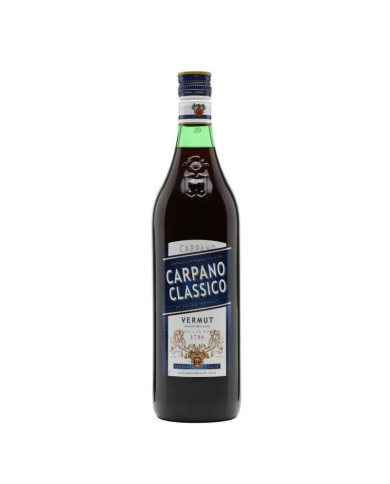
Un prodotto eccezionale, considerato unico dai barman professionisti perché è l’elemento necessario per creare dei cocktail perfetti e a regola d’arte. La struttura base è quella della ricetta originale inventata da Antonio Benedetto Carpano.
€14.74
SKU:
23160
Brand:
Carpano
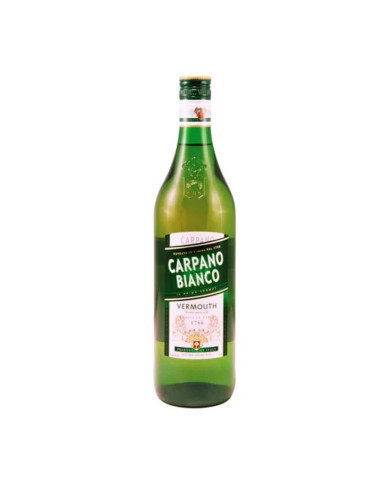
Un aperitivo originale, a base di vino di collina, zucchero ed erbe di montagna. Caratterizzato da una raffinata nota aromatica, è preparato con la stessa sapiente arte e con un procedimento ancora artigianale. Volume alcolometrico: 16%
€14.74
€59.78
€74.76
€27.18
€33.67
SKU:
19354
Brand:
Dolin
€16.24
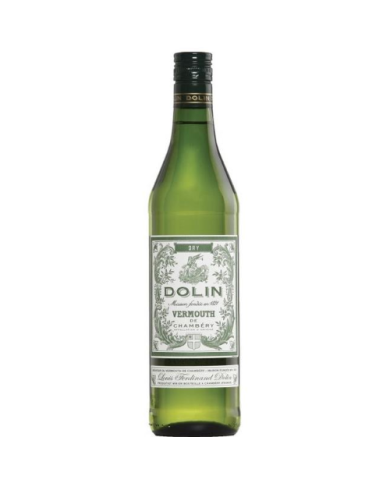
Vermouth prodotto a Chambery, vengono macerate 54 botaniche alpine la cui raccolta è esclusivamente manuale.
Intensi sentori di erbe aromatiche, al palato ben equlibrao tra aroma e acidità, finale lungo, secco.
€16.24
SKU:
19353
Brand:
Dolin
€16.24
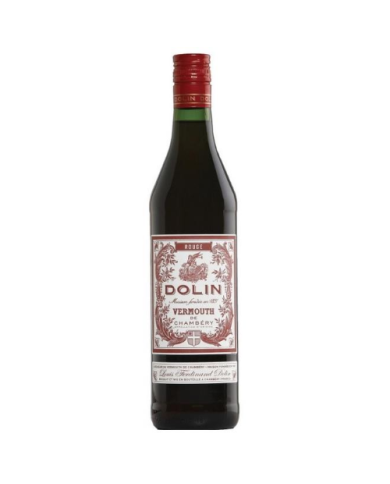
Vermouth prodotto a chambery con 54 botaniche alpine, raccolta manuale.
Il colore rosso dipende dalla tipoogia delle piante utilizzate e dallo zucchero muscovado.
intensi odori di erbe aromatiche e frutta polpa rossa matura, finale lungo e persistente, secco.
€16.24
SKU:
19047
Brand:
Berto
€15.16
Italia - Piemonte
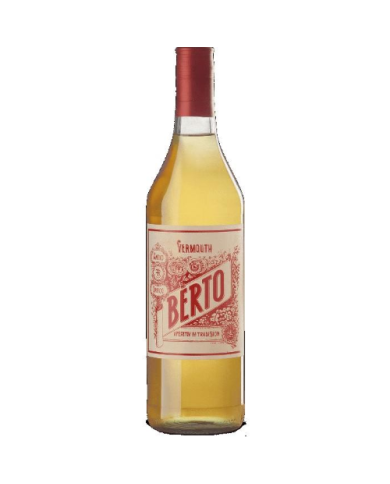
Vino bianco, zucchero cristallino ed infusi di erbe fresche e spezie esotiche abbinate ad una lunga maturazione permettono di creare un Vermouth elegante e complesso. All‘olfatto coinvolgenti aromi di fiori bianchi, vaniglia, cannella e uva passa. Morbido e avvolgente in bocca, e` corposo, finemente amaricato e ricco di una densa speziatura.
Gradazione alcolica17%
Botaniche: angelica, arancio amaro, assenzio, cannella, cardamomo, chiodi di garofano, coriandolo, genziana, limone, luppolo, macis, maggiorana, menta, rabarbaro, timo, vaniglia
€15.16
SKU:
19046
Brand:
Berto
€19.03
Italia - Piemonte
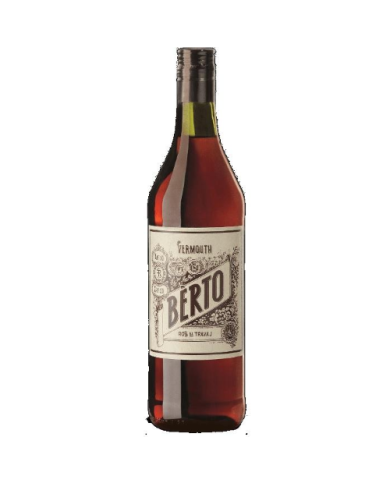
Delicate note floreali accompagnate da accenni erbacei. Una miscela di vini affinati in botti di rovere per un minimo di 5 anni. Intenso ed elegante. Brillante e lievemente dorato, morbido e saporito, conquista subito il palato con forza ed eleganza dischiudendosi con accenni lievemente freschi e balsamici.
Gradazione alcolica19%
Botaniche: assenzio, dittamo, maggiorana, lavanda, Dragoncello, cardamomo, arquebuse
€19.03
SKU:
19045
Brand:
Berto
€15.16
Italia - Piemonte
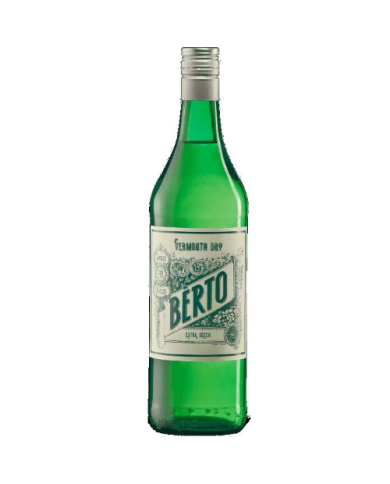
Al naso ha la classica impronta olfattiva vinosa elegantemente supportata dai sentori di vaniglia e agrumi. Al momento dell‘assaggio sprigiona tutta la sua eleganza dischiudendosi in un lieve abbraccio ricco di sottili ritorni speziati e amaricanti.
Gradazione alcolica17%
Botaniche: angelica, arancio amaro, assenzio, cannella, cardamomo, chiodi di garofano, coriandolo, genziana, limone, luppolo, macis, maggiorana, menta, rabarbaro, timo, vaniglia
€15.16
SKU:
19044
Brand:
Berto
Italia - Piemonte
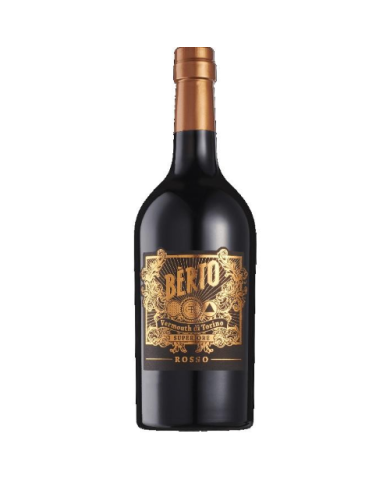
Con base Barbera d'Asti DOC e Cortese DOC il Vermouth di Torino Superiore, dallo splendido color bruno, esprime le note olfattive tipiche dell'artemisia, elegantemente accompagnate da ritorni olfattivi balsamici di legno e resine.
Gradazione alcolica18%
Botaniche: assenzio, ginepro, rabarbaro, mirra, liquirizia, vaniglia, menta
€20.80
SKU:
19043
Brand:
Carpano
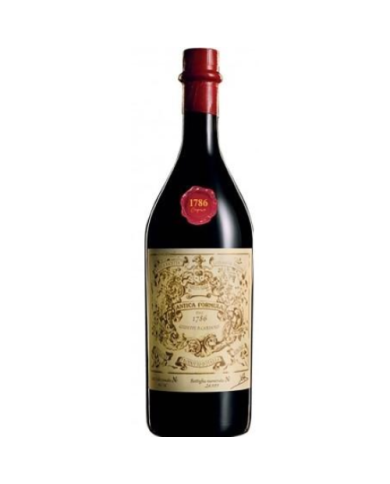
Antica Formula è un vermut rosso pregiato, prodotto con la stessa ricetta messa a punto da Benedetto Carpano nel 1786 a Torino. Si contraddistingue da tutti gli altri Vermouth per il suo bouquet unico e dalle sue inconfondibili note di vaniglia.
Volume alcolometrico: 16,5%
€34.16
SKU:
19042
Brand:
Carpano
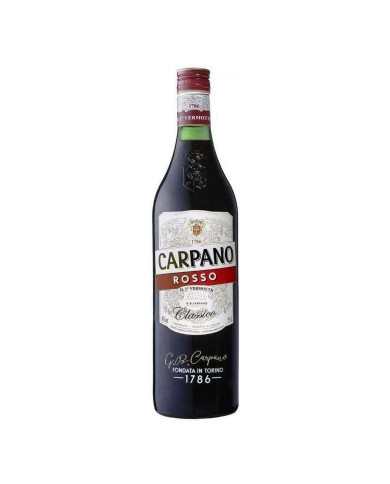
Un aperitivo originale, a base di vino di collina, zucchero ed erbe di montagna. Caratterizzato da una raffinata nota aromatica, è preparato con la stessa sapiente arte e con un procedimento ancora artigianale. Volume alcolometrico: 16%
€14.74
SKU:
19041
Brand:
Casoni
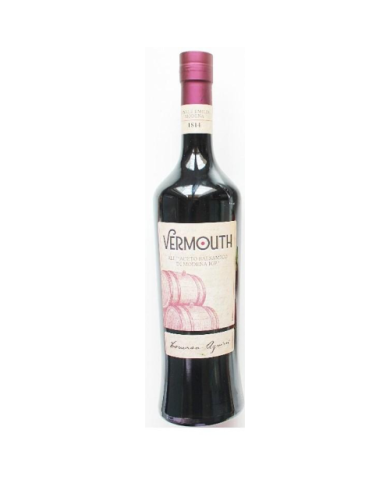
Il vermouth Tomaso Agnini, riporta alla ribalta la tradizione dove sapori fortemente conosciuti si uniscono in un gusto ricco e corposo. Tomaso Agnini ha unito la fama ed il gusto dell’aceto alla tradizione del vermouth, miscelando affermate tradizioni regionali italiane. Il Vermouth all’Aceto Balsamico Tomaso Agnini è dato dall’uso dell’Aceto Balsamico di Modena IGP.
Volume alcolometrico: 18%
SKU:
19040
Brand:
Casoni
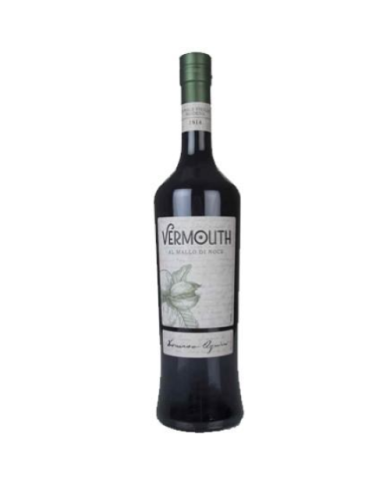
Il mallo di noce, la polpa che avvolge il frutto, è da sempre usato per il Nocino, liquore tipico di tutta la provincia di Modena. Negli anni la tradizione emiliana ha portato a miscelare questi due liquori. Il Vermouth TomasoAgnini riporta alla ribalta questa tradizione, dove due sapori fortemente conosciuti si uniscono in un gusto ricco e corposo.
Volume alcolometrico: 18%
SKU:
19039
Brand:
Cinzano
Colore giallo paglierino luminoso con vivi riflessi dorati, al naso lascia intravedere note aromatiche salvia e tiglio con accenni di pesca bianca e nespola. L’assaggio è consistente e viscoso, dotato di un’ottima freschezza e in perfetto equilibrio con la dolcezza, tipica del Vermouth, con lunga scia finale agrumata che ricorda il pompelmo.
Volume alcolometrico: 16%
€13.12
SKU:
19038
Brand:
Cinzano
€14.20
Sentori armoniosi di erbe aromatiche, spezie, chiodi di garofano, cannella, frutti rossi e artemisia. Colore trasparente con riflessi verdognoli. Gusto: Profumato, prestigioso e grande. Prodotto ideale da gustare da solo oppure nei cocktail.
Volume alcolometrico: 16%
€14.20
SKU:
19037
Brand:
Cinzano
Cinzano Vermouth "1757" è artigianale delicatamente infuso con i migliori mix maturo aromatici. E 'intensamente ricco con un finale amaro vellutato.
€33.48
SKU:
19036
Brand:
Cinzano
Cinzano Aperitivo nasce dall’unione di vino, alcool, zucchero e un’infusione di erbe e spezie, delle quali la più importante è l’assenzio. Dal colore rosso intenso deve il suo ricco e pieno bouquet all’infusione di erbe e spezie di pregiata e scelta qualità. Dolce e fragrante con sapori di agrumi e frutti di bosco che si conclude con un unico ma persistente retrogusto gradevolmente amarognolo. Volume alcolometrico: 14,4%
€13.12
SKU:
19035
Brand:
Del Professore
Piemonte
Infusione nel vino bianco di 15 erbe e spezie delle Alpi, con aggiunta di puro zucchero di canna appena raffinato
Colore Giallo ambrato
Profumo Ricco e delicato, con note di assenzio, arancia e paglia secca
Gusto Amabile e amaricante, con note di china e ginger
Volume alcolometrico: 18%
€35.25
SKU:
19034
Brand:
Del Professore
La ricetta è quella tradizionale piemontese che prevede vino aromatico, zucchero di canna puro e varie elbe, tra cui menta alpina, assenzio, genziana e chiodi di garofano. Profumo caldo e avvolgente dei legni, balsamico e mentolato che ricorda miscele farmaceutiche del passato, equilibrato dall'assenzio, l'arancio amaro e dalla vaniglia. Gusto pieno e morbido derivato dall'affinamento in botti di rovere viene gradualmente sovrastato da note balsamiche e mentolate che sfociano nel dolce-amaro del rabarbaro e della genziana, coadiuvate dallo zucchero e dal leggero tannino acquisito nei mesi di affinamento. Volume alcolometrico: 16%
€30.55
SKU:
19033
Brand:
Cocchi
Colore giallo ambrato intenso, con vivi riflessi bronzei, al naso sprigiona note di crème caramel, zucchero filato e caramella mou, insieme alle caratteristiche sensazioni di china, rabarbaro e scorza d'agrume. Il gusto è ricco, con vibranti note di arancia amara e cacao, insieme a rimandi balsamici e di rosmarino, in un lungo finale di noce moscata. Volume alcolometrico: 16%
€25.03
The Art of Vermouth: Between Tradition and Innovation
What is Vermouth?
Vermouth is a flavored liqueur made from the infusion of herbs, spices, flowers, and fruit in a base wine, usually combined with a touch of ethyl alcohol. It is known for its versatility and is used both as an aperitif and as the main ingredient in many classic cocktails.
Definition and Characteristics of Vermouth
Vermouth is distinguished by its aromatic and flavorful complexity, which varies widely depending on the recipe and production method. Traditionally, it is classified as sweet and dry, each with its own characteristics and uses.
History of Vermouth
The history of Vermouth begins in Europe, with roots dating back to the 18th century in Italy and France, where it was used both for its medicinal properties and as a beverage.
How Vermouth is Made
Vermouth production is an art that combines tradition and precision, with a careful selection of ingredients.
Key ingredients and their impact on flavor
Vermouth includes a variety of botanicals such as mugwort, cinnamon, cloves, and orange peel. These ingredients are macerated in the wine, contributing to its depth of flavor.
The flavoring process
After maceration, the Vermouth is filtered and sometimes sweetened to balance the bitterness of the herbs, followed by an aging phase that can vary from a few months to several years.
Types of Vermouth
Vermouth can be found in different varieties, each with its own specific characteristics.
Red, white and dry vermouth
Red vermouth is generally sweeter and more aromatic, while white vermouth is drier and more delicate. Dry vermouth, often used in cocktails, is known for its subtle elegance and lower sweetness.
Flavored and special vermouths
Some producers also offer Vermouth infused with particular botanicals or aromas, which offer a unique and varied tasting experience.
Vermouth Tasting
Tasting Vermouth allows you to appreciate all its nuances.
How to taste Vermouth
We recommend serving Vermouth chilled, alone or over ice, to enhance its flavors. A suitable glass is a low tumbler or wine glass.
Food pairings
Vermouth pairs well with light appetizers, fish, and seafood, thanks to its ability to enhance flavors without overpowering them.
Vermouth in the world of cocktails
Vermouth is an essential component in many traditional and modern cocktails.
Classic cocktails with Vermouth
The Martini and the Manhattan are two of the most iconic cocktails that use Vermouth as a key ingredient.
New trends in cocktails with Vermouth
Bartenders around the world continue to experiment with vermouth, creating innovative cocktails that push the boundaries of mixology.
Prominent Vermouth Producers
Knowing the main producers can help you choose the best Vermouth for every occasion.
The main Italian producers
Italy is famous for its Vermouth, with historic brands like Martini & Rossi and Carpano dominating the market.
International producers
Other countries, such as France and Spain, also have a rich tradition of producing high-quality Vermouth.
Curiosities and advice on Vermouth
Interesting stories related to Vermouth
Vermouth has a storied history, including its supposed invention by an Italian doctor as an elixir of long life.
Storage tips
Vermouth should be stored in the refrigerator after opening and consumed within a few months to maintain its freshness and aroma.
Frequently Asked Questions about Vermouth
FAQ - Answers to the most common questions
This section clarifies common doubts about how and when to consume Vermouth, as well as providing advice on choosing the right product.
Conclusion: Vermouth represents a category of spirits that perfectly embodies the balance between tradition and innovation. Whether enjoyed neat, on the rocks, or as part of a refined cocktail, vermouth continues to be a popular choice for lovers of complex and refined flavors.