

 Italiano
 Deutsch






There are no more items in your cart
SKU:
21530
Brand:
Chateau de Fargues
Il Sauternes Lur Saluces A.O.C. 2013, prodotto dall'illustre Chateau de Fargues, rappresenta un esemplare straordinario di vino dolce della regione di Bordeaux. Questa annata 2013 si distingue per la sua eleganza e bilanciamento eccezionale, frutto di una vendemmia accuratamente selezionata e di un clima favorevole quell'anno.
€233.87
SKU:
21529
Brand:
Chateau de Fargues
Il Sauternes Lur Saluces A.O.C. 2007 prodotto da Chateau de Fargues rappresenta un esemplare straordinario di vino dolce, considerato uno dei gioielli della regione di Bordeaux, Francia. L'annata 2007 si distingue per la sua complessità e finezza, risultato di un'annata particolarmente favorevole che ha permesso una perfetta maturazione delle uve e una concentrazione ottimale degli zuccheri.
€255.35
SKU:
21528
Brand:
Chateau de Fargues
Il Sauternes Lur Saluces A.O.C. 2010 del Chateau de Fargues è un vino bianco dolce, prodotto nella celebre regione di Sauternes in Francia. Questo vino è noto per la sua complessa metodologia di produzione, che coinvolge l'uso di uve affette dalla "Botrytis cinerea", un fungo noto anche come "muffa nobile". Questo processo conferisce al vino un'eccentrica complessità aromatica e un equilibrio delizioso tra dolcezza e acidità.
€268.52
SKU:
21527
Brand:
Chateau de Fargues
Il Sauternes Lur Saluces A.O.C. 2016, prodotto dal prestigioso Chateau de Fargues, è un vino bianco dolce di ineguagliabile eleganza e complessità, apprezzato dai collezionisti e dagli amanti del vino di tutto il mondo. Questo vino rappresenta una delle espressioni più raffinate della regione di Sauternes, famosa per i suoi vini dolci da dessert.
€247.05
SKU:
21381
Brand:
San Giusto a Rentennano
Excellent year, the grapes were harvested perfectly healthy and so they were preserved during the drying. Very dense, with high sugars and extracts that lead to consider the Vin San Giusto 1997 suitable for a long aging.
€54.70
SKU:
21356
Brand:
Praesidium
Il mostocotto è un prodotto tipico della tradizione casalinga abruzzese. Esso è presente nelle nostre case sin dal tempo degli antichi romani i quali utilizzavano questo liquido denso per addolcire e arricchire il sapore dei cibi oltre che, aggiunto all’acqua, per ottenere una bevanda dissetante ed energetica. Nelle opere degli scrittori latini Apicio, Catone, Columella e del poeta Ovidio, nato a Sulmona, si trovano testimonianze dell’uso del Mostocotto. Attualmente viene utilizzato come ingrediente nell’impasto di vari dolci tradizionali locali. Il mostocotto Praesidium è un succo dolce e denso, ottenuto durante il periodo della vendemmia facendo bollire, a fiamma diretta e moderata per 12-16 ore, il mosto fiore, proveniente al 100% da uve selezionate Montepulciano d’Abruzzo. La lavorazione è lunga e delicata al punto che da 10 litri di mosto se ne ricavano circa 2 di mostocotto Praesidium. Il mostocotto non contiene alcool. Può essere accompagnato a formaggi molto stagionati o ricotta, bollito misto o verdure grigliate. Può essere usato per farcire dolci e macedonia di frutta o, nel modo più tradizionale, come ingrediente nell’impasto di dolci locali abruzzesi. Arricchisce il sapore delle pere al forno
€23.18
€13.64
€19.63
€22.74
SKU:
21216
Brand:
Quintarelli
Amabile del Cere is a white passito from Veneto made from various white grapes. It is a blend based on chardonnay, garganega, Tuscan trebbiano and sauvignon. The grapes are harvested at the end of September, followed by drying in wooden boxes and pressing in January, when the botritys worked at full capacity on the volume and sugar residue of the bunches. Quintarelli 's passito is then aged for 5 or 6 years in French oak. Exquisite, sublime, delicate. The fifth essence of sweetness. The amber color, the notes of bergamot, candied fruit and spices accompany a vertical, delicate and engaging sip. A passito from the past, with an enormous potential for spectacular evolution. A meditation wine to be savored on rare occasions, excellent with dry or sliced desserts.
€169.90
€20.87
SKU:
21149
Brand:
Maculan
Excellent with dry desserts, but also with soft cakes made with bitter chocolate or with berries. Try it with particularly tasty mature or blue cheeses.
€13.88
SKU:
21148
Brand:
Maculan
The combination we suggest is a goose foie gras escalope, but perfection is achieved in a glass, in front of the fireplace in good company!
€54.40
SKU:
21147
Brand:
Maculan
Excellent in combination with pastry desserts, fruit tarts, homemade focaccias and even desserts with creams.
€44.59
SKU:
21135
Brand:
Tenuta La Chiusa
The Aleatico Passito dell'Elba docg 2021 is a natural passito obtained from the aromatic Aleatico vine, native to the island of Elba. After the harvest which generally takes place during the first half of September, the grapes are dried on special racks in the open air for a period of about 10-15 days. Vinified in steel containers at a controlled temperature. Maceration on the skins for about 7 days.
€36.42
SKU:
21058
Brand:
Planeta
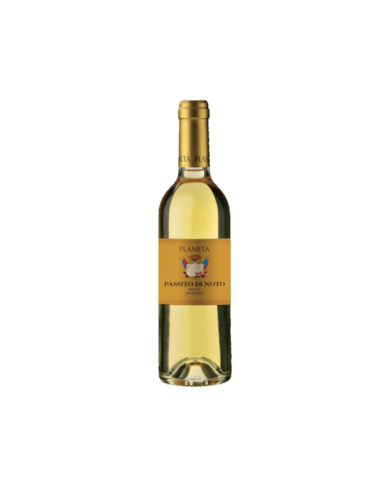
From one of the oldest vines in the world, Moscato Bianco, our Passito di Noto is born. Passito is an ancient wine that becomes current with a modern drying system. Explosive aromas of exotic fruit, jasmine, candied citrus, it is both complex and easy to love. The ideal companion of the great Sicilian tradition of sweets and ice cream.
€29.77
SKU:
21005
Brand:
Carpineto
Tuscan Vinsanto… a wine whose origins are lost in the mists of time. Vinsanto in Tuscany is such an important wine full of meaning that it was difficult to buy, it was an ambition to make it at home with your own hands; in every family there was a person in charge of this art, usually the father or grandfather. The hypothesized origins of this exquisite drink, as well as those of its singular name are different and are lost in the mists of time. A Sienese legend says that in the 14th century a friar distributed a wine that healed the sick, hence the belief that it was a miraculous wine, "Santo". However, it cannot be excluded that the name "holy" derives from the use that has always been made of it during Mass.
€44.35
€21.96
SKU:
20954
Brand:
Sandeman
€12.13
Di colore rosso rubino brillante, con aromi puliti di frutti rossi, prugne e fragole, Sandeman Porto Fine Ruby ha sapori pieni e ricchi ed è molto ben bilanciato. In bocca è ricco, rotondo, equilibrato, con evidenti sapori di prugne fresche e frutti rossi.
€12.13
SKU:
20953
Brand:
Ramos Pinto
Colore prevalentemente dorato. Nella sua caratteristica frutta e dolcezza, spiccano aromi floreali di camomilla e fiori d'arancio con sentori di miele.
Ha un palato leggero, untuoso con sapori di frutta matura circondato da un'intensa freschezza.
Un finale ricco e persistente con un piacevole tocco di miele.
€21.87
SKU:
20952
Brand:
Ramos Pinto
€21.87
Il più giovane dei vini di Porto, è maturato in grossi e vecchi tini, che gli hanno permesso di conservare intatte le caratteristiche di freschezza e piacevolezza tipiche dei migliori Porto Ruby.
€21.87
SKU:
20951
Brand:
Ramos Pinto
Ramos Pinto Quinta Ervamoira 10 year Old Tawny è un vino liquoroso di Porto con una tonalità rosso-arancio che al naso rivela sfumature speziate con aromi pungenti ed esotici accompagnati da ricordi fruttati di arancia, albicocca e prugne. Si percepiscono anche sentori di vecchie botti di vino di Porto con tocchi di vaniglia. Al palato si assapora ancora la frutta fresca, bilanciata dalla presenza del legno. Ha un passaggio morbido e corposo.
€46.38
SKU:
20950
Brand:
Ramos Pinto
Il Porto LBV è il risultato di una singola annata e viene imbottigliato il quarto anno. È un vino dolce, evoluto, facile da bere ma allo stesso tempo vigoroso e impegnativo, denso e armonico. Questo è un vino non filtrato, che può essere bevuto subito o lasciato in cantina in attesa di una complessità promessa, squisitamente indicato per gli accompagnamenti a base di cioccolato e di formaggio. Il colore è rosso vivo, intenso, con sfumature violette. Al naso si presenta ricco di profumi di frutti rossi, accompagnato da tenui ed eleganti note di violetta, di lavanda e pepe. Alla bocca arriva fresco ed armonioso, ricco di frutti maturi e note balsamiche, accanto ad aromi di cioccolato e di pepe rosa. Gradazione alcolica: 19,5% vol.
€31.10
SKU:
20949
Brand:
Graham's
Al naso presenta una deliziosa fragranza, note di caprifoglio e di menta. Sullo sfondo, ci sono anche alcuni aromi di frutta tropicale. Al palato sapori di frutta nera matura, che si combinano con sentori di liquore di ciliegia. I tannini a grana fine conferiscono al vino equilibrio e struttura, mentre la buona acidità sottolinea la freschezza del vino.
€34.26
Discover the Delight of Sweet Wines: A Journey for Your Senses
Sweet wines can be a true delight for the senses. The way sweet wine touches your taste buds and nostrils with its rich aromas will make you feel like you're in heaven. The magic of sweet wines is unique and is becoming increasingly popular among consumers seeking a unique sensory experience. If you're looking to discover the beauty of sweet wines, then you've come to the right place. This article will explore some of the best sweet wines and how to choose the right one for you.
What is a Sweet Wine?
First, we need to clarify what a sweet wine is. A sweet wine is one that contains a certain amount of sugar. This sugar can be added during fermentation or later. The amount of sugar in sweet wine can range from slightly sweet to very sweet. Sweet wines are often sweeter than dry wines because they contain more sugar.
The Most Popular Sweet Wines
Sweet wines can be divided into three broad categories: dessert wines, sparkling wines, and aromatized wines. Dessert wines are sweeter and more aromatic, such as Port, Sherry, Muscat, and Madeira. Sparkling wines are carbonated wines such as Champagne, Moscato Frizzante, Prosecco , and Cava. Aromatized wines are fruit-forward, such as Riesling, Gewürztraminer, and Grüner Veltliner.
How to Choose a Sweet Wine
If you're interested in trying a sweet wine, there are a few things to consider. First, you need to decide whether you want a dessert wine, a sparkling wine, or an aromatized wine. You'll also need to consider your budget and personal tastes. If you're a beginner, you might want to start with a less expensive and less sweet wine, like a Moscato or Riesling. If you're an expert, you might want to explore rarer and more expensive wines like a Port or Sherry.
How to Serve a Sweet Wine
If you've decided to try a sweet wine, it's important to serve it properly. Dessert wines should be served chilled, while sparkling and aromatized wines should be served at room temperature. The right temperature for a sweet wine varies depending on the type of wine, so be sure to read the labels before serving. Dessert wines should be served in wider dessert glasses, while sparkling and aromatized wines should be served in wine glasses.
How to Pair a Sweet Wine
One of the advantages of sweet wines is that they can be paired with many different dishes. Dessert wines pair well with desserts, cheeses, and meats. Sparkling wines can be paired with all types of dishes, from savory to sweet. Aromatized wines are particularly versatile and can be paired with fish, meat, and vegetable dishes.
Conclusion
Sweet wines are a fun and relaxing way to enjoy a meal or an evening. Whether you're a beginner or an expert, there's a sweet wine to suit your needs. Remember to choose the right wine for your meal, serve it at the right temperature, and pair it properly. If you follow these steps, you're sure to enjoy the delights of sweet wines.