

 Italiano
 Deutsch






There are no more items in your cart
SKU:
21478
Brand:
Cà del Bosco
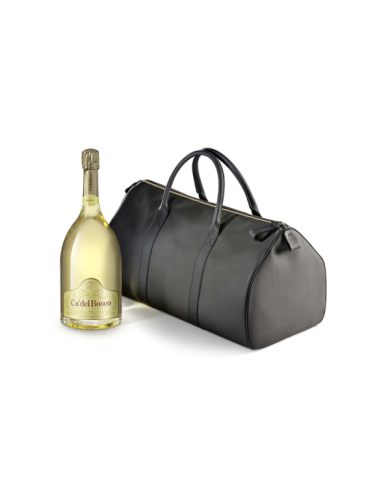
Soft and velvety, Ca 'del Bosco's Franciacorta Saten Millesimato expresses all the elegance of Franciacorta in the best vintages. After a maturation of 48 months on the lees, it gives off aromas of fruit, citrus and honey and has a creamy and very elegant taste. A Magnum of great impact!
€126.56
SKU:
21477
Brand:
Cà del Bosco
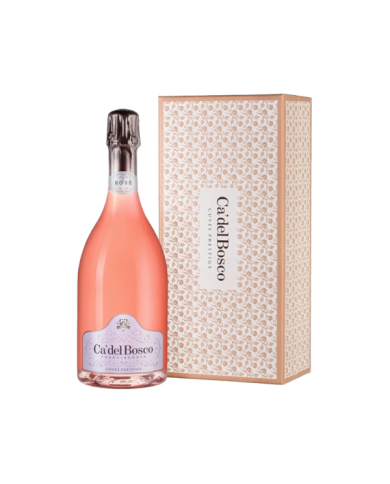
Transition . More than a color, pink is a suspended state of mind, like a delicate transition between white and red chasing each other, without ever being either one or the other. Franciacorta Rosé offers a magic poised between two shades. The rosé color is obtained after a short maceration of the red Pinot Noir grapes. Only a few hours to get that particular shade that evokes spring sunsets: you have to seize the moment, one moment the color is too light, the next it's too dark. And then the delicate encounter with Chardonnay and a slow, patient maturation. Cuvée Prestige Rosé, the ideal Franciacorta for the most important occasions. Especially the most romantic ones.
€106.66
SKU:
21476
Brand:
Cà del Bosco
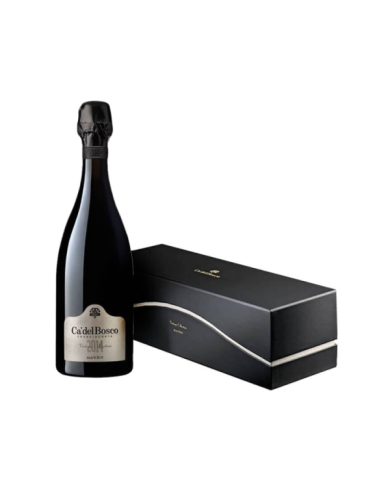
A Franciacorta that needs no introduction. Produced for the first time in 2007, this wine is born from the assembly of Chardonnay, Pinot Nero and Pinot Bianco grapes vinified separately and then added to the Reserves of the best vintages, which combined wisely give rise to this prestigious Cuvée. FRANCIACORTA CA 'DEL BOSCO
€741.30
SKU:
21475
Brand:
Cà del Bosco
This Curtefranca Rosso DOC is an excellent wine to accompany first courses of land cuisine and white meats. Try it with polenta with mushroom sauce. The optimal serving temperature is 18 ° C and the alcohol content reached is 13.5% Vol.
€235.05
SKU:
21474
Brand:
Cà del Bosco
This Curtefranca Rosso DOC is an excellent wine to accompany first courses of land cuisine and white meats. Try it with polenta with mushroom sauce. The optimal serving temperature is 18 ° C and the alcohol content reached is 13.5% Vol.
€144.64
SKU:
21473
Brand:
Cà del Bosco
This Curtefranca Rosso DOC is an excellent wine to accompany first courses of land cuisine and white meats. Try it with polenta with mushroom sauce. The optimal serving temperature is 18 ° C and the alcohol content reached is 13.5% Vol.
€57.85
SKU:
21472
Brand:
Cà del Bosco
At the sight it announces itself with a dark ruby red color, impenetrable. The olfactory spectrum moves on a progression of tertiary and balsamic notes, from which even more vegetal and fruity hints emerge. On the palate it is full-bodied, round, with a sip that moves smoothly and harmoniously on the palate, highlighting a finely integrated tannic texture. Superb with second courses of red meat, it gives its best with a fillet of beef with green pepper.
€162.72
SKU:
21471
Brand:
Cà del Bosco
Upon visual examination it announces itself with a beautiful golden color. Pear, tropical fruit, citrus peel and a slight hint of hazelnut are embellished with a subtle spicy background, dominated by vanilla. On the palate it moves with an enveloping and tasty sip, round, with good structure, with a perfect balance between flavor and acidity. Perfect with fish main courses, cooked with important preparations, it is also to be tried with recipes based on molluscs and crustaceans. Absolutely to try with the lobster au gratin with fine herbs.
€245.83
SKU:
21470
Brand:
Cà del Bosco
Upon visual examination it announces itself with a beautiful golden color. Pear, tropical fruit, citrus peel and a slight hint of hazelnut are embellished with a subtle spicy background, dominated by vanilla. On the palate it moves with an enveloping and tasty sip, round, with good structure, with a perfect balance between flavor and acidity. Perfect with fish main courses, cooked with important preparations, it is also to be tried with recipes based on molluscs and crustaceans. Absolutely to try with the lobster au gratin with fine herbs.
€151.88
SKU:
21457
Brand:
Spinelli
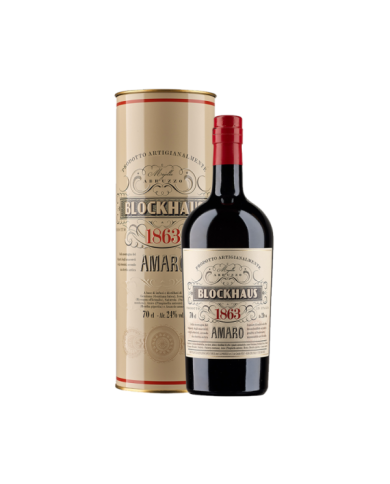
Bitter herb liqueur made in Abruzzo by recovering an ancient recipe from the Gran Sasso area. Produced only with traditional methods in order not to lose the original flavor. Herbal but soft on the palate, with a strong hint of gentian . A novelty to try.
€116.06
SKU:
21442
Brand:
Torraccia Del Piantavigna
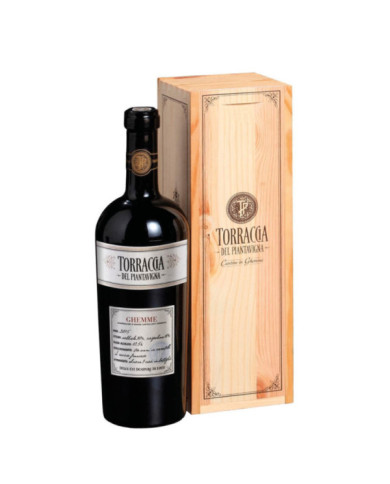
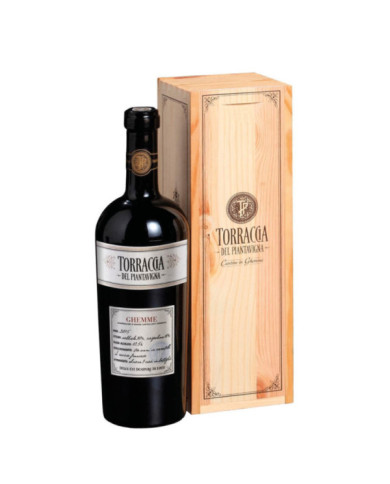
The Ghemme di Torraccia del Piantavigna is produced in the northeastern part of Piedmont with Nebbiolo and Vespolina grapes.
€97.01
SKU:
21441
Brand:
Torraccia Del Piantavigna
The Ghemme di Torraccia del Piantavigna is produced in the northeastern part of Piedmont with Nebbiolo and Vespolina grapes.
€95.92
Large format wines are a popular choice for special occasions and among wine collectors. They come in a variety of sizes and offer a variety of advantages over standard bottles. In this article, we'll explore everything you need to know about large format wines, from their benefits to storage and purchasing.
The advantages of large format wines
Large format wines offer numerous advantages over standard bottles. First, most wines in large formats age better than standard bottles. This is because the amount of oxygen entering the bottle is lower than in standard bottles. Furthermore, the larger capacity of wine in a single container means that temperature fluctuations are less significant, reducing the risk of damage to the wine.
Secondly, large format wines are an ideal choice for special occasions. A large bottle quickly becomes the center of attention and impresses guests. Furthermore, a single large bottle is much easier to manage than many smaller ones. For example, if you're hosting a dinner for a large group, you can use several large bottles to facilitate service.
Large format wine sizes
Large format wines are available in different sizes, each with a specific name:
Magnum : 1.5 litres, equal to two standard bottles
Jeroboam : 3 liters, equal to four standard bottles
Rehoboam : 4.5 liters, equal to six standard bottles
Methuselah : 6 liters, equal to eight standard bottles
Salmanazar : 9 liters, equal to twelve standard bottles
Balthazar : 12 liters, equal to sixteen standard bottles
Nebuchadnezzar : 15 litres, equal to twenty standard bottles
Storage of large format wines
Storing large-format wines is an important aspect to consider. Because these bottles are larger than standard bottles, storage can be more complicated. Most cellars don't have shelves or space suitable for large bottles, so planning ahead is essential.
Additionally, large bottles may take longer to adjust to the ambient temperature in which they are stored. To avoid temperature fluctuations, it's important to store large bottles in a cool, dry place.
Purchase of large format wines
Buying large format wines can be an excellent choice for wine collectors and for special occasions. However, it's important to pay attention to the bottles' origin. Large bottles can be more susceptible to counterfeiting than standard bottles, so it's important to buy from reputable and trustworthy sellers.
What are large format wines?
Large format wine bottles are larger than the standard 750ml bottle. There are numerous larger wine bottle sizes, including the Magnum (1.5 liters), the Double Magnum (3 liters), the Jeroboam (4.5 liters), the Rehoboam (4.5 liters), the Methuselah (6 liters), the Salmanazar (9 liters), the Balthazar (12 liters), and the Nebuchadnezzar (15 liters).
Why choose large-format wines?
There are many reasons to choose a larger bottle of wine over the traditional 750 ml bottles. First, wine in larger formats is more stable than standard bottles, thanks to the greater volume of wine in the bottle and the smaller amount of air coming into contact with the wine.
Secondly, wines in large formats develop more slowly, meaning they can be stored for a longer period without undergoing any alteration. Furthermore, these wines have greater harmony and balance than standard bottles, thanks to the greater contact surface between the wine and the cork.
Finally, wines in large formats are ideal for special occasions, such as weddings, anniversaries, birthdays, or corporate events, because they have a greater visual impact and can satisfy the palates of a greater number of people.
How to choose a large format wine?
Choosing a large-format wine depends on the type of wine and your personal needs. Generally, the wines best suited to larger formats are those that require a longer aging period, such as structured red wines, complex white wines, or sweet dessert wines.
Furthermore, it's important to choose a high-quality wine, because the larger the quantity of wine in the bottle, the greater the chance of defects appearing. It's therefore important to purchase wines in large formats from reputable retailers who offer guarantees regarding the wine's quality and shelf life.
Finally, it's important to consider the number of people attending the event to choose the right bottle size. For example, a Magnum bottle (1.5 liters) is enough for about 10 people, while a Balthazar bottle (12 liters) can satisfy up to 100 people.
In conclusion, large format wines are an excellent choice for special occasions and for wine collectors, thanks to their greater stability, their ability to evolve more slowly, and their ability to please the palates of a larger number of people.