

 Italiano
 Deutsch










There are no more items in your cart
SKU:
18802
Brand:
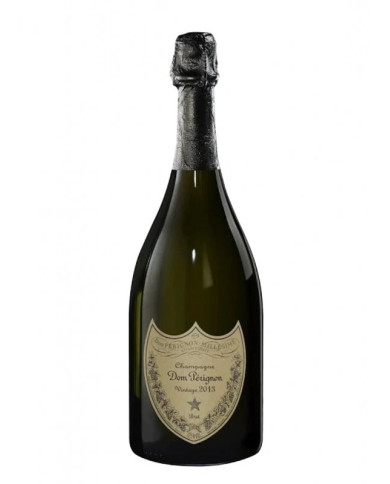
Dom Pérignon
€305.00
Il Dom Pérignon Vintage 2013 non si smentisce mai e anche in questa annata reinterpreta il carattere unico delle stagioni.
SKU:
18801
Brand:
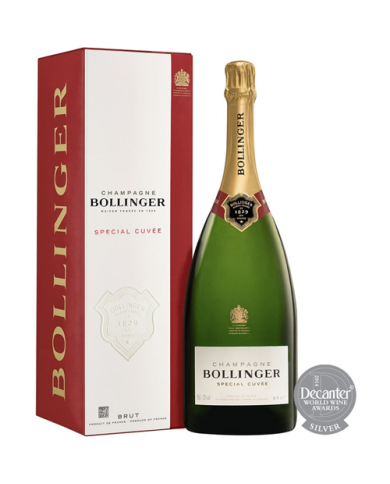
Bollinger
Lo Champagne Brut Special Cuvée di Bollinger ha origine dai vigneti di Ay nella Valle della Marna in Francia. Qui il Pinot Meunier, vitigno a bacca nera dello Champagne, è il protagonista, e nei vigneti esposti a Sud regala agli Champagne un tipico gusto fruttato ed una morbidezza seducente.
€220.94
SKU:
18794
Brand:
Cà del Bosco
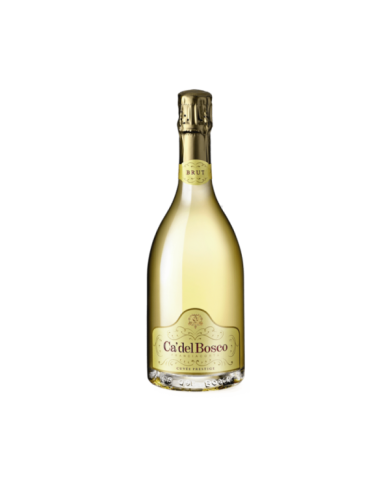
L’essenza di un sapere lungo trent’anni. L'amore per la propria terra. La migliore espressione dei suoli della Franciacorta. Esperienze ed intuizioni che, una vendemmia dopo l’altra, consentono di entrare a fondo nell’intima conoscenza della materia prima, l’uva, e del lungo processo di trasformazione che la rende vino.
€92.44
SKU:
18789
Brand:
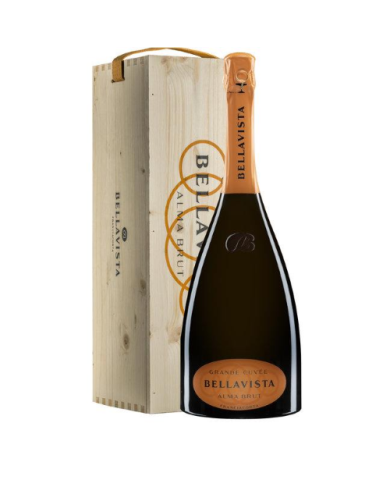
Bellavista
Denominazione: Franciacorta DOCG - Uvaggio: Pinot Nero 11%, Chardonnay 88%, Pinot Bianco 1% - Tipologia: Brut - Volume alcolometrico: 12,5% - Giallo paglierino con riflessi verdognoli. Il perlage è fine e continuo, con abbondante e persistente corona.Al naso il profumo è ampio e abbraccia sfumature di frutta dolce e leggermente matura con sottili accenni di vegetali e vaniglia. In bocca è sapido e completo, fresco e vibrante.
€344.53
SKU:
18788
Brand:
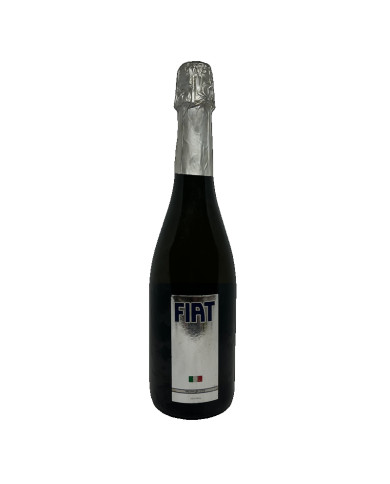
Scrimaglio
The Fiat Chardonnay bottle can be a great gift idea for car enthusiasts. Wines with an automotive design produced in limited numbers by the eccentric Piedmontese producer Pier Giorgio Scrimaglio. The Scrimaglio family has been in Piedmont since the 17th century and comes from France, where it bore the name Escrimeaux (swordsman). In Monferrato, it gave its name to an area that is still called Region Scrimaglio, where the farm and vineyards are now located. Francesco Scrimaglio, the progenitor of the family, started his wine-growing business in the early 1900s, which was later expanded by his son Pietro and grandsons Franco and Mario.
€14.90
SKU:
18785
Brand:
CVA Canicattì
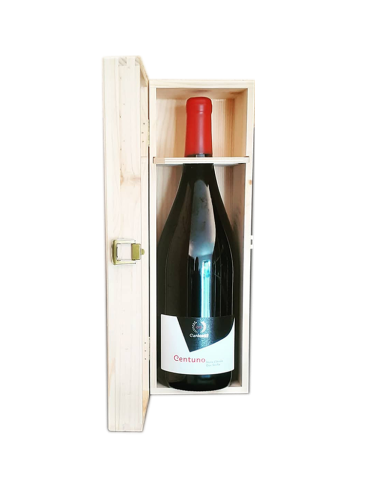
A Nero d'Avola with intense and persistent aromas that can be discovered for its modernity and charm. A classy wine, which surprises for its harmony and pleasantness, capable of revealing the authentic traits of the prince of Sicilian natives.
€34.16
SKU:
18782
Brand:
CVA Canicattì
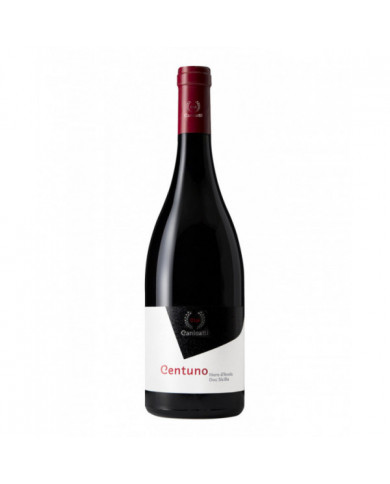
A Nero d'Avola, modern with its characteristic fruity notes and black pepper; harmonious, balanced, pleasantly tannic.
€9.90
SKU:
18761
Brand:
Planeta
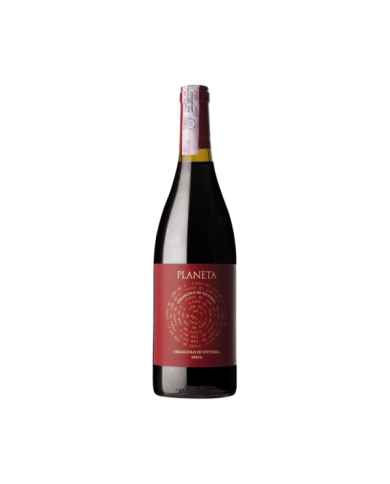
Our Cerasuolo di Vittoria is born from the countryside of Dorilli, between the sea and the Iblei mountains, known as a place of excellence for food in Sicily. The name of the only DOCG in Sicily derives from “cerasa”, the cherry in Sicilian dialect. It is obtained from the native Nero d'Avola and Frappato varieties. A unique wine, recognizable and unforgettable for its youthful flavors and aromas of cherry, strawberry and pomegranate, due to the particularity of the soils and climate in which the grapes are grown. A wine that, like few others, combines tradition and the pleasantness of wine.
€29.98
SKU:
18735
Brand:
Planeta
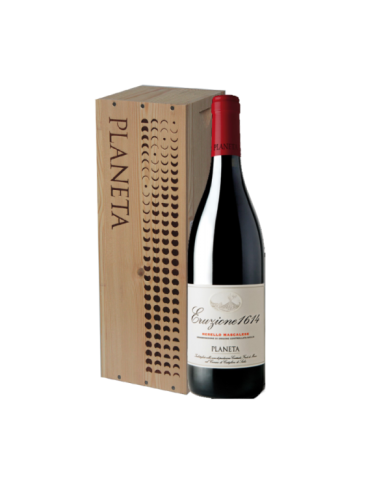
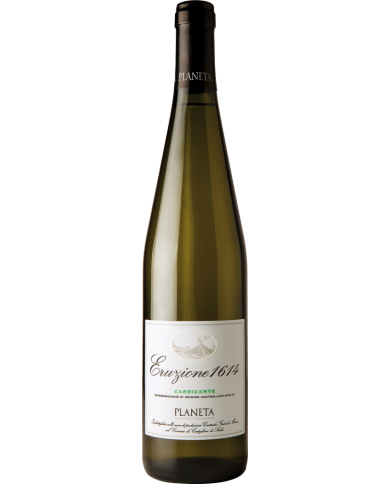
The history of Etna is dotted with historical eruptions that have shaped its shape. Legendary that of 1614, which lasted 10 years, the longest of all time, stopped right on the border of the Sciaranuova vineyards. A strongly evocative name for our Cru dell'Etna based on Nerello Mascalese. Black soils at high altitude give an elegant, fine and balanced style.
€59.78
SKU:
18732
Brand:
Planeta
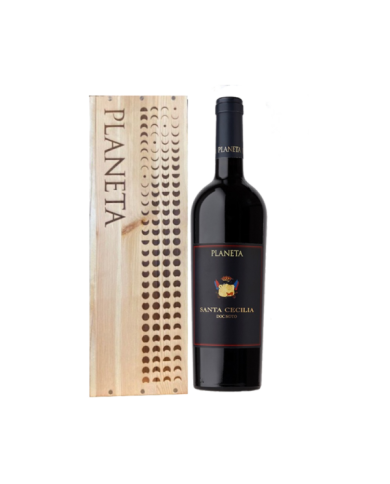
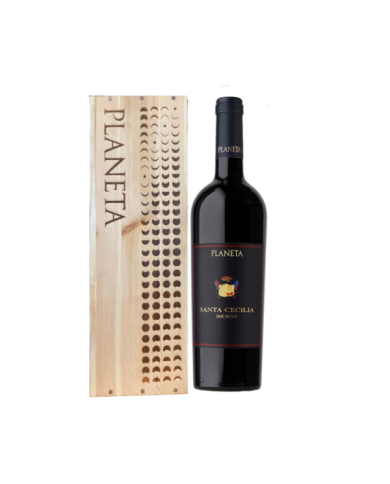
Nero d'Avola Noto DOC Santa Cecilia is the flagship wine of the Planeta winery. A Nero d'Avola vinified in purity, the result of a careful selection of the best vineyards for the production of an excellent wine.
€131.52
SKU:
18730
Brand:
Planeta
Nero d'Avola Noto DOC Santa Cecilia is the flagship wine of the Planeta winery. A Nero d'Avola vinified in purity, the result of a careful selection of the best vineyards for the production of an excellent wine.
€73.44
SKU:
18724
Brand:
Cà del Bosco
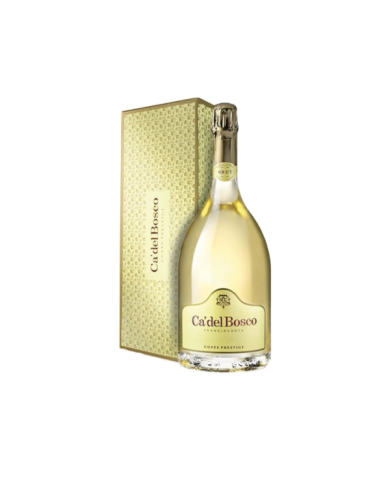
CUVÉE PRESTIGE Identity. A virtue that is found in the etymology of an ancient word: idem, or to be the same. Cuvée Prestige, the essence of Franciacorta, in the Ca 'del Bosco style. A jewel born in 2007 from thirty years of experience. Only the best Chardonnay (75%), Pinot Nero (15%) and Pinot Bianco (10%) grapes from 134 vineyards, vinified separately and wisely blended with reserves of the most beautiful vintages (at least 20%) enter the magical rite of Cuvée Creation . It will take 28 months of aging on the lees before this wine is ready to express all its richness and identity. A classic Franciacorta, balanced, pleasantly fresh and crunchy. Perfect for any occasion.
€88.19
SKU:
18723
Brand:
Cà del Bosco
Identity. Virtue written in the etymology of an ancient term: idem, or being oneself. Cuvée Prestige, the essence of Franciacorta in the Ca 'del Bosco style. A jewel born in 2007 from thirty years of knowledge. Only the best selections of Chardonnay, Pinot nero and Pinot bianco grapes from the best vineyards are vinified separately and wisely assembled to the reserves of the best vintages (at least 20%), in the magical rite of creating the Cuvée. Only after at least 24 months of aging on the lees this wine will be able to express its richness and identity. A classic Franciacorta, balanced, pleasantly fresh and acidulous. Perfect for any occasion.
€88.19
SKU:
18700
Brand:
Carpineto
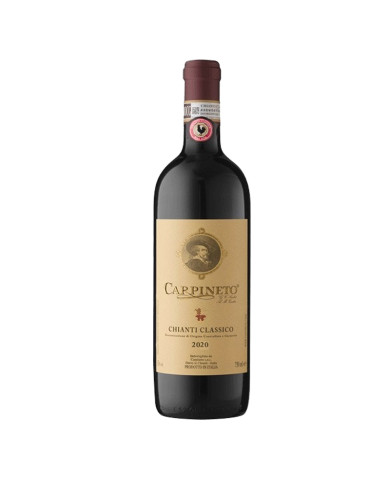
Produced in the oldest production area, as stated in the disciplinary that regulates it, this area gave its name to the wine and is the only one where Chianti Classico is produced. It extends between Florence and Siena in a territory of breathtaking beauty, made up of villages perched on the top of the hills, of olive trees cultivated in steep fields with an irregular outline and of cypresses lined up to delimit the innumerable dirt roads.
€111.18
SKU:
18672
Brand:
Produttori di Manduria
Colore: rosso rubino con nuance granate.
Profumo: naso intenso ed elegante con evidenti sentori di frutta scura matura ciliegia prugna spezie dolci come lo zenzero e l'anice in equilibrata fusione con accennate note tostate di legno.
Sapore: secco e corposo accarezza morbidamente il palato con buona consistenza e tannino elegante accompagnato da una piacevole ed armonica freschezza. Finale speziato piuttosto lungo ed ampio.
€77.64
SKU:
18671
Brand:
Produttori di Manduria
Colore: rosso rubino con nuance granate. Profumo: naso intenso ed elegante con evidenti sentori di frutta scura matura ciliegia prugna spezie dolci come lo zenzero e l'anice in equilibrata fusione con accennate note tostate di legno. Sapore: secco e corposo accarezza morbidamente il palato con buona consistenza e tannino elegante accompagnato da una piacevole ed armonica freschezza. Finale speziato piuttosto lungo ed ampio.
SKU:
18670
Brand:
Produttori di Manduria
Colore: rosso rubino con nuance granate.
Profumo: naso intenso ed elegante con evidenti sentori di frutta scura matura ciliegia prugna spezie dolci come lo zenzero e l'anice in equilibrata fusione con accennate note tostate di legno.
Sapore: secco e corposo accarezza morbidamente il palato con buona consistenza e tannino elegante accompagnato da una piacevole ed armonica freschezza. Finale speziato piuttosto lungo ed ampio.
€42.02
SKU:
18668
Brand:
Produttori di Manduria
Colore: rosso rubino con nuance granate. Profumo: naso intenso ed elegante con evidenti sentori di frutta scura matura ciliegia prugna spezie dolci come lo zenzero e l'anice in equilibrata fusione con accennate note tostate di legno. Sapore: secco e corposo accarezza morbidamente il palato con buona consistenza e tannino elegante accompagnato da una piacevole ed armonica freschezza. Finale speziato piuttosto lungo ed ampio.
€128.38
SKU:
18667
Brand:
Produttori di Manduria
Di colore rosa tenue, presenta una spuma soffice e perlage fine e persistente. Naso elegante, fragrante e fruttato, con sottili sfumature di lievito e crosta di pane. Fine, fresco ed elegante con un'acidità eccezionale, ben bilanciata da un corretto dosaggio.
€36.97
SKU:
18664
Brand:
Produttori di Manduria
Colore giallo tenue con riflessi verdolini. Perlage calibrato, fine e persistente. Al naso colpiscono subito intensi e variegati profumi di melone cantalupo, pesca bianca, mela verde, glicine, fiori d’arancio, fragrante crosta di pane con note delicate di nocciola. Palato fine e vivace, freschissimo, sapido e cremoso. Finale appagante e setoso.
€36.97
SKU:
18663
Brand:
Produttori di Manduria
Colore giallo tenue con riflessi verdolini. Perlage calibrato, fine e persistente. Al naso colpiscono subito intensi e variegati profumi di melone cantalupo, pesca bianca, mela verde, glicine, fiori d’arancio, fragrante crosta di pane con note delicate di nocciola. Palato fine e vivace, freschissimo, sapido e cremoso. Finale appagante e setoso.
€36.97
SKU:
18658
Brand:
Produttori di Manduria
Colore: rosso rubino intenso. Profumo: naso elegante con decisa componente fruttata a base di more selvatiche prugne secche lamponi in confettura e mirtilli. Noce moscata vaniglia e chiodi di garofano anticipano timbri di erbe aromatiche e cuoio. Sbuffi di mandorla tostata e petali di viola appassiti affiancano sentori di sottobosco. Sapore: acidità brillante e tannini asciutti accompagnano fino in fondo donandogli una perfetta chiusura. Persistente.
€62.40
SKU:
18653
Brand:
Produttori di Manduria
Colore: rosa corallo intenso brillante e luminoso anticipa la buona struttura del vino. Profumo: accattivante al naso con note intense di ciliegie fresche melagrana mela rossa fragoline di bosco e lampone arricchite da piacevoli sbuffi minerali. Sapore: succoso e fresco al palato ben strutturato croccante sapido in fondo tanta succosa acidità finale lungo.
SKU:
18609
Brand:
Domini Veneti
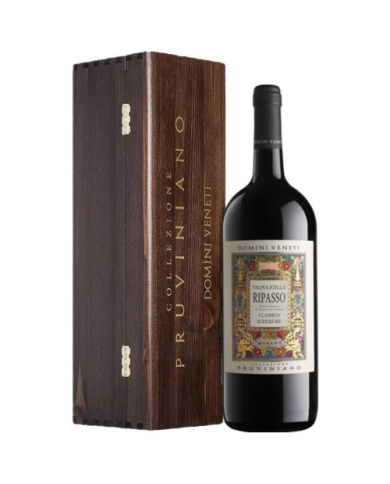
Vino rosso secco che si caratterizza per il suo bel colore rosso rubino e il profumo fine e fruttato. Al palato si presenta caldo, corposo, persistente, con tannini vivaci e retrogusto di frutta secca, noci e mandorle tostate.
€62.71
SKU:
18607
Brand:
Domini Veneti
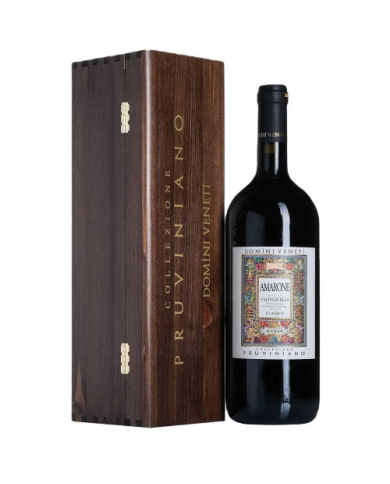
Vino rosso secco dalla straordinaria forza, di colore denso e granato e dal profumo intenso e fruttato.
Il sapore è di grande struttura e morbidezza, con retrogusto di frutta secca e tostatura, ideale abbinamento con la selvaggina, carne alla brace, brasati e formaggi stagionati. Accompagna ottimamente la conversazione a fine pasto.
€90.69
SKU:
18583
Brand:
Villa Medoro
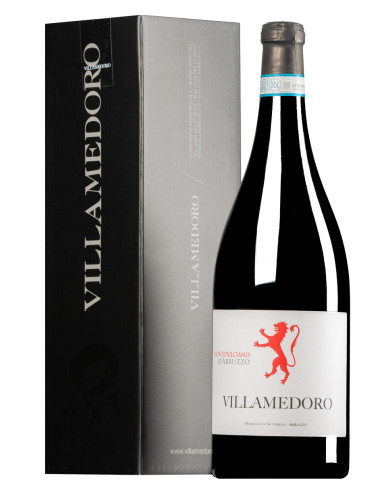
Montepulciano d Abruzzo Villa Medoro presents itself to the eye with a ruby red color with orange reflections, from the glass it releases a wide range of aromas, from wild black cherry to floral nuances of dried violet, aromatic herbs, locust beans and chocolate. In the mouth it glides powerful and warm, rightly tannic, with a pleasantly almondy finish.
€19.51
SKU:
18468
Brand:
Domaine Gautheron
Sotto il suo vestito chiaro, pallido oro o oro verde, questo bianco esprime un naso molto fresco, vivace e minerale insostituibile con terrine di pesce e pollame, nonché pesce alla griglia. Ma anche su asparagi, così difficili da domare, per non parlare della cucina esotica, curry e altri piatti tandoori. Grandioso semplicemente come aperitivo.
€39.90
€50.75
€33.78
SKU:
18425
Brand:
Tenuta San Guido
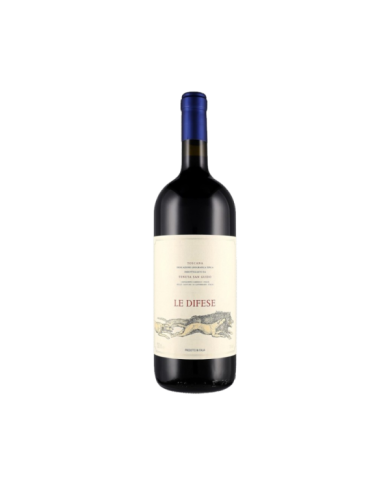
Le Difese is a full-bodied red wine with a Bordeaux style but with a Tuscan soul: a combination of Cabernet Sauvignon and Sangiovese, aged in barrique for 12 months. It is soft, round, elegant and velvety, animated by a balanced freshness and hints of cherries, chocolate, aromatic herbs and sweet spices
€64.90
€53.12
Large format wines are a popular choice for special occasions and among wine collectors. They come in a variety of sizes and offer a variety of advantages over standard bottles. In this article, we'll explore everything you need to know about large format wines, from their benefits to storage and purchasing.
The advantages of large format wines
Large format wines offer numerous advantages over standard bottles. First, most wines in large formats age better than standard bottles. This is because the amount of oxygen entering the bottle is lower than in standard bottles. Furthermore, the larger capacity of wine in a single container means that temperature fluctuations are less significant, reducing the risk of damage to the wine.
Secondly, large format wines are an ideal choice for special occasions. A large bottle quickly becomes the center of attention and impresses guests. Furthermore, a single large bottle is much easier to manage than many smaller ones. For example, if you're hosting a dinner for a large group, you can use several large bottles to facilitate service.
Large format wine sizes
Large format wines are available in different sizes, each with a specific name:
Magnum : 1.5 litres, equal to two standard bottles
Jeroboam : 3 liters, equal to four standard bottles
Rehoboam : 4.5 liters, equal to six standard bottles
Methuselah : 6 liters, equal to eight standard bottles
Salmanazar : 9 liters, equal to twelve standard bottles
Balthazar : 12 liters, equal to sixteen standard bottles
Nebuchadnezzar : 15 litres, equal to twenty standard bottles
Storage of large format wines
Storing large-format wines is an important aspect to consider. Because these bottles are larger than standard bottles, storage can be more complicated. Most cellars don't have shelves or space suitable for large bottles, so planning ahead is essential.
Additionally, large bottles may take longer to adjust to the ambient temperature in which they are stored. To avoid temperature fluctuations, it's important to store large bottles in a cool, dry place.
Purchase of large format wines
Buying large format wines can be an excellent choice for wine collectors and for special occasions. However, it's important to pay attention to the bottles' origin. Large bottles can be more susceptible to counterfeiting than standard bottles, so it's important to buy from reputable and trustworthy sellers.
What are large format wines?
Large format wine bottles are larger than the standard 750ml bottle. There are numerous larger wine bottle sizes, including the Magnum (1.5 liters), the Double Magnum (3 liters), the Jeroboam (4.5 liters), the Rehoboam (4.5 liters), the Methuselah (6 liters), the Salmanazar (9 liters), the Balthazar (12 liters), and the Nebuchadnezzar (15 liters).
Why choose large-format wines?
There are many reasons to choose a larger bottle of wine over the traditional 750 ml bottles. First, wine in larger formats is more stable than standard bottles, thanks to the greater volume of wine in the bottle and the smaller amount of air coming into contact with the wine.
Secondly, wines in large formats develop more slowly, meaning they can be stored for a longer period without undergoing any alteration. Furthermore, these wines have greater harmony and balance than standard bottles, thanks to the greater contact surface between the wine and the cork.
Finally, wines in large formats are ideal for special occasions, such as weddings, anniversaries, birthdays, or corporate events, because they have a greater visual impact and can satisfy the palates of a greater number of people.
How to choose a large format wine?
Choosing a large-format wine depends on the type of wine and your personal needs. Generally, the wines best suited to larger formats are those that require a longer aging period, such as structured red wines, complex white wines, or sweet dessert wines.
Furthermore, it's important to choose a high-quality wine, because the larger the quantity of wine in the bottle, the greater the chance of defects appearing. It's therefore important to purchase wines in large formats from reputable retailers who offer guarantees regarding the wine's quality and shelf life.
Finally, it's important to consider the number of people attending the event to choose the right bottle size. For example, a Magnum bottle (1.5 liters) is enough for about 10 people, while a Balthazar bottle (12 liters) can satisfy up to 100 people.
In conclusion, large format wines are an excellent choice for special occasions and for wine collectors, thanks to their greater stability, their ability to evolve more slowly, and their ability to please the palates of a larger number of people.