

 Italiano
 Deutsch








There are no more items in your cart
€11.86
SKU:
13167
Brand:
Ornella Bellia
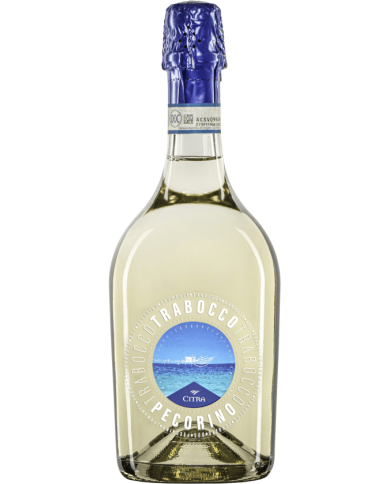
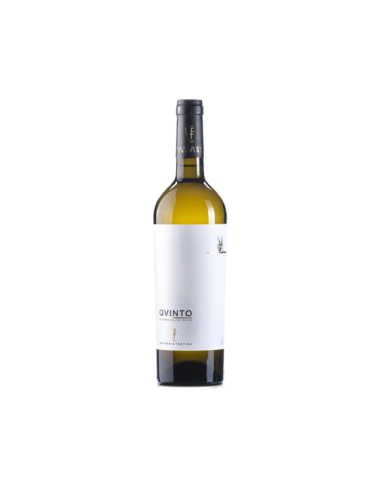
A wine with an intense straw-yellow colour. It has a broad, pronounced aroma, with hints of wild flowers, ripe melon and peppers. On the palate it is savoury, slightly acidulous with a pepper base; delicate in body. Excellent with fish. Also goes well with soups and delicate risottos with wild herbs. Also try it with salads combining fruit and vegetables. It should be served at a temperature of 10-12°C in a medium-sized tulip-shaped glass with a re-closing mouth.
€10.44
€8.88
SKU:
13168
Brand:
Ornella Bellia
€13.15
€11.18
The grapes are harvested overripe, pressed and subjected to preferential maceration for twelve hours at 8°C in order to obtain the maximum extraction of the aromas. This is followed by soft pressing and fermentation at 15°C for about 15 days. Maturation in steel on the noble lees, which are periodically suspended (battonage) to give the wine softness and fullness.
- Best Seller line
€13.15
€11.18
SKU:
13164
Brand:
Ornella Bellia
It is a full-bodied, important, warm and harmonious wine. It pairs wonderfully with braised meat dishes, grilled meats and mature cheeses. It should be served at a temperature of 18°C in a wide-mouthed goblet.
€13.16
SKU:
13165
Brand:
Ornella Bellia
€12.49
€11.24
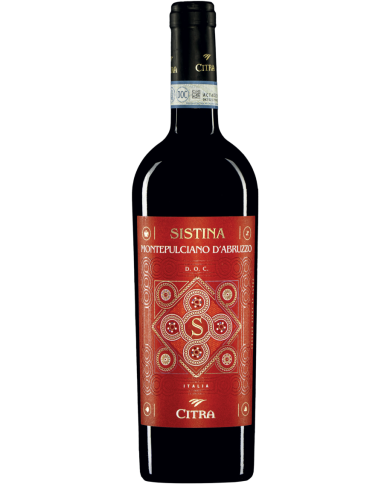
A lively red wine with violet hues. The aroma is unmistakable for its intense but elegant herbaceous notes and fragrances reminiscent of raspberries and currants. It is a wine with a good structure, ample and soft on the palate with a dry and pleasantly tannic finish. Excellent with roast red meats and braised dishes. Its full flavour harmonises perfectly with medium and mature cheeses. It should be served at a temperature of 18°C in a wide-mouthed goblet.
€12.49
€11.24
€54.00
SKU:
6748
Brand:
Codice Citra
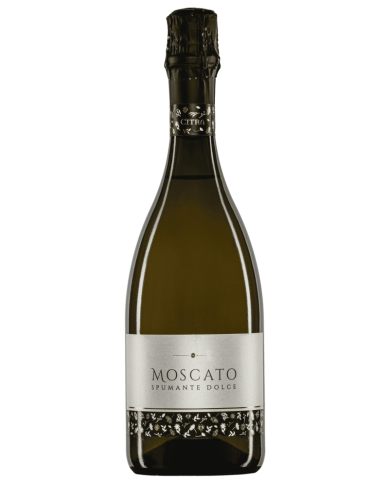
Vino Moscato Dolce Moscardello is the ancient dialect name given to this delicious sweet wine. It is a precious and limited production, obtained from the noble Moscato vine. To enhance its typical characteristics, the grapes are subjected to careful vinification with "natural" fermentation, which contributes to making Moscardello a jewel of Abruzzo enology. Vinification: In white, with crushing and soft pressing of the grapes. Fermentation: the base must ferments at a controlled temperature in an autoclave with selected yeasts. Second fermentation lasts about 15-20 days. Color: Straw yellow, with greenish reflections. Smell: Typically aromatic. Taste: Sweet, balanced, persistent.
€10.98
€8.80
€11.90
SKU:
10295
Brand:
Fausto Falcone
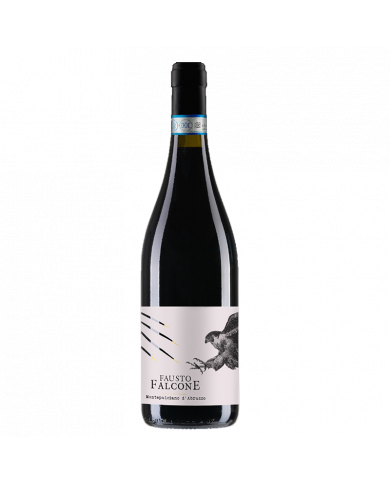
Ruby red color with violet reflections, with an intense aroma of red fruit, in particular berries in alcohol, plum and black currant bouquet of withered flowers and light spicy notes in the finish. On the palate, perfect balance between the soft components and a very lively tannin.
€15.20
SKU:
18303
Brand:
Casalbordino
Dishes based on red meats, game and aged cheeses. Also ideal for pleasant meditations.
€24.07
SKU:
19748
Brand:
Casalbordino
Aging in medium-capacity oak barrels, 25 Hl, for about 18 months and refinement in the bottle for three months before placing on the market. Store in a cool place at a temperature of about 5-7°C.
€26.86
SKU:
19748
Brand:
Casalbordino
Aging in medium-capacity oak barrels, 25 Hl, for about 18 months and refinement in the bottle for three months before placing on the market. Store in a cool place at a temperature of about 5-7°C.
€7.08
€31.29
SKU:
18096
Brand:
Quintarelli
Cabernet Franc and Cabernet Sauvignon, Corvina and Corvinone: international vines and native vines blend harmoniously in the Primofiore Veneto Igt Quintarelli , a complex and elegant red perfumed with violets and red fruits, slightly spicy on the finish, vinified after the ritual drying of the grapes and aged for one year in Slavonian oak barrels. From Quintarelli still an admirable expression of tradition and modernity, which is the essence of this company, one of the most famous and celebrated in the world
€140.00
SKU:
18095
Brand:
Quintarelli
The history and skill that made Amarone and Quintarelli red wines famous throughout the world are also present in the Bianco Secco Igt, a blend obtained from the Garganega, Trebbiano Toscano, Sauvignon Blanc, Chardonnay and Saorin varieties. The vinification and aging take place in glass and steel, where the wine ages on natural yeasts until it reaches a beautiful complexity and a considerable structure. Golden to the eye, scented with summer fruits and spring flowers, fragrant and persistent on the palate, it is the white wine that adds a touch of class to an aperitif and to a menu based on fish, vegetables and white meats.
€97.48
€24.69
€11.83
SKU:
19582
Brand:
Forteto della Luja
Piasa Rischei is the wine produced solely with Moscato grapes, left to dry on the vine and harvested at the end of October, a part of the bunches is still left to dry on mats in an orchard. After fermentation, the wine is aged in barriques for 24 months. A passito balanced between freshness and sweetness. Great evolutionary capacity. Perfect to combine with cheeses and fois gras.
€37.39
SKU:
14414
Brand:
Gaja
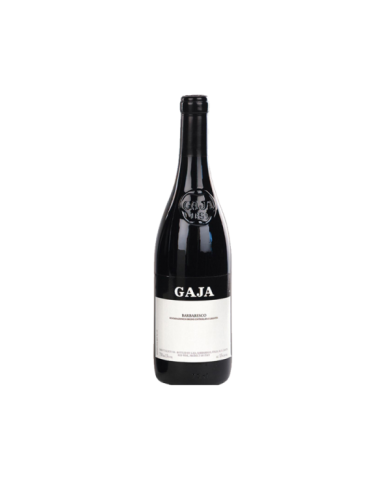
Bright ruby goblet. On the nose, a complex and elegant bouquet and a profile that expands and changes minute after minute. First nose chiseled with delicate flowers and sweet spices, followed by a slight fruit, a touch of ginger and a hint of verbena and mint. The mineral voice and the closing notes of tobacco are surprising. The taste has class and tension: classic, aristocratic, it is both graceful and austere. Three-dimensional mouth, which develops progressively, maintaining an unmistakable elegance and personality.
€461.99
SKU:
14410
Brand:
Gaja
€456.77
Barolo "Sperss" is a famous label from the Gaja winery, produced since 1988 from the vineyards of Serralunga d'Alba. It is an intense, rich and very elegant red wine, with territorial aromas of violets, humus and berries and a balanced, structured, fresh, soft and persistent sip
€456.77
SKU:
14407
Brand:
Gaja
€335.99
Founded in 1859 by Giovanni Gaja , the homonymous winery is probably the symbol of the Langhe, with all its history and the legacy it hands over to posterity. Led with passion, strength and tenacity by Angelo Gaja together with his children, Gaia, Rossana and Giovanni, it is one of the most important companies for the production of Barbaresco.
€335.99
SKU:
17600
Brand:
Masseria Li Veli
Il Garrisa viene prodotto con uve Susumaniello, un vitigno del Salento a bacca rossa. Elegante e pieno è davvero un bel bicchiere!
€17.24
€10.50