

 Italiano
 Deutsch



There are no more items in your cart
SKU:
15317
Brand:
La Madonnina
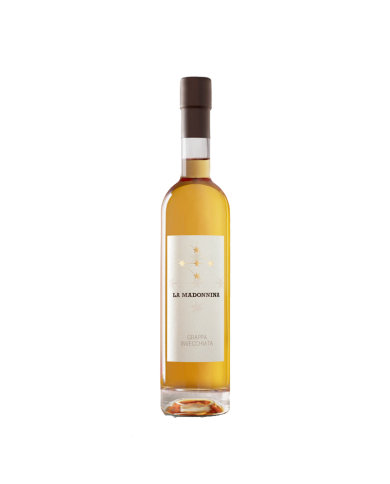
From the selection of the best pomace of Cabernet Sauvignon, Cabernet Franc, Merlot and Syrah, after the production of the wines of La Madonnina, an elegant and harmonious grappa is born.
€30.50
SKU:
14738
Brand:
Poli Distillerie
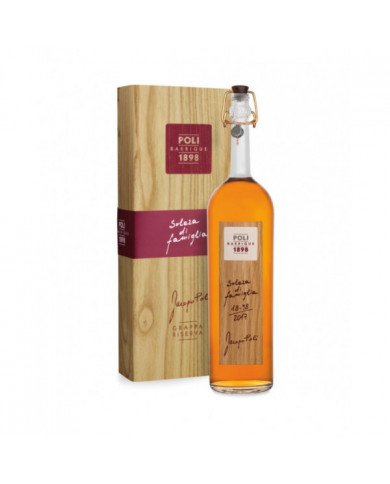
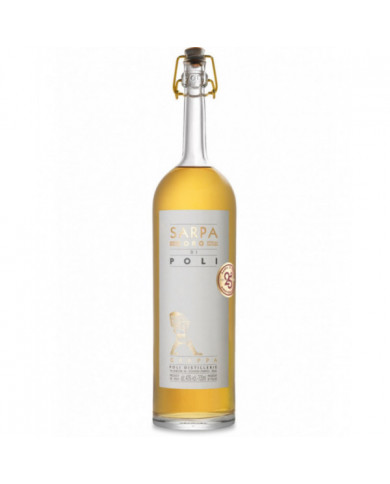
Grappa Riserva aged with the solera method, distilled with flowing steam.
€68.78
SKU:
14728
Brand:
Poli Distillerie
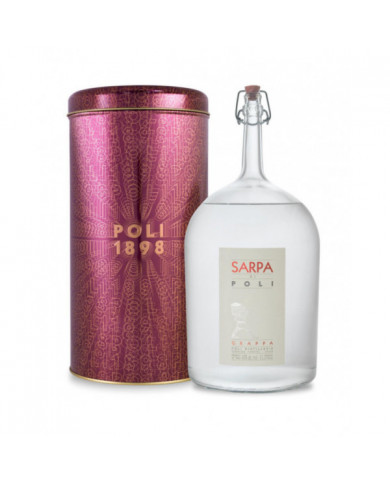
Grappa Polivitigno®, distilled with flowing steam.
In the 3,000 ml "Big Mama" format.
€107.91
SKU:
14727
Brand:
Poli Distillerie
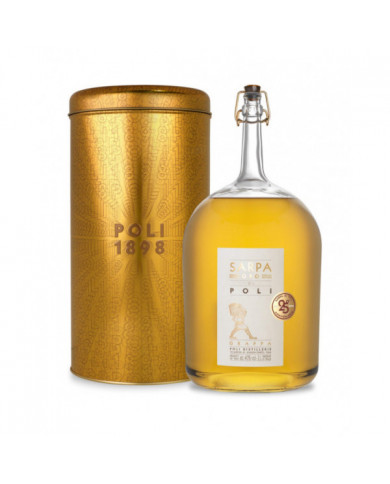
Grappa Polivitigno®, patiently kept for many years in the underground cellars of the Poli Distillerie in oak barriques, distilled with flowing steam. In the 3,000 ml "Big Mama" format.
€106.64
SKU:
14724
Brand:
Poli Distillerie
Grappa Polivitigno®, patiently kept for many years in the underground cellars of the Poli Distillerie in oak barriques, distilled with flowing steam. Charming as a Malaysian tiger.
€30.70
SKU:
14723
Brand:
Poli Distillerie
Grappa Polivitigno®, patiently kept for many years in the underground cellars of the Poli Distillerie in oak barriques, distilled with flowing steam. Charming as a Malaysian tiger.
€28.45
Barricade Grappa: When Wood Meets Tradition
Barrique-aged grappas represent a fascinating chapter in the history of Italian spirits. These special grappas , aged in wooden barrels, offer a unique sensory experience, blending the strength of tradition with the mastery of modern distillation. In this article, we'll explore the world of barrique-aged grappas, from their origins to their production methods, to help you uncover all the secrets of this extraordinary spirit.
What is a Barricata Grappa?
A barrique-aged grappa is a special type of grappa that has undergone an aging process in wooden barrels, usually oak . This process allows the distillate to acquire additional aromas and flavors , resulting from contact with the wood and slow oxidation. The result is a smoother , more complex grappa that lingers on the palate, offering a unique tasting experience.
The Origins of Barrique Grappa
How Did the Practice of Barrel Aging Originate?
The practice of aging spirits in wooden barrels has its roots in Italy's long winemaking tradition. As early as the Middle Ages , winemakers and grappa producers began experimenting with oak barrels to refine and enrich their products. This technique has further developed and refined over the centuries, becoming a distinctive feature of many excellent Italian wines.
What is the historical role of barrique-aged grappa?
Barrique-aged grappas have played an important role in the socioeconomic history of many Italian regions. In particular, barrel aging has often represented an added value for producers, allowing them to produce higher-quality spirits and consequently improve their living and working conditions. Furthermore, barrique-aged grappas have helped spread and consolidate the reputation of the finest grappa producers both nationally and internationally.
The Production Process of Barricated Grappa
How are Barrique Aged Grappas Produced?
The production of barrique-aged grappa initially involves the distillation of the pomace left over from wine production, following traditional methods. The distillate is then transferred to wooden barrels , usually oak , where the aging process takes place. During this period, which can last from a few months to several years, the grappa interacts with the wood, slowly absorbing its aromas and tannins . Once the aging process is complete, the distillate is bottled and marketed.
What Are the Benefits of Barrel Aging?
Barrel aging brings numerous benefits to grappa . First, prolonged contact with the wood allows the distillate to acquire toasted, spicy, and vanilla notes , giving it greater aromatic complexity . Furthermore, the slow, natural oxidation that occurs during aging makes the grappa smoother and more balanced on the palate. Finally, this aging process helps stabilize and improve the distillate's long-lasting consistency .
The Different Styles of Barrique Grappas
What are the main types of barrique-aged grappa?
There are different types of barrique-aged grappa , which are distinguished mainly by the length of aging , the type of wood used, and the production techniques adopted by individual distillers . Some of the main categories include young grappa (aged for a few months), reserve grappa (aged for at least a year), and grappa aged in special barrels (such as Sherry or Cognac ).
What are the best brands of barrique-aged grappa?
Among the best producers of barrique-aged grappas are prominent names in the Italian distilling scene, such as Nonino, Bosca, Distilleria Marzadro, and Distilleria Bonollo. These companies stand out for their long tradition, the excellent quality of their products, and innovative aging methods . Discover our selection of the best barrique-aged grappas available online now!
How to Choose and Enjoy Barrique Aged Grappas
What Factors to Consider When Buying?
When choosing a barrique-aged grappa , it's important to consider several factors, such as the length of aging , the type of wood used, and the distillate's provenance . In general, grappas aged longer tend to have more complex and persistent notes, while those aged in specific barrels can offer more unique and distinctive flavor profiles. Choose based on your personal tastes and the type of tasting experience you're looking for.
How to Best Serve and Enjoy Barrique-Aged Grappas?
To maximize the characteristics of a barrel-aged grappa , we recommend serving it at room temperature, possibly in tasting glasses that allow you to fully appreciate its aromas and flavors . You can also experiment with adding a drop of water , which can help slightly dilute the spirit and encourage the opening of its aromas. Finally, we suggest accompanying the grappa with sweets , chocolate , or cigars , to create pairings that can further enhance its complexity.
Conclusions
In conclusion, barrique-aged grappas represent a fascinating chapter in the history of Italian spirits, where the strength of tradition blends with the innovation of modern production methods. Thanks to barrel aging , these grappas acquire a unique aromatic complexity and smoothness , offering enthusiasts an unforgettable tasting experience. Whether you're an expert connoisseur or a curious explorer, the world of barrique-aged grappas awaits you to reveal all its secrets. Begin your journey to discover this extraordinary spirit today!
- Barrique-aged grappas are grappas that have undergone an aging process in wooden barrels, usually oak.
- The practice of aging spirits in barrels has its roots in Italian winemaking tradition, dating back to the Middle Ages.
- Barrel aging brings numerous benefits to grappa, such as greater aromatic complexity and a smoother palate.
- There are different types of barrique-aged grappa, which differ in the length of aging, the type of wood used, and the production techniques.
- To best showcase barrique-aged grappas, it's important to serve them at room temperature in tasting glasses and experiment with pairings with desserts, chocolate, and cigars.