Italiano
 Deutsch


There are no more items in your cart
€41.59
€41.59
SKU:
19659
Brand:
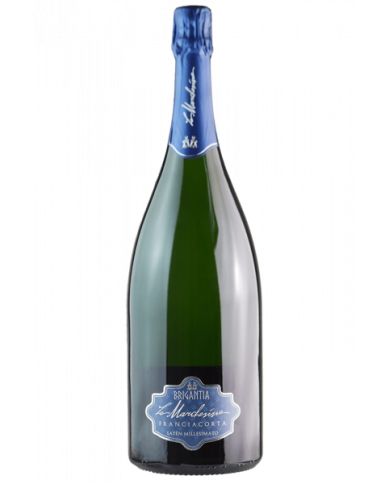
Le Marchesine
Straw yellow in colour. The nose brings back notes of sponge cake, butter and biscuits to anticipate fresher tones of cedar and lime, with hints of pineapple and peach. On the palate it is creamy, enveloping and typical for the type, crossed by a lively sapid-acid fusion that underlines a rare pleasantness, with a long aromatic finish. Pairing: Excellent with grilled mackerel fillet, stuffed squid, stewed cod but also for a glamorous aperitif!
€63.81
€15.47
€17.45
SKU:
19556
Brand:
Cantina Tollo
Well balanced between fresh acidity and moderate residual sugars, with a creamy consistency and a long finish. Pairings A sparkling wine with many combinations with the possibility of being served throughout the meal. Excellent as an aperitif and with appetizers.
€11.58
SKU:
19534
Brand:
Serena Wines 1881
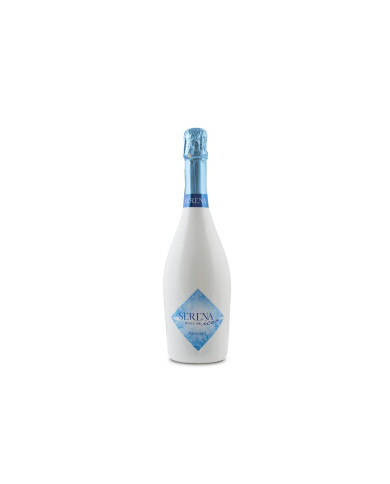
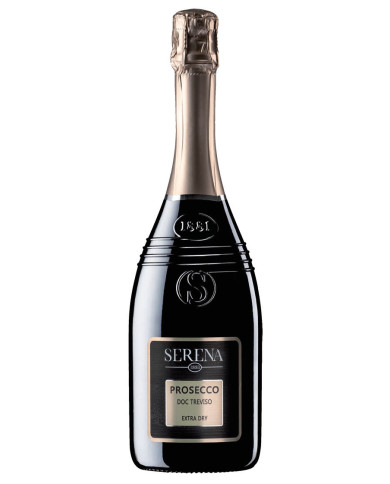
Wine with a pale straw yellow color and a lively perlage. The aromas are pleasantly fresh with fruity nuances of yellow fruit, peach and apricot. In the mouth it is sweet, harmonious with a pleasant freshness on the palate.
€6.77
SKU:
19533
Brand:
Serena Wines 1881
€7.30
€6.57
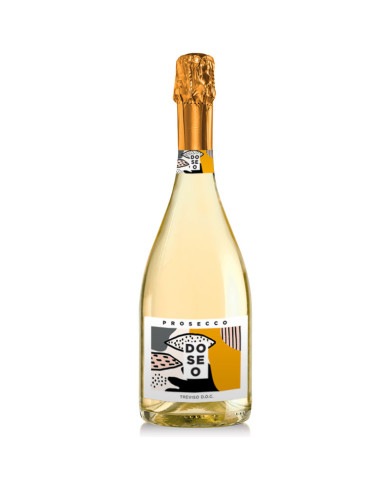
VINES 100% Glera VINIFICATION The grapes are harvested rigorously by hand to then undergo a soft pressing. The must thus obtained is fermented at a temperature between 18 and 20°C CHARACTERISTICS Able to tease and satisfy even the most demanding palates Pale straw yellow with fine and persistent perlage decidedly fruity bouquet with hints of wisteria, acacia flowers and rennet apple fragrant, fresh and pleasantly acidulous on the palate Suitable for any type of occasion Excellent with delicate appetizers or fish dishes
€7.30
€6.57
SKU:
19524
Brand:
SoloUva
Blanc de Blancs Dosaggio zero prodotto con sole uve Chardonnay perfettamente mature, così da poter effettuare il tiraggio utilizzando il metodo SoloUva. La permanenza sui lieviti è di minimo 36 mesi e, dopo la sboccatura, non viene effettuato nessun dosaggio.
SKU:
18857
Brand:
Uberti
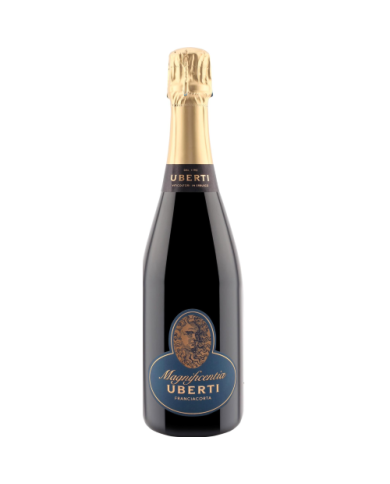
Dopo una rigorosa selezione dei grappoli ed una leggera pigiatura, la fermentazione del mosto avviene, in tini di rovere naturale da 32hl. In seguito al tiraggio in primavera, trascorre un periodo di oltre 72 mesi sui lieviti e dopo la sboccatura trascorrono almeno 6 mesi prima della messa in commercio.
€60.76
SKU:
18856
Brand:
Uberti
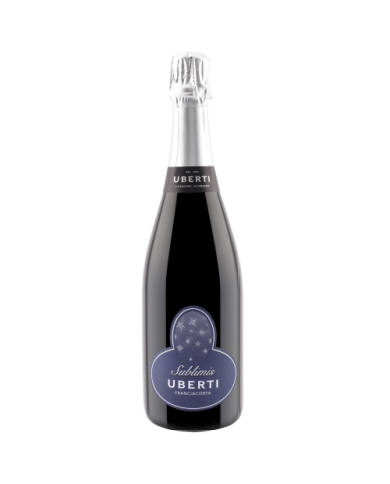
Dopo una rigorosa selezioni dei grappoli ed una leggera pigiatura, la fermentazione del mosto avviene, parte in tini di rovere naturale da 32hl, parte in barriques di rovere francese da 2,25hl e parte in acciaio. In seguito al tiraggio in primavera, trascorre un periodo di oltre 40 mesi sui lieviti sviluppando una pressione di 4,5 atm insieme ad una cremosità tipica del Brut Satèn. Dopo la sboccatura trascorrono almeno 6 mesi prima della messa in commercio.
€55.27
SKU:
18855
Brand:
Uberti
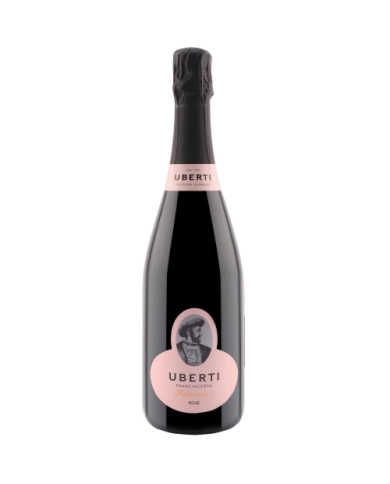
Dopo una rigorosa selezioni dei grappoli, parte del Pinot Nero rimane alcuni giorni a contatto con le proprie bucce per la presa del colore; la cuvée tra lo Chardonnay e il Pinot Nero, vinificati in vasche di acciaio, viene fatta poco prima dell’imbottigliamento.
Dopo il tiraggio in primavera, trascorre un periodo di oltre 24 mesi sui lieviti ed in seguito alla sboccatura almeno 6 mesi prima della messa in commercio.
€35.38
Sparkling Wine Sales: How to Choose the Best and Pair It with Food
Sparkling wine is a festive and lively wine, ideal for accompanying celebrations and convivial gatherings. In Italy, sparkling wine production is highly diverse and includes a wide range of varieties, from Prosecco to Champagne, including Franciacorta and Trento DOC .
In this article, we'll guide you through the world of sparkling wines, with tips for choosing the right wine for your preferences and occasions, food pairings, and tasting suggestions.
How are sparkling wines produced?
Sparkling wines are produced through a fermentation process that allows the wine to produce bubbles. There are two main methods for producing sparkling wines: the Classic Method and the Charmat Method.
Each sparkling wine has its own production method, which influences both its flavor and final price. The main production methods are the Classic Method, the Charmat Method, and the Martinotti Method.
The Classic Method is the most expensive and artisanal method used to produce high-quality sparkling wines such as Champagne. In this method, the second fermentation takes place in the bottle, with the yeast settling at the bottom of the bottle and being removed through the disgorging process. This process requires considerable time and attention, which is reflected in the final price of the product.
The Charmat Method is used to produce lighter, fruitier sparkling wines. In this method, the secondary fermentation takes place in large stainless steel tanks, where the wine is kept under pressure to create carbonation. After fermentation, the wine is filtered and bottled.
The Martinotti Method , also known as the Italian Method or the Tank Method, is a modern method used to produce high-quality sparkling wines such as Prosecco. In this method, the secondary fermentation takes place in large stainless steel tanks, where the wine is kept under pressure to create carbonation. After fermentation, the wine is filtered and bottled.
In addition to the production method, the type of grape used also influences the flavor and final price of the sparkling wine. The main grape varieties used to produce sparkling wines are Chardonnay, Pinot Noir, and Glera.
Chardonnay is a white grape used to produce high-quality sparkling wines like Champagne. It has a fruity flavor and a buttery note.
Pinot Noir is a black grape used to produce high-quality sparkling wines such as rosé Champagne. It has an intense and complex flavor, with notes of berries and spices.
Glera is a white grape used to make Prosecco. It has a fresh and fruity flavor, with notes of green apple and pear.
Ultimately, choosing a sparkling wine depends on your personal taste and the occasion for which you're drinking it. Sparkling wines are an excellent choice for parties and celebrations, but they can also be enjoyed as an aperitif or with a light meal. With the wide range of sparkling wines available on the market, there's sure to be one to suit every taste and budget.
Related posts