Italiano
 Deutsch






There are no more items in your cart
SKU:
21874
Brand:
Drappier
Colore dorato con riflessi ramati Naso fine e delicato, aromi di frutti di bosco e agrumi In bocca il vino risulta potente con note di frutta secca e matura, gusto speziato e un finale fresco
€51.12
SKU:
21824
Brand:
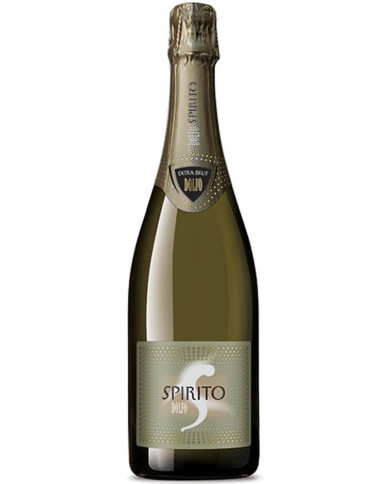
Dolfo
VINIFICAZIONE Pigiatura veloce, fermentazione a temperatura controllata ..., lieviti indigeni
CARATTERISTICHE Accompagnerà bene le ostriche, sushi, sashimi, caviale, aragoste, prugne farcite con un formaggio a pasta dura e condite con olio d'oliva... Da servire a 4°C.
€39.53
€23.40
€15.31
€15.31
SKU:
21759
Brand:
Codice Citra
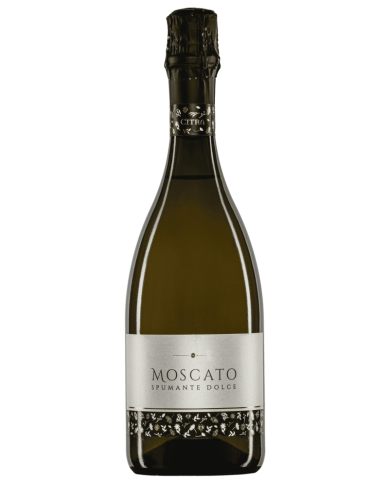
Vino Moscato Dolce Moscardello is the ancient dialect name given to this delicious sweet wine. It is a precious and limited production, obtained from the noble Moscato vine. To enhance its typical characteristics, the grapes are subjected to careful vinification with "natural" fermentation, which contributes to making Moscardello a jewel of Abruzzo enology. Vinification: In white, with crushing and soft pressing of the grapes. Fermentation: the base must ferments at a controlled temperature in an autoclave with selected yeasts. Second fermentation lasts about 15-20 days. Color: Straw yellow, with greenish reflections. Smell: Typically aromatic. Taste: Sweet, balanced, persistent.
€9.52
€8.80
€10.31
€28.55
€46.15
SKU:
21649
Brand:
Fausto Zazzara
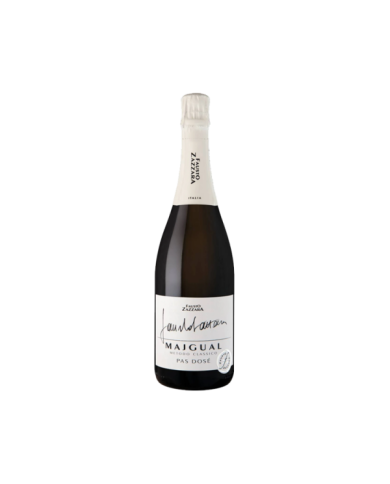
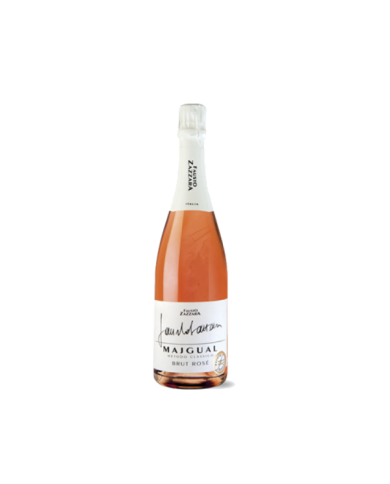
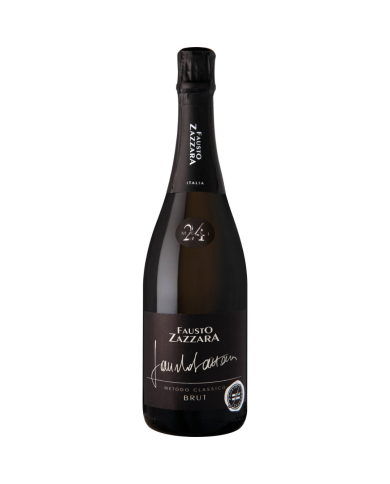
From the cuvées of the various types of vines, flavors, yields and colors are tested, to leave room for only the best. The attention to continuous improvement and the craftsmanship of sparkling wines are underlined by the name "Majgual" (never the same) and by their taste, defined as "always special" by those who know it.
€42.90
€46.15
SKU:
21644
Brand:
Olivella
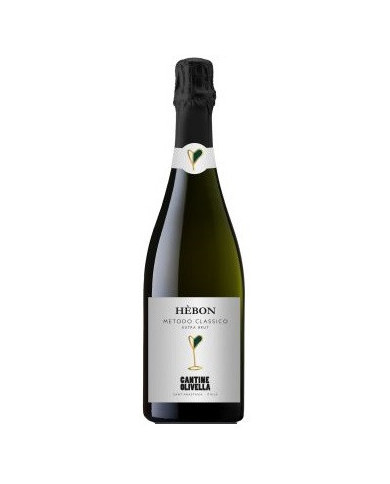
Hèbon nasce dall'assemblaggio dei tre principali vitigni autoctoni del territorio Vesuviano: Catalanesca, Caprettone e Piedirosso. Le tre uve raccolte a mano in piccole cassette al giusto grado di maturazione, sono accuratamente selezionate e poi lavorate unitamente. Per la produzione di Hebon si esegue una pressatura soffice e viene utilizzato il mosto fiore con una resa del 50% uva/mosto. Il mosto fermenta in acciaio, maturazione sulle fecce fini per sei mesi. Una parte della riserva perpetua, lasciata affinare in anfora di terracotta, viene utilizzata nell'assemblaggio, a cui segue il tiraggio. Infine a luogo la rifermentazione in bottiglia con successivo affinamento sui lieviti per circa 30 mesi.
€50.75
€12.32
€12.32
SKU:
21554
Brand:
Colombo
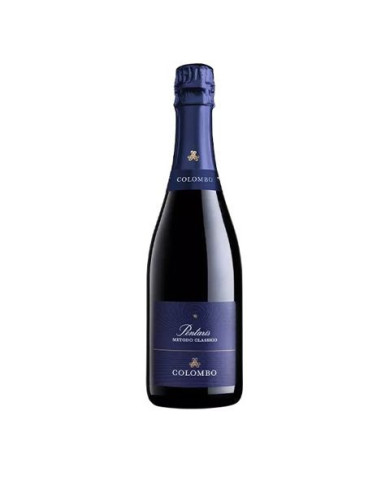
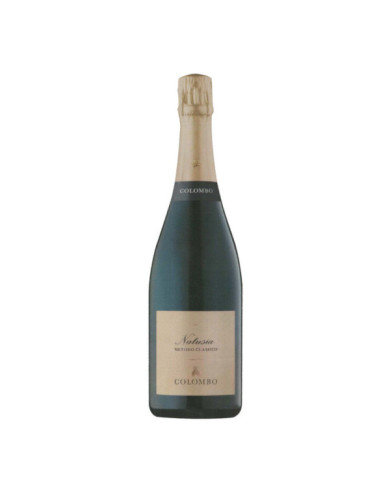
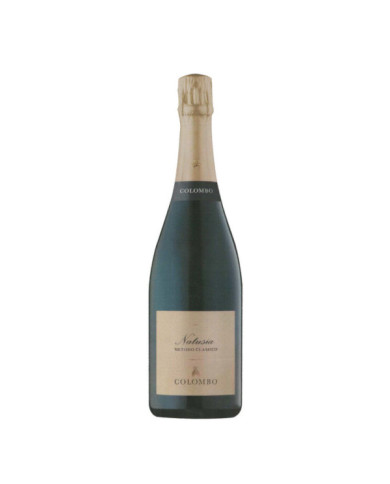
Pentaris, Piemonte DOC, Metodo Classico Millesimato, è uno degli spumanti proposto all'azienda Colombo, grazie alla collaborazione dell'enologo Riccardo Cotarella. Nasce da un blend del 50% di uve Pinot Nero e 50 % di Chardonnay.
€32.45
SKU:
21552
Brand:
Colombo
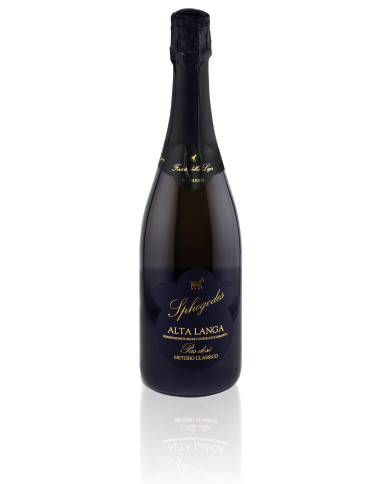
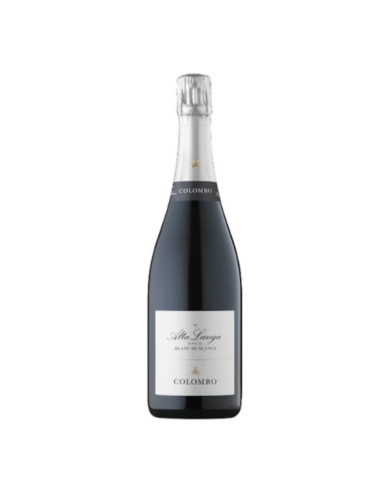
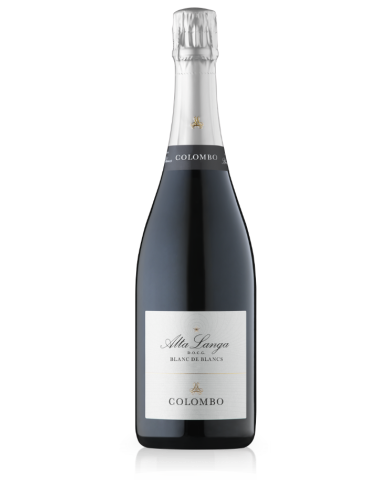
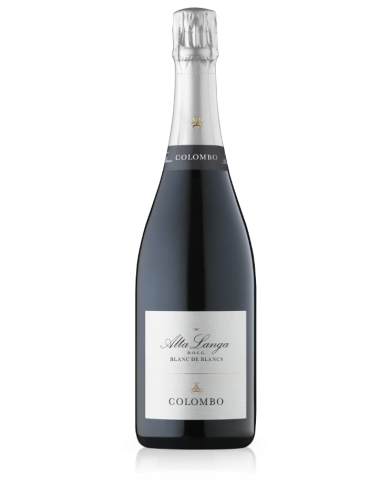
L' Alta Langa Brut Blanc de Blancs della Cascina Pastori Colombo è uno spumante millesimato elegante e complesso. Ottenuto da sole uve Chardonnay, viene rifermentato secondo Metodo Classico in vasche d'acciaio a temperatura controllata e affina almeno 36 mesi sui lieviti. Al naso un bouquet floreale, con sentori di frutta fresca, note di crosta di pane e burro nocciola
€37.82
SKU:
21551
Brand:
Colombo
Lo Spumante Brut di Colombo è un Metodo Classico elegante, sapido ed equilibrato, maturato per almeno 24 mesi in bottiglia. Al naso è fine e delicato, con note di agrumi, crosta di pane e fragranze floreali. Conquista al palato per la trama fresca e raffinata, di grande equilibrio e finezza, tonificata da un perlage sottile e duraturo
€44.53
SKU:
21550
Brand:
Colombo
Lo Spumante Brut di Colombo è un Metodo Classico elegante, sapido ed equilibrato, maturato per almeno 24 mesi in bottiglia. Al naso è fine e delicato, con note di agrumi, crosta di pane e fragranze floreali. Conquista al palato per la trama fresca e raffinata, di grande equilibrio e finezza, tonificata da un perlage sottile e duraturo
€19.59
SKU:
21549
Brand:
Colombo
Il Blanc de Blancs Alta Langa esprime con elegante finezza e persistenza lo chardonnay, le dolci e fresche note floreali di margherite di campo accompagnano pesca a polpa bianca, pompelmo e ananas aromatizzandosi ai sentori minerali addolciti dalle note di miele.
€55.02
SKU:
21548
Brand:
Colombo
Il Blanc de Blancs Alta Langa esprime con elegante finezza e persistenza lo chardonnay, le dolci e fresche note floreali di margherite di campo accompagnano pesca a polpa bianca, pompelmo e ananas aromatizzandosi ai sentori minerali addolciti dalle note di miele.
€37.82
SKU:
21547
Brand:
Colombo
100% Pinot Nero. Uve selezionate in vigna e raccolte a mano in piccole cassette. Grappoli provenienti esclusivamente dai vigneti aziendali di Colombo, a Bubbio, in provincia di Asti.
€65.88
SKU:
21546
Brand:
Colombo
100% Pinot Nero. Uve selezionate in vigna e raccolte a mano in piccole cassette. Grappoli provenienti esclusivamente dai vigneti aziendali di Colombo, a Bubbio, in provincia di Asti.
€29.28
SKU:
21545
Brand:
Colombo
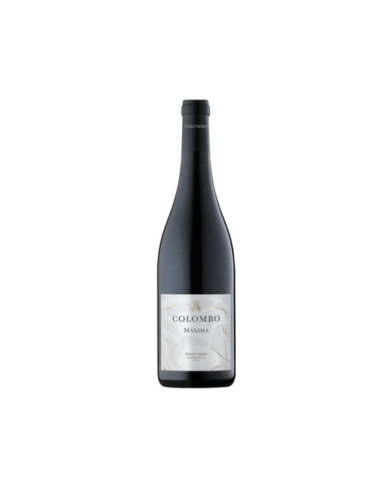
Maxima è la Riserva, prodotta solo nelle annate migliori, da Colombo. Il nome, di derivazione latina, fa riferimento all’antichità, quando già si annotava l’interesse dell’Impero romano per la finezza delle uve provenienti da Bubbio.
€24.40
Sparkling Wine Sales: How to Choose the Best and Pair It with Food
Sparkling wine is a festive and lively wine, ideal for accompanying celebrations and convivial gatherings. In Italy, sparkling wine production is highly diverse and includes a wide range of varieties, from Prosecco to Champagne, including Franciacorta and Trento DOC .
In this article, we'll guide you through the world of sparkling wines, with tips for choosing the right wine for your preferences and occasions, food pairings, and tasting suggestions.
How are sparkling wines produced?
Sparkling wines are produced through a fermentation process that allows the wine to produce bubbles. There are two main methods for producing sparkling wines: the Classic Method and the Charmat Method.
Each sparkling wine has its own production method, which influences both its flavor and final price. The main production methods are the Classic Method, the Charmat Method, and the Martinotti Method.
The Classic Method is the most expensive and artisanal method used to produce high-quality sparkling wines such as Champagne. In this method, the second fermentation takes place in the bottle, with the yeast settling at the bottom of the bottle and being removed through the disgorging process. This process requires considerable time and attention, which is reflected in the final price of the product.
The Charmat Method is used to produce lighter, fruitier sparkling wines. In this method, the secondary fermentation takes place in large stainless steel tanks, where the wine is kept under pressure to create carbonation. After fermentation, the wine is filtered and bottled.
The Martinotti Method , also known as the Italian Method or the Tank Method, is a modern method used to produce high-quality sparkling wines such as Prosecco. In this method, the secondary fermentation takes place in large stainless steel tanks, where the wine is kept under pressure to create carbonation. After fermentation, the wine is filtered and bottled.
In addition to the production method, the type of grape used also influences the flavor and final price of the sparkling wine. The main grape varieties used to produce sparkling wines are Chardonnay, Pinot Noir, and Glera.
Chardonnay is a white grape used to produce high-quality sparkling wines like Champagne. It has a fruity flavor and a buttery note.
Pinot Noir is a black grape used to produce high-quality sparkling wines such as rosé Champagne. It has an intense and complex flavor, with notes of berries and spices.
Glera is a white grape used to make Prosecco. It has a fresh and fruity flavor, with notes of green apple and pear.
Ultimately, choosing a sparkling wine depends on your personal taste and the occasion for which you're drinking it. Sparkling wines are an excellent choice for parties and celebrations, but they can also be enjoyed as an aperitif or with a light meal. With the wide range of sparkling wines available on the market, there's sure to be one to suit every taste and budget.
Related posts