

 Italiano
 Deutsch





There are no more items in your cart
SKU:
21068
Brand:
San Felice
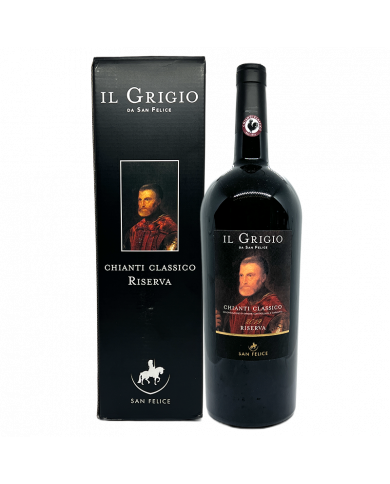
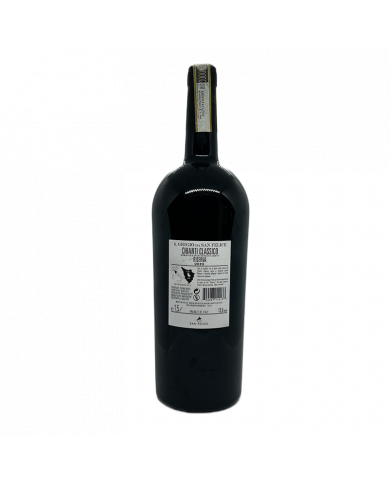
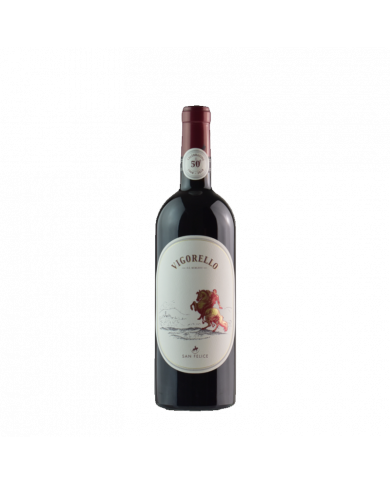
Only the best Sangiovese grapes selected in the company's Chianti Classico vineyards make up this Reserve, a valid combination of tradition and modernity. It ages for about 24 months in wood, of which a part (about 20%) in barriques, and one year in bottle. The label depicts a famous painting by Titian 'Man with armor'.
€43.46
SKU:
21067
Brand:
San Felice
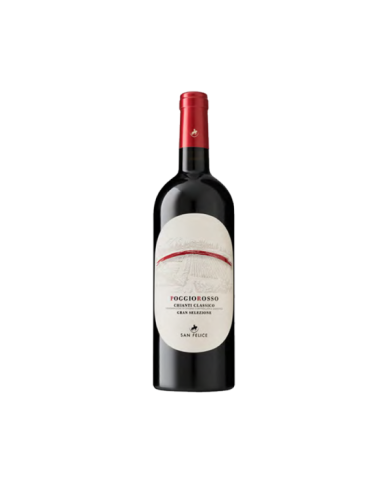
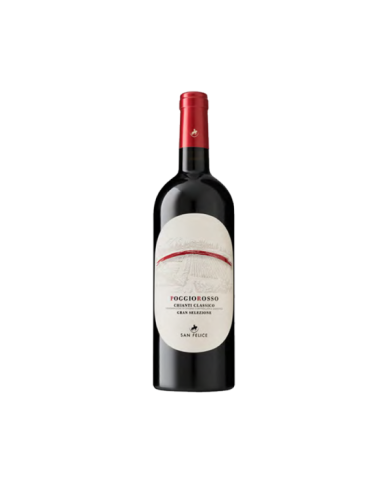
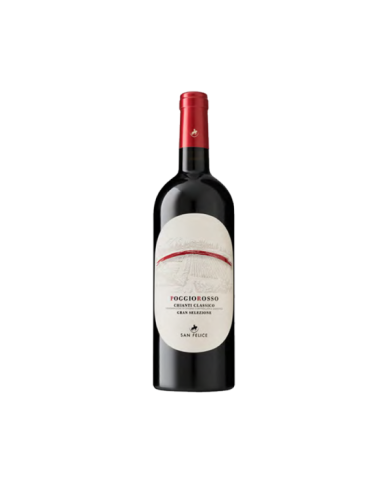
Already towards the end of the 70s, in the locality of Poggio Rosso, some selected clones of Sangiovese were planted several times. Poggio Rosso is the result of a careful selection of this grape from some plots of the vineyard of the same name and today represents the excellence of the San Felice terroir. Wine of great concentration and elegance, produced in limited quantities and, especially in the best vintages, it ages for about 20 months in 500-liter tonneaux and another 12 months in the bottle.
€82.47
SKU:
21066
Brand:
San Felice
Already towards the end of the 70s, in the locality of Poggio Rosso, some selected clones of Sangiovese were planted several times. Poggio Rosso is the result of a careful selection of this grape from some plots of the vineyard of the same name and today represents the excellence of the San Felice terroir. Wine of great concentration and elegance, produced in limited quantities and, especially in the best vintages, it ages for about 20 months in 500-liter tonneaux and another 12 months in the bottle.
€69.78
SKU:
21065
Brand:
San Felice
Already towards the end of the 70s, in the locality of Poggio Rosso, some selected clones of Sangiovese were planted several times. Poggio Rosso is the result of a careful selection of this grape from some plots of the vineyard of the same name and today represents the excellence of the San Felice terroir. Wine of great concentration and elegance, produced in limited quantities and, especially in the best vintages, it ages for about 20 months in 500-liter tonneaux and another 12 months in the bottle.
€50.75
SKU:
21064
Brand:
San Felice
Tradition and Future The first Supertuscan in Chianti Classico since 1968. It has an important history and today it stands out in the wine market of this category for a reason: it combines the tradition of international vines such as Cabernet and Merlot with the inclusion of a native variety, il Pugnitello, which is unique to San Felice .
€46.79
SKU:
21060
Brand:
San Felice
La Vigna Del Lago It can happen to come across unexpected places, the Vigna del Lago, as in this 100% Chardonnay, unexpected white single-vineyard and newcomer in the San Felice house of particular aromatic freshness and flavor, carefully selected grapes and soil with unique characteristics, on which traces of the ancient Etruscan presence remain.
€25.62
SKU:
21057
Brand:
Cantina Marchesi Antinori
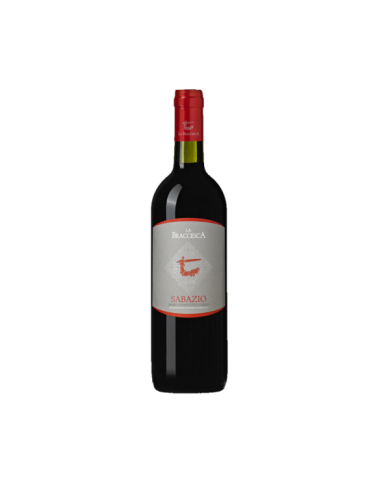
Sabazio is characterized by a ruby red color with brilliant reflections. The nose opens with a delicate floral bouquet, enriched by pleasant fruity scents. On the palate it is fresh, pleasantly persistent and with a balanced acidity.
€10.76
€9.80
€27.76
SKU:
21005
Brand:
Carpineto
Tuscan Vinsanto… a wine whose origins are lost in the mists of time. Vinsanto in Tuscany is such an important wine full of meaning that it was difficult to buy, it was an ambition to make it at home with your own hands; in every family there was a person in charge of this art, usually the father or grandfather. The hypothesized origins of this exquisite drink, as well as those of its singular name are different and are lost in the mists of time. A Sienese legend says that in the 14th century a friar distributed a wine that healed the sick, hence the belief that it was a miraculous wine, "Santo". However, it cannot be excluded that the name "holy" derives from the use that has always been made of it during Mass.
€44.35
SKU:
21004
Brand:
Carpineto
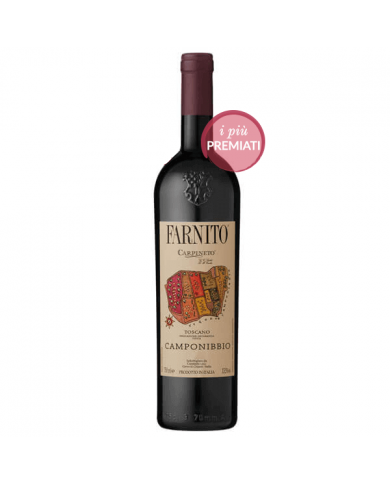
Camponibbio is a large vineyard located at high density located in the southern part of our company of Chianciano in the province of Siena. It is divided into nine plots in which different vines are grown in different clones. Each harvest, the grapes of the varieties that have responded best to the seasonal trend are chosen. The blend essentially, made up of Sangiovese, Cabernet Sauvignon and Merlot, varies year by year, in percentages and varieties.
€37.97
SKU:
21001
Brand:
Carpineto
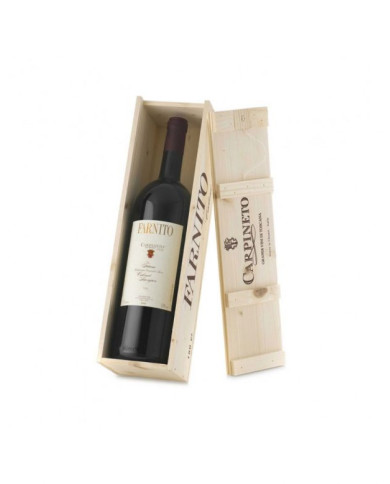
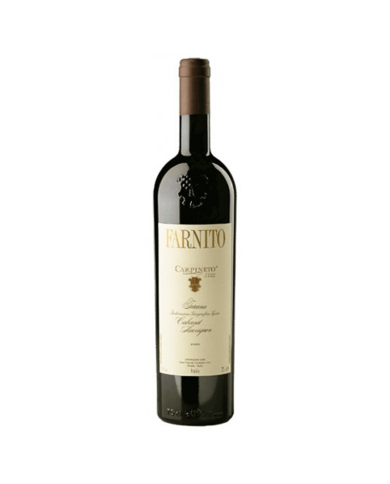
Produced with grapes from vineyards of the companies of Gaville (Florence) and Chianciano/Montepulciano (Siena), the latter planted at high density and considered by us to be particularly happy and suitable for producing great wines.
€56.62
Discover the best wines of Tuscany: an unforgettable experience!
Tuscany is one of Italy's most renowned wine regions, and for decades its excellent wines have been appreciated worldwide. Tuscan wines offer a range of flavors, from sweet and fruity to robust and intense. Furthermore, this region also boasts a rich traditional culture and a long history of winemaking, making it an ideal destination for tourists seeking an unforgettable food and wine experience.
Why is Tuscany famous for its wine?
Tuscany has a mild climate and rich, fertile soil, making it one of Italy's most suitable regions for wine production. The region is particularly known for its red wines, such as Chianti, Brunello di Montalcino, and Vino Nobile di Montepulciano. These wines are made from Sangiovese grapes, the most widely grown grape in Tuscany. The region also has a rich tradition of white wines, such as Vernaccia di San Gimignano, Vermentino, and Trebbiano.
How to choose the right Tuscan wine?
When choosing a Tuscan wine, the first thing to consider is your personal taste. If you prefer sweet, fruity wines, a white wine like Vernaccia di San Gimignano or Vermentino is the right choice. If you prefer more robust, structured wines, then a red wine like Chianti or Vino Nobile di Montepulciano is better.
Furthermore, it's also important to consider the vintage of the wine you're purchasing. Wine quality depends on the climatic conditions during the period in which the grapes were grown, so before purchasing a bottle, it's a good idea to ask the producer about the vintage.
Where to find Tuscan wines?
Tuscan wines are readily available in supermarkets and specialty shops, but to savor the finest, highest-quality wines, you can also visit a winery. Tuscany boasts numerous wineries that organize guided tours and tastings to showcase their wines. Visiting one is a truly unique experience, as you have the opportunity to learn firsthand how wine is made and taste the different varietals.
What are the most famous wines of Tuscany?
Tuscany's most famous wines are Chianti, Brunello di Montalcino, Vino Nobile di Montepulciano, and Vernaccia di San Gimignano. Chianti is a light and fruity red wine, while Brunello di Montalcino is a red wine with great intensity and structure. Vino Nobile di Montepulciano is a full-bodied and complex red wine, while Vernaccia di San Gimignano is a dry white wine with fruity and floral notes.
How to pair Tuscan wines?
Tuscan wines are ideal paired with meat, fish, vegetable, or cheese dishes. For example, Chianti pairs excellently with meat dishes such as roasts or braised meats, while Vino Nobile di Montepulciano is perfect with fish dishes such as cod or salmon. Brunello di Montalcino pairs well with vegetable dishes such as soups and broths, while Vernaccia di San Gimignano is ideal with aged cheeses.
How to store Tuscan wines?
Tuscan wines should be stored in a cool, dry place, away from heat and direct light. The ideal storage temperature is between 10 and 14°C. Red wines can be stored for up to 5 years, while white wines should not be stored for more than 2 years. Furthermore, it's important to remember that wines should be stored horizontally, so that the cork is always in contact with the wine.
Tuscan Wine Denomination
Tuscany is one of the most important wine regions in Italy and the world. The region is famous for its fine wines such as Chianti , Brunello di Montalcino , and Vino Nobile di Montepulciano. These wines have either a controlled designation of origin (DOC) or a controlled and guaranteed designation of origin (DOCG). In this article, we'll explore the appellations of Tuscan wines and how they're produced.
Introduction to the Wine Denominations of Tuscany
Wine appellations are a classification system that guarantees the quality and geographical origin of Italian wines. There are three levels of appellation: Vino da Tavola, DOC, and DOCG. Table wines have no geographical or grape variety restrictions, while DOC and DOCG wines are produced in specific geographical areas and with specific grapes.
DOC wines of Tuscany
Tuscan DOC (Denominazione di Origine Controllata) wines are produced in specific areas of the region and are made with specific grapes. These wines have strict production requirements, such as grape yield, alcohol content, and minimum aging time.
Chianti DOCG
Chianti is one of the best-known and most popular Italian wines, produced primarily in the Chianti region, between the cities of Florence, Siena, and Arezzo. The wine is made primarily from Sangiovese grapes and may also contain other red grapes such as Canaiolo, Colorino, and Merlot. Chianti DOCG is a dry red wine that can be classified by its aging period: Chianti, Chianti Riserva, and Chianti Classico .
Brunello di Montalcino DOCG
Brunello di Montalcino is a DOCG wine produced in the Montalcino area, in the province of Siena. It is made with Sangiovese grapes, known locally as Brunello. The wine is aged for at least five years and must be produced exclusively with grapes from the Montalcino area.
Vino Nobile di Montepulciano DOCG
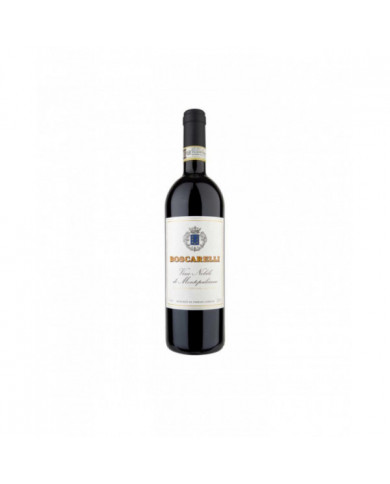
Vino Nobile di Montepulciano is a DOCG wine produced in the Montepulciano area, in the province of Siena. It is made primarily from Sangiovese grapes and must be aged for at least two years. The name "Nobile" derives from this wine's reputation during the Renaissance.
IGT wines from Tuscany
IGT (Indicazione Geografica Tipica) is an Italian wine designation that indicates a broader geographical area than DOC and DOCG wines. These wines can be made with grape varieties other than those specified by the DOC and DOCG designations.
Super Tuscan
Super Tuscans are IGT wines produced in Tuscany that do not comply with the DOC and DOCG designations. These wines are often made with international grapes such as Cabernet Sauvignon, Merlot, and Syrah, and are aged in French oak barrels. Super Tuscans are generally full-bodied and intense red wines, with a high concentration of fruit.
Tuscany is a world-renowned wine region, and its controlled and guaranteed designations of origin guarantee the quality of its wines. Tuscan DOC and DOCG wines are produced in specific geographical areas and with specific grapes, while Tuscan IGT wines have fewer restrictions in terms of geographical area and grape variety. Each appellation has its own unique characteristics and offers a different tasting experience. Regardless of which wine you choose, Tuscan wines are definitely a winning choice.
Frequently Asked Questions
What are the main Tuscan wine denominations?
The main Tuscan wine denominations are Chianti DOCG, Brunello di Montalcino DOCG, Vino Nobile di Montepulciano DOCG and IGT.
What do DOC and DOCG mean?
DOC stands for Controlled Designation of Origin, while DOCG stands for Controlled and Guaranteed Designation of Origin. These designations guarantee the quality and geographical origin of Italian wines.
What are the production requirements for DOC and DOCG wines from Tuscany?
Tuscan DOC and DOCG wines have strict production requirements, such as grape yield, alcoholic strength, and minimum aging time.
What are Super Tuscans?
Super Tuscans are IGT wines produced in Tuscany that do not comply with the DOC and DOCG designations. These wines are often made with international grapes such as Cabernet Sauvignon, Merlot, and Syrah.
What are the most famous DOCG wines from Tuscany?
The most famous DOCG wines of Tuscany are Chianti DOCG, Brunello di Montalcino DOCG and Vino Nobile di Montepulciano DOCG .