

 Italiano
 Deutsch







There are no more items in your cart
SKU:
21625
Brand:
Terra di Seta
Sangiovese 100 % VINIFICAZIONE : Tutti i processi di vinificazione sono stati eseguiti sotto controllo della temperatura e della pressione prodotta in fermentazione dalla anidride carbonica presente. Questo vino ha subìto un periodo di macerazione post fermentativa sulle proprie bucce e la svinatura è avvenuta esclusivamente per sgrondatura senza passaggio in pressa.
€43.43
SKU:
21624
Brand:
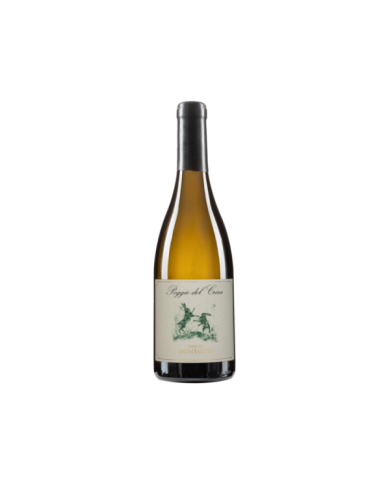
Tenuta Montauto
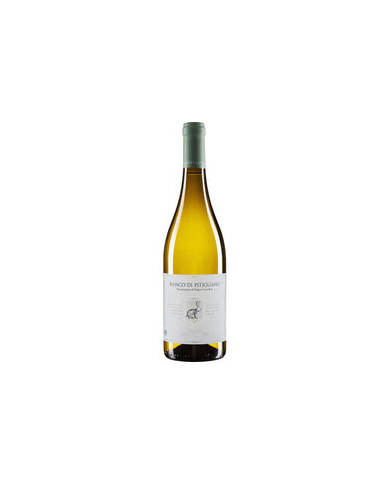
VITIGNO : 100% Sauvignon CARATTERISTICHE Di colore giallo oro antico, è un vino portentoso, complesso e ricco di sentori che si susseguono, come le note tostate, le scorze di agrumi disidratati e poi note di pasticceria, di biscotti, confetti e pasta di mandorle, imponente e gradevole. Al palato grande sapidità ma allo stesso tempo morbido con una buona persistenza.
€80.76
SKU:
21623
Brand:
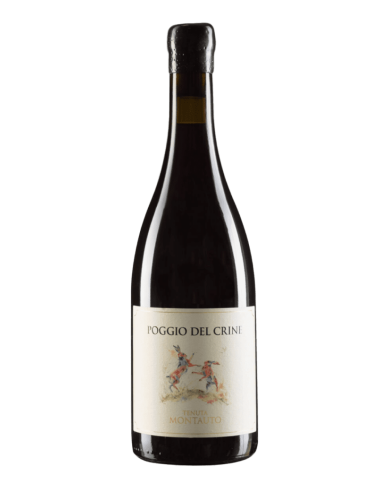
Tenuta Montauto
VITIGNO : 100% Pinot Nero VINIFICAZIONE Le uve vengono selezionate e raccolte manualmente e adagiate in cassette da 18 kg. Le uve prima di essere pressate vengono messe una notte in cella frigo al fine di avere una maggiore estrazione di profumi ed evitare ossidazioni.
€80.76
SKU:
21622
Brand:
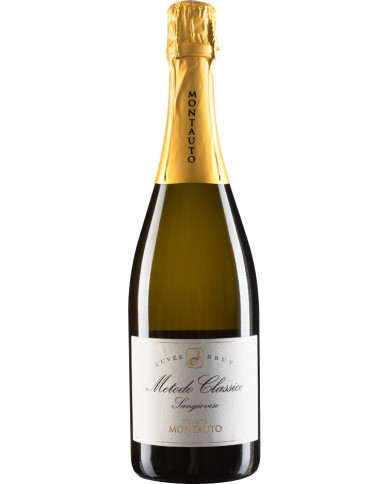
Tenuta Montauto
VITIGNO : 100% Sangiovese VINIFICAZIONE : Le uve prima di essere pressate vengono messe una notte in cella frigo al fine di avere una maggiore estrazione di profumi e di evitare ossidazioni. I grappoli vengono poi pressati sofficemente ottenendo una resa del 50%, segue la fermentazione con la tecnica a freddo per esaltare i profumi e l’eleganza del vino. Dopo 36 mesi di affinamento sui lieviti il vino potrà esprimere la sua ricchezza e identità. Tutta l’energia impiegata durante il processo produttivo proviene da fonti rinnovabili.
€29.52
SKU:
21621
Brand:
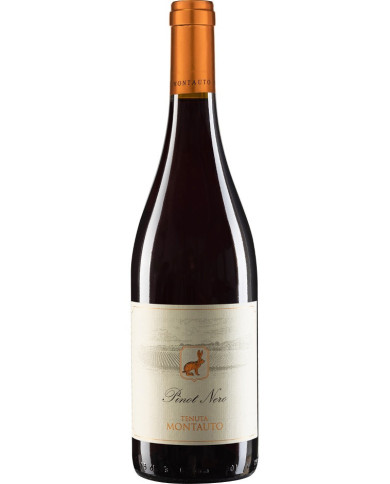
Tenuta Montauto
VITIGNO: 100% Pinot Nero VINIFICAZIONE : e uve prima di essere pressate vengono messe una notte in cella frigo al fine di avere una maggiore estrazione di profumi ed evitare ossidazioni. La fermentazione avviene in botti di legno.
€31.35
SKU:
21620
Brand:
Tenuta Montauto
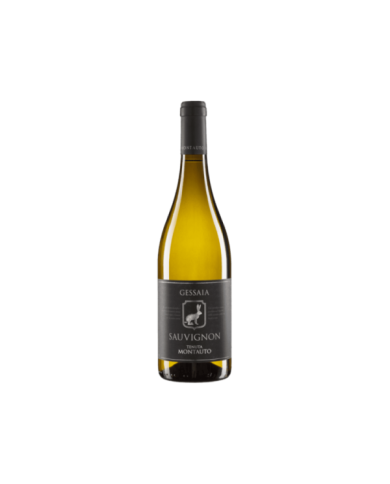
VITIGNO : 100% Sauvignon VINIFICAZIONE : Le uve, prima di essere pressate, vengono messe una notte in cella frigo al fine di avere una maggiore estrazione di profumi e di evitare ossidazioni. Si procede poi con la pressatura soffice del grappolo intero.
€31.35
SKU:
21619
Brand:
Tenuta Montauto
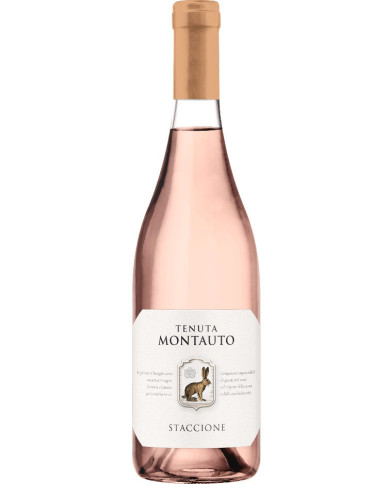
VITIGNO : 100% Sangiovese VINIFICAZIONE : Per avere una maggiore estrazione di profumi e di evitare ossidazioni. Si procede poi con la pigio-diraspatura soffice, il succo viene brevemente macerato con le bucce, segue poi la fermentazione per 14 giorni a temperatura di 12°C; per finire con la stabilizzazione fatta con il freddo. Vino vegano.
€18.42
SKU:
21618
Brand:
Tenuta Montauto
VITIGNO : 100% Sauvignon VINIFICAZIONE : e uve, prima di essere pressate, vengono messe una notte in cella frigo al fine di avere una maggiore estrazione di profumi e di evitare ossidazioni.
€18.42
SKU:
21617
Brand:
Tenuta Montauto
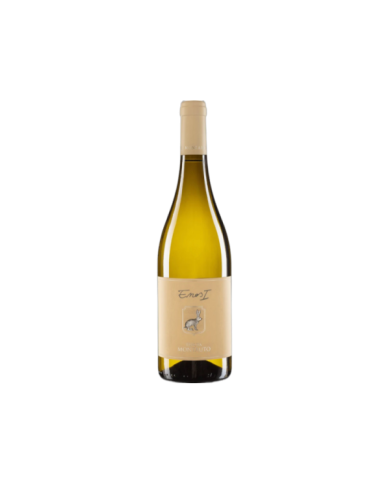
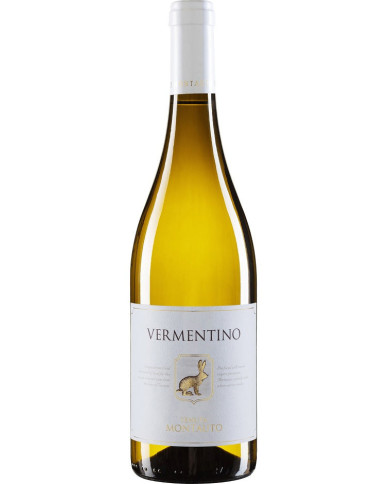
VITIGNO :100% Vermentino VINIFICAZIONE : Le uve, prima di essere pressate, vengono messe una notte in cella frigo, al fine di avere una maggiore estrazione di profumi e di evitare ossidazioni. Si procede poi con la pigio-diraspatura soffice e con la decantazione per 36-48 ore. Le uve vengono fermentate in bianco, senza contatto con le bucce, in acciaio inox, alla temperatura controllata di 16°C. Segue poi una stabilizzazione fatta con il freddo. Vino vegano.
€15.37
SKU:
21616
Brand:
Tenuta Montauto
VITIGNI: 70% Trebbiano, 25% Grechetto, 5% Chardonnay VINIFICAZIONE Le uve prima di essere pressate vengono messe una notte in cella frigo al fine di avere una maggiore estrazione di profumi e di evitare ossidazioni. Si procede poi con la spremitura soffice.
€14.64
SKU:
21615
Brand:
Tenuta Montauto
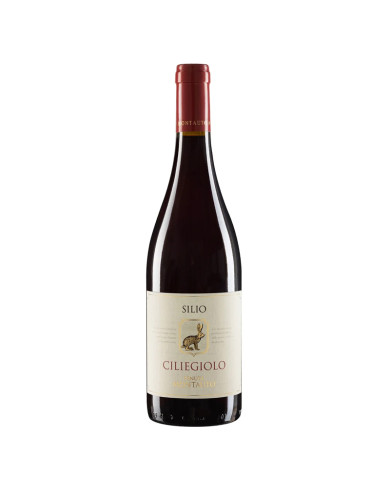
100% Ciliegiolo VINIFICAZIONE : Le uve, prima di essere pressate, vengono messe una notte in cella frigo al fine di avere una maggiore estrazione di profumi e di evitare ossidazioni. Dopo la pigia-diraspatura soffice la fermentazione avviene in tini di acciaio inox alla temperatura controllata di 18°C. La macerazione sulle bucce dura circa 15 giorni, mentre l'affinamento avviene per il 20% in barrique e la restante parte in acciaio inox per circa 10 mesi. Vino vegano.
€18.42
SKU:
21590
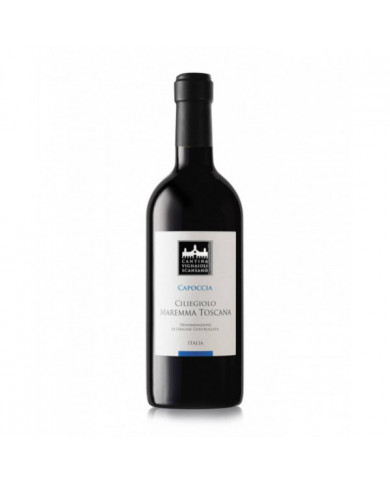
The Ciliegiolo Capoccia of the Cantina Vignaioli del Morellino is a soft, juicy Maremma red wine with an inviting drinkability. It will become your favorite wine for all meals
€11.05
SKU:
21589
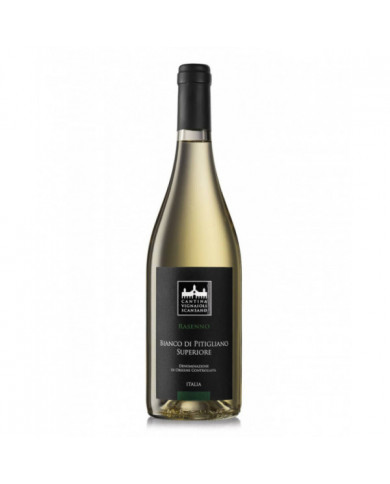
With an elegant and floral nose, the Bianco di Pitigliano Superiore Doc Rasenno shows off refinement and great cleanliness.
€9.43
€30.74
SKU:
21543
Brand:
Tenuta di Artimino
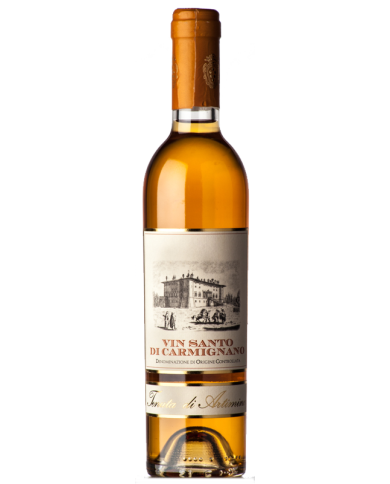
Colore giallo dorato carico. All’olfatto intenso ed etereo con sentori di frutta secca, miele ed albicocca. Al palato si presenta pieno ed avvolgente, con la spiccata dolcezza perfettamente in equilibrata da una piacevolissima freschezza acida. Grande persistenza e retrogusto complesso ed armonico. Da abbinare ai classici cantuccini alle mandorle, da provare su formaggi erborinati o stravecchi. Vino da meditazione.
€47.09
SKU:
21542
Brand:
Tenuta di Artimino
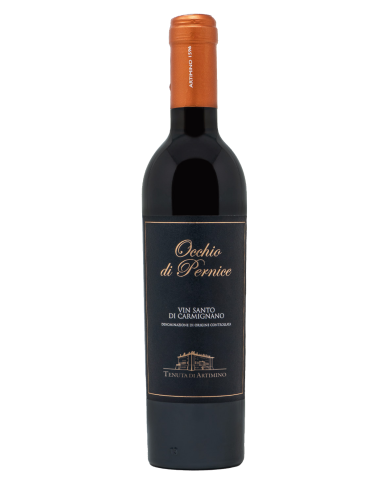
Il "Occhio Di Pernice Vin Santo" di Tenuta di Artimino è un vino raffinato e dal carattere unico, prodotto nella tradizionale regione vinicola della Toscana. In un elegante formato da 375 ml, questo Vin Santo si presenta con un colore ambrato intenso, risultato di un attento processo di invecchiamento in piccole botti di rovere.
€56.97
SKU:
21541
Brand:
Tenuta di Artimino
L'Artumes Bianco Toscana IGT di Tenuta di Artimino è un vino bianco che cattura l'essenza della Toscana attraverso un blend sofisticato e armonioso di uve prevalentemente autoctone. Questo vino si presenta con un colore giallo paglierino brillante, esprimendo al naso una gamma di profumi che spaziano dai fiori bianchi alla frutta a polpa bianca, con leggere sfumature di erbe aromatiche che si integrano perfettamente, donando freschezza e complessità.
€12.08
SKU:
21540
Brand:
Tenuta di Artimino
Colore rosso rubino carico. All’olfatto presenta una spiccata nota di frutti rossi freschi accompagnata da nuances di cilegia e viola. Al palato è strutturato, fresco e piacevolmente tannico. Da abbinare a salumi, formaggi, primi piatti e carni alla griglia.
€13.54
SKU:
21539
Brand:
Tenuta di Artimino
Il Marrucaia Toscana IGT della Tenuta di Artimino incarna l'eleganza e la complessità che contraddistinguono i vini di questa prestigiosa regione italiana. Prodotto con un'attenta selezione di uve, questo vino rosso si distingue per il suo colore rubino intenso e brillante.
€40.50
SKU:
21538
Brand:
Tenuta di Artimino
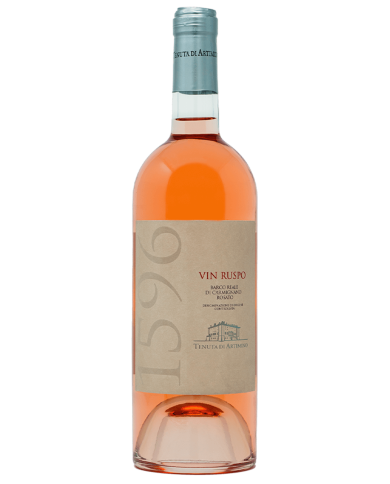
Lasciati sedurre dall'eleganza e dalla freschezza del Vin Ruspo Barco Reale Rosato DOC, uno splendido esemplare prodotto dalla storica Tenuta di Artimino. Questo vino rosato si distingue per il suo colore rosa brillante e per il suo profilo aromatico intensamente fruttato.
€19.64
SKU:
21537
Brand:
Tenuta di Artimino
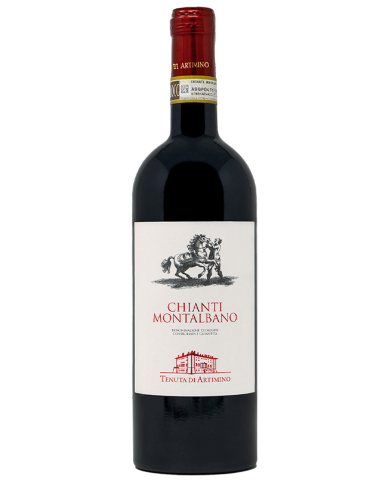
Il Montalbano Chianti DOCG della Tenuta di Artimino è un vino rosso che incanta gli appassionati per il suo equilibrio perfetto tra tradizione e qualità contemporanea. Prodotto nelle colline toscane, noto habitat per l'eccellenza enologica, questo Chianti si distingue per le sue peculiarità organolettiche uniche
€9.76
SKU:
21536
Brand:
Tenuta di Artimino
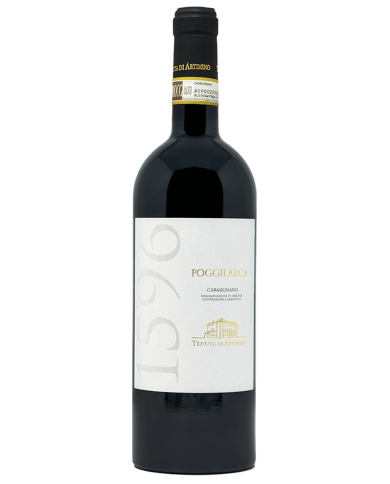
Il Poggilarca Carmignano DOCG è un vino rosso che proviene dalla storica Tenuta di Artimino, situata nel cuore della Toscana. Questo vino è famoso per la sua ricca tradizione e per essere prodotto secondo le rigide norme della Denominazione di Origine Controllata e Garantita.
€21.23
SKU:
21535
Brand:
Tenuta di Artimino
Il Ser Biagio di Tenuta di Artimino è un pregevole esempio di Carmignano DOC, nato dalla sapiente fusione di uve Sangiovese e Cabernet. Questo vino rosso si distingue per la sua profonda intensità cromatica, un rubino acceso che prelude a un'esperienza olfattiva ricca e complessa.
€13.66
SKU:
21534
Brand:
Tenuta di Artimino
Il Grumarello Carmignano Riserva DOCG della Tenuta di Artimino è un vino rosso che incarna la raffinatezza e l'essenza delle vigne storiche della Toscana. Il Carmignano è una DOCG rinomata che si trova nella regione collinare a nord-ovest di Firenze, caratterizzata da un clima mite e terreni ideali per la viticoltura.
€33.79
Discover the best wines of Tuscany: an unforgettable experience!
Tuscany is one of Italy's most renowned wine regions, and for decades its excellent wines have been appreciated worldwide. Tuscan wines offer a range of flavors, from sweet and fruity to robust and intense. Furthermore, this region also boasts a rich traditional culture and a long history of winemaking, making it an ideal destination for tourists seeking an unforgettable food and wine experience.
Why is Tuscany famous for its wine?
Tuscany has a mild climate and rich, fertile soil, making it one of Italy's most suitable regions for wine production. The region is particularly known for its red wines, such as Chianti, Brunello di Montalcino, and Vino Nobile di Montepulciano. These wines are made from Sangiovese grapes, the most widely grown grape in Tuscany. The region also has a rich tradition of white wines, such as Vernaccia di San Gimignano, Vermentino, and Trebbiano.
How to choose the right Tuscan wine?
When choosing a Tuscan wine, the first thing to consider is your personal taste. If you prefer sweet, fruity wines, a white wine like Vernaccia di San Gimignano or Vermentino is the right choice. If you prefer more robust, structured wines, then a red wine like Chianti or Vino Nobile di Montepulciano is better.
Furthermore, it's also important to consider the vintage of the wine you're purchasing. Wine quality depends on the climatic conditions during the period in which the grapes were grown, so before purchasing a bottle, it's a good idea to ask the producer about the vintage.
Where to find Tuscan wines?
Tuscan wines are readily available in supermarkets and specialty shops, but to savor the finest, highest-quality wines, you can also visit a winery. Tuscany boasts numerous wineries that organize guided tours and tastings to showcase their wines. Visiting one is a truly unique experience, as you have the opportunity to learn firsthand how wine is made and taste the different varietals.
What are the most famous wines of Tuscany?
Tuscany's most famous wines are Chianti, Brunello di Montalcino, Vino Nobile di Montepulciano, and Vernaccia di San Gimignano. Chianti is a light and fruity red wine, while Brunello di Montalcino is a red wine with great intensity and structure. Vino Nobile di Montepulciano is a full-bodied and complex red wine, while Vernaccia di San Gimignano is a dry white wine with fruity and floral notes.
How to pair Tuscan wines?
Tuscan wines are ideal paired with meat, fish, vegetable, or cheese dishes. For example, Chianti pairs excellently with meat dishes such as roasts or braised meats, while Vino Nobile di Montepulciano is perfect with fish dishes such as cod or salmon. Brunello di Montalcino pairs well with vegetable dishes such as soups and broths, while Vernaccia di San Gimignano is ideal with aged cheeses.
How to store Tuscan wines?
Tuscan wines should be stored in a cool, dry place, away from heat and direct light. The ideal storage temperature is between 10 and 14°C. Red wines can be stored for up to 5 years, while white wines should not be stored for more than 2 years. Furthermore, it's important to remember that wines should be stored horizontally, so that the cork is always in contact with the wine.
Tuscan Wine Denomination
Tuscany is one of the most important wine regions in Italy and the world. The region is famous for its fine wines such as Chianti , Brunello di Montalcino , and Vino Nobile di Montepulciano. These wines have either a controlled designation of origin (DOC) or a controlled and guaranteed designation of origin (DOCG). In this article, we'll explore the appellations of Tuscan wines and how they're produced.
Introduction to the Wine Denominations of Tuscany
Wine appellations are a classification system that guarantees the quality and geographical origin of Italian wines. There are three levels of appellation: Vino da Tavola, DOC, and DOCG. Table wines have no geographical or grape variety restrictions, while DOC and DOCG wines are produced in specific geographical areas and with specific grapes.
DOC wines of Tuscany
Tuscan DOC (Denominazione di Origine Controllata) wines are produced in specific areas of the region and are made with specific grapes. These wines have strict production requirements, such as grape yield, alcohol content, and minimum aging time.
Chianti DOCG
Chianti is one of the best-known and most popular Italian wines, produced primarily in the Chianti region, between the cities of Florence, Siena, and Arezzo. The wine is made primarily from Sangiovese grapes and may also contain other red grapes such as Canaiolo, Colorino, and Merlot. Chianti DOCG is a dry red wine that can be classified by its aging period: Chianti, Chianti Riserva, and Chianti Classico .
Brunello di Montalcino DOCG
Brunello di Montalcino is a DOCG wine produced in the Montalcino area, in the province of Siena. It is made with Sangiovese grapes, known locally as Brunello. The wine is aged for at least five years and must be produced exclusively with grapes from the Montalcino area.
Vino Nobile di Montepulciano DOCG
Vino Nobile di Montepulciano is a DOCG wine produced in the Montepulciano area, in the province of Siena. It is made primarily from Sangiovese grapes and must be aged for at least two years. The name "Nobile" derives from this wine's reputation during the Renaissance.
IGT wines from Tuscany
IGT (Indicazione Geografica Tipica) is an Italian wine designation that indicates a broader geographical area than DOC and DOCG wines. These wines can be made with grape varieties other than those specified by the DOC and DOCG designations.
Super Tuscan
Super Tuscans are IGT wines produced in Tuscany that do not comply with the DOC and DOCG designations. These wines are often made with international grapes such as Cabernet Sauvignon, Merlot, and Syrah, and are aged in French oak barrels. Super Tuscans are generally full-bodied and intense red wines, with a high concentration of fruit.
Tuscany is a world-renowned wine region, and its controlled and guaranteed designations of origin guarantee the quality of its wines. Tuscan DOC and DOCG wines are produced in specific geographical areas and with specific grapes, while Tuscan IGT wines have fewer restrictions in terms of geographical area and grape variety. Each appellation has its own unique characteristics and offers a different tasting experience. Regardless of which wine you choose, Tuscan wines are definitely a winning choice.
Frequently Asked Questions
What are the main Tuscan wine denominations?
The main Tuscan wine denominations are Chianti DOCG, Brunello di Montalcino DOCG, Vino Nobile di Montepulciano DOCG and IGT.
What do DOC and DOCG mean?
DOC stands for Controlled Designation of Origin, while DOCG stands for Controlled and Guaranteed Designation of Origin. These designations guarantee the quality and geographical origin of Italian wines.
What are the production requirements for DOC and DOCG wines from Tuscany?
Tuscan DOC and DOCG wines have strict production requirements, such as grape yield, alcoholic strength, and minimum aging time.
What are Super Tuscans?
Super Tuscans are IGT wines produced in Tuscany that do not comply with the DOC and DOCG designations. These wines are often made with international grapes such as Cabernet Sauvignon, Merlot, and Syrah.
What are the most famous DOCG wines from Tuscany?
The most famous DOCG wines of Tuscany are Chianti DOCG, Brunello di Montalcino DOCG and Vino Nobile di Montepulciano DOCG .