

 Italiano
 Deutsch











There are no more items in your cart
€5.25
€5.25
€63.03
€42.02
SKU:
20491
Brand:
Tamburini
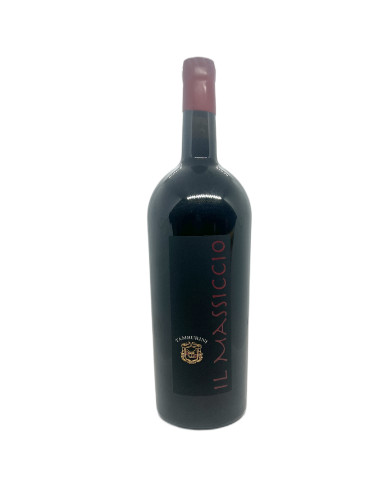
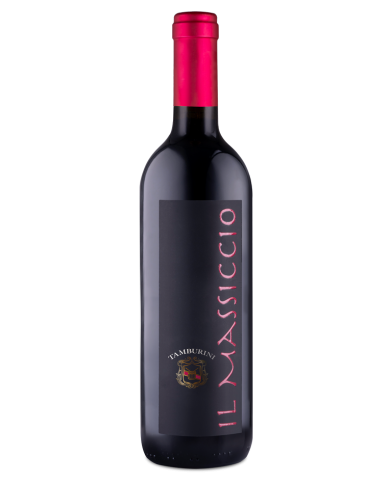
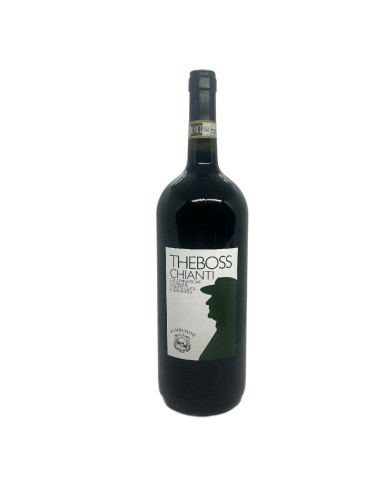
Denomination: THE BOSS Chianti Docg Grapes: Sangiovese and Canaiolo. Suggested pairings: Cold cuts and cured meats, roast chicken, vegetable soups and semi-mature cheese. Alcohol: 13.5% Vol. Format: 0.75 litres. Serving temperature: 18°C. Typology: Chianti DOCG.
€35.01
€15.63
€17.45
€36.40
€58.52
€32.51
€21.46
SKU:
20453
Brand:
Cantina Marchesi Antinori
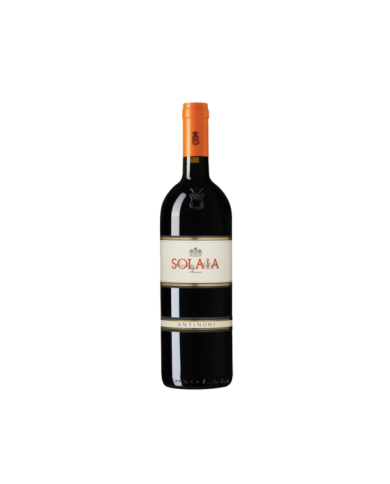
Solaia is a great Supertuscan known all over the world, a high-sounding and prestigious name. It is an intense and elegant wine, born from international vines and Sangiovese, aged in barrique for at least 16 months. Hints of wild berries, flowers and sweet spices make up an aromatic set of great amplitude and intensity
€370.00
€9.48
SKU:
20445
Brand:
Avignonesi
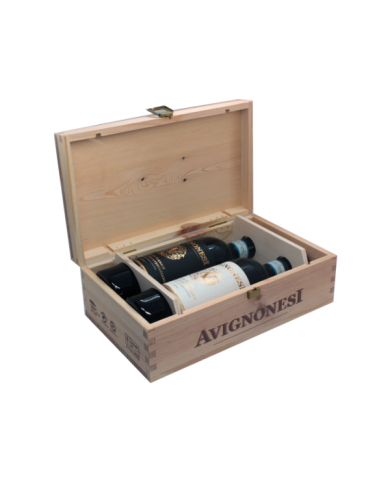
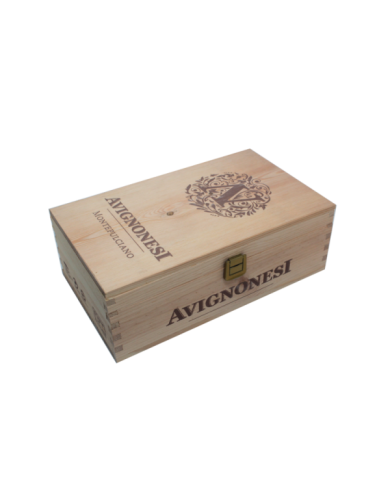
Packaging in wooden box containing 1 "Vin Santo di Montepulciano 2005" + 1 "Vin Santo di Montepulciano" Occhio di Pernice "2005" in 375 ml bottle. A quality sweet wine that reveals new, surprising flavors with every sip: figs, almonds, lemon and coffee beans, while a perfect balance between acidity and sweetness complements the sensual aftertaste.
€471.51
SKU:
20444
Brand:
Avignonesi
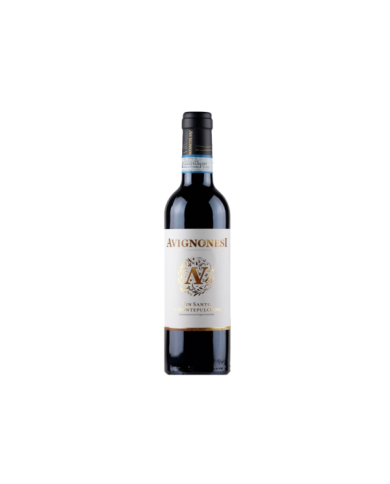
Avignonesi 's Vin Santo di Montepulciano is a sweet wine of great elegance obtained from Malvasia and Trebbiano and aged for 10 years in casks. The nose releases intense aromas of caramel, chocolate, honey, orange peel and Mediterranean herbs. The taste is rich and enveloping with notes of figs, almonds, lemon and coffee
€220.00
SKU:
20421
Brand:
Bonacchi
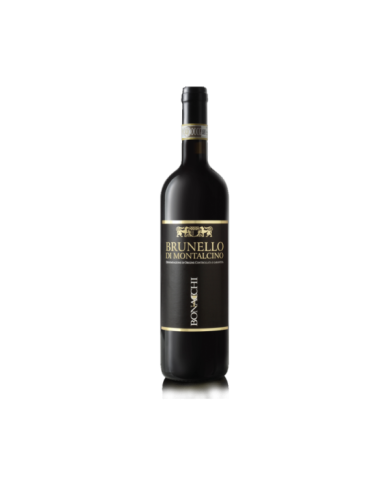
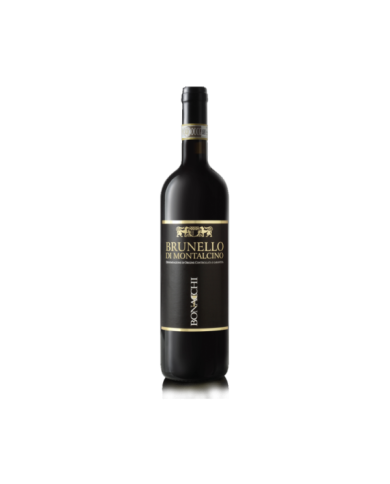
One of the protagonists of Italian oenology, a timeless classic. Brunello di Montalcino 2014, proved to be a centered wine with great potential. The aromas are clear and intense, characterized by a luxuriant fruitiness and smoky and spicy hints at the finish. In the mouth, the sip attacks soft and basically sweet, to continue marked by an energetic acidity that increases its juiciness and fragrance. Vintage : 2014
€37.95
SKU:
20420
Brand:
Bonacchi
One of the protagonists of Italian oenology, a timeless classic. Brunello di Montalcino 2014, proved to be a centered wine with great potential. The aromas are clear and intense, characterized by a luxuriant fruitiness and smoky and spicy hints at the finish. In the mouth, the sip attacks soft and basically sweet, to continue marked by an energetic acidity that increases its juiciness and fragrance. Vintage : 2014
€29.17
SKU:
20406
Brand:
Fattoria le Pupille
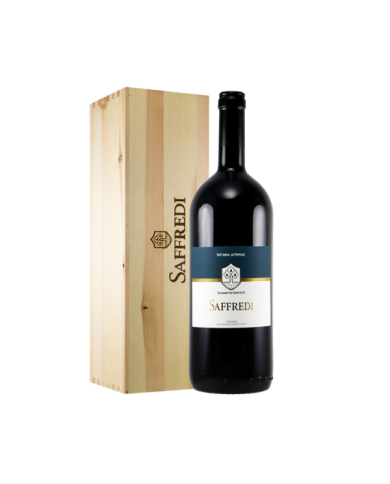
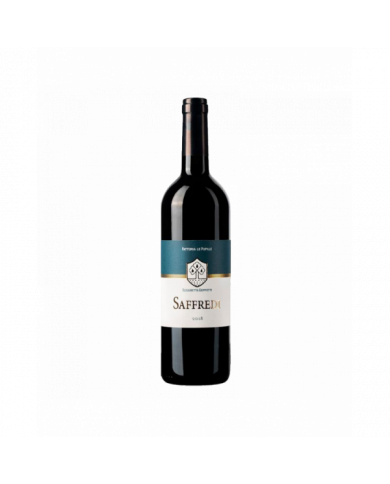
Saffredi is a robust, rich and complex Supertuscan, produced with a Bordeaux blend and aged in barrique for 18 months. Ample and intense hints of wild berries, spices and balsamic herbs emerge from a round and velvety texture, of great balance and persistence: an exuberant expression of the Tuscan Maremma
€213.50
SKU:
20405
Brand:
Fattoria le Pupille
Saffredi is a robust, rich and complex Supertuscan, produced with a Bordeaux blend and aged in barriques for 18 months. Ample and intense hints of berries, spices and balsamic herbs emerge from a round and velvety texture, of great balance and persistence: an exuberant expression of the Tuscan Maremma
€104.19
SKU:
20403
Brand:
Fattoria le Pupille
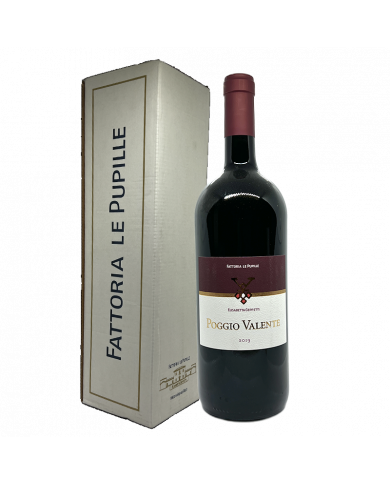
Compact ruby red. The bouquet reveals the fragrance of red roses, black cherry, blood orange and blackberry. Followed by juniper berries, dried flowers, Tuscan cigars and undergrowth. The tannins are dense and silky which develop on a fresh and savory base. Persistent finish on blackcurrant echoes.
€33.31
available from 30-Nov-2022
SKU:
20402
Brand:
Fattoria le Pupille
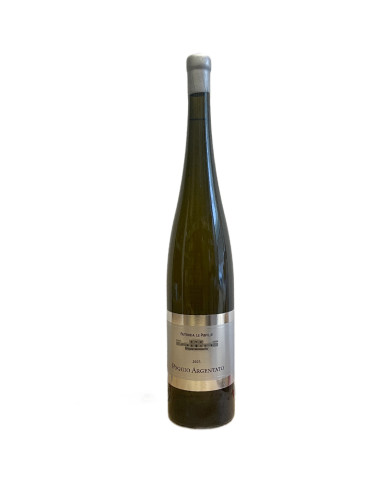
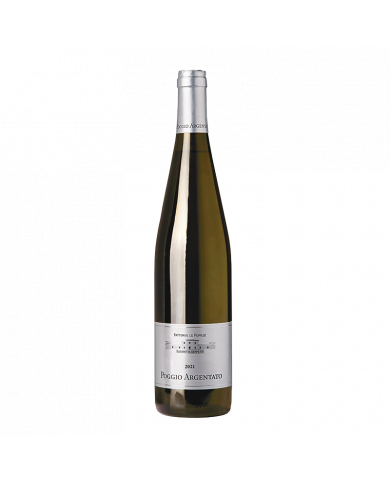
Poggio Argentato embodies the essence of Maremma: its land, its unique light, the breeze from the nearby sea, all narrated by a fragrant and fresh white wine, through the language of Northern vines. The singular blend of Sauvignon Blanc, Petit Manseng, Semillon and Traminer make Poggio Argentato a refined, elegant and versatile wine, perfect for the summer but also throughout the year.
€32.94
SKU:
20401
Brand:
Fattoria le Pupille
Compact ruby red. The bouquet reveals the fragrance of red roses, black cherry, blood orange and blackberry. Followed by juniper berries, dried flowers, Tuscan cigars and undergrowth. The tannins are dense and silky which develop on a fresh and savory base. Persistent finish on blackcurrant echoes.
€74.12
SKU:
20399
Brand:
Fattoria le Pupille
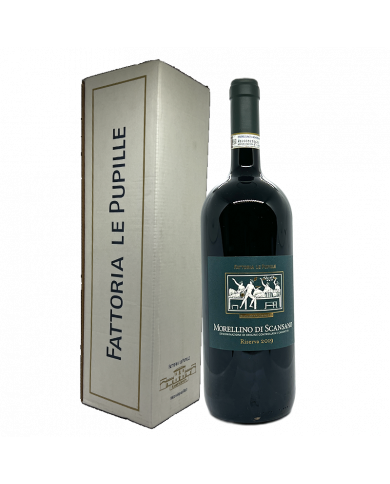
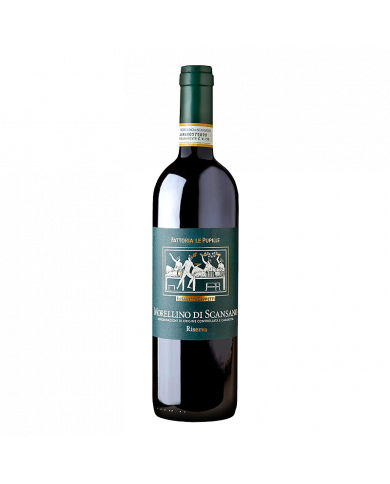
Dark ruby red. The aromas let emerge hints of ripe berries, blood orange, maraschino cherries and aromatic herbs; fades into tones of licorice, black peppercorns and dark chocolate. The taste is full, enveloping and vigorous, with a very fine tannic texture. Persistent finish on flavors of rhubarb and myrtle.
€47.28
SKU:
20398
Brand:
Fattoria le Pupille
Dark ruby red. The aromas let emerge hints of ripe berries, blood orange, maraschino cherries and aromatic herbs; fades into tones of licorice, black peppercorns and dark chocolate. The taste is full, enveloping and vigorous, with a very fine tannic texture. Persistent finish on flavors of rhubarb and myrtle.
€21.41
SKU:
20397
Brand:
Fattoria le Pupille
Bright ruby red. On the nose, hints of cherry, red currant, blood orange, peony and red roses alternate, on a background of cinnamon and cloves. The sip is enveloping, soft, with relaxed tannins, accompanied by an excellent freshness. Final on fruity references.
€11.86
SKU:
20396
Brand:
Fattoria le Pupille
Bright coral pink. Elegant olfactory profile with berries, pink grapefruit and cherry followed by spicy notes that fade into mineral tones. Full, enveloping, fresh sip, with a delicate savory component. Final on citrus hints.
€16.47
En premier
SKU:
20395
Brand:
Fattoria le Pupille
Transparent ruby with violet reflections. Olfactory framework modulated on cherry, blueberry, peony flowers and a sprinkling of white pepper. The sip is warm and juicy, with a youthful lightness and great balance. Long in the memories of fresh and crunchy red fruit.
€9.06
SKU:
20371
Brand:
Cantina Marchesi Antinori
Dense ruby color with garnet reflections. Sensations of plum, mulberry and violet expand on the nose, and then unravel on wild and licorice tones. In the mouth, warm and enveloping, it declines sumptuous softness and caressing tannins. Ideal together with the walker with mustard and prunes or on the stuffed crusted roast.
€49.53
€37.70
SKU:
20365
Brand:
Tenuta La Chiusa
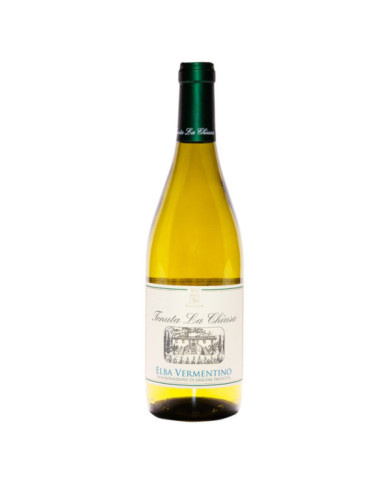
Vermentino Elba Doc 2022 comes from vines on clayey-ferrous soils in a flat area. Harvested in early September. It is vinified in white, in steel containers, with temperature control during fermentation. Continuous batonage during the winter to enrich the wine with the aromas of the fine lees on which it is left to rest. Bottled in the spring following the harvest, it has a straw yellow colour. On the nose the typical floral aromas of acacia, pineapple and marked notes of aromatic herbs. On the palate it is dry, fresh, sapid and with good persistence. Ideal alone as an aperitif, or in combination with appetizers, fish risottos and soft cheeses.
€20.25
€37.70
SKU:
20359
Brand:
Tenuta La Chiusa
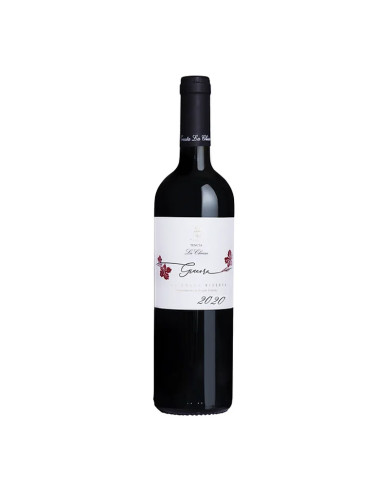
Ginevra Elba Rosso Doc 2018 is obtained from Sangiovese (60%) and Merlot (40%) grapes born on clayey-ferrous soils on a flat position. The harvest is early for the Merlot while it generally takes place around mid-September for the Sangiovese.
Vinified in steel, with maceration for about 7 days; aged in French oak barriques for 12 months and refined in the bottle for another 12 months.
€27.32
SKU:
20296
Brand:
Frescobaldi
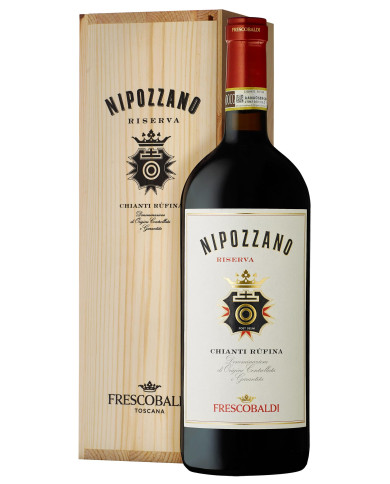
Ruby red with purple reflections. The nose is floral, characterized by clear hints of violet that prevail over the fruity. Followed by raspberry, black currant and black cherry accompanied by scents of licorice and spicy notes of nutmeg and white pepper. The entry in the mouth is warm, with tannins in full evidence. The texture appears decisive, a typical characteristic of Chianti Rùfina. Long persistence. For the whole meal, it goes well with grilled red meat, baked lamb, slightly seasoned pecorino.
€44.07
€112.85
€43.49
€25.62
Discover the best wines of Tuscany: an unforgettable experience!
Tuscany is one of Italy's most renowned wine regions, and for decades its excellent wines have been appreciated worldwide. Tuscan wines offer a range of flavors, from sweet and fruity to robust and intense. Furthermore, this region also boasts a rich traditional culture and a long history of winemaking, making it an ideal destination for tourists seeking an unforgettable food and wine experience.
Why is Tuscany famous for its wine?
Tuscany has a mild climate and rich, fertile soil, making it one of Italy's most suitable regions for wine production. The region is particularly known for its red wines, such as Chianti, Brunello di Montalcino, and Vino Nobile di Montepulciano. These wines are made from Sangiovese grapes, the most widely grown grape in Tuscany. The region also has a rich tradition of white wines, such as Vernaccia di San Gimignano, Vermentino, and Trebbiano.
How to choose the right Tuscan wine?
When choosing a Tuscan wine, the first thing to consider is your personal taste. If you prefer sweet, fruity wines, a white wine like Vernaccia di San Gimignano or Vermentino is the right choice. If you prefer more robust, structured wines, then a red wine like Chianti or Vino Nobile di Montepulciano is better.
Furthermore, it's also important to consider the vintage of the wine you're purchasing. Wine quality depends on the climatic conditions during the period in which the grapes were grown, so before purchasing a bottle, it's a good idea to ask the producer about the vintage.
Where to find Tuscan wines?
Tuscan wines are readily available in supermarkets and specialty shops, but to savor the finest, highest-quality wines, you can also visit a winery. Tuscany boasts numerous wineries that organize guided tours and tastings to showcase their wines. Visiting one is a truly unique experience, as you have the opportunity to learn firsthand how wine is made and taste the different varietals.
What are the most famous wines of Tuscany?
Tuscany's most famous wines are Chianti, Brunello di Montalcino, Vino Nobile di Montepulciano, and Vernaccia di San Gimignano. Chianti is a light and fruity red wine, while Brunello di Montalcino is a red wine with great intensity and structure. Vino Nobile di Montepulciano is a full-bodied and complex red wine, while Vernaccia di San Gimignano is a dry white wine with fruity and floral notes.
How to pair Tuscan wines?
Tuscan wines are ideal paired with meat, fish, vegetable, or cheese dishes. For example, Chianti pairs excellently with meat dishes such as roasts or braised meats, while Vino Nobile di Montepulciano is perfect with fish dishes such as cod or salmon. Brunello di Montalcino pairs well with vegetable dishes such as soups and broths, while Vernaccia di San Gimignano is ideal with aged cheeses.
How to store Tuscan wines?
Tuscan wines should be stored in a cool, dry place, away from heat and direct light. The ideal storage temperature is between 10 and 14°C. Red wines can be stored for up to 5 years, while white wines should not be stored for more than 2 years. Furthermore, it's important to remember that wines should be stored horizontally, so that the cork is always in contact with the wine.
Tuscan Wine Denomination
Tuscany is one of the most important wine regions in Italy and the world. The region is famous for its fine wines such as Chianti , Brunello di Montalcino , and Vino Nobile di Montepulciano. These wines have either a controlled designation of origin (DOC) or a controlled and guaranteed designation of origin (DOCG). In this article, we'll explore the appellations of Tuscan wines and how they're produced.
Introduction to the Wine Denominations of Tuscany
Wine appellations are a classification system that guarantees the quality and geographical origin of Italian wines. There are three levels of appellation: Vino da Tavola, DOC, and DOCG. Table wines have no geographical or grape variety restrictions, while DOC and DOCG wines are produced in specific geographical areas and with specific grapes.
DOC wines of Tuscany
Tuscan DOC (Denominazione di Origine Controllata) wines are produced in specific areas of the region and are made with specific grapes. These wines have strict production requirements, such as grape yield, alcohol content, and minimum aging time.
Chianti DOCG
Chianti is one of the best-known and most popular Italian wines, produced primarily in the Chianti region, between the cities of Florence, Siena, and Arezzo. The wine is made primarily from Sangiovese grapes and may also contain other red grapes such as Canaiolo, Colorino, and Merlot. Chianti DOCG is a dry red wine that can be classified by its aging period: Chianti, Chianti Riserva, and Chianti Classico .
Brunello di Montalcino DOCG
Brunello di Montalcino is a DOCG wine produced in the Montalcino area, in the province of Siena. It is made with Sangiovese grapes, known locally as Brunello. The wine is aged for at least five years and must be produced exclusively with grapes from the Montalcino area.
Vino Nobile di Montepulciano DOCG
Vino Nobile di Montepulciano is a DOCG wine produced in the Montepulciano area, in the province of Siena. It is made primarily from Sangiovese grapes and must be aged for at least two years. The name "Nobile" derives from this wine's reputation during the Renaissance.
IGT wines from Tuscany
IGT (Indicazione Geografica Tipica) is an Italian wine designation that indicates a broader geographical area than DOC and DOCG wines. These wines can be made with grape varieties other than those specified by the DOC and DOCG designations.
Super Tuscan
Super Tuscans are IGT wines produced in Tuscany that do not comply with the DOC and DOCG designations. These wines are often made with international grapes such as Cabernet Sauvignon, Merlot, and Syrah, and are aged in French oak barrels. Super Tuscans are generally full-bodied and intense red wines, with a high concentration of fruit.
Tuscany is a world-renowned wine region, and its controlled and guaranteed designations of origin guarantee the quality of its wines. Tuscan DOC and DOCG wines are produced in specific geographical areas and with specific grapes, while Tuscan IGT wines have fewer restrictions in terms of geographical area and grape variety. Each appellation has its own unique characteristics and offers a different tasting experience. Regardless of which wine you choose, Tuscan wines are definitely a winning choice.
Frequently Asked Questions
What are the main Tuscan wine denominations?
The main Tuscan wine denominations are Chianti DOCG, Brunello di Montalcino DOCG, Vino Nobile di Montepulciano DOCG and IGT.
What do DOC and DOCG mean?
DOC stands for Controlled Designation of Origin, while DOCG stands for Controlled and Guaranteed Designation of Origin. These designations guarantee the quality and geographical origin of Italian wines.
What are the production requirements for DOC and DOCG wines from Tuscany?
Tuscan DOC and DOCG wines have strict production requirements, such as grape yield, alcoholic strength, and minimum aging time.
What are Super Tuscans?
Super Tuscans are IGT wines produced in Tuscany that do not comply with the DOC and DOCG designations. These wines are often made with international grapes such as Cabernet Sauvignon, Merlot, and Syrah.
What are the most famous DOCG wines from Tuscany?
The most famous DOCG wines of Tuscany are Chianti DOCG, Brunello di Montalcino DOCG and Vino Nobile di Montepulciano DOCG .