

 Italiano
 Deutsch







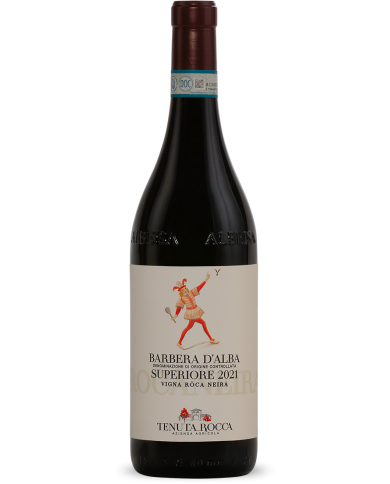
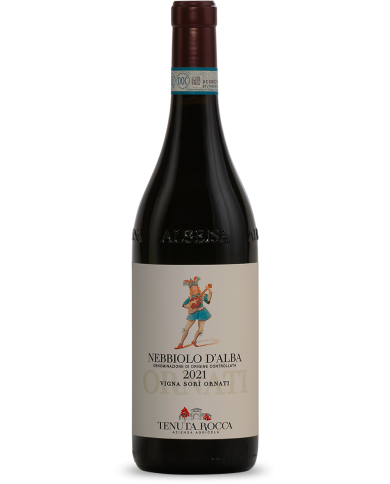
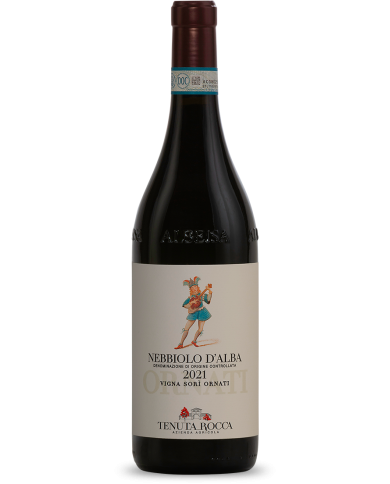
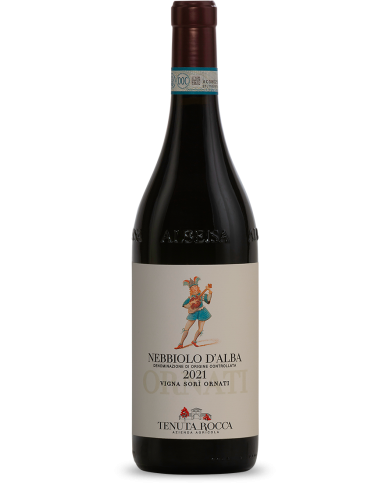








There are no more items in your cart
SKU:
16971
Brand:
Tenuta Rocca
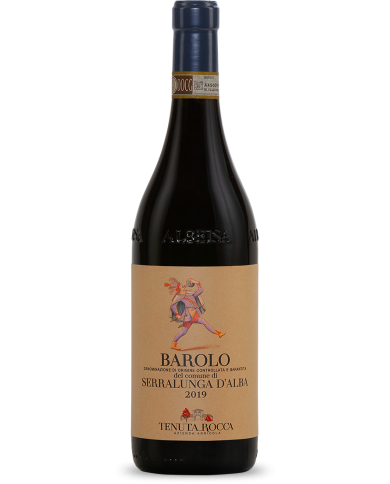
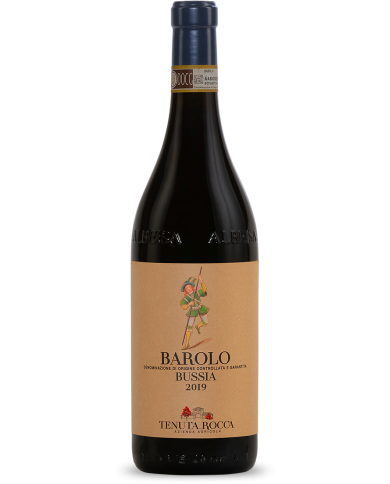
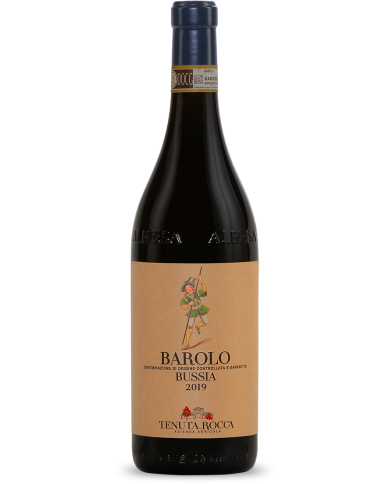
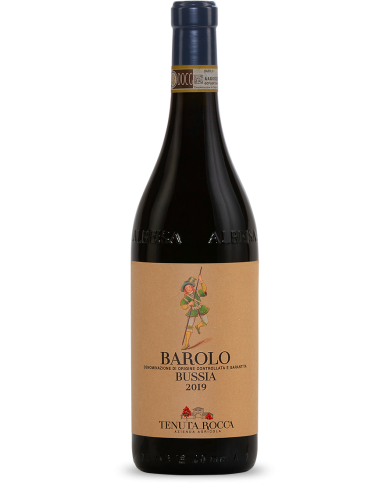
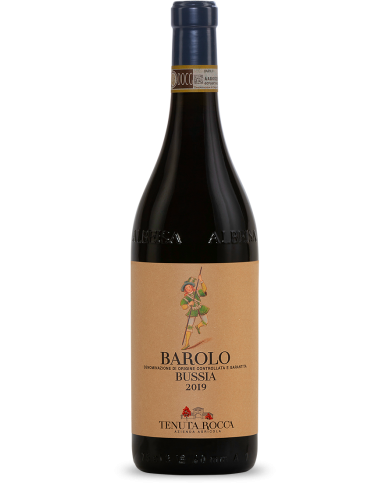
Intense garnet red color with orange reflections. The nose is broad with delicate notes of violet and dog rose, hay and licorice in the background. On the palate the tannin is structured but delicate, tending towards sweet. The intensity of the drink is characterized by the juicy fruit that imprints the memory of the wine.
€627.69
SKU:
16970
Brand:
Tenuta Rocca
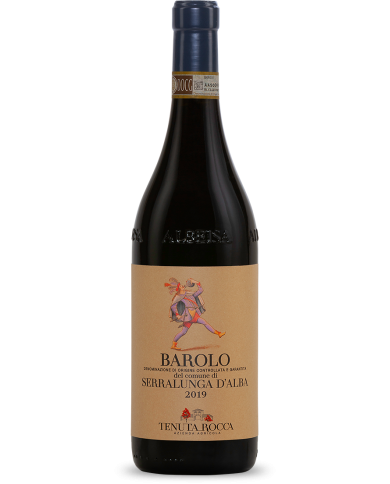
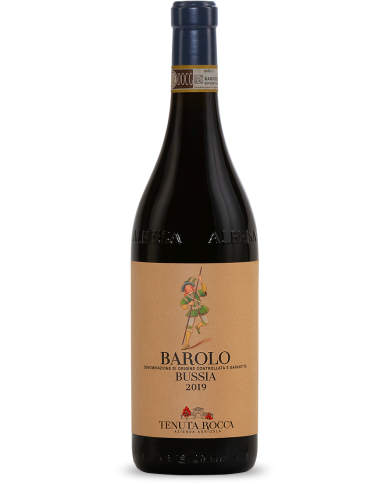
Intense garnet red color with orange reflections. The nose is broad with delicate notes of violet and dog rose, hay and licorice in the background. On the palate the tannin is structured but delicate, tending towards sweet. The intensity of the drink is characterized by the juicy fruit that imprints the memory of the wine.
€296.95
SKU:
16969
Brand:
Tenuta Rocca
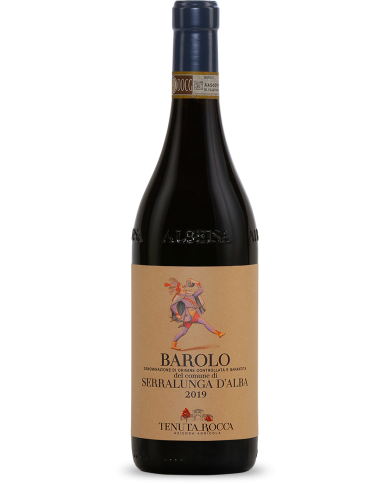
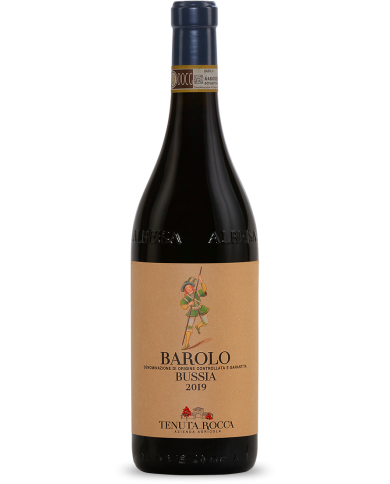
Intense garnet red color with orange reflections. The nose is broad with delicate notes of violet and dog rose, hay and licorice in the background. On the palate the tannin is structured but delicate, tending towards sweet. The intensity of the drink is characterized by the juicy fruit that imprints the memory of the wine.
€573.77
SKU:
16968
Brand:
Tenuta Rocca
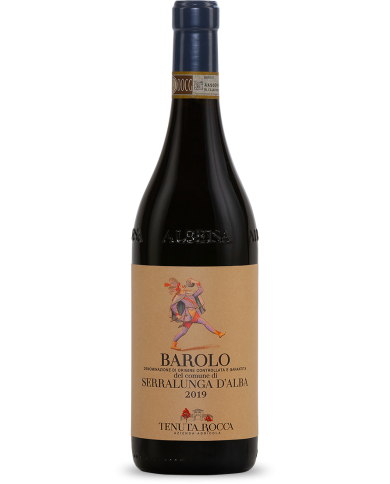
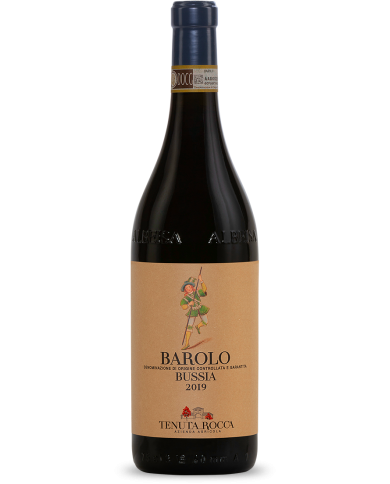
Intense garnet red color with orange reflections. The nose is broad with delicate notes of violet and dog rose, hay and licorice in the background. On the palate the tannin is structured but delicate, tending towards sweet. The intensity of the drink is characterized by the juicy fruit that imprints the memory of the wine.
€269.99
SKU:
16967
Brand:
Tenuta Rocca
Intense garnet red color with orange reflections. The nose is broad with delicate notes of violet and dog rose, hay and licorice in the background. On the palate the tannin is structured but delicate, tending towards sweet. The intensity of the drink is characterized by the juicy fruit that imprints the memory of the wine.
€229.48
SKU:
16966
Brand:
Tenuta Rocca
Intense garnet red color with orange reflections. The nose is broad with delicate notes of violet and dog rose, hay and licorice in the background. On the palate the tannin is structured but delicate, tending towards sweet. The intensity of the drink is characterized by the juicy fruit that imprints the memory of the wine.
€432.00
SKU:
16965
Brand:
Tenuta Rocca
Intense garnet red color with orange reflections. The nose is broad with delicate notes of violet and dog rose, hay and licorice in the background. On the palate the tannin is structured but delicate, tending towards sweet. The intensity of the drink is characterized by the juicy fruit that imprints the memory of the wine.
€202.52
SKU:
16964
Brand:
Tenuta Rocca
Intense, lively and brilliant garnet red colour. The nose is ethereal with the typical perceptions of violet, then cherry and spices and leather. In the mouth the embrace is full and warm, the tannic, velvety and enveloping texture is balanced by the right acidity.
€310.49
SKU:
16963
Brand:
Tenuta Rocca
Intense, lively and brilliant garnet red colour. The nose is ethereal with the typical perceptions of violet, then cherry and spices and leather. In the mouth the embrace is full and warm, the tannic, velvety and enveloping texture is balanced by the right acidity.
€594.02
SKU:
16962
Brand:
Tenuta Rocca
Intense, lively and brilliant garnet red colour. The nose is ethereal with the typical perceptions of violet, then cherry and spices and leather. In the mouth the embrace is full and warm, the tannic, velvety and enveloping texture is balanced by the right acidity.
€269.99
SKU:
16961
Brand:
Tenuta Rocca
Intense, lively and brilliant garnet red colour. The nose is ethereal with the typical perceptions of violet, then cherry and spices and leather. In the mouth the embrace is full and warm, the tannic, velvety and enveloping texture is balanced by the right acidity.
€350.99
SKU:
16960
Brand:
Tenuta Rocca
Intense, lively and brilliant garnet red colour. The nose is ethereal with the typical perceptions of violet, then cherry and spices and leather. In the mouth the embrace is full and warm, the tannic, velvety and enveloping texture is balanced by the right acidity.
€162.02
SKU:
16959
Brand:
Tenuta Rocca
Intense, lively and brilliant garnet red colour. The nose is ethereal with the typical perceptions of violet, then cherry and spices and leather. In the mouth the embrace is full and warm, the tannic, velvety and enveloping texture is balanced by the right acidity.
€553.51
SKU:
16958
Brand:
Tenuta Rocca
Intense, lively and brilliant garnet red colour. The nose is ethereal with the typical perceptions of violet, then cherry and spices and leather. In the mouth the embrace is full and warm, the tannic, velvety and enveloping texture is balanced by the right acidity.
€256.44
SKU:
16957
Brand:
Tenuta Rocca
Intense, lively and brilliant garnet red colour. The nose is ethereal with the typical perceptions of violet, then cherry and spices and leather. In the mouth the embrace is full and warm, the tannic, velvety and enveloping texture is balanced by the right acidity.
€519.72
SKU:
16956
Brand:
Tenuta Rocca
Intense, lively and brilliant garnet red colour. The nose is ethereal with the typical perceptions of violet, then cherry and spices and leather. In the mouth the embrace is full and warm, the tannic, velvety and enveloping texture is balanced by the right acidity.
€243.02
SKU:
16955
Brand:
Tenuta Rocca
Intense, lively and brilliant garnet red colour. The nose is ethereal with the typical perceptions of violet, then cherry and spices and leather. In the mouth the embrace is full and warm, the tannic, velvety and enveloping texture is balanced by the right acidity.
€175.44
SKU:
16954
Brand:
Tenuta Rocca
Intense, lively and brilliant garnet red colour. The nose is ethereal with the typical perceptions of violet, then cherry and spices and leather. In the mouth the embrace is full and warm, the tannic, velvety and enveloping texture is balanced by the right acidity.
€162.02
SKU:
16951
Brand:
Tenuta Rocca
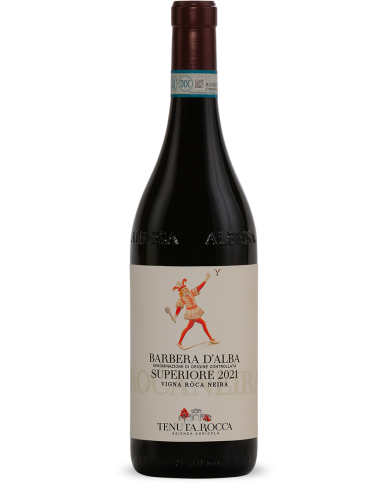
Intense purplish ruby red color with violet reflections. Intense nose of red fruits (raspberry and black cherry) and fine spices. In the mouth the marked but sweet acidity makes it round and full; in closing notes of toasted hazelnut.
€74.30
SKU:
16950
Brand:
Tenuta Rocca
Intense purplish ruby red color with violet reflections. Intense nose of red fruits (raspberry and black cherry) and fine spices. In the mouth the marked but sweet acidity makes it round and full; in closing notes of toasted hazelnut.
€81.01
SKU:
16949
Brand:
Tenuta Rocca
On the nose the wine is ethereal and floral with the sweet notes of violet typical of the vine; red fruit, plum and spices in the background. The mouth is pleasantly fresh and balanced and the soft and enveloping tannins make it an elegant but not too austere drinkable wine.
€67.47
SKU:
16948
Brand:
Tenuta Rocca
On the nose the wine is ethereal and floral with the sweet notes of violet typical of the vine; red fruit, plum and spices in the background. The mouth is pleasantly fresh and balanced and the soft and enveloping tannins make it an elegant but not too austere drinkable wine.
€74.30
SKU:
16947
Brand:
Tenuta Rocca
On the nose the wine is ethereal and floral with the sweet notes of violet typical of the vine; red fruit, plum and spices in the background. The mouth is pleasantly fresh and balanced and the soft and enveloping tannins make it an elegant but not too austere drinkable wine.
€81.01
SKU:
16946
Brand:
Tenuta Rocca
Intense garnet red color with orange reflections. The nose is broad with delicate notes of violet and dog rose, hay and licorice in the background. On the palate the tannin is structured but delicate, tending towards sweet. The intensity of the drink is characterized by the juicy fruit that imprints the memory of the wine.
€253.76
SKU:
16945
Brand:
Tenuta Rocca
Intense garnet red color with orange reflections. The nose is broad with delicate notes of violet and dog rose, hay and licorice in the background. On the palate the tannin is structured but delicate, tending towards sweet. The intensity of the drink is characterized by the juicy fruit that imprints the memory of the wine.
€118.95
SKU:
16943
Brand:
Tenuta Rocca
Intense, lively and brilliant garnet red colour. The nose is ethereal with the typical perceptions of violet, then cherry and spices and leather. In the mouth the embrace is full and warm, the tannic, velvety and enveloping texture is balanced by the right acidity.
€222.04
SKU:
16942
Brand:
Tenuta Rocca
Intense, lively and brilliant garnet red colour. The nose is ethereal with the typical perceptions of violet, then cherry and spices and leather. In the mouth the embrace is full and warm, the tannic, velvety and enveloping texture is balanced by the right acidity.
€101.50
SKU:
16940
Brand:
Tenuta Rocca
Garnet red color with orange edge. Pungent sensations of black pepper, leather and cinnamon emerge on the nose, other more delicate ones of violet and Spanish cherries. In the mouth it is rightly tannic and moderately austere. The correspondence with the olfactory sensations is marked and emerges with the phases of the tasting.
€85.40
SKU:
16938
Brand:
Tenuta Rocca
On the nose the wine is ethereal and floral with the sweet notes of violet typical of the vine; red fruit, plum and spices in the background. The mouth is pleasantly fresh and balanced and the soft and enveloping tannins make it an elegant but not too austere drinkable wine.
€55.51
SKU:
16936
Brand:
Tenuta Rocca
Intense purplish ruby red color with violet reflections. Intense nose of red fruits (raspberry and black cherry) and fine spices. In the mouth the marked but sweet acidity makes it round and full; in closing notes of toasted hazelnut.
€107.85
SKU:
16935
Brand:
Tenuta Rocca
Intense purplish ruby red color with violet reflections. Intense nose of red fruits (raspberry and black cherry) and fine spices. In the mouth the marked but sweet acidity makes it round and full; in closing notes of toasted hazelnut.
€52.58
SKU:
16933
Brand:
Tenuta Rocca
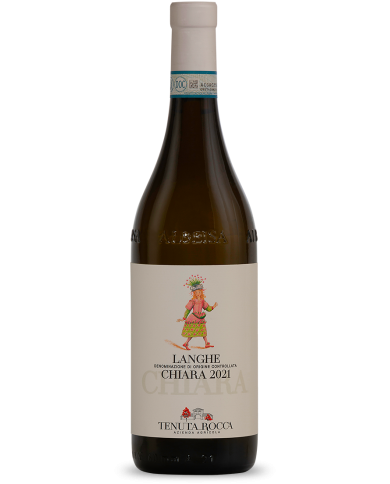
Deep straw yellow colour. The nose shows notes of exotic fruit and banana, linked by a pleasant buttery envelopment. In the mouth it is the harmony of the elements that dominates, where the accord between almond, white flowers and honey give an incredible persistence.
€55.51
SKU:
16911
Brand:
Torraccia Del Piantavigna
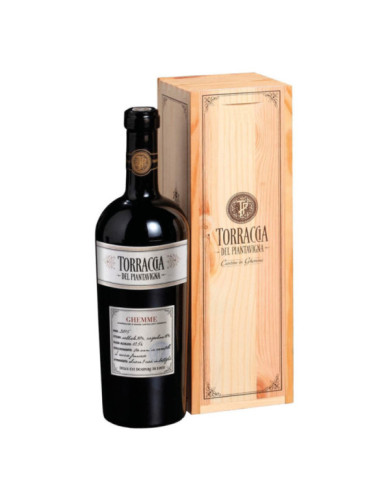
The Ghemme di Torraccia del Piantavigna is produced in the northeastern part of Piedmont with Nebbiolo and Vespolina grapes.
€92.51
SKU:
16909
Brand:
Torraccia Del Piantavigna
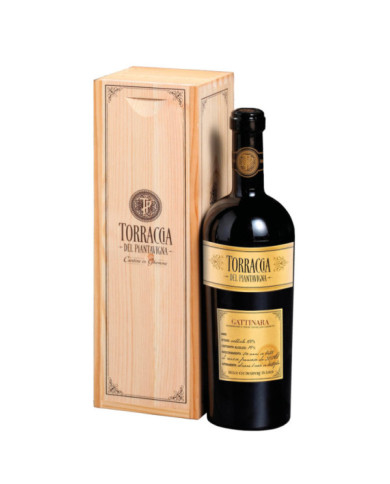
The Gattinara di Torraccia del Piantavigna is produced with 100% Nebbiolo grapes from five hectares of vineyards located in the Municipality of Gattinara.
€151.52
SKU:
16908
Brand:
Torraccia Del Piantavigna
The Gattinara di Torraccia del Piantavigna is produced with 100% Nebbiolo grapes from five hectares of vineyards located in the Municipality of Gattinara.
€80.90
SKU:
16826
Brand:
Quadra Franciacorta
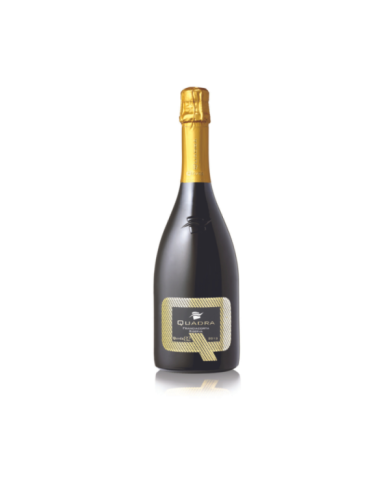
Quvée is an original and evocative neologism, shaped by two essential concepts: the name of the company, summarized by the initial Q which, with strength and character, replaces the C of Cuvée.
€70.21
Large format wines are a popular choice for special occasions and among wine collectors. They come in a variety of sizes and offer a variety of advantages over standard bottles. In this article, we'll explore everything you need to know about large format wines, from their benefits to storage and purchasing.
The advantages of large format wines
Large format wines offer numerous advantages over standard bottles. First, most wines in large formats age better than standard bottles. This is because the amount of oxygen entering the bottle is lower than in standard bottles. Furthermore, the larger capacity of wine in a single container means that temperature fluctuations are less significant, reducing the risk of damage to the wine.
Secondly, large format wines are an ideal choice for special occasions. A large bottle quickly becomes the center of attention and impresses guests. Furthermore, a single large bottle is much easier to manage than many smaller ones. For example, if you're hosting a dinner for a large group, you can use several large bottles to facilitate service.
Large format wine sizes
Large format wines are available in different sizes, each with a specific name:
Magnum : 1.5 litres, equal to two standard bottles
Jeroboam : 3 liters, equal to four standard bottles
Rehoboam : 4.5 liters, equal to six standard bottles
Methuselah : 6 liters, equal to eight standard bottles
Salmanazar : 9 liters, equal to twelve standard bottles
Balthazar : 12 liters, equal to sixteen standard bottles
Nebuchadnezzar : 15 litres, equal to twenty standard bottles
Storage of large format wines
Storing large-format wines is an important aspect to consider. Because these bottles are larger than standard bottles, storage can be more complicated. Most cellars don't have shelves or space suitable for large bottles, so planning ahead is essential.
Additionally, large bottles may take longer to adjust to the ambient temperature in which they are stored. To avoid temperature fluctuations, it's important to store large bottles in a cool, dry place.
Purchase of large format wines
Buying large format wines can be an excellent choice for wine collectors and for special occasions. However, it's important to pay attention to the bottles' origin. Large bottles can be more susceptible to counterfeiting than standard bottles, so it's important to buy from reputable and trustworthy sellers.
What are large format wines?
Large format wine bottles are larger than the standard 750ml bottle. There are numerous larger wine bottle sizes, including the Magnum (1.5 liters), the Double Magnum (3 liters), the Jeroboam (4.5 liters), the Rehoboam (4.5 liters), the Methuselah (6 liters), the Salmanazar (9 liters), the Balthazar (12 liters), and the Nebuchadnezzar (15 liters).
Why choose large-format wines?
There are many reasons to choose a larger bottle of wine over the traditional 750 ml bottles. First, wine in larger formats is more stable than standard bottles, thanks to the greater volume of wine in the bottle and the smaller amount of air coming into contact with the wine.
Secondly, wines in large formats develop more slowly, meaning they can be stored for a longer period without undergoing any alteration. Furthermore, these wines have greater harmony and balance than standard bottles, thanks to the greater contact surface between the wine and the cork.
Finally, wines in large formats are ideal for special occasions, such as weddings, anniversaries, birthdays, or corporate events, because they have a greater visual impact and can satisfy the palates of a greater number of people.
How to choose a large format wine?
Choosing a large-format wine depends on the type of wine and your personal needs. Generally, the wines best suited to larger formats are those that require a longer aging period, such as structured red wines, complex white wines, or sweet dessert wines.
Furthermore, it's important to choose a high-quality wine, because the larger the quantity of wine in the bottle, the greater the chance of defects appearing. It's therefore important to purchase wines in large formats from reputable retailers who offer guarantees regarding the wine's quality and shelf life.
Finally, it's important to consider the number of people attending the event to choose the right bottle size. For example, a Magnum bottle (1.5 liters) is enough for about 10 people, while a Balthazar bottle (12 liters) can satisfy up to 100 people.
In conclusion, large format wines are an excellent choice for special occasions and for wine collectors, thanks to their greater stability, their ability to evolve more slowly, and their ability to please the palates of a larger number of people.