

 Italiano
 Deutsch



There are no more items in your cart
SKU:
16409
Brand:
Pacherhof
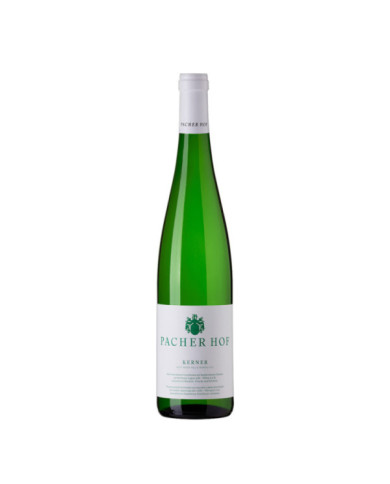
Pacherhof's Kerner is a clean, precise and vertical wine, with a fresh and light personality, not without tension and aromatic richness. Aromas of citrus fruits, exotic fruit and sweet spices involve the sense of smell while the sip reveals character, softness and great expressive power
€56.36
SKU:
16408
Brand:
Pacherhof
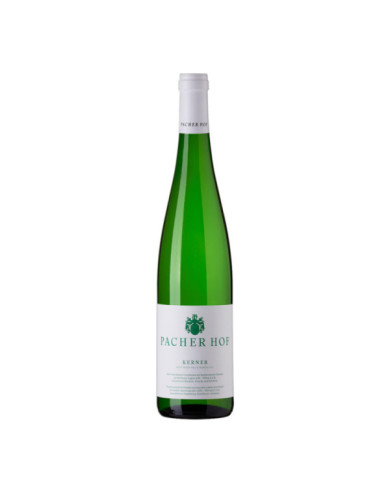
Pacherhof's Kerner is a clean, precise and vertical wine, with a fresh and light personality, not without tension and aromatic richness. Aromas of citrus fruits, exotic fruit and sweet spices involve the sense of smell while the sip reveals character, softness and great expressive power
€56.36
SKU:
16407
Brand:
Pacherhof
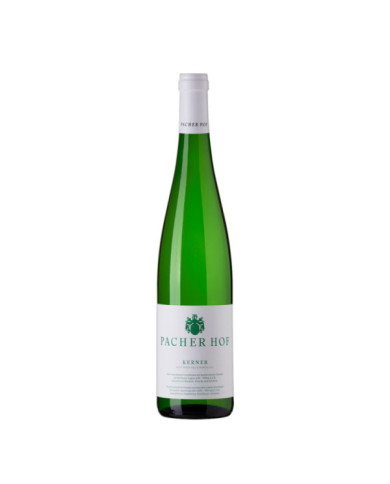
Pacherhof's Kerner is a clean, precise and vertical wine, with a fresh and light personality, not without tension and aromatic richness. Aromas of citrus fruits, exotic fruit and sweet spices involve the sense of smell while the sip reveals character, softness and great expressive power
€56.36
SKU:
16403
Brand:
Le Marchesine
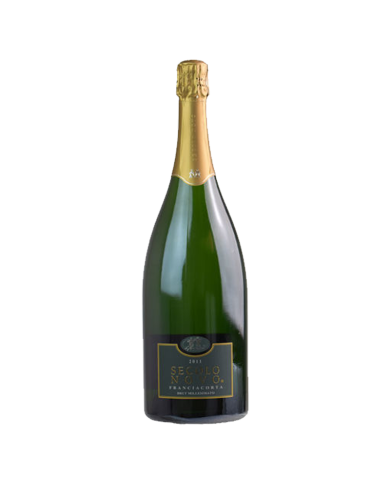
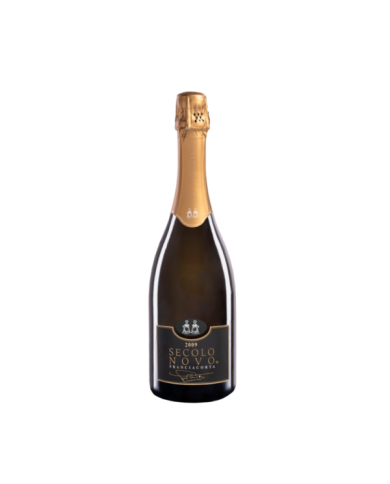
It is from a vineyard on the La Santissima di Cussago hill, one of the most suitable areas of Franciacorta, that the only chardonnay grapes that lead to the "Secolo Novo" come. The Franciacorta DOCG Brut "Secolo Novo" by Le Marchesine is a sparkling wine of unmistakable class, elegant and relaxed, whose permanence on the lees lasts for 3 years.
€93.57
SKU:
16402
Brand:
Le Marchesine
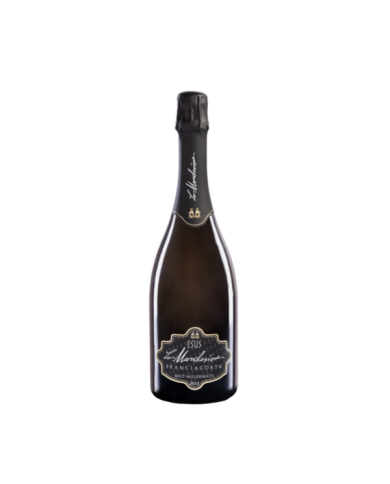
In appearance, the wine has a brilliant straw yellow color, with a fine and persistent perlage. The scent on the nose, an initial impact of bread crust and yeasts opens up to a composed and elegant olfactory profile. The taste has rich notes of exotic fruits, elderflower and white chocolate are the perfect introduction to a fresh, clean, round taste. It closes very long on light hints of ginger.
€167.38
SKU:
16396
Brand:
Le Marchesine
Floral, mineral, fruity and spicy bouquet. Structured and at the same time elegant in the mouth, with an incredible persistence. Franciacorta Brut Secolo Novo Giovanni Biatta comes from clonal selections of Chardonnay grapes. Harvested by hand in small crates, must obtained from the natural pressing of the grapes (at zero pressure, also known as autopressurage). Controlled fermentation in purity at 17° – 19° with indigenous yeasts in order to keep the flavor and aromas of Franciacorta intact. Maturation in stainless steel tanks. In the months of March and April the passage into the bottle for the second fermentation takes place. The bottles are stacked in refining rooms at controlled temperatures (12° – 14°) for at least 54 months. After this period, the Franciacorta Brut DOCG Giovanni Biatta takes on its characteristics of aroma and flavor and with a very fine perlage. We then move on to the final phase of remuage, dégorgement and clothing for the shipment.
€293.78
SKU:
16394
Brand:
Le Marchesine
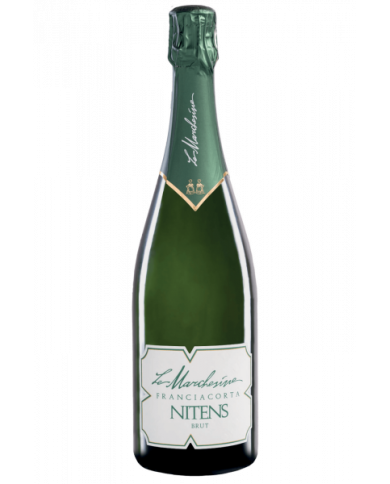
It is a classic cuvée obtained from Pinot bianco, Pinot nero and Chardonnay grapes harvested by hand in small baskets and vinified within 2 – 3 hours of harvesting. The must obtained ferments for a few days in steel tanks at a controlled temperature (17° – 18°) in order to maintain and preserve the best aromas and flavours. The second fermentation takes place in rooms at a constant temperature, slowly in order to favor the development of minute bubbles. The product has a fragrant scent reminiscent of Acacia flowers and small red berried fruits (raspberry); soft, fresh and lively flavor that rightly lingers in the mouth.
€15.86
SKU:
16392
Brand:
Le Marchesine
It is a classic cuvée obtained from Pinot bianco, Pinot nero and Chardonnay grapes harvested by hand in small baskets and vinified within 2 – 3 hours of harvesting. The must obtained ferments for a few days in steel tanks at a controlled temperature (17° – 18°) in order to maintain and preserve the best aromas and flavours. The second fermentation takes place in rooms at a constant temperature, slowly in order to favor the development of minute bubbles. The product has a fragrant scent reminiscent of acacia flowers, linden and even toasted bread; soft, fresh and lively flavor that rightly lingers in the mouth. The suggested serving temperature is between 8° and 10°.
€45.51
SKU:
16391
Brand:
Le Marchesine
Franciacorta Brut DOCG Nodens comes from clonal selections of Pinot Noir grapes.
Harvested by hand in small crates, very slow and soft pressing of the whole bunches. Fermentation without contact with the skins controlled in purity at 17° - 19° with indigenous yeasts in order to keep the flavor and aromas of Franciacorta intact.
Maturation in stainless steel tanks. In the months of March and April the passage into the bottle for the second fermentation takes place.
The bottles are stacked in refining rooms at controlled temperatures (12° – 14°) for at least 36 months. After this period, Franciacorta Brut DOCG Millesimato takes on its characteristics of aroma and flavor and with a very fine perlage. We then move on to the final phase of remuage, dégorgement and clothing for the shipment.
Very fine and persistent perlage. Bouquet of red fruits, raspberry and blackberry; mineral, with hints of chocolate. In the mouth lively and structured, long and persistent. Pale pink color with coppery reflections.
€72.47
SKU:
16388
Brand:
Le Marchesine
Strong yellow color with greenish reflections. Very fine and persistent perlage. Fine and complex aroma. Dry, dry taste with acidulous vein and characteristic nerve, elegant and full-bodied.
Franciacorta Brut comes from clonal selections of Chardonnay, Pinot bianco and Pinot nero grapes. Harvested by hand in small crates, very slow and soft pressing of the whole bunches. Controlled fermentation at 17° – 19° with indigenous yeasts in order to keep the flavor and aromas of Franciacorta intact. Maturation in stainless steel tanks. In the months of March and April, the wine is transferred to the bottle for the second fermentation. The bottles are stacked in refining rooms at controlled temperatures (12° – 14°) for at least 25 months. After this period, Franciacorta Brut takes on its characteristics of aroma and flavor and with a very fine perlage. We then move on to the final phase of remuage, dégorgement and clothing for the shipment.
€50.87
SKU:
16387
Brand:
Le Marchesine
When it arrives on the palate it makes a clean sweep, it is full, powerful, but not intrusive, it expresses great salinity and freshness, the persistence is very pronounced, in the finish of excellent elegance it takes up the toasted and processed nuts characters that the nose has exalted.
€72.47
SKU:
16384
Brand:
Le Marchesine
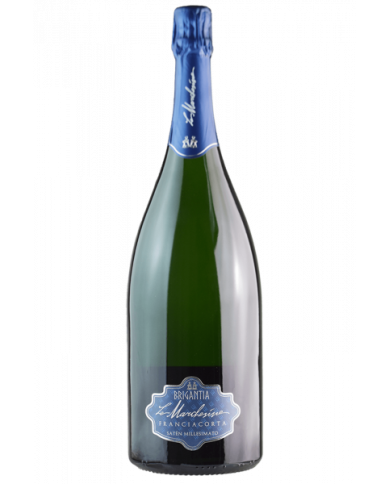
Straw yellow in colour. The nose brings back notes of sponge cake, butter and biscuits to anticipate fresher tones of cedar and lime, with hints of pineapple and peach. On the palate it is creamy, enveloping and typical for the type, crossed by a lively sapid-acid fusion that underlines a rare pleasantness, with a long aromatic finish.
Pairing:
Excellent with grilled mackerel fillet, stuffed squid, stewed cod but also for a glamorous aperitif!
€63.81
Large format wines are a popular choice for special occasions and among wine collectors. They come in a variety of sizes and offer a variety of advantages over standard bottles. In this article, we'll explore everything you need to know about large format wines, from their benefits to storage and purchasing.
The advantages of large format wines
Large format wines offer numerous advantages over standard bottles. First, most wines in large formats age better than standard bottles. This is because the amount of oxygen entering the bottle is lower than in standard bottles. Furthermore, the larger capacity of wine in a single container means that temperature fluctuations are less significant, reducing the risk of damage to the wine.
Secondly, large format wines are an ideal choice for special occasions. A large bottle quickly becomes the center of attention and impresses guests. Furthermore, a single large bottle is much easier to manage than many smaller ones. For example, if you're hosting a dinner for a large group, you can use several large bottles to facilitate service.
Large format wine sizes
Large format wines are available in different sizes, each with a specific name:
Magnum : 1.5 litres, equal to two standard bottles
Jeroboam : 3 liters, equal to four standard bottles
Rehoboam : 4.5 liters, equal to six standard bottles
Methuselah : 6 liters, equal to eight standard bottles
Salmanazar : 9 liters, equal to twelve standard bottles
Balthazar : 12 liters, equal to sixteen standard bottles
Nebuchadnezzar : 15 litres, equal to twenty standard bottles
Storage of large format wines
Storing large-format wines is an important aspect to consider. Because these bottles are larger than standard bottles, storage can be more complicated. Most cellars don't have shelves or space suitable for large bottles, so planning ahead is essential.
Additionally, large bottles may take longer to adjust to the ambient temperature in which they are stored. To avoid temperature fluctuations, it's important to store large bottles in a cool, dry place.
Purchase of large format wines
Buying large format wines can be an excellent choice for wine collectors and for special occasions. However, it's important to pay attention to the bottles' origin. Large bottles can be more susceptible to counterfeiting than standard bottles, so it's important to buy from reputable and trustworthy sellers.
What are large format wines?
Large format wine bottles are larger than the standard 750ml bottle. There are numerous larger wine bottle sizes, including the Magnum (1.5 liters), the Double Magnum (3 liters), the Jeroboam (4.5 liters), the Rehoboam (4.5 liters), the Methuselah (6 liters), the Salmanazar (9 liters), the Balthazar (12 liters), and the Nebuchadnezzar (15 liters).
Why choose large-format wines?
There are many reasons to choose a larger bottle of wine over the traditional 750 ml bottles. First, wine in larger formats is more stable than standard bottles, thanks to the greater volume of wine in the bottle and the smaller amount of air coming into contact with the wine.
Secondly, wines in large formats develop more slowly, meaning they can be stored for a longer period without undergoing any alteration. Furthermore, these wines have greater harmony and balance than standard bottles, thanks to the greater contact surface between the wine and the cork.
Finally, wines in large formats are ideal for special occasions, such as weddings, anniversaries, birthdays, or corporate events, because they have a greater visual impact and can satisfy the palates of a greater number of people.
How to choose a large format wine?
Choosing a large-format wine depends on the type of wine and your personal needs. Generally, the wines best suited to larger formats are those that require a longer aging period, such as structured red wines, complex white wines, or sweet dessert wines.
Furthermore, it's important to choose a high-quality wine, because the larger the quantity of wine in the bottle, the greater the chance of defects appearing. It's therefore important to purchase wines in large formats from reputable retailers who offer guarantees regarding the wine's quality and shelf life.
Finally, it's important to consider the number of people attending the event to choose the right bottle size. For example, a Magnum bottle (1.5 liters) is enough for about 10 people, while a Balthazar bottle (12 liters) can satisfy up to 100 people.
In conclusion, large format wines are an excellent choice for special occasions and for wine collectors, thanks to their greater stability, their ability to evolve more slowly, and their ability to please the palates of a larger number of people.