

 Italiano
 Deutsch






There are no more items in your cart
SKU:
13877
Brand:
Piandimare
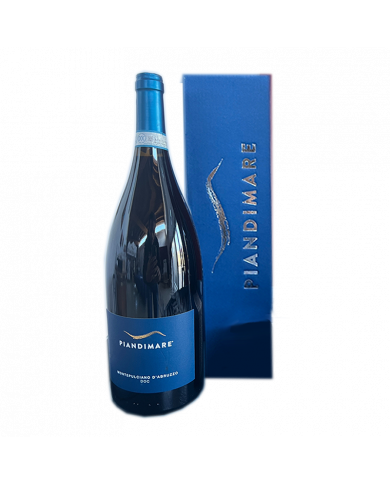
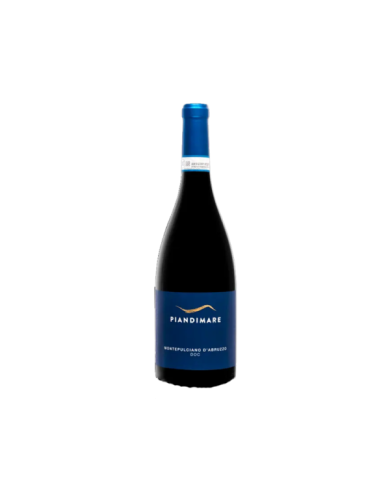
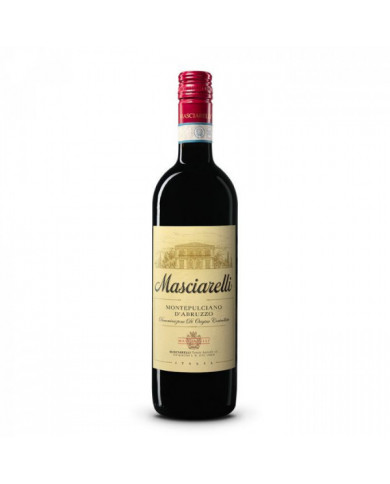
Blue like the sea that helps us in summer and winter with its climate mitigation action. And it is precisely to the sea that our label is dedicated, as a symbol of the importance that this has in the ripening cycle of Montepulciano d'Abruzzo grapes. Long fermentation on the skins. Racking and aging for at least 9 months in steel and 6 months in the bottle. A straightforward wine that does not compromise, proposing the quality and care placed in the vineyard. The varietal aromas of Montepulciano are all there, long and complex. A daily pleasure.
€20.00
SKU:
13876
Brand:
Piandimare
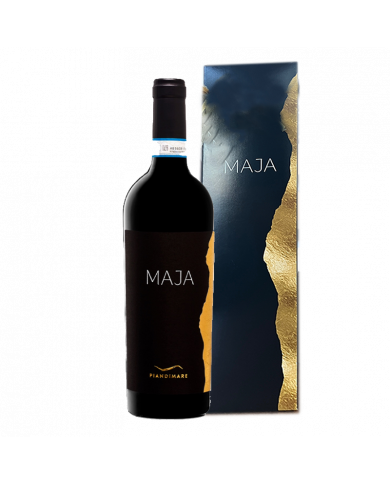
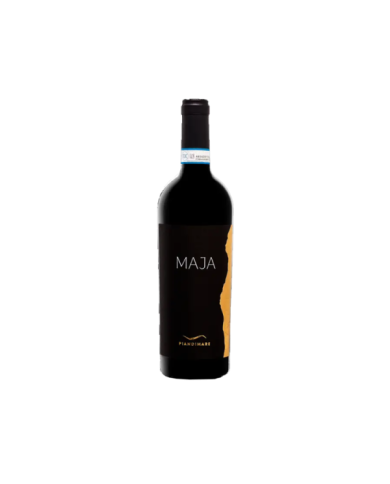
Maja is not just the wine, it is not just a label. Maja is the mountain that protects us, it is the mountain that gives us this extraordinary climate that gives us extraordinary grapes. We could only dedicate this great wine to her. She who every evening during the sunset looks at us in the cellar, turning her back to the sea. Grapes Montepulciano d'Abruzzo Piandimare from grapes harvested from mid-October. Long fermentation at controlled temperature. The tribute to our land and to the Majella could only be our spearhead. A very long and multifaceted wine, where the acidity obtained from the microclimate supports and elegantly accompanies the maturity and complexity of the fruit matured in small French wooden barrels.
€52.26
SKU:
13875
Brand:
Piandimare
It is with the arrival of the new Villamagna Doc that Cantina Piandimare expands the line of its Montepulciano d'Abruzzo from the Piandimare massale selection with a further red that wants to be the umpteenth praise to the territory and the demonstration of the potential in terms of structure and aging. through the work done by the winery with only the grapes coming from the Val di Foro, in particular from those of the territory limited to the small, but growing interest, Doc Abruzzo Villamagna.
€36.76
SKU:
13874
Brand:
Dora Sarchese
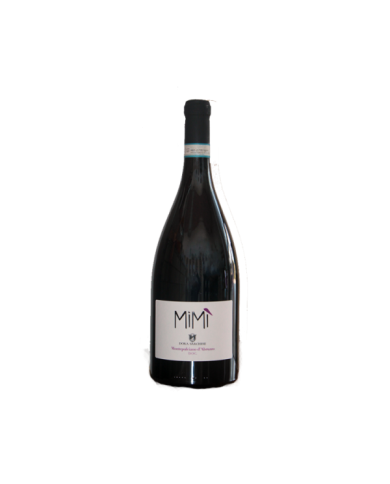
Montepulciano d'Abruzzo Doc Dora Sarchese is part of the Mimì line. The latest creation dedicated to Domenico D'Auria, patriarch of the Dora Sarchese winery who passed away in 2002. Mimì is a range that speaks of territorial identity and simplicity, which can also be found in the packaging. Minimalist label inspired by a significant reflection: "Your steps with your passion, with your hands in the earth, with your heart in the vineyard, with my father ... with Mimì". And this Montepulciano is a tribute to man and to the territory.
SKU:
13849
Brand:
San Felice
Produced entirely with native grapes, Sangiovese mainly with additions of Colorino and Pugnitello, it is a typical Chianti Classico, of medium structure, with a strong personality that stands out in particular for its elegance. The vinification takes place in the traditional way, with medium length maceration, followed by a maturation of the wine for 12 months in Slavonian oak barrels.
€64.97
SKU:
13848
Brand:
San Felice
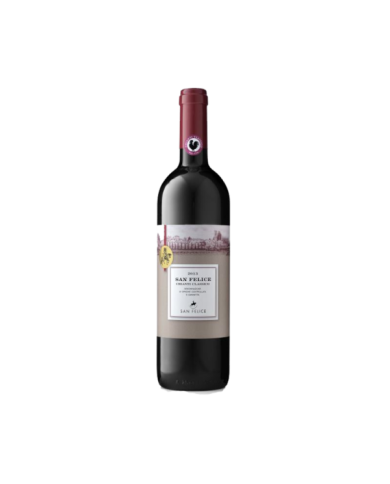
Produced entirely with native grapes, Sangiovese mainly with additions of Colorino and Pugnitello, it is a typical Chianti Classico, of medium structure, with a strong personality that stands out in particular for its elegance. The vinification takes place in the traditional way, with medium length maceration, followed by a maturation of the wine for 12 months in Slavonian oak barrels.
€26.88
SKU:
13846
Brand:
San Felice
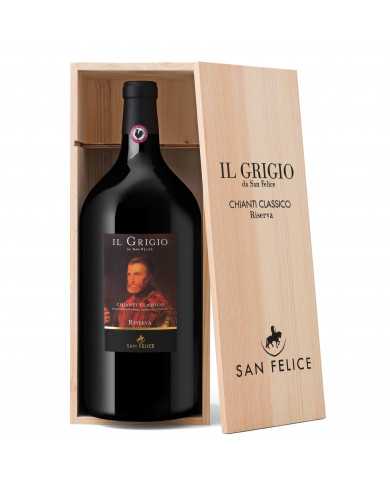
Only the best Sangiovese grapes selected in the company's Chianti Classico vineyards make up this Reserve, a valid combination of tradition and modernity. It ages for about 24 months in wood, of which a part (about 20%) in barriques, and one year in bottle. The label depicts a famous painting by Titian 'Man with armor'.
€142.74
SKU:
13834
Brand:
Cantina Zaccagnini
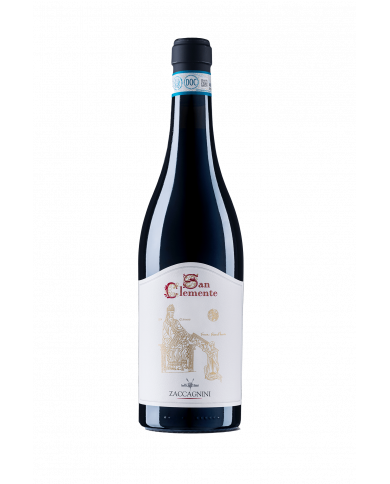
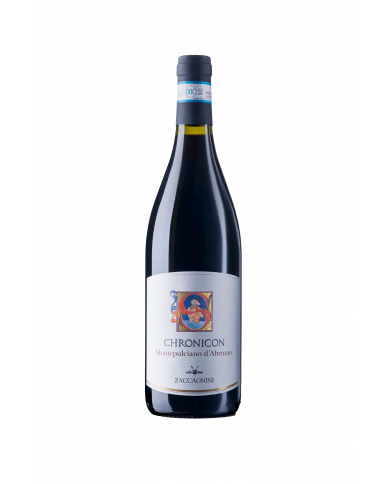
Color: Deep ruby red with violet reflections. Smell: The aromatic panorama is broad, with immediate floral scents of rose and fruity scents of berries (especially blueberry jam), followed by spicy notes of licorice, cumin, white pepper and mineral notes of graphite that range on the horizon. Taste: Decidedly material and voluminous sip, even if dynamic and endowed with a gustatory rhythm dictated by vital tannins and vibrant freshness.
€59.44
€71.24
SKU:
13825
Brand:
Cantina Zaccagnini
Color: Ruby red of particular consistency and brilliance with garnet reflections. Smell: Intense aroma, typical of the vine and of particular complexity and finesse. It expresses itself with floral notes of violet and fruity notes of crunchy cherry. Nuances of white pepper and vanilla emerge which spread out with tertiary hints of undergrowth. Taste: Full body and supported by fine-grained tannins well balanced with the taste of the wood.
€29.90
€49.90
SKU:
13810
Brand:
Cantina Zaccagnini
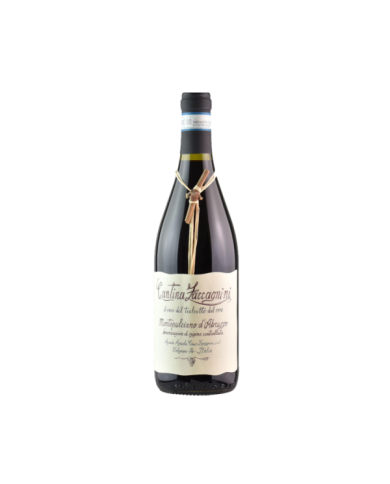
Zaccagnini's Montepulciano d'Abruzzo "Tralcetto" is an immediate, simple, direct red wine, able to best express the fruity part of the Abruzzo red grape. We can smell aromas of ripe red fruit, cherries and undergrowth. In the mouth it is full, soft, fresh and well balanced.
€54.66
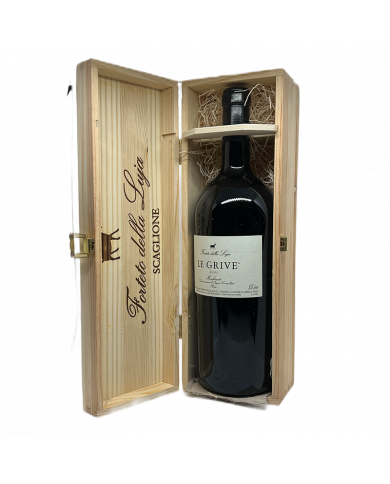
Large format wines are a popular choice for special occasions and among wine collectors. They come in a variety of sizes and offer a variety of advantages over standard bottles. In this article, we'll explore everything you need to know about large format wines, from their benefits to storage and purchasing.
The advantages of large format wines
Large format wines offer numerous advantages over standard bottles. First, most wines in large formats age better than standard bottles. This is because the amount of oxygen entering the bottle is lower than in standard bottles. Furthermore, the larger capacity of wine in a single container means that temperature fluctuations are less significant, reducing the risk of damage to the wine.
Secondly, large format wines are an ideal choice for special occasions. A large bottle quickly becomes the center of attention and impresses guests. Furthermore, a single large bottle is much easier to manage than many smaller ones. For example, if you're hosting a dinner for a large group, you can use several large bottles to facilitate service.
Large format wine sizes
Large format wines are available in different sizes, each with a specific name:
Magnum : 1.5 litres, equal to two standard bottles
Jeroboam : 3 liters, equal to four standard bottles
Rehoboam : 4.5 liters, equal to six standard bottles
Methuselah : 6 liters, equal to eight standard bottles
Salmanazar : 9 liters, equal to twelve standard bottles
Balthazar : 12 liters, equal to sixteen standard bottles
Nebuchadnezzar : 15 litres, equal to twenty standard bottles
Storage of large format wines
Storing large-format wines is an important aspect to consider. Because these bottles are larger than standard bottles, storage can be more complicated. Most cellars don't have shelves or space suitable for large bottles, so planning ahead is essential.
Additionally, large bottles may take longer to adjust to the ambient temperature in which they are stored. To avoid temperature fluctuations, it's important to store large bottles in a cool, dry place.
Purchase of large format wines
Buying large format wines can be an excellent choice for wine collectors and for special occasions. However, it's important to pay attention to the bottles' origin. Large bottles can be more susceptible to counterfeiting than standard bottles, so it's important to buy from reputable and trustworthy sellers.
What are large format wines?
Large format wine bottles are larger than the standard 750ml bottle. There are numerous larger wine bottle sizes, including the Magnum (1.5 liters), the Double Magnum (3 liters), the Jeroboam (4.5 liters), the Rehoboam (4.5 liters), the Methuselah (6 liters), the Salmanazar (9 liters), the Balthazar (12 liters), and the Nebuchadnezzar (15 liters).
Why choose large-format wines?
There are many reasons to choose a larger bottle of wine over the traditional 750 ml bottles. First, wine in larger formats is more stable than standard bottles, thanks to the greater volume of wine in the bottle and the smaller amount of air coming into contact with the wine.
Secondly, wines in large formats develop more slowly, meaning they can be stored for a longer period without undergoing any alteration. Furthermore, these wines have greater harmony and balance than standard bottles, thanks to the greater contact surface between the wine and the cork.
Finally, wines in large formats are ideal for special occasions, such as weddings, anniversaries, birthdays, or corporate events, because they have a greater visual impact and can satisfy the palates of a greater number of people.
How to choose a large format wine?
Choosing a large-format wine depends on the type of wine and your personal needs. Generally, the wines best suited to larger formats are those that require a longer aging period, such as structured red wines, complex white wines, or sweet dessert wines.
Furthermore, it's important to choose a high-quality wine, because the larger the quantity of wine in the bottle, the greater the chance of defects appearing. It's therefore important to purchase wines in large formats from reputable retailers who offer guarantees regarding the wine's quality and shelf life.
Finally, it's important to consider the number of people attending the event to choose the right bottle size. For example, a Magnum bottle (1.5 liters) is enough for about 10 people, while a Balthazar bottle (12 liters) can satisfy up to 100 people.
In conclusion, large format wines are an excellent choice for special occasions and for wine collectors, thanks to their greater stability, their ability to evolve more slowly, and their ability to please the palates of a larger number of people.