Italiano
 Deutsch



There are no more items in your cart
SKU:
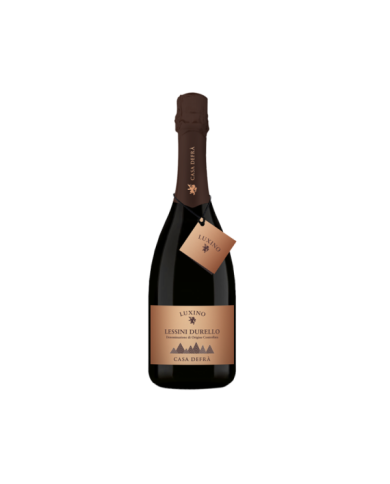
516
Brand:
Casa Defrà
“LUXINO” Lessini Durello Doc , the new sparkling wine of the line that faithfully and intensely interprets the best expressions of the territory between the Berici Hills and the Lessini Monti .
SKU:
288
Brand:
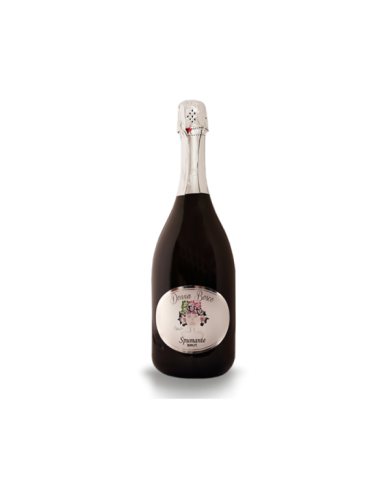
Nestore Bosco
Onion pink color, persistent perlage. Intense bouquet with bewitching strawberry aromas. Dry and harmonious taste. Perfect as an aperitif, it goes well with any fish-based dish. To be served at a temperature between 6 ° and 8 ° C.
SKU:
286
Brand:
Nestore Bosco
€14.01
€9.80
Color: pale straw yellow, fine and very persistent perlage. Flavor: intense aromas of fragrant bread and dried fruit. Taste: dry and harmonious. Serving temperature: 6-8 ° C. Food matches: aperitifs and throughout the meal, with a preference for dishes with delicate flavors based on meat and fish.
€14.01
€9.80
SKU:
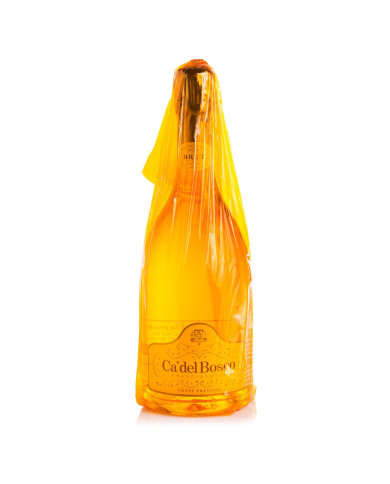
262
Brand:
Cà del Bosco
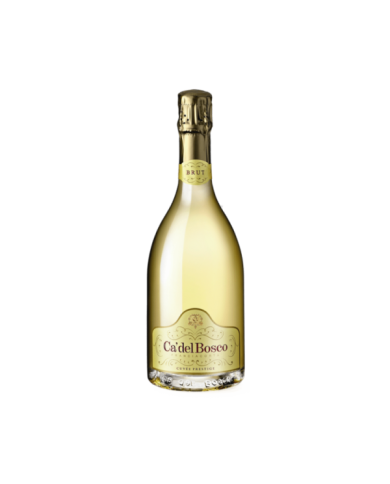
CUVÉE PRESTIGE Identity. A virtue that is found in the etymology of an ancient word: idem, or to be the same. Cuvée Prestige, the essence of Franciacorta, in the Ca 'del Bosco style. A jewel born in 2007 from thirty years of experience. Only the best Chardonnay (75%), Pinot Nero (15%) and Pinot Bianco (10%) grapes from 134 vineyards, vinified separately and wisely blended with reserves of the most beautiful vintages (at least 20%) enter the magical rite of Cuvée Creation . It will take 28 months of aging on the lees before this wine is ready to express all its richness and identity. A classic Franciacorta, balanced, pleasantly fresh and crunchy. Perfect for any occasion.
€38.47
Sparkling Wine Sales: How to Choose the Best and Pair It with Food
Sparkling wine is a festive and lively wine, ideal for accompanying celebrations and convivial gatherings. In Italy, sparkling wine production is highly diverse and includes a wide range of varieties, from Prosecco to Champagne, including Franciacorta and Trento DOC .
In this article, we'll guide you through the world of sparkling wines, with tips for choosing the right wine for your preferences and occasions, food pairings, and tasting suggestions.
How are sparkling wines produced?
Sparkling wines are produced through a fermentation process that allows the wine to produce bubbles. There are two main methods for producing sparkling wines: the Classic Method and the Charmat Method.
Each sparkling wine has its own production method, which influences both its flavor and final price. The main production methods are the Classic Method, the Charmat Method, and the Martinotti Method.
The Classic Method is the most expensive and artisanal method used to produce high-quality sparkling wines such as Champagne. In this method, the second fermentation takes place in the bottle, with the yeast settling at the bottom of the bottle and being removed through the disgorging process. This process requires considerable time and attention, which is reflected in the final price of the product.
The Charmat Method is used to produce lighter, fruitier sparkling wines. In this method, the secondary fermentation takes place in large stainless steel tanks, where the wine is kept under pressure to create carbonation. After fermentation, the wine is filtered and bottled.
The Martinotti Method , also known as the Italian Method or the Tank Method, is a modern method used to produce high-quality sparkling wines such as Prosecco. In this method, the secondary fermentation takes place in large stainless steel tanks, where the wine is kept under pressure to create carbonation. After fermentation, the wine is filtered and bottled.
In addition to the production method, the type of grape used also influences the flavor and final price of the sparkling wine. The main grape varieties used to produce sparkling wines are Chardonnay, Pinot Noir, and Glera.
Chardonnay is a white grape used to produce high-quality sparkling wines like Champagne. It has a fruity flavor and a buttery note.
Pinot Noir is a black grape used to produce high-quality sparkling wines such as rosé Champagne. It has an intense and complex flavor, with notes of berries and spices.
Glera is a white grape used to make Prosecco. It has a fresh and fruity flavor, with notes of green apple and pear.
Ultimately, choosing a sparkling wine depends on your personal taste and the occasion for which you're drinking it. Sparkling wines are an excellent choice for parties and celebrations, but they can also be enjoyed as an aperitif or with a light meal. With the wide range of sparkling wines available on the market, there's sure to be one to suit every taste and budget.
Related posts