

 Italiano
 Deutsch







There are no more items in your cart
SKU:
17286
Brand:
Cantine Barbera
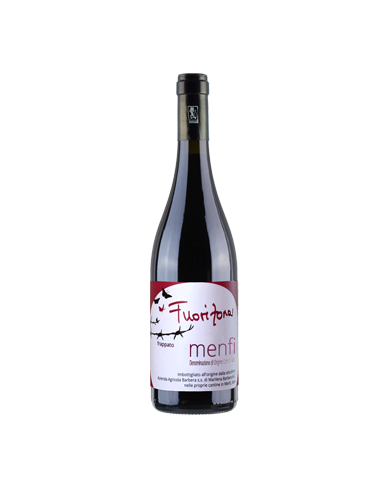
Although originally from Ragusa, most of the Frappato is grown in the province of Trapani, a few kilometers from my vineyards. Menfi and Vittoria have a lot in common: both exposed to the South and therefore to Africa, kissed by the salty wind of the Mediterranean and rich in sandy-limestone soils lying on compact clays. These affinities convinced me to introduce Frappato to Belìce. When I created the FuoriZona label, Liliana Segre's story came to mind about the little girl who, during her deportation to Auschwitz, drew a butterfly flying over the barbed wire. I would like the tiny gesture of drawing that butterfly to bear witness to that message: always choose love, peace, solidarity towards every human being who lives, together with us, on this earth.
SKU:
17285
Brand:
Cantine Barbera
In Sicily, "coast" is the side of the hills that gently slope down to the sea, covered by vineyards as far as the eye can see that bask in the sun, unkempt by the fresh Mediterranean breezes. These are the places of Grillo, a fascinating native variety that interprets the beauty of the Menfi terroir with great personality. Son of generous lands, Coste al Vento gives us a full and ripe fruit that blends with the brackish notes brought by the sea winds, in a harmonious crescendo made original by maceration on the skins and fermentation with indigenous yeasts.
SKU:
17284
Brand:
Cantine Barbera
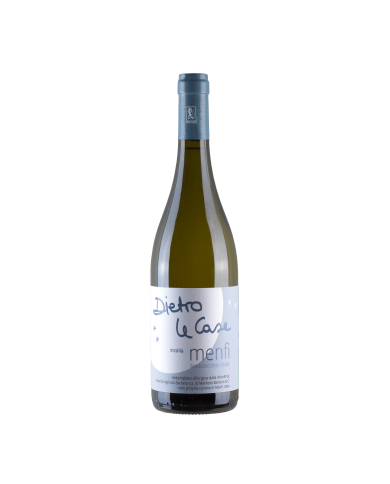
The old vineyards of Inzolia planted by my father more than fifty years ago are an extraordinary legacy on which to build the future of viticulture in Belicello. The original clones, perfectly adapted to the particular conditions of the environment to which they belong, exuberantly express the personality and wine culture of the Menfi area. The soil, mainly calcareous and pebbly, gives the wine an intense and at the same time delicate sapidity, great depth and aromatic breadth.
SKU:
17283
Brand:
Cantine Barbera
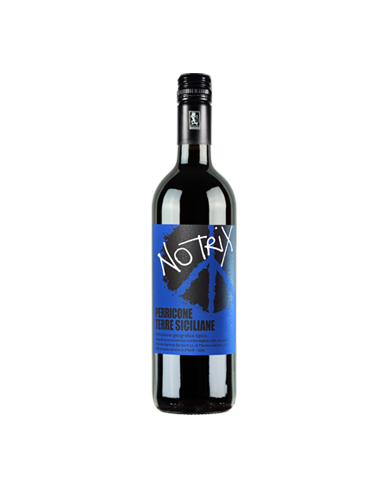
Vibrant and decisive, NoTrix is direct and transparent: it does not want and does not need "embellishments". It is a wine with a brilliant ruby colour, with intense and playful scents of red fruits and geranium flowers. Its solid and well integrated tannins support a palate with an agile and dynamic body, where spicy notes of ginger and star anise accompany the drink towards a saline and very persistent finish. This is how Perricone is, and this is how I like this wine to be: without tricks and without falsehoods, far from oenological models that do not belong to the Menfi winemaking tradition.
SKU:
17282
Brand:
Cantine Barbera
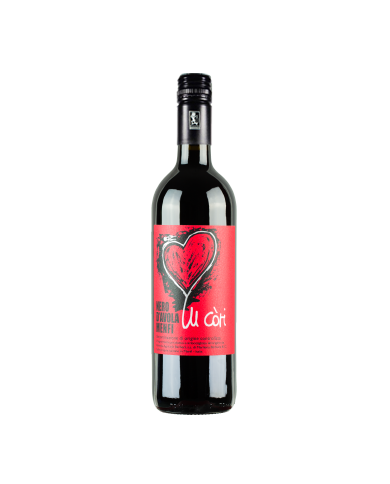
Feminine and sensual, Lu Còri tells of a Sicily kissed by the sun and caressed by sea breezes. Its splendid purple livery, edged with violet reflections in its youth, evolves towards ruby with the passing of the years. Ripe red fruits, especially blackberries and raspberries, characterize the bouquet, made intriguing by notes of brine and a slight spiciness. In the mouth it is fragrant, soft and velvety, with delicate tannins, perfectly integrated in a juicy and persistent finish.
SKU:
17064
Brand:
Marchese della Torre
Bright red in colour, with cherry and plum notes on the nose, it is well balanced with red berry fruits and a well integrated oak character on the palate
SKU:
16836
Brand:
Cantina Orsogna
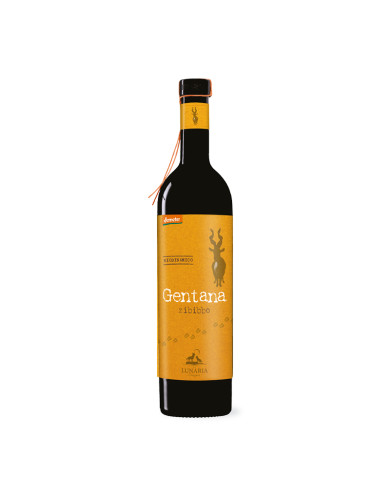
Zibibbo has a history spanning thousands of years: it has Egyptian origins and after this first long adaptation to the North African coasts, Zibibbo was brought to western Sicily by the Phoenicians and the Greeks, becoming one of the most widespread and interesting varieties of the western Mediterranean around 800-700 aC During the Roman Empire the variety was also exported to other regions of southern Europe. Zibibbo is known in Sicily mainly by its Arabic denomination, Z'bìb, which simply means "raisins".
€13.86
SKU:
16835
Brand:
Cantina Orsogna
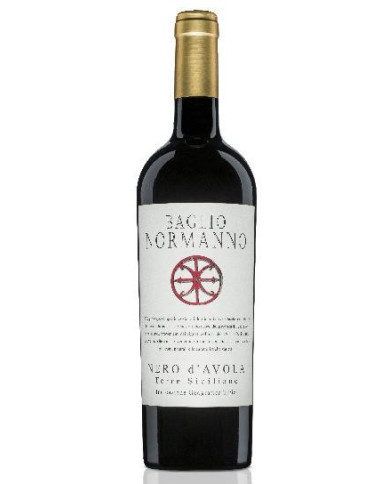
The name derives from the "black berry" fruit and from the Syracusan city of Avola. Nero d'Avola on the island was introduced several centuries ago by colonizers from Greece and then it adapted perfectly to this new environment so as to become the most famous and important black grape variety in Sicily. Until the first half of the 20th century, Nero d'Avola wine was used almost exclusively as a blending wine, in recent decades Sicilian winemakers have started the production of this wine alone with truly excellent results.
€13.86
SKU:
16833
Brand:
Cantina Orsogna
€13.86
€12.47
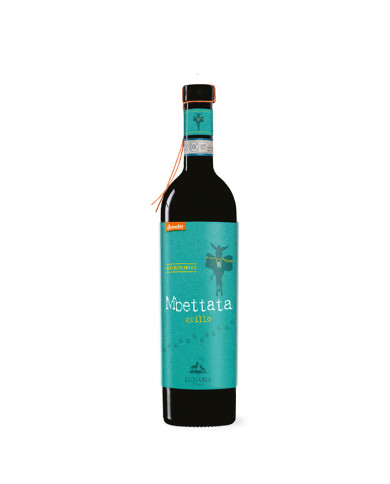
Grillo is a white grape variety widespread above all in western Sicily. The probable origin lies in what Baron Mendola wrote in 1874: “white Catarratto seed artificially fertilized with Zibibbo in the flowering of 1869 in my Piana dei Peri vineyard near Favara […] . The same wrote also in 1904 "I hybridized the common Catarratto of Sicily […] neck Zibibbo, to be able to make a more aromatic Marsala". The Grillo initially finds its origin in the Marsala area and then in the other provinces of the island. Il Grillo is capable of giving wines with a high alcohol content and then having the vocation of being particularly predisposed to ageing. The best Marsala is obtained by vinifying Grillo.
€13.86
€12.47
SKU:
16785
Brand:
Girolamo Russo
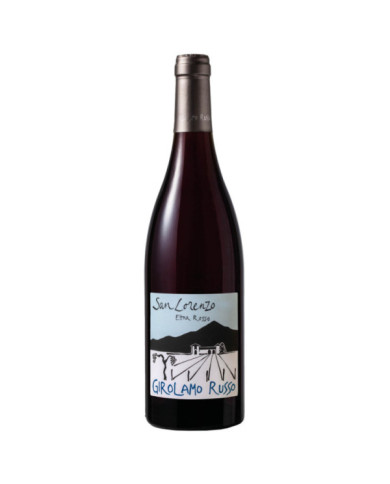
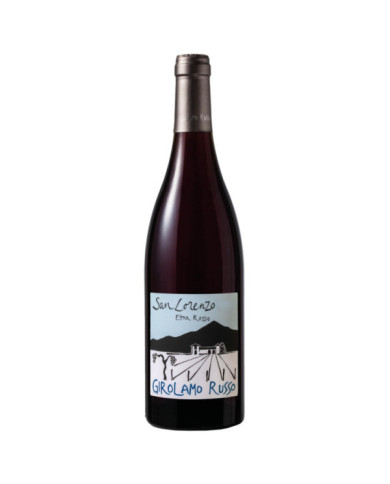
Girolamo Russo's Etna Rosso San Lorenzo was born in vineyards located in Contrada San Lorenzo (Randazzo), in the extraordinary wine-growing panorama of Etna, a terroir particularly suited to the production of wines of great value, which benefits from unique temperature ranges.
€126.49
SKU:
16784
Brand:
Girolamo Russo
Girolamo Russo's Etna Rosso San Lorenzo was born in vineyards located in Contrada San Lorenzo (Randazzo), in the extraordinary wine-growing panorama of Etna, a terroir particularly suited to the production of wines of great value, which benefits from unique temperature ranges.
€65.59
SKU:
16783
Brand:
Girolamo Russo
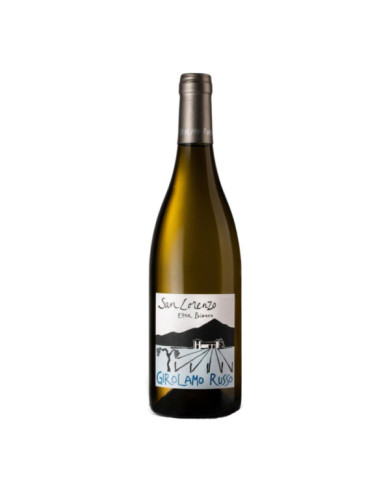
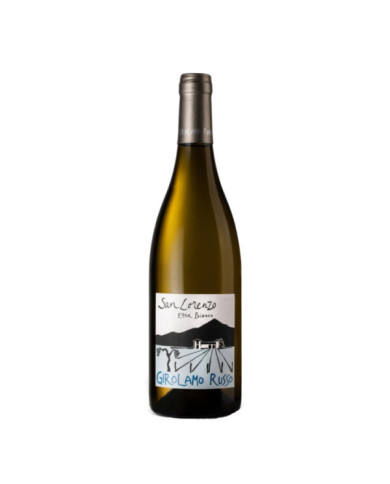
Etna Bianco "San Lorenzo" is a mineral and delicate white wine, made with Carricante grapes and other local varieties that grow at high altitudes on the sandy soils of the Great Volcano. The nose has a fine and very mineral olfactory profile, with suggestive notes of white pulp fruit, citrus fruits and pleasant floral sensations. It reveals a slender and dynamic body, of great progression and freshness, with a clear mineral trail
€63.24
SKU:
16782
Brand:
Girolamo Russo
Etna Bianco "San Lorenzo" is a mineral and delicate white wine, made with Carricante grapes and other local varieties that grow at high altitudes on the sandy soils of the Great Volcano. The nose has a fine and very mineral olfactory profile, with suggestive notes of white pulp fruit, citrus fruits and pleasant floral sensations. It reveals a slender and dynamic body, of great progression and freshness, with a clear mineral trail
€102.72
SKU:
16781
Brand:
Girolamo Russo
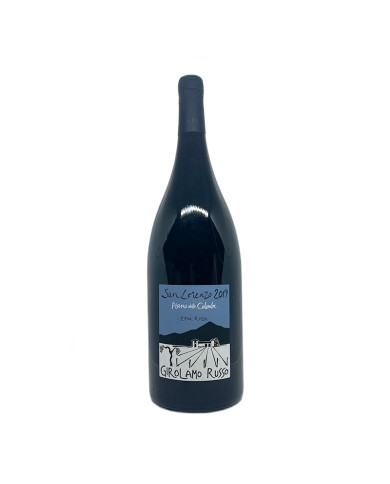
The San Lorenzo Piano delle Colombe magnum Etna Rosso DOC wine is a label signed by Girolamo Russo. With marked organoleptic characteristics, it is the perfect companion for robust first courses, grilled red meats, game, venison and noble poultry. Harmonious and characteristic, the San Lorenzo Piano delle Colombe magnum Etna Rosso DOC wine preserves the richness of the Nerello Mascalese grapes grown in the Randazzo area (CT)
€348.92
SKU:
16780
Brand:
Girolamo Russo
Although the ruby color of young Nerello Mascalese is quite pale, here we find an extra point of density. It's not a casuality. The concentration offered by the old vines can be seen right from the colour. Then the nose. Closed in the first phase, it opens slowly offering first delicious notes of small red fruit, then much more. And then here's the strawberry, then the blueberry, a touch of currant. And yet another spicy nuance, an earthy, acrid, almost bloody hint and then again an undergrowth finish. The mouth recalls in the flavors everything that the eye and nose have anticipated. The wine is enveloping, the texture creamy. However, excessive softness is never felt, on the contrary. The mineral salts of the soil give a textbook sapidity, the acidity of the mountain is felt all right. And then the tannin, fine, well blended with the material, capable of giving rhythm to the sip. Final of great depth, clean elegance.
€173.92
SKU:
16779
Brand:
Girolamo Russo
Girolamo Russo's Etna Bianco Nerina was born in vineyards located in the extraordinary wine-growing panorama of Etna, a terroir particularly suited to the production of wines of great value and in which the vines are trained as saplings, in this case at approx. 700 m. slm
€33.33
SKU:
16778
Brand:
Girolamo Russo
Girolamo Russo's Etna Bianco Nerina was born in vineyards located in the extraordinary wine-growing panorama of Etna, a terroir particularly suited to the production of wines of great value and in which the vines are trained as saplings, in this case at approx. 700 m. slm
€71.15
SKU:
16777
Brand:
Girolamo Russo
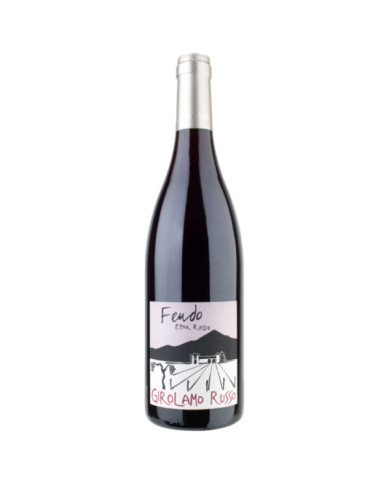
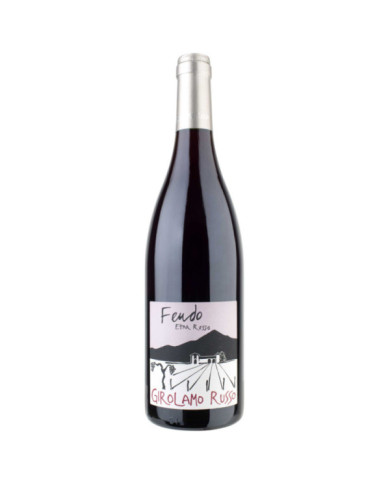
The Etna Rosso Feudo by Girolamo Russo was born in vineyards located in the Feudo district in Randazzo, in the extraordinary wine-growing panorama of Etna, a terroir particularly suited to the production of wines of great value, thanks to unique temperature ranges.
€63.24
SKU:
16776
Brand:
Girolamo Russo
The Etna Rosso Feudo by Girolamo Russo was born in vineyards located in the Feudo district in Randazzo, in the extraordinary wine-growing panorama of Etna, a terroir particularly suited to the production of wines of great value, thanks to unique temperature ranges.
€126.49
SKU:
16775
Brand:
Girolamo Russo
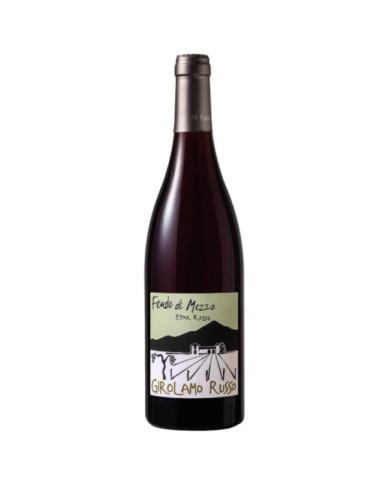
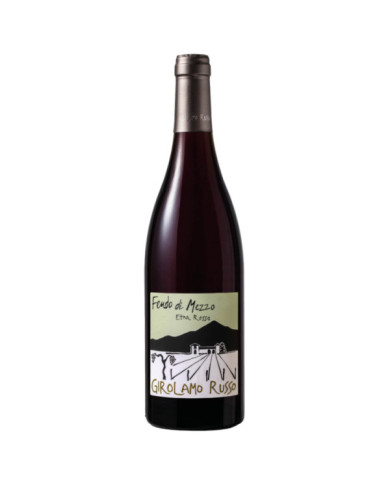
Girolamo Russo's Etna Rosso Feudo di Mezzo has still young and slightly rough tannins. Of an intense ruby red, it offers hints of ripe fruit, cherry, marasca cherry, aromatic herbs, balsamic essences and notes of vanilla and tobacco on the nose. On the palate it is soft, but with tannins still a little rough, with an excellent structure, a complex of great fullness of taste and persistence
€63.24
SKU:
16774
Brand:
Girolamo Russo
Girolamo Russo's Etna Rosso Feudo di Mezzo has still young and slightly rough tannins. Of an intense ruby red, it offers hints of ripe fruit, cherry, marasca cherry, aromatic herbs, balsamic essences and notes of vanilla and tobacco on the nose. On the palate it is soft, but with tannins still a little rough, with an excellent structure, a complex of great fullness of taste and persistence
€130.00
SKU:
16773
Brand:
Girolamo Russo
Girolamo Russo's Etna Rosato was born in the lower old vineyards located in the San Lorenzo district, in the extraordinary wine-growing panorama of Etna, a terroir particularly suited to the production of wines of great value, thanks to unique temperature ranges.
€20.42
SKU:
16772
Brand:
Girolamo Russo
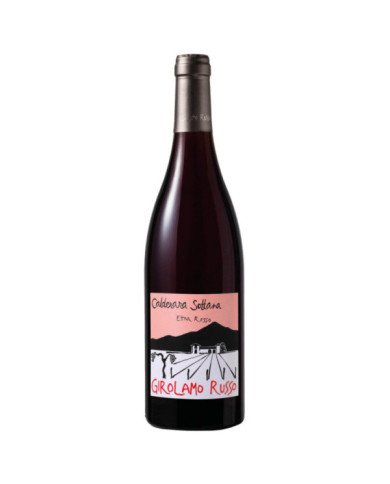
The red Etna Calderara Sottana by Girolamo Russo was born in the vineyards located in the Contrada Calderara Sottana district in Randazzo, in the extraordinary wine-growing panorama of Etna, a terroir particularly suited to the production of wines of great value, thanks to unique temperature ranges.
€63.24
SKU:
16771
Brand:
Girolamo Russo
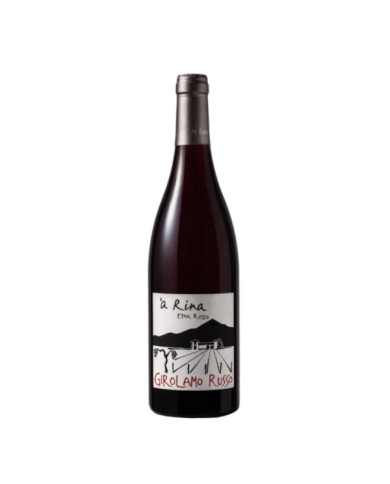
Etna Rosso "A' Rina" is a soft and structured wine, enveloping and complex, aged in second and third passage barriques for 12 months. Elegant notes of ripe red fruit, cherries, leather and tobacco best express the terroir of the great Sicilian mountain
€26.16
Discover the Secrets of Sicilian Wines: A Journey Through Southern Italy's Winemaking Tradition
Sicily is one of Italy's richest regions, both for its history and its winemaking tradition. Sicilian wines are among the most appreciated in the world and are renowned for their quality. In this article, we'll discover the secrets of these delicacies and how to best enjoy them.
Sicilian Wines: An Ancient and Rich History
The tradition of winemaking in Sicily dates back to the Greco-Roman period, when the island was rich in native grape varieties. Over the centuries, Sicilian wine production has remained central to the region's culture and economy. Today, Sicilian wines are renowned worldwide for their unique quality.
Sicilian Wines: Varieties and Characteristics
Sicilian wines come in numerous varieties. The most famous are Nero d'Avola, Nerello Mascalese, Frappato, and Grecanico. These wines are characterized by a great aromatic complexity: hints of red fruits, spices, flowers, and vanilla. Nero d'Avola is an intense, full-bodied red wine, while Nerello Mascalese is lighter and fruitier. Frappato is a light, aromatic rosé, while Grecanico is a fresh, fruity white wine.
How to choose the right wine
Choosing the right wine depends on personal preference and the occasion. For example, if you want to drink a high-quality red wine, then you should opt for a Nero d'Avola. If you want a lighter, fruitier wine, you can choose a Nerello Mascalese. For a white wine, Grecanico is an excellent choice.
How to serve a Sicilian wine
To fully enjoy a Sicilian wine, serve it at a temperature of 18-20°C. Red wines are best served in fairly large glasses with a wider base and a narrower top. White wines, on the other hand, are best served in smaller glasses with a narrower base and a wider top.
The right match
Each wine has its own ideal pairing. For example, Nero d'Avola is a very versatile wine and pairs well with meat dishes, such as grilled steak. Nerello Mascalese, on the other hand, pairs better with fish or vegetable dishes. Frappato is a wine that pairs well with lighter dishes, such as a mixed salad. Grecanico is a wine that pairs well with fish or vegetable dishes.
5 tips for Sicilian wines
1. Choose a quality wine. Sicily is rich in excellent wines, so choose a product from a reliable producer.
2. Taste more wines. Taste several Sicilian wines to find out which one you like best.
3. Store your wine well. Store Sicilian wines in a cool, dry place away from heat sources.
4. Choose the right pairing. Pair Sicilian wines with the right dishes for a unique tasting experience.
5. Don't be shy. Don't hesitate to drink Sicilian wine and experiment with new varieties.
Discovering the secrets of Sicilian wines is a unique experience. Sicily is one of Italy's richest regions, and Sicilian wines are among the finest in the world. In this article, we've explored the history of these wines, their characteristics, how to choose and serve a Sicilian wine, and how to pair it with the right dishes. By following these tips, you'll be able to fully enjoy these delicacies and discover the secrets of Sicilian wines.
Sicilian Wine Denomination
Sicily is a region renowned worldwide for its wine production. Thanks to its Mediterranean climate, volcanic activity, and rich soil, the island produces some of the world's most prized wines. In this article, we'll explore Sicily's main wine appellations, their grape varieties, and their sensory characteristics, to discover the excellence of Sicilian winemaking.
Introduction to wine production in Sicily
Wine production in Sicily has ancient roots, dating back to the times of the Greeks and Romans. The region boasts a wide variety of terrain, from the volcanoes of Mount Etna and the Aeolian Islands to the inland hills, which allow for the cultivation of numerous native and international grape varieties. Thanks to the use of innovative techniques and a focus on quality, Sicilian wine production is constantly growing, offering the market high-quality wines capable of satisfying every palate.
The main denominations of Sicilian wines
Sicilian wine designations are divided into four main categories: Controlled Designation of Origin (DOC), Controlled and Guaranteed Designation of Origin (DOCG), Typical Geographical Indication (IGT), and Table Wines. Let's look at the characteristics of each in detail.
Controlled Designation of Origin (DOC)
The Controlled Designation of Origin (DOC) is a quality label awarded to wines that meet specific production criteria. Sicily has 23 DOCs, including Cerasuolo di Vittoria, Moscato di Pantelleria, and Etna Rosso.
Vittoria Cherry
Cerasuolo di Vittoria is a red wine produced in the southeastern part of the island, in the province of Ragusa. It is made with Nero d'Avola and Frappato grapes, in varying percentages, and has a deep ruby red color, a fruity aroma, and a dry, smooth flavor. It pairs perfectly with red meats, cured meats, and aged cheeses.
Moscato di Pantelleria
Moscato di Pantelleria is a sweet wine produced on the island of Pantelleria, located southwest of Sicily. The wine is made from the Moscato di Alessandria grape, locally known as Zibibbo, and has a deep golden yellow color, a rich, aromatic aroma, and a sweet, mellow flavor. It pairs perfectly with sweets and desserts.
Etna Red
Etna Rosso is a red wine produced on the slopes of Mount Etna, Europe's highest active volcano. This wine is made primarily from the native Nerello Mascalese grape, which grows on volcanic soils at high altitudes.
What is the most famous wine in Sicily?
A: Sicily's most famous wine is Etna Rosso, a red wine produced on the slopes of Mount Etna.
Controlled and Guaranteed Designation of Origin (DOCG)
The Controlled and Guaranteed Designation of Origin (DOCG) is the highest expression of Italian wine quality. Sicily has only one DOCG, Cerasuolo di Vittoria. This dry red wine is produced in the Vittoria area, in the province of Ragusa, with varying percentages of Nero d'Avola and Frappato grapes. The wine has a ruby red color, a fruity aroma, and a smooth, persistent flavor. It pairs perfectly with red meats, cured meats, and aged cheeses.
Typical Geographical Indication (IGT)
The Indicazione Geografica Tipica (IGT) designates wines produced in a specific geographical area and possessing certain distinctive characteristics. In Sicily, there are four IGTs: Terre Siciliane, Salina, Val di Mazara, and Alcamo. IGT wines can be made with international grape varieties, such as Chardonnay, Cabernet Sauvignon, and Merlot, as well as native varieties.
Table Wines
Table wines are wines produced in Sicily that do not fall into the DOC, DOCG, or IGT categories. Despite this, many of them are of the highest quality, produced with native grapes and using artisanal methods. Among the best-known are Nero d'Avola and Grillo.
Sicily is a region with a long winemaking tradition, renowned worldwide for the quality of its wines. Thanks to its volcanoes, Mediterranean climate, and diverse soils, the island produces exceptionally high-quality wines, capable of satisfying every palate. From DOC to IGT, from white to red, Sicilian wine production is a true oenological excellence.
FAQ
What are the native grape varieties of Sicily?
Among the main native grape varieties of Sicily are Nero d'Avola, Frappato, Inzolia, Grillo and Zibibbo.
How many DOC wines are there in Sicily?
In Sicily there are 23 DOC wines.
What are the main pairings for Sicilian wines?
Sicilian red wines pair perfectly with red meats, cured meats, and mature cheeses, while white wines are ideal with fish dishes, seafood, and fresh cheeses.
What is the difference between DOC and DOCG?
The main difference between DOC and DOCG is that the DOCG guarantees a higher quality of wine, with even more stringent production criteria and more frequent inspections.
What are the best-known wines of Sicily?
Among the best-known wines of Sicily are Etna Rosso, Cerasuolo di Vittoria, Nero d'Avola, and Grillo.