

 Italiano
 Deutsch







There are no more items in your cart
€18.96
SKU:
13754
Brand:
Pasetti
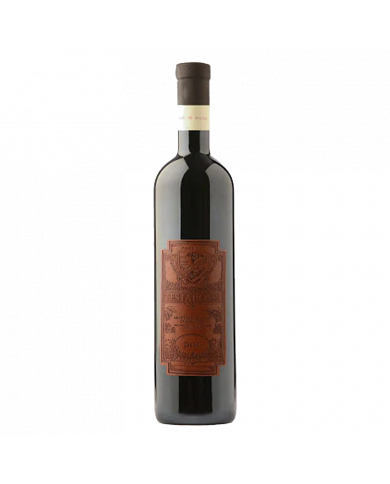
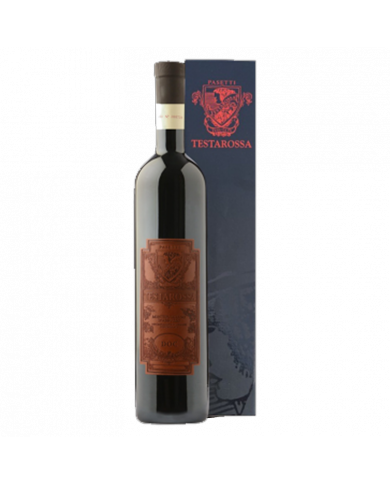
Montepulciano d'Abruzzo Pasetti '' Testarossa '' represents the company's desire to remain strongly linked to traditions and family history. The historic label was created to celebrate the superb beauty of the women of the Pasetti family, having red hair.
€111.02
SKU:
13753
Brand:
Pasetti
Montepulciano d'Abruzzo Pasetti '' Testarossa '' represents the company's desire to remain strongly linked to traditions and family history. The historic label was created to celebrate the superb beauty of the women of the Pasetti family, having red hair.
€49.00
SKU:
13730
Brand:
Fattoria Felsina
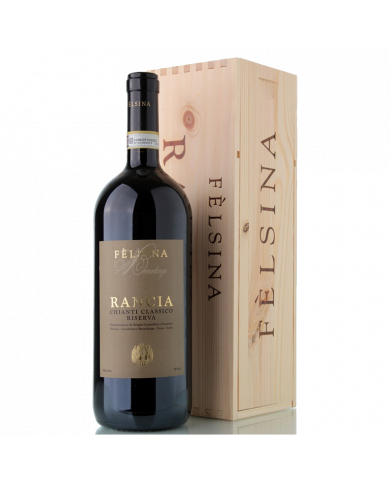
The Rancia vineyard takes its name from the ancient farm that stands next to a pre-existing Benedictine monastery.
€140.91
SKU:
13714
Brand:
Spadafora
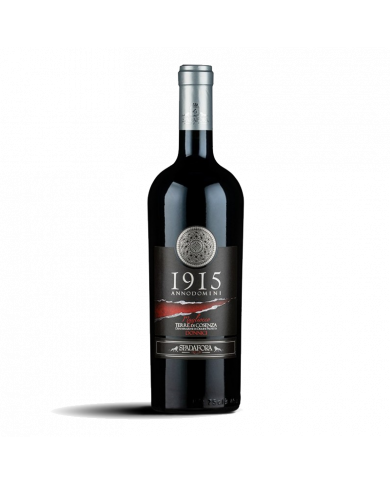
Versatile in food pairings, recommended with succulent and fatty meat dishes, elaborate first courses, sausages and local cured meats. The elegance and sumptuousness of this wine can also be combined at the end of a meal with mature cheese or dark bitter chocolate. Particularly important wine in our production, takes its name from the year in which Particularly important wine in our production, takes its name from the year in which the company was established, 1915 year of domination, when Francesco Spadafora, the company was established, 1915 annodomini, when Francesco Spadafora, four generations ago, began the adventure of our cellar. four generations ago the adventure of our cellar began.
€85.73
SKU:
13706
Brand:
Valle Reale
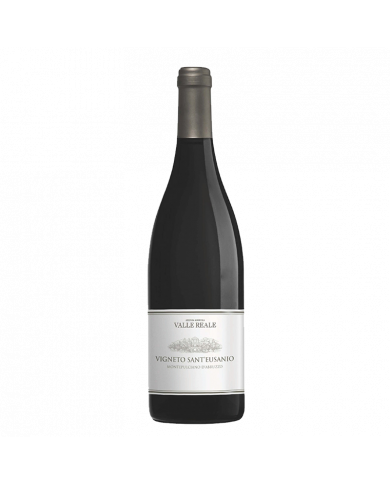
The Montepulciano d'Abruzzo “Vigneto di Sant'Eusanio” is an intense, deep and concentrated red wine, vinified only in steel tanks and has good aging potential. It gives off earthy sensations of undergrowth, moss, roots, wild berry jam and red flowers. The sip is full-bodied, intense, very tasty and with robust tannins.
€68.32
SKU:
13705
Brand:
Nicola Santoleri
Serving temperature 18-20 ° C. Serving suggestions It goes well with important meat courses such as roast, grilled and boiled meats; excellent with lamb.
€102.48
SKU:
13697
Brand:
Terra D'Aligi
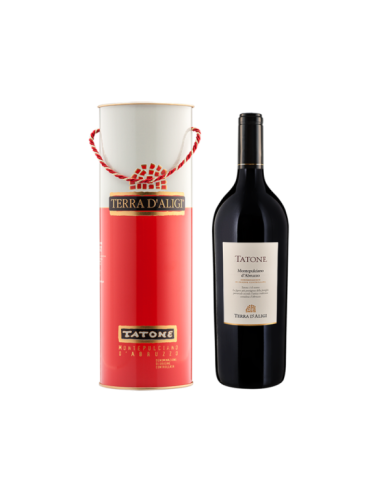
1.5 liter bottle of our most award winning red accompanied by an elegant and lively metal case. Each family in Abruzzo has its own tatone. Confidential and affectionate appellation for the grandfather, the tatone actually represents a fundamental figure in the traditional family structure, to which age and maturity confer authority, prestige and wisdom.
€25.62
SKU:
13696
Brand:
Terra D'Aligi
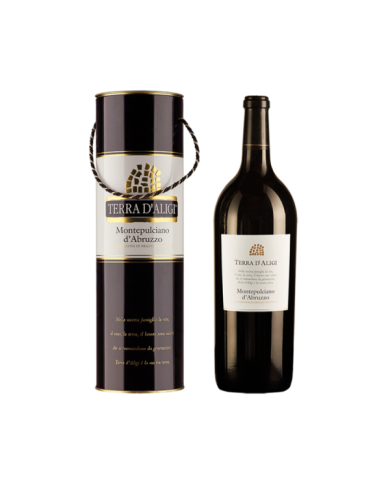
1.5 liter bottle of the classic Abruzzo red accompanied by an elegant metal case.
€24.77
€44.00
€35.00
€140.06
SKU:
13685
Brand:
Codice Vino
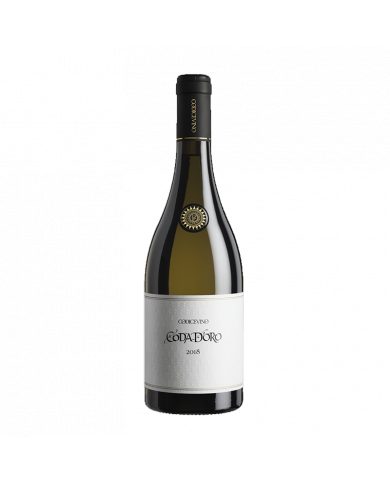
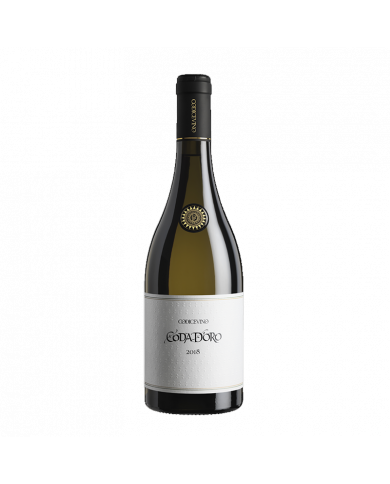
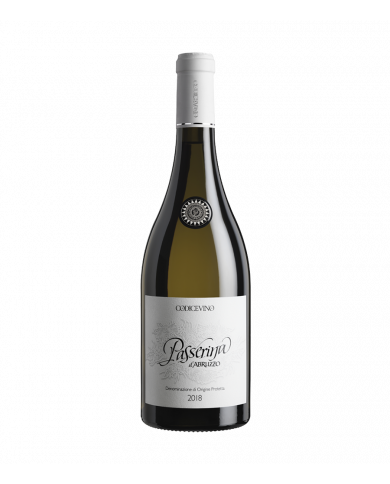
Straw yellow with green reflections. The scent detects a wide range of fruits where white peaches and Williams pears prevail, followed by hints of lemon blossom and floral scents. When tasted it is noted for its rare pleasantness, where hints of fruit pulp are perceived.
€97.36
SKU:
13684
Brand:
Codice Vino
Straw yellow with green reflections. The scent detects a wide range of fruits where white peaches and Williams pears prevail, followed by hints of lemon blossom and floral scents. When tasted it is noted for its rare pleasantness, where hints of fruit pulp are perceived.
€46.12
SKU:
13680
Brand:
San Felice
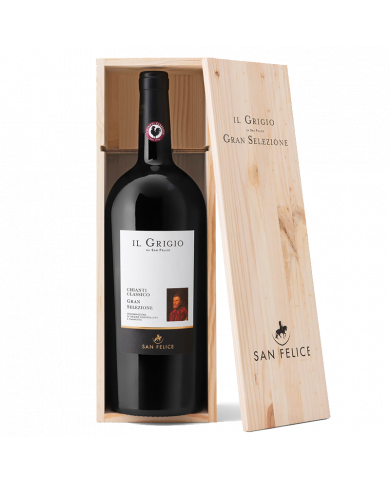
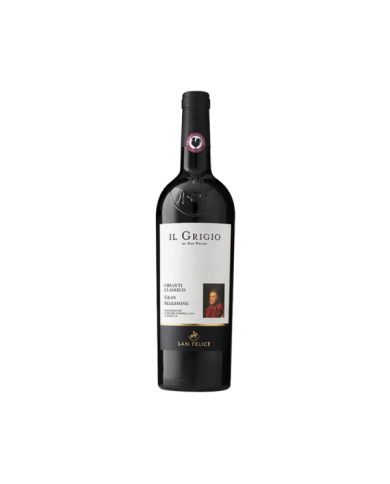
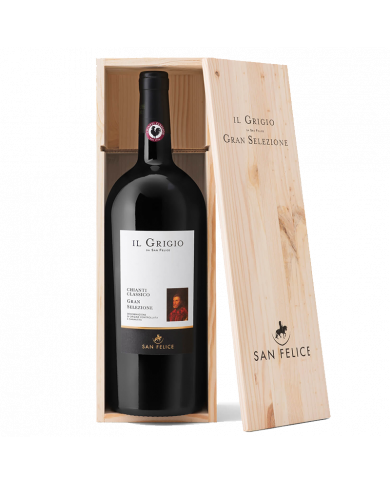
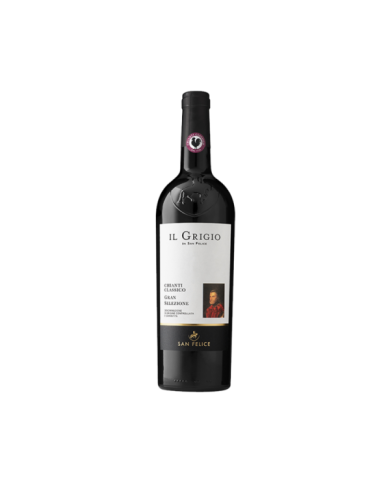
The Grigio Gran Selezione, 80% Sangiovese enriched with ancient indigenous varieties such as Abrusco, Pugnitello, Black Malvasia, Ciliegiolo and Mazzese, is born only from our most suitable soils, which contribute to the complexity of the wine, keeping intact the elegance and expression of the terroir of San Felice .
€74.16
SKU:
13679
Brand:
San Felice
The Grigio Gran Selezione, 80% Sangiovese enriched with ancient indigenous varieties such as Abrusco, Pugnitello, Black Malvasia, Ciliegiolo and Mazzese, is born only from our most suitable soils, which contribute to the complexity of the wine, keeping intact the elegance and expression of the terroir of San Felice .
€68.66
€49.60
€68.66
SKU:
13622
Brand:
Cantina Herero
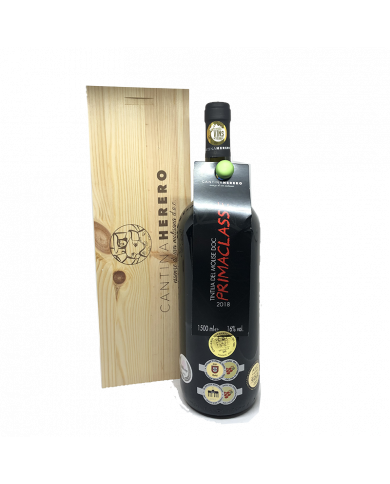
This wine produced exclusively in Molise, in a limited edition in particular favorable vintages, unique for alcohol content, comes from a careful collection and manual selection in the vineyard of very ripe grapes grown at 550 meters above sea level It is obtained from the native grape of the region: the Tintilia , recently revalued variety. It is a fine and elegant wine that is best expressed with “important” dishes, braised meats, game, red meats, sausages and aged cheeses. Even drunk alone it is a worthy ending to an evening meal or it can be the companion of a pleasant meditation.
€76.86
€44.84
SKU:
13495
Brand:
Scacciadiavoli
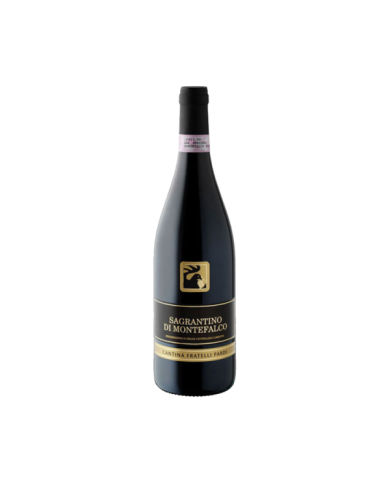
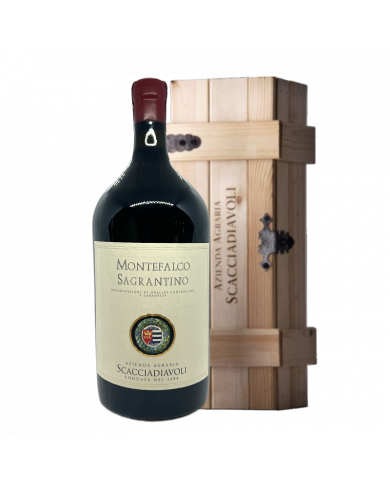
The color is deep, the bouquet is sensual and the body is vigorous. Wine whose refinement is appreciated when young, when fruit and spices blend with the taste of wood, in which Sagrantino has been elevated. But it is after a few years that its success is fully appreciated, when balsamic notes intervene and the tannins soften: thus we discover a wine with a great personality. Montefalco Sagrantino DOCG is suitable for long aging: 20 and more years. Rich in polyphenols which have antioxidant and therefore beneficial properties. The presence of deposits in the bottom of the bottle is natural. Sagrantino Di Montefalco Scacciadiavoli
€120.90
SKU:
13494
Brand:
Scacciadiavoli
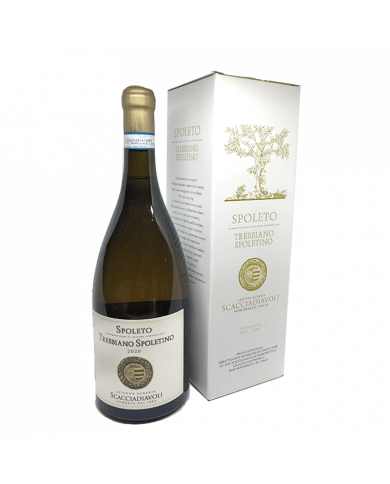
That the Trebbiano Spoletino grape is of high enological interest is now a certain fact. It is an ancient vine that has only recently been rediscovered. It can be grown in the territory of Spoleto and Montefalco. In our cellar we have aimed to capture the finer and at the same time intriguing soul of this grape. We have given space to its changing and original aromas with a vinification in amphora that respects these characteristics and then we have strengthened its expressive character with an aging in untoasted wood and amphora for at least 9 months. In our opinion the result is that of a great white wine for aging, capable of surprising at every sip for its richness of facets.
€33.57
€22.41
€87.62
€45.26
SKU:
13464
Brand:
Giulia Negri
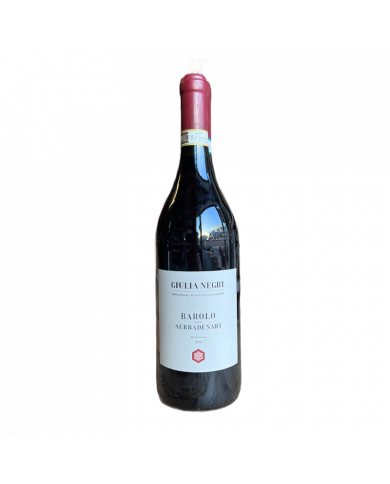
We are at Morra, Serradenari, on soils from the Messinian period with a sandy loam texture with a strong presence of calcareous marl. At about 480m with a south-west exposure, the pure Nebbiolo grapes are vinified with spontaneous fermentation in truncated cone-shaped vats, macerating for about 40 days. The wine then ages for 30 months in 25-hectolitre Slavonian oak barrels.
€228.38
SKU:
13463
Brand:
Giulia Negri
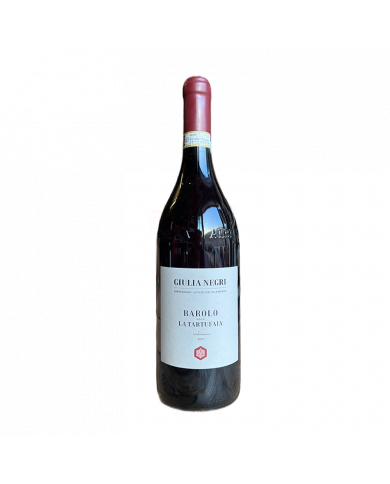
Giulia Negri 's Barolo "La Tartufaia" is the producer's personal vision of the "La Morra" area who skilfully transforms the Nebbiolo grapes into an important and elegant red wine, with a deep and fine taste. On the nose the aromas are of red fruit, berries with notes of tobacco and licorice. On the palate it is full-bodied, enveloping with silky tannins and earthy and bloody sensations that close the sip.
€162.50
SKU:
13461
Brand:
Quintarelli
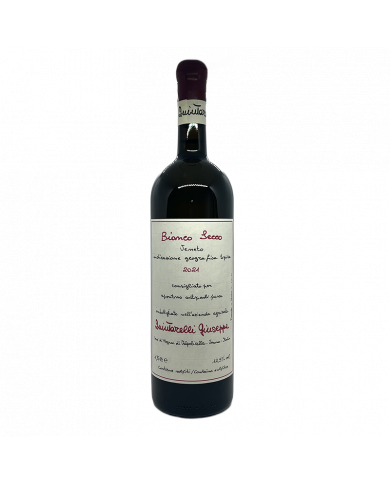
The history and skill that made Amarone and Quintarelli red wines famous throughout the world are also present in the Bianco Secco Igt, a blend obtained from the Garganega, Trebbiano Toscano, Sauvignon Blanc, Chardonnay and Saorin varieties. The vinification and aging take place in glass and steel, where the wine ages on natural yeasts until it reaches a beautiful complexity and a considerable structure. Golden to the eye, scented with summer fruits and spring flowers, fragrant and persistent on the palate, it is the white wine that adds a touch of class to an aperitif and to a menu based on fish, vegetables and white meats.
€79.30
€77.06
€36.11
€29.70
€62.62
€29.69
SKU:
13431
Brand:
Codice Citra
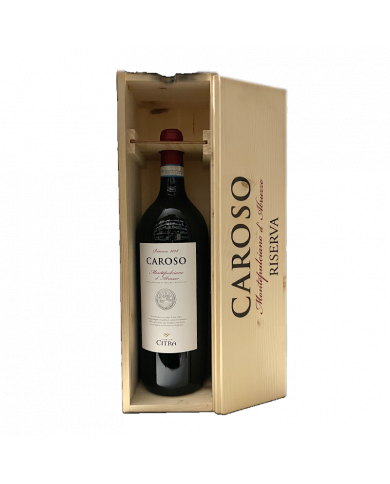
Aging in large barrels and barriques. Elegant flavor, with a rich tannic texture.
€74.05
SKU:
13430
Brand:
Di Ubaldo
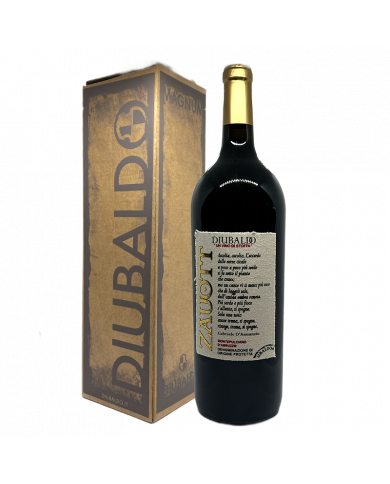
It is a wine of great character, complex. Proud and potential, as in life a boy called in our territory is, precisely Zauott, a young man, who manages to withstand the evolution of the years, also demonstrating the best. "ZAUOTT" is obtained from grapes produced from the oldest vineyards, with an average yield of 80/90 quintals per hectare.
€41.24
Large format wines are a popular choice for special occasions and among wine collectors. They come in a variety of sizes and offer a variety of advantages over standard bottles. In this article, we'll explore everything you need to know about large format wines, from their benefits to storage and purchasing.
The advantages of large format wines
Large format wines offer numerous advantages over standard bottles. First, most wines in large formats age better than standard bottles. This is because the amount of oxygen entering the bottle is lower than in standard bottles. Furthermore, the larger capacity of wine in a single container means that temperature fluctuations are less significant, reducing the risk of damage to the wine.
Secondly, large format wines are an ideal choice for special occasions. A large bottle quickly becomes the center of attention and impresses guests. Furthermore, a single large bottle is much easier to manage than many smaller ones. For example, if you're hosting a dinner for a large group, you can use several large bottles to facilitate service.
Large format wine sizes
Large format wines are available in different sizes, each with a specific name:
Magnum : 1.5 litres, equal to two standard bottles
Jeroboam : 3 liters, equal to four standard bottles
Rehoboam : 4.5 liters, equal to six standard bottles
Methuselah : 6 liters, equal to eight standard bottles
Salmanazar : 9 liters, equal to twelve standard bottles
Balthazar : 12 liters, equal to sixteen standard bottles
Nebuchadnezzar : 15 litres, equal to twenty standard bottles
Storage of large format wines
Storing large-format wines is an important aspect to consider. Because these bottles are larger than standard bottles, storage can be more complicated. Most cellars don't have shelves or space suitable for large bottles, so planning ahead is essential.
Additionally, large bottles may take longer to adjust to the ambient temperature in which they are stored. To avoid temperature fluctuations, it's important to store large bottles in a cool, dry place.
Purchase of large format wines
Buying large format wines can be an excellent choice for wine collectors and for special occasions. However, it's important to pay attention to the bottles' origin. Large bottles can be more susceptible to counterfeiting than standard bottles, so it's important to buy from reputable and trustworthy sellers.
What are large format wines?
Large format wine bottles are larger than the standard 750ml bottle. There are numerous larger wine bottle sizes, including the Magnum (1.5 liters), the Double Magnum (3 liters), the Jeroboam (4.5 liters), the Rehoboam (4.5 liters), the Methuselah (6 liters), the Salmanazar (9 liters), the Balthazar (12 liters), and the Nebuchadnezzar (15 liters).
Why choose large-format wines?
There are many reasons to choose a larger bottle of wine over the traditional 750 ml bottles. First, wine in larger formats is more stable than standard bottles, thanks to the greater volume of wine in the bottle and the smaller amount of air coming into contact with the wine.
Secondly, wines in large formats develop more slowly, meaning they can be stored for a longer period without undergoing any alteration. Furthermore, these wines have greater harmony and balance than standard bottles, thanks to the greater contact surface between the wine and the cork.
Finally, wines in large formats are ideal for special occasions, such as weddings, anniversaries, birthdays, or corporate events, because they have a greater visual impact and can satisfy the palates of a greater number of people.
How to choose a large format wine?
Choosing a large-format wine depends on the type of wine and your personal needs. Generally, the wines best suited to larger formats are those that require a longer aging period, such as structured red wines, complex white wines, or sweet dessert wines.
Furthermore, it's important to choose a high-quality wine, because the larger the quantity of wine in the bottle, the greater the chance of defects appearing. It's therefore important to purchase wines in large formats from reputable retailers who offer guarantees regarding the wine's quality and shelf life.
Finally, it's important to consider the number of people attending the event to choose the right bottle size. For example, a Magnum bottle (1.5 liters) is enough for about 10 people, while a Balthazar bottle (12 liters) can satisfy up to 100 people.
In conclusion, large format wines are an excellent choice for special occasions and for wine collectors, thanks to their greater stability, their ability to evolve more slowly, and their ability to please the palates of a larger number of people.