

 Italiano
 Deutsch








There are no more items in your cart
SKU:
21380
Brand:
San Giusto a Rentennano
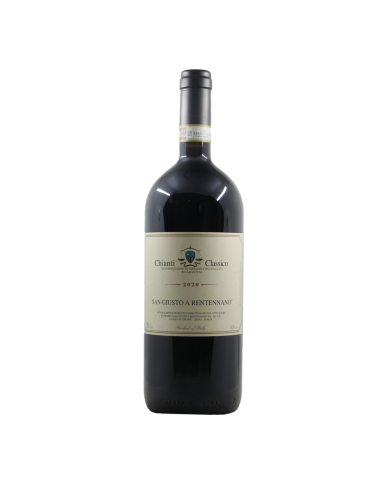
The Chianti Classico of San Giusto a Rentennano is a wine with an energetic and traditional style. The olfactory spectrum ranges from ripe red fruit to spicy spices. The sip is agile, dynamic and elegant. It is aged for at least 10 months in oak barrels
€47.82
€43.04
SKU:
21378
Brand:
San Giusto a Rentennano
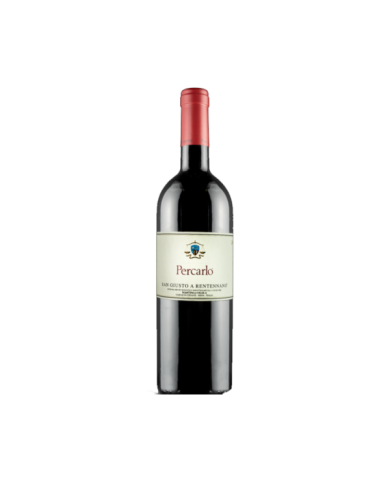
Percarlo is a robust and structured Tuscan red wine made from Sangiovese grapes, aged in barrique for 22 months. It has a broad and very intense aromatic profile, with notes of very ripe red fruit, spices and Mediterranean scrub in evidence. The sip is powerful, elegant and deep, with a very long persistence
€254.90
SKU:
21365
Brand:
Cantina Fratelli Pardi
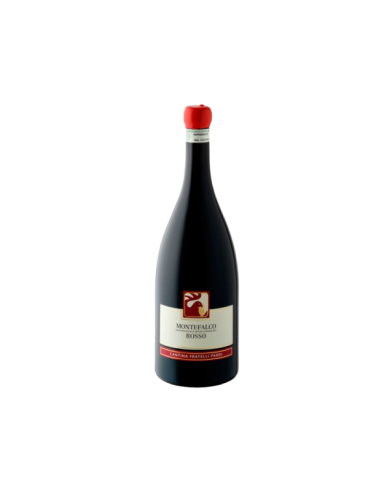
It dresses the glass in a beautiful deep ruby red. The nose is first set on dark fruit in jam and in alcohol, such as currants, black cherries and plums, then followed by intense references to green pepper, cocoa, rhubarb, licorice and chinotto. The mouth is extremely consistent with the nose, and is powerful but well managed in the tannic texture, warm, with excellent body and long persistence.
€22.20
€33.15
€1,878.80
SKU:
21251
Brand:
Montevertine
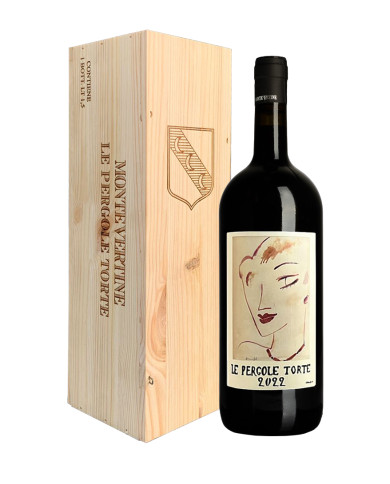
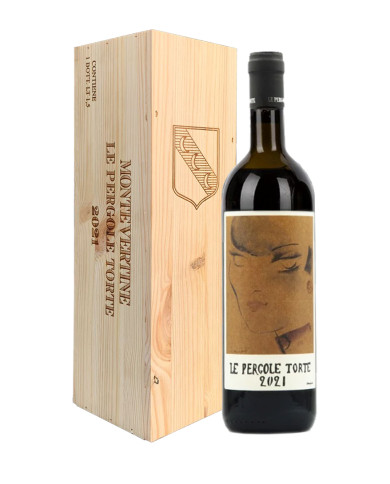
Produced for the first time in the 1977 vintage, it was the first pure Sangiovese vinified in our area of Radda in Chianti. The grapes come from our historic vineyards, planted between 1968 and 1999. It ages for one year in Allier barriques and one year in Slavonian oak barrels.
€858.00
SKU:
21250
Brand:
Montevertine
Produced for the first time in the 1977 vintage, it was the first pure Sangiovese vinified in our area of Radda in Chianti. The grapes come from our historic vineyards, planted between 1968 and 1999. It ages for one year in Allier barriques and one year in Slavonian oak barrels.
€858.00
SKU:
21247
Brand:
Montevertine
Produced for the first time in the 1977 vintage, it was the first pure Sangiovese vinified in our area of Radda in Chianti. The grapes come from our historic vineyards, planted between 1968 and 1999. It ages for one year in Allier barriques and one year in Slavonian oak barrels.
€858.00
SKU:
21239
Brand:
Torre dei Beati
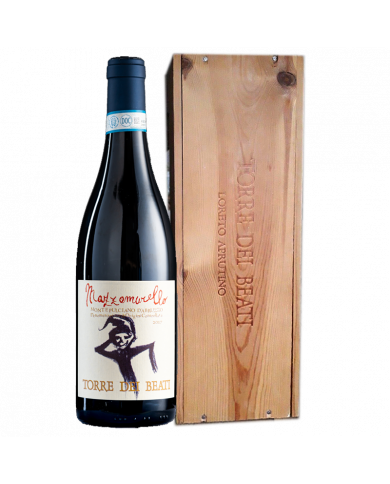
Deep ruby red color, with violet reflections. The nose is characterized by floral aromas, aromas of red fruit, spicy notes of black pepper, balsamic hints and nuances of licorice, chocolate and tobacco. On the palate it denotes decidedly important body and structure. It is warm, with a broad and persuasive bouquet, characterized by soft and evolved tannins. Long and persistent finish.
It is a wine of great structure and aromatic intensity, it goes well with main courses of important roasted or stewed red meats and with game.
€90.52
SKU:
21238
Brand:
Torre dei Beati
Deep ruby red color, with violet reflections. The nose is characterized by floral aromas, aromas of red fruit, spicy notes of black pepper, balsamic hints and nuances of licorice, chocolate and tobacco. On the palate it denotes decidedly important body and structure. It is warm, with a broad and persuasive bouquet, characterized by soft and evolved tannins. Long and persistent finish.
It is a wine of great structure and aromatic intensity, it goes well with main courses of important roasted or stewed red meats and with game.
€90.52
SKU:
21227
Brand:
Produttori del Gavi
SPARKLING WINE OBTAINED WITH THE CLASSIC METHOD. REFERMENTATION TAKES PLACE IN THE BOTTLE FOR APPROXIMATELY 30 DAYS AT A TEMPERATURE OF 13°C, AFTER WHICH THE WINE AGES FOR 30 TO 40 MONTHS ON LEES OF YEAST. COMPLETELY MANUAL WORKING. STARTERS AND CAKES, BUT IT'S ALSO EXCELLENT FOR ALL MEALS.
€63.00
€32.12
SKU:
21147
Brand:
Maculan
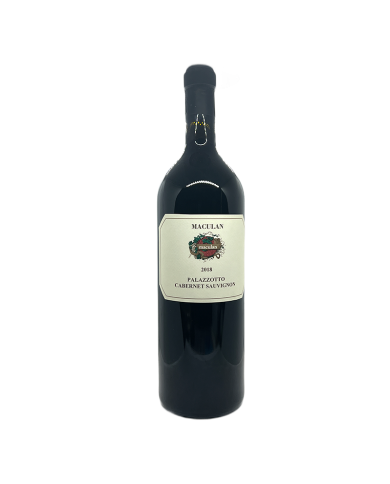
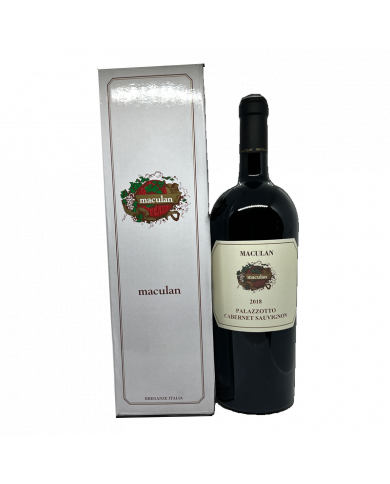
Excellent in combination with pastry desserts, fruit tarts, homemade focaccias and even desserts with creams.
€44.59
€87.62
€45.26
SKU:
21144
Brand:
Maculan
It goes well with first courses with game sauces, roasts and grilled red meat.
€39.58
€44.20
€50.43
SKU:
21053
Brand:
Perusini
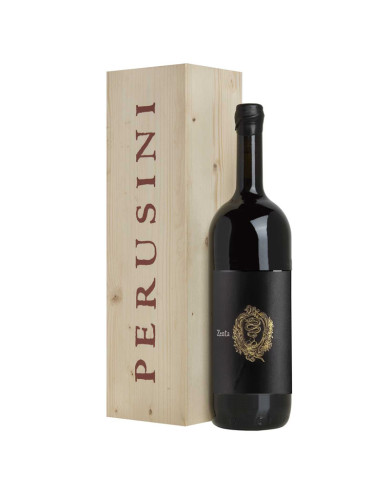
Zenta rosso represents the embodiment of our commitment to quality, excellence and the constant search for harmony between nature and the art of winemaking. Every single bottle of this wine is the result of a careful process, which starts from the scrupulous selection of the best Merlot and Cabernet Sauvignon grapes (50% and 50%) from our most suitable vineyards.
€92.40
SKU:
21001
Brand:
Carpineto
Produced with grapes from vineyards of the companies of Gaville (Florence) and Chianciano/Montepulciano (Siena), the latter planted at high density and considered by us to be particularly happy and suitable for producing great wines.
€56.62
SKU:
20992
Brand:
Carpineto
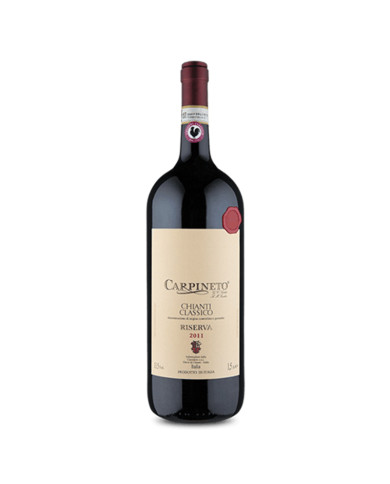
Chianti Classico Riserva is produced exclusively in the oldest wine-growing area of Tuscany, in a landscape of breathtaking beauty.
€99.92
€74.94
SKU:
20904
Brand:
Cantine Mucci
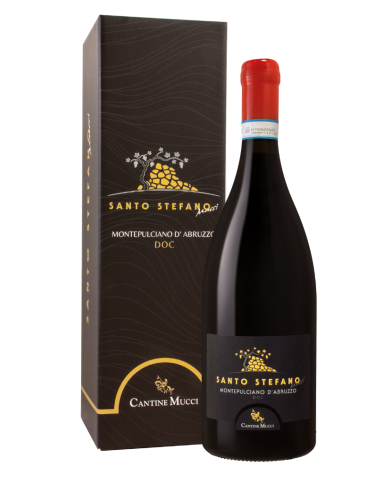
Colore rosso rubino, intensi profumi di frutta matura, speziato, vaniglia; pieno, vellutato, ottima struttura, giustamente tannico ed equilibrato.
€88.40
SKU:
20903
Brand:
Cantine Mucci
Colore rosso rubino, intensi profumi di frutta matura, speziato, vaniglia; pieno, vellutato, ottima struttura, giustamente tannico ed equilibrato.
€46.80
SKU:
20897
Brand:
Cantine Mucci
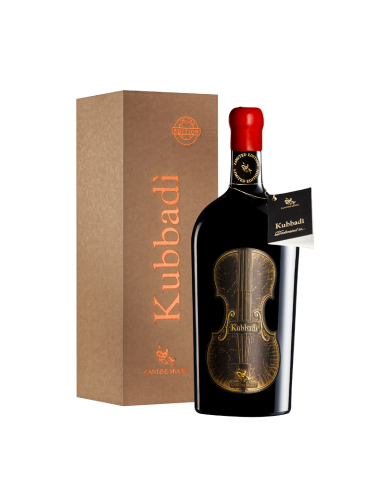
Colore rosso rubino intenso, sentori di frutti di bosco implementati da speziato di vaniglia; pieno ma delicato, la sua vivacità lo predispone ad una lunga vita, il retrogusto persistente ne amplifica la sua eleganza.
€221.00
SKU:
20896
Brand:
Cantine Mucci
Colore rosso rubino intenso, sentori di frutti di bosco implementati da speziato di vaniglia; pieno ma delicato, la sua vivacità lo predispone ad una lunga vita, il retrogusto persistente ne amplifica la sua eleganza.
€101.39
SKU:
20778
Brand:
Tenuta Iuzzolini
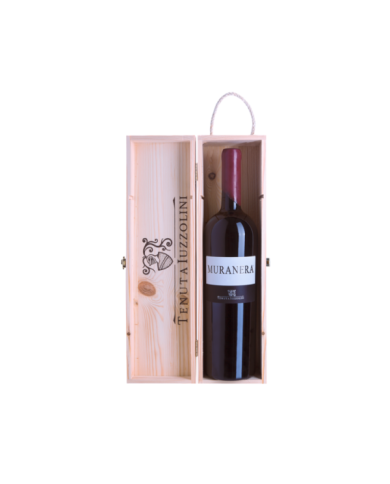
Ottenuto da uve di Gaglioppo, Magliocco, Cabernet Sauvignon e Merlot, in vigneti coltivati nel territorio del piccolo borgo di Carfizzi, a 300 metri s.l.m.
€67.21
SKU:
20771
Brand:
San Lorenzo
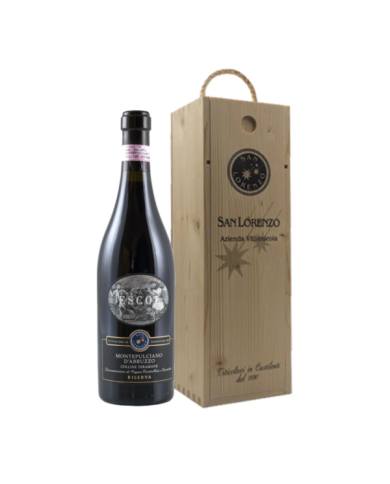
Rosso rubino intenso tendente al granata. Fruttato con sentori di frutta matura, e confettura. Note di caffè tostato e liquirizia. Al gusto si rivela morbido, equilibrato e persistente, leggermente tannico Abbinamenti gastronomici: primi piatti ben strutturati, carni alla brace, formaggi stagionati, uova, cacciagione, e carni rosse in generale.
€77.99
SKU:
20770
Brand:
San Lorenzo
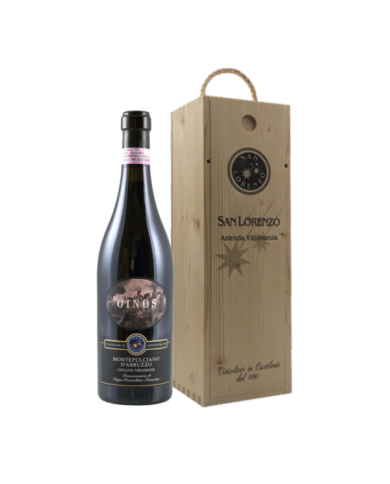
Rosso intenso. Un vino unico per concentrazione e finezza, al naso si apre con bellissimi sentori di frutta matura marmellatosa, amarena caffè cioccolata. Al gusto è estremamente equilibrato, giustamente tannico, caldo, morbido, di grande struttura e persistenza aromatica e con un ottimo dosaggio del legno. Abbinamenti gastronomici: primi piatti ben strutturati, carni alla brace, formaggi stagionati, uova, cacciagione, e carni rosse in generale.
€72.80
SKU:
20765
Brand:
San Lorenzo
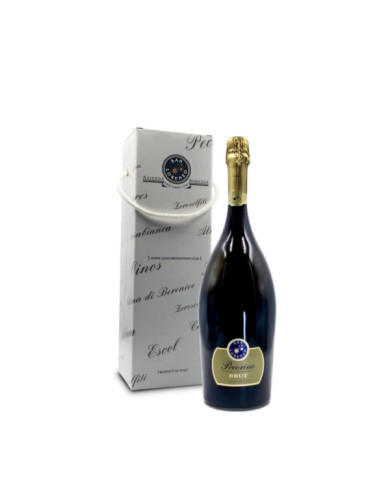
Colore giallo paglierino tenue reso cristallino dal perlage fine e persistente. Aromaticamente è fruttato con piacevoli sentori di pesca e frutta a polpa bianca matura. E’ in egual misura floreale ed elegante, con profumi di fiori a petalo bianco. Abbinam enti gastronomici: ottimo come aperitivo, si abbina bene con i crostacei e primi di pesce.
€41.59
SKU:
20764
Brand:
San Lorenzo
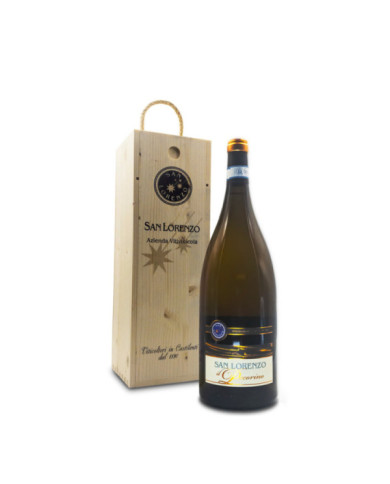
Colore giallo paglierino; al naso si presenta molto intenso con sentori di frutta fresca matura, mela verde, mandorla, floreale. In bocca, molto caldo, intenso, supportato da una bella vena acida, si presenta rotondo e di corpo. Abbinamenti gastronomici: facile da abbinare con piatti strutturati grassi, formaggi freschi e stagionati, ottimo con piatti di pesce.
€46.79
SKU:
20763
Brand:
San Lorenzo
Rosso intenso impenetrabile. Un vino unico per concentrazione e finezza, al naso è esaltante la sua ampia gamma di profumi, evoluti, nitidi. La dolcezza delle spezie unita al bellissimo sentore di frutta rossa stramatura avvolgono stravolgono l’olfatto. Al gusto è estremamente equilibrato, giustamente tannico, caldo, morbido, di grande struttura e persistenza aromatica e con un ottimo dosaggio del legno. Abbinamenti gastronomici: primi piatti ben strutturati, carni alla brace, formaggi stagionati, uova, cacciagione, e carni rosse in generale.
€90.99
SKU:
20654
Brand:
Valter Bera
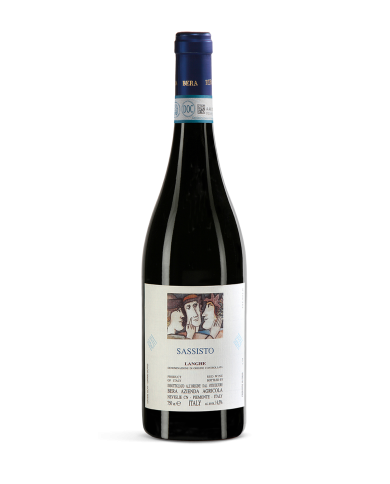
Vino dal colore rosso rubino molto intenso e brillante con riflessi granati che nasce dall’unione armonica di vitigni a bacca rossa ammessi dalla denominazione Langhe. Il profumo è molto fine, intenso, pieno di frutta matura e note di spezie dolci, mentre in bocca è morbido, vellutato, di grande equilibrio e struttura. Ottimo con carni rosse brasate e salumi cotti.
€43.38
SKU:
20652
Brand:
Valter Bera
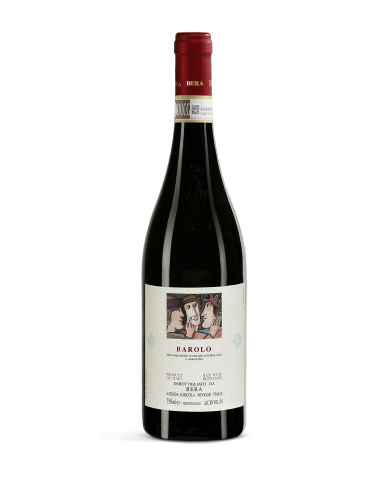
Elegante e robusto, austero e di grande nobiltà, questo vino ottenuto da uve Nebbiolo coltivate nel comune di Castiglione Falletto, esibisce un colore rosso granato brillante con riflessi più caldi con il trascorrere del tempo. Nel bicchiere sprigiona profumi eterei e speziati, molto persistenti, con note leggere di vaniglia , cacao, caffè, liquirizia e sentori di tartufo. Sapore asciutto e pieno ben equilibrato.
€188.99
SKU:
20651
Brand:
Valter Bera
Elegante e robusto, austero e di grande nobiltà, questo vino ottenuto da uve Nebbiolo coltivate nel comune di Castiglione Falletto, esibisce un colore rosso granato brillante con riflessi più caldi con il trascorrere del tempo. Nel bicchiere sprigiona profumi eterei e speziati, molto persistenti, con note leggere di vaniglia , cacao, caffè, liquirizia e sentori di tartufo. Sapore asciutto e pieno ben equilibrato.
€91.00
SKU:
20649
Brand:
Valter Bera
"Frizzante, granato scuro con bordo chiaro. Naso molto fragrante di lampone selvatico, ciliegia scura, prugna, chiodi di garofano e un po' di cannella. Pieno e sostanzioso al palato, si apre con un sacco di tannini corposi e grippanti, un bel nucleo fondente, di lampone e tabacco, lungo finale."
€238.00
Large format wines are a popular choice for special occasions and among wine collectors. They come in a variety of sizes and offer a variety of advantages over standard bottles. In this article, we'll explore everything you need to know about large format wines, from their benefits to storage and purchasing.
The advantages of large format wines
Large format wines offer numerous advantages over standard bottles. First, most wines in large formats age better than standard bottles. This is because the amount of oxygen entering the bottle is lower than in standard bottles. Furthermore, the larger capacity of wine in a single container means that temperature fluctuations are less significant, reducing the risk of damage to the wine.
Secondly, large format wines are an ideal choice for special occasions. A large bottle quickly becomes the center of attention and impresses guests. Furthermore, a single large bottle is much easier to manage than many smaller ones. For example, if you're hosting a dinner for a large group, you can use several large bottles to facilitate service.
Large format wine sizes
Large format wines are available in different sizes, each with a specific name:
Magnum : 1.5 litres, equal to two standard bottles
Jeroboam : 3 liters, equal to four standard bottles
Rehoboam : 4.5 liters, equal to six standard bottles
Methuselah : 6 liters, equal to eight standard bottles
Salmanazar : 9 liters, equal to twelve standard bottles
Balthazar : 12 liters, equal to sixteen standard bottles
Nebuchadnezzar : 15 litres, equal to twenty standard bottles
Storage of large format wines
Storing large-format wines is an important aspect to consider. Because these bottles are larger than standard bottles, storage can be more complicated. Most cellars don't have shelves or space suitable for large bottles, so planning ahead is essential.
Additionally, large bottles may take longer to adjust to the ambient temperature in which they are stored. To avoid temperature fluctuations, it's important to store large bottles in a cool, dry place.
Purchase of large format wines
Buying large format wines can be an excellent choice for wine collectors and for special occasions. However, it's important to pay attention to the bottles' origin. Large bottles can be more susceptible to counterfeiting than standard bottles, so it's important to buy from reputable and trustworthy sellers.
What are large format wines?
Large format wine bottles are larger than the standard 750ml bottle. There are numerous larger wine bottle sizes, including the Magnum (1.5 liters), the Double Magnum (3 liters), the Jeroboam (4.5 liters), the Rehoboam (4.5 liters), the Methuselah (6 liters), the Salmanazar (9 liters), the Balthazar (12 liters), and the Nebuchadnezzar (15 liters).
Why choose large-format wines?
There are many reasons to choose a larger bottle of wine over the traditional 750 ml bottles. First, wine in larger formats is more stable than standard bottles, thanks to the greater volume of wine in the bottle and the smaller amount of air coming into contact with the wine.
Secondly, wines in large formats develop more slowly, meaning they can be stored for a longer period without undergoing any alteration. Furthermore, these wines have greater harmony and balance than standard bottles, thanks to the greater contact surface between the wine and the cork.
Finally, wines in large formats are ideal for special occasions, such as weddings, anniversaries, birthdays, or corporate events, because they have a greater visual impact and can satisfy the palates of a greater number of people.
How to choose a large format wine?
Choosing a large-format wine depends on the type of wine and your personal needs. Generally, the wines best suited to larger formats are those that require a longer aging period, such as structured red wines, complex white wines, or sweet dessert wines.
Furthermore, it's important to choose a high-quality wine, because the larger the quantity of wine in the bottle, the greater the chance of defects appearing. It's therefore important to purchase wines in large formats from reputable retailers who offer guarantees regarding the wine's quality and shelf life.
Finally, it's important to consider the number of people attending the event to choose the right bottle size. For example, a Magnum bottle (1.5 liters) is enough for about 10 people, while a Balthazar bottle (12 liters) can satisfy up to 100 people.
In conclusion, large format wines are an excellent choice for special occasions and for wine collectors, thanks to their greater stability, their ability to evolve more slowly, and their ability to please the palates of a larger number of people.