Italiano
 Deutsch






There are no more items in your cart
SKU:
16324
Brand:
Montagner
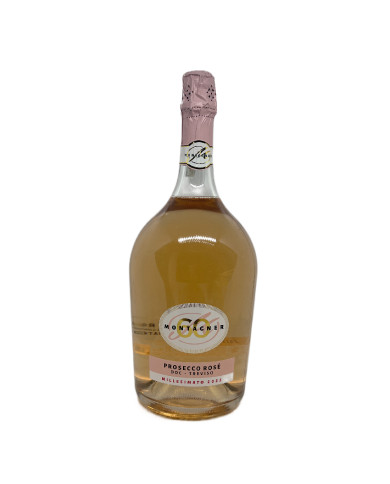
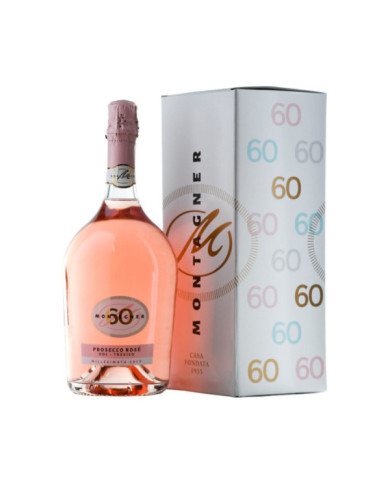
Sparkling wine with a fine and persistent perlage, pale pink colour, complex aromatic bouquet with hints of raspberry and strawberry. Delicate taste reminiscent of apple, white peach, citrus fruits and wild strawberries.
€26.60
SKU:
16323
Brand:
Montagner
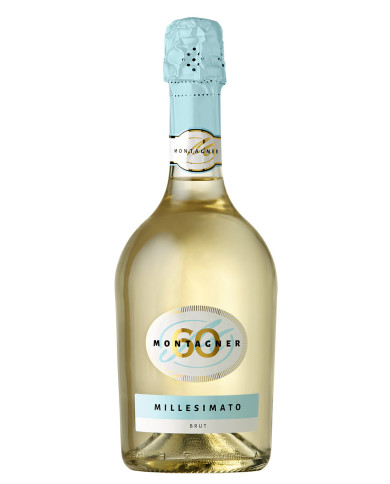
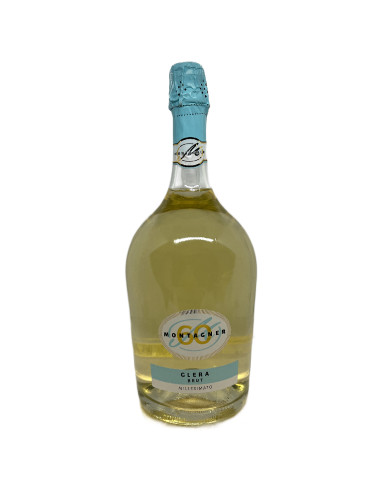
Sparkling wine of pale straw yellow color with greenish reflections, minute and persistent perlage. Fruity and floral bouquet with delicate hints of apple; dry, fresh and dry flavour.
€5.93
SKU:
16322
Brand:
Montagner
Sparkling wine of pale straw yellow color with greenish reflections, minute and persistent perlage. Fruity and floral bouquet with delicate hints of apple; dry, fresh and dry flavour.
€27.29
SKU:
16321
Brand:
Montagner
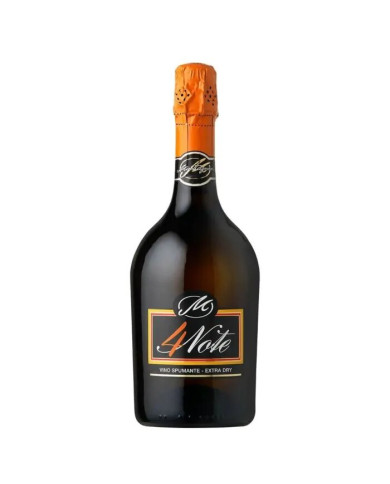
The aromatic-gustatory characteristic of Quattro Note allows it to be combined with various gastronomic specialities. It has a fine and long-lasting perlage, a straw yellow color with greenish reflections, the nose is rich in aromatic notes, fresh, persuasive, delicately fruity, with hints of apple and peach. The taste is pleasant, soft, slightly savory and permanent.
€6.47
SKU:
16290
Brand:
Lunae Bosoni
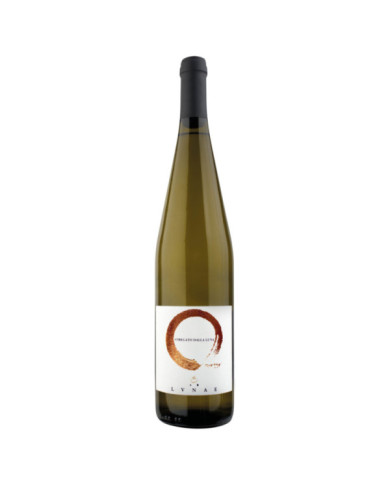
It was born in the Colli di Luni in La Spezia and its name is among the most evocative: Stregato dalla Luna, from Cantine Lunae, is a sparkling white wine made from Greco, Malvasia and Trebbiano grapes.
The harvest takes place in the first half of September. It ferments in white steel tanks at a controlled temperature, while it ages in steel tanks until the first half of February.
Like a wine inspired by the moon, its color is straw yellow, while the nose is fine, delicate and continuous. There are clearly hints of green apple and acacia flowers. On the palate it offers pleasant slightly fruity notes with a dry and fresh taste.
Ideal as an aperitif wine, it goes well with fresh dishes such as seafood salads, steamed shellfish and grilled vegetables. The perfect companion for your summer evenings.
€8.17
SKU:
16284
Brand:
Lunae Bosoni
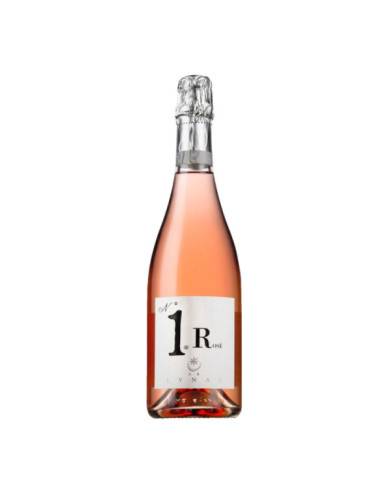
The Spumante Rosè Brut '1.R' by Lunae Bosoni is a sparkling wine obtained with the long charmat method, based on Vermentino Nero and Ciliegiolo grapes from Lunigiana, on the Ligurian border with Tuscany. It has a light and bright cherry pink color to the eye and expresses notes of fresh flowers, small berries and mixed citrus peel to the nose. On the palate it is fresh and harmonious, with a pleasant citrus aromatic finish and excellent flavor, slightly mineral.
€12.79
SKU:
16283
Brand:
Lunae Bosoni
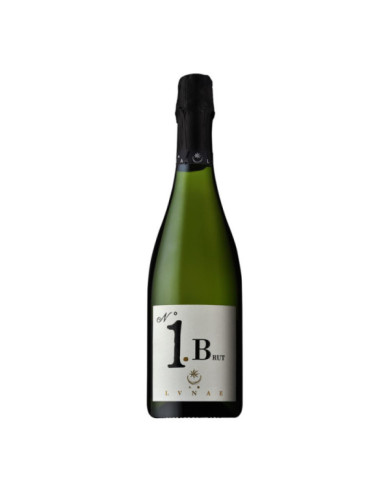
The Spumante 1.Brut Lunae Bosoni is a Ligurian wine obtained by sparkling wine using the Charmat method, from Albarola, Greco and Malvasia grapes from Lunigiana. It has a delicate straw color and expresses floral aromas of wisteria and hawthorn, enriched by hints of ripe Golden apple, while the sip is informal and refreshing, harmonious, lively
€12.44
SKU:
16282
Brand:
Lunae Bosoni
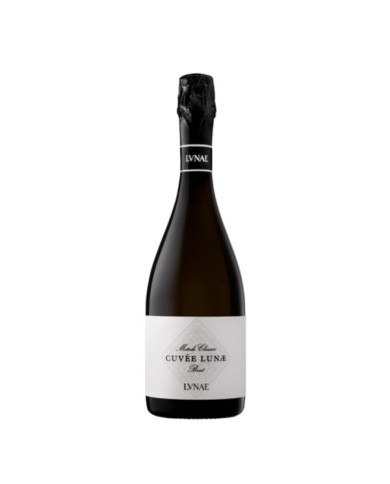
Cuvée Lunae for us is the realization of a dream that has accompanied us for more than a generation. Making a classic method sparkling wine in our lands, using our traditional vines, a wine that could tell a further expression of our winemaking tradition, another photograph of its territory of origin.
€40.99
SKU:
16228
Brand:
Mosnel
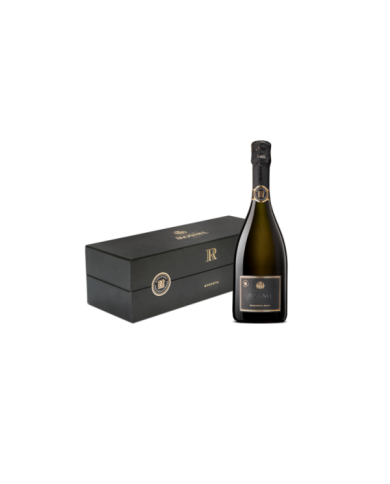
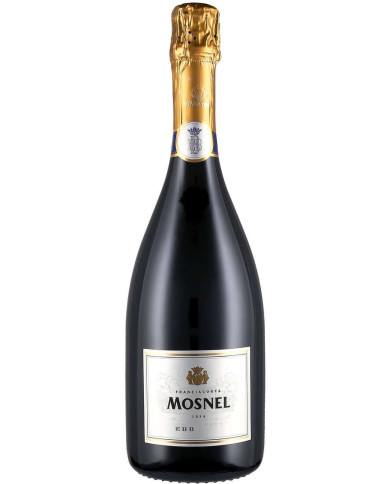
Our wines have a long and fascinating story to tell: in the cellars time passes slowly and the Franciacortas find a precious ally in placid waiting. This is how the Riserva 2007 Pas Dosé Reedition 2022 was born, the highest expression of the Mosnel Style, where memory, care and waiting are the elements that give elegance and complexity: with 14 years of refinement, the past becomes present in the glass, giving intensity to the wine and a refined sip.
SKU:
16227
Brand:
Mosnel
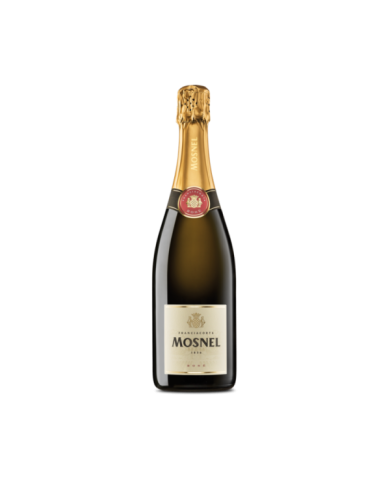
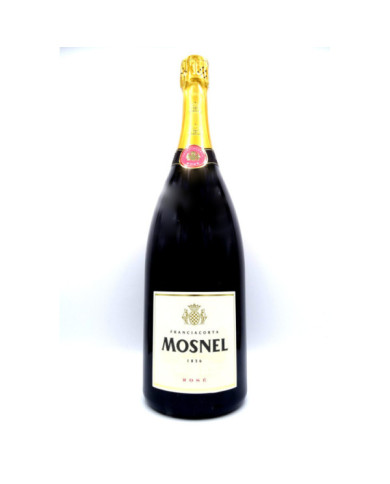
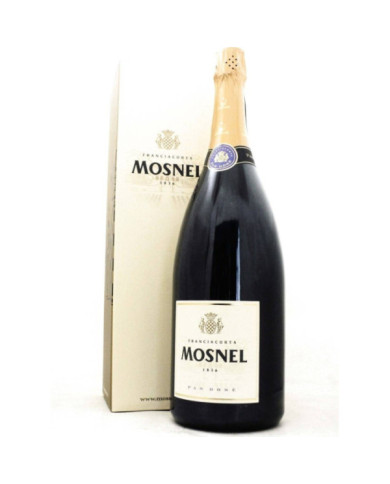
In the heart of Franciacorta, for 5 generations, in the sixteenth-century cellars of the centuries-old estate, the long winemaking tradition that the Barboglios inherited in 1836 has continued. With the newly created DOC Franciacorta, the company has specialized since 1968 in modern viticulture. Rigorous interpreter of the territory, he only works with his own grapes. All the vineyards are conducted with the organic method and maximum attention to every detail. The great attention to limiting the maximum yield per vine, the promptness and speed in the manual harvesting and pneumatic pressing make Mosnel Franciacortas unique.
€65.27
SKU:
16226
Brand:
Mosnel
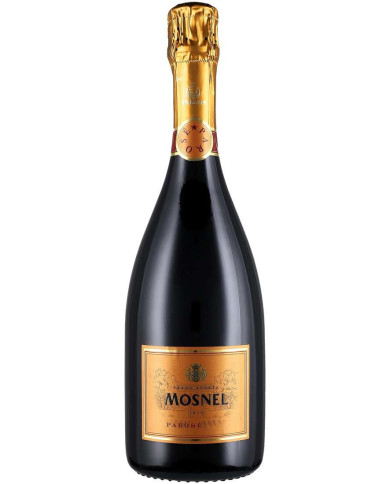
From the vinification of Pinot Noir and Chardonnay. The origin of the vineyards falls within the company limits and the grapes all have an optimal exposure towards East-South/East. The harvest is manual according to the Mosnel tradition, the bunches are placed in small crates of crates between the second and fourth week of August. The vinification follows, which only intercepts the "Mosto Fiore" (the first fraction of juice) was destined for the Franciacorta "Parosé", which owes its pale color to the Pinot Noir which undergoes a slight maceration on the skins. The primary fermentation took place in small oak barrels (225 litres), which housed the wine for six months, until the following spring. Assembly and bottling with "draught syrup" precede stacking for refermentation in the bottle. Maturation and refinement take place in the company cellars in stacked bottles where it remains at least 36 months in the premises of our seventeenth-century cellars before the "remuage". Subsequently disgorged and dosed "Pas Dosé" they receive the mushroom cap and the cage. Finally, at least six months of further aging is necessary before placing this Franciacorta on the market.
€54.05
SKU:
16225
Brand:
Mosnel
From the vinification of Pinot Noir and Chardonnay. The origin of the vineyards falls within the company limits and the grapes all have an optimal exposure towards East-South/East. The harvest is manual according to the Mosnel tradition, the bunches are placed in small crates of crates between the second and fourth week of August. The vinification follows, which only intercepts the "Mosto Fiore" (the first fraction of juice) was destined for the Franciacorta "Parosé", which owes its pale color to the Pinot Noir which undergoes a slight maceration on the skins. The primary fermentation took place in small oak barrels (225 litres), which housed the wine for six months, until the following spring. Assembly and bottling with "draught syrup" precede stacking for refermentation in the bottle. Maturation and refinement take place in the company cellars in stacked bottles where it remains at least 36 months in the premises of our seventeenth-century cellars before the "remuage". Subsequently disgorged and dosed "Pas Dosé" they receive the mushroom cap and the cage. Finally, at least six months of further aging is necessary before placing this Franciacorta on the market.
€110.04
SKU:
16224
Brand:
Mosnel
Franciacorta 'Parosé' Pas Dosé Mosnel is a non-dosed Franciacorta rosé. The partial vinification in barrique and the rest of at least 36 months on the lees soften the fleshy features of the fruit in supple figures outlined by the notes of currant, pomegranate and mandarin.
€91.74
SKU:
16223
Brand:
Mosnel
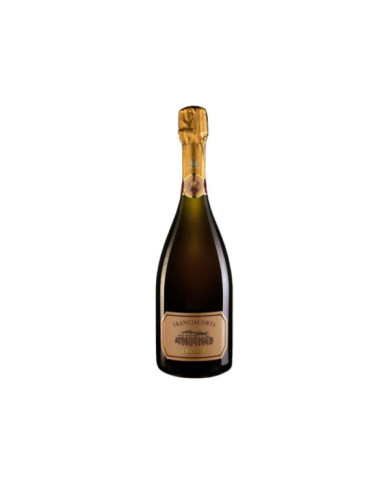
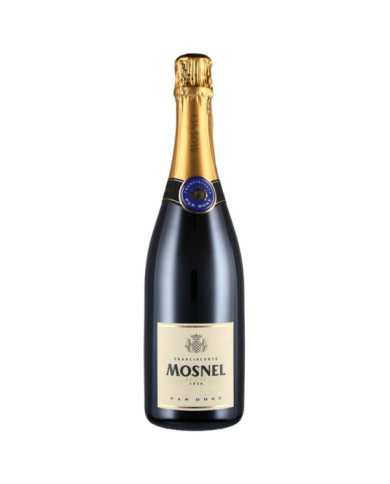
The Spumante Franciacorta Pas Dosé from the Il Mosnel winery was born in vineyards located in the municipality of Passirano, in the heart of the Franciacorta DOCG. It is mainly produced with Chardonnay grapes and with Pinot Bianco and Pinot Nero grapes, harvested by hand between the last week of August and the first ten days of September. Fermentation takes place partly in stainless steel tanks and partly in barriques, at a controlled temperature. Subsequently the wine ages in the bottle for about 30 months before being placed on the market.
€29.91
SKU:
16222
Brand:
Mosnel
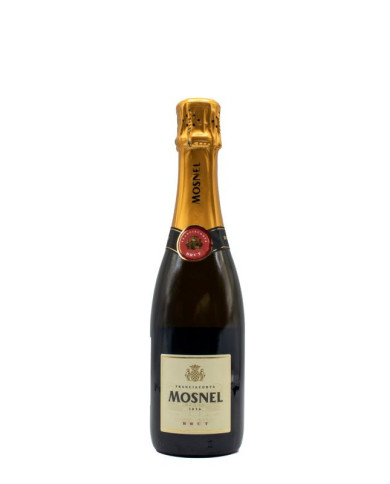
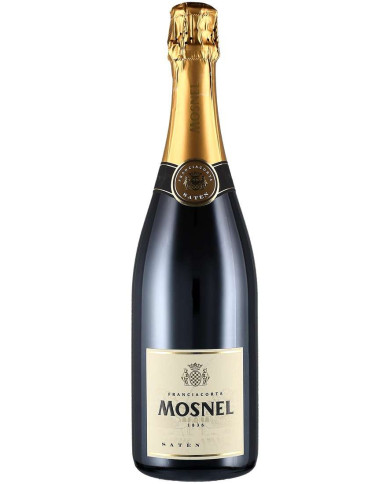
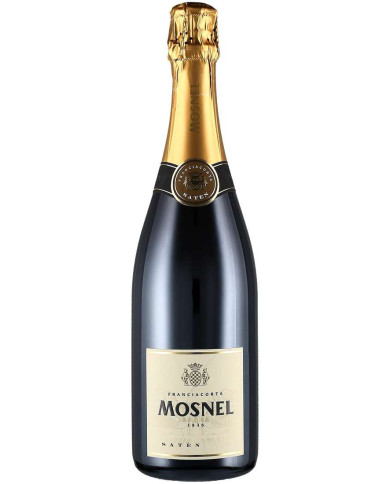
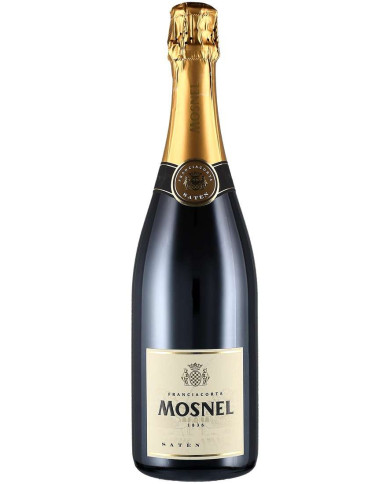
Produced since 1979 starting from a careful blend of chardonnay, pinot bianco and pinot noir. It rests in the bottle on its lees for about 18 months. This is how a straw yellow Franciacorta is born, with a dense, fine and persistent perlage. The nose reveals notes of wisteria and white peach which open to a decisive taste of extraordinary harmony. Fresh, dry and velvety at the same time.
€27.15
SKU:
16221
Brand:
Mosnel
Produced since 1979 starting from a careful blend of chardonnay, pinot bianco and pinot noir. It rests in the bottle on its lees for about 18 months. This is how a straw yellow Franciacorta is born, with a dense, fine and persistent perlage. The nose reveals notes of wisteria and white peach which open to a decisive taste of extraordinary harmony. Fresh, dry and velvety at the same time.
€16.47
SKU:
16220
Brand:
Mosnel
From the vinification of Chardonnay grapes in purity. The origin of the vineyards falls within the company areas as per tradition and the exposure is towards East-South/East. The harvest takes place manually in crates between the second and fourth week of August. The vinification is in white in a pneumatic press with separation of the 1st and 2nd pressing. After 12 hours of decantation at 15°C, inoculation of selected yeasts for fermentation partly in temperature-controlled stainless steel tanks and partly in barriques. Malolactic fermentation and racking precede the assembly of the Cuvée which in spring, after the addition of the "draught syrup", is bottled, capped with a crown cap and laid down in a pile for the second fermentation. For maturation and refinement, the stacked bottles remain at least 36 months in the rooms of our cellars before the "remuage". Subsequently disgorged and dosed "Brut" receive the mushroom cap and the cage. Finally, at least three months of further aging are necessary before placing this Franciacorta on the market.
€220.09
SKU:
16219
Brand:
Mosnel
From the vinification of Chardonnay grapes in purity. The origin of the vineyards falls within the company areas as per tradition and the exposure is towards East-South/East. The harvest takes place manually in crates between the second and fourth week of August. The vinification is in white in a pneumatic press with separation of the 1st and 2nd pressing. After 12 hours of decantation at 15°C, inoculation of selected yeasts for fermentation partly in temperature-controlled stainless steel tanks and partly in barriques. Malolactic fermentation and racking precede the assembly of the Cuvée which in spring, after the addition of the "draught syrup", is bottled, capped with a crown cap and laid down in a pile for the second fermentation. For maturation and refinement, the stacked bottles remain at least 36 months in the rooms of our cellars before the "remuage". Subsequently disgorged and dosed "Brut" receive the mushroom cap and the cage. Finally, at least three months of further aging are necessary before placing this Franciacorta on the market.
€34.92
SKU:
16218
Brand:
Mosnel
From the vinification of Chardonnay grapes in purity. The origin of the vineyards falls within the company areas as per tradition and the exposure is towards East-South/East. The harvest takes place manually in crates between the second and fourth week of August. The vinification is in white in a pneumatic press with separation of the 1st and 2nd pressing. After 12 hours of decantation at 15°C, inoculation of selected yeasts for fermentation partly in temperature-controlled stainless steel tanks and partly in barriques. Malolactic fermentation and racking precede the assembly of the Cuvée which in spring, after the addition of the "draught syrup", is bottled, capped with a crown cap and laid down in a pile for the second fermentation. For maturation and refinement, the stacked bottles remain at least 36 months in the rooms of our cellars before the "remuage". Subsequently disgorged and dosed "Brut" receive the mushroom cap and the cage. Finally, at least three months of further aging are necessary before placing this Franciacorta on the market.
€67.83
SKU:
16217
Brand:
Mosnel
Franciacorta Brut Rosè is a sparkling wine produced by the Mosnel winery, obtained from Pinot Nero and Chardonnay grapes divided into equal parts, about 40% the remainder from Pinot Bianco grapes, the pinot noir in this case is vinified in white, but with a stop on own peels for a few hours, a method thanks to which it allows to donate this beautiful powder pink color. The vineyards are all owned by the Guyot system with south-east exposure, with a rather low yield of around 80 quintals per hectare.
€31.23
SKU:
16216
Brand:
Mosnel
Franciacorta Brut Rosè is a sparkling wine produced by the Mosnel winery, obtained from Pinot Nero and Chardonnay grapes divided into equal parts, about 40% the remainder from Pinot Bianco grapes, the pinot noir in this case is vinified in white, but with a stop on own peels for a few hours, a method thanks to which it allows to donate this beautiful powder pink color. The vineyards are all owned by the Guyot system with south-east exposure, with a rather low yield of around 80 quintals per hectare.
€58.68
SKU:
16215
Brand:
Mosnel
The Spumante Franciacorta Pas Dosé from the Il Mosnel winery was born in vineyards located in the municipality of Passirano, in the heart of the Franciacorta DOCG.
It is mainly produced with Chardonnay grapes and with Pinot Bianco and Pinot Nero grapes, harvested by hand between the last week of August and the first ten days of September. Fermentation takes place partly in stainless steel tanks and partly in barriques, at a controlled temperature. Subsequently the wine ages in the bottle for about 30 months before being placed on the market.
€58.68
SKU:
16214
Brand:
Mosnel
Important and persistent white foam, particularly minute and persistent perlage. The color is yellow with clear greenish reflections. The bouquet is broad and captivating, with notes of ripe fruit and a background of yellow flowers and vanilla. In the mouth it is sapid and persistent. Harmony and depth blend with exceptional elegance, making it a Franciacorta of aristocratic character and excellent balance.
€65.27
SKU:
16213
Brand:
Mosnel
At the organoleptic examination the wine has a bright gold color with a fine perlage. The perfume is expressed with lemon blossom and verbena, and the theme of bright fruit, with notes of mandarin, ginger and crunchy green apple, and are defined in the contours by mentholated nuances, pepper and saltiness. The taste is of great citrus vivacity of bergamot with a dynamic made engaging by a clear sapidity supported by the Extra Brut dosage, which enhances the delicate and aristocratic style of this Franciacorta.
€54.05
Sparkling Wine Sales: How to Choose the Best and Pair It with Food
Sparkling wine is a festive and lively wine, ideal for accompanying celebrations and convivial gatherings. In Italy, sparkling wine production is highly diverse and includes a wide range of varieties, from Prosecco to Champagne, including Franciacorta and Trento DOC .
In this article, we'll guide you through the world of sparkling wines, with tips for choosing the right wine for your preferences and occasions, food pairings, and tasting suggestions.
How are sparkling wines produced?
Sparkling wines are produced through a fermentation process that allows the wine to produce bubbles. There are two main methods for producing sparkling wines: the Classic Method and the Charmat Method.
Each sparkling wine has its own production method, which influences both its flavor and final price. The main production methods are the Classic Method, the Charmat Method, and the Martinotti Method.
The Classic Method is the most expensive and artisanal method used to produce high-quality sparkling wines such as Champagne. In this method, the second fermentation takes place in the bottle, with the yeast settling at the bottom of the bottle and being removed through the disgorging process. This process requires considerable time and attention, which is reflected in the final price of the product.
The Charmat Method is used to produce lighter, fruitier sparkling wines. In this method, the secondary fermentation takes place in large stainless steel tanks, where the wine is kept under pressure to create carbonation. After fermentation, the wine is filtered and bottled.
The Martinotti Method , also known as the Italian Method or the Tank Method, is a modern method used to produce high-quality sparkling wines such as Prosecco. In this method, the secondary fermentation takes place in large stainless steel tanks, where the wine is kept under pressure to create carbonation. After fermentation, the wine is filtered and bottled.
In addition to the production method, the type of grape used also influences the flavor and final price of the sparkling wine. The main grape varieties used to produce sparkling wines are Chardonnay, Pinot Noir, and Glera.
Chardonnay is a white grape used to produce high-quality sparkling wines like Champagne. It has a fruity flavor and a buttery note.
Pinot Noir is a black grape used to produce high-quality sparkling wines such as rosé Champagne. It has an intense and complex flavor, with notes of berries and spices.
Glera is a white grape used to make Prosecco. It has a fresh and fruity flavor, with notes of green apple and pear.
Ultimately, choosing a sparkling wine depends on your personal taste and the occasion for which you're drinking it. Sparkling wines are an excellent choice for parties and celebrations, but they can also be enjoyed as an aperitif or with a light meal. With the wide range of sparkling wines available on the market, there's sure to be one to suit every taste and budget.
Related posts