Primitivo di Manduria Librante is a red wine produced by the winery Le Vigne di Luca Attanasio in Sava, in the heart of the land of Manduria. The name "Libra" or balance, derives from the Latin, and is the symbol of justice. The Primitivo vines are grown in Alberello Pugliese, and are about 60 years old. The company produces this incredible rigorous, elegant, imposing wine with extraordinary strength. A complex wine, produced with wisdom and love for the land handed down by three generations of winemakers who have made Primitivo di Manduria great. The harvest is done manually in the second ten days of September. After destemming and crushing, the wine is left to macerate for about 15 days, fermentation takes place at a controlled temperature. The wine is aged for a few months in stainless steel tanks, followed by aging for 12 months in barriques. It finishes its maturation in the bottle. Librante has a beautiful intense garnet red color. On the nose, the perfume is characterized by fruity hints of small berries and figs, with notes of cocoa, and a pleasant spicy background. On the palate the taste is rich, rather warm and deep, with enveloping aromas. Balanced freshness, good tannins, with great final persistence. It goes perfectly with game and red meat, and aged cheeses, but it is certainly a glass that is also exceptional to be savored and tasted alone.
The name of this wine symbolizes the Dodecàpoli Messapica. As well as the ancient Etruscan Dodecapoli and that of Ionia included twelve cities, all located in the current Salento: Alezio, Ugento, Brindisi, Vereto, Otranto, Ceglie Messapica, Manduria, Mesagne, Nardò, Oria, Cavallino, Roca. The twelve autonomous city-states were a real political-military organization with its own king and its own laws, but they all belonged to the Messapian civilization. Almost all of them were surrounded by walls and dominated by the acropolis where the palaces, the temples of the deities and the agora, the people's square, the market and the meeting squares stood and also included the surrounding area with the villages, the military outposts and ports, in addition to the countryside destined for cultivation and grazing. Luca Attanasio Dodecapolis Primitivo is a wine with an intense red color. The nose is characterized by intense and complex aromas of ripe berries and plums. In the mouth it is rich, warm, deep, with enveloping fruity aromas, with a great structure. Good tannins and balanced freshness with a great final persistence.
The color is intense claret pink. The scent is fragrant, ample, of wild blackberry, pear and citrus. On the palate the wine is fresh, sapid and balanced by fruity notes. The grape harvest began in the second week of August. The maceration process of the bunches was completed within 10 hours of harvesting. The fermentation took place at low temperatures for about 20 days.
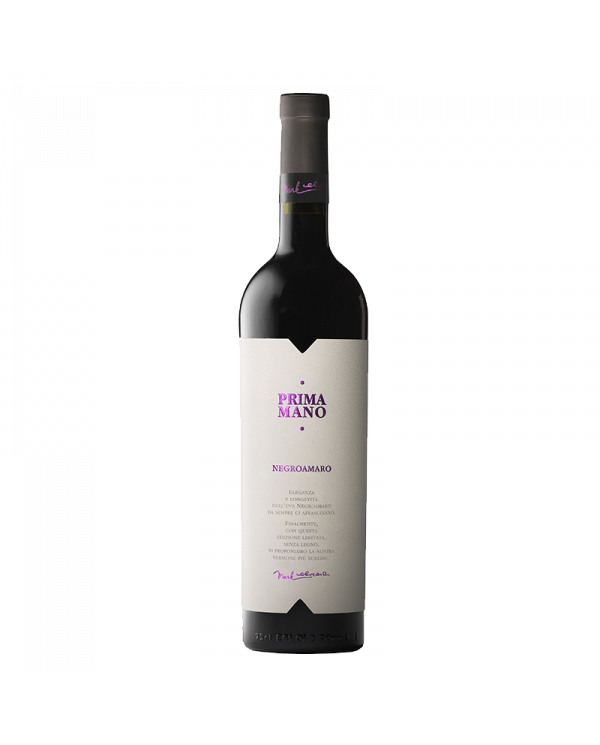
The Negroamaro grape has always fascinated us with its elegance. The longevity of a Negroamaro wine is comparable to that of the great Piedmontese or Tuscan wines. This is our most sublime version
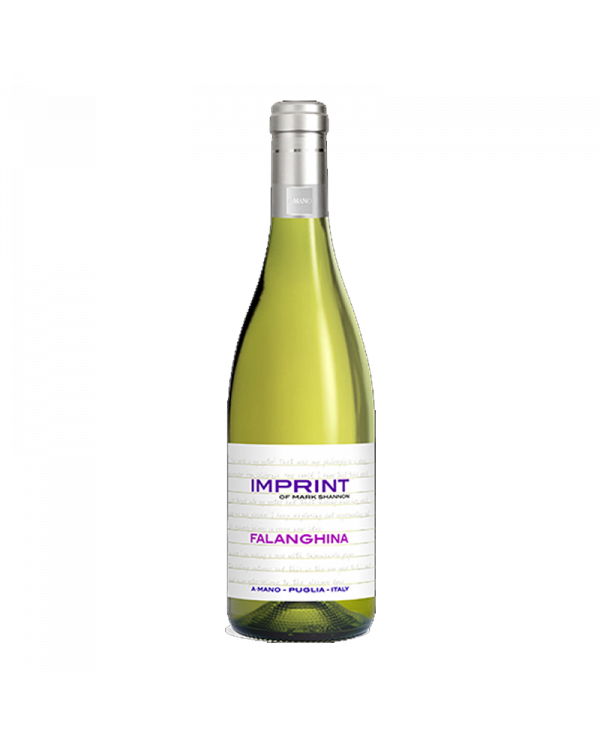
We've worked with Falanghina in small batches in previous years and felt it had a special character and presence: notes of orange blossom and a serious, lingering mouthfeel. A dear friend of ours offered us a beautiful old vineyard of organically grown Falanghina this year and we jumped at the chance to offer a new, beautiful white wine to the family.
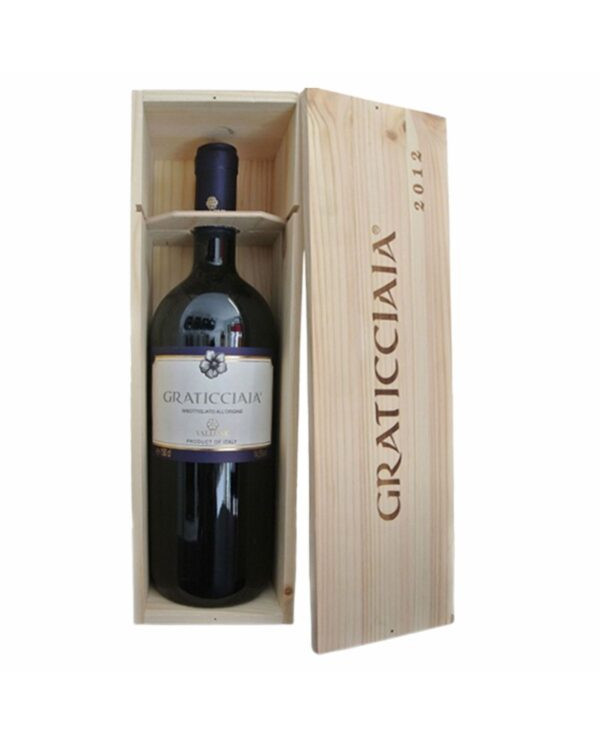
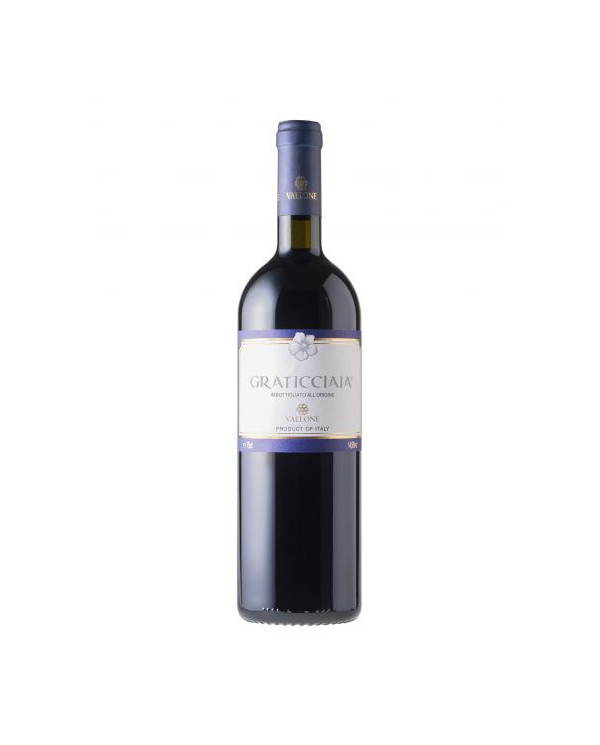
Graticciaia Agricole Vallone 2016 Magnum 1,5 lt. in wooden case: it is an Apulian red wine born from Negroamaro grapes only and aged for 26 months in steel and 12 in barrique. It manifests itself to the eye with a bright garnet red color. The scent is rich, intense and very complex with notes of blackberries, plums, dried flowers, humus and sweet spices. In the mouth it is intense, round and austere, with rich aromas, notes of licorice and vigorous tannins. PAIRINGS: red meats, game, aged cheeses. SERVING TEMPERATURE: 18-20° C.
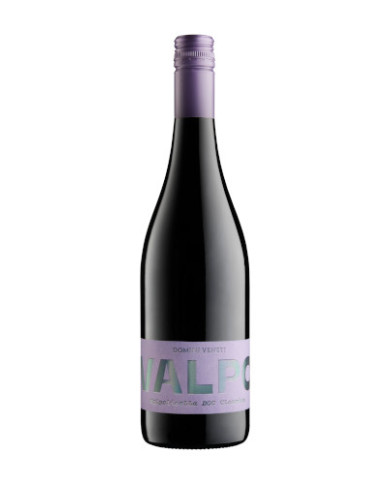
White raisin wine, Capable of bringing wisdom and meditation even to those who, by the hand of fate, do not have it. The sensation of fullness on the palate is accompanied by a vertical sensation of freshness. Our favourite.
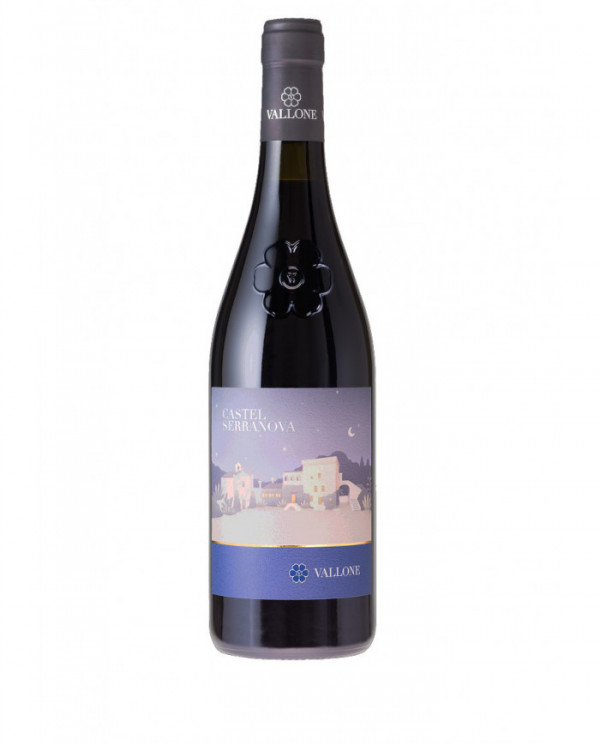
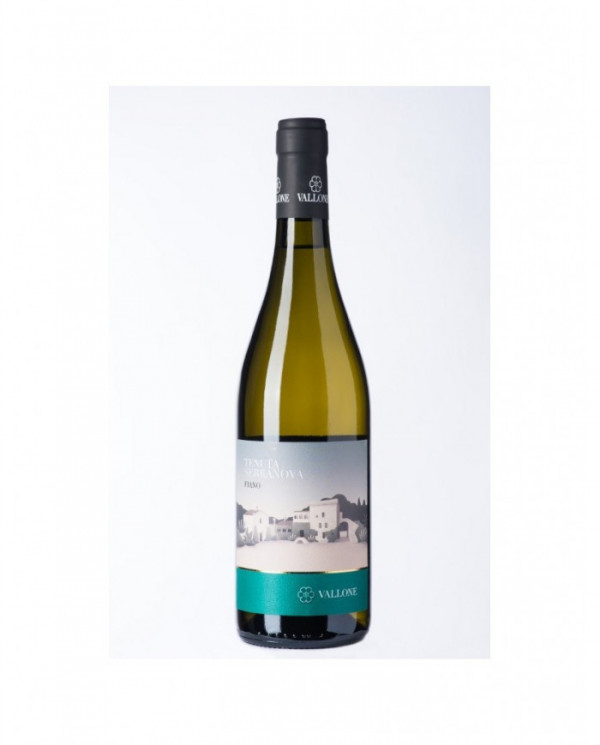
It often happens to think of the illustrious personalities who preceded us as owners of the estate; from Raimondo del Balzo Orsini, Prince of Taranto, owner of the estate from 1382 to 1407, to Queen Maria d'Enghein, Countess of Lecce, owner from 1407 to 1464. Please refer to the dedicated section for further historical notes on Serranova Castle. The intense red of the lands reveals a first clue about the oenological orientation of the wines of the estate. This is the place where you can glimpse the characterizing elements of Vallone; the noble soul of the wines, the innovative soul that led to the conception of the production technique of the Graticciaia; the soul that embraces the harmony and beauty generated by the union between the historicity of places and nature. Castel Serranova is a Cru whose grapes come from a vineyard surrounded by dry stone walls aimed at demarcating the threshold between the dynamism of the different elements of the surrounding nature reserve and the placid succession of the seasons which will lead the grapes to ripen. The vineyard, called Vigna Castello, is the origin of the most classic of the Salento blends, namely Negroamaro and Susumaniello with the predominance of the latter. Aged in dedicated French oak tonneaux for 12 months. Notes of leather, spices and Mediterranean scrub follow each other seamlessly in this long-lived wine.
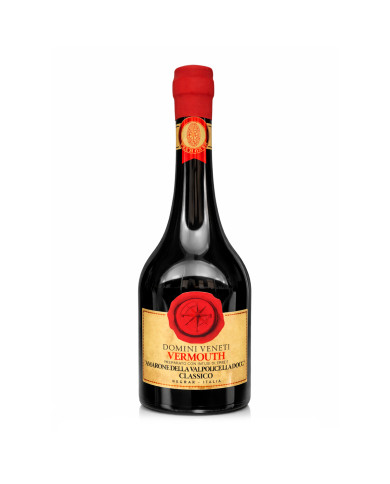
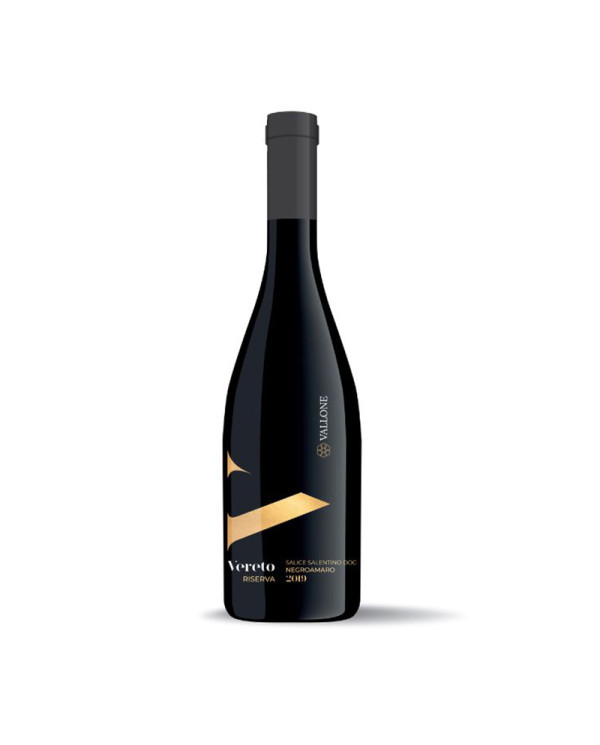
DOCR is the attention that Vallone dedicates to the two most representative denominations of controlled origin of the territory. It is a long journey; 24 months of passion. Both reserves are elevated in wood for six months. Vereto is the name of our Negroamaro vineyard located on the Iore estate in San Pancrazio Salentino. The soft and silky tannin is an unequivocal declaration of origin of the pure Negroamaro.
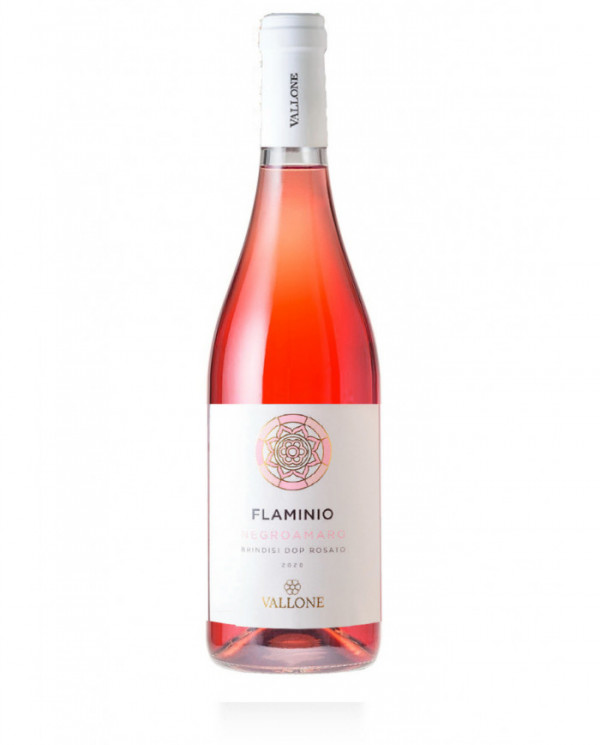
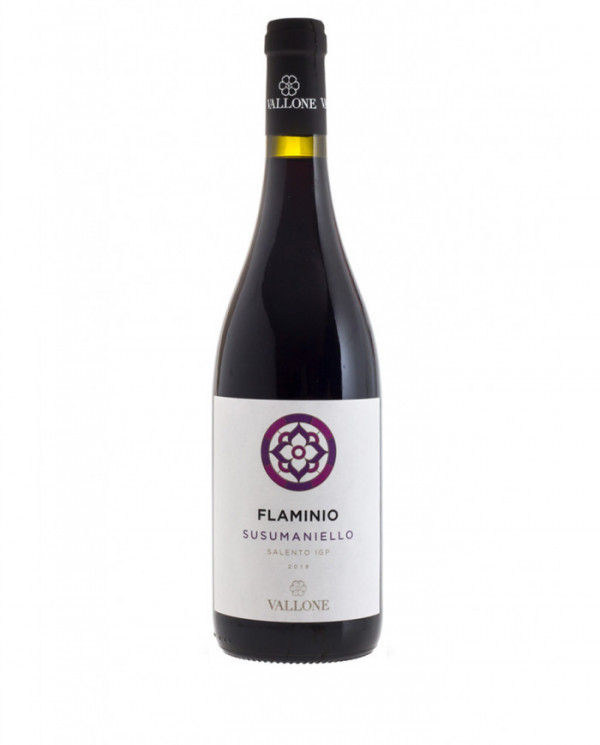
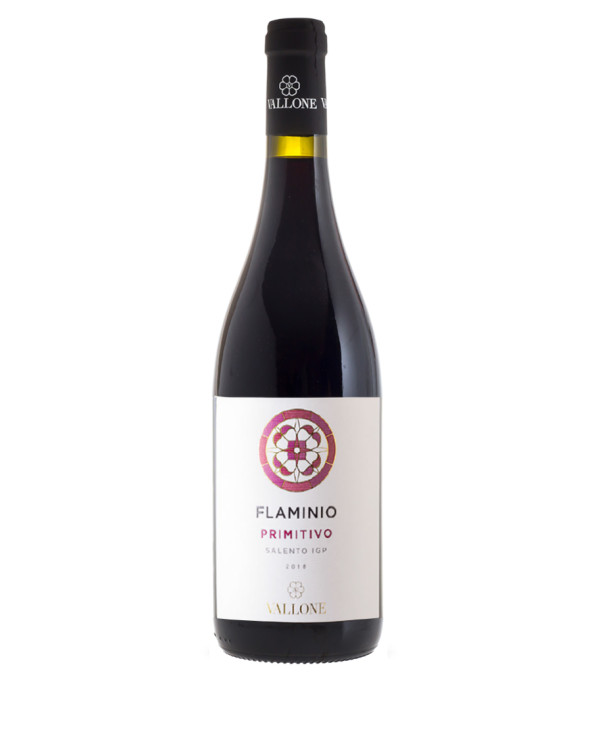
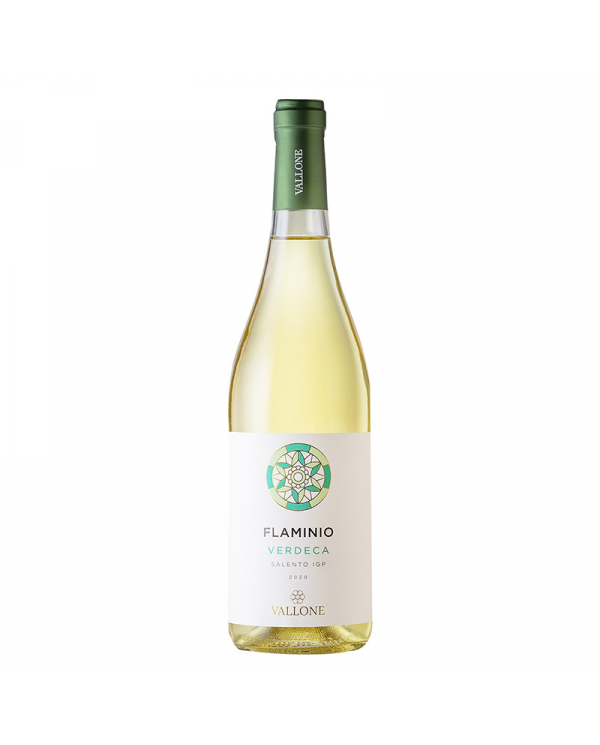
Flaminio is the interpretation that the Vallone family gives to native vineyards. The line takes its name from the historic Flaminio vineyards from which they are produced and which stand on an ancient Messapian settlement on the outskirts of San Pietro Vernotico. It is our ever-evolving tradition. Intense colors and fruity aromas. Vine as generous as it is approximate at a young age due to its productive exuberance. As it matures, the overabundance of production suddenly disappears, giving way to grapes capable of expressing olfactory complexity with notes of leather and Mediterranean scrub.
Born from an intuition that brings to light an ancient technique that links past traditions to future visions. The experiment of drying the Negroamaro grapes from the 'Caragnuli' Cru, an 80-year-old Apulian sapling vineyard located in San Pancrazio Salento, began in 1980, thanks to the insistence of the oenologist Severino Garofano who had always believed in versatility and nobility of this vine. In 1986, after 6 years of trying, the first vintage of 'Graticciaia' saw the light. The rest is a success story that gives the dignity that belongs to Negroamaro. After a careful selection of the grapes, we proceed with a light drying, followed by an aging of 12 months in French oak barriques, the last mile is covered in concrete until bottling.
The line takes its name from the Adriatic side, where the Vallone vineyards extend. The Typical colors of the Adriatic coast composed of the intense blue of the sea and the continuous alternation of the green-gold of the olive leaves moved by the wind. Here in these few words the spirit of the Walloon slope is enclosed. Maintaining its peculiar elegance and minerality, it has acquired body and fruit from our Salento peninsula. International vine present in our company since the early 90s. He loves to be accompanied by seafood dishes, wanting a nice Poke Ball!
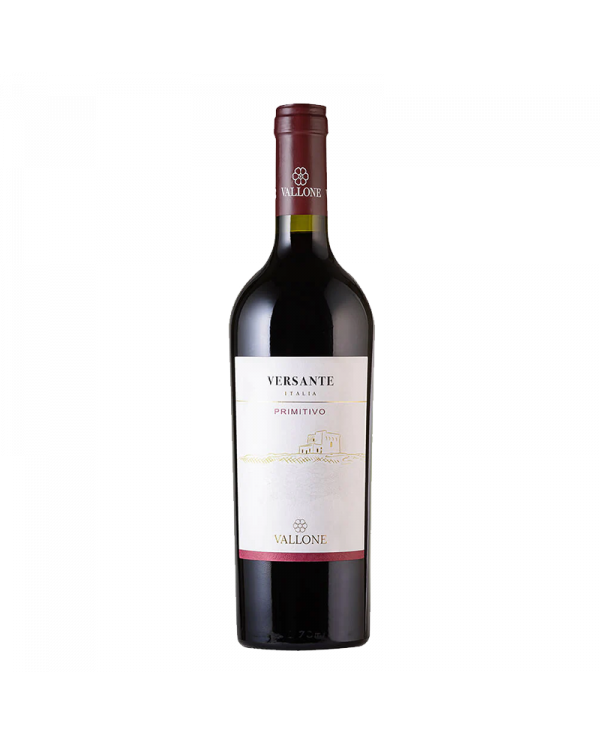
The line takes its name from the Adriatic side, where the Vallone vineyards extend. The Typical colors of the Adriatic coast composed of the intense blue of the sea and the continuous alternation of the green-gold of the olive leaves moved by the wind. Here in these few words the spirit of the Walloon slope is enclosed. Unmistakable dark red with violet reflections, from the trendiest vine of Puglia, an enveloping wine that is easy to approach.
Flaminio is the interpretation that the Vallone family gives to native vineyards. The line takes its name from the historic Flaminio vineyards from which they are produced and which stand on an ancient Messapian settlement on the outskirts of San Pietro Vernotico. It is our ever-evolving tradition. Intense colors and fruity aromas.
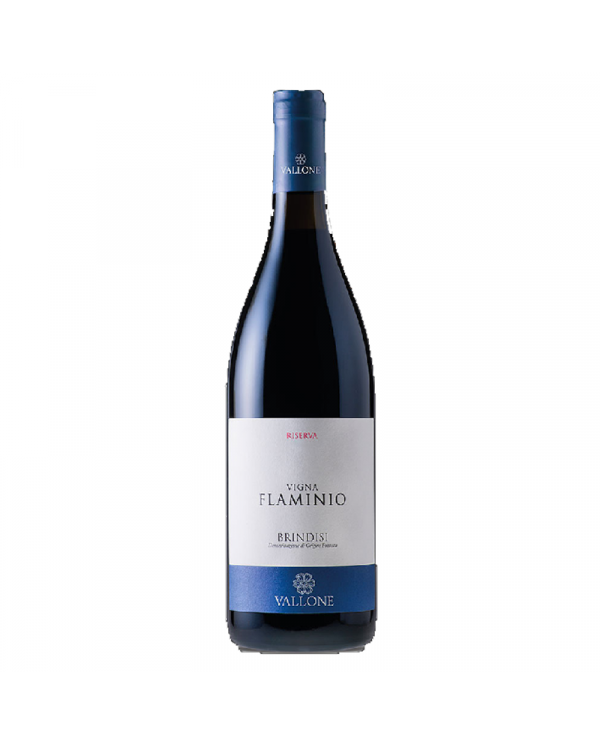
The appellative Vigna, authorized by the competent bodies, in front of the name Flaminio indicates the real correspondence of the area and therefore of the vineyard from which the grapes of our Brindisi DOC come. This is the first Brindisi DOC ever produced, it was in 1972.
A Mano Fiano – Greco is the most unusual wine you will try in Puglia, perhaps in all of Italy. The slightly dried Fiano Minutolo gives the blend the scent of white peach and the floral component. The Greco comes from an old vineyard, not irrigated, located on a hill with sandy soil, adds body and citrus notes. It is a fresh and delicious aperitif. The scent is "Nordic", the body is full, of great satisfaction with a fresh and pleasant acidity.
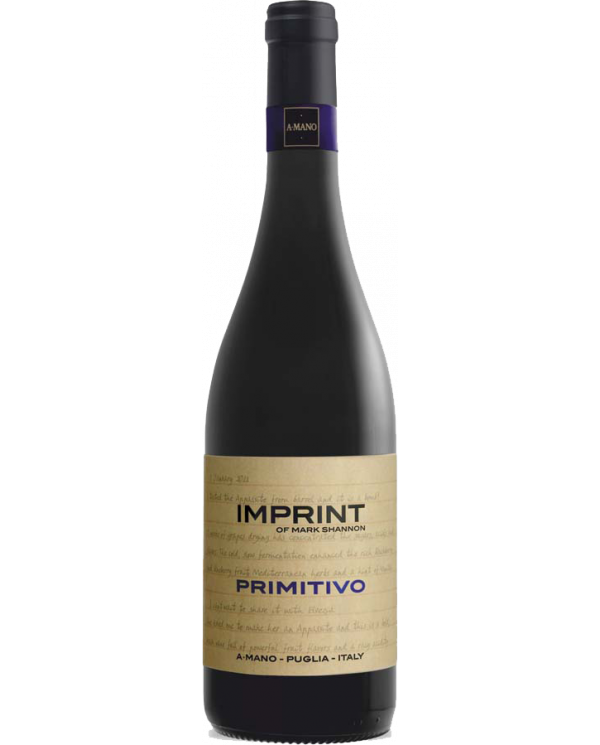
I get up very early and leave in the dark. I'm going to the vineyard. Sometimes I say where, sometimes it remains a secret. The mornings I go to Vigneto Prima Mano I want to be alone. There are sensual moments in life, for me one of these is being in the vineyard by the sea in the first moments of dawn and smelling the sea in the air together with the scent of fruit. Everything is silent. Only the vineyard speaks. He tells me to wait a couple more days. Not more. My wine is made when the vines speak to me and I know how to listen. There are very few wines in the world that are so complex, with this extract yet soft and elegant.
Embracing new winemaking challenges has always been in Mark's DNA. And making wine from Susumaniello grapes in rosé is certainly an intriguing challenge. It will envelop all the senses, from sight to smell, from taste to hearing… (you will hear a playful chirping after the second sip) Have fun.
Susumaniello is an ancient and rare grape of the Salento peninsula. In Salento dialect Susumaniello means "Little Black Donkey". The old farmers say that it derives from the habit of the vineyards to load themselves with grapes, others argue it is due to the stubborn character and the reluctance to be tamed. Finally a grape and a winemaker with the same personality! This is a wine as radiant as its land, a wine that speaks the language of the people here.
Wine produced with Primitivo grapes grown in the province of Taranto. Manual harvest at the right maturation with careful selection of the grapes. Manual sorting of the bunch with selector belt. Fermentation of the must at controlled temperature, traditional maceration for 20-25 days, good use of delestage and pumping over. Carrying out of the malolactic fermentation in barriques at a controlled temperature, with the use of batonnage. 12 months of aging in French oak barriques. 2-3 months of aging in the bottle.
Discover the Secrets of Puglia's Wines: A Definitive Guide
Puglia is a stunningly beautiful Italian region, and its rolling hills dotted with vineyards are a sight to behold. Puglia is also a popular destination for food and wine tourism, thanks to its rich winemaking tradition. If you're interested in discovering the secrets of Puglia's wines, this guide is a great place to start.
The Wine of Puglia
Puglia is a region with a rich history of winemaking, with varietals dating back to the times of Magna Graecia. Puglia's wines are renowned for their complexity, with flavors ranging from fresh and fruity to rich and full-bodied. The region is home to some of Italy's most important grape varieties, including Primitivo, Nero di Troia, Susumaniello, Bombino Nero, and Malvasia Nera.
Primitive
Primitivo is one of Puglia's most popular grape varieties and is known for its rich, complex, and intense flavors. Primitivo wines are generally deep ruby red in color, with aromas of ripe berries, such as currants, blueberries, blackberries, and cherries, along with notes of spice and subtle hints of tobacco. On the palate, Primitivo is generally full-bodied and intense, with good acidity and soft tannins.
Black Trojan Horse
Nero di Troia is a red grape variety native to the region. It has a complex aromatic profile and is considered one of Puglia's finest red wines. Nero di Troia wines tend to have a deep ruby red color, with aromas of ripe fruit, such as cherries and blackberries, along with notes of spice and tobacco. On the palate, they have a good structure, with soft, balanced tannins and a lingering finish.
Susumaniello
Susumaniello is a red grape native to Puglia that has gained popularity in the last decade. Wines produced from this varietal are generally deep ruby red in color, with aromas of ripe fruit, such as cherries, along with notes of spice, tobacco, and wood. On the palate, they have good structure, with soft tannins and a lingering finish.
Black Bombino
Bombino Nero is a red grape variety native to Puglia. Wines produced from this varietal have an intense ruby red color, with aromas of ripe fruit, such as blackberries and cherries, along with notes of spice and tobacco. On the palate, they have a good structure, with soft and balanced tannins and a lingering finish.
Black Malvasia
Malvasia Nera is a red grape native to Puglia, and its production is limited. Wines produced from this grape have an intense ruby red color, with aromas of ripe fruit, such as cherries and blueberries, along with notes of spice and tobacco. On the palate, they have a good structure, with soft and balanced tannins and a lingering finish.
How to taste Puglia wines
To fully appreciate Puglia's wines, it's important to know the correct tasting techniques. Wine tasting begins with evaluating the appearance, observing the wine's color, clarity, and saturation. Once the appearance has been assessed, you can begin evaluating the wine's aroma, observing its intensity and complexity.
Finally, we move on to wine tasting, which begins with savoring the wine in the mouth, noting its structure, acidity, tannins, and body. By tasting the wine, you should be able to identify its complexity and flavors. After tasting, you can evaluate the wine's persistence, noting how long the flavors linger after drinking.
Discover the main Apulian wine denominations: a guide to the flavors of southern Italy.
Puglia, a land of sun, sea, and lush vineyards, offers a variety of high-quality wines thanks to its Mediterranean climate and fertile soil. In this guide, we'll explore the main Apulian wine appellations and discover their unique aromas and flavors.
Primitivo di Manduria DOC: the king of Apulian red wines
Primitivo di Manduria DOC is a full-bodied and intense red wine, produced primarily with Primitivo grapes in the Manduria area, in the province of Taranto. Characterized by flavors of ripe fruit, spice, and chocolate, this wine pairs perfectly with meat dishes and aged cheeses.
Negroamaro del Salento PGI: the soul of Salento in a glass
Negroamaro del Salento PGI is a wine produced from the native Negroamaro grape, grown throughout the Salento area. The red and rosé wines of this denomination feature aromas of red fruits, herbs, and spices, ideal for pairing with fish and vegetable dishes.
Salice Salentino DOC: balance and tradition
Located in the heart of Salento, Salice Salentino DOC produces red wines based on Negroamaro, often paired with other grapes such as Malvasia Nera. The wines of this denomination are distinguished by their good structure, soft tannins, and flavors of red fruit and spices, perfect for pairing with pasta dishes and red meats.
Castel del Monte DOC: a variety of flavors in a unique territory
The Castel del Monte DOC appellation, located in the northern part of Puglia, produces white, red, and rosé wines using grape varieties such as Bombino Bianco, Nero di Troia, and Aleatico. These wines offer a wide range of aromas and flavors, suitable for every occasion and food pairing.
Puglia is a region rich in wine appellations offering a wide range of high-quality wines. Exploring the main Apulian wine appellations is a fascinating journey.