

 Italiano
 Deutsch










There are no more items in your cart
SKU:
20283
Brand:
Mottura
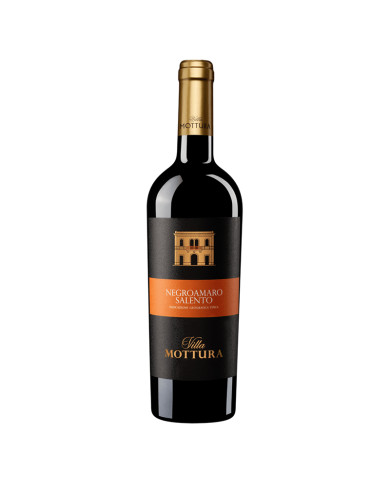
Wine produced from Negroamaro grapes grown in the provinces of Lecce and Brindisi. Manual harvest at the right maturation with careful selection of the grapes. Traditional maceration for 10-12 days and fermentation of the must at a controlled temperature, good use of pumping over and delestage. Six months of aging in French oak barriques. 2-3 months of aging in the bottle.
€9.91
SKU:
20282
Brand:
Mottura
€9.76
€8.78
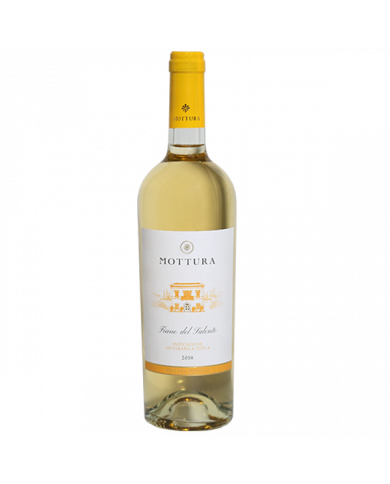
Wine produced from Fiano grapes grown on calcareous and clayey soils, harvested manually at the right ripeness with careful selection of the bunches. Traditional vinification with soft pressing, fermentation at a controlled temperature of 16°C and brief rest on the fine lees.
€9.76
€8.78
€45.37
€28.47
SKU:
20103
Brand:
Apollonio
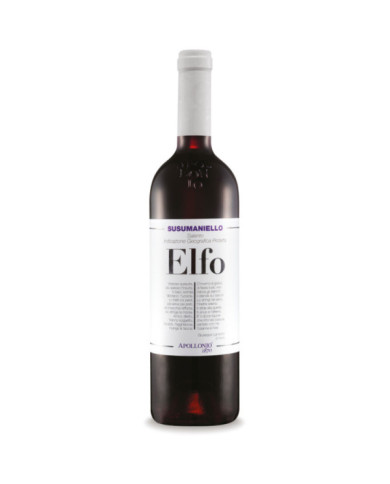
Susumaniello, an autochthonous black grape variety from Puglia, grown in Salento. Its name recalls, in the Apulian dialect, the name of the "somarello" indicating the ancient tradition of raising the productivity of the plant by loading it with bunches "like a donkey". After the first decade of life of the vineyard, the bunch is unloaded of grapes and the production loses in quantity but improves in quality, producing wines of great expression.
€10.31
€9.28
SKU:
20102
Brand:
Apollonio
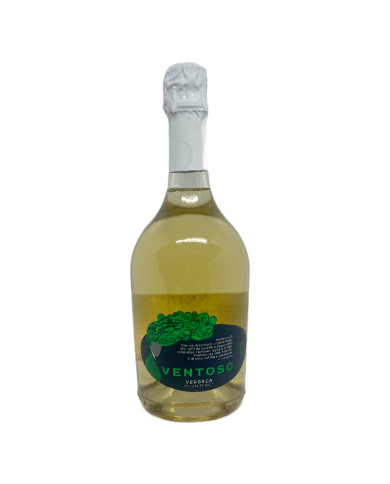
Verdeca is a native white grape variety of Puglia, with greenish hues that suggest its name. Elegant, mineral and very vigorous.
€8.97
SKU:
20090
Brand:
Apollonio
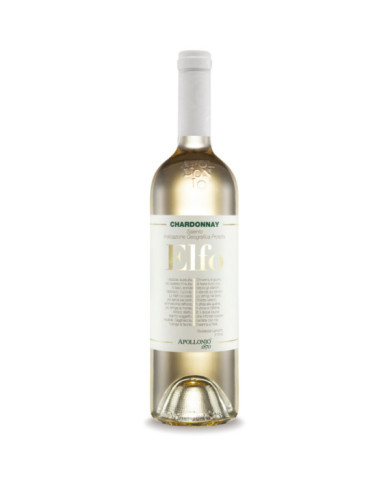
Thanks to its excellent adaptability, Chardonnay is one of the most widespread white grape varieties in the world. Cultivated in all climatic conditions and in all areas, on clayey-calcareous soils and with a temperate, warm and windy climate, it ensures great results.
€9.49
SKU:
20089
Brand:
Apollonio
€9.49
€8.07
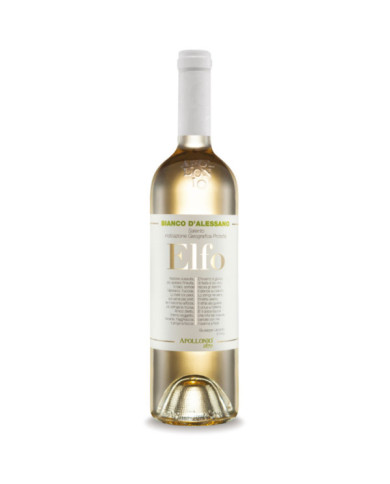
Salento is identified by three climatic elements: the sun, creator of generous sugar levels, the sea, responsible for the minerality of the wines, and the wind which makes this territory naturally free from diseases and particularly suitable for the production of "natural" wines. Characterized by extensive flat areas and modest hills, Salento is geologically made up of a medium-textured limestone structure.
€9.49
€8.07
SKU:
20088
Brand:
Apollonio
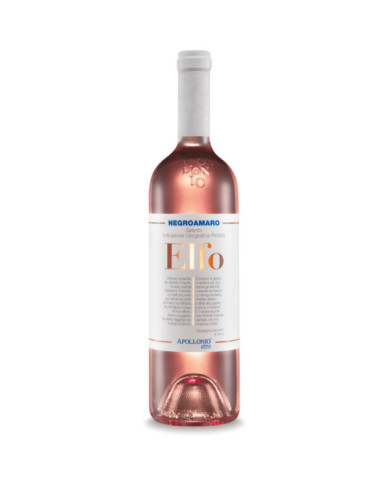
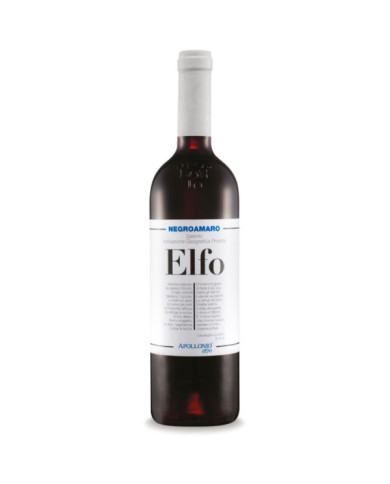
Autochthonous of Puglia, it is the main black grape variety of Salento. Its origins are very ancient (VIII century AC ), it probably owes its name to the terms “niger” (Latin) and “mavros” (Greek) which both mean black. The great versatility makes it suitable for all types of winemaking
€9.49
SKU:
20087
Brand:
Apollonio
Negroamaro, native to Puglia, is the main black grape variety of Salento. Its origins are very ancient (VIII century AC ), it probably owes its name to the terms “niger” (Latin) and “mavros” (Greek) which both mean black. The great versatility makes it suitable for all types of wines.
€8.42
SKU:
20086
Brand:
Apollonio
Susumaniello, an autochthonous black grape variety from Puglia, grown in Salento. Its name recalls, in the Apulian dialect, the name of the "somarello" indicating the high productivity of the plant loaded with bunches "like a donkey". After the first decade of life of the vineyard, the bunch is unloaded of grapes and the production loses in quantity but improves in quality, producing wines of great expression.
€9.49
SKU:
20085
Brand:
Apollonio
Susumaniello, an autochthonous black grape variety from Puglia, grown in Salento. Its name recalls, in the Apulian dialect, the name of the "somarello" indicating the high productivity of the plant loaded with bunches "like a donkey". After the first decade of life of the vineyard, the bunch is unloaded of grapes and the production loses in quantity but improves in quality, producing wines of great expression.
€8.42
SKU:
20083
Brand:
Apollonio
Negroamaro, native to Puglia, is the main black grape variety of Salento. Its origins are very ancient (VIII century AC ), it probably owes its name to the terms “niger” (Latin) and “mavros” (Greek) which both mean black. The great versatility makes it suitable for all types of winemaking.
€11.10
SKU:
20082
Brand:
Apollonio
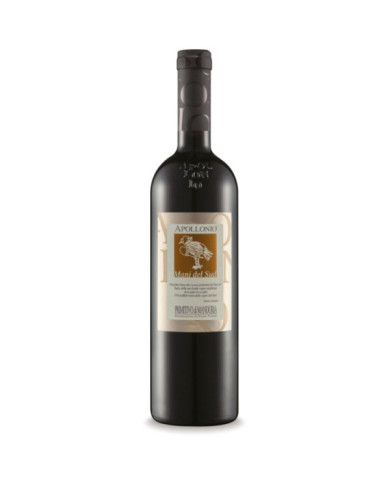
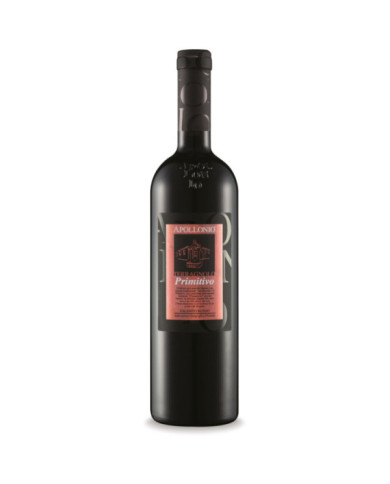
Primitivo, a native black grape variety of Puglia, owes its name to the characteristic vegetative phases of the plant, all early, from ripening to budding, from flowering to veraison, from which the old name of "Primaticcio" derives.
€15.20
SKU:
20081
Brand:
Apollonio
Primitivo, a native black grape variety from Puglia. It owes its name to the characteristic vegetative phases of the plant, all early, from maturation to budding, from flowering to veraison, from which the old name of "Primaticcio" derives.
€20.67
€17.56
€10.00
€8.97
€29.39
€14.96
€9.42
SKU:
18759
Brand:
Cantine Due Palme
much appreciated by young people as it is versatile and easy to drink, thanks above all to the scents of fresh red berry fruit, such as cherries and morello cherries. Brilliant ruby red, the nose is fine and fruity.
€9.76
SKU:
18758
Brand:
Cantine Due Palme
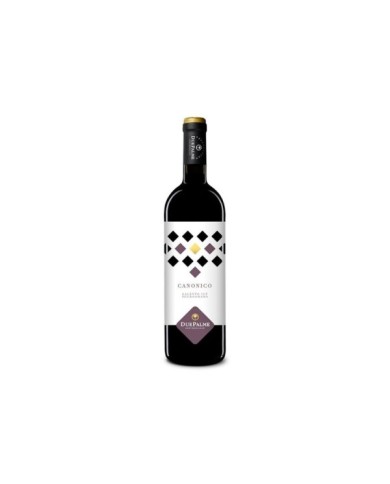
Intense ruby red color with cardinal reflections, the nose is harmonious, with notes of ripe red fruit and slightly spicy. Elegant and velvety flavor, light acidity and very pleasant tannins.
€11.04
SKU:
18756
Brand:
Cantine Due Palme
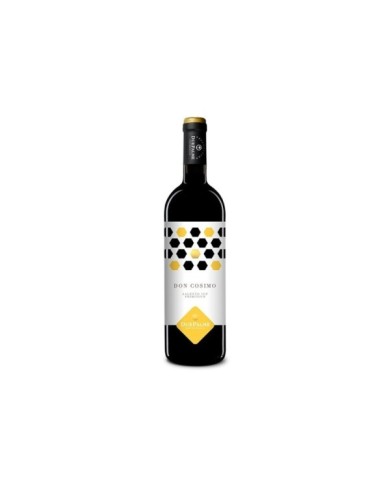
Ruby red color with garnet reflections elegant and rich bouquet, dark fruit, round and harmonious taste, with a balsamic finish.
€12.35
SKU:
18755
Brand:
Cantine Due Palme
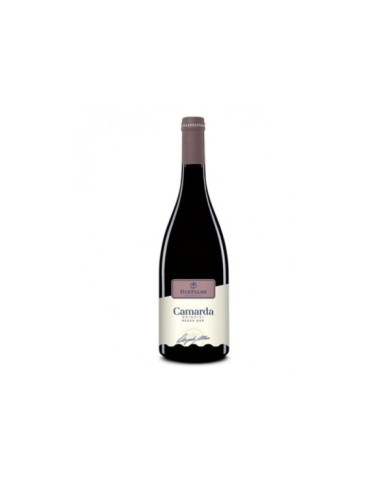
intense ruby red with violet reflections. The nose still highlights the fruity, with notes of ripe cherries and discreet hints of wood. Warm on the palate, soft, pleasantly present the tannins.
€12.35
SKU:
18754
Brand:
Cantine Due Palme
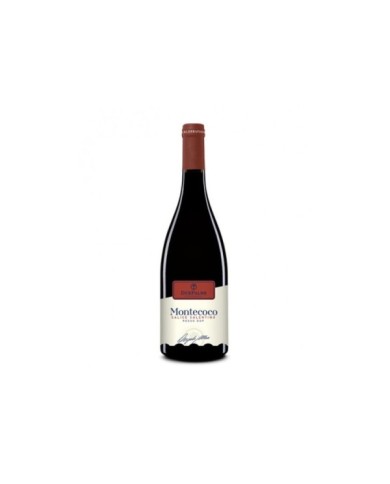
ruby red in color with purple reflections, the nose reveals pleasant aromas of wild plum, blackberries, wild strawberries and toasted notes. Harmonious, elegant and warm palate.
€12.36
€11.12
SKU:
18752
Brand:
Cantine Due Palme
intense ruby red color, the aromas explode in red berried fruits, cherries and morello cherries. In the mouth it has a perfect balance of ripe fruit.
€12.22
SKU:
18750
Brand:
Cantine Due Palme
Intense ruby red wine with cardinal reflections. The nose presents captivating fruits of cherries and figs, and notes of vanilla. The palate is marked by hints of small, juicy and ripe red fruits. Warm and with a good fragrance, with gritty and pleasant tannins.
€13.65
SKU:
18747
Brand:
Cantine Due Palme
Intense ruby red wine with amaranth reflections. The nose presents captivating fruits of cherry jam and dates, notes of vanilla and licorice. The palate is marked by hints of small red fruits, juicy and ripe, and by the sweet nuances of wood. Warm and with a good fragrance, with gritty and pleasant tannins. Perfect as a meditation and… conversation wine!
€24.06
SKU:
18745
Brand:
Cantine Due Palme
Intense red wine with purple reflections. The bouquet immediately appears very complex and of great finesse then explodes into hints of roasted coffee and hints of ripe cherry and plum, combined with the spicy notes of vanilla from the wood. Harmoniously balanced and velvety on the palate, delicately tannic, it is full-bodied and full, with typical characteristics of dried grapes.
€42.25
SKU:
18689
Brand:
Notte Rossa
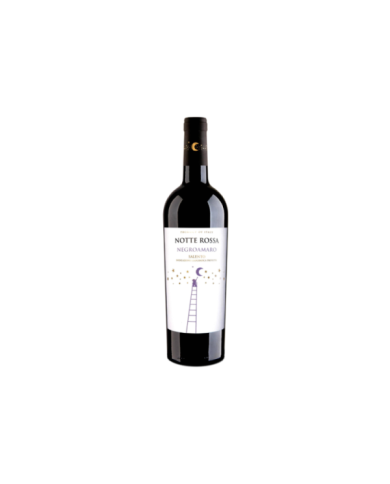
Notte Rossa's Negroamaro is a fresh, fruity and generous red wine from the Salento area, vinified and aged in steel vats. With a velvety, rich and juicy sip, it expresses fragrant aromas of Mediterranean scrub, small dark berry fruits and light marine flavors
€7.66
Discover the Secrets of Puglia's Wines: A Definitive Guide
Puglia is a stunningly beautiful Italian region, and its rolling hills dotted with vineyards are a sight to behold. Puglia is also a popular destination for food and wine tourism, thanks to its rich winemaking tradition. If you're interested in discovering the secrets of Puglia's wines, this guide is a great place to start.
The Wine of Puglia
Puglia is a region with a rich history of winemaking, with varietals dating back to the times of Magna Graecia. Puglia's wines are renowned for their complexity, with flavors ranging from fresh and fruity to rich and full-bodied. The region is home to some of Italy's most important grape varieties, including Primitivo, Nero di Troia, Susumaniello, Bombino Nero, and Malvasia Nera.
Primitive
Primitivo is one of Puglia's most popular grape varieties and is known for its rich, complex, and intense flavors. Primitivo wines are generally deep ruby red in color, with aromas of ripe berries, such as currants, blueberries, blackberries, and cherries, along with notes of spice and subtle hints of tobacco. On the palate, Primitivo is generally full-bodied and intense, with good acidity and soft tannins.
Black Trojan Horse
Nero di Troia is a red grape variety native to the region. It has a complex aromatic profile and is considered one of Puglia's finest red wines. Nero di Troia wines tend to have a deep ruby red color, with aromas of ripe fruit, such as cherries and blackberries, along with notes of spice and tobacco. On the palate, they have a good structure, with soft, balanced tannins and a lingering finish.
Susumaniello
Susumaniello is a red grape native to Puglia that has gained popularity in the last decade. Wines produced from this varietal are generally deep ruby red in color, with aromas of ripe fruit, such as cherries, along with notes of spice, tobacco, and wood. On the palate, they have good structure, with soft tannins and a lingering finish.
Black Bombino
Bombino Nero is a red grape variety native to Puglia. Wines produced from this varietal have an intense ruby red color, with aromas of ripe fruit, such as blackberries and cherries, along with notes of spice and tobacco. On the palate, they have a good structure, with soft and balanced tannins and a lingering finish.
Black Malvasia
Malvasia Nera is a red grape native to Puglia, and its production is limited. Wines produced from this grape have an intense ruby red color, with aromas of ripe fruit, such as cherries and blueberries, along with notes of spice and tobacco. On the palate, they have a good structure, with soft and balanced tannins and a lingering finish.
How to taste Puglia wines
To fully appreciate Puglia's wines, it's important to know the correct tasting techniques. Wine tasting begins with evaluating the appearance, observing the wine's color, clarity, and saturation. Once the appearance has been assessed, you can begin evaluating the wine's aroma, observing its intensity and complexity.
Finally, we move on to wine tasting, which begins with savoring the wine in the mouth, noting its structure, acidity, tannins, and body. By tasting the wine, you should be able to identify its complexity and flavors. After tasting, you can evaluate the wine's persistence, noting how long the flavors linger after drinking.
Discover the main Apulian wine denominations: a guide to the flavors of southern Italy.
Puglia, a land of sun, sea, and lush vineyards, offers a variety of high-quality wines thanks to its Mediterranean climate and fertile soil. In this guide, we'll explore the main Apulian wine appellations and discover their unique aromas and flavors.
Primitivo di Manduria DOC: the king of Apulian red wines
Primitivo di Manduria DOC is a full-bodied and intense red wine, produced primarily with Primitivo grapes in the Manduria area, in the province of Taranto. Characterized by flavors of ripe fruit, spice, and chocolate, this wine pairs perfectly with meat dishes and aged cheeses.
Negroamaro del Salento PGI: the soul of Salento in a glass
Negroamaro del Salento PGI is a wine produced from the native Negroamaro grape, grown throughout the Salento area. The red and rosé wines of this denomination feature aromas of red fruits, herbs, and spices, ideal for pairing with fish and vegetable dishes.
Salice Salentino DOC: balance and tradition
Located in the heart of Salento, Salice Salentino DOC produces red wines based on Negroamaro, often paired with other grapes such as Malvasia Nera. The wines of this denomination are distinguished by their good structure, soft tannins, and flavors of red fruit and spices, perfect for pairing with pasta dishes and red meats.
Castel del Monte DOC: a variety of flavors in a unique territory
The Castel del Monte DOC appellation, located in the northern part of Puglia, produces white, red, and rosé wines using grape varieties such as Bombino Bianco, Nero di Troia, and Aleatico. These wines offer a wide range of aromas and flavors, suitable for every occasion and food pairing.
Puglia is a region rich in wine appellations offering a wide range of high-quality wines. Exploring the main Apulian wine appellations is a fascinating journey.