

 Italiano
 Deutsch













There are no more items in your cart
SKU:
18494
Brand:
Castellare di Castellina
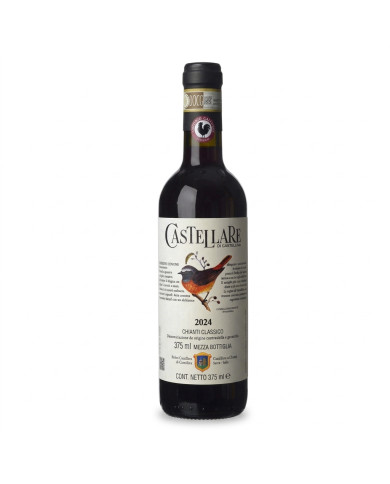
Brilliant ruby red color with violet reflections. Thanks to the harmony of the tannins, combined with the delicate complexity of the aromas and the final note of sweetness, the wine is characterized by an excellent balance in the mouth.
Chianti Classico Castellare di Castellina
€12.20
€247.05
SKU:
1136
Brand:
Castellare di Castellina
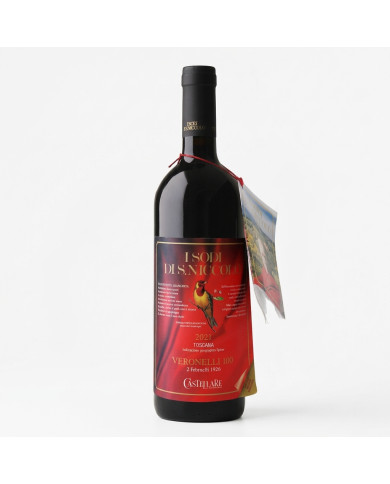
Intense ruby red with garnet reflections. The nose expresses richness and intensity thanks to beautiful fruity and slightly spicy, balsamic and floral notes. On the palate it is centered, juicy, fine and complete. It closes with a vibrant and persistent finish. Throughout the meal, it goes well with salami and meats rich in flavor, tasty and aromatic cheeses.
€98.82
SKU:
23514
Brand:
Montevertine
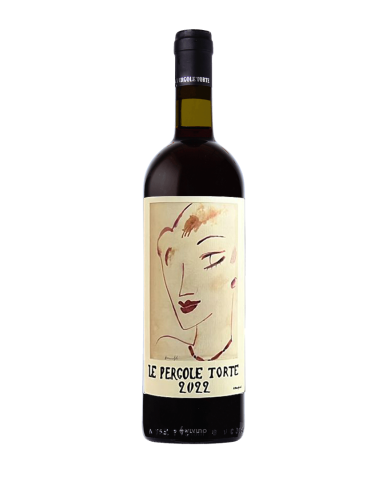
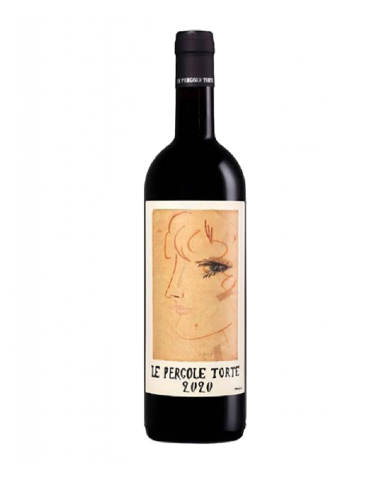
Produced for the first time in the 1977 vintage, it was the first pure Sangiovese vinified in our area of Radda in Chianti. The grapes come from our historic vineyards, planted between 1968 and 1999. It ages for one year in Allier barriques and one year in Slavonian oak barrels.
€299.21
SKU:
23513
Brand:
Montevertine
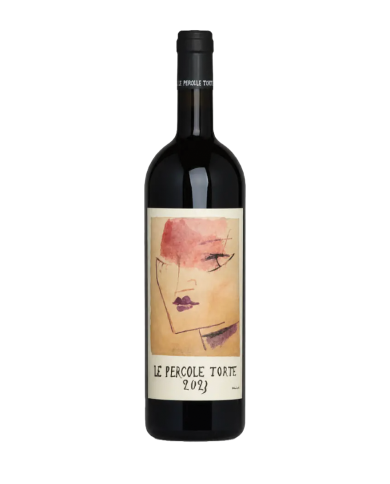
Produced for the first time in the 1977 vintage, it was the first pure Sangiovese vinified in our area of Radda in Chianti. The grapes come from our historic vineyards, planted between 1968 and 1999. It ages for one year in Allier barriques and one year in Slavonian oak barrels.
€321.17
SKU:
23512
Brand:
Montevertine
Produced for the first time in the 1977 vintage, it was the first pure Sangiovese vinified in our area of Radda in Chianti. The grapes come from our historic vineyards, planted between 1968 and 1999. It ages for one year in Allier barriques and one year in Slavonian oak barrels.
€311.41
SKU:
23511
Brand:
Ornellaia
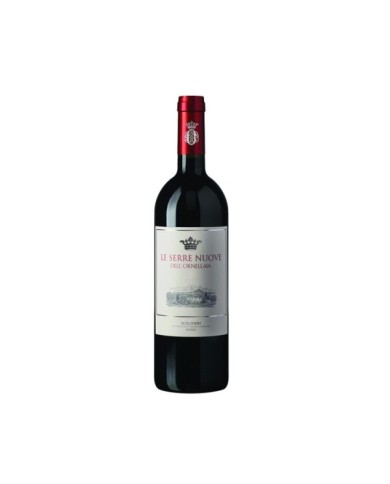
Intense ruby red and noble color. It has elegant fruity scents on the nose, of cherries, black cherries, black currants, blackberries and blueberries, which are enriched with tertiary tones of spices, coffee, licorice and oak. The taste is soft, luxuriant and persistent, expressive in the fruit and silky in the tannins. Long persistence and deep closure. Perfect in combination with the second dishes of the land cuisine, it goes very well with dishes based on noble poultry or feathered game. Try it with the chicken in red wine.
€63.79
SKU:
23510
Brand:
Cantina Marchesi Antinori
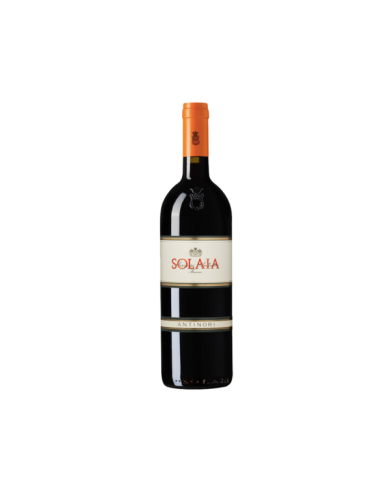
Solaia is a great Supertuscan known all over the world, a high-sounding and prestigious name. It is an intense and elegant wine, born from international vines and Sangiovese, aged in barrique for at least 16 months. Hints of wild berries, flowers and sweet spices make up an aromatic set of great amplitude and intensity
€371.22
SKU:
23509
Brand:
Cantina Marchesi Antinori
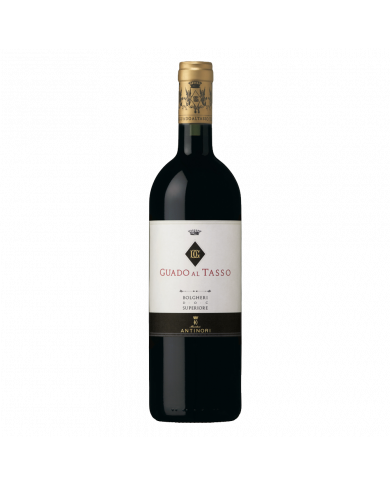
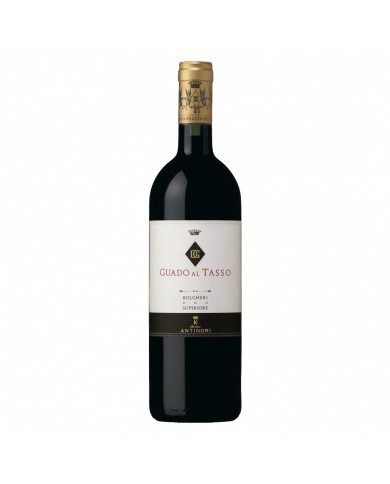
Guado al Tasso Bolgheri Superiore is the symbolic wine of the Estate and one of the best wines produced by Antinori , it is a powerful red wine, extremely elegant and rich in exceptional balsamic notes and ripe fruit. It is composed of 5% Cabernet Franc, 50% Cabernet Sauvignon, 45% Merlot grown in the best vineyards of the estate.
€153.72
SKU:
23508
Brand:
Cantina Marchesi Antinori
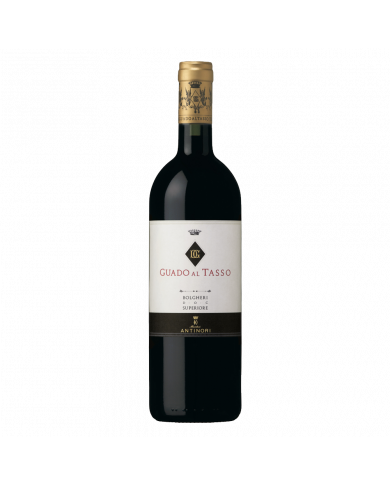
Guado al Tasso Bolgheri Superiore is the symbolic wine of the Estate and one of the best wines produced by Antinori , it is a powerful red wine, extremely elegant and rich in exceptional balsamic notes and ripe fruit. It is composed of 5% Cabernet Franc, 50% Cabernet Sauvignon, 45% Merlot grown in the best vineyards of the estate.
€153.72
SKU:
23507
Brand:
Cantina Marchesi Antinori
Guado al Tasso Bolgheri Superiore is the symbolic wine of the Estate and one of the best wines produced by Antinori , it is a powerful red wine, extremely elegant and rich in exceptional balsamic notes and ripe fruit. It is composed of 5% Cabernet Franc, 50% Cabernet Sauvignon, 45% Merlot grown in the best vineyards of the estate.
€157.14
SKU:
23506
Brand:
Cantina Marchesi Antinori
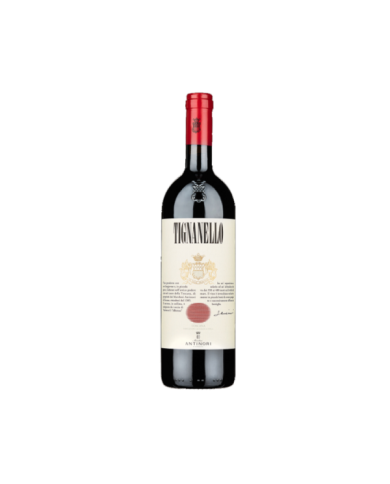
Powerful and very balanced, it presents itself to the eye with a compact ruby color. The nose shows elegant sensations of ripe blackberry, oriental spices, wild flowers, pink pepper, white chocolate, leather and rhubarb. In the mouth it is balanced to the micron, with a powerful caloric note adequately balanced by fresh-savory stitching. The tannins, as expected, are tapered and stretch up to the very long finish dominated by sweet spices. Ideal with important meats such as thrush in truffle sauce or venison with juniper.
€129.81
SKU:
23505
Brand:
Cantina Marchesi Antinori
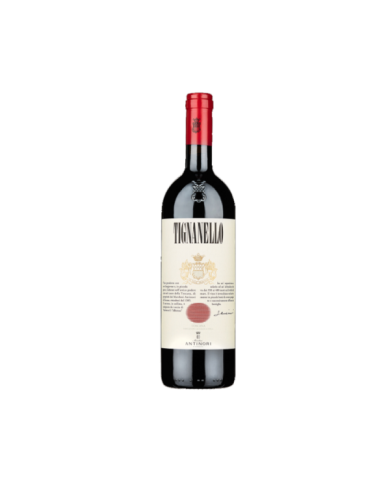
Powerful and very balanced, it presents itself to the eye with a compact ruby color. The nose shows elegant sensations of ripe blackberry, oriental spices, wild flowers, pink pepper, white chocolate, leather and rhubarb. In the mouth it is balanced to the micron, with a powerful caloric note adequately balanced by fresh-savory stitching. The tannins, as expected, are tapered and stretch up to the very long finish dominated by sweet spices. Ideal with important meats such as thrush in truffle sauce or venison with juniper.
€166.00
SKU:
23188
Brand:
Tenuta San Guido
Sassicaia Tenuta San Guido is one of those mythical wines that all fans should drink at least once in their life! Its fame precedes it but with good reason because the most famous Bordeaux blend in Italy, obtained from Cabernet Sauvignon for the greater part and a small percentage of Cabernet Franc , always manages to meet expectations. Daughter of the Marquis Mario Incisa della Rocchetta and the unforgettable Giacomo Tachis , today the bottle with the unmistakable star on the label, represents an icon of Made in Italy that, year after year, adds value to its fame.
€326.76
SKU:
23187
Brand:
Tenuta San Guido
Guidalberto is an elegant and intense red wine, born from the desire to produce a younger wine than Sassicaia, also using Merlot grapes. After 15 months of aging in barrique it is expressed in a bouquet of berries, coffee, spices and Mediterranean scrub. On the palate it is fruity, full, solid and persistent.
€68.52
SKU:
23179
Brand:
Castello di Volpaia
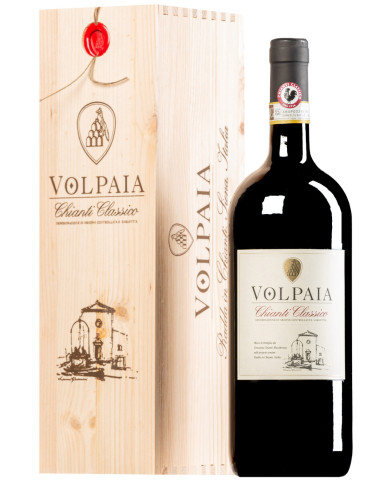
Il nostro Chianti Classico è caratterizzato da eleganza e finezza con un ricco bouquet di frutti rossi e spezie.
€62.62
SKU:
23164
Brand:
Tenuta La Chiusa
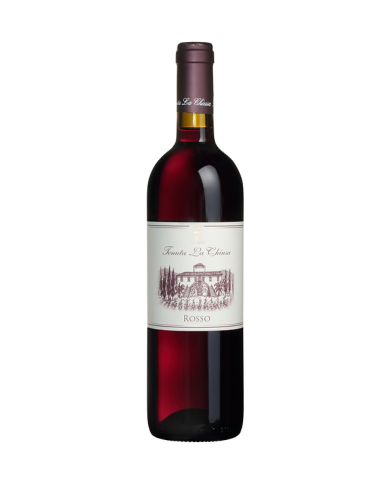
Elba Rosso is a red wine produced in Portoferraio on the Island of Elba, with 70% Sangiovese and 30% Merlot grapes, the vines are grown on flat, clayey and iron-rich soil. The Merlot is harvested early, otherwise the Sangiovese is done in mid-September; the vinification takes place in stainless steel tanks at a controlled temperature with maceration for 7 days and the passage in oak barriques for a short period. A wine with an intense ruby red color with garnet reflections. The first hints that stand out on the nose are those typical of spices and leather of Sangiovese, the secondary notes are of ripe red fruit, violet and aromatic herbs. In the mouth the taste is full and enveloping, with balanced tannins and freshness, characteristics of a young wine with the right savory note, typical of the island's wines. It goes perfectly with soups, roasted or grilled meats, chicken cacciatore and medium-aged cheeses.
€18.19
€55.00
€41.59
SKU:
23130
Brand:
Fattoria le Pupille
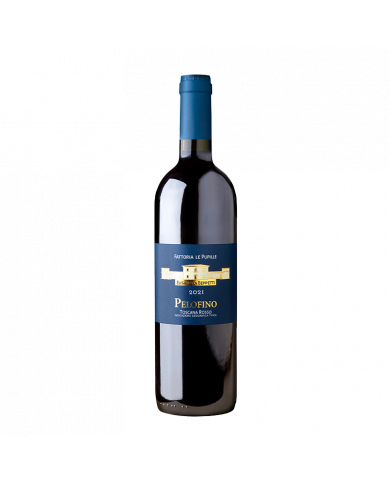
Transparent ruby with violet reflections. Olfactory framework modulated on cherry, blueberry, peony flowers and a sprinkling of white pepper. The sip is warm and juicy, with a youthful lightness and great balance. Long in the memories of fresh and crunchy red fruit.
€9.06
SKU:
23129
Brand:
Fattoria le Pupille
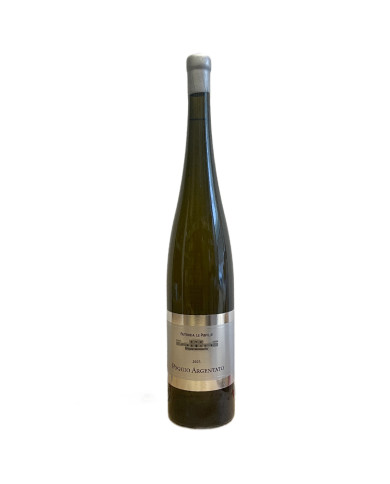
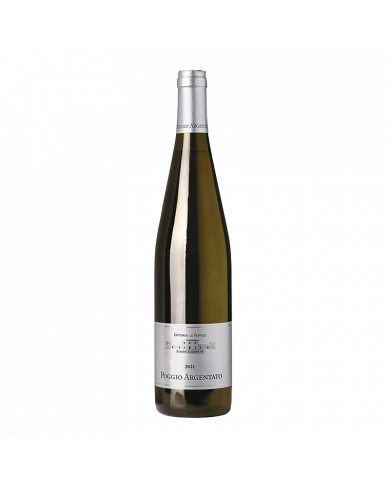
Poggio Argentato embodies the essence of Maremma: its land, its unique light, the breeze from the nearby sea, all narrated by a fragrant and fresh white wine, through the language of Northern vines. The singular blend of Sauvignon Blanc, Petit Manseng, Semillon and Traminer make Poggio Argentato a refined, elegant and versatile wine, perfect for the summer but also throughout the year.
€32.94
€29.24
SKU:
22392
Brand:
Stefano Amerighi
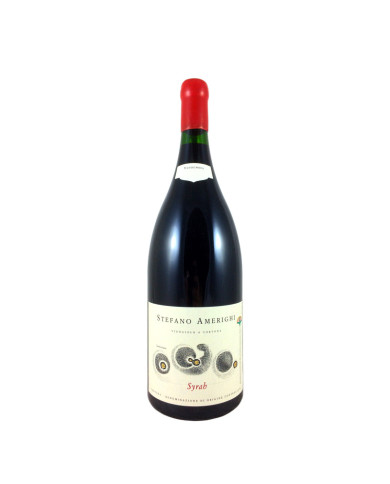
This Syrah is Stefano Amerighi 's representative wine, the result of his work and his idea. A broad idea that goes from the soil to the plant to the balance of nature.
€56.63
€90.28
€19.98
SKU:
21903
Brand:
Palagetto
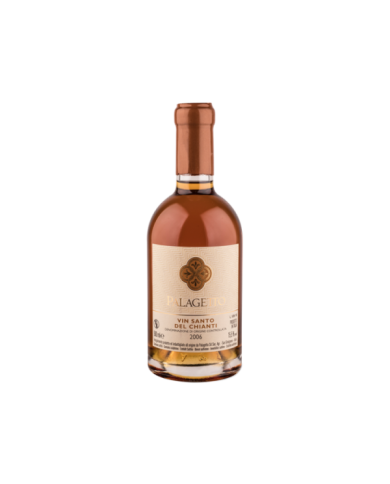
Abbinamenti: è perfetto come aperitivo ma si accompagna anche ad antipasti, primi dal condimento leggero e piatti di mare.
€8.88
SKU:
21901
Brand:
Palagetto
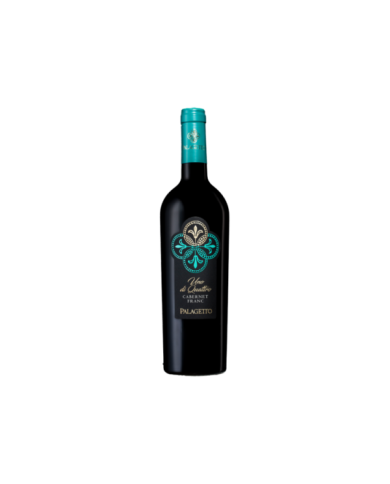
Abbinamenti: Si abbina a carni rosse, arrosto o alla griglia, brasati o stufati, selvaggina e formaggi stagionati
€4.76
SKU:
21900
Brand:
Palagetto
è perfetto come aperitivo ma si accompagna anche ad antipasti, primi piatti dal condimento leggero, con minestre, risotti, con pesce e formaggio di media stagionatura
€7.93
SKU:
21898
Brand:
Palagetto
Abbinamenti: carne alla griglia, pappardelle al cinghiale, funghi, formaggi di media/alta stagionatura, frutta secca.
€16.34
SKU:
21894
Brand:
Palagetto
classico abbinamento quello con gli insaccati toscani, ma si sposa perfettamente con tutti i piatti della cucina toscana, arrosti, carni alla brace, formaggi
€12.53
SKU:
21892
Brand:
Palagetto
classico abbinamento quello con gli insaccati toscani, ma si sposa perfettamente con tutti i piatti della cucina toscana, arrosti, carni alla brace, formaggi
€6.34
SKU:
21891
Brand:
Palagetto
è il perfetto accompagnamento per antipasti, primi piatti dal condimento delicato, carni bianche, pesce, formaggi di media stagionatura
€7.45
SKU:
21890
Brand:
Palagetto
è perfetto come aperitivo ma si accompagna anche ad antipasti, primi piatti dal condimento leggero, con minestre, risotti, con pesce e formaggio di media stagionatura
€6.34
€10.31
SKU:
21727
Brand:
Maculan
Ottenuto da uva Vespaiola passita e botritizzata, il vino ha un colore oro antico lucido e brillante, un naso molto intenso e speziato, con sentori di miele, frutta secca, uva passa e zafferano. Dolce-non-dolce, è pieno, elegante e sontuoso. La persistenza è lunghissima: un’esperienza emozionante!
€58.00
SKU:
21726
Brand:
Fattoria Petrolo
Le migliori uve provenienti dai migliori vigneti vengono utilizzate per produrre il Vin Santo. La raccolta avviene a fine ottobre, quando i grappoli vengono riposti in piccole cassette e riposti in un luogo asciutto e ben ventilato fino a febbraio-marzo successivi.
€84.00
Discover the best wines of Tuscany: an unforgettable experience!
Tuscany is one of Italy's most renowned wine regions, and for decades its excellent wines have been appreciated worldwide. Tuscan wines offer a range of flavors, from sweet and fruity to robust and intense. Furthermore, this region also boasts a rich traditional culture and a long history of winemaking, making it an ideal destination for tourists seeking an unforgettable food and wine experience.
Why is Tuscany famous for its wine?
Tuscany has a mild climate and rich, fertile soil, making it one of Italy's most suitable regions for wine production. The region is particularly known for its red wines, such as Chianti, Brunello di Montalcino, and Vino Nobile di Montepulciano. These wines are made from Sangiovese grapes, the most widely grown grape in Tuscany. The region also has a rich tradition of white wines, such as Vernaccia di San Gimignano, Vermentino, and Trebbiano.
How to choose the right Tuscan wine?
When choosing a Tuscan wine, the first thing to consider is your personal taste. If you prefer sweet, fruity wines, a white wine like Vernaccia di San Gimignano or Vermentino is the right choice. If you prefer more robust, structured wines, then a red wine like Chianti or Vino Nobile di Montepulciano is better.
Furthermore, it's also important to consider the vintage of the wine you're purchasing. Wine quality depends on the climatic conditions during the period in which the grapes were grown, so before purchasing a bottle, it's a good idea to ask the producer about the vintage.
Where to find Tuscan wines?
Tuscan wines are readily available in supermarkets and specialty shops, but to savor the finest, highest-quality wines, you can also visit a winery. Tuscany boasts numerous wineries that organize guided tours and tastings to showcase their wines. Visiting one is a truly unique experience, as you have the opportunity to learn firsthand how wine is made and taste the different varietals.
What are the most famous wines of Tuscany?
Tuscany's most famous wines are Chianti, Brunello di Montalcino, Vino Nobile di Montepulciano, and Vernaccia di San Gimignano. Chianti is a light and fruity red wine, while Brunello di Montalcino is a red wine with great intensity and structure. Vino Nobile di Montepulciano is a full-bodied and complex red wine, while Vernaccia di San Gimignano is a dry white wine with fruity and floral notes.
How to pair Tuscan wines?
Tuscan wines are ideal paired with meat, fish, vegetable, or cheese dishes. For example, Chianti pairs excellently with meat dishes such as roasts or braised meats, while Vino Nobile di Montepulciano is perfect with fish dishes such as cod or salmon. Brunello di Montalcino pairs well with vegetable dishes such as soups and broths, while Vernaccia di San Gimignano is ideal with aged cheeses.
How to store Tuscan wines?
Tuscan wines should be stored in a cool, dry place, away from heat and direct light. The ideal storage temperature is between 10 and 14°C. Red wines can be stored for up to 5 years, while white wines should not be stored for more than 2 years. Furthermore, it's important to remember that wines should be stored horizontally, so that the cork is always in contact with the wine.
Tuscan Wine Denomination
Tuscany is one of the most important wine regions in Italy and the world. The region is famous for its fine wines such as Chianti , Brunello di Montalcino , and Vino Nobile di Montepulciano. These wines have either a controlled designation of origin (DOC) or a controlled and guaranteed designation of origin (DOCG). In this article, we'll explore the appellations of Tuscan wines and how they're produced.
Introduction to the Wine Denominations of Tuscany
Wine appellations are a classification system that guarantees the quality and geographical origin of Italian wines. There are three levels of appellation: Vino da Tavola, DOC, and DOCG. Table wines have no geographical or grape variety restrictions, while DOC and DOCG wines are produced in specific geographical areas and with specific grapes.
DOC wines of Tuscany
Tuscan DOC (Denominazione di Origine Controllata) wines are produced in specific areas of the region and are made with specific grapes. These wines have strict production requirements, such as grape yield, alcohol content, and minimum aging time.
Chianti DOCG
Chianti is one of the best-known and most popular Italian wines, produced primarily in the Chianti region, between the cities of Florence, Siena, and Arezzo. The wine is made primarily from Sangiovese grapes and may also contain other red grapes such as Canaiolo, Colorino, and Merlot. Chianti DOCG is a dry red wine that can be classified by its aging period: Chianti, Chianti Riserva, and Chianti Classico .
Brunello di Montalcino DOCG
Brunello di Montalcino is a DOCG wine produced in the Montalcino area, in the province of Siena. It is made with Sangiovese grapes, known locally as Brunello. The wine is aged for at least five years and must be produced exclusively with grapes from the Montalcino area.
Vino Nobile di Montepulciano DOCG
Vino Nobile di Montepulciano is a DOCG wine produced in the Montepulciano area, in the province of Siena. It is made primarily from Sangiovese grapes and must be aged for at least two years. The name "Nobile" derives from this wine's reputation during the Renaissance.
IGT wines from Tuscany
IGT (Indicazione Geografica Tipica) is an Italian wine designation that indicates a broader geographical area than DOC and DOCG wines. These wines can be made with grape varieties other than those specified by the DOC and DOCG designations.
Super Tuscan
Super Tuscans are IGT wines produced in Tuscany that do not comply with the DOC and DOCG designations. These wines are often made with international grapes such as Cabernet Sauvignon, Merlot, and Syrah, and are aged in French oak barrels. Super Tuscans are generally full-bodied and intense red wines, with a high concentration of fruit.
Tuscany is a world-renowned wine region, and its controlled and guaranteed designations of origin guarantee the quality of its wines. Tuscan DOC and DOCG wines are produced in specific geographical areas and with specific grapes, while Tuscan IGT wines have fewer restrictions in terms of geographical area and grape variety. Each appellation has its own unique characteristics and offers a different tasting experience. Regardless of which wine you choose, Tuscan wines are definitely a winning choice.
Frequently Asked Questions
What are the main Tuscan wine denominations?
The main Tuscan wine denominations are Chianti DOCG, Brunello di Montalcino DOCG, Vino Nobile di Montepulciano DOCG and IGT.
What do DOC and DOCG mean?
DOC stands for Controlled Designation of Origin, while DOCG stands for Controlled and Guaranteed Designation of Origin. These designations guarantee the quality and geographical origin of Italian wines.
What are the production requirements for DOC and DOCG wines from Tuscany?
Tuscan DOC and DOCG wines have strict production requirements, such as grape yield, alcoholic strength, and minimum aging time.
What are Super Tuscans?
Super Tuscans are IGT wines produced in Tuscany that do not comply with the DOC and DOCG designations. These wines are often made with international grapes such as Cabernet Sauvignon, Merlot, and Syrah.
What are the most famous DOCG wines from Tuscany?
The most famous DOCG wines of Tuscany are Chianti DOCG, Brunello di Montalcino DOCG and Vino Nobile di Montepulciano DOCG .