

 Italiano
 Deutsch



























There are no more items in your cart
SKU:
21377
Brand:
San Giusto a Rentennano
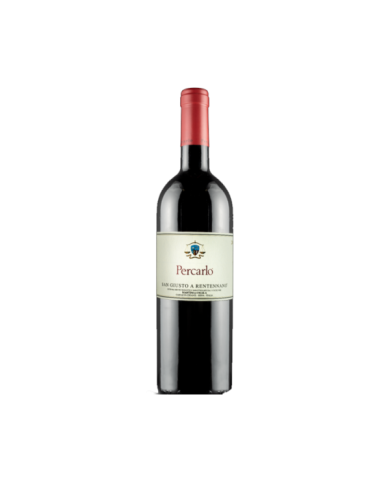
Percarlo is a robust and structured Tuscan red wine made from Sangiovese grapes, aged in barrique for 22 months. It has a broad and very intense aromatic profile, with notes of very ripe red fruit, spices and Mediterranean scrub in evidence. The sip is powerful, elegant and deep, with a very long persistence
€116.90
SKU:
21376
Brand:
San Giusto a Rentennano
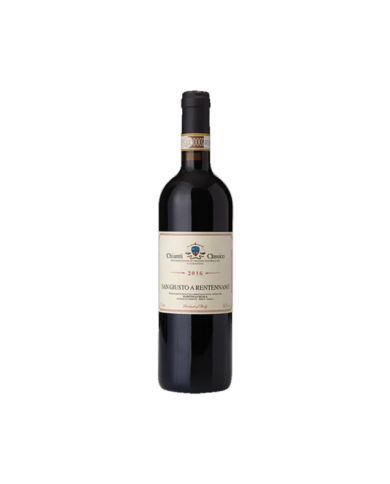
The Chianti Classico of San Giusto a Rentennano is a wine with an energetic and traditional style. The olfactory spectrum ranges from ripe red fruit to spicy spices. The sip is agile, dynamic and elegant. It is aged for at least 10 months in oak barrels
€19.83
€10.26
€16.76
SKU:
21337
Brand:
Ferrari
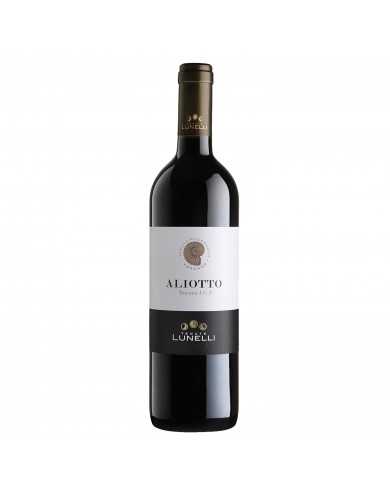
The Toscana Rosso Aliotto of Tenute Lunelli was born in vineyards located in the Podernovo estate, in the municipality of Terricciola, in the extraordinary terroir of the Pisan hills.
€11.31
€1,878.80
SKU:
21251
Brand:
Montevertine
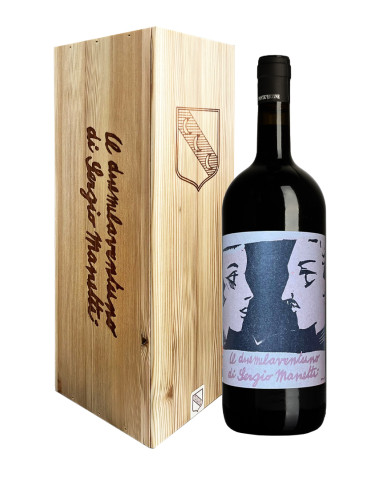
Produced for the first time in the 1977 vintage, it was the first pure Sangiovese vinified in our area of Radda in Chianti. The grapes come from our historic vineyards, planted between 1968 and 1999. It ages for one year in Allier barriques and one year in Slavonian oak barrels.
€858.00
SKU:
21250
Brand:
Montevertine
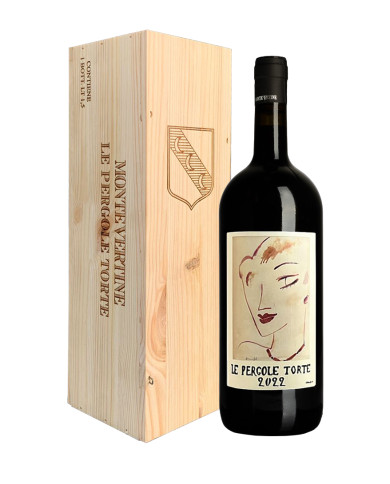
Produced for the first time in the 1977 vintage, it was the first pure Sangiovese vinified in our area of Radda in Chianti. The grapes come from our historic vineyards, planted between 1968 and 1999. It ages for one year in Allier barriques and one year in Slavonian oak barrels.
€858.00
SKU:
21247
Brand:
Montevertine
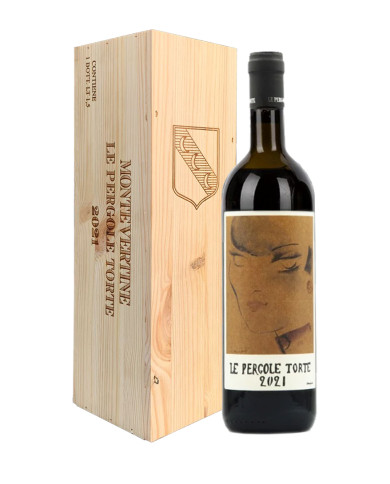
Produced for the first time in the 1977 vintage, it was the first pure Sangiovese vinified in our area of Radda in Chianti. The grapes come from our historic vineyards, planted between 1968 and 1999. It ages for one year in Allier barriques and one year in Slavonian oak barrels.
€858.00
SKU:
21219
Brand:
Carpineto
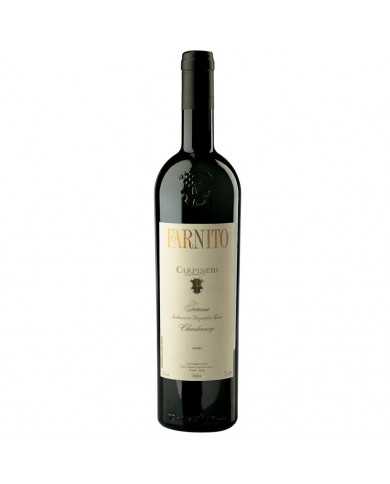
Obtained from Chardonnay wines, chosen from the production of different vintages, the oldest of which were kept in fine oak barrels. This singular sparkling wine is produced in very limited quantities, being the result of a long selection.
€27.78
€18.84
€39.04
SKU:
21135
Brand:
Tenuta La Chiusa
The Aleatico Passito dell'Elba docg 2021 is a natural passito obtained from the aromatic Aleatico vine, native to the island of Elba. After the harvest which generally takes place during the first half of September, the grapes are dried on special racks in the open air for a period of about 10-15 days. Vinified in steel containers at a controlled temperature. Maceration on the skins for about 7 days.
€36.42
SKU:
21134
Brand:
Tenuta La Chiusa
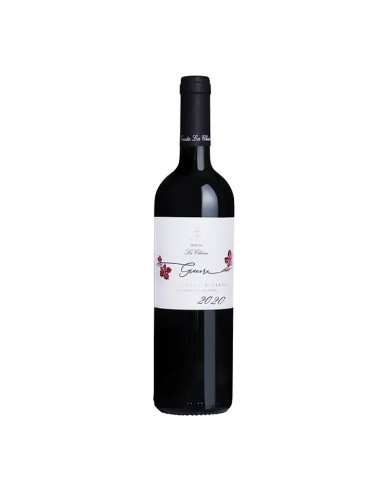
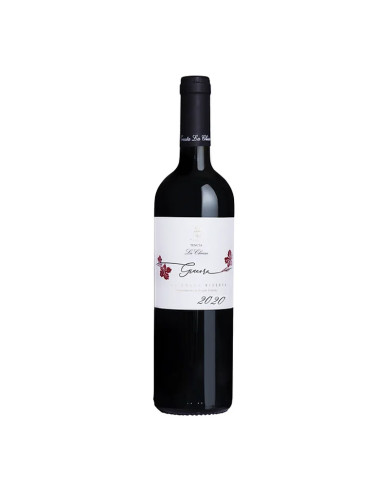
Ginevra Elba Rosso Doc 2018 is obtained from Sangiovese (60%) and Merlot (40%) grapes born on clayey-ferrous soils on a flat position. The harvest is early for the Merlot while it generally takes place around mid-September for the Sangiovese. Vinified in steel, with maceration for about 7 days; aged in French oak barriques for 12 months and refined in the bottle for another 12 months.
€32.50
€8.45
€32.82
€50.43
€20.62
€25.22
SKU:
21088
Brand:
Cantina Marchesi Antinori
Powerful and very balanced, it presents itself to the eye with a compact ruby color. The nose shows elegant sensations of ripe blackberry, oriental spices, wild flowers, pink pepper, white chocolate, leather and rhubarb. In the mouth it is balanced to the micron, with a powerful caloric note adequately balanced by fresh-savory stitching. The tannins, as expected, are tapered and stretch up to the very long finish dominated by sweet spices. Ideal with important meats such as thrush in truffle sauce or venison with juniper.
€199.90
€49.17
SKU:
21074
Brand:
San Felice
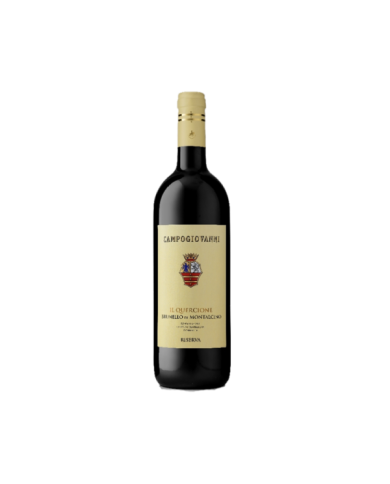
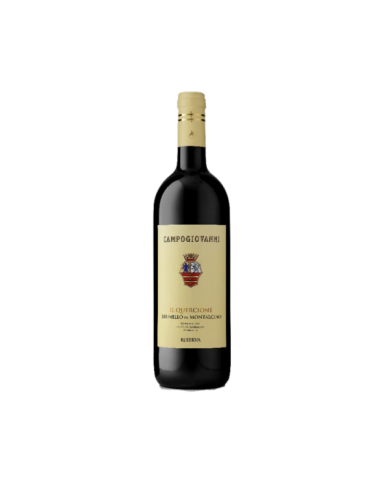
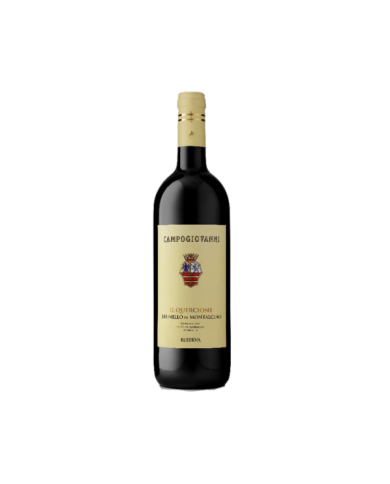
Produced exclusively in exceptional vintages, this Riserva represents for San Felice the maximum expression of the 'terroir' of Campogiovanni. Coming from the careful selection of Sangiovese grosso from the 'Il Quercione' vineyard of about 2.5 hectares, it is a wine that combines rigor, concentration, elegance as well as an extraordinary capacity for aging. Refine for 24 months in 500-liter French oak barrels. (tonneaux) and 36 months in the bottle.
€198.25
SKU:
21073
Brand:
San Felice
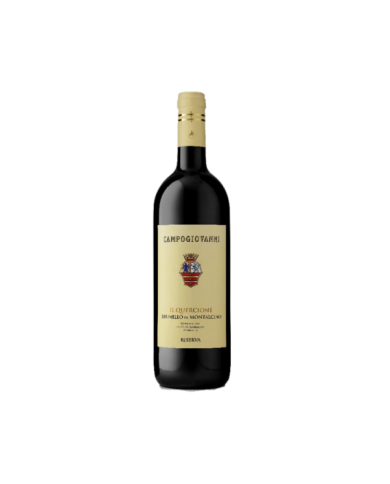
Produced exclusively in exceptional vintages, this Riserva represents for San Felice the maximum expression of the 'terroir' of Campogiovanni. Coming from the careful selection of Sangiovese grosso from the 'Il Quercione' vineyard of about 2.5 hectares, it is a wine that combines rigor, concentration, elegance as well as an extraordinary capacity for aging. Refine for 24 months in 500-liter French oak barrels. (tonneaux) and 36 months in the bottle.
€205.88
SKU:
21072
Brand:
San Felice
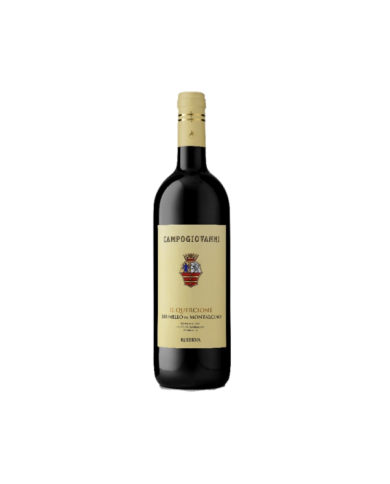
Produced exclusively in exceptional vintages, this Riserva represents for San Felice the maximum expression of the 'terroir' of Campogiovanni. Coming from the careful selection of Sangiovese grosso from the 'Il Quercione' vineyard of about 2.5 hectares, it is a wine that combines rigor, concentration, elegance as well as an extraordinary capacity for aging. Refine for 24 months in 500-liter French oak barrels. (tonneaux) and 36 months in the bottle.
€187.88
SKU:
21071
Brand:
San Felice
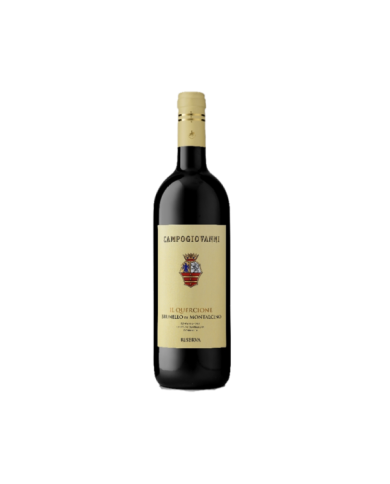
Produced exclusively in exceptional vintages, this Riserva represents for San Felice the maximum expression of the 'terroir' of Campogiovanni. Coming from the careful selection of Sangiovese grosso from the 'Il Quercione' vineyard of about 2.5 hectares, it is a wine that combines rigor, concentration, elegance as well as an extraordinary capacity for aging. Refine for 24 months in 500-liter French oak barrels. (tonneaux) and 36 months in the bottle.
€158.60
SKU:
21070
Brand:
San Felice
Produced exclusively in exceptional vintages, this Riserva represents for San Felice the maximum expression of the 'terroir' of Campogiovanni. Coming from the careful selection of Sangiovese grosso from the 'Il Quercione' vineyard of about 2.5 hectares, it is a wine that combines rigor, concentration, elegance as well as an extraordinary capacity for aging. Refine for 24 months in 500-liter French oak barrels. (tonneaux) and 36 months in the bottle.
€179.34
SKU:
21069
Brand:
San Felice
Produced exclusively in exceptional vintages, this Riserva represents for San Felice the maximum expression of the 'terroir' of Campogiovanni. Coming from the careful selection of Sangiovese grosso from the 'Il Quercione' vineyard of about 2.5 hectares, it is a wine that combines rigor, concentration, elegance as well as an extraordinary capacity for aging. Refine for 24 months in 500-liter French oak barrels. (tonneaux) and 36 months in the bottle.
€153.72
SKU:
21067
Brand:
San Felice
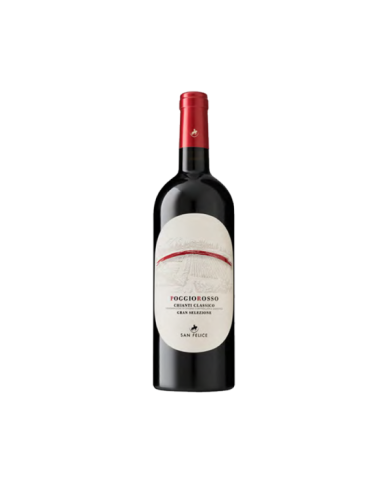
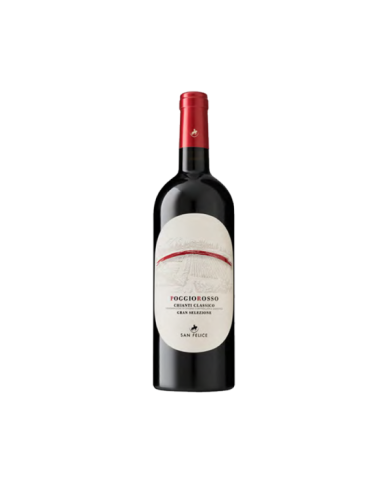
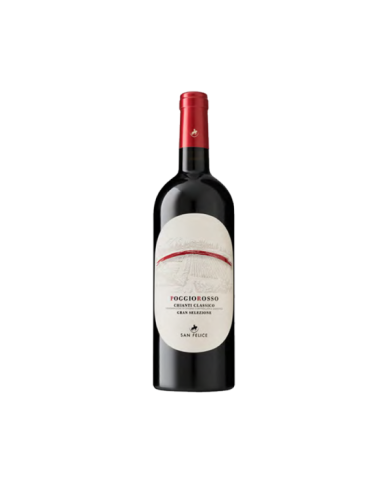
Already towards the end of the 70s, in the locality of Poggio Rosso, some selected clones of Sangiovese were planted several times. Poggio Rosso is the result of a careful selection of this grape from some plots of the vineyard of the same name and today represents the excellence of the San Felice terroir. Wine of great concentration and elegance, produced in limited quantities and, especially in the best vintages, it ages for about 20 months in 500-liter tonneaux and another 12 months in the bottle.
€82.47
SKU:
21066
Brand:
San Felice
Already towards the end of the 70s, in the locality of Poggio Rosso, some selected clones of Sangiovese were planted several times. Poggio Rosso is the result of a careful selection of this grape from some plots of the vineyard of the same name and today represents the excellence of the San Felice terroir. Wine of great concentration and elegance, produced in limited quantities and, especially in the best vintages, it ages for about 20 months in 500-liter tonneaux and another 12 months in the bottle.
€69.78
SKU:
21065
Brand:
San Felice
Already towards the end of the 70s, in the locality of Poggio Rosso, some selected clones of Sangiovese were planted several times. Poggio Rosso is the result of a careful selection of this grape from some plots of the vineyard of the same name and today represents the excellence of the San Felice terroir. Wine of great concentration and elegance, produced in limited quantities and, especially in the best vintages, it ages for about 20 months in 500-liter tonneaux and another 12 months in the bottle.
€50.75
SKU:
21064
Brand:
San Felice
Tradition and Future The first Supertuscan in Chianti Classico since 1968. It has an important history and today it stands out in the wine market of this category for a reason: it combines the tradition of international vines such as Cabernet and Merlot with the inclusion of a native variety, il Pugnitello, which is unique to San Felice .
€46.79
SKU:
21060
Brand:
San Felice
La Vigna Del Lago It can happen to come across unexpected places, the Vigna del Lago, as in this 100% Chardonnay, unexpected white single-vineyard and newcomer in the San Felice house of particular aromatic freshness and flavor, carefully selected grapes and soil with unique characteristics, on which traces of the ancient Etruscan presence remain.
€25.62
SKU:
21057
Brand:
Cantina Marchesi Antinori
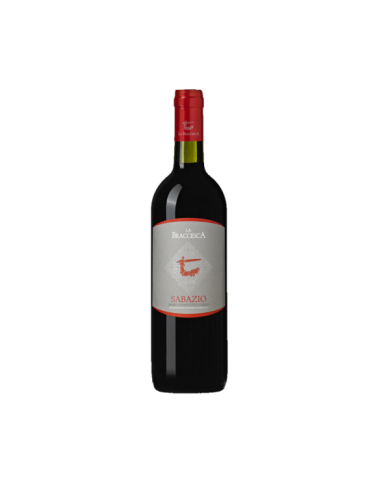
Sabazio is characterized by a ruby red color with brilliant reflections. The nose opens with a delicate floral bouquet, enriched by pleasant fruity scents. On the palate it is fresh, pleasantly persistent and with a balanced acidity.
€9.99
€9.80
€27.76
SKU:
21005
Brand:
Carpineto
Tuscan Vinsanto… a wine whose origins are lost in the mists of time. Vinsanto in Tuscany is such an important wine full of meaning that it was difficult to buy, it was an ambition to make it at home with your own hands; in every family there was a person in charge of this art, usually the father or grandfather. The hypothesized origins of this exquisite drink, as well as those of its singular name are different and are lost in the mists of time. A Sienese legend says that in the 14th century a friar distributed a wine that healed the sick, hence the belief that it was a miraculous wine, "Santo". However, it cannot be excluded that the name "holy" derives from the use that has always been made of it during Mass.
€44.35
SKU:
21004
Brand:
Carpineto
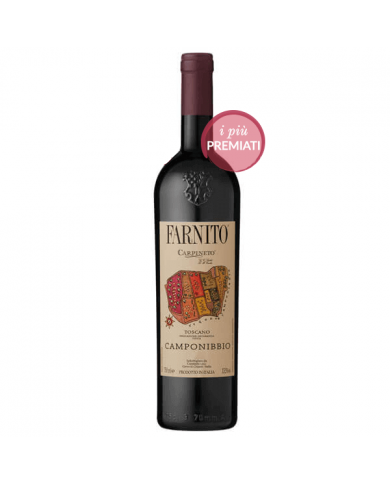
Camponibbio is a large vineyard located at high density located in the southern part of our company of Chianciano in the province of Siena. It is divided into nine plots in which different vines are grown in different clones. Each harvest, the grapes of the varieties that have responded best to the seasonal trend are chosen. The blend essentially, made up of Sangiovese, Cabernet Sauvignon and Merlot, varies year by year, in percentages and varieties.
€37.97
SKU:
21001
Brand:
Carpineto
Produced with grapes from vineyards of the companies of Gaville (Florence) and Chianciano/Montepulciano (Siena), the latter planted at high density and considered by us to be particularly happy and suitable for producing great wines.
€56.62
SKU:
21000
Brand:
Carpineto
€12.97
€11.02
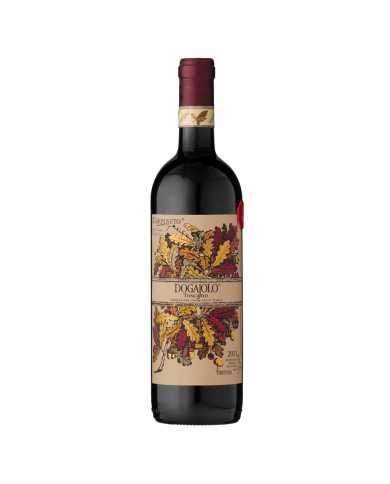
Produced from grapes from our vineyards on our Chianciano/Montepulciano estate at an altitude of 300 meters above sea level.
€12.97
€11.02
SKU:
20992
Brand:
Carpineto
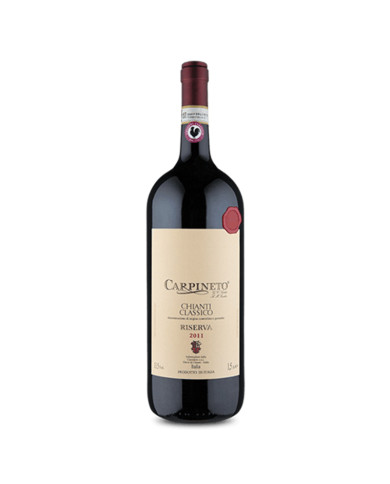
Chianti Classico Riserva is produced exclusively in the oldest wine-growing area of Tuscany, in a landscape of breathtaking beauty.
€99.92
SKU:
20990
Brand:
Carpineto
€8.82
€7.50
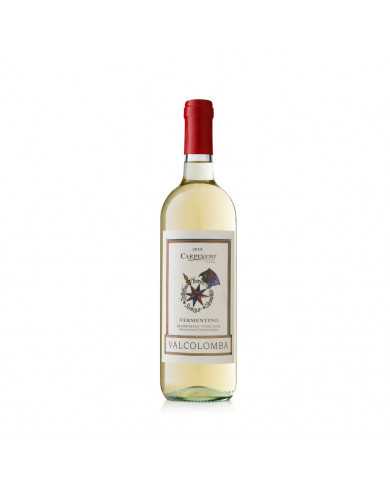
"Mediterranean", this is the character of Vermentino produced in Maremma. The terroir strongly defines its organoleptic profile, merging all its aspects with the features of this wonderful land.
€8.82
€7.50
SKU:
20989
Brand:
Carpineto
This is certainly one of the most innovative wines produced to date. It contains all those characteristics that are most appreciated in wine: the fruity and fragrant aromas, the lively and deep colours, the strength of youth, the maturity of the wood, the softness of elegance.
€10.37
SKU:
20988
Brand:
Frescobaldi
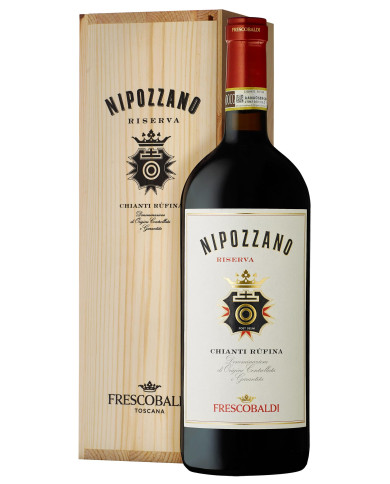
The Chianti Riserva "Nipozzano Vecchie Viti" comes from 40-year-old vines from the Rufina area. It is an intense, full-bodied, elegant and persistent wine, animated by hints of berries, pepper, cinnamon and other sweet spices. It ages for 24 months in oak barrels
€25.95
€5.25
€5.25
€63.03
€42.02
SKU:
20491
Brand:
Tamburini
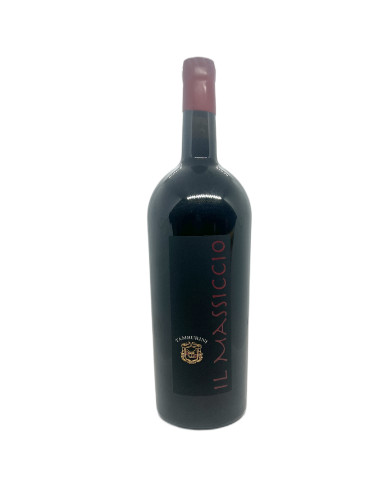
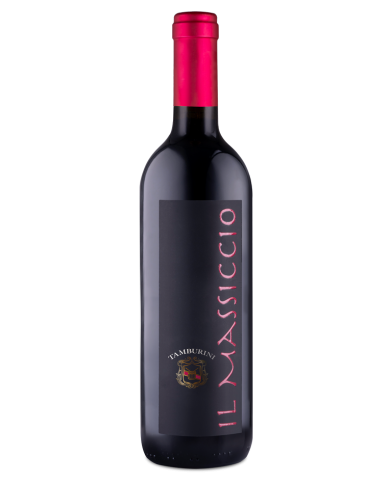
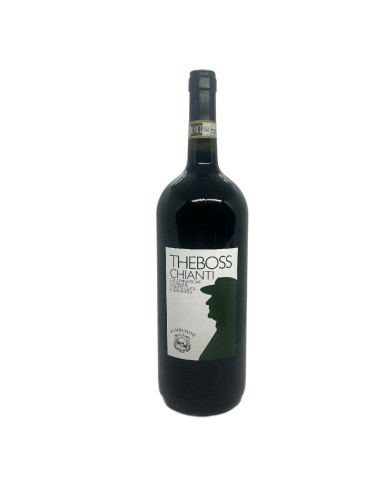
Denomination: THE BOSS Chianti Docg Grapes: Sangiovese and Canaiolo. Suggested pairings: Cold cuts and cured meats, roast chicken, vegetable soups and semi-mature cheese. Alcohol: 13.5% Vol. Format: 0.75 litres. Serving temperature: 18°C. Typology: Chianti DOCG.
€35.01
€15.63
€17.45
€36.40
€58.52
€32.51
€21.46
SKU:
20453
Brand:
Cantina Marchesi Antinori
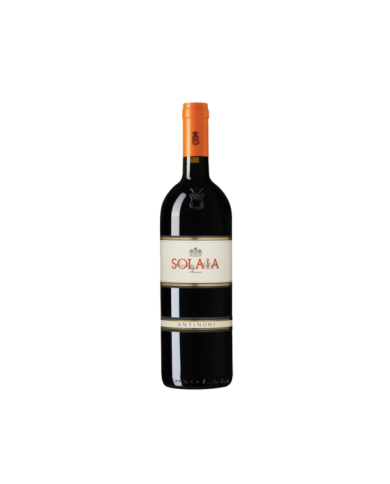
Solaia is a great Supertuscan known all over the world, a high-sounding and prestigious name. It is an intense and elegant wine, born from international vines and Sangiovese, aged in barrique for at least 16 months. Hints of wild berries, flowers and sweet spices make up an aromatic set of great amplitude and intensity
€370.00
€9.48
SKU:
20445
Brand:
Avignonesi
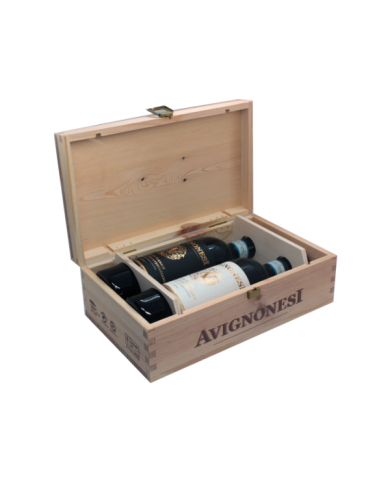
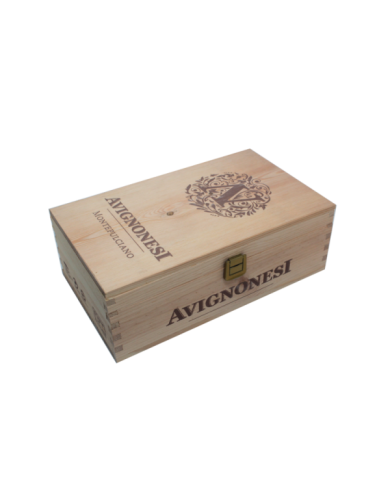
Packaging in wooden box containing 1 "Vin Santo di Montepulciano 2005" + 1 "Vin Santo di Montepulciano" Occhio di Pernice "2005" in 375 ml bottle. A quality sweet wine that reveals new, surprising flavors with every sip: figs, almonds, lemon and coffee beans, while a perfect balance between acidity and sweetness complements the sensual aftertaste.
€471.51
SKU:
20444
Brand:
Avignonesi
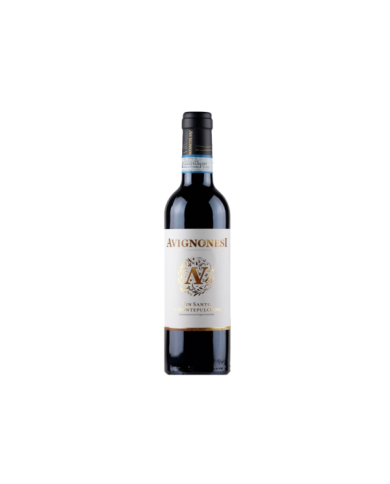
Avignonesi 's Vin Santo di Montepulciano is a sweet wine of great elegance obtained from Malvasia and Trebbiano and aged for 10 years in casks. The nose releases intense aromas of caramel, chocolate, honey, orange peel and Mediterranean herbs. The taste is rich and enveloping with notes of figs, almonds, lemon and coffee
€220.00
SKU:
20421
Brand:
Bonacchi
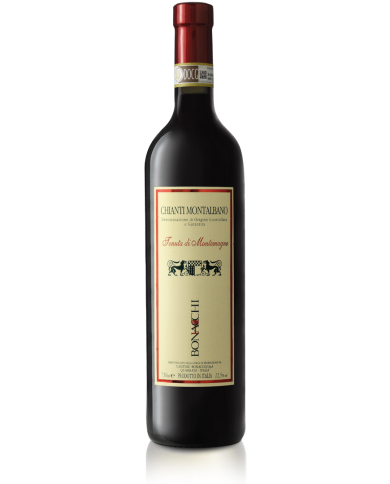
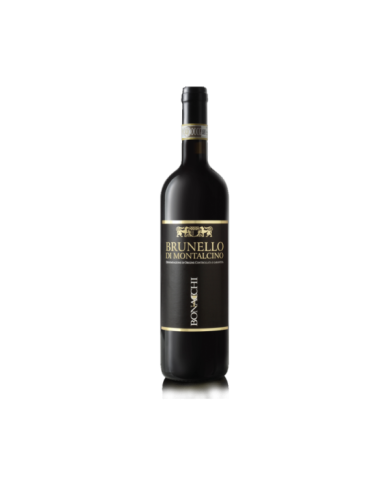
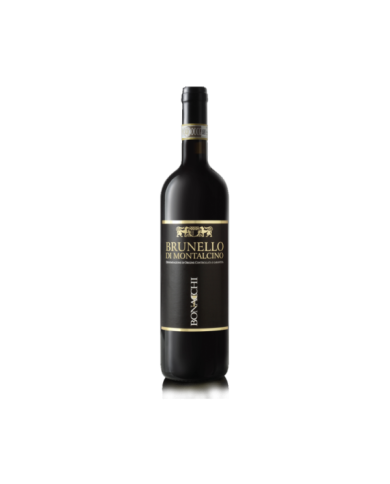
One of the protagonists of Italian oenology, a timeless classic. Brunello di Montalcino 2014, proved to be a centered wine with great potential. The aromas are clear and intense, characterized by a luxuriant fruitiness and smoky and spicy hints at the finish. In the mouth, the sip attacks soft and basically sweet, to continue marked by an energetic acidity that increases its juiciness and fragrance. Vintage : 2014
€37.95
SKU:
20420
Brand:
Bonacchi
One of the protagonists of Italian oenology, a timeless classic. Brunello di Montalcino 2014, proved to be a centered wine with great potential. The aromas are clear and intense, characterized by a luxuriant fruitiness and smoky and spicy hints at the finish. In the mouth, the sip attacks soft and basically sweet, to continue marked by an energetic acidity that increases its juiciness and fragrance. Vintage : 2014
€29.17
SKU:
20406
Brand:
Fattoria le Pupille
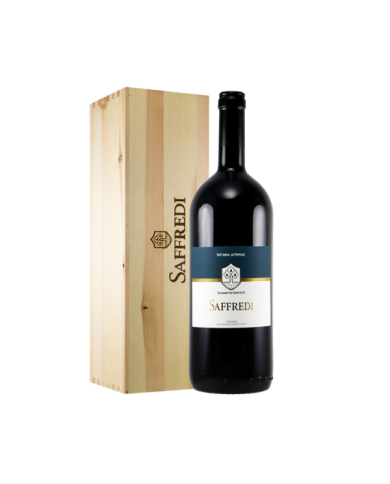
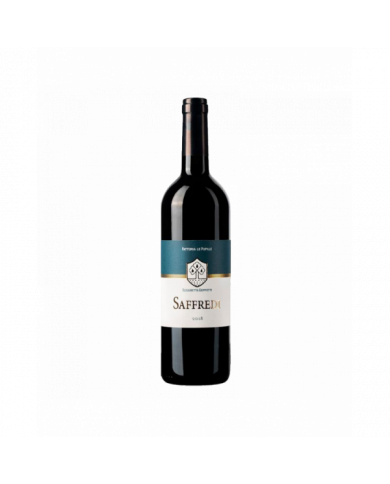
Saffredi is a robust, rich and complex Supertuscan, produced with a Bordeaux blend and aged in barrique for 18 months. Ample and intense hints of wild berries, spices and balsamic herbs emerge from a round and velvety texture, of great balance and persistence: an exuberant expression of the Tuscan Maremma
€213.50
SKU:
20405
Brand:
Fattoria le Pupille
Saffredi is a robust, rich and complex Supertuscan, produced with a Bordeaux blend and aged in barriques for 18 months. Ample and intense hints of berries, spices and balsamic herbs emerge from a round and velvety texture, of great balance and persistence: an exuberant expression of the Tuscan Maremma
€104.19
SKU:
20403
Brand:
Fattoria le Pupille
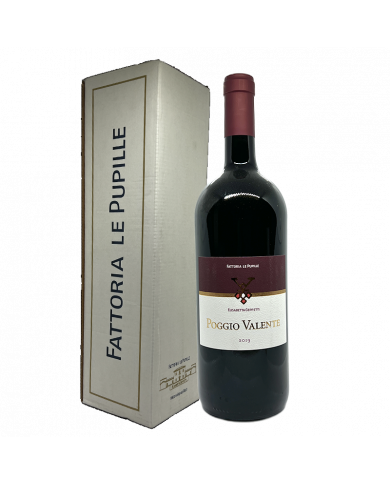
Compact ruby red. The bouquet reveals the fragrance of red roses, black cherry, blood orange and blackberry. Followed by juniper berries, dried flowers, Tuscan cigars and undergrowth. The tannins are dense and silky which develop on a fresh and savory base. Persistent finish on blackcurrant echoes.
€33.31
available from 30-Nov-2022
SKU:
20402
Brand:
Fattoria le Pupille
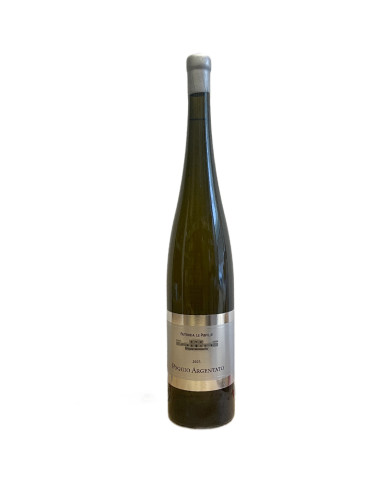
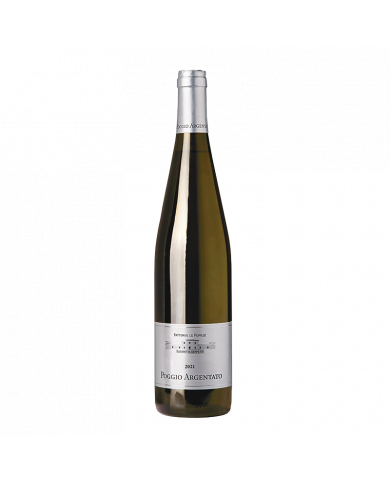
Poggio Argentato embodies the essence of Maremma: its land, its unique light, the breeze from the nearby sea, all narrated by a fragrant and fresh white wine, through the language of Northern vines. The singular blend of Sauvignon Blanc, Petit Manseng, Semillon and Traminer make Poggio Argentato a refined, elegant and versatile wine, perfect for the summer but also throughout the year.
€32.94
SKU:
20401
Brand:
Fattoria le Pupille
Compact ruby red. The bouquet reveals the fragrance of red roses, black cherry, blood orange and blackberry. Followed by juniper berries, dried flowers, Tuscan cigars and undergrowth. The tannins are dense and silky which develop on a fresh and savory base. Persistent finish on blackcurrant echoes.
€74.12
SKU:
20399
Brand:
Fattoria le Pupille
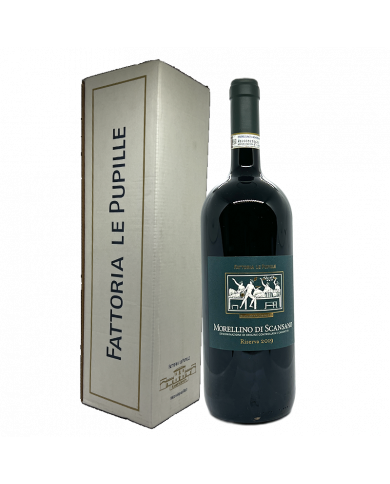
Dark ruby red. The aromas let emerge hints of ripe berries, blood orange, maraschino cherries and aromatic herbs; fades into tones of licorice, black peppercorns and dark chocolate. The taste is full, enveloping and vigorous, with a very fine tannic texture. Persistent finish on flavors of rhubarb and myrtle.
€47.28
SKU:
20398
Brand:
Fattoria le Pupille
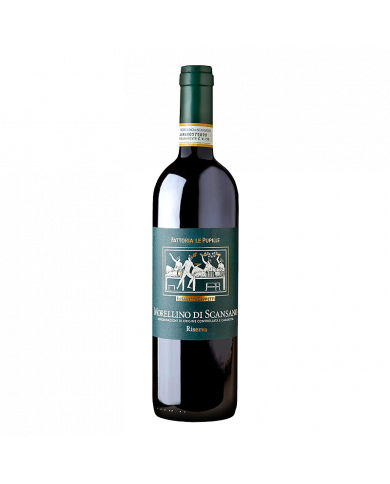
Dark ruby red. The aromas let emerge hints of ripe berries, blood orange, maraschino cherries and aromatic herbs; fades into tones of licorice, black peppercorns and dark chocolate. The taste is full, enveloping and vigorous, with a very fine tannic texture. Persistent finish on flavors of rhubarb and myrtle.
€21.41
SKU:
20397
Brand:
Fattoria le Pupille
Bright ruby red. On the nose, hints of cherry, red currant, blood orange, peony and red roses alternate, on a background of cinnamon and cloves. The sip is enveloping, soft, with relaxed tannins, accompanied by an excellent freshness. Final on fruity references.
€11.86
SKU:
20396
Brand:
Fattoria le Pupille
Bright coral pink. Elegant olfactory profile with berries, pink grapefruit and cherry followed by spicy notes that fade into mineral tones. Full, enveloping, fresh sip, with a delicate savory component. Final on citrus hints.
€16.47
En premier
SKU:
20395
Brand:
Fattoria le Pupille
Transparent ruby with violet reflections. Olfactory framework modulated on cherry, blueberry, peony flowers and a sprinkling of white pepper. The sip is warm and juicy, with a youthful lightness and great balance. Long in the memories of fresh and crunchy red fruit.
€9.06
SKU:
20371
Brand:
Cantina Marchesi Antinori
Dense ruby color with garnet reflections. Sensations of plum, mulberry and violet expand on the nose, and then unravel on wild and licorice tones. In the mouth, warm and enveloping, it declines sumptuous softness and caressing tannins. Ideal together with the walker with mustard and prunes or on the stuffed crusted roast.
€49.53
€37.70
SKU:
20365
Brand:
Tenuta La Chiusa
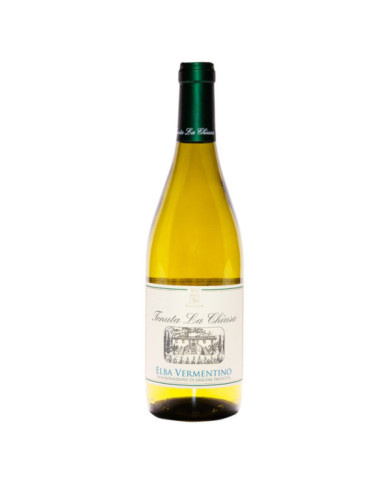
Vermentino Elba Doc 2022 comes from vines on clayey-ferrous soils in a flat area. Harvested in early September. It is vinified in white, in steel containers, with temperature control during fermentation. Continuous batonage during the winter to enrich the wine with the aromas of the fine lees on which it is left to rest. Bottled in the spring following the harvest, it has a straw yellow colour. On the nose the typical floral aromas of acacia, pineapple and marked notes of aromatic herbs. On the palate it is dry, fresh, sapid and with good persistence. Ideal alone as an aperitif, or in combination with appetizers, fish risottos and soft cheeses.
€37.70
SKU:
20359
Brand:
Tenuta La Chiusa
Ginevra Elba Rosso Doc 2018 is obtained from Sangiovese (60%) and Merlot (40%) grapes born on clayey-ferrous soils on a flat position. The harvest is early for the Merlot while it generally takes place around mid-September for the Sangiovese.
Vinified in steel, with maceration for about 7 days; aged in French oak barriques for 12 months and refined in the bottle for another 12 months.
€27.32
SKU:
20296
Brand:
Frescobaldi
Ruby red with purple reflections. The nose is floral, characterized by clear hints of violet that prevail over the fruity. Followed by raspberry, black currant and black cherry accompanied by scents of licorice and spicy notes of nutmeg and white pepper. The entry in the mouth is warm, with tannins in full evidence. The texture appears decisive, a typical characteristic of Chianti Rùfina. Long persistence. For the whole meal, it goes well with grilled red meat, baked lamb, slightly seasoned pecorino.
€44.07
€112.85
€43.49
€25.62
€15.37
SKU:
20281
Brand:
Tenuta degli Dei
Season was very regular, good rainfall until May, temperatures not very high; quite normal vintage
€42.70
SKU:
20260
Brand:
Cantina Marchesi Antinori
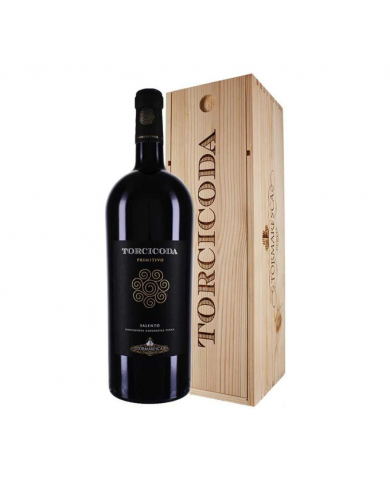
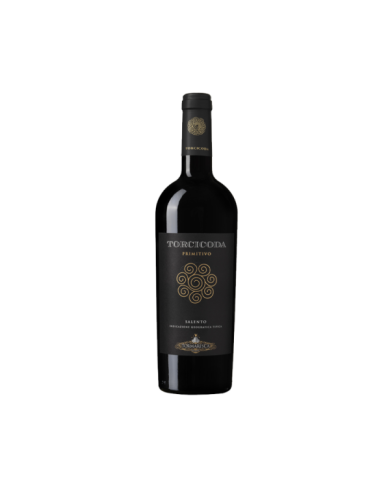
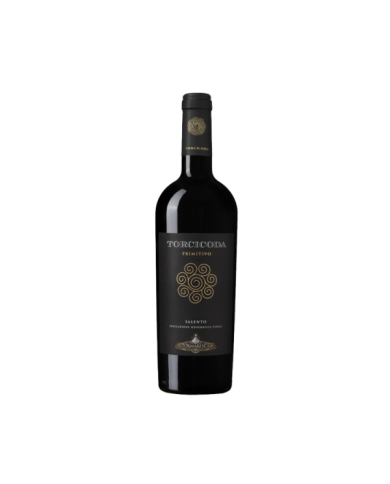
Torcicoda di Tormaresca is a full-bodied, full and intense Primitivo, with clear aromas of berries, noble woods and coffee. The taste is consistent with the smell and reveals a good persistence. It is aged for 10 months in French and Hungarian oak barrels
€44.07
SKU:
20259
Brand:
Cantina Marchesi Antinori
Torcicoda di Tormaresca is a full-bodied, full and intense Primitivo, with clear aromas of berries, noble woods and coffee. The taste is consistent with the smell and reveals a good persistence. It is aged for 10 months in French and Hungarian oak barrels
€15.00
SKU:
20257
Brand:
Cantina Marchesi Antinori
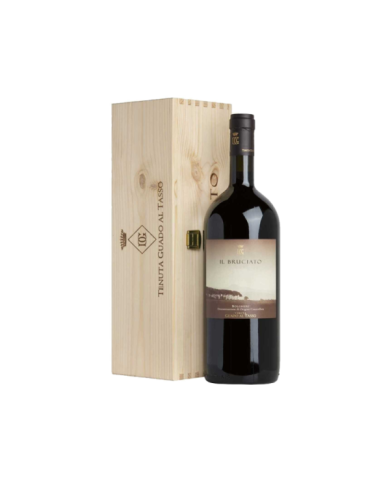
Bolgheri Rosso "Il Bruciato" by Guado al Tasso is a full-bodied and intense red wine, aged for 12 months in barrique. It is one of the most famous and noble expressions in the world, always appreciated for its impeccable qualities. Warm and silky tones let emerge hints full of wild berries, red berries, herbs and balsamic spices. The Magnum format allows it to stand out, embellishing and giving prestige to the table and to important convivial occasions.
€64.87
SKU:
20256
Brand:
Cantina Marchesi Antinori
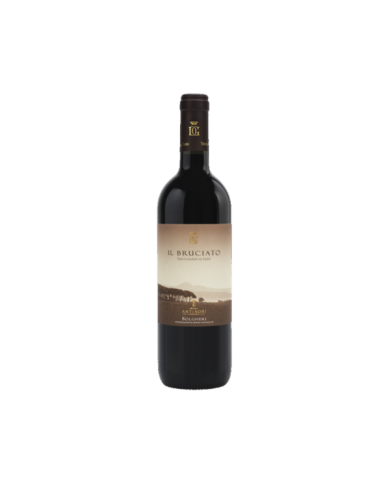
Guado al Tasso is the Bolgheri estate of Antinori , inherited in the 1930s by Carlotta della Gherardesca Antinori , mother of Piero Antinori . In this Bordeaux enclave, with its mild climate thanks to the sea breeze that comes from the sea in front of it, wines of international scope are produced such as Il Bruciato, a didactic blend of Cabernet Sauvignon, Merlot and Syrah. Dynamic and modern, pleasant and enveloping , it is a wine with character, harmonious and balanced .
€27.90
€79.18
SKU:
20155
Brand:
Barbicaia
Bianco tavola è un vino da fine pasto ma anche da meditazione, grazie alla sua complessità.
“È il vino della tradizione e della famiglia, il suo profumo antico mi riporta indietro nella memoria dei luoghi e delle persone.”
€0.00
SKU:
20151
Brand:
Barbicaia
Un vino dal colore rosso rubino intenso che sorprende le note aromatiche ricchi di frutta rossa matura che trovano corrispondenza in un gusto pieno e corposo. Al gusto ritorna il tannino setoso chiude elegante e fine.
“Ho selezionato una parte di vigneto con caratteristiche peculiari per ottenere un vino giovane, fruttato, corposo ed elegante”.
€13.91
SKU:
20127
Brand:
Podere Conca
Numero civico del Podere sulla via Bolgherese, che rappresenta il nostro centro aziendale, punto di riferimento per le nostre attività.
€22.20
SKU:
20101
SKU:
20100
€65.03
SKU:
20097
€12.52
€10.64
SKU:
20091
€32.51
€19.51
SKU:
19868
Brand:
Antinori
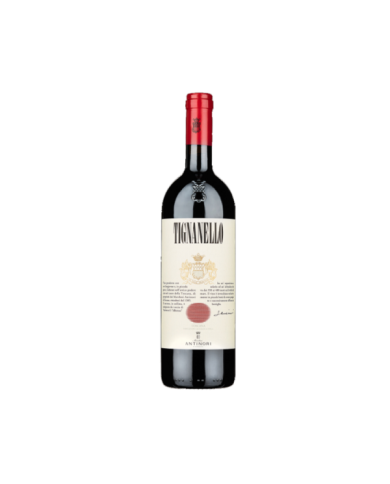
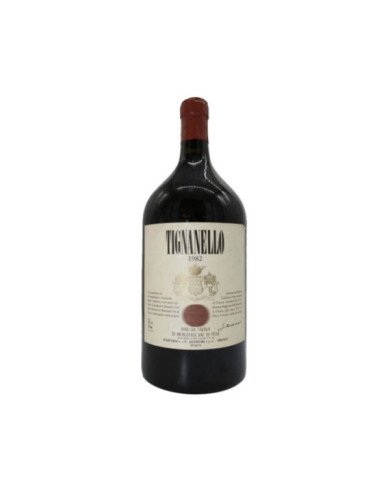
Il Tignanello è un vino della tradizione Toscana, pregiato, raffinato e di grande lusso. Racconta la storia del territorio e la capacità di innovazione dei mastri cantinieri della tenuta Tignanello dei Marchesi Antinori. È stato il primo Sangiovese ad essere affinato in barrique, il primo vino rosso moderno assemblato con varietà non tradizionali come il Cabernet Sauvignon, e tra i primi vini rossi nel Chianti a non usare uve bianche. Il Tignanello dei Marchesi Antinori è una pietra miliare. È prodotto con una selezione di Sangiovese, Cabernet Sauvignon e Cabernet Franc. Dopo un affinamento in barriques per 12-14 mesi circa, il vino riposa in bottiglia per un ulteriore anno di affinamento.
€2,998.76
SKU:
19843
Brand:
Podere San Michele
Dal colore paglierino intenso tendente al dorato.
Note florearli evidenti fruttato esplosivo, con nitide sensazioni di frutta gialla, dal finale durevole e piacevolmente ammandorlato
€23.79
Discover the best wines of Tuscany: an unforgettable experience!
Tuscany is one of Italy's most renowned wine regions, and for decades its excellent wines have been appreciated worldwide. Tuscan wines offer a range of flavors, from sweet and fruity to robust and intense. Furthermore, this region also boasts a rich traditional culture and a long history of winemaking, making it an ideal destination for tourists seeking an unforgettable food and wine experience.
Why is Tuscany famous for its wine?
Tuscany has a mild climate and rich, fertile soil, making it one of Italy's most suitable regions for wine production. The region is particularly known for its red wines, such as Chianti, Brunello di Montalcino, and Vino Nobile di Montepulciano. These wines are made from Sangiovese grapes, the most widely grown grape in Tuscany. The region also has a rich tradition of white wines, such as Vernaccia di San Gimignano, Vermentino, and Trebbiano.
How to choose the right Tuscan wine?
When choosing a Tuscan wine, the first thing to consider is your personal taste. If you prefer sweet, fruity wines, a white wine like Vernaccia di San Gimignano or Vermentino is the right choice. If you prefer more robust, structured wines, then a red wine like Chianti or Vino Nobile di Montepulciano is better.
Furthermore, it's also important to consider the vintage of the wine you're purchasing. Wine quality depends on the climatic conditions during the period in which the grapes were grown, so before purchasing a bottle, it's a good idea to ask the producer about the vintage.
Where to find Tuscan wines?
Tuscan wines are readily available in supermarkets and specialty shops, but to savor the finest, highest-quality wines, you can also visit a winery. Tuscany boasts numerous wineries that organize guided tours and tastings to showcase their wines. Visiting one is a truly unique experience, as you have the opportunity to learn firsthand how wine is made and taste the different varietals.
What are the most famous wines of Tuscany?
Tuscany's most famous wines are Chianti, Brunello di Montalcino, Vino Nobile di Montepulciano, and Vernaccia di San Gimignano. Chianti is a light and fruity red wine, while Brunello di Montalcino is a red wine with great intensity and structure. Vino Nobile di Montepulciano is a full-bodied and complex red wine, while Vernaccia di San Gimignano is a dry white wine with fruity and floral notes.
How to pair Tuscan wines?
Tuscan wines are ideal paired with meat, fish, vegetable, or cheese dishes. For example, Chianti pairs excellently with meat dishes such as roasts or braised meats, while Vino Nobile di Montepulciano is perfect with fish dishes such as cod or salmon. Brunello di Montalcino pairs well with vegetable dishes such as soups and broths, while Vernaccia di San Gimignano is ideal with aged cheeses.
How to store Tuscan wines?
Tuscan wines should be stored in a cool, dry place, away from heat and direct light. The ideal storage temperature is between 10 and 14°C. Red wines can be stored for up to 5 years, while white wines should not be stored for more than 2 years. Furthermore, it's important to remember that wines should be stored horizontally, so that the cork is always in contact with the wine.
Tuscan Wine Denomination
Tuscany is one of the most important wine regions in Italy and the world. The region is famous for its fine wines such as Chianti , Brunello di Montalcino , and Vino Nobile di Montepulciano. These wines have either a controlled designation of origin (DOC) or a controlled and guaranteed designation of origin (DOCG). In this article, we'll explore the appellations of Tuscan wines and how they're produced.
Introduction to the Wine Denominations of Tuscany
Wine appellations are a classification system that guarantees the quality and geographical origin of Italian wines. There are three levels of appellation: Vino da Tavola, DOC, and DOCG. Table wines have no geographical or grape variety restrictions, while DOC and DOCG wines are produced in specific geographical areas and with specific grapes.
DOC wines of Tuscany
Tuscan DOC (Denominazione di Origine Controllata) wines are produced in specific areas of the region and are made with specific grapes. These wines have strict production requirements, such as grape yield, alcohol content, and minimum aging time.
Chianti DOCG
Chianti is one of the best-known and most popular Italian wines, produced primarily in the Chianti region, between the cities of Florence, Siena, and Arezzo. The wine is made primarily from Sangiovese grapes and may also contain other red grapes such as Canaiolo, Colorino, and Merlot. Chianti DOCG is a dry red wine that can be classified by its aging period: Chianti, Chianti Riserva, and Chianti Classico .
Brunello di Montalcino DOCG
Brunello di Montalcino is a DOCG wine produced in the Montalcino area, in the province of Siena. It is made with Sangiovese grapes, known locally as Brunello. The wine is aged for at least five years and must be produced exclusively with grapes from the Montalcino area.
Vino Nobile di Montepulciano DOCG
Vino Nobile di Montepulciano is a DOCG wine produced in the Montepulciano area, in the province of Siena. It is made primarily from Sangiovese grapes and must be aged for at least two years. The name "Nobile" derives from this wine's reputation during the Renaissance.
IGT wines from Tuscany
IGT (Indicazione Geografica Tipica) is an Italian wine designation that indicates a broader geographical area than DOC and DOCG wines. These wines can be made with grape varieties other than those specified by the DOC and DOCG designations.
Super Tuscan
Super Tuscans are IGT wines produced in Tuscany that do not comply with the DOC and DOCG designations. These wines are often made with international grapes such as Cabernet Sauvignon, Merlot, and Syrah, and are aged in French oak barrels. Super Tuscans are generally full-bodied and intense red wines, with a high concentration of fruit.
Tuscany is a world-renowned wine region, and its controlled and guaranteed designations of origin guarantee the quality of its wines. Tuscan DOC and DOCG wines are produced in specific geographical areas and with specific grapes, while Tuscan IGT wines have fewer restrictions in terms of geographical area and grape variety. Each appellation has its own unique characteristics and offers a different tasting experience. Regardless of which wine you choose, Tuscan wines are definitely a winning choice.
Frequently Asked Questions
What are the main Tuscan wine denominations?
The main Tuscan wine denominations are Chianti DOCG, Brunello di Montalcino DOCG, Vino Nobile di Montepulciano DOCG and IGT.
What do DOC and DOCG mean?
DOC stands for Controlled Designation of Origin, while DOCG stands for Controlled and Guaranteed Designation of Origin. These designations guarantee the quality and geographical origin of Italian wines.
What are the production requirements for DOC and DOCG wines from Tuscany?
Tuscan DOC and DOCG wines have strict production requirements, such as grape yield, alcoholic strength, and minimum aging time.
What are Super Tuscans?
Super Tuscans are IGT wines produced in Tuscany that do not comply with the DOC and DOCG designations. These wines are often made with international grapes such as Cabernet Sauvignon, Merlot, and Syrah.
What are the most famous DOCG wines from Tuscany?
The most famous DOCG wines of Tuscany are Chianti DOCG, Brunello di Montalcino DOCG and Vino Nobile di Montepulciano DOCG .