

 Italiano
 Deutsch







There are no more items in your cart
SKU:
7293
Brand:
Tenuta San Guido
Guidalberto is an elegant and intense red wine, born from the desire to produce a younger wine than Sassicaia, also using Merlot grapes. After an aging of 15 months in barrique it is expressed in a bouquet of berries, coffee, spices and Mediterranean scrub. On the palate it is fruity, full, solid and persistent.
€52.50
SKU:
7291
Brand:
Tenuta San Guido
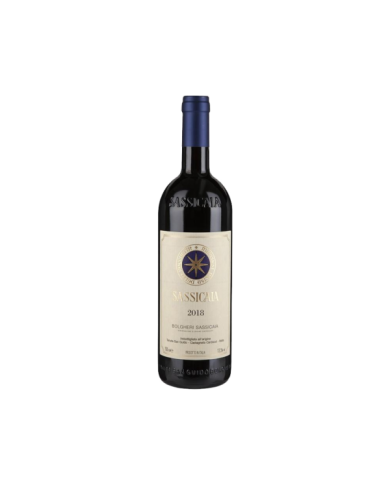
Sassicaia Tenuta San Guido is one of those mythical wines that all fans should drink at least once in their life! Its fame precedes it but with good reason because the most famous Bordeaux blend in Italy, obtained from Cabernet Sauvignon for the greater part and a small percentage of Cabernet Franc , always manages to meet expectations. Daughter of the Marquis Mario Incisa della Rocchetta and the unforgettable Giacomo Tachis , today the bottle with the unmistakable star on the label, represents an icon of Made in Italy that, year after year, adds value to its fame.
€390.00
SKU:
7290
Brand:
Tenuta San Guido
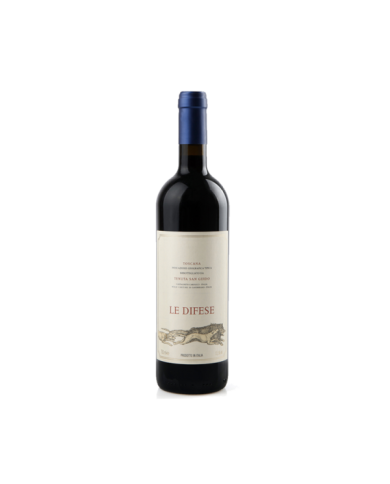
Le Difese is a full-bodied red wine with a Bordeaux style but with a Tuscan soul: a combination of Cabernet Sauvignon and Sangiovese, aged in barrique for 12 months. It is soft, round, elegant and velvety, animated by a balanced freshness and hints of cherries, chocolate, aromatic herbs and sweet spices
€31.30
SKU:
6322
Brand:
Banfi
€51.31
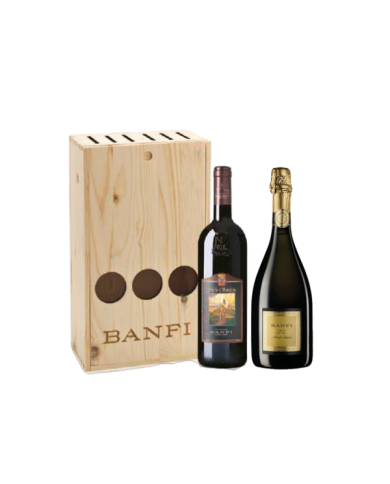
Beautiful wooden box containing 2 wines: 1 Quality Sparkling Wine Brut Classic Method 1 BRUNELLO DI MONTALCINO DOCG 2015
€51.31
SKU:
6321
Brand:
Banfi
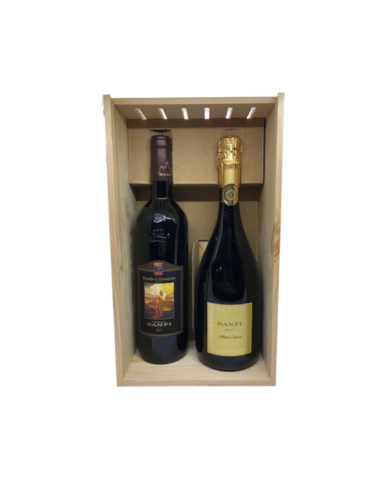
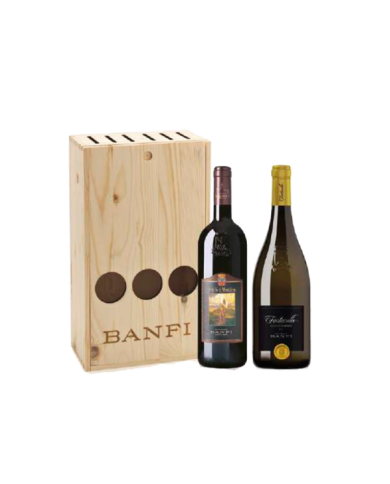
Beautiful wooden box containing 2 wines: 1 FONTANELLE Chardonnay Toscana IGT 2018 1 BRUNELLO DI MONTALCINO DOCG 2015
€63.60
SKU:
6317
Brand:
Banfi
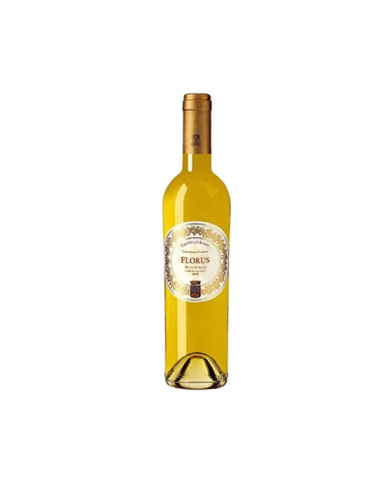
Excellent to conclude festive lunches and dinners, it is perfect if combined with the Neapolitan pastiera.
SKU:
6110
Brand:
La Mozza - Bastianch
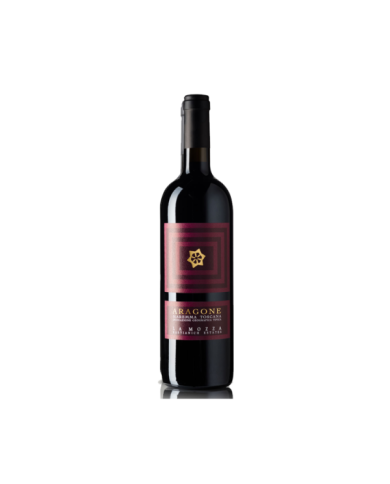
It is a distinctive wine produced in a region famous for blends between Super-Tuscan and Bordeaux varieties. The autochthonous Sangiovese is mixed with Syrah, Alicante and Carignan, giving life to a “Super-Med” that enhances the winemaking tradition of the Mediterranean basin. The name "Aragone" refers to the Aragonese of Spain, who ruled in Maremma in the 1500s.
€20.70
SKU:
6019
Brand:
San Felice
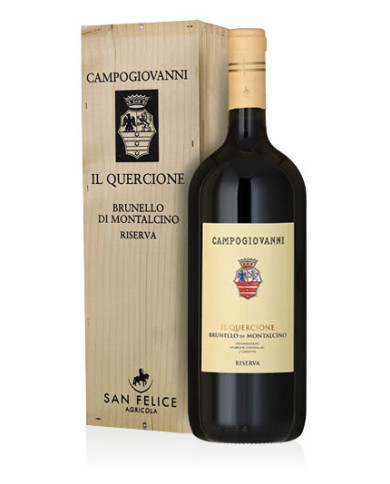
Produced exclusively in exceptional vintages, this Riserva represents for San Felice the maximum expression of the 'terroir' of Campogiovanni. Coming from the careful selection of Sangiovese grosso from the 'Il Quercione' vineyard of about 2.5 hectares, it is a wine that combines rigor, concentration, elegance as well as an extraordinary capacity for aging. Refine for 24 months in 500-liter French oak barrels. (tonneaux) and 36 months in the bottle.
€273.28
SKU:
5971
Brand:
San Felice
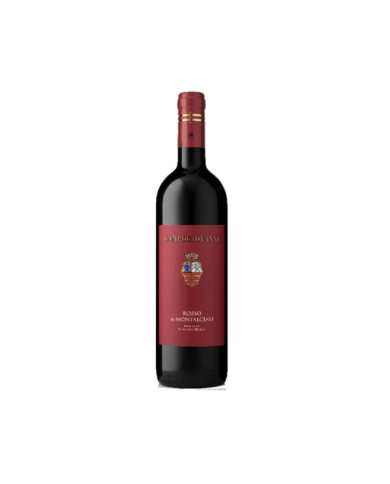
In the second half of the 1990s, 6 hectares of Rosso di Montalcino DOC vineyards were planted on the Campogiovanni estate. This wine demonstrates the great versatility of Sangiovese capable of expressing itself at excellent levels even in a less structured and complex version of Brunello. It is aged for 12 months in Slavonian oak barrels and stands out for its harmony, elegance in the aromas and pleasantness of drinking.
€19.83
SKU:
5957
Brand:
San Felice
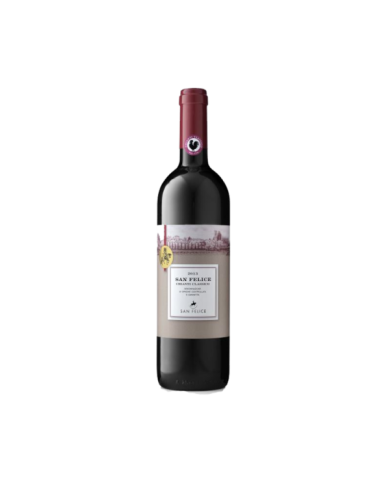
Produced entirely with native grapes, Sangiovese mainly with additions of Colorino and Pugnitello, it is a typical Chianti Classico, of medium structure, with a strong personality that stands out in particular for its elegance. The vinification takes place in the traditional way, with medium length maceration, followed by a maturation of the wine for 12 months in Slavonian oak barrels.
€14.49
SKU:
5917
Brand:
San Felice
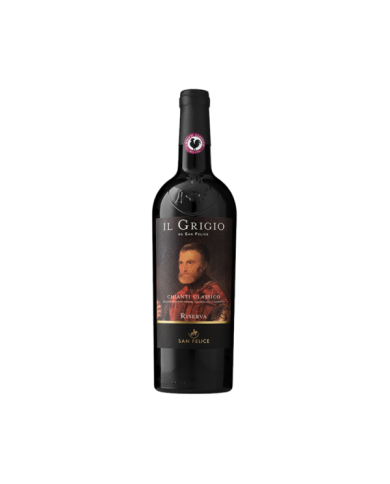
Only the best Sangiovese grapes selected in the company's Chianti Classico vineyards make up this Reserve, a valid combination of tradition and modernity. It ages for about 24 months in wood, of which a part (about 20%) in barriques, and one year in bottle. The label depicts a famous painting by Titian 'Man with armor'.
€14.90
SKU:
5907
Brand:
San Felice
La Vigna Del Lago It can happen to come across unexpected places, the Vigna del Lago, as in this 100% Chardonnay, unexpected white single-vineyard and newcomer in the San Felice house of particular aromatic freshness and flavor, carefully selected grapes and soil with unique characteristics, on which traces of the ancient Etruscan presence remain.
€25.62
SKU:
5897
Brand:
San Felice
Tradition and Future The first Supertuscan in Chianti Classico since 1968. It has an important history and today it stands out in the wine market of this category for a reason: it combines the tradition of international vines such as Cabernet and Merlot with the inclusion of a native variety, il Pugnitello, which is a unicum of San Felice .
€63.44
SKU:
5890
Brand:
San Felice
Tradition and Future The first Supertuscan in Chianti Classico since 1968. It has an important history and today it stands out in the wine market of this category for a reason: it combines the tradition of international vines such as Cabernet and Merlot with the inclusion of a native variety, il Pugnitello, which is unique to San Felice .
€55.51
SKU:
5888
Brand:
San Felice
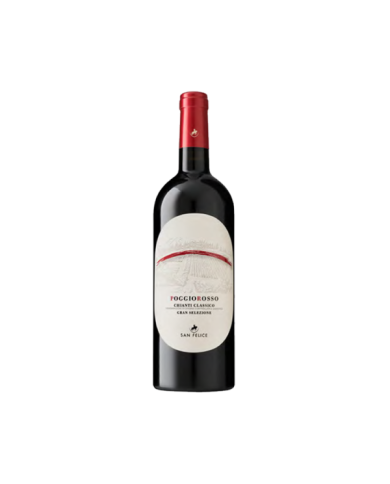
Already towards the end of the 70s, in the locality of Poggio Rosso, some selected clones of Sangiovese were planted several times. Poggio Rosso is the result of a careful selection of this grape from some plots of the vineyard of the same name and today represents the excellence of the San Felice terroir. Wine of great concentration and elegance, produced in limited quantities and, especially in the best vintages, it ages for about 20 months in 500-liter tonneaux and another 12 months in the bottle.
€53.92
€60.39
SKU:
5522
Brand:
Isole e Olena
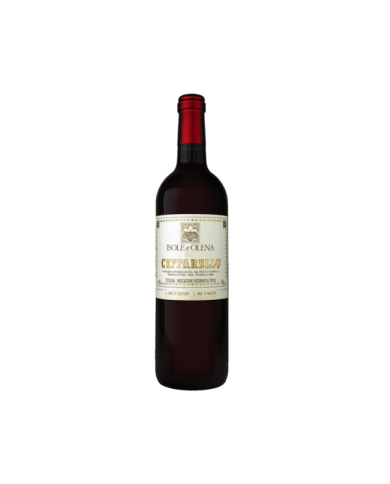
Cepparello is a great Tuscan red wine produced from Sangiovese grapes and aged for 18 months in barrique. Equipped with intense and complex aromas of wild strawberries, violets and noble woods, on the palate it is robust and compact, structured and round: one of the greatest expressions of Sangiovese di Toscana
€116.47
SKU:
5521
Brand:
Isole e Olena
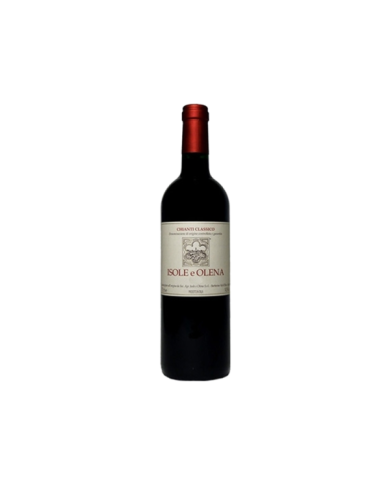
The Chianti Classico of Isole e Olena is a famous and traditional expression of Tuscany, aged for 12 months in barrels and barriques. The bouquet is fruity and floral, with notes of violets, roses and cherries. On the palate it is fresh, energetic and dynamic, with dense and balanced tannins
€57.44
SKU:
5520
Brand:
Poggio Scalette
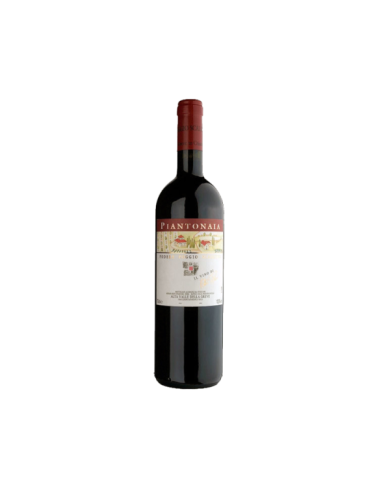
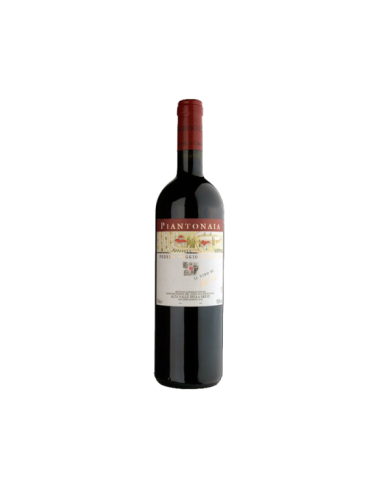
The "Piantonaia" is a noble excellence of the Chianti area and a hymn to the great Bordeaux vine, Merlot. The olfactory painting is deep and broad, brushed with tones of ripe red fruit, sweet spices, Mediterranean scrub and hints of roasted coffee and cocoa. It shows a deep, harmonious and majestic body, a perfect synthesis of softness, freshness, elegance and power.
€217.72
SKU:
5519
Brand:
Poggio Scalette
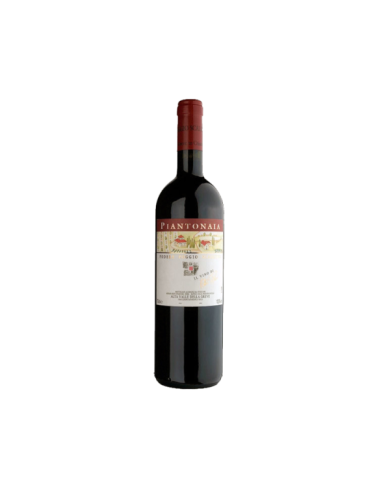
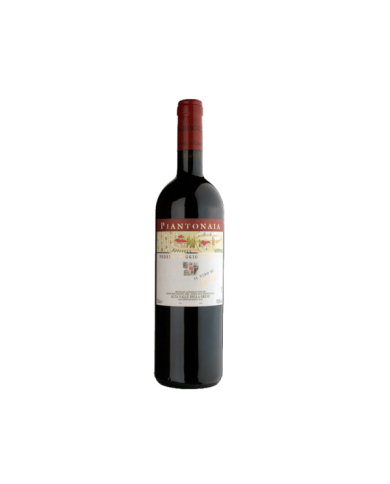
The "Piantonaia" is a noble excellence of the Chianti area and a hymn to the great Bordeaux vine, Merlot. The olfactory painting is deep and broad, brushed with tones of ripe red fruit, sweet spices, Mediterranean scrub and hints of roasted coffee and cocoa. It shows a deep, harmonious and majestic body, a perfect synthesis of softness, freshness, elegance and power.
€104.26
SKU:
5518
Brand:
Poggio Scalette
The "Piantonaia" is a noble excellence of the Chianti area and a hymn to the great Bordeaux vine, Merlot. The olfactory painting is deep and broad, brushed with tones of ripe red fruit, sweet spices, Mediterranean scrub and hints of roasted coffee and cocoa. It shows a deep, harmonious and majestic body, a perfect synthesis of softness, freshness, elegance and power.
€110.69
SKU:
5515
Brand:
Poggio Scalette
The "Piantonaia" is a noble excellence of the Chianti area and a hymn to the great Bordeaux vine, Merlot. The olfactory painting is deep and broad, brushed with tones of ripe red fruit, sweet spices, Mediterranean scrub and hints of roasted coffee and cocoa. It shows a deep, harmonious and majestic body, a perfect synthesis of softness, freshness, elegance and power.
€110.69
SKU:
5513
Brand:
Poggio Scalette
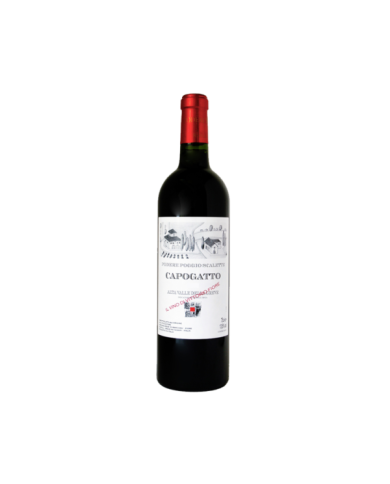
The "Capogatto" by Poggio Scalette is a red wine produced in the Chianti area from international varieties. An absolute champion born from the idea of Jurij Fiore to create a red with a typically Bordeaux style in Tuscany. The result is exceptional: the nose is evolved and complex, all played on red fruits and ferrous notes on the palate it is muscular and persuasive, with a velvety drink, of infinite pleasantness.
€45.25
SKU:
5512
Brand:
Poggio Scalette
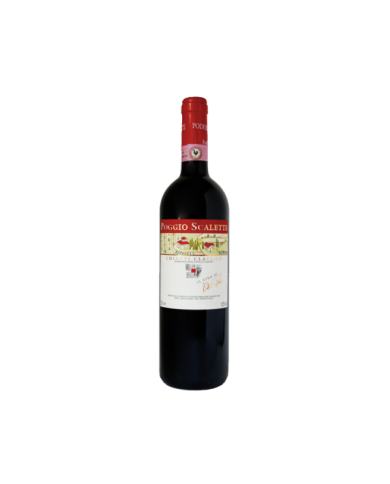
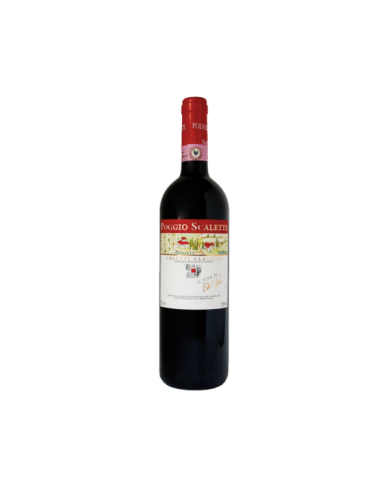
Poggio Scalette 's Chianti Classico is the most representative and memorable image of the magical hill of Ruffoli, in the sub-area of Greve in Chianti, from which this red comes to life. On the nose it presents the typical hints of violet, cherry and red fruits, while on the palate it surprises with juiciness and powerful acid shoulder, with a pleasantly savory length and a perfectly integrated tannin in the sip.
SKU:
5510
Brand:
Poggio Scalette
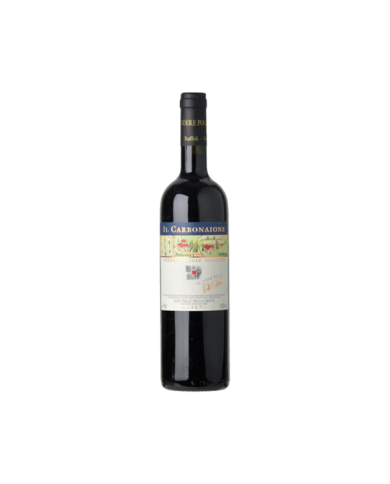
"Il Carbonaione" is a majestic red wine from the Chianti region that carefully blends the power of Tuscany with the Sangiovese class. The bouquet is very rich and recalls fruit in alcohol, sweet spices, toasting and undergrowth. On the palate it widens harmoniously, showing a champion structure, perfectly balanced in its components of strength, elegance and softness, with a still young and pounding tannin.
€45.25
SKU:
5508
Brand:
Poggio Scalette
Poggio Scalette 's Chianti Classico is the most representative and memorable image of the magical hill of Ruffoli, in the sub-area of Greve in Chianti, from which this red comes to life. On the nose it presents the typical hints of violet, cherry and red fruits, while on the palate it surprises with juiciness and powerful acid shoulder, with a pleasantly savory length and a perfectly integrated tannin in the sip.
€14.70
SKU:
5368
Brand:
Poggio Scalette
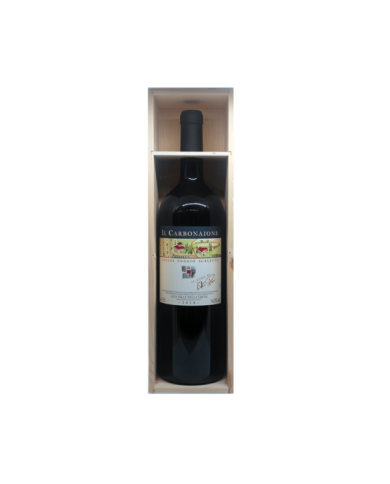
"Il Carbonaione" is a majestic red wine from the Chianti area that carefully blends the power of Tuscany with the Sangiovese class. The bouquet is very rich and recalls fruit in alcohol, sweet spices, toasting and undergrowth. On the palate it widens harmoniously, showing a champion structure, perfectly balanced in its components of strength, elegance and softness, with a still young and pounding tannin.
€107.04
SKU:
5186
Brand:
Poggio Scalette
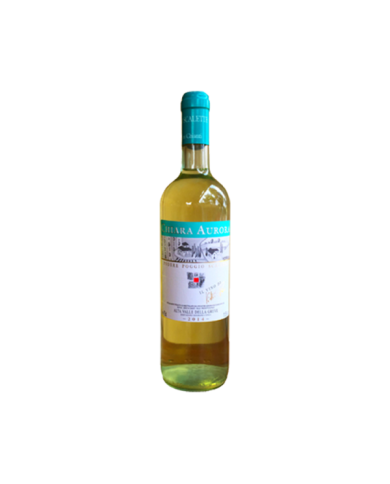
White wine obtained from the grapes of the native Trebbiano Toscano vine, with lively and fruity characteristics, with notes of green apple, banana and pineapple, also a traditional expression of the terroir of the Ruffoli hill, in the Municipality of Greve in Chianti, at 450 m above sea level. Fresh and fragrant in the perfume, lively and rightly acidulous on the palate, to be tasted as an aperitif or ideal to accompany summer dishes, especially cold ones. Its low alcohol content and easy drinking make it particularly suitable for outdoor summer parties and friendly tables in any season.
SKU:
3779
Brand:
Cantina Marchesi Antinori
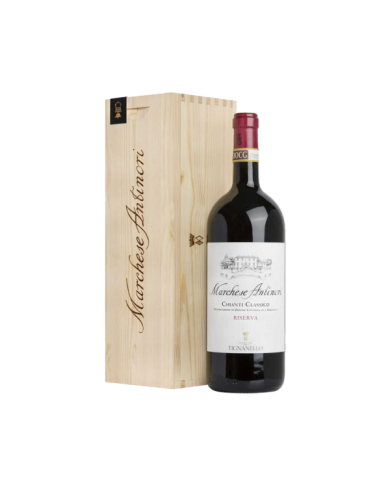
The Chianti Classico Riserva "Villa Antinori " is a bursting expression of Tuscany and is aged for 24 months in wooden barrels. Complex, intense and rich on the nose. Elegant, full-bodied and structured on the palate. Here proposed in an elegant wooden box, ideal for a gift!
€109.30
SKU:
3777
Brand:
Cantina Marchesi Antinori
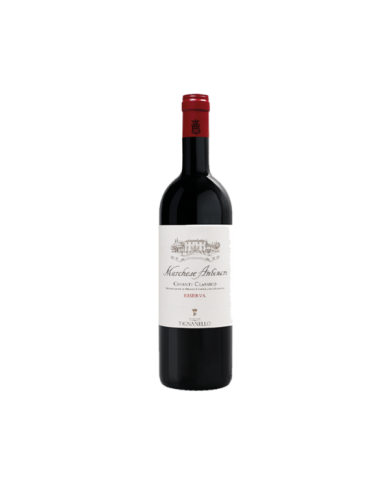
Historic Antinori house wine which, since the 2011 vintage, is produced with grapes from the Tignanello estate. It is composed almost entirely of Sangiovese grapes combined with a small amount of other complementary varieties. A wine that presents itself as the full expression of the quality and elegance of the Sangiovese of these areas.
€161.48
SKU:
3776
Brand:
Cantina Marchesi Antinori
Historic Antinori house wine which, since the 2011 vintage, is produced with grapes from the Tignanello estate. It is composed almost entirely of Sangiovese grapes combined with a small amount of other complementary varieties. A wine that presents itself as the full expression of the quality and elegance of the Sangiovese of these areas.
SKU:
3774
Brand:
Cantina Marchesi Antinori
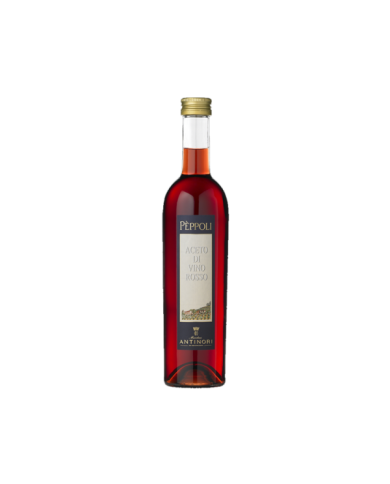
It is a pleasant dressing for salads and an interesting supplement, naturally in moderate doses. In fact, it contains polyphenols, substances with antioxidant and anticancer properties. Thanks to its antiseptic properties, wine vinegar is then useful as a preservative. The addition of herbs makes it a condiment with a different flavor or a medicinal preparation to be used for therapeutic purposes (then it takes the name of medicated vinegar).
SKU:
3766
Brand:
Isole e Olena
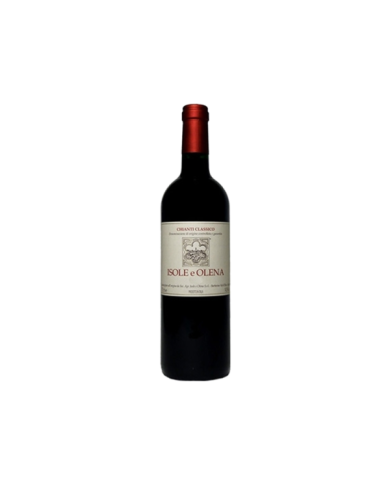
The Chianti Classico of Isole e Olena is a famous and traditional expression of Tuscany, aged for 12 months in barrels and barriques. The bouquet is fruity and floral, with notes of violets, roses and cherries. On the palate it is fresh, energetic and dynamic, with dense and balanced tannins
€27.22
SKU:
3760
Brand:
Le Macchiole
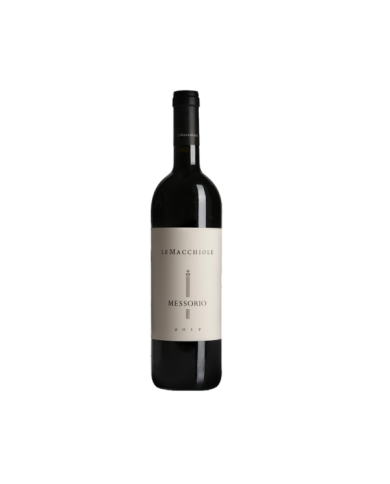
Born in 1994, Messorio is a personal challenge with one of the most popular varieties in the Bolgheri area, on the Tuscan coast and in the world: Merlot. The idea, immediately, is to transform the best bunches into a wine of great impact and personality, moving away as much as possible from the scheme that would like it docile and predictable but making it, on the contrary, a purebred horse that does not give up pawing . The name refers to the period of harvesting and harvesting, a fundamental step in any agricultural activity.
€216.00
SKU:
3758
Brand:
Le Macchiole
Bottled for the first time with the 2004 harvest, this wine is the purest and most direct expression of Bolgheri according to Le Macchiole . Red of grace and intensity, joyful and easy to drink, it does not give up matter and complexity.
€58.90
Discover the best wines of Tuscany: an unforgettable experience!
Tuscany is one of Italy's most renowned wine regions, and for decades its excellent wines have been appreciated worldwide. Tuscan wines offer a range of flavors, from sweet and fruity to robust and intense. Furthermore, this region also boasts a rich traditional culture and a long history of winemaking, making it an ideal destination for tourists seeking an unforgettable food and wine experience.
Why is Tuscany famous for its wine?
Tuscany has a mild climate and rich, fertile soil, making it one of Italy's most suitable regions for wine production. The region is particularly known for its red wines, such as Chianti, Brunello di Montalcino, and Vino Nobile di Montepulciano. These wines are made from Sangiovese grapes, the most widely grown grape in Tuscany. The region also has a rich tradition of white wines, such as Vernaccia di San Gimignano, Vermentino, and Trebbiano.
How to choose the right Tuscan wine?
When choosing a Tuscan wine, the first thing to consider is your personal taste. If you prefer sweet, fruity wines, a white wine like Vernaccia di San Gimignano or Vermentino is the right choice. If you prefer more robust, structured wines, then a red wine like Chianti or Vino Nobile di Montepulciano is better.
Furthermore, it's also important to consider the vintage of the wine you're purchasing. Wine quality depends on the climatic conditions during the period in which the grapes were grown, so before purchasing a bottle, it's a good idea to ask the producer about the vintage.
Where to find Tuscan wines?
Tuscan wines are readily available in supermarkets and specialty shops, but to savor the finest, highest-quality wines, you can also visit a winery. Tuscany boasts numerous wineries that organize guided tours and tastings to showcase their wines. Visiting one is a truly unique experience, as you have the opportunity to learn firsthand how wine is made and taste the different varietals.
What are the most famous wines of Tuscany?
Tuscany's most famous wines are Chianti, Brunello di Montalcino, Vino Nobile di Montepulciano, and Vernaccia di San Gimignano. Chianti is a light and fruity red wine, while Brunello di Montalcino is a red wine with great intensity and structure. Vino Nobile di Montepulciano is a full-bodied and complex red wine, while Vernaccia di San Gimignano is a dry white wine with fruity and floral notes.
How to pair Tuscan wines?
Tuscan wines are ideal paired with meat, fish, vegetable, or cheese dishes. For example, Chianti pairs excellently with meat dishes such as roasts or braised meats, while Vino Nobile di Montepulciano is perfect with fish dishes such as cod or salmon. Brunello di Montalcino pairs well with vegetable dishes such as soups and broths, while Vernaccia di San Gimignano is ideal with aged cheeses.
How to store Tuscan wines?
Tuscan wines should be stored in a cool, dry place, away from heat and direct light. The ideal storage temperature is between 10 and 14°C. Red wines can be stored for up to 5 years, while white wines should not be stored for more than 2 years. Furthermore, it's important to remember that wines should be stored horizontally, so that the cork is always in contact with the wine.
Tuscan Wine Denomination
Tuscany is one of the most important wine regions in Italy and the world. The region is famous for its fine wines such as Chianti , Brunello di Montalcino , and Vino Nobile di Montepulciano. These wines have either a controlled designation of origin (DOC) or a controlled and guaranteed designation of origin (DOCG). In this article, we'll explore the appellations of Tuscan wines and how they're produced.
Introduction to the Wine Denominations of Tuscany
Wine appellations are a classification system that guarantees the quality and geographical origin of Italian wines. There are three levels of appellation: Vino da Tavola, DOC, and DOCG. Table wines have no geographical or grape variety restrictions, while DOC and DOCG wines are produced in specific geographical areas and with specific grapes.
DOC wines of Tuscany
Tuscan DOC (Denominazione di Origine Controllata) wines are produced in specific areas of the region and are made with specific grapes. These wines have strict production requirements, such as grape yield, alcohol content, and minimum aging time.
Chianti DOCG
Chianti is one of the best-known and most popular Italian wines, produced primarily in the Chianti region, between the cities of Florence, Siena, and Arezzo. The wine is made primarily from Sangiovese grapes and may also contain other red grapes such as Canaiolo, Colorino, and Merlot. Chianti DOCG is a dry red wine that can be classified by its aging period: Chianti, Chianti Riserva, and Chianti Classico .
Brunello di Montalcino DOCG
Brunello di Montalcino is a DOCG wine produced in the Montalcino area, in the province of Siena. It is made with Sangiovese grapes, known locally as Brunello. The wine is aged for at least five years and must be produced exclusively with grapes from the Montalcino area.
Vino Nobile di Montepulciano DOCG
Vino Nobile di Montepulciano is a DOCG wine produced in the Montepulciano area, in the province of Siena. It is made primarily from Sangiovese grapes and must be aged for at least two years. The name "Nobile" derives from this wine's reputation during the Renaissance.
IGT wines from Tuscany
IGT (Indicazione Geografica Tipica) is an Italian wine designation that indicates a broader geographical area than DOC and DOCG wines. These wines can be made with grape varieties other than those specified by the DOC and DOCG designations.
Super Tuscan
Super Tuscans are IGT wines produced in Tuscany that do not comply with the DOC and DOCG designations. These wines are often made with international grapes such as Cabernet Sauvignon, Merlot, and Syrah, and are aged in French oak barrels. Super Tuscans are generally full-bodied and intense red wines, with a high concentration of fruit.
Tuscany is a world-renowned wine region, and its controlled and guaranteed designations of origin guarantee the quality of its wines. Tuscan DOC and DOCG wines are produced in specific geographical areas and with specific grapes, while Tuscan IGT wines have fewer restrictions in terms of geographical area and grape variety. Each appellation has its own unique characteristics and offers a different tasting experience. Regardless of which wine you choose, Tuscan wines are definitely a winning choice.
Frequently Asked Questions
What are the main Tuscan wine denominations?
The main Tuscan wine denominations are Chianti DOCG, Brunello di Montalcino DOCG, Vino Nobile di Montepulciano DOCG and IGT.
What do DOC and DOCG mean?
DOC stands for Controlled Designation of Origin, while DOCG stands for Controlled and Guaranteed Designation of Origin. These designations guarantee the quality and geographical origin of Italian wines.
What are the production requirements for DOC and DOCG wines from Tuscany?
Tuscan DOC and DOCG wines have strict production requirements, such as grape yield, alcoholic strength, and minimum aging time.
What are Super Tuscans?
Super Tuscans are IGT wines produced in Tuscany that do not comply with the DOC and DOCG designations. These wines are often made with international grapes such as Cabernet Sauvignon, Merlot, and Syrah.
What are the most famous DOCG wines from Tuscany?
The most famous DOCG wines of Tuscany are Chianti DOCG, Brunello di Montalcino DOCG and Vino Nobile di Montepulciano DOCG .