

 Italiano
 Deutsch









There are no more items in your cart
Discover the secrets of Veneto wines: Italian excellence
Veneto wines are known worldwide for their excellence. High-quality wines, offering a unique experience to their drinkers, are produced from vineyards located in the green hills of Veneto. If you're looking to discover the secrets of Veneto wines, then you've come to the right place. In this article, we'll explore some of the secrets of Veneto wines and how they can be a unique and unforgettable experience.
The types of wine from Veneto
Veneto wines are known for their versatility. Various types of wine can be produced, including white, red, rosé, and sweet wines. Veneto's white wines are known for their freshness and fragrance. Veneto's red wines are rich in fruit and spice aromas. Veneto's rosé wines are soft and fruity. Veneto's sweet wines are particularly prized for their intense and rich flavors.
The vines of Veneto
Veneto's grape varieties are among the most prized in the world. Several varieties are grown in the Veneto hills, including Garganega, Corvina, Merlot, Cabernet Franc, Trebbiano di Soave, and Pinot Grigio. Each varietal has a unique flavor and offers a unique tasting experience.
The DOCs of Veneto
Veneto wines are classified based on their quality and production area. There are two wine categories: DOC and DOCG. DOC wines are produced in a specific geographical area and must meet certain quality criteria. DOCG wines are produced in a specific geographical area and must meet even more stringent quality criteria.
The best wines of Veneto
Veneto wines are known for their exceptional quality. Many of them are considered among the best in the world. Some of the most renowned wines come from the Veneto region, including Soave, Valpolicella, Amarone, Bardolino, and Prosecco. These wines are appreciated worldwide for their quality and uniqueness.
How to best enjoy Veneto wines?
Veneto wines are best enjoyed in a suitable setting. They are ideal paired with typical Veneto dishes, such as pasta, rice, meat, and cheese. They are also ideal as an aperitif before a meal or as an accompaniment to dessert. They can also be enjoyed on their own as a meditation wine.
Veneto Wine Denomination
Veneto is one of Italy's most renowned wine regions, with a vast array of native grape varieties and designations of origin that testify to its richness and diversity. In this article, we'll discover Veneto's winemaking treasures, exploring grape varieties, classifications, the most iconic red and white wines, production methods, food pairings, and much more.
The Veneto region
History
Viticulture in the Veneto region has ancient origins, dating back to Roman times. Over the centuries, vine cultivation has developed and consolidated, producing highly prestigious and internationally recognized wines.
Geography
Veneto is located in northeastern Italy, stretching from the Dolomites to the Venice Lagoon. The region boasts a remarkable diversity of landscapes and terroirs, which is reflected in the variety of wines produced.
Climate
The Veneto climate is characterized by cold, rainy winters and hot, humid summers, with significant temperature variations between day and night. These climatic conditions favor the ripening of the grapes and the expression of complex aromas and flavors.
Native vines
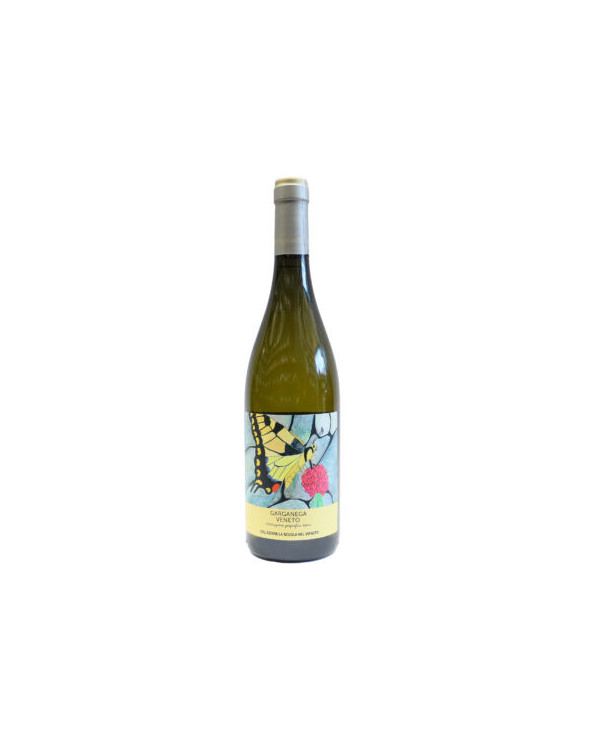
Garganega
Garganega is the most widespread white grape variety in the Veneto region, used primarily for the production of Soave. Wines made from Garganega are fresh, elegant, and aromatic, with notes of white flowers and white-fleshed fruit.
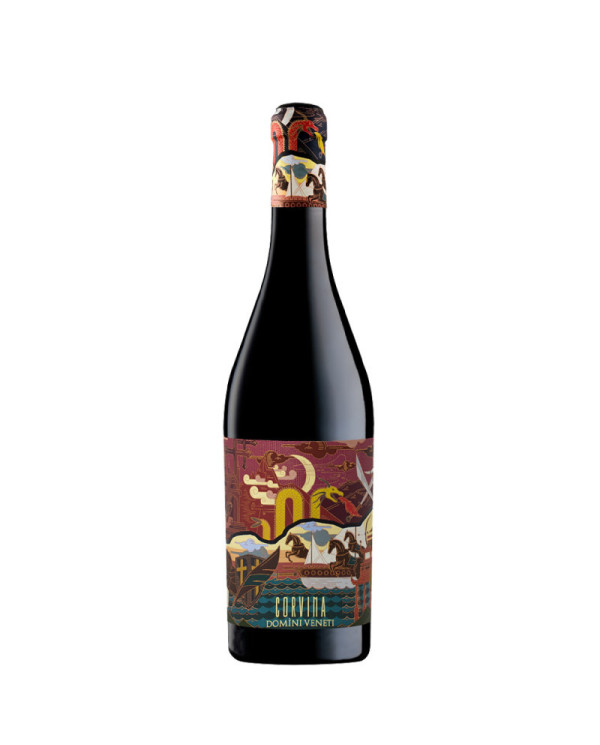
Corvina
Corvina is a typical red grape variety from the Veneto region, primarily used in the production of Amarone della Valpolicella and Valpolicella Ripasso. Wines made with Corvina are characterized by good structure, soft tannins, and fruity and spicy notes.
Raboso
Raboso is another native red grape variety from Veneto, known for its acidity andTannicity. Wines made from Raboso are intense, persistent, and long-lived, ideal for aging.
Wine classifications
DOCG
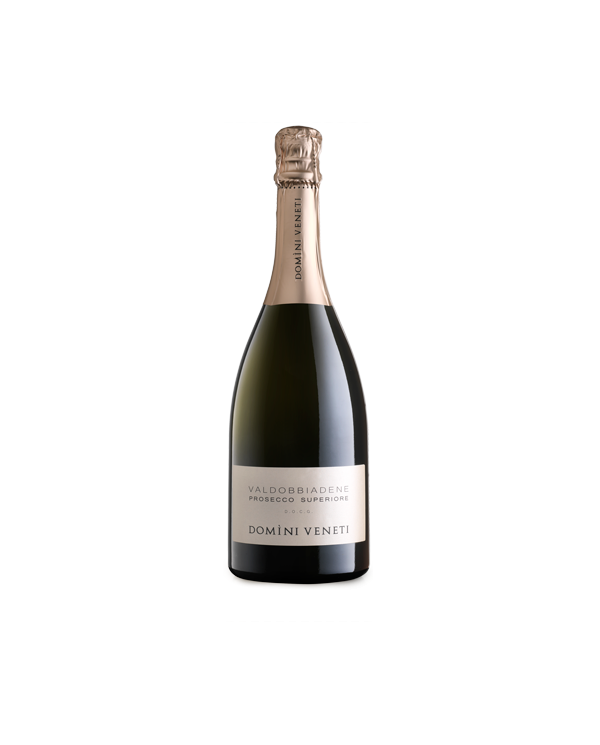
Veneto boasts numerous wines classified as DOCG (Controlled and Guaranteed Designation of Origin), including Amarone della Valpolicella, Recioto di Soave, and Prosecco Superiore di Conegliano-Valdobbiadene.
DOC
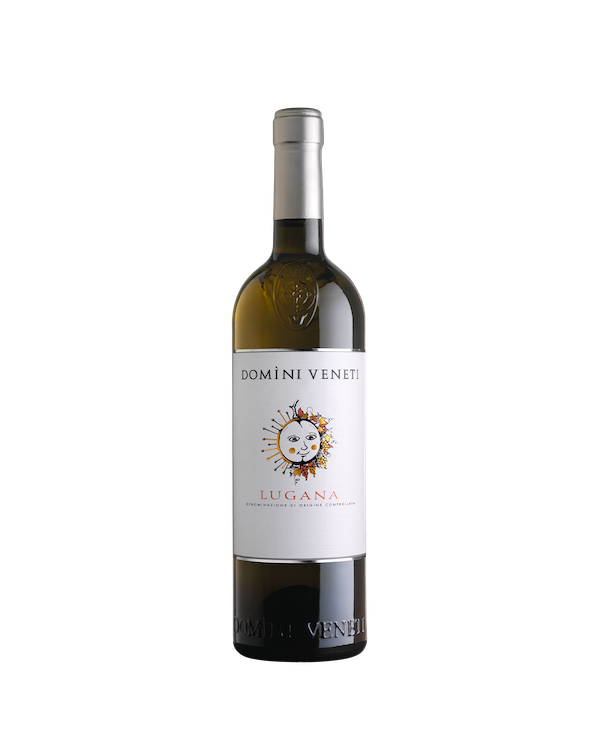
The region also boasts several DOC (Controlled Designation of Origin) denominations, such as Bardolino, Valpolicella, Soave, and Lugana, which attest to the quality and uniqueness of the wines produced.
IGT
Finally, wines that do not fall under the DOC and DOCG designations can be classified as IGT (Indicazione Geografica Tipica) Veneto, a more flexible category that allows for the use of a wider range of grape varieties and production methods.
Red wines from Veneto
Amarone della Valpolicella
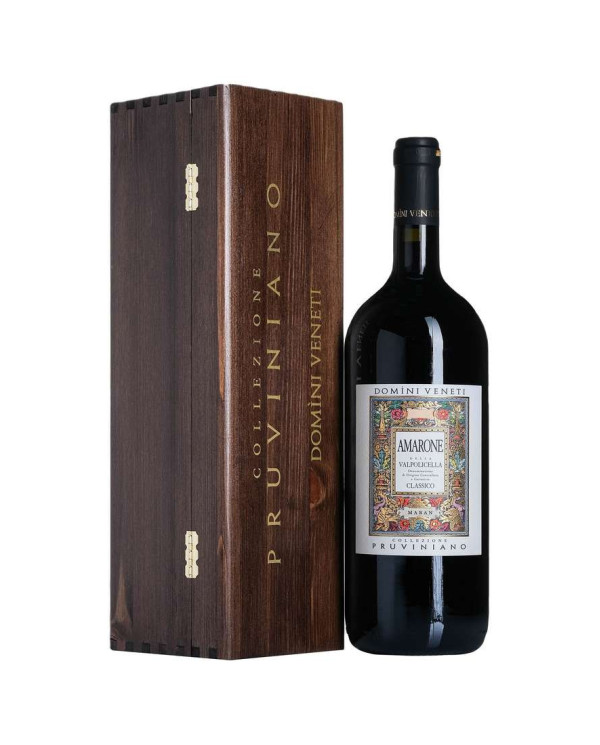
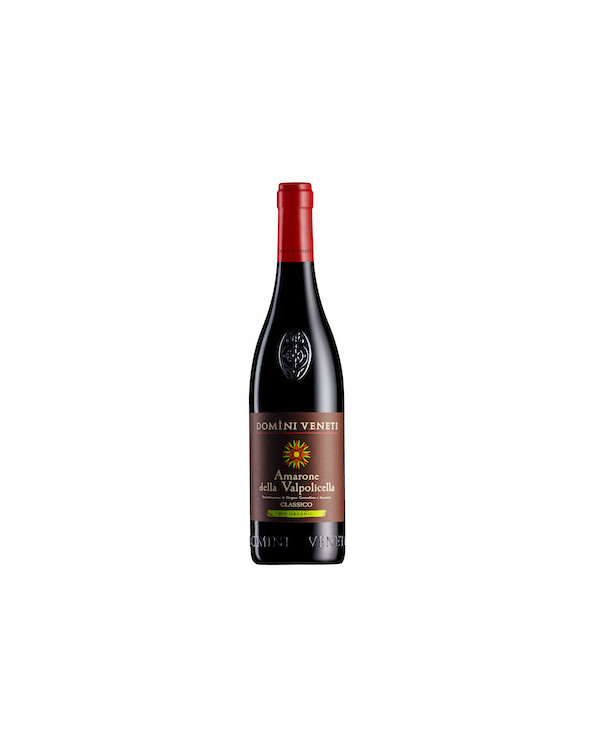
Amarone della Valpolicella is a full-bodied and structured red wine, made from dried grapes fermented to achieve a high concentration of sugar and alcohol. It has notes of dried fruit, spices, and chocolate, with a long, lingering finish.
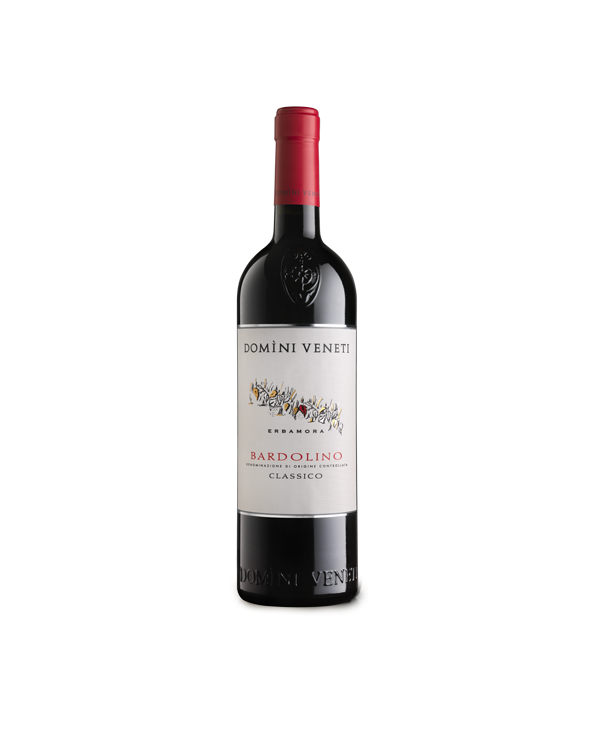
Bardolino
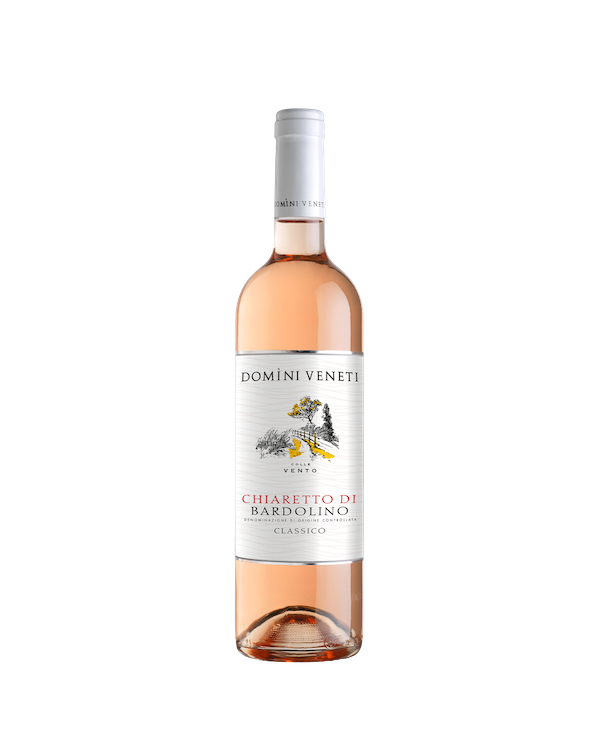
Bardolino is a light, fruity red wine, made primarily from Corvina and Rondinella grapes. It is characterized by its freshness and drinkability, with notes of cherry and red berries.
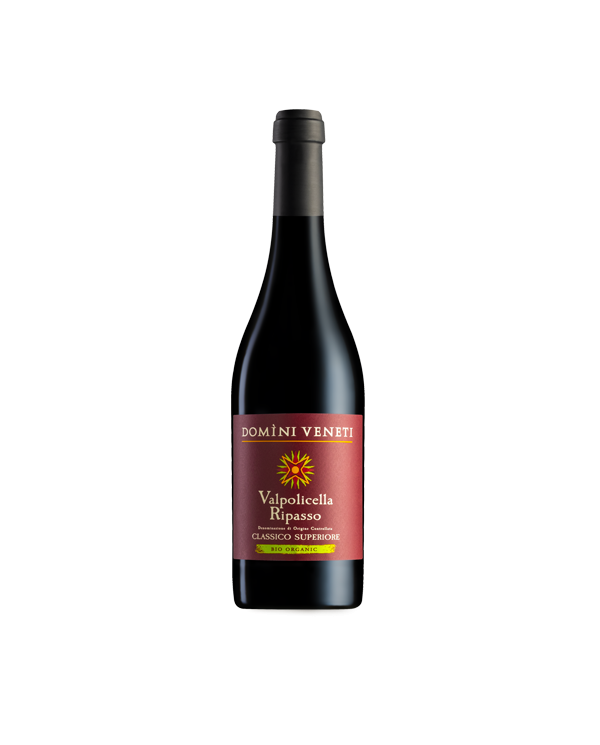
Valpolicella Ripasso
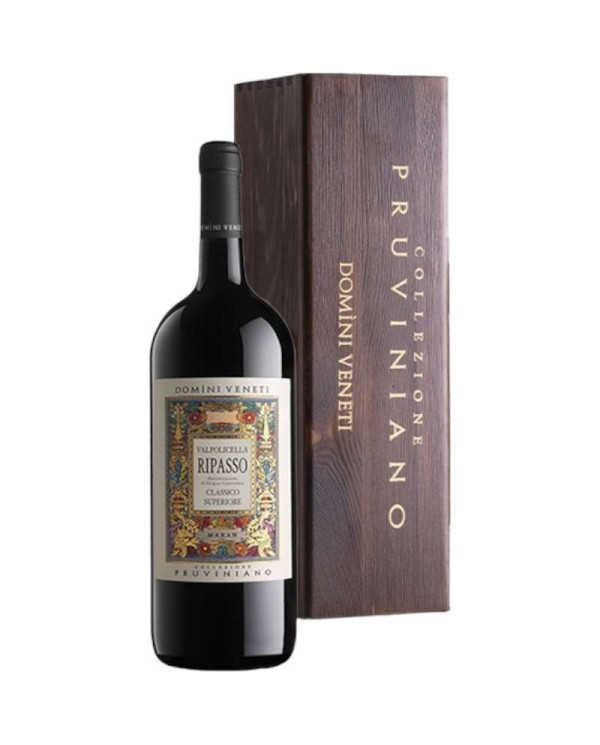
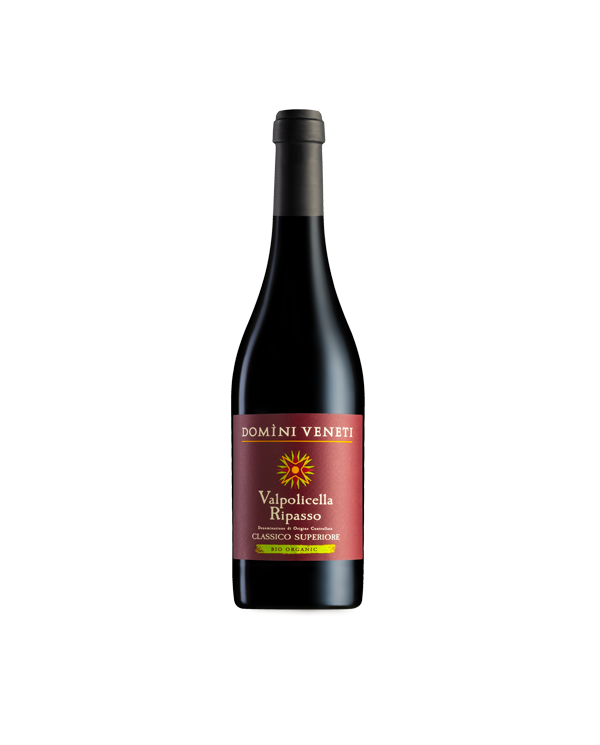
Valpolicella Ripasso is a red wine made through a "ripasso" process, the fermentation of Valpolicella on Amarone pomace. The result is a fuller-bodied and complex wine, with notes of ripe fruit, spice, and tobacco.
White wines from Veneto
Sweet
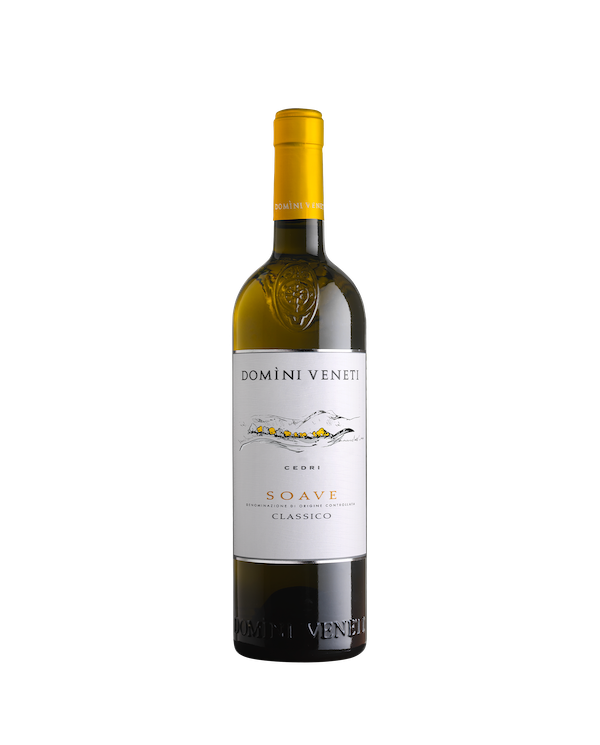
Soave is a dry, minerally white wine, made primarily from Garganega grapes. It has floral notes of white fruit and almond, with a fresh, savory finish.
Prosecco
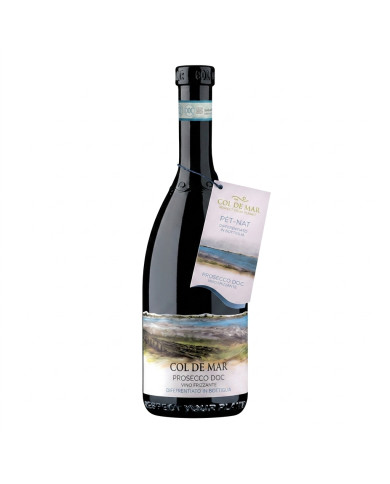
Prosecco is a sparkling white wine made from Glera grapes and fermented using the Charmat method. It features a creamy foam, notes of flowers and fresh fruit, and a smooth, pleasant finish.
Lugana
Lugana is a white wine made from Turbiana grapes, grown in the area between Veneto and Lombardy. It is an elegant and refined wine, with notes of white flowers, fruit, and minerality.
Production method
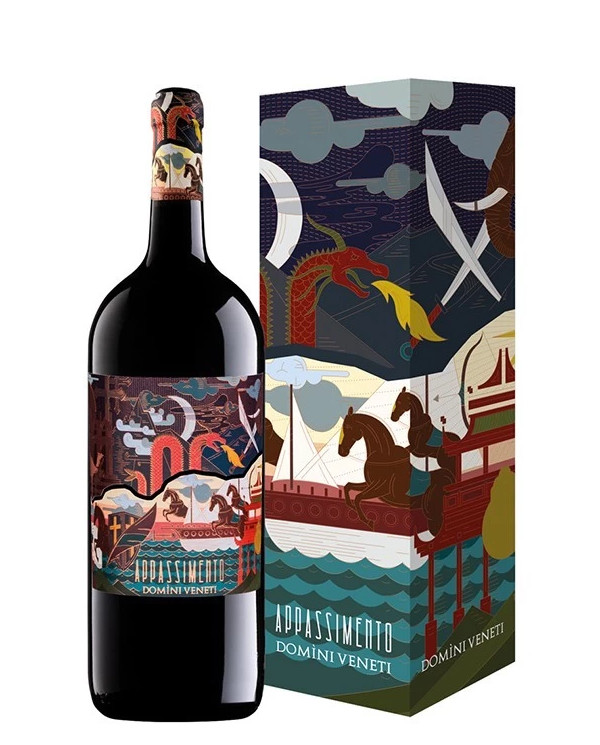
Withering
Appassimento is a grape drying process used in the production of Amarone della Valpolicella and Recioto di Soave. The dried grapes concentrate the sugars and aromas, giving the wines a distinct character. a unique and distinctive character.
Charmat Method
The Charmat method is used to produce Prosecco and involves a second fermentation in an autoclave, which gives the wine its characteristic effervescence.
Classic Method
The classic method, used for some Venetian sparkling wines such as Prosecco Superiore di Conegliano-Valdobbiadene, involves a second fermentation in the bottle and a period of aging on the lees, which gives the wine greater complexity and finesse.
Food pairings
Veneto wines pair perfectly with local cuisine, rich in flavors and traditions. Red wines, such as Amarone and Valpolicella Ripasso, pair well with meat and game dishes, while white wines, such as Soave and Lugana, pair well with fish and vegetable dishes.
Visits to the cellars
If you're interested in discovering Veneto's wines and producers firsthand, you can organize guided tours of the wineries and tastings directly in the vineyards. This is an excellent opportunity to appreciate the beauty of the area and meet the people who, with passion and dedication, continue the region's winemaking tradition.
Veneto is a land of unique and fascinating wines, the fruit of a long tradition and an extraordinary terroir. From discovering native grape varieties to visiting wineries, immerse yourself in the culture and flavors of this captivating Italian region and let yourself be captivated by its wines.
What are the most famous Veneto wine denominations?
Veneto is one of Italy's most important wine regions, with a wide variety of high-quality wines. Among the most famous Veneto wine appellations are:
-
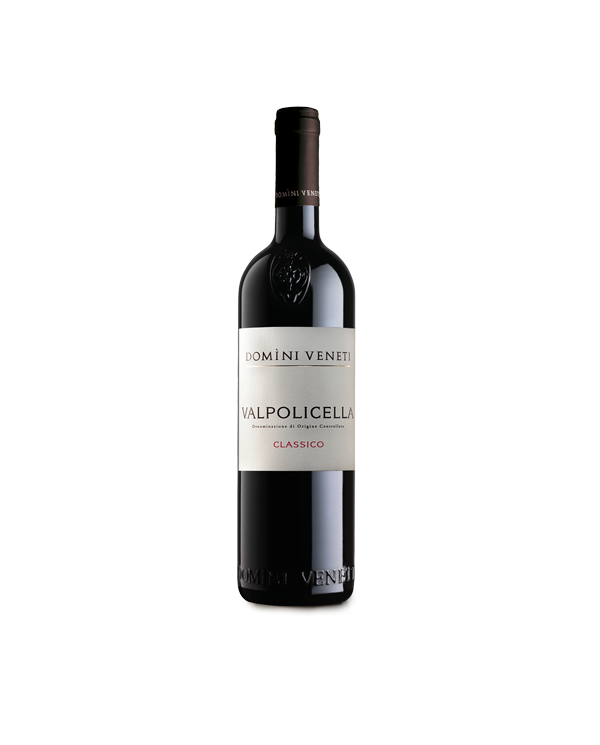
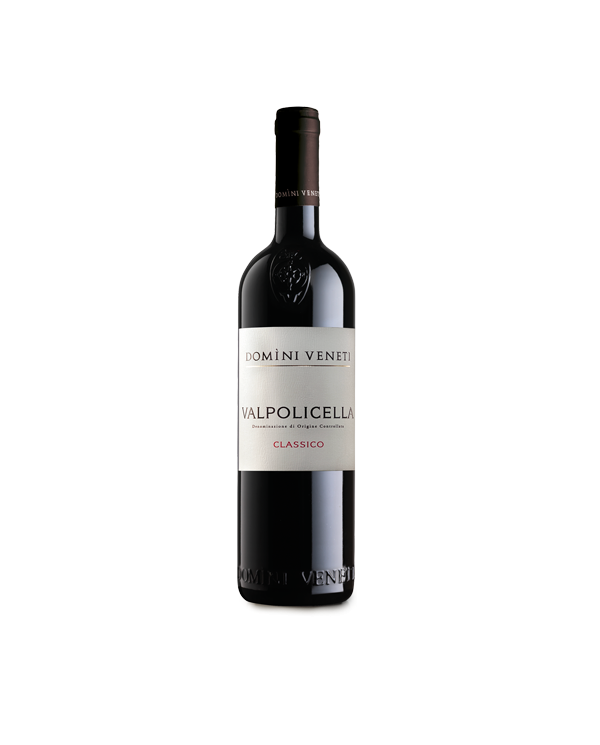
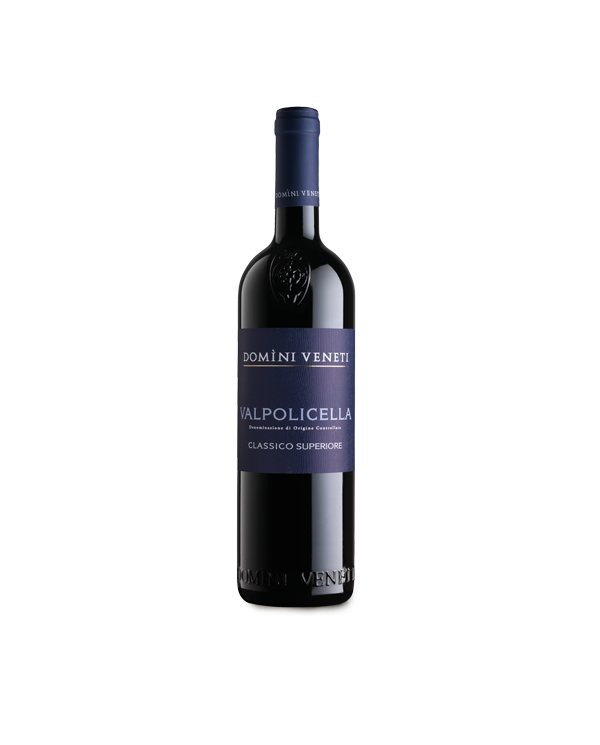
Valpolicella DOC: is a specific denomination for red wines produced in the Valpolicella area, north of Verona. These wines are made primarily from Corvina, Rondinella, and Molinara grapes.
-
Amarone della Valpolicella DOCGThis is a specific denomination for Valpolicella red wines that have undergone a drying process before fermentation. These wines are very rich and full-bodied, with remarkable aromatic complexity.
-
Soave DOC: It is a specific denomination for white wines produced in the Soave area, east of Verona. These wines are made primarily from Garganega and Trebbiano di Soave grapes.
-
Prosecco DOC and DOCGThese are two specific denominations for sparkling wines produced in the Veneto and Friuli Venezia Giulia regions. Prosecco DOC is produced in the province of Treviso, while Prosecco Superiore DOCG is produced in a smaller area in the provinces of Treviso and Belluno.
-
Bardolino DOC: is a specific denomination for red and rosé wines produced in the Bardolino area, on the shores of Lake Garda. These wines are made primarily from Corvina, Rondinella, and Molinara grapes.
These are just a few examples of Veneto's wine denominations, but the region boasts many other high-quality, internationally recognized wines.
What are the most important native grape varieties of Veneto?
Garganega, Corvina and Raboso are the most representative native vines of the region.
What is the difference between DOCG, DOC and IGT?
The DOCG designation guarantees the origin and quality of wines produced in a specific geographical area, while the DOC designation indicates a broader geographical origin and greater flexibility in the choice of grape varieties and production methods, while the IGT designation allows for an even wider range of grape varieties and production methods.
What are some of the most famous red and white wines from the Veneto region?
Among the red wines, Amarone della Valpolicella, Bardolino, and Valpolicella Ripasso are highly regarded. Among the white wines, Soave, Prosecco, and Lugana are among the best-known.
What production methods are used in the Veneto region?
In Veneto, various production methods are used, including appassimento, the Charmat method, and the Classic method.
Is it possible to visit the cellars and taste Veneto wines?
Yes, many wineries offer guided tours and tastings. Directly at the vineyards. We recommend contacting the wineries to arrange a visit and enjoy an unforgettable experience in the heart of the Veneto region.