

 Italiano
 Deutsch







There are no more items in your cart
SKU:
13716
Brand:
Spadafora
The name of this label recalls the one and only architect of its being, it is in fact the sun The name of this label recalls the one and only architect of its being, it is in fact the summer sun of our beloved land, the summer element of our beloved land, the element that determines its organoleptic characteristics. which determines its organoleptic characteristics. A raisin wine of great value, our Solarys bianco, a late harvest of grapes from A raisin wine of great value, our Solarys bianco, a late harvest of grapes from autochthonous vines, grown as saplings, left on the plant to dry gradually until the autochthonous vine , grown as saplings, left on the plant to dry gradually until reaching the natural sugar concentration; sweet, never cloying, a delicate to reach the natural sugar concentration; sweet, never cloying, a delicate nectar to be served chilled, with fresh fruit tarts or blue cheeses.
€28.55
SKU:
13531
Brand:
Angelucci
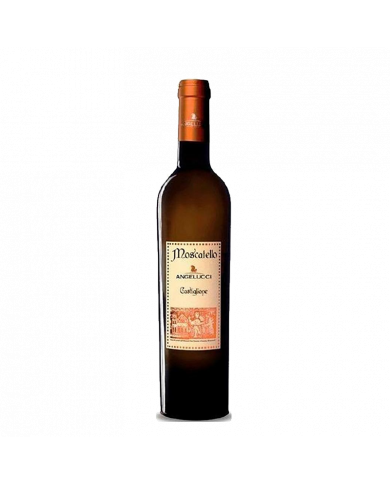
Moscatello di Castiglione Angelucci is a natural passito wine obtained from the original “Casauriense biotype” clone, cultivated between 250 and 350 meters on medium-loose soils in the Casauria area, about 40 km away. from the sea and close to the mountains.
SKU:
13413
Brand:
San Felice
Our Vin Santo In Pincis is produced only in the best years, when the conditions give the healthiest grapes and the highest sugar levels. Rigorously selected bunches of Trebbiano Toscano and Malvasia del Chianti undergo a long drying process, then the wine spends seven years in wooden barrels.
€41.24
SKU:
13385
Brand:
Avignonesi
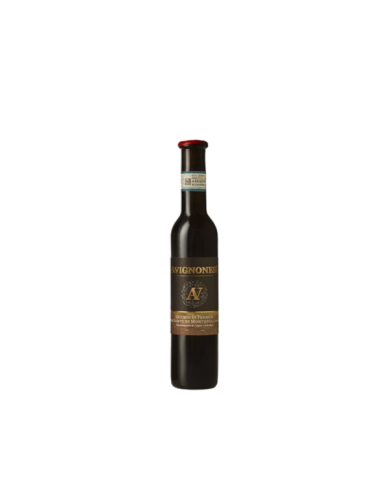
Avignonesi 's Vin Santo Occhio di Pernice is an extraordinarily rich sweet wine, produced from Sangiovese grapes and aged for 10 years in kegs. It exudes aromas of dates, dried fruit, panforte and sweet spices. On the palate it is sweet and sensual, infinite, with notes of cedar, salty candies and freshly baked biscuits
€82.24
€13.32
€11.30
SKU:
13296
Brand:
Forteto della Luja
€25.33
€22.79
Forteto Pian dei Sogni Piemonte Brachetto Passito DOC is cherry red in colour. A wine with pleasant garnet reflections. Pian dei Sogni is produced in a hilly area at an altitude of over 400 meters slm It is made with the Guyot system according to traditional methods and by hand. This excellence comes from dried Bracchetto grapes. A Brachetto Passito Doc that stands out in terms of particular aromas and scents. Discover the hints of dried rose, strawberry jam, cherries in syrup and spices. Then savor it with hazelnut, walnut, almond, chocolate or chestnut cakes.
€25.33
€22.79
SKU:
13247
Brand:
Carpineto
Tuscan Vinsanto… a wine whose origins are lost in the mists of time. Vinsanto in Tuscany is such an important wine full of meaning that it was difficult to buy, it was an ambition to make it at home with your own hands; in every family there was a person in charge of this art, usually the father or grandfather. The hypothesized origins of this exquisite drink, as well as those of its singular name are different and are lost in the mists of time. A Sienese legend says that in the 14th century a friar distributed a wine that healed the sick, hence the belief that it was a miraculous wine, "Santo". However, it cannot be excluded that the name "holy" derives from the use that has always been made of it during Mass.
€41.24
SKU:
13172
Brand:
Ornella Bellia
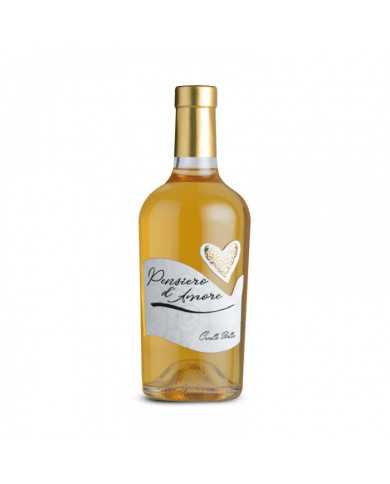
They are bunches with thick and consistent skins, high alcoholic potential and sustained acidity, which we know can give interesting and unprecedented nuances in the raisin version.
€30.77
SKU:
13014
Brand:
La Collina Dei Ciliegi
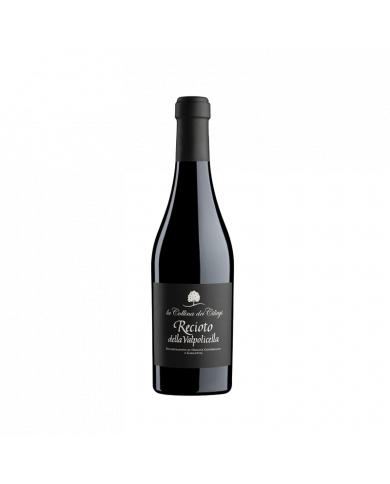
Enveloping in the mouth, with a long and pleasant finish, it is to be tried with a slice of delicious chocolate salami, with a spicy zola crouton and even alone, in peace and relaxation.
€30.93
SKU:
12961
Brand:
Marchesi de Cordano
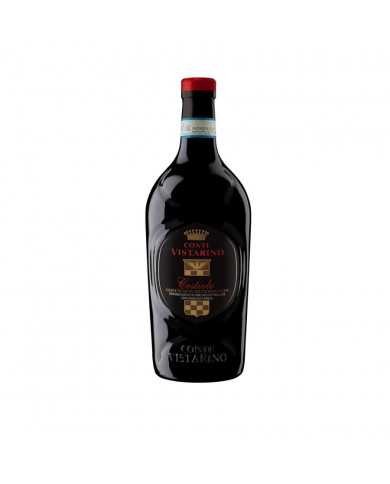
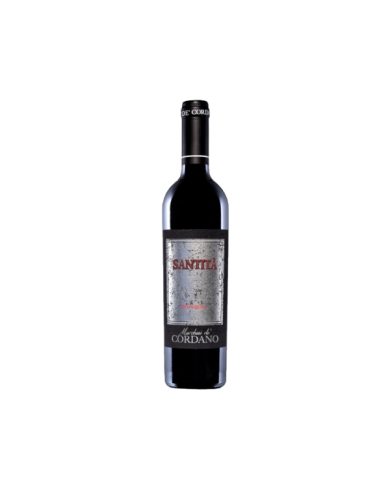
With an intense ruby red color, it is a velvety wine, which contains hints of cherry, raspberry and dried fig. On the palate it reveals slight notes of violet that pamper and caress the end of the meal. Maximum Expression: 8-10 years. Vinification: On the skins for 18 days, followed by static decanting in large barrels. The wine is aged for 9 months in barriques and then rests for 6 months in the bottle.
€18.48
SKU:
12068
Brand:
Maculan
Maculan 's Moscato Dindarello was obtained from 100% Moscato Bianco grapes grown on hilly soils of limestone and tuffaceous matrix located in the Breganze area (VI). After the harvest, the grapes were subjected to drying in the loft for about 1 month, a practice which allowed the grapes to obtain a higher sugar concentration. The alcoholic fermentation, aimed at transforming the sugars into alcohol, took place in steel vats. Before being marketed, this delicious straw wine rested for 3 months in the bottle.
€13.60
Discover the Delight of Sweet Wines: A Journey for Your Senses
Sweet wines can be a true delight for the senses. The way sweet wine touches your taste buds and nostrils with its rich aromas will make you feel like you're in heaven. The magic of sweet wines is unique and is becoming increasingly popular among consumers seeking a unique sensory experience. If you're looking to discover the beauty of sweet wines, then you've come to the right place. This article will explore some of the best sweet wines and how to choose the right one for you.
What is a Sweet Wine?
First, we need to clarify what a sweet wine is. A sweet wine is one that contains a certain amount of sugar. This sugar can be added during fermentation or later. The amount of sugar in sweet wine can range from slightly sweet to very sweet. Sweet wines are often sweeter than dry wines because they contain more sugar.
The Most Popular Sweet Wines
Sweet wines can be divided into three broad categories: dessert wines, sparkling wines, and aromatized wines. Dessert wines are sweeter and more aromatic, such as Port, Sherry, Muscat, and Madeira. Sparkling wines are carbonated wines such as Champagne, Moscato Frizzante, Prosecco , and Cava. Aromatized wines are fruit-forward, such as Riesling, Gewürztraminer, and Grüner Veltliner.
How to Choose a Sweet Wine
If you're interested in trying a sweet wine, there are a few things to consider. First, you need to decide whether you want a dessert wine, a sparkling wine, or an aromatized wine. You'll also need to consider your budget and personal tastes. If you're a beginner, you might want to start with a less expensive and less sweet wine, like a Moscato or Riesling. If you're an expert, you might want to explore rarer and more expensive wines like a Port or Sherry.
How to Serve a Sweet Wine
If you've decided to try a sweet wine, it's important to serve it properly. Dessert wines should be served chilled, while sparkling and aromatized wines should be served at room temperature. The right temperature for a sweet wine varies depending on the type of wine, so be sure to read the labels before serving. Dessert wines should be served in wider dessert glasses, while sparkling and aromatized wines should be served in wine glasses.
How to Pair a Sweet Wine
One of the advantages of sweet wines is that they can be paired with many different dishes. Dessert wines pair well with desserts, cheeses, and meats. Sparkling wines can be paired with all types of dishes, from savory to sweet. Aromatized wines are particularly versatile and can be paired with fish, meat, and vegetable dishes.
Conclusion
Sweet wines are a fun and relaxing way to enjoy a meal or an evening. Whether you're a beginner or an expert, there's a sweet wine to suit your needs. Remember to choose the right wine for your meal, serve it at the right temperature, and pair it properly. If you follow these steps, you're sure to enjoy the delights of sweet wines.