

 Italiano
 Deutsch


















There are no more items in your cart
SKU:
11396
Brand:
Rotari
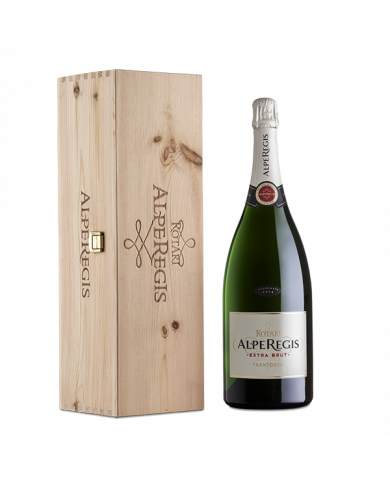
From the best Trentino sparkling wine tradition combined with the oenological style of Rotari , AlpeRegis Trentodoc is born, a special vintage dedicated to lovers of good food and good living. The name evokes the Royal figure of Rotari and a strong reference to the Alpine territory that has contributed to making Rotari legendary by fixing its deeds in history.
€67.71
SKU:
11334
Brand:
Feudo Arancio
From the ancient philosophy of life that indicated the pursuit of pleasure as the ultimate goal, Hedonis was born: a wine that manages to satisfy the pleasure of the senses by celebrating the richness of Nero d'Avola in purity and embodying the most genuine and authentic expression of viticultural wealth and Sicilian winemaking. To create Hedonis, the B21 and B30 vineyards of Sambuca were selected, with a west-east orientation which favors direct radiation from the first light of the morning, immediately after the coldest moment of the day, causing a sort of thermal excursion limited directly on bunches and leaves. The rich and slightly clayey soils, the warm climate but with cool nights allow for perfect ripening of the grapes which are harvested around mid-September. A first part is subjected to fermentation and alcoholic maceration for about 15-18 days with repeated pumping over to extract the color and the tannic component. After malolactic fermentation, the wine is aged in new French and American oak barriques for 18-20 months. The second part of the grapes is instead subjected to drying in cells with temperature and humidity control for about 40-45 days until the loss of about 40% in weight. After fermentation and alcoholic maceration for about 15 days, the wine obtained from the withering is kept in steel for 18-20 months. At the end of the maturation period, 50% of the wine aged in barriques is combined with 50% of wine obtained from drying, creating a distinctive, rich and elegant aromatic union.
€65.47
€91.01
SKU:
11305
Brand:
Castel Firmian
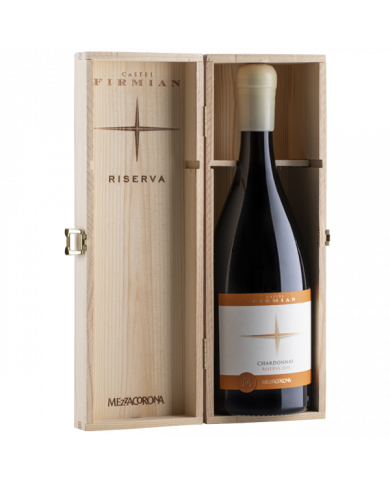
The Chardonnay Riserva comes from a selection of the best vineyards grown on the slopes of the Trentino mountains between 250 and 500 m above sea level. The preferred soils are of alluvial and draining origin. The grapes are harvested well ripe and characterized by a golden yellow colour, an indication of high aromatic richness. The skilful blending of wines obtained from vineyards located at various altitudes and with different exposures results in a wine that is ripe and rich but also fresh and fragrant. The grapes are harvested in September, partly subjected to cold maceration to increase the extraction of aromas and subsequently subjected to soft pressing. The must is fermented with the addition of selected yeasts, half in steel and half in lightly toasted French oak. The wines mature for 8 months in wood and 4 months in steel. The part that ages in barrique also carries out the malolactic fermentation and repeated batonage (resuspension of the fermentation yeasts) is carried out. Finally, 3-4 months of aging in the bottle follow.
€42.09
SKU:
11300
Brand:
Castel Firmian
The Teroldego vine is a native variety of Trentino and finds its ideal development environment in the Piana Rotaliana. The word "Teroldego" seems to derive from "Tiroler Gold" (gold of Tyrol), the name by which this wine was indicated at the Court of Vienna during the Austro-Hungarian empire; from this denomination “Tiroldico” would later derive and later, Teroldego. Among the Trentino red wines it is the most renowned, so much so that it is defined as the "prince wine of Trentino". The Riserva di Teroldego is produced only in great vintages from carefully selected grapes by hand in the most suitable areas of the Piana Rotaliana: "Fron", "Rauti", "Camorzi" and "Sottodossi". The grapes are pressed with separation of the stems. The seeds are partially removed, followed by maceration on the skins with frequent pumping over and fermentation at a controlled temperature of around 25°C for 12-13 days. Minimum 24 months of maturation, of which 12 in precious oak wood (Allier and Troncais) followed by refinement in the bottle.
€46.48
SKU:
11299
Brand:
Castel Firmian
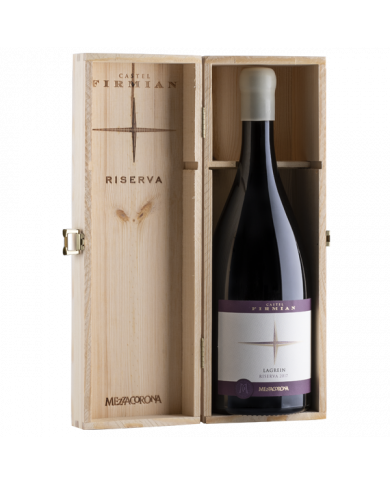
Autochthonous vine of Trentino Alto Adige, it has been cultivated in the Dolomite mountains since the fifteenth century where it has adapted perfectly. Over the centuries this vine has given rise to two different biotypes due to the different shape and size of the bunch: short bunch Lagrein and long bunch Lagrein. From the selection of the best short-cluster Lagrein vineyards grown along the Adige river valley, we produce this rich and powerful red. The Lagrein vineyards are grown on the hills at an altitude of 200-400m along the Adige river valley using only simple pergolas: this guarantees excellent exposure of the bunches to the sun, guaranteeing excellent aromatic and polyphenolic ripening without the risk of burning the grapes. When the grapes reach perfect ripeness, they are harvested and selected by hand around the second week of October. The grapes are vinified according to the classic red winemaking technique, at a temperature of 26°C for 12-13 days with the addition of selected yeasts. Maturation in wood follows for 10 months in French oak barriques with 3-year aging and light toasting. Finally, another 12 months of aging between steel and bottle are required.
€47.21
SKU:
11238
Brand:
Sincarpa
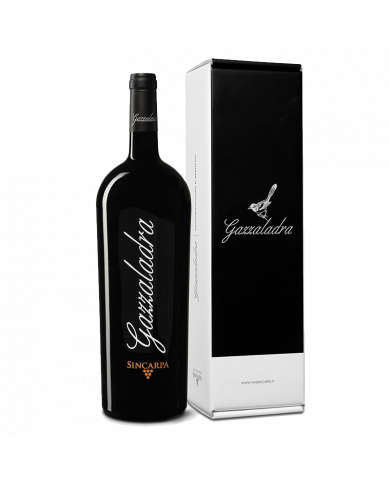
it is obtained from a careful selection of the oldest vineyards of Montepulciano of our members who enjoy the best pedoclimatic conditions, capable of giving a more mature and structured wine. Fermentation with indigenous yeasts, with subsequent maturation and refinement in concrete tanks.
€26.84
€49.90
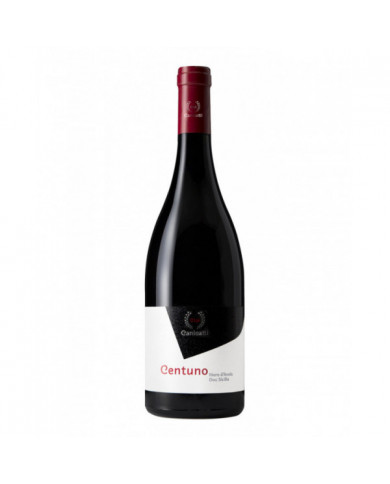
SKU:
11221
Brand:
CVA Canicattì
A Nero d'Avola, modern with its characteristic fruity notes and black pepper; harmonious, balanced, pleasantly tannic.
€7.22
€59.78
SKU:
11214
Brand:
CVA Canicattì
A Nero d'Avola with intense and persistent aromas that can be discovered for its modernity and charm. A classy wine, which surprises for its harmony and pleasantness, capable of revealing the authentic traits of the prince of Sicilian natives.
€34.16
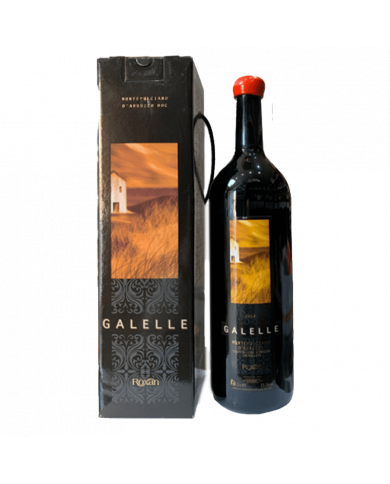
SKU:
11183
Brand:
Roxan
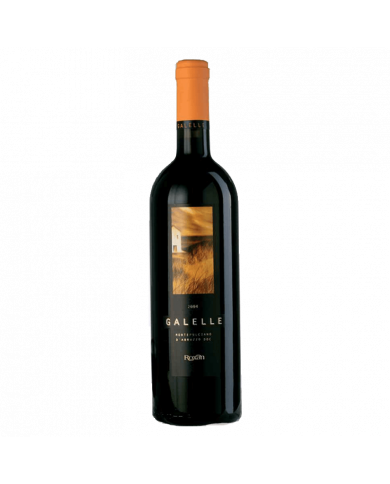
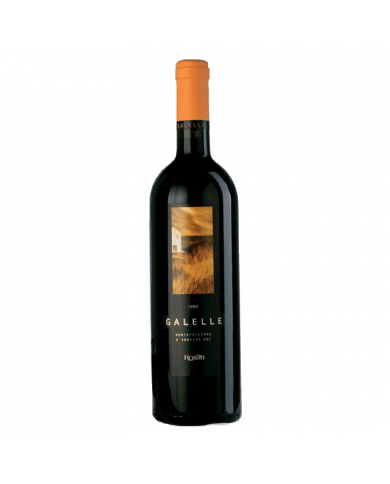
Ruby red in color, complex aroma with spicy notes and ripe fruit with a soft but decisive taste.
€24.63
SKU:
11182
Brand:
Roxan
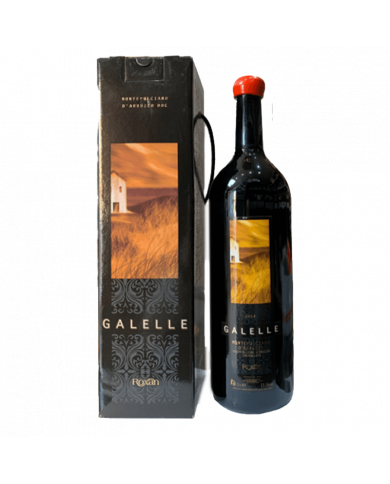
Ruby red in color, complex aroma with spicy notes and ripe fruit with a soft but decisive taste.
€24.63
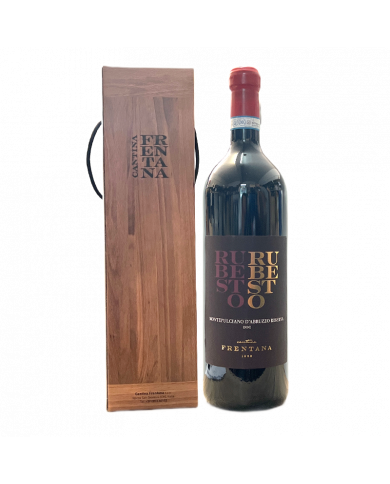
SKU:
11101
Brand:
Cantina Frentana
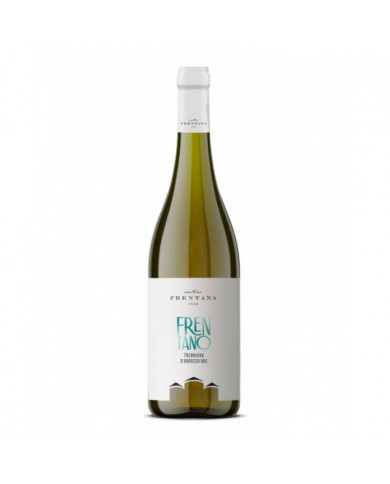
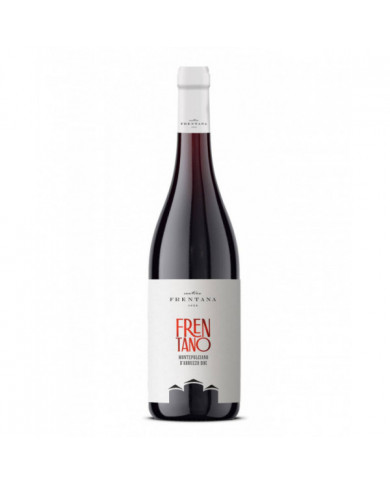
The term 'Trebbiano', according to its etymology, indicates a local village and home-made white wine that dates back to Etruscan and ancient Roman times. Today a large number of Abruzzo vines bear this name and give life to fresh and vibrant white wines. Trebbiano d'Abruzzo DOC Frentano perfectly reflects these characteristics and is excellent to accompany first courses of Mediterranean cuisine.
€8.78
€8.78
SKU:
11090
Brand:
D'Alesio Sciarr
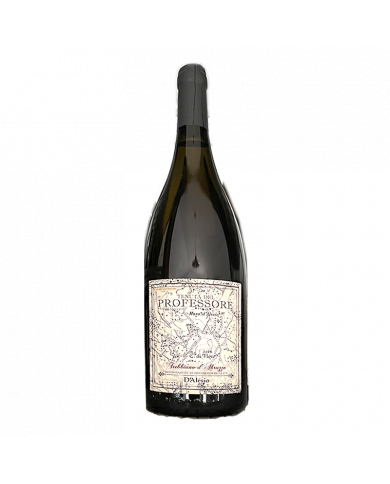
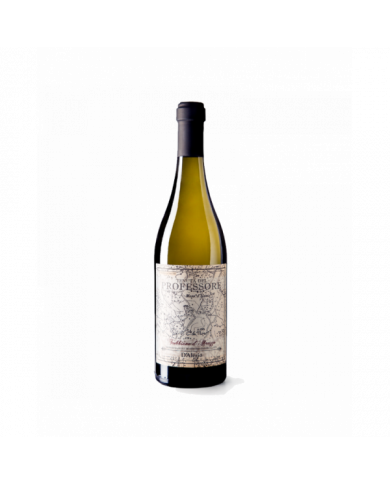
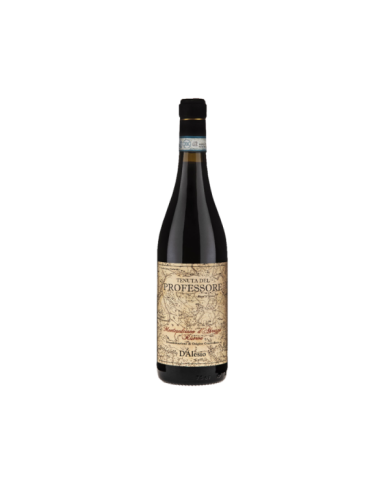
Farmers from the beginning of the 19th century. The D'Alesio farm, from 40 hectares of property on the Abruzzo hills of Citta Sant'Angelo, produces in organic farming: wine, extra virgin olive oil, legumes and selected cereals. SCIARR and D'ALESIO are the brands of excellence, selection and quality, respecting the territory and tradition. Result of the meeting of thoughts of three generations. The selection of their best grapes gives life to the D'ALESIO line, produced only in the most favorable years and in full respect of the natural cycles of the vine and wine.
€76.86
SKU:
11084
Brand:
D'Alesio Sciarr
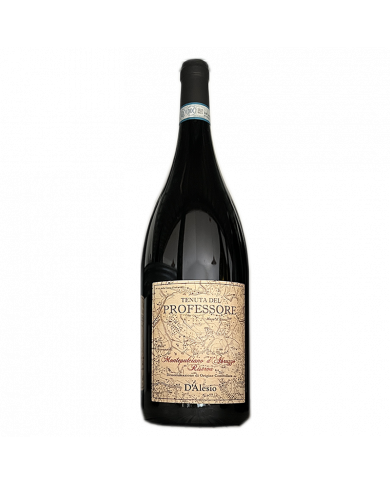
Farmers from the beginning of the 19th century. The D'Alesio farm, from 40 hectares of property on the Abruzzo hills of Citta Sant'Angelo, produces in organic farming: wine, extra virgin olive oil, legumes and selected cereals. SCIARR and D'ALESIO are the brands of excellence, selection and quality, respecting the territory and tradition. Result of the meeting of thoughts of three generations. The selection of their best grapes gives life to the D'ALESIO line, produced only in the most favorable years and in full respect of the natural cycles of the vine and wine.
€98.55
SKU:
11074
Brand:
Cantina Marchesi Antinori
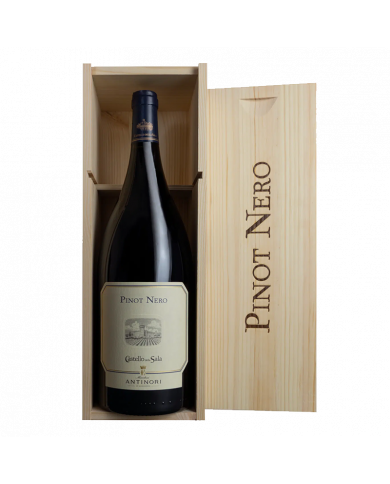
Produced since 1990 exclusively from Pinot Noir grapes, it is, in a certain sense, the "alter ego" of Cervaro: together they represent the two different expressions of the complex and refined soul of Castello della Sala. The 4 hectares of vineyards from which it is produced are located at over 400 meters above sea level on calcareous soils rich in fossils with sands of sedimentary origin dating back to the Pliocene.
€109.43
SKU:
11073
Brand:
Cantina Marchesi Antinori
The Chianti Classico Riserva "Villa Antinori " is a bursting expression of Tuscany and is aged for 24 months in wooden barrels. Complex, intense and rich on the nose. Elegant, full-bodied and structured on the palate. Here proposed in an elegant wooden box, ideal for a gift!
€50.22
SKU:
11072
Brand:
Cantina Marchesi Antinori
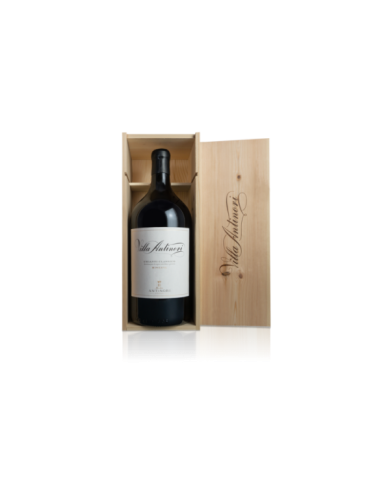
A magnificent wine envied by the whole world, a creation that only Antinori could obtain, the Chianti Classico Riserva, signed "Villa Antinori " is a true masterpiece of central Tuscany. We offer it in 3-liter format in its magnificent silk-screened wooden case. A perfect product for a gift or for an important dinner, destined to withstand even long aging, it is truly a wine not to be missed.
SKU:
11070
Brand:
Cantina Marchesi Antinori
THE RED OF CASA ANTINORI IN THE LARGE FORMAT Villa Antinori , one of the best known and appreciated labels by the general public, is also offered in the Magnum version, more suited to aging and to make a good impression on the table. Sangiovese stands out in its blend with 55% followed by Cabernet Sauvignon with 25%, Merlot with 15% and Syrah with 5%. With the appropriate winemaking techniques all the aromatic and coloring substances have been extracted from these grapes. The consequent assembly and aging in barriques of various origins has given the wine international references and at the same time a strong territorial link that expresses all its "Tuscan character".
€39.02
€47.43
€18.70
€59.44
€120.00
SKU:
10886
Brand:
San Leonardo
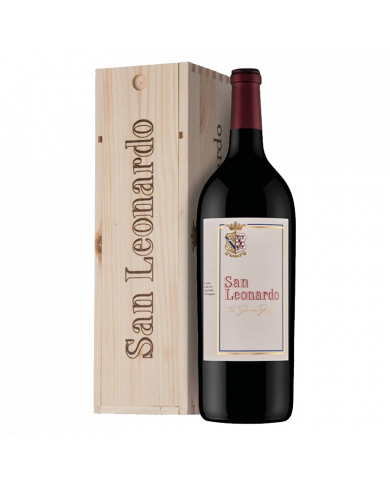
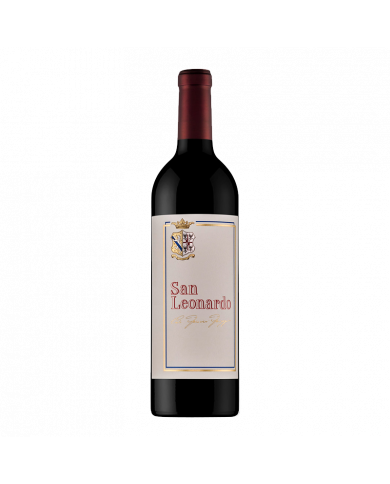
Wine symbol of the estate, it has its roots in its millenary history. A classic Bordeaux cut of aristocratic elegance and extraordinary longevity.
€203.01
SKU:
10882
Brand:
San Leonardo
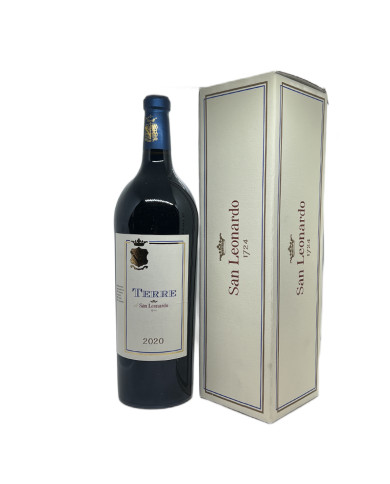
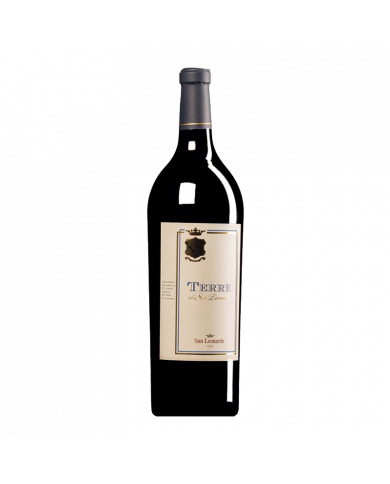
Terre, a classic Bordeaux blend, follows in the footsteps of the "older brother" San Leonardo , born from the same terroire, expresses great freshness and balance.
€40.14
SKU:
10867
Brand:
San Leonardo
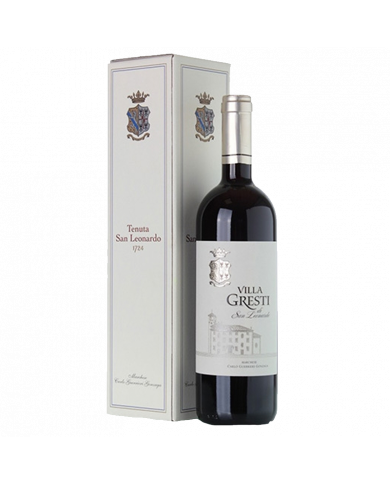
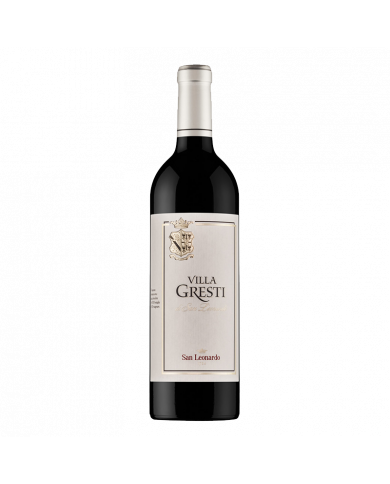
A refined blend of Merlot and Carmènere, Villa Gresti is a wine with a wonderful texture and velvety tannins.
€63.44
SKU:
10863
Brand:
Campi Valerio
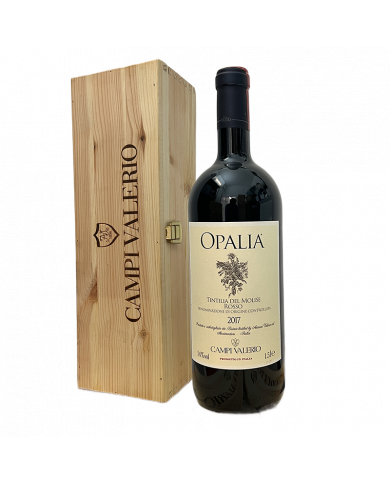
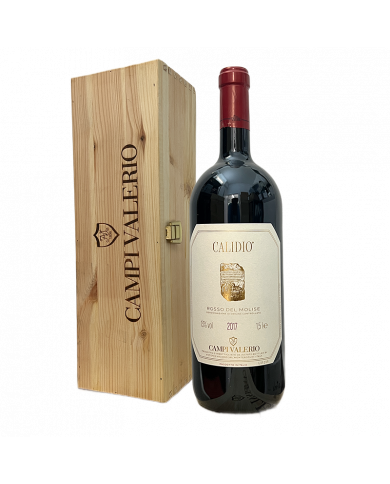
Intense ruby red color. Hints of berries and licorice root on a vanilla base.
€38.30
SKU:
10862
Brand:
Campi Valerio
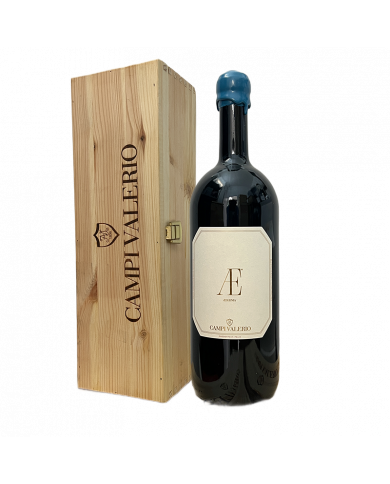
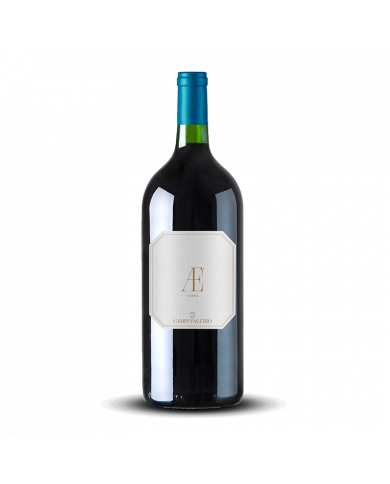
AE is a tribute to the city of Isernia. Ruby red color with violet reflections. the nose is complex and persistent with hints reminiscent of balsamic herbs and ripe red berries. Full-bodied, rightly tannic.
€45.00
SKU:
10859
Brand:
Campi Valerio
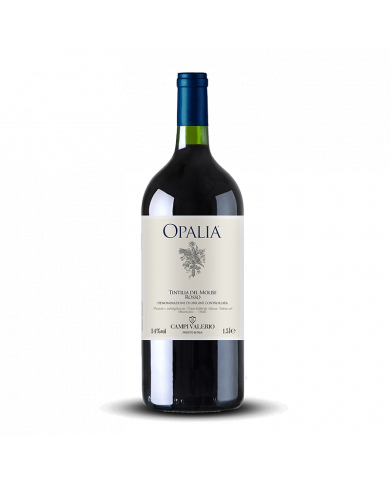
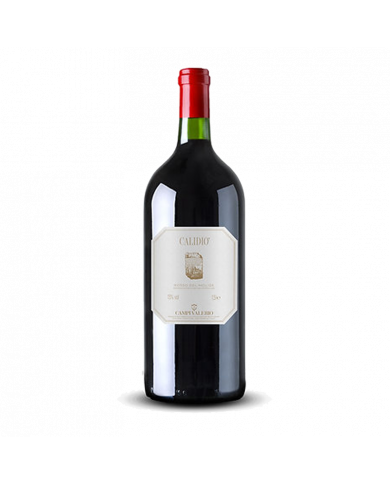
Intense red. Wide bouquet reminiscent of wild violets, but also a scent of morello cherry with a pleasant herbaceous note. The taste is dry, acidulous and austere, rich in body. rightly tannic.
€23.90
SKU:
10834
Brand:
Antonelli San Marco
A cru that differs from our Chiusa di Pannone for the characteristics of the vineyard, facing east instead of south and with a richer soil in gravel.
SKU:
10829
Brand:
Antonelli San Marco
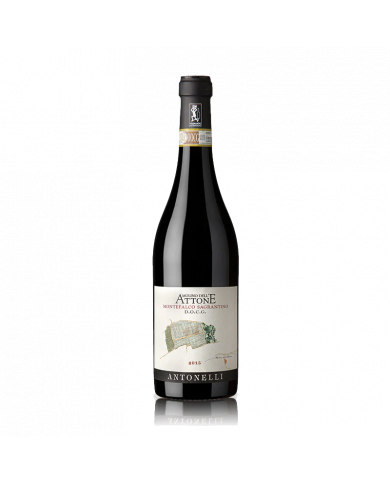
The Sagrantino vine, cultivated for centuries exclusively in Montefalco, seems to have been brought there from Asia Minor by the followers of S. Francesco.
€49.90
SKU:
10820
Brand:
Antonelli San Marco
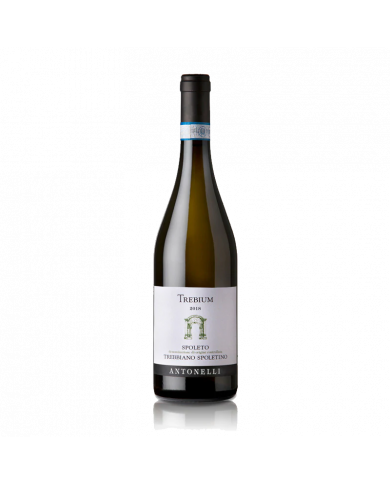
Trebbiano Spoletino is a typical variety of the territory that extends between Montefalco, Trevi and Spoleto; perhaps the name derives from “Trebium”, Trevi in Latin.
€27.33
€59.78
Large format wines are a popular choice for special occasions and among wine collectors. They come in a variety of sizes and offer a variety of advantages over standard bottles. In this article, we'll explore everything you need to know about large format wines, from their benefits to storage and purchasing.
The advantages of large format wines
Large format wines offer numerous advantages over standard bottles. First, most wines in large formats age better than standard bottles. This is because the amount of oxygen entering the bottle is lower than in standard bottles. Furthermore, the larger capacity of wine in a single container means that temperature fluctuations are less significant, reducing the risk of damage to the wine.
Secondly, large format wines are an ideal choice for special occasions. A large bottle quickly becomes the center of attention and impresses guests. Furthermore, a single large bottle is much easier to manage than many smaller ones. For example, if you're hosting a dinner for a large group, you can use several large bottles to facilitate service.
Large format wine sizes
Large format wines are available in different sizes, each with a specific name:
Magnum : 1.5 litres, equal to two standard bottles
Jeroboam : 3 liters, equal to four standard bottles
Rehoboam : 4.5 liters, equal to six standard bottles
Methuselah : 6 liters, equal to eight standard bottles
Salmanazar : 9 liters, equal to twelve standard bottles
Balthazar : 12 liters, equal to sixteen standard bottles
Nebuchadnezzar : 15 litres, equal to twenty standard bottles
Storage of large format wines
Storing large-format wines is an important aspect to consider. Because these bottles are larger than standard bottles, storage can be more complicated. Most cellars don't have shelves or space suitable for large bottles, so planning ahead is essential.
Additionally, large bottles may take longer to adjust to the ambient temperature in which they are stored. To avoid temperature fluctuations, it's important to store large bottles in a cool, dry place.
Purchase of large format wines
Buying large format wines can be an excellent choice for wine collectors and for special occasions. However, it's important to pay attention to the bottles' origin. Large bottles can be more susceptible to counterfeiting than standard bottles, so it's important to buy from reputable and trustworthy sellers.
What are large format wines?
Large format wine bottles are larger than the standard 750ml bottle. There are numerous larger wine bottle sizes, including the Magnum (1.5 liters), the Double Magnum (3 liters), the Jeroboam (4.5 liters), the Rehoboam (4.5 liters), the Methuselah (6 liters), the Salmanazar (9 liters), the Balthazar (12 liters), and the Nebuchadnezzar (15 liters).
Why choose large-format wines?
There are many reasons to choose a larger bottle of wine over the traditional 750 ml bottles. First, wine in larger formats is more stable than standard bottles, thanks to the greater volume of wine in the bottle and the smaller amount of air coming into contact with the wine.
Secondly, wines in large formats develop more slowly, meaning they can be stored for a longer period without undergoing any alteration. Furthermore, these wines have greater harmony and balance than standard bottles, thanks to the greater contact surface between the wine and the cork.
Finally, wines in large formats are ideal for special occasions, such as weddings, anniversaries, birthdays, or corporate events, because they have a greater visual impact and can satisfy the palates of a greater number of people.
How to choose a large format wine?
Choosing a large-format wine depends on the type of wine and your personal needs. Generally, the wines best suited to larger formats are those that require a longer aging period, such as structured red wines, complex white wines, or sweet dessert wines.
Furthermore, it's important to choose a high-quality wine, because the larger the quantity of wine in the bottle, the greater the chance of defects appearing. It's therefore important to purchase wines in large formats from reputable retailers who offer guarantees regarding the wine's quality and shelf life.
Finally, it's important to consider the number of people attending the event to choose the right bottle size. For example, a Magnum bottle (1.5 liters) is enough for about 10 people, while a Balthazar bottle (12 liters) can satisfy up to 100 people.
In conclusion, large format wines are an excellent choice for special occasions and for wine collectors, thanks to their greater stability, their ability to evolve more slowly, and their ability to please the palates of a larger number of people.