

 Italiano
 Deutsch













There are no more items in your cart
SKU:
18422
Brand:
Campo al Faro
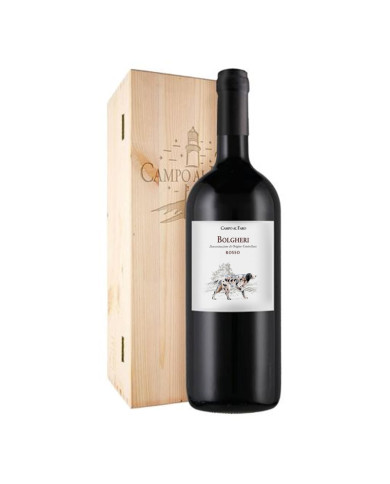
The Bolgheri Superiore di Campo al Faro was born in Castagneto Carducci, in the heart of the magical Bolgheri terroir. The Cabernet Sauvignon and Merlot grapes that make up the blend are hand selected. Fermentation takes place in steel tanks with temperature control and long maceration on the skins.
€59.90
SKU:
18347
Brand:
San Leonardo
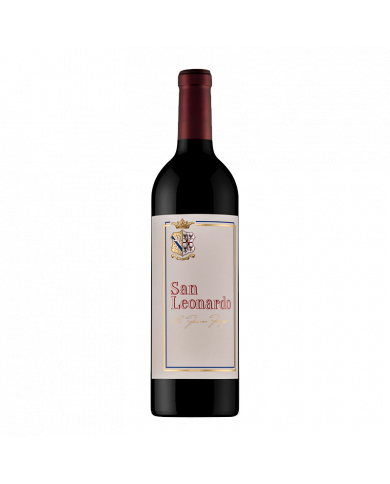
Wine symbol of the estate, it has its roots in its millenary history. A classic Bordeaux cut of aristocratic elegance and extraordinary longevity.
€206.67
SKU:
18302
Brand:
Maso Martis
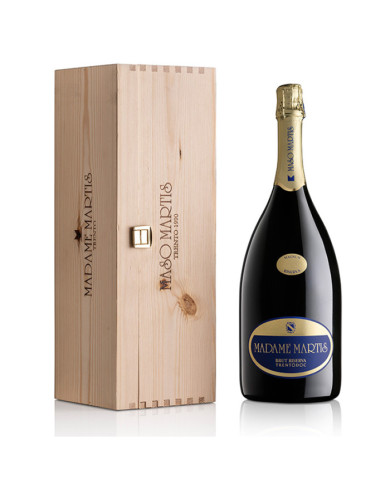
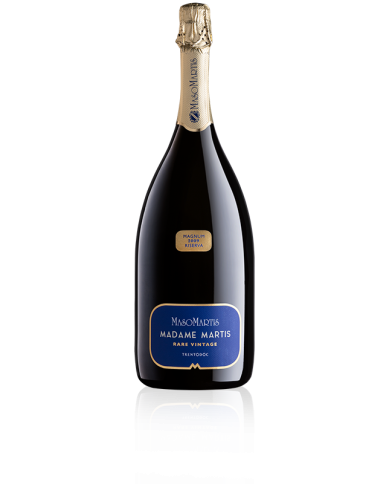
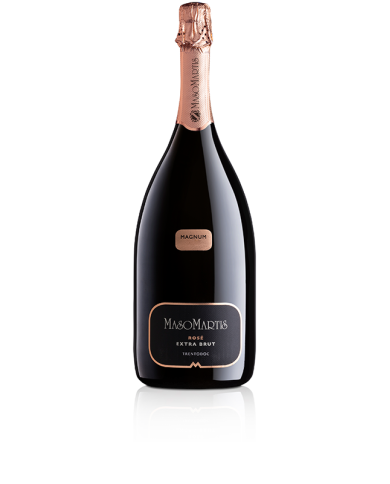
There are only 100 bottles of this exceptional 2009 vintage classic method, which the company wanted to produce with its own best grapes, combining the elegance of Pinot Noir with the fragrance of Chardonnay and the softness of Meunier. "Madame Martis" is the successful synthesis of the precious elements that have always characterized the harmonious and decisive style of Maso Martis sparkling wines.
€290.90
€76.01
SKU:
18291
Brand:
Castello di Farnetella
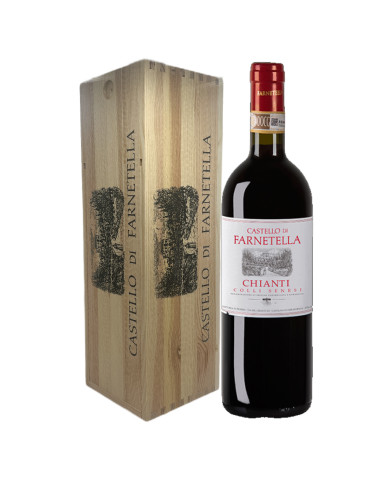
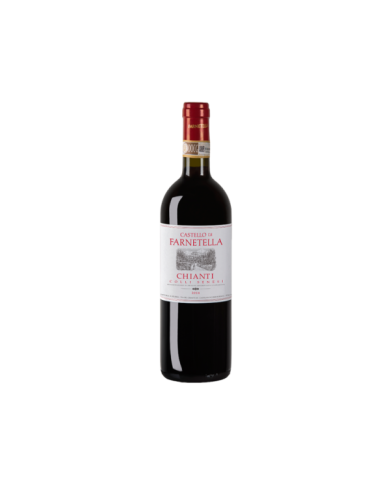
Da uve in prevalenza Sangiovese, selezionate a Farnetella, nel comune di Sinalunga, a sud-est di Siena e a nord-ovest di Montepulciano. I vigneti, quasi interamente orientati a sud ovest, si trovano su un altopiano ben esposto e ventilato ad altezze diverse comprese tra i 220 e i 560 mt slm. I terreni sono costituiti da sabbie stratificate e limo con modesta presenza di argilla e una più̀ diffusa componente sassosa e calcarea.
€18.18
SKU:
18211
Brand:
Donnachiara
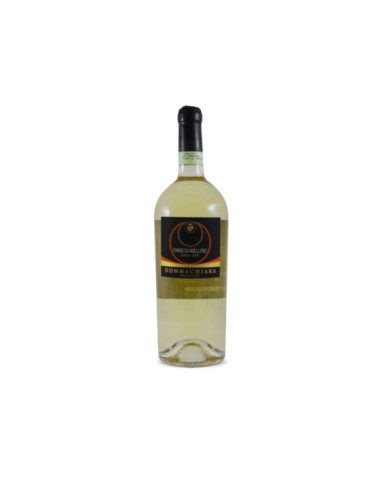
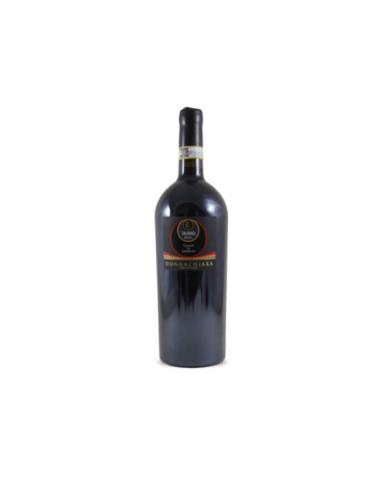
Pigiatura delle uve che vengono subito raffreddate a 10 °C per 4-6 ore. Successiva pressatura soffice con decantazione statica. Fermentazione in tini di acciaio a 14-16°C per 15 gg. Fermentazione malottica non svolta.
Le uve utilizzate per produrre questa falanghina provengono dal cuore del Taburno.
€33.67
SKU:
18210
Brand:
Donnachiara
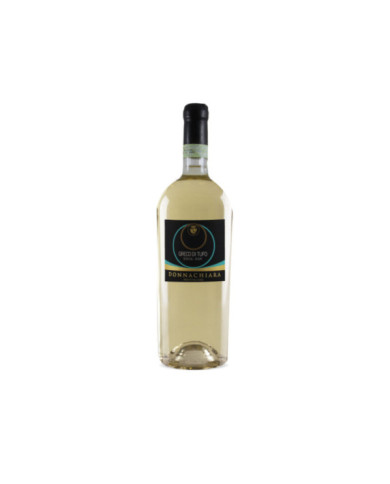
Il Greco di Tufo è un bianco immediato nell’approccio aromatico di frutta gialla matura e succosa, seguito da sensazioni di cedro e una bocca cremosa, dal sapore ben prolungato da sensazioni di anice e menta.
€47.09
SKU:
18209
Brand:
Donnachiara
“L’uva della api”: il Fiano di Avellino DOCG è un vino adatto a piatti di mare gustosi che ricordano le sensazioni minerali del mare.
Ottimo con granchi e aragoste rispecchia questa considerazione tanta è la piacevolezza nel riscoprire gli odori che si avvertono nel passeggiare tra i filiari di fiano a Montefalcione, culla di origine di quest’uva.
€47.09
SKU:
18208
Brand:
Donnachiara
Raccolta manuale di grappoli, dopo spremitura il mosto è subito avviato alla fermentazione alcolica in fermentini di acciaio termocondizionati.
La macerazione post fermentazione sulle bucce per questo importante vino è di 15 gg. Fermentazione malolattica interamente svolta in barriques.
€74.30
€28.02
SKU:
18146
Brand:
Santa Cristina
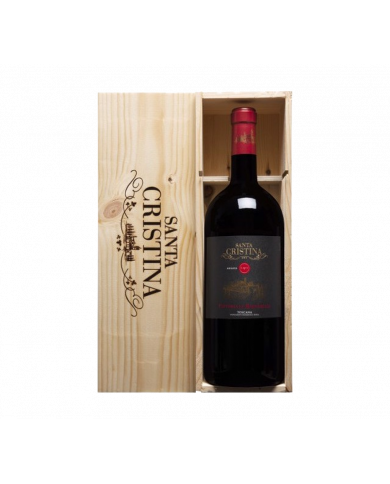
Fattoria Le Maestrelle has a ruby red color with violet reflections. The nose is intense and complex, the notes of vanilla and coffee stand out well in harmony with the typical aromas of mint and cocoa of Merlot and the sensations of red fruit characteristic of Sangiovese and Syrah. On the palate it is balanced, tasty, soft and with a complex finish that recalls the olfactory notes.
€24.08
SKU:
18145
Brand:
Cantina Marchesi Antinori
Cortona Syrah Achelo La Braccesca dei Marchesi Antinori was born in the homonymous estate, located on the Sienese hills. It is produced exclusively with Syrah grapes, harvested in mid-September. Fermentation takes place in stainless steel tanks at a controlled temperature of 28 ° C for 10 days. Subsequently the wine partially ages in barriques and steel tanks for about 7 months, before being bottled.
€34.04
SKU:
18106
Brand:
Quintarelli
€1,554.28
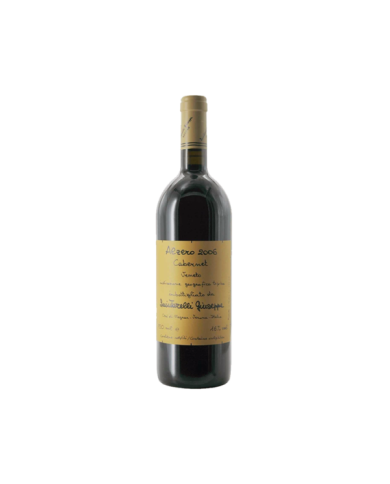
Alzero is an IGT appellation wine produced in Veneto by the renowned Giuseppe Quintarelli farm. The Alzero IGP Veneto red wine is one of the best red wines in Italy and in the world, a Venetian masterpiece that comes from Cabernet Franc, Cabernet Sauvignon and Merlot grapes .
€1,554.28
SKU:
18105
Brand:
Quintarelli
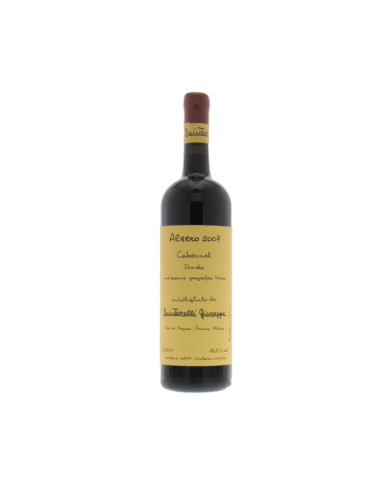
Alzero is an IGT appellation wine produced in Veneto by the renowned Giuseppe Quintarelli farm. The Alzero IGP Veneto red wine is one of the best red wines in Italy and in the world, a Venetian masterpiece that comes from Cabernet Franc, Cabernet Sauvignon and Merlot grapes .
€745.42
SKU:
18103
Brand:
Quintarelli
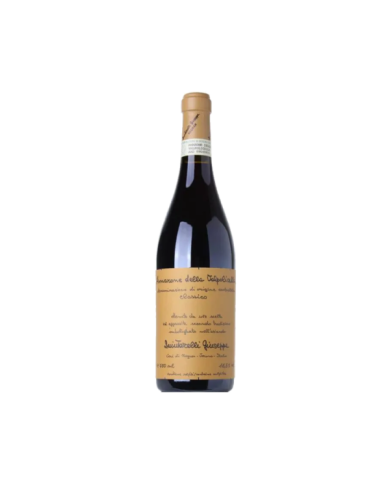
It is certainly one of the best, most interesting, complex, expensive and sought after amaroni of the whole denomination. For this wine the components of time and patience are fundamental.The grapes, which are harvested manually, are placed in wooden boxes and on racks to dry until the end of January. At this point, they can be pressed and fermentation begins, which lasts about forty-five days. The wine ages for about seven years in medium-small Slavonian oak barrels. The perfume is of an incredible aromatic complexity, there are no words to explain the sensations it gives to the palate, it is absolutely necessary to experience them! If you want to taste one of the best wines in the world, buy a bottle of great value that can enrich your cellar for many years, or even make a crazy gift, this is the bottle for you!
€2,537.60
SKU:
18102
Brand:
Quintarelli
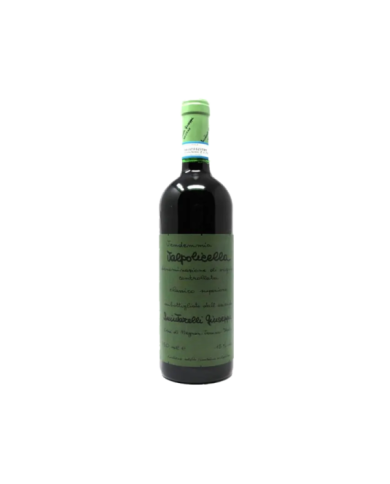
Great Valpolicella wine, produced by one of the most representative companies. Obtained half from grapes dried in boxes for a couple of months and half from "fresh" grapes. It is a wine with great aging potential, which spends six years in large Slavonian oak barrels to reach its complete maturation, before being bottled. If you want to have a red wine of great prestige and rarity in the cellar, you are in front of the right choice!
€247.66
SKU:
18096
Brand:
Quintarelli
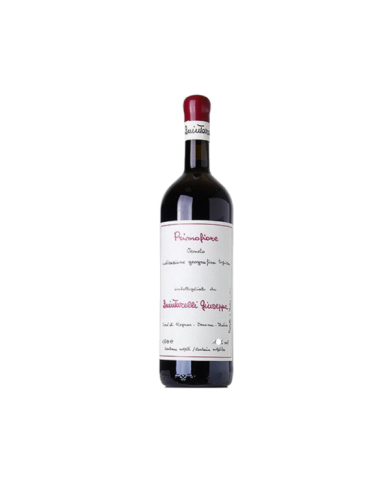
Cabernet Franc and Cabernet Sauvignon, Corvina and Corvinone: international vines and native vines blend harmoniously in the Primofiore Veneto Igt Quintarelli , a complex and elegant red perfumed with violets and red fruits, slightly spicy on the finish, vinified after the ritual drying of the grapes and aged for one year in Slavonian oak barrels. From Quintarelli still an admirable expression of tradition and modernity, which is the essence of this company, one of the most famous and celebrated in the world
€140.00
SKU:
18095
Brand:
Quintarelli
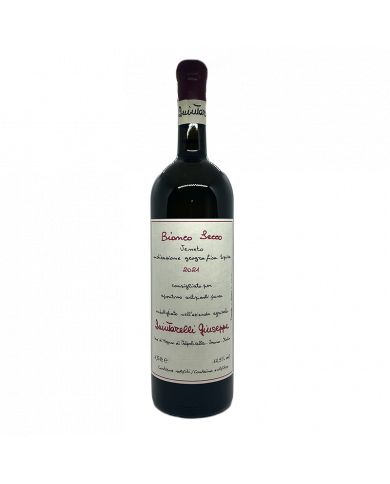
The history and skill that made Amarone and Quintarelli red wines famous throughout the world are also present in the Bianco Secco Igt, a blend obtained from the Garganega, Trebbiano Toscano, Sauvignon Blanc, Chardonnay and Saorin varieties. The vinification and aging take place in glass and steel, where the wine ages on natural yeasts until it reaches a beautiful complexity and a considerable structure. Golden to the eye, scented with summer fruits and spring flowers, fragrant and persistent on the palate, it is the white wine that adds a touch of class to an aperitif and to a menu based on fish, vegetables and white meats.
€87.23
SKU:
18089
Brand:
Fattoria Felsina
The history of Chardonnay di Fèlsina began in the eighties, from grafts of French clones in the vineyards owned by the nearby Tenuta di Farnetella.
€46.12
SKU:
18088
Brand:
Fattoria Felsina
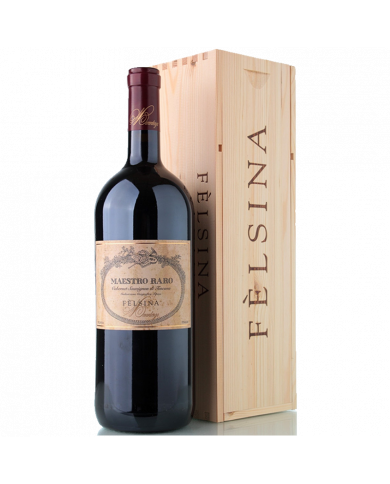
The grapes come from the Rancia Piccola and Poggiolo vineyards, the former also called del Maestro Raro, adjacent and with characteristics similar to that of Rancia.
€128.10
SKU:
18086
Brand:
Fattoria Felsina
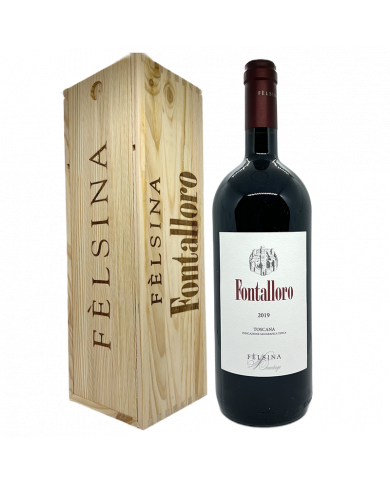
Fontalloro della Fattoria di Felsina is a Tuscan red wine based on Sangiovese, considered an unmistakable territorial brand. The complex aromatic profile is drawn by dark shades of blackberry, licorice and black pepper with light hints of tobacco. The body is powerful and structured, with well integrated tannins and a finish with a pleasant aftertaste.
€143.47
€31.13
€39.20
€39.20
€39.20
SKU:
17935
Brand:
Rosarubra
From an overripe harvest of Montepulciano and Merlot grapes , a wine with a sumptuous fragrance combined with an extraordinary softness is born. The residual sugar resulting from the partial drying of the bunch on vines over 30 years of age, blends with an elegant concentration of extractive elements that recall morello cherry, plum and red fruits, revealing a harmoniously balanced tannin. Its essence fascinates the palate offering sensations of aromatic fullness and fruit integrity. \ n \ nAn important, round, extremely pleasant wine, to combine with complex dishes or to sip in deep meditations.
€65.10
€229.80
SKU:
17897
Brand:
Massolino
Barolo Massolino represents the synthesis of the different characteristics that each terroir offers. The company has always favored the traditional aging in large Slavonian oak barrels to maintain a purer and more pure identity. Wide and variable range of perfumes, surprising expressive evolution over time.
SKU:
17824
Brand:
Di Majo Norante
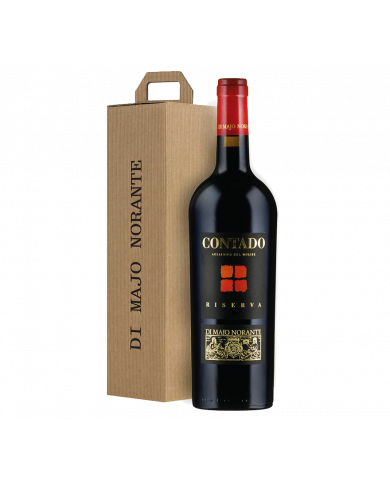
The Contado is obtained from the vinification in purity of Aglianico grapes grown on the hills of Molise in the Camarda vineyard. Vinified in small steel fermenters with long maceration. The wine is aged for about three years, one of which in barriques and tonneaux.
€30.15
SKU:
17814
Brand:
Nestore Bosco
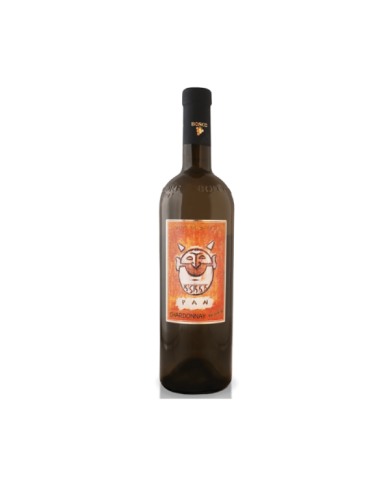
Ranked among the top 10 wines of this region by number of awards won: the 2006 vintage was awarded the gold of Chardonnay-du-Monde. One of the best IGT wines from the Pescaresi Hills that people are looking for. This producer produces a wide range of wines, including those from Trebbiano (Ugni Blanc), Rare White Blend, Montepulciano, Rare Rose Blend, Cabernet - Montepulciano and Pecorino grapes.
SKU:
17813
Brand:
Nestore Bosco
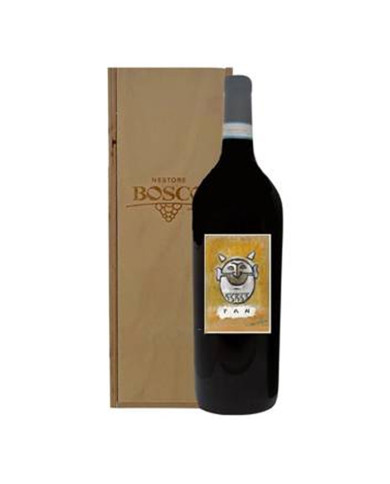
Montepulciano d'Abruzzo 100% This is a Riserva The 2012 vintage was awarded bronze by the International Wine Challenge.
This is above average popularity for Montepulciano d'Abruzzo wines. Interest in this wine has decreased compared to previous years. This is among the most expensive Montepulciano d'Abruzzo wines. The price has remained stable over the past year.
€56.00
SKU:
17755
Brand:
Girolamo Russo
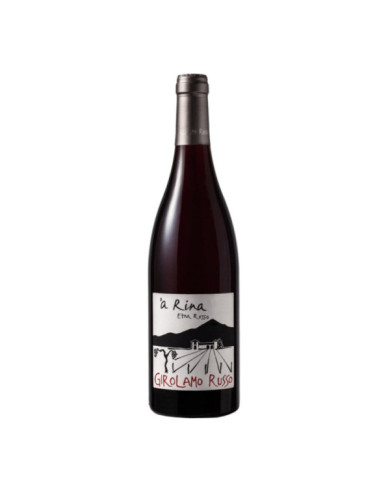
Etna Rosso "A' Rina" is a soft and structured wine, enveloping and complex, aged in second and third passage barriques for 12 months. Elegant notes of ripe red fruit, cherries, leather and tobacco best express the terroir of the great Sicilian mountain
€60.98
SKU:
17752
Brand:
Cantina Marchesi Antinori
THE RED OF CASA ANTINORI IN THE LARGE FORMAT Villa Antinori , one of the best known and appreciated labels by the general public, is also offered in the Magnum version, more suited to aging and to make a good impression on the table. Sangiovese stands out in its blend with 55% followed by Cabernet Sauvignon with 25%, Merlot with 15% and Syrah with 5%. With the appropriate winemaking techniques all the aromatic and coloring substances have been extracted from these grapes. The consequent assembly and aging in barriques of various origins has given the wine international references and at the same time a strong territorial link that expresses all its "Tuscan character".
€46.12
€54.72
€53.12
Large format wines are a popular choice for special occasions and among wine collectors. They come in a variety of sizes and offer a variety of advantages over standard bottles. In this article, we'll explore everything you need to know about large format wines, from their benefits to storage and purchasing.
The advantages of large format wines
Large format wines offer numerous advantages over standard bottles. First, most wines in large formats age better than standard bottles. This is because the amount of oxygen entering the bottle is lower than in standard bottles. Furthermore, the larger capacity of wine in a single container means that temperature fluctuations are less significant, reducing the risk of damage to the wine.
Secondly, large format wines are an ideal choice for special occasions. A large bottle quickly becomes the center of attention and impresses guests. Furthermore, a single large bottle is much easier to manage than many smaller ones. For example, if you're hosting a dinner for a large group, you can use several large bottles to facilitate service.
Large format wine sizes
Large format wines are available in different sizes, each with a specific name:
Magnum : 1.5 litres, equal to two standard bottles
Jeroboam : 3 liters, equal to four standard bottles
Rehoboam : 4.5 liters, equal to six standard bottles
Methuselah : 6 liters, equal to eight standard bottles
Salmanazar : 9 liters, equal to twelve standard bottles
Balthazar : 12 liters, equal to sixteen standard bottles
Nebuchadnezzar : 15 litres, equal to twenty standard bottles
Storage of large format wines
Storing large-format wines is an important aspect to consider. Because these bottles are larger than standard bottles, storage can be more complicated. Most cellars don't have shelves or space suitable for large bottles, so planning ahead is essential.
Additionally, large bottles may take longer to adjust to the ambient temperature in which they are stored. To avoid temperature fluctuations, it's important to store large bottles in a cool, dry place.
Purchase of large format wines
Buying large format wines can be an excellent choice for wine collectors and for special occasions. However, it's important to pay attention to the bottles' origin. Large bottles can be more susceptible to counterfeiting than standard bottles, so it's important to buy from reputable and trustworthy sellers.
What are large format wines?
Large format wine bottles are larger than the standard 750ml bottle. There are numerous larger wine bottle sizes, including the Magnum (1.5 liters), the Double Magnum (3 liters), the Jeroboam (4.5 liters), the Rehoboam (4.5 liters), the Methuselah (6 liters), the Salmanazar (9 liters), the Balthazar (12 liters), and the Nebuchadnezzar (15 liters).
Why choose large-format wines?
There are many reasons to choose a larger bottle of wine over the traditional 750 ml bottles. First, wine in larger formats is more stable than standard bottles, thanks to the greater volume of wine in the bottle and the smaller amount of air coming into contact with the wine.
Secondly, wines in large formats develop more slowly, meaning they can be stored for a longer period without undergoing any alteration. Furthermore, these wines have greater harmony and balance than standard bottles, thanks to the greater contact surface between the wine and the cork.
Finally, wines in large formats are ideal for special occasions, such as weddings, anniversaries, birthdays, or corporate events, because they have a greater visual impact and can satisfy the palates of a greater number of people.
How to choose a large format wine?
Choosing a large-format wine depends on the type of wine and your personal needs. Generally, the wines best suited to larger formats are those that require a longer aging period, such as structured red wines, complex white wines, or sweet dessert wines.
Furthermore, it's important to choose a high-quality wine, because the larger the quantity of wine in the bottle, the greater the chance of defects appearing. It's therefore important to purchase wines in large formats from reputable retailers who offer guarantees regarding the wine's quality and shelf life.
Finally, it's important to consider the number of people attending the event to choose the right bottle size. For example, a Magnum bottle (1.5 liters) is enough for about 10 people, while a Balthazar bottle (12 liters) can satisfy up to 100 people.
In conclusion, large format wines are an excellent choice for special occasions and for wine collectors, thanks to their greater stability, their ability to evolve more slowly, and their ability to please the palates of a larger number of people.