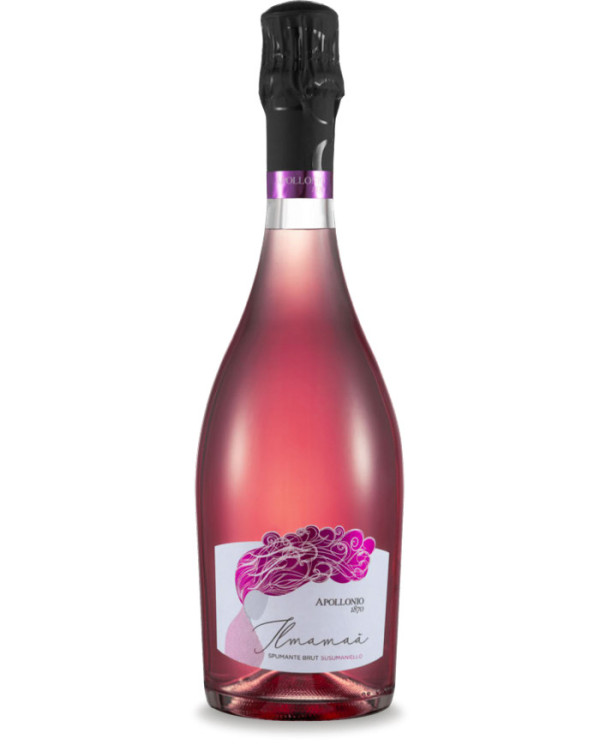
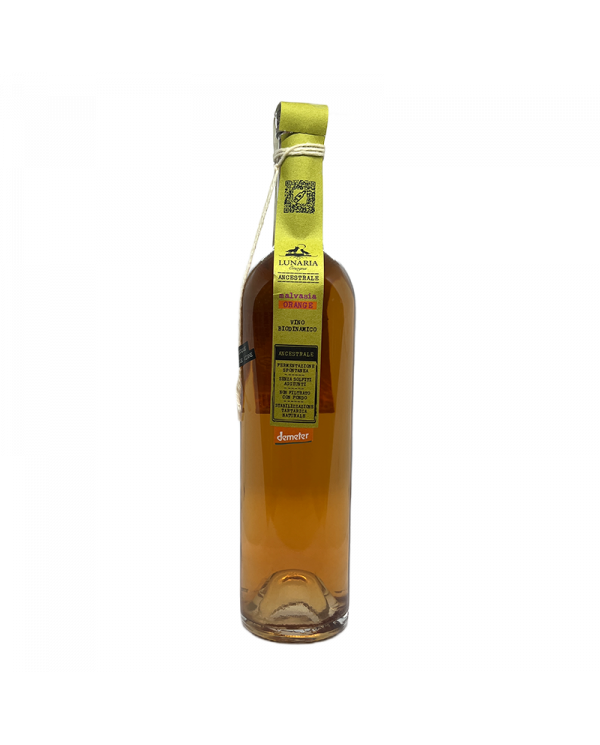
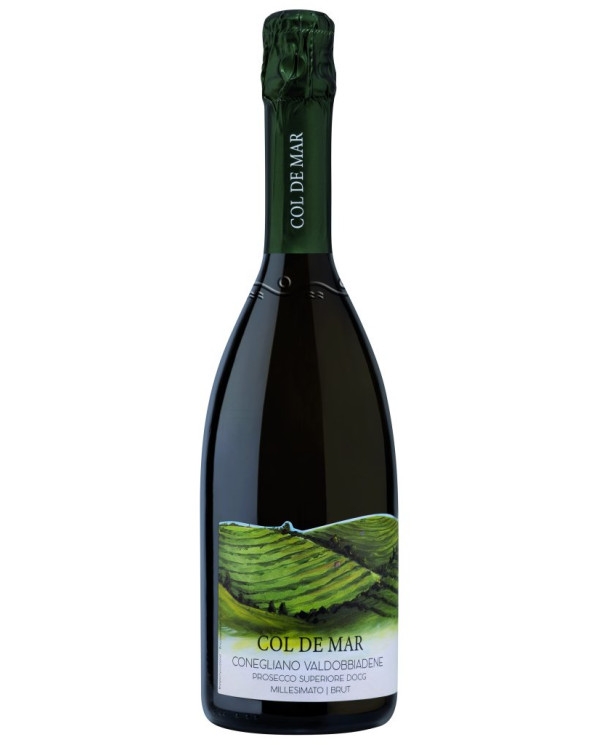
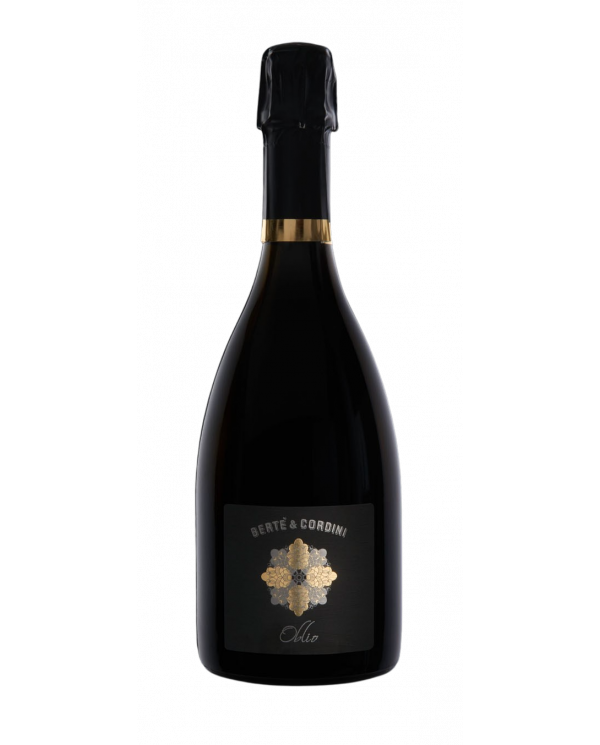
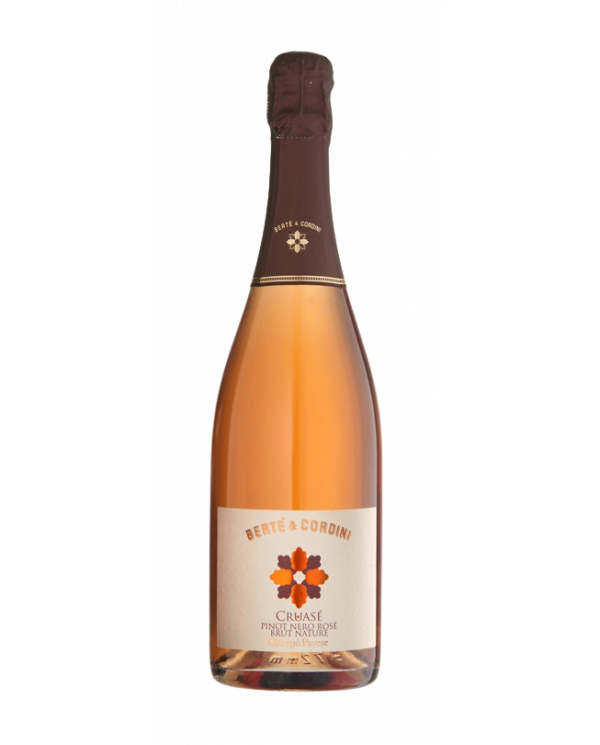
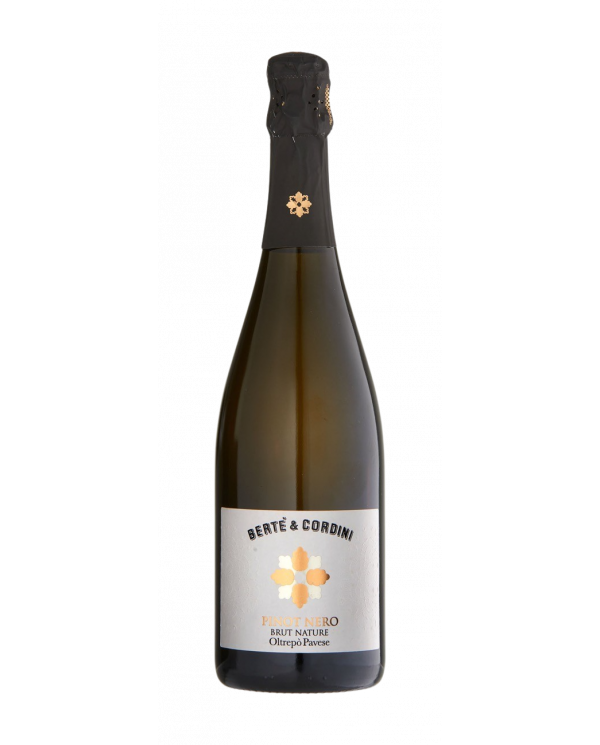
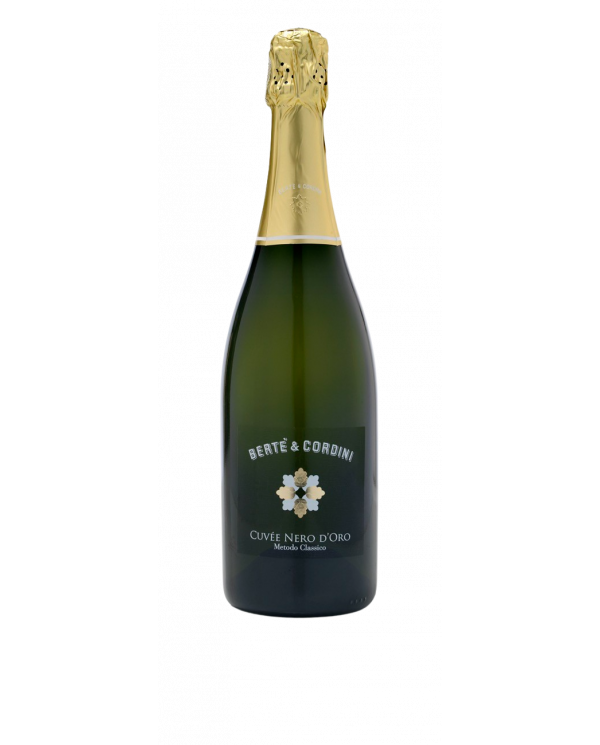
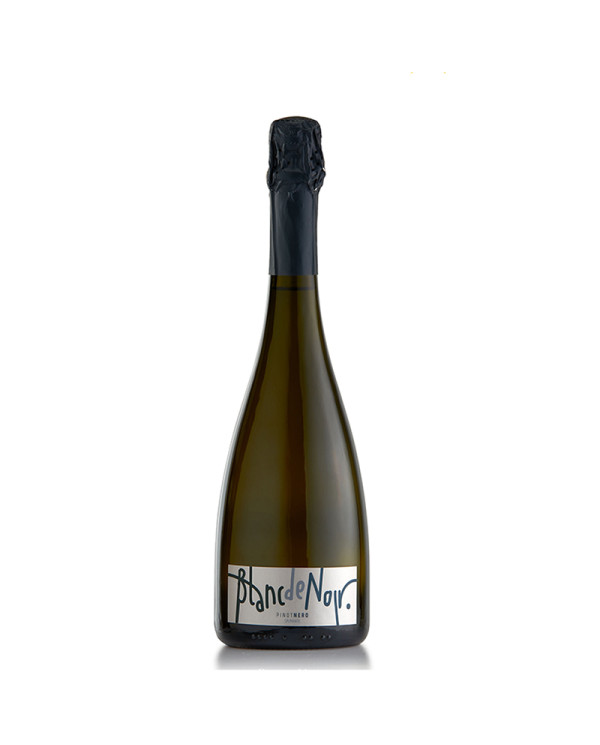
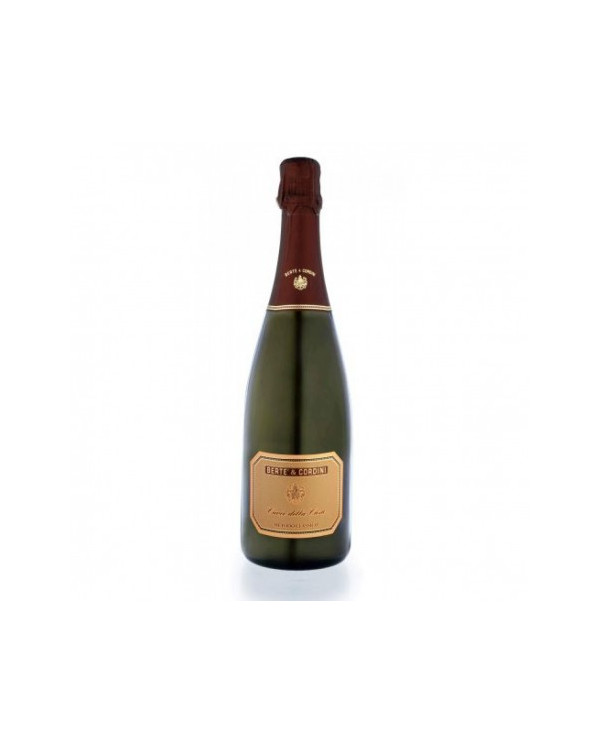
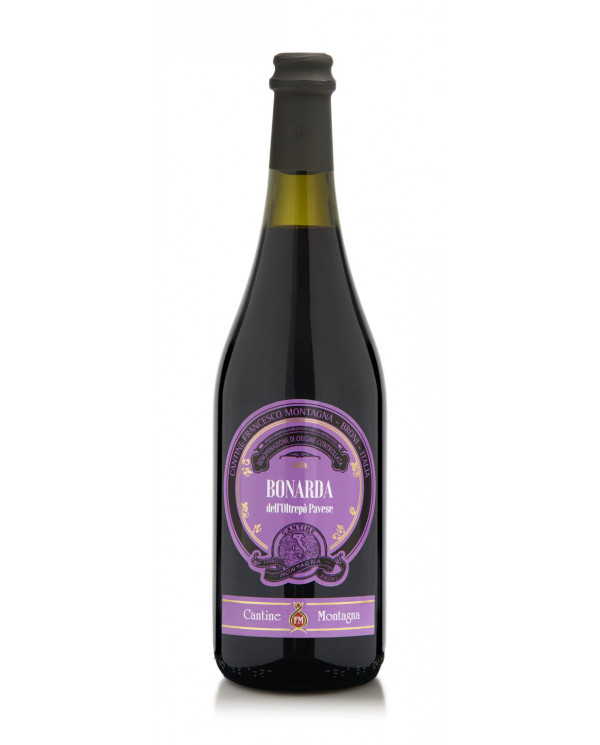
The vine is 100% Croatina grown in the most suitable areas of the Oltrepò Pavese on a mixed type of soil tending towards clayey limestone. The vineyards are trained with low-yield espaliers (50-60hl/ha). Manual harvest when perfectly ripe, usually at the end of September/first week of October. 4-day maceration in contact with the skins and alcoholic fermentation at a temperature of 25°C. The second fermentation takes place at a controlled temperature (16–18°C).
Wine type: sparkling rosé. Soil type: clayey limestone. Breeding system: Counter-espalier. Altitude: From 150 to 250 m. slm Exposure: North-East. Average age of the vineyard: 18 years. Yield: 10,000 kg/ha. Harvest: From mid to late August. Vinification: After destemming and crushing, the must is left in contact with the skins for 24 hours, after which the solid parts are separated from the liquids. This is followed by clarification and controlled fermentation. The second fermentation takes place in an autoclave at a controlled temperature (17°C). Ageing: No ageing, young wine.
Intense ruby red with violet hues, intense, sweet and warm aroma of fruit and spices. The sweetness is accompanied by a right fresh note which adds to a pleasant tannic presence.
"Om De Fer" Brut Blanc de Blancs è un grande metodo classico prodotto dalla famiglia Dorigati col desiderio di creare uno spumante di alta qualità partendo dalla cuvèe di tiraggio, con l’intento di abbinare all’evoluzione e alla complessità tipiche del metodo classico, la grande freschezza delle bollicine trentine. Per questo il 30% delle uve vengono vendemmiate quando hanno raggiunto una maggiore maturazione in confronto a quelle raccolte per produrre la classica base spumante, questo apporta volume e complessità. Vengono poi utilizzate botti vecchie, ciò aiuta lo Chardonnay ad avere la fase ossidativa prima della presa di spuma, mentre per aumentare la complessità olfattiva vengono mischiate con piccole partite di Chardonnay di precedenti raccolte. I vigneti sono coltivati sulle colline pedemontane ghiaiose calcaree di Mezzocorona, colline Avisiane Trentino Alto Adige, ad una altitudine di 200-500 m s.l.m. I vitigni sono allevati a pergola trentina semplice e la vendemmia viene effettuata manualmente nella prima decade di Settembre. La vinificazione prevede una pressatura soffice con frazionamento dei mosti, fermentazione in barrique per un quarto della massa, con affinamento in acciaio inox e barrique vecchie prima del tiraggio; infine avviene un periodo di circa 24 mesi di affinamento sui lieviti. Nel calice sfoggia una bellissima veste di colore giallo paglierino, con perlage fine e persistente. Il profumo si rivela particolarmente intenso e complesso, lievemente agrumato, con sentori di mela cotta e dolci di pasticceria. La spuma è molto avvolgente e fine. In bocca risulta estremamente morbido, merito di una buona struttura ed equilibrio acidico. Estremamente fresco nella beva. Questo è l’OM DE FER: un metodo classico nato per dare gioia e piacere! Un calice estremamente versatile, perfetto come aperitivo e per brindare in ogni occasione, che si abbina perfettamente a qualsiasi piatto marinaro.
Il Trentino è una terra indubbiamente vocata alla produzione di basi spumanti. Se si aggiunge una produzione artigianale e rispettosa delle tradizioni ecco che si ottiene TRENTODOC, ovvero il metodo classico trentino.è da questi presupposti che nel 1986 nasce METHIUS TRENTO DOC grazie all’amicizia tra due amici enologi: Carlo Dorigati ed Enrico Paternoster. Il Trento Doc Methius è prodotto solo nella tipologia riserva, a sottolineare la qualità eccelsa di questo prodotto e la sua unicità. La cantina d’invecchiamento, ubicata a Mezzocorona (Trentino), risale ai primi del 1900, è completamente interrata e costruita con i “volti a botte” quasi tutti in pietra squadrata. Qui le bottiglie di Methius sostano per 60 mesi, a temperatura e umidità pressoché costanti tutto l’anno. Il nome “Methius” deriva dalla ricerca di un toponimo locale che accomuna l’origine del prodotto aziendale al territorio di nascita. L’etimo del nome scelto si perde nella storia. Si sa che già nel 1150 (Principe Vescovo e Mainardo II conte di Tirolo) il nome delle due borgate site nella “Piana Rotaliana” erano: Methius Coronae (oggi Mezzocorona) e Methius Sancti Petri (oggi Mezzolombardo) ove il radicale comune “Methius” deriva dal celtico e latino volgare.
Il Trentino è una terra indubbiamente vocata alla produzione di basi spumanti. Se si aggiunge una produzione artigianale e rispettosa delle tradizioni ecco che si ottiene TRENTODOC, ovvero il metodo classico trentino.è da questi presupposti che nel 1986 nasce METHIUS TRENTO DOC grazie all'amicizia tra due amici enologi: Carlo Dorigati ed Enrico Paternoster. Il Trento Doc Methius è prodotto solo nella tipologia riserva, a sottolineare la qualità eccelsa di questo prodotto e la sua unicità. La cantina d'invecchiamento, ubicata a Mezzocorona (Trentino), risale ai primi del 1900, è completamente interrata e costruita con i "volti a botte" quasi tutti in pietra squadrata. Qui le bottiglie di Methius sostano per 60 mesi, a temperatura e umidità pressoché costanti tutto l'anno. Il nome "Methius" deriva dalla ricerca di un toponimo locale che accomuna l'origine del prodotto aziendale al territorio di nascita. L'etimo del nome scelto si perde nella storia. Si sa che già nel 1150 (Principe Vescovo e Mainardo II conte di Tirolo) il nome delle due borgate site nella "Piana Rotaliana" erano: Methius Coronae (oggi Mezzocorona) e Methius Sancti Petri (oggi Mezzolombardo) ove il radicale comune "Methius" deriva dal celtico e latino volgare.
Intense and sparkling ruby red dry wine. Fruity and persistent bouquet with hints of cherry and violet. Fruity, fresh, lively and pleasantly harmonious on the palate. Recommended with red, grilled, roasted and boiled meats. It goes well with Asian cuisine. Serve at a temperature of 12-14 °C.
Testacalda is a 100% Classic Method Lambrusco di Sorbara Spumante made with the ancient and traditional method of refermentation in the bottle with final disgorgement. Ideal with cured meats, ramen, noodles, but also carbonara pasta. Serve at a temperature of 6 – 8 °C.
Trovador is a Lambrusco obtained from Sorbara grapes which is then re-fermented with an ancient method done exclusively in the bottle. Therefore obtained through a production process in which the final disgorgement is not performed, thus differentiating itself from the classic methods of production of Lambrusco. In this way a particular wine is produced whose scents are perceived in a more distinct and natural way.
The Cantina di Soliera Lambrusco Grasparossa Amabile wine is a sweet sparkling ruby red wine, of an intense red color, vinous, fruity with hints of violet, obtained from the natural fermentation of Lambrusco Grasparossa grapes. Lively, evanescent foam with a deep pink colour.
Sparkling Wine Sales: How to Choose the Best and Pair It with Food
Sparkling wine is a festive and lively wine, ideal for accompanying celebrations and convivial gatherings. In Italy, sparkling wine production is highly diverse and includes a wide range of varieties, from Prosecco to Champagne, including Franciacorta and Trento DOC .
In this article, we'll guide you through the world of sparkling wines, with tips for choosing the right wine for your preferences and occasions, food pairings, and tasting suggestions.
How are sparkling wines produced?
Sparkling wines are produced through a fermentation process that allows the wine to produce bubbles. There are two main methods for producing sparkling wines: the Classic Method and the Charmat Method.
Each sparkling wine has its own production method, which influences both its flavor and final price. The main production methods are the Classic Method, the Charmat Method, and the Martinotti Method.
The Classic Method is the most expensive and artisanal method used to produce high-quality sparkling wines such as Champagne. In this method, the second fermentation takes place in the bottle, with the yeast settling at the bottom of the bottle and being removed through the disgorging process. This process requires considerable time and attention, which is reflected in the final price of the product.
The Charmat Method is used to produce lighter, fruitier sparkling wines. In this method, the secondary fermentation takes place in large stainless steel tanks, where the wine is kept under pressure to create carbonation. After fermentation, the wine is filtered and bottled.
The Martinotti Method , also known as the Italian Method or the Tank Method, is a modern method used to produce high-quality sparkling wines such as Prosecco. In this method, the secondary fermentation takes place in large stainless steel tanks, where the wine is kept under pressure to create carbonation. After fermentation, the wine is filtered and bottled.
In addition to the production method, the type of grape used also influences the flavor and final price of the sparkling wine. The main grape varieties used to produce sparkling wines are Chardonnay, Pinot Noir, and Glera.
Chardonnay is a white grape used to produce high-quality sparkling wines like Champagne. It has a fruity flavor and a buttery note.
Pinot Noir is a black grape used to produce high-quality sparkling wines such as rosé Champagne. It has an intense and complex flavor, with notes of berries and spices.
Glera is a white grape used to make Prosecco. It has a fresh and fruity flavor, with notes of green apple and pear.
Ultimately, choosing a sparkling wine depends on your personal taste and the occasion for which you're drinking it. Sparkling wines are an excellent choice for parties and celebrations, but they can also be enjoyed as an aperitif or with a light meal. With the wide range of sparkling wines available on the market, there's sure to be one to suit every taste and budget.