

 Italiano
 Deutsch












There are no more items in your cart
SKU:
19702
Brand:
Tenuta Rocca
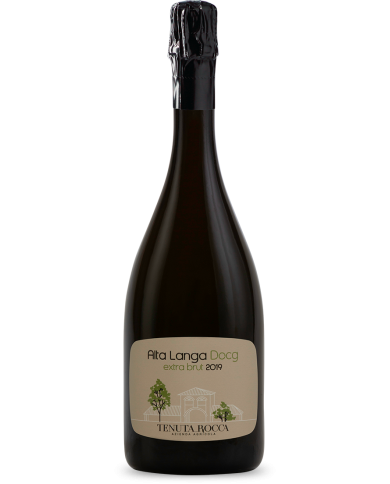
Deep straw yellow colour. The aromas, on the nose, unfold on a carpet composed of dried fruit and lightly toasted bread, wild flowers. In the mouth the entrance is full and rich
€55.51
SKU:
19701
Brand:
Tenuta Rocca
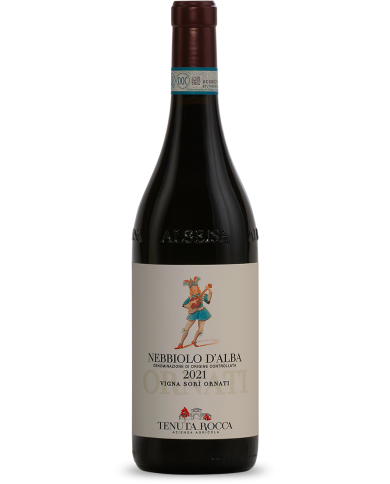
On the nose the wine is ethereal and floral with the sweet notes of violet typical of the vine; red fruit, plum and spices in the background. The mouth is pleasantly fresh and balanced and the soft and enveloping tannins make it an elegant but not too austere drinkable wine.
€22.05
SKU:
19700
Brand:
Tenuta Rocca
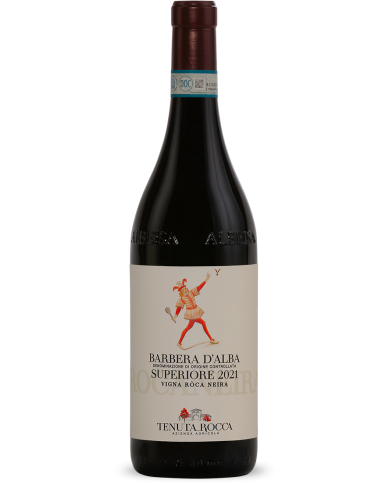
Intense purplish ruby red color with violet reflections. Intense nose of red fruits (raspberry and black cherry) and fine spices. In the mouth the marked but sweet acidity makes it round and full; in closing notes of toasted hazelnut.
€23.23
€21.41
SKU:
19641
Brand:
Gianfranco Bovio
One of a Kind Chardonnay. It is dedicated to the owner's grandfather, from whom the adventure of the Bovio family in the world of wine began. Born In 1998 From An Experiment, It Is Appreciated To Such A Point That Since Then It Has Been Considered A "Chicca" Of The Cellar.
SKU:
19594
Brand:
Bartolo Mascarello
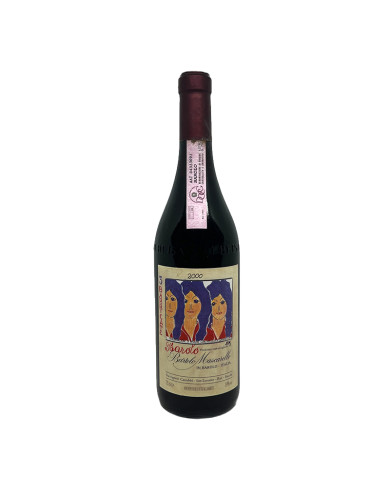
Il Barolo di Bartolo Mascarello è un monumento enologico del Piemonte, un indiscutibile punto di riferimento. Si tratta di un Barolo tradizionale di altissimo livello, maturato per 32 mesi in botte grande, dal fascino antico e dalla personalità ricca, robusta, intensa e complessa, in grado di incarnare magistralmente la memoria storica del territorio
€958.01
SKU:
19589
Brand:
Forteto della Luja
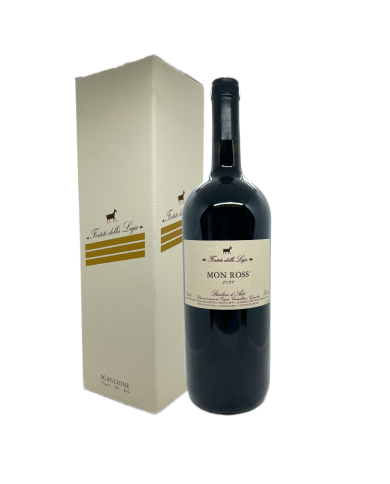
Forteto della Luja Loazzolo is a fragrant and enveloping wine, with a deep yellow color with apricot and gold reflections. The olfactory profile reveals a rich, ripe fruit, with a prevalence of apricot notes. The "muscat" root of the fruit is evident, which a balsamic wood enriches with spicy and roasted notes. Rich and creamy on the palate, to which it unfolds in all its multifaceted sweetness and alcohol, with interesting returns of fruit, chocolate and honey. A very pleasant wine, which ends long, with an echo of vanilla and white chocolate. Constitutionally long-lived, it maintains an enviable gustatory balance for many years. Excellent meditation wine, it goes well with aged cheeses and desserts.
€80.00
€24.69
SKU:
19582
Brand:
Forteto della Luja
Piasa Rischei is the wine produced solely with Moscato grapes, left to dry on the vine and harvested at the end of October, a part of the bunches is still left to dry on mats in an orchard. After fermentation, the wine is aged in barriques for 24 months. A passito balanced between freshness and sweetness. Great evolutionary capacity. Perfect to combine with cheeses and fois gras.
€36.00
SKU:
19572
€7.98
SKU:
19553
Brand:
Giulia Negri
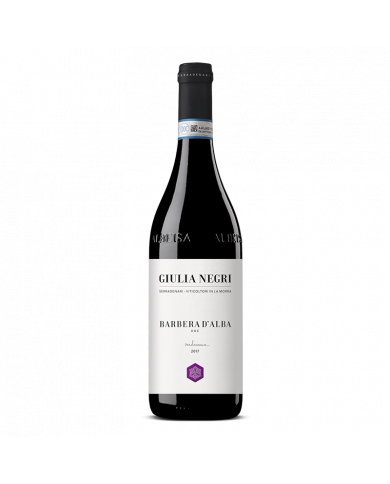
Giulia Negri 's Barbera D'Alba is a modern interpretation of Barbera, thanks to the mineral-rich soils of the La Morra cru. The grapes are harvested in small boxes and rigorously by hand. The grapes are pressed and left to ferment spontaneously in steel vats, then the wine ages for about 16 months partly in steel and in French oak tonneaux. On the nose the small red fruits and leather are the most present scents, in the mouth the sip is frank and dry.
€23.00
SKU:
19532
Brand:
Bartolo Mascarello
Il Barolo di Bartolo Mascarello è un monumento enologico del Piemonte, un indiscutibile punto di riferimento. Si tratta di un Barolo tradizionale di altissimo livello, maturato per 32 mesi in botte grande, dal fascino antico e dalla personalità ricca, robusta, intensa e complessa, in grado di incarnare magistralmente la memoria storica del territorio
€958.01
SKU:
19513
Brand:
Poderi Aldo Conterno
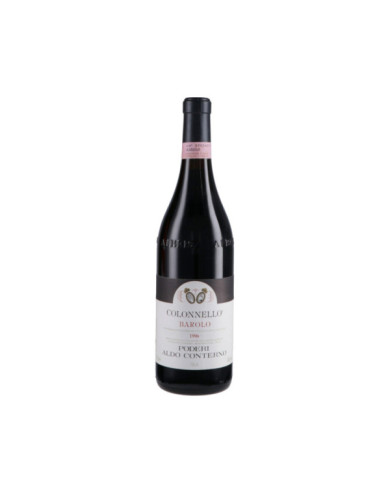
Barolo Bussia "Colonnello" del noto produttore di Barolo Poderi Aldo Conterno a Monforte d'Alba, nel cuore della zona vinicola del Barolo in Piemonte. Un Barolo Cru molto pregiato. Le viti di Nebbiolo di 40-45 anni crescono nel vigneto “Colonnello” a Bussia dal terreno argilloso-calcareo sabbioso. È un vino dal colore rubino granato, dal profumo con aromi di fiori secchi, fragole secche, lavanda e nocciole. Il gusto è corposo con tannini robusti e un finale speziato, succoso e persistente. Un buonissimo vino per occasioni speciali.
€220.00
SKU:
19510
Brand:
Bartolo Mascarello
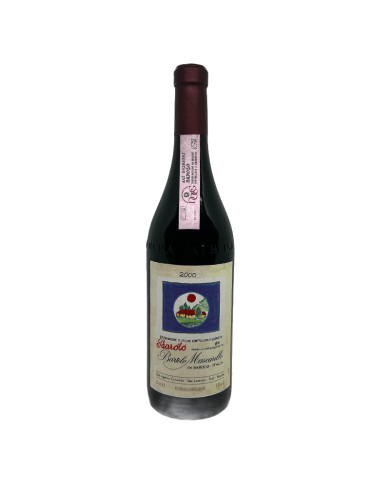
Il Barolo di Bartolo Mascarello è un vino pregiato tra i più importanti d'Italia, un vero e proprio mito tra gli appassionati di vino. È un Barolo di stampo rigorosamente tradizionale maturato per 32 mesi in botte grande.
€999.00
SKU:
19509
Brand:
Bartolo Mascarello
Quando si parla di Bartolo Mascarello, si parla di uno dei miti delle Langhe piemontesi, capace di realizzare Baroli tradizionali di livello eccelso.
€958.01
SKU:
19505
Brand:
Giacomo Conterno
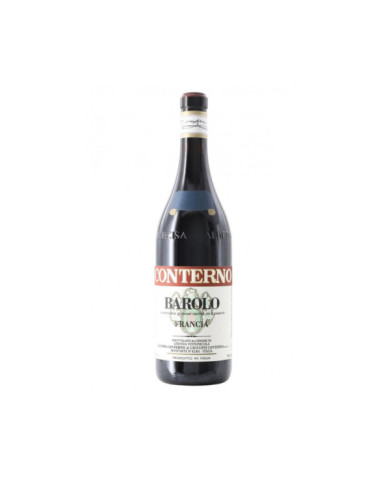
Il Barolo Francia di Giacomo Conterno prende nome dall’omonimo vigneto sito in Serralunga d’Alba, acquistato dall'azienda nel 1974.
€430.00
SKU:
19499
Brand:
Gaja
Questo vino bianco nasce dall’utilizzo in purezza di un grande vitigno internazionale, il Sauvignon.
€120.00
SKU:
18788
Brand:
Scrimaglio
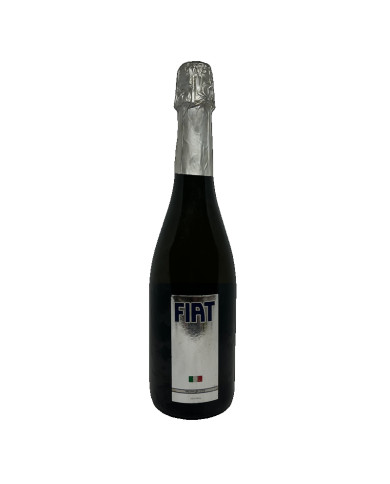
The Fiat Chardonnay bottle can be a great gift idea for car enthusiasts. Wines with an automotive design produced in limited numbers by the eccentric Piedmontese producer Pier Giorgio Scrimaglio. The Scrimaglio family has been in Piedmont since the 17th century and comes from France, where it bore the name Escrimeaux (swordsman). In Monferrato, it gave its name to an area that is still called Region Scrimaglio, where the farm and vineyards are now located. Francesco Scrimaglio, the progenitor of the family, started his wine-growing business in the early 1900s, which was later expanded by his son Pietro and grandsons Franco and Mario.
€14.90
SKU:
18780
Brand:
Massolino
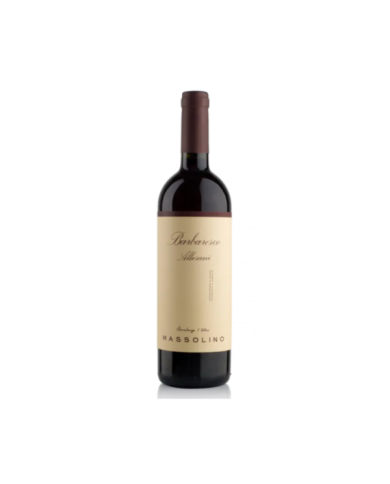
Barbaresco "Albesani" from the Massolino winery is a typically Piedmontese red wine of great elegance and quality, perfect for important occasions. It is made with hand-selected pure Nebbiolo grapes and aged for 18 months in Slavonian oak barrels. The ruby red color with garnet reflections accompanies aromas of red fruits, hay and tobacco. The sip is full, harmonious, elegant, soft and long
€65.88
€14.95
SKU:
18637
Brand:
Vietti
intenso colore rosso granato. Al naso è affascinante e profondo. Si percepiscono note di fieno, erba tagliata, tabacco, pepe bianco e menta selvatica. Al palato si presenta robusto, muscoloso, con un finale teso e minerale. Il tannino è quello tipico di Serralunga, angolare, austero e molto profondo. Piacevole la persistenza dolce sul finale.
€261.69
SKU:
18636
Brand:
Vietti
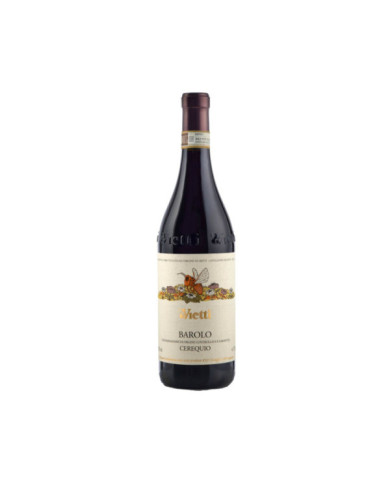
Uve provenienti dallo storico vigneto di Cerequio una tra le più importanti Cru della zona del Barolo.
Fermentazione maiolattica in legno, invecchiamento 32 mesi complessivi circa tra barriques e botti grandi di rovere. Imbottigliato senza filtrazione.
Intenso al naso, pieno al palato (fragola, prugna, ciliegia), tannino fine ma imponente.
Abbinamenti: Carne rossa, arrosto, selvaggina, brasato, formaggi stagionati.
€261.69
SKU:
18635
Brand:
Vietti
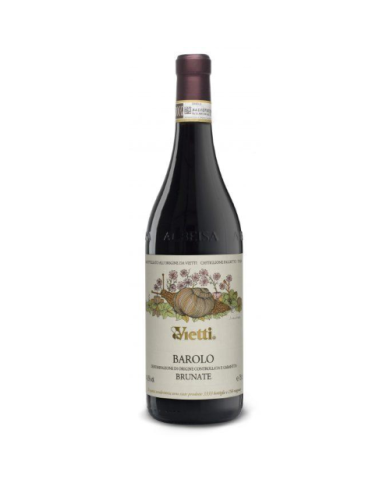
rosso rubino intenso. Al naso è esplosivo, potente e ampio. Si percepiscono note fruttate di prugna, agrumate di cedro e pompelmo ma anche speziate. Con il passare dei minuti nel calice si avvertono sentori di viola, caratteristici del terroir di Brunate. Al palato è pieno ed intenso. Il tannino è morbido, rotondo, vellutato, tipico del territorio di La Morra. Sul finale percezione di radice di liquirizia.
€261.69
SKU:
18634
Brand:
Vietti
Fermentazione malolattica in barriques. - Invecchiamento: Circa 2 anni e mezzo in botti e barriques.
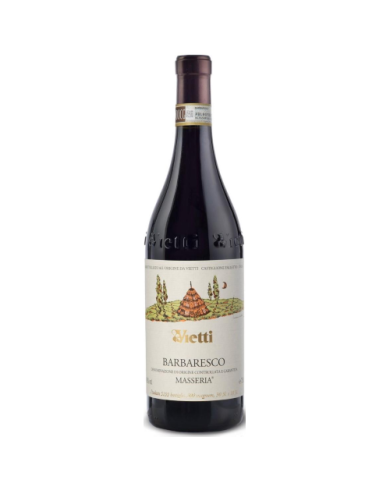
Colore rosso rubino, naso ricco, potente e concentrato. Sentori di frutta matura. Al palato è fresco, di corpo. Si avvertono note di frutta rossa e nera (fragola, mirtillo e mora). Il tannino è maturo, morbido, setoso. Nota ammandorlata sul finale. Nel complesso molto equilibrato e raffinato. - Abbinamenti: carne stufata, selvaggina, arrosti, formaggi forti e stagionati.
€80.64
SKU:
18623
Brand:
Prunotto
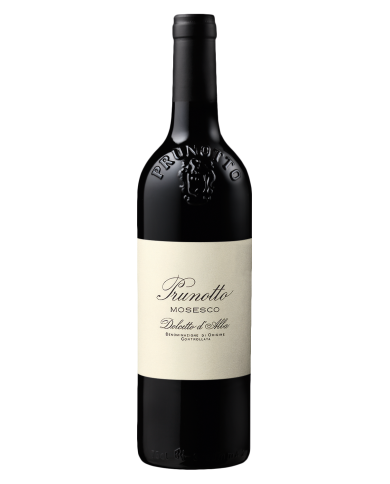
Mosesco si presenta di un colore rosso rubino con riflessi purpurei. Al naso è vinoso, con freschi sentori di viola e ciliegia. Al palato è pieno, equilibrato, con un’ottima tipicità e un elegante ammandorlato finale.
€15.13
SKU:
18622
Brand:
Prunotto
zona Bussia di Monforte d’Alba - Nebbiolo
Le uve, selezionate all’arrivo in cantina, sono state diraspate e pigiate. Affinamento in botti di rovere di diversa capacità per almeno 18 mesi
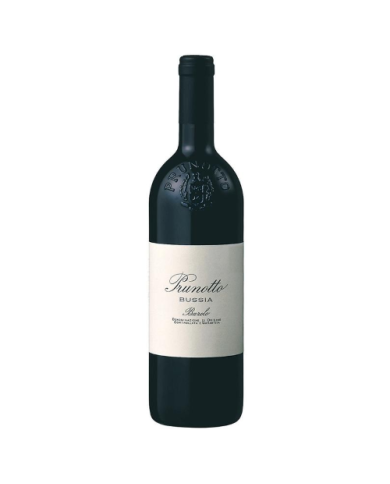
Il Barolo Bussia si presenta luminoso, vivace e caratterizzato da un colore rubino con riflessi granati. Al naso è complesso, contraddistinto da sensazioni floreali e note di frutta rossa. Al palato è intenso, con tannini dolci e setosi. Lungo e armonico il finale.
€83.20
SKU:
18621
Brand:
Prunotto
€55.67
Il vino matura per almeno 18 mesi in botti di rovere di diversa capacità, capaci di conferire al Barolo un grande equilibrio. L’affinamento in botti grandi di diverse capacità esalta la straordinaria tipicità del Nebbiolo di queste zone. Colore rosso granato. Al naso è complesso e ampio con piacevoli sensazioni di petali di rosa, frutti rossi e note speziate. Al palato è pieno, molto ben equilibrato con tannini vellutati.
€55.67
SKU:
18620
Brand:
Prunotto
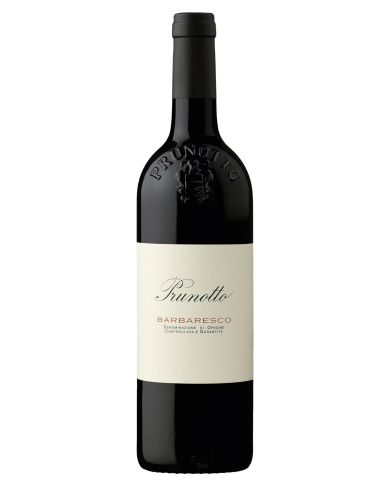
Il Barbaresco 2021 si presenta di un colore rosso granato di buona intensità. Al naso è complesso, con sentori di frutta rossa e note speziate. Al palato è pieno, vellutato e con un retrogusto persistente.
€36.36
SKU:
18595
Brand:
Bruno Rocca
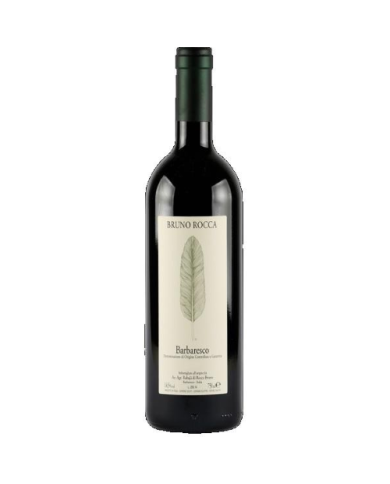
Vigneti di Neive e Barbaresco - 100% Nebbiolo - raccolta manuale - fermentazione spontanea in acciaio, fermentazione malolattica spontanea in botti di rovere e invecchiamento per 12 mesi.
€59.78
SKU:
18594
Brand:
Bric Cenciurio
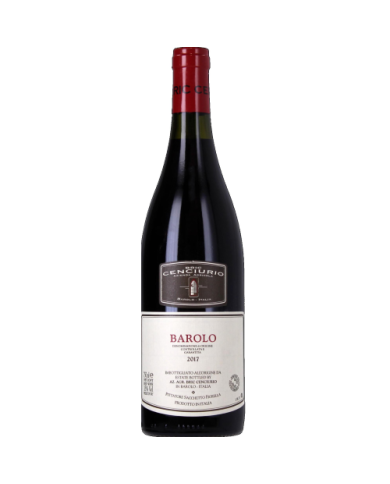
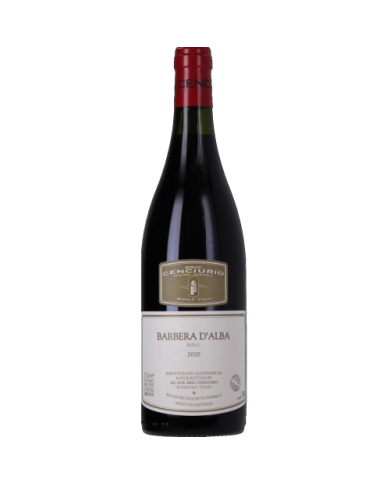
BRIC CENCIURIO ovvero sommità della collina Cenciurio nel cuore delle Langhe colline di Barolo.
€35.01
SKU:
18593
Brand:
Bric Cenciurio
BRIC CENCIURIO ovvero sommità della collina Cenciurio nel cuore delle Langhe colline di Barolo.
€13.66
SKU:
18558
Brand:
Prunotto
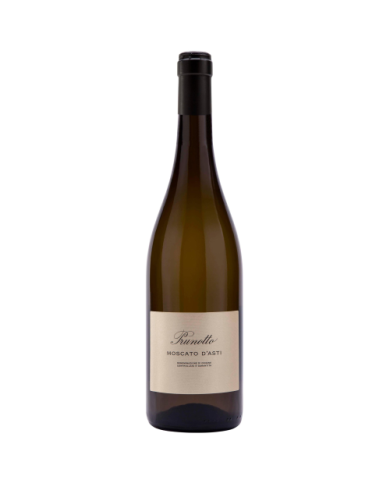
L'uva, raccolta a mano, prima pigiata e poi pressata. Il mosto fiore ottenuto è separato dalle fecce per sedimentazione naturale. Il Moscato d'Asti di Prunotto si presenta di un colore giallo paglierino intenso. Al naso il caratteristico aroma di Moscato si unisce alle note di miele d'acacia e biancospino. Al palato è pieno, vigoroso ed elegante, con finale armonico, fresco e piacevole.
€14.15
SKU:
18546
Brand:
Cascina Fonda
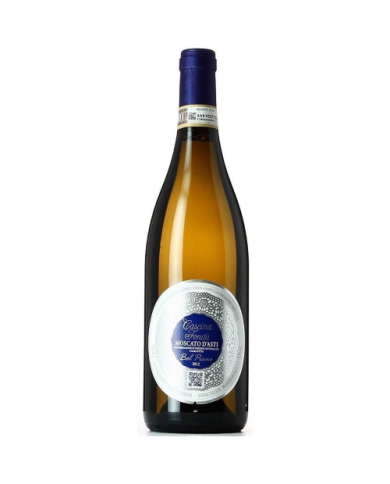
delicatamente dolce ma non stucchevole, grazie ad una buona sapidità e un finale aromatico che ricorda le sensazioni percepite all’olfatto.
ABBINAMENTO GASTRONOMICO: paste secche, dolci a base di frutta chiara e di crema, panettone, torta di nocciole, formaggi particolari come il Castelmagno.
€13.42
SKU:
18545
Brand:
Cocchi
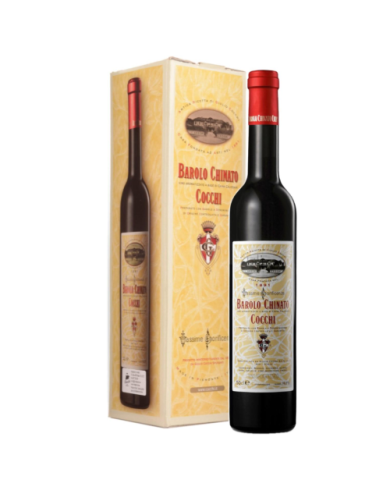
Vinificazione Il Barolo Chinato è un vino speciale prodotto con Barolo a Denominazione d'Origine Controllata e Garantita, aromatizzato con corteccia di china calissaja, radice di rabarbaro e di genziana e il prezioso seme di cardamomo, i cui principi attivi vengono estratti con una lenta macerazione a temperatura ambiente seguita da un affinamento in botte per quasi un anno. Servito a temperatura ambiente come elegante fine pasto oppure riscaldato a vapore con una scorza di arancia.
€39.04
SKU:
18540
Brand:
Vietti
Colore giallo intenso con riflessi verdolini; sentori fruttati (pera, pesca) e floreali (acacia, biancospino) con una nota di miele.
Abbinamenti: Carne cruda, salumi, antipasti, primi piatti anche di marcata sapidità e preparazioni a base di carni bianche. Dopo qualche anno di bottiglia diventa un vino perfetto da abbinare a formaggi anche stagionati.
€28.18
SKU:
18539
Brand:
Vietti
Questo vino non svolge la fermentazione malolattica e resta sulle fecce fini in vasca d’acciaio fino al momento dell’imbottigliamento.
Descrizione: Colore giallo paglierino con freschi aromi floreali, di agrumi, melone e note ammandorlate. Vino con corpo asciutto e medio e con acidità fresca. Ben bilanciato, elegante e con una buona complessità e persistenza.
€18.18
Discover the magic of Piedmont wines: savor the taste of tradition!
Piedmont is one of Italy's most renowned regions for producing excellent wines. Piedmont's winemaking tradition has developed over the centuries, and the region's wines are appreciated worldwide.
The origins of Piedmont wine
Piedmont wine has ancient origins. The region, located in northwestern Italy, enjoys a temperate climate that lends itself to the production of quality wines. The first documents mentioning Piedmont wines date back to the Middle Ages, when the region's princes invited their guests to taste their wines.
The wine styles of Piedmont
Piedmont's wine styles are highly diverse. The most well-known are the red wines Barolo and Barbaresco, both made from Nebbiolo, a grape native to the region. Piedmont's red wines are generally fuller-bodied, with complex aromas ranging from berries to spices, and have good acidity that makes them suitable for aging.
In addition to red wines, Piedmont is also famous for its white wines, such as Gavi and Arneis . These wines are lighter and have fewer tannins than red wines, but are just as tasty.
What are the most famous Piedmontese wines?
Piedmont wines are appreciated worldwide and are considered among the finest in Italy. Among the best-known are Barolo, Barbaresco, Gavi, Arneis , Dolcetto, and Barbera. These wines have been appreciated by generations of wine lovers and are a must-try for anyone who wants to discover Piedmont's winemaking tradition.
How to best savor Piedmont wines
Piedmont wines are meant to be savored slowly. Tasting should be done in a quiet environment and using glasses suitable for wine tasting. Serving temperature is crucial to getting the most out of the wine: white wines should be served chilled (8-10ºC), while red wines should be served warmer (16-18ºC).
To fully appreciate Piedmont wines, it's important to understand the flavors and aromas of each wine. You should try to identify the aromas and flavors of each wine, such as berries, spices, herbs, and earthy notes. This will help you better understand how wines pair with foods and how to choose the most suitable wines for a given occasion.
Taste tradition with Piedmont wines
Tasting Piedmont wines is a unique experience. It will allow you to discover the flavors and aromas of a thousand-year-old winemaking tradition that has made Piedmont one of the world's most renowned regions for quality wine production.
Choose a Piedmont wine and savor all the magic and flavor of tradition!
Piedmont Wine Denomination: A Journey into the World of Wine
Piedmont is a region located in northwest Italy, stretching from the Alps to the Po River. This region is renowned for its natural beauty, culture, history, and, above all, its high-quality wine production. In this guide, you'll discover everything you need to know about Piedmont's wine appellation, from grape varieties to the main wines produced and their characteristics.
Introduction to the denomination of Piedmont wines
The Piedmont wine denomination is a classification system based on its origin, the grape variety used, and the production methods. There are three levels of Piedmont wine designation: DOCG (Controlled and Guaranteed Designation of Origin), DOC (Controlled Designation of Origin), and IGT (Typical Geographical Indication).
IGT
The IGT (Italian Geographical Indication) is the lowest denomination and covers the entire Piedmont region. This designation allows producers to use grapes from other regions and experiment with new winemaking techniques. IGT wines can have very different characteristics, depending on the grape variety and the techniques used.
DOC
The DOC designation is reserved for wines produced in specific areas of Piedmont and that meet specific production criteria. These wines must be made with a specific grape variety, must be aged for a specific period, and must meet specific production criteria.
DOCG
The DOCG designation is the highest in the Piedmont wine appellation hierarchy. This designation is reserved for wines that represent the best of Piedmont and have an international reputation. DOCG wines are produced in specific areas of Piedmont, using specific grape varieties and following rigorous production criteria.
The grape varieties of Piedmont
Piedmont is famous for its wide variety of native grapes, some of which are used to produce some of the world's finest wines. Here are some of Piedmont's most important grape varieties:
Nebbiolo
Nebbiolo is Piedmont's most important grape variety and is used to produce some of the region's most famous wines, such as Barolo and Barbaresco. This grape variety is known for its fruity flavor and tannic character.
Barbera
Barbera is the second most important grape variety in Piedmont and is used to produce highly regarded red wines, such as Barbera d'Alba and Barbera d'Asti.
The main wines of Piedmont
Piedmont is famous for producing some of the world's finest wines, renowned for their unique flavors and distinctive characteristics. Here are the region's main wines:
Barolo
Barolo is the king of Piedmont wines and is produced with Nebbiolo grapes grown in the hills of the Barolo municipality. This wine is renowned for its complex, fruity flavor, its tannic character, and its intense ruby red color. Barolo is aged in wooden barrels for a minimum of three years and has an alcohol content of approximately 13%.
Barbaresco
Barbaresco is another great Piedmont red wine made from Nebbiolo grapes. This wine has a similar flavor to Barolo, but is a bit softer and lighter. Barbaresco is aged for at least two years and has an alcohol content of approximately 13%.
Barbera d'Alba
Barbera d'Alba is a red wine made from Barbera grapes grown in the Langhe region. This wine has a fruity flavor and an alcohol content of approximately 12.5%. Barbera d'Alba is aged for at least one year in wooden barrels.
Moscato d'Asti
Moscato d'Asti is a sweet white wine made from Moscato Bianco grapes grown in the Langhe area. This wine has a fruity, fresh flavor and is perfect as an aperitif or dessert. Moscato d'Asti has an alcohol content of approximately 5%.
Piedmont is a major winemaking region, producing some of the world's finest wines. The DOCG, DOC, and IGT designations represent a wine classification system that guarantees the quality and provenance of products. Each grape variety has its own distinctive characteristics, giving Piedmont wines their unique flavor and distinctive qualities. If you're a wine enthusiast, a visit to Piedmont's wineries is an experience not to be missed.
Frequently Asked Questions
What are the most important grape varieties of Piedmont?
The most important grape varieties of Piedmont are Nebbiolo, Barbera and Moscato Bianco.
What is the most famous wine from Piedmont?
The most famous wine of Piedmont is Barolo.
What does the DOCG designation mean?
The DOCG designation stands for Controlled and Guaranteed Designation of Origin and is the highest in the hierarchy of Piedmont wine denominations.
What are the main production areas of Piedmont wines?
The main production areas of Piedmont wines are the Langhe