

 Italiano
 Deutsch











There are no more items in your cart
SKU:
14850
Brand:
Apollonio
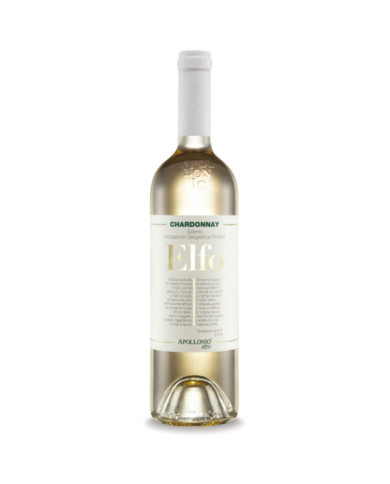
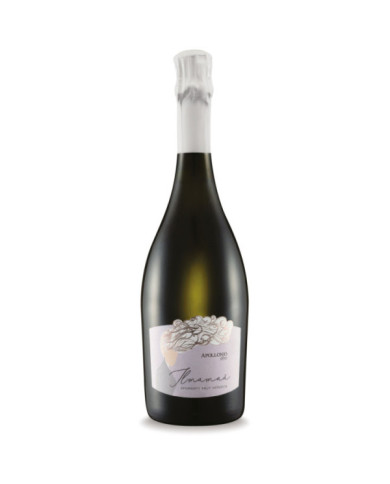
Thanks to its excellent adaptability, Chardonnay is one of the most widespread white grape varieties in the world. Cultivated in all climatic conditions and in all areas, on clayey-calcareous soils and with a temperate, warm and windy climate, it ensures great results.
€7.30
SKU:
14849
Brand:
Apollonio
€7.30
€6.20
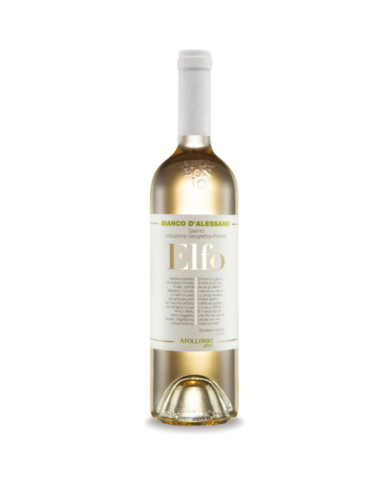
Salento is identified by three climatic elements: the sun, creator of generous sugar levels, the sea, responsible for the minerality of the wines, and the wind which makes this territory naturally free from diseases and particularly suitable for the production of "natural" wines. Characterized by extensive flat areas and modest hills, Salento is geologically made up of a medium-textured limestone structure.
€7.30
€6.20
SKU:
14848
Brand:
Apollonio
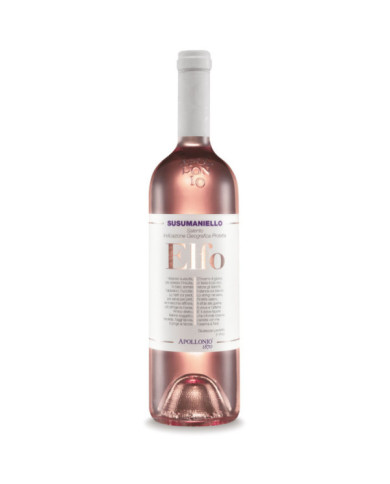
Susumaniello, an autochthonous black grape variety from Puglia, grown in Salento. Its name recalls, in the Apulian dialect, the name of the "somarello" indicating the high productivity of the plant loaded with bunches "like a donkey". After the first decade of life of the vineyard, the bunch is unloaded of grapes and the production loses in quantity but improves in quality, producing wines of great expression.
€7.82
SKU:
14847
Brand:
Apollonio
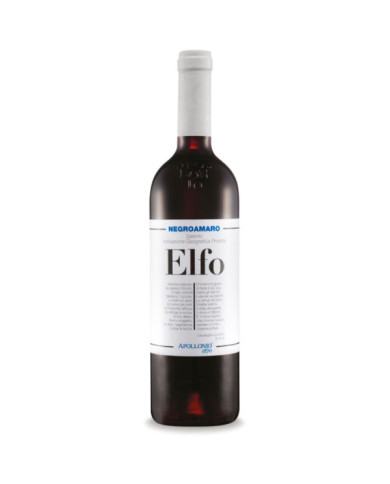
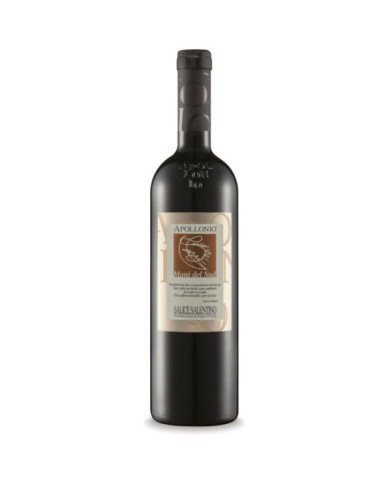
Autochthonous of Puglia, it is the main black grape variety of Salento. Its origins are very ancient (VIII century AC ), it probably owes its name to the terms “niger” (Latin) and “mavros” (Greek) which both mean black. The great versatility makes it suitable for all types of winemaking
€7.82
SKU:
14846
Brand:
Apollonio
Susumaniello, an autochthonous black grape variety from Puglia, grown in Salento. Its name recalls, in the Apulian dialect, the name of the "somarello" indicating the high productivity of the plant loaded with bunches "like a donkey". After the first decade of life of the vineyard, the bunch is unloaded of grapes and the production loses in quantity but improves in quality, producing wines of great expression.
€7.82
€7.04
SKU:
14845
Brand:
Apollonio
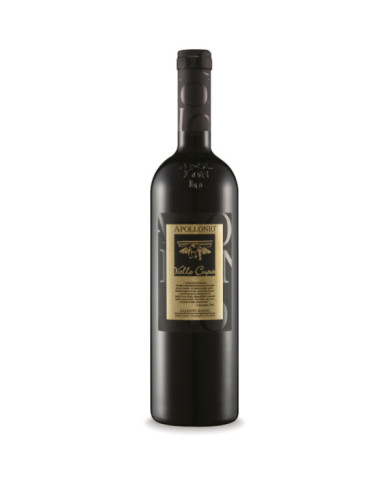
Negroamaro, native to Puglia, is the main black grape variety of Salento. Its origins are very ancient (VIII century AC ), it probably owes its name to the terms “niger” (Latin) and “mavros” (Greek) which both mean black. The great versatility makes it suitable for all types of wines.
€7.82
€7.04
SKU:
14844
Brand:
Apollonio
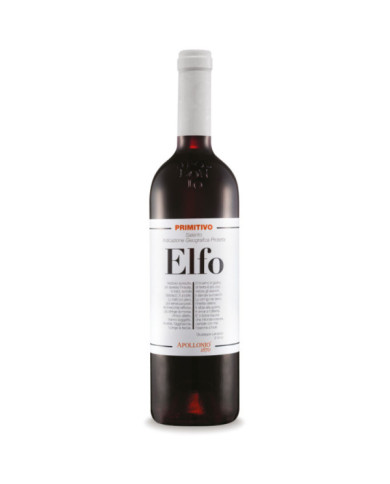
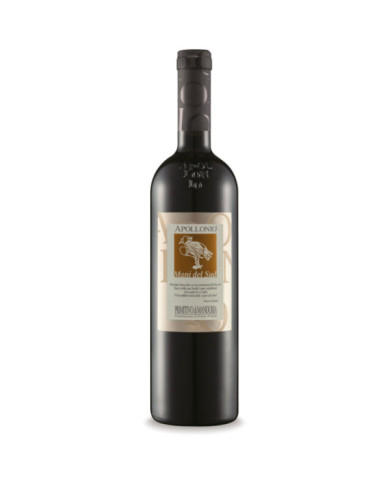
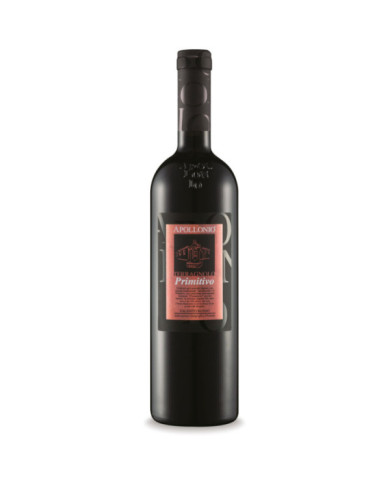
Primitivo, a native black grape variety of Puglia. It owes its name to the characteristic vegetative phases of the plant, all early, from maturation to budding, from flowering to veraison, from which the old name of "Primaticcio" derives.
€7.82
€7.04
SKU:
14843
Brand:
Apollonio
€9.04
€8.14
Verdeca is a native white grape variety of Puglia, with greenish hues that suggest its name. Elegant, mineral and very vigorous.
€9.04
€8.14
SKU:
14842
Brand:
Apollonio
Susumaniello, an autochthonous black grape variety from Puglia, grown in Salento. Its name recalls, in the Apulian dialect, the name of the "somarello" indicating the ancient tradition of raising the productivity of the plant by loading it with bunches "like a donkey". After the first decade of life of the vineyard, the bunch is unloaded of grapes and the production loses in quantity but improves in quality, producing wines of great expression.
€10.31
€8.76
SKU:
14838
Brand:
Apollonio
Negroamaro, native to Puglia, is the main black grape variety of Salento. Its origins are very ancient (VIII century AC ), it probably owes its name to the terms “niger” (Latin) and “mavros” (Greek) which both mean black. The great versatility makes it suitable for all types of winemaking.
€10.31
SKU:
14836
Brand:
Apollonio
Negroamaro, native to Puglia, is the main black grape variety of Salento. Its origins are very ancient (VIII century AC ), it probably owes its name to the terms “niger” (Latin) and “mavros” (Greek) which both mean black. The great versatility makes it suitable for all types of winemaking.
€13.48
€12.13
SKU:
14833
Brand:
Apollonio
A historic Salento blend often made directly in the field with the alternation of eight plants of Negroamaro with two of Malvasia Nera. Negroamaro owes its name to the terms "niger" (Latin) and "mavros" (Greek) which both mean black. A highly versatile vine, it is suitable for all types of winemaking. Malvasia Nera, a vine with great softness and aroma, best balances the angular characters of the other two grapes.
€12.85
SKU:
14831
Brand:
Apollonio
Primitivo, a native black grape variety of Puglia, owes its name to the characteristic vegetative phases of the plant, all early, from ripening to budding, from flowering to veraison, from which the old name of "Primaticcio" derives.
€14.12
SKU:
14829
Brand:
Apollonio
Primitivo, a native black grape variety from Puglia. It owes its name to the characteristic vegetative phases of the plant, all early, from maturation to budding, from flowering to veraison, from which the old name of "Primaticcio" derives.
€19.19
SKU:
14828
Brand:
Apollonio
Salento is identified by three climatic elements: the sun, creator of generous sugar levels, the sea, responsible for the minerality of the wines, and the wind which makes this territory naturally free from diseases and particularly suitable for the production of "natural" wines. Characterized by extensive flat areas and modest hills, Salento is geologically made up of a medium-textured limestone structure.
€19.19
SKU:
14681
Brand:
Mottura
Wine produced from Negroamaro grapes grown in the area of Salice Salentino and other municipalities in the province of Lecce and Brindisi. Manual harvest at the right maturation with careful selection of the grapes. Manual sorting of the bunch with a selection belt, fermentation of the must at a controlled temperature, traditional maceration for 20-25 days, good use of delestage and pumping over. Carrying out of the malolactic fermentation in barriques at a controlled temperature, with the use of batonnage. 12 months of aging in French oak barriques. 2-3 months of aging in the bottle.
€13.01
SKU:
14535
Brand:
Barsento
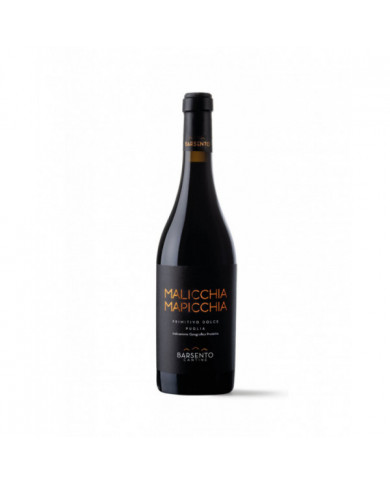
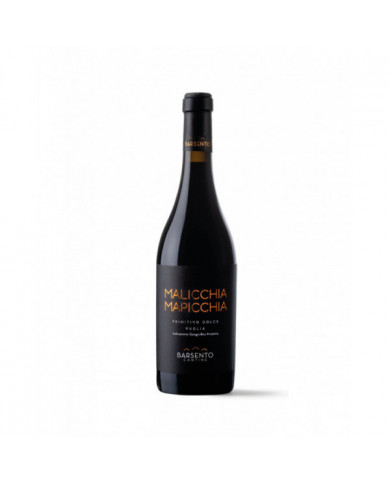
VINIFICATION The maceration lasts 12-14 days in 45 quintal steel vats at a controlled temperature of 25°C, with frequent pumping over in order to extract the aromatic and coloring substances and at the same time soften the tannic mass. AGING: The wine is aged in steel tanks for one year. Before bottling, the wine is filtered, but not cold stabilized, in order to safeguard the integrity of the product. The permanence in the bottle before being marketed lasts 6 months, in aging rooms completely dug out of the limestone rock typical of the area where it was born. TASTING NOTES The nose has clear hints of fresh fruit, plums and strawberries. Strong, full, sweet and very vinous on the palate. Malicchia Mapicchia is a meditation wine ready for any type of combination: from sweets to dry pasta, to aged, aromatic, spicy or blue cheeses, perhaps served with jams to create a splendid contrast between the strong and the sweet taste. Ideal also accompanied by main courses of meat seasoned with fruit-based sauces.
€22.90
SKU:
14460
Brand:
Barsento
Manual harvest. Destemming and low temperature fermentation. The crushed grapes remain at a low temperature for a few hours before fermentation, after which the soft pressing takes place. Fermentation continues at around 18°. It remains three months in steel before being bottled. After bottling it remains in cavea karso for another 2 months.
€12.93
SKU:
14459
Brand:
Barsento
Barsento Casaboli Primitivo Gioia del Colle DOC Riserva has an intense ruby red color with slight purplish reflections. The nose is expressed with great complexity and elegance, on fruity tones of plum, black berries, blackberry and black cherry. On the palate it denotes a considerable thickness and a certain structure, which skilfully blends with its softness and its consistent tannins. The finish is long and of excellent persistence.
€24.83
SKU:
14458
Brand:
Barsento
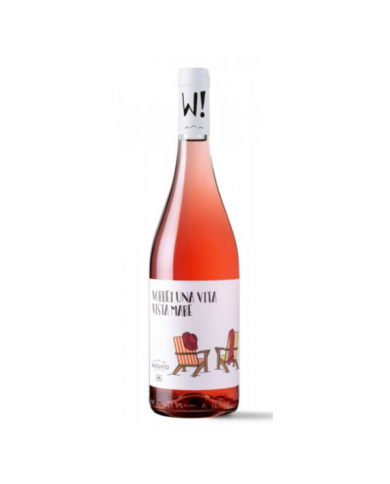
W'Heart! in the rosé version it is an excellent wine produced with 100% Primitivo grapes. The harvest is done manually in the first ten days of September. After destemming, fermentation takes place in stainless steel tanks at a controlled temperature, and before soft pressing, the must is left to macerate on the skins for about 10 hours. A rosé that excites the eye with its splendid intense coral color with violet reflections. It offers the nose sweetly fruity hints mixed with delicate floral notes. On the palate it has a pleasant freshness. A perfect aperitif glass that also lends itself beautifully to fish-based dishes.
€12.53
SKU:
14457
Brand:
Barsento
VINIFICATION The maceration lasts 12-14 days in 45 quintal steel vats at a controlled temperature of 25°C, with frequent pumping over in order to extract the aromatic and coloring substances and at the same time soften the tannic mass. AGING: The wine is aged in steel tanks for one year. Before bottling, the wine is filtered, but not cold stabilized, in order to safeguard the integrity of the product. The permanence in the bottle before being marketed lasts 6 months, in aging rooms completely dug out of the limestone rock typical of the area where it was born. TASTING NOTES The nose has clear hints of fresh fruit, plums and strawberries. Strong, full, sweet and very vinous on the palate. Malicchia Mapicchia is a meditation wine ready for any type of combination: from sweets to dry pasta, to aged, aromatic, spicy or blue cheeses, perhaps served with jams to create a splendid contrast between the strong and the sweet taste. Ideal also accompanied by main courses of meat seasoned with fruit-based sauces.
€21.95
SKU:
14456
Brand:
Barsento
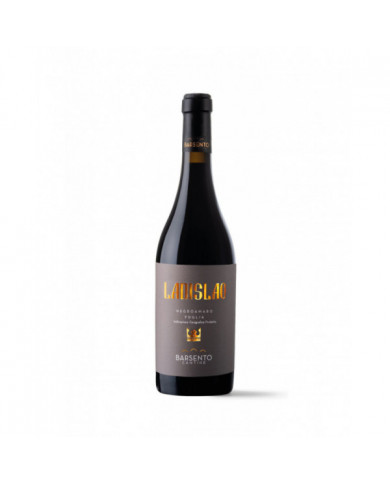
VINIFICATION: The maceration lasts 12-14 days in 45 quintal steel vats at a controlled temperature of 25°C, with frequent pumping over in order to extract the aromatic and coloring substances and at the same time soften the tannic mass. TASTING NOTES Pure Negroamaro, aged in large oak barrels, has an intense and impenetrable red colour. On the nose, hints of ripe cherry, tobacco and carob are perceived. On the palate it is full-bodied, with a great structure with accentuated tannins that balance well with the alcohol and the vanilla notes typical of wines aged in wood. It is best expressed with cured meats, grilled meats and meat sauce.
€21.17
SKU:
14455
Brand:
Barsento
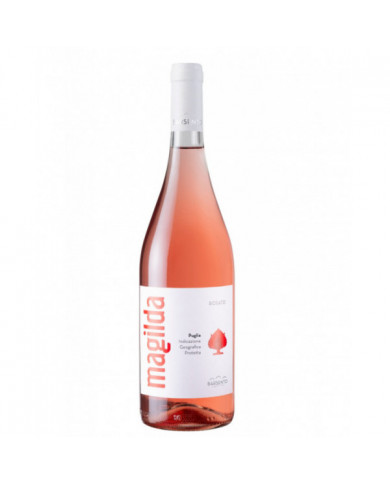
Magilda is a rosé produced with 100% Negroamaro grapes. The harvest of carefully selected grapes begins in the first ten days of September. After destemming, fermentation is carried out at low temperature in stainless steel tanks. In the tanks the must is left to macerate with the skins for about 10 hours, followed by a soft pressing. Before being bottled, the wine rests for a few months in steel, then refines for at least another month in the bottle. At sight it has a coral color with violet reflections. It offers the nose intense floral notes that refer to the rose, and fruity aromas of morello cherry and cherry. It enters the palate with a pleasant minerality and a sinuous roundness offering a long and persistent finish. It goes perfectly with appetizers, seafood and earthy first courses, and fish soups. Also perfect as an aperitif
€9.64
SKU:
14454
Brand:
Barsento
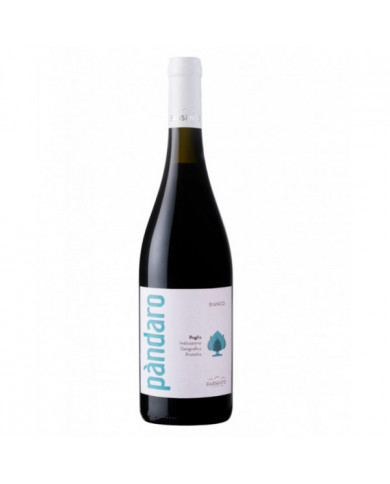
Pandaro is a still white wine produced with fine 100% Fiano grapes.
Once the grapes are harvested in September, after destemming and a soft pressing, the must is clarified and subsequently fermented at a low temperature in stainless steel tanks. The wine is then bottled and further refined in the bottle for at least 1 month before being put on the market.
Pàndaro has a brilliant straw yellow color with greenish reflections. The olfactory examination reveals an intense fruity aroma of green apple and ripe banana, mixed with nuances of pineapple and almond.
In the mouth the flavor is rich, sapid and with a nice acidity. A drink that guarantees a quality, long and persistent finish on the palate.
It goes perfectly with appetizers, first and second seafood dishes, molluscs and crustaceans. Also perfect as an aperitif.
€9.64
SKU:
14453
Brand:
Barsento
Paturno is a wine with great extraction qualities, produced with two distinct batches of grapes. The two wines are vinified separately, in stainless steel tanks at a controlled temperature. Maceration takes place for 10/12 days and frequent pumping over is carried out in order to extract coloring and aromatic substances, but also to soften the tannins. After a few months of aging in stainless steel tanks, the wine is blended, filtered, but not cold stabilized. Then it is bottled, and rests for six months in aging rooms carved into the rock.
€15.86
SKU:
14452
Brand:
Barsento
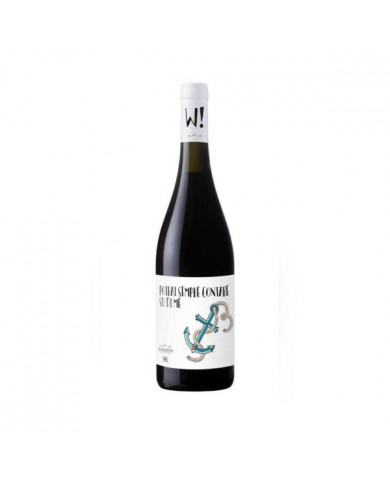
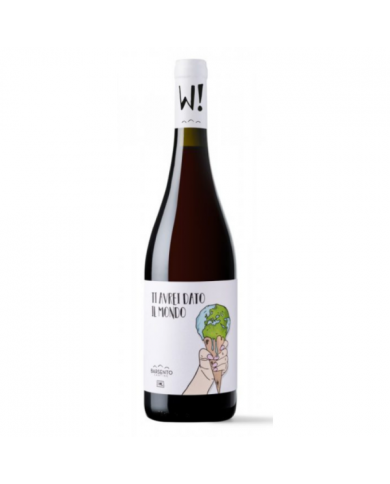
W'Heart! is a still red produced with 100% Primitivo grapes of excellent quality. The harvest takes place during the first ten days of September.
€12.60
SKU:
14439
€45.75
«Thus a single heat of many embers is felt ..." - (Dante)
Intense color with purple reflections, tending towards garnet. Soft, elegant, sumptuous on the palate, it gives the nose an intense and rich bouquet and a long persistence of taste-olfactory sensations.
The overripeness of the grapes, or rather the forced wilting of the berries, gives the wine a complex structure. It is a wine that develops all its potential already during aging in small wooden barrels, which, in addition to stabilizing the colour, induces a reduction in astringency; the wine acquires a fresh aroma and a regal sumptuousness.
Its aromas of flowers and fruit are clearly evident: mint, plum, very subtle notes of fruit, licorice, vanilla and spices.
The softness of its long flavor closes with a pleasant bitter vein of the vine from which it derives: Negroamaro.
GRAPE VARIETIES:
Negroamaro 100%
€45.75
SKU:
14430
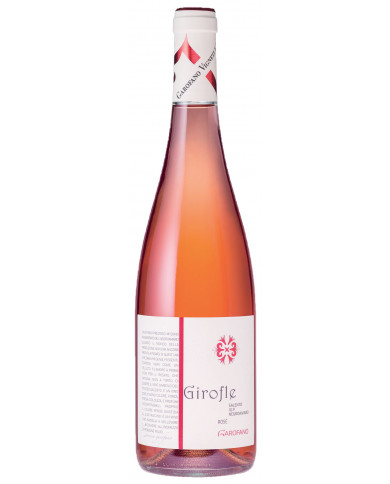
It is written Girofle, read Garofano
Coral red, brilliant, with cherry tones. The nose recalls notes of flowers, with nuances of red fruits;, pleasant, clear and with good freshness on the palate.
Clou de girofle, the clove, is a strong spice with a penetrating, warm and rich aroma; the taste is both pungent and bitter. Spices tell of exotic aromas and flavors that can often be traced back to the characters and values of the wines, especially of this precious vine capable of subtly marking its rosé and its great aged reds in a more suggestive way.
The brand in question was chosen not only for the power it possesses, evocative of the fascinating qualities of spices, but above all because the author has always had the obsession of achieving the excellence of quality wine.
This rosé is a today's wine that recalls all the values of tradition and the roots of quality Salento wines.
€15.59
SKU:
14427
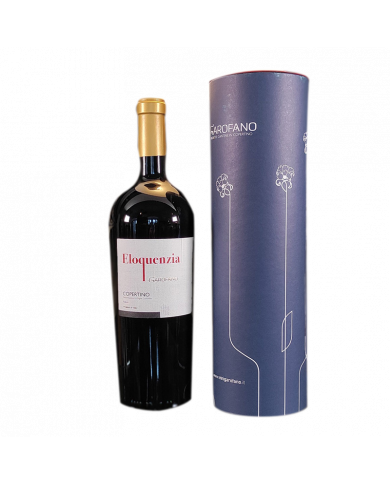
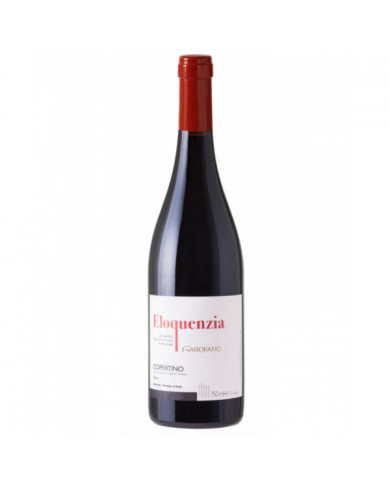
«What the tongue cannot express well, mute eloquence in its gestures expressed»
Intense ruby red. It begins on the nose with notes of sweet leather, spice, cherry; on the palate it is soft, elegant and fresh.
«Forty years after my first writings - elementary judgments - I realized that, always, the wine - so individual, pure, national, harmonious - was above, that the words were not enough to give the "meaning" of it, even if they were momentum and invention. Better, a thousand times better, abandoning yourself to the involvements, suggestions, hugs, penetrations, which gradually emerge in the tasting, not material but intellectual, and mark them.
The affirmation comes from the great Veronelli who has taught more than a few generations with his inexhaustible vein of neologisms concerning the sensations that wine is capable of transmitting.
Often the truth of wine is elusive, untranslatable and it is necessary to recognize the ineffectiveness of words. So much so that wine becomes an enjoyable beverage, even without the use of words, due to the privilege it possesses of communicating forcefully, of moving people through its innate eloquence.
GRAPE VARIETIES:
Negroamaro 100%
€9.39
SKU:
14426
€32.50
SKU:
14406
Brand:
Cantina Marchesi Antinori
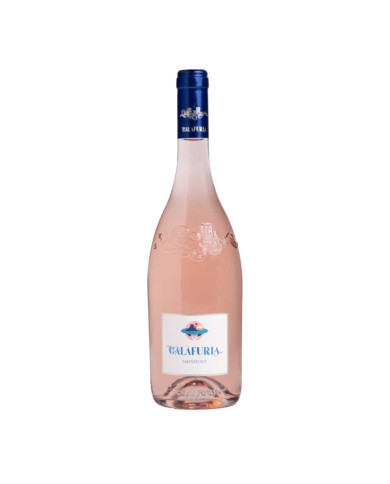
Calafuria is a fresh and floral Apulian rosé wine based on Negroamaro, with pleasant and characteristic perfumes and aromas. On the nose this Apulian Magnum recalls fruit, flowers and aromatic herbs. On the palate it is soft, fresh and very pleasant, elegant and balanced
€13.01
SKU:
14321
Brand:
Cantina Marchesi Antinori
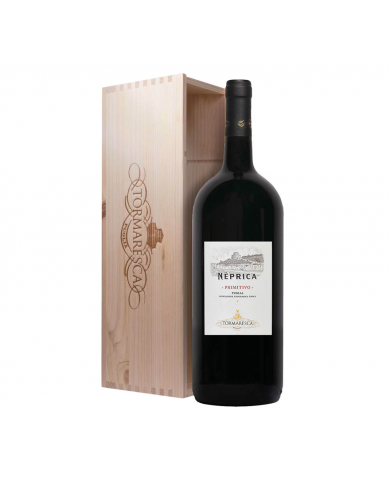
Primitivo Neprica by Tormaresca Antinori is a puliese red wine from the province of Brindisi, aged in steel for about 8 months to maintain a fragrant and fruity sensorial profile. It has an intense ruby red color, furrowed by purple reflections, and releases notes of black cherries, small fresh and candied red fruits and licorice aromas to the nose, revealing a soft, round sip with evolved tannins, awakened by a balanced freshness .
€29.90
SKU:
14318
Brand:
Agricole Vallone
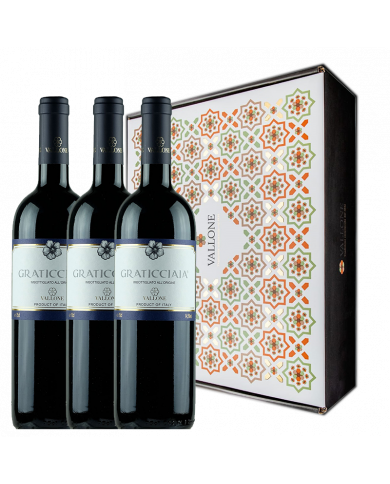
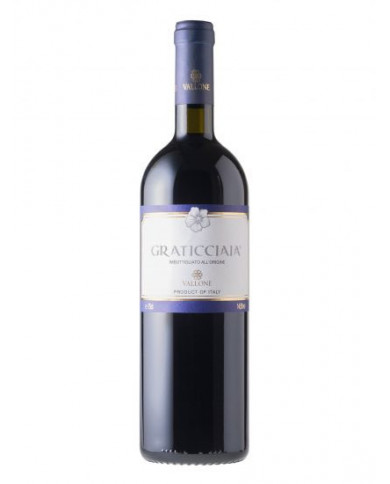
Born from an intuition that brings to light an ancient technique that links past traditions to future visions. The experiment of drying the Negroamaro grapes from the 'Caragnuli' Cru, an 80-year-old Apulian sapling vineyard located in San Pancrazio Salento, began in 1980, thanks to the insistence of the oenologist Severino Garofano who had always believed in versatility and nobility of this vine. In 1986, after 6 years of trying, the first vintage of 'Graticciaia' saw the light. The rest is a success story that gives the dignity that belongs to Negroamaro. After a careful selection of the grapes, we proceed with a light drying, followed by an aging of 12 months in French oak barriques, the last mile is covered in concrete until bottling.
€168.24
SKU:
14290
Brand:
Conti Zecca
The second novelty that we had announced is the introduction of Susumaniello in the Cantalupi family! Susumaniello is a vine that is part of the enological history of Salento and which in recent years has been at the center of a rediscovery and revaluation in which we join to offer our interpretation of this versatile and very interesting grape.
€9.20
€30.26
Discover the Secrets of Puglia's Wines: A Definitive Guide
Puglia is a stunningly beautiful Italian region, and its rolling hills dotted with vineyards are a sight to behold. Puglia is also a popular destination for food and wine tourism, thanks to its rich winemaking tradition. If you're interested in discovering the secrets of Puglia's wines, this guide is a great place to start.
The Wine of Puglia
Puglia is a region with a rich history of winemaking, with varietals dating back to the times of Magna Graecia. Puglia's wines are renowned for their complexity, with flavors ranging from fresh and fruity to rich and full-bodied. The region is home to some of Italy's most important grape varieties, including Primitivo, Nero di Troia, Susumaniello, Bombino Nero, and Malvasia Nera.
Primitive
Primitivo is one of Puglia's most popular grape varieties and is known for its rich, complex, and intense flavors. Primitivo wines are generally deep ruby red in color, with aromas of ripe berries, such as currants, blueberries, blackberries, and cherries, along with notes of spice and subtle hints of tobacco. On the palate, Primitivo is generally full-bodied and intense, with good acidity and soft tannins.
Black Trojan Horse
Nero di Troia is a red grape variety native to the region. It has a complex aromatic profile and is considered one of Puglia's finest red wines. Nero di Troia wines tend to have a deep ruby red color, with aromas of ripe fruit, such as cherries and blackberries, along with notes of spice and tobacco. On the palate, they have a good structure, with soft, balanced tannins and a lingering finish.
Susumaniello
Susumaniello is a red grape native to Puglia that has gained popularity in the last decade. Wines produced from this varietal are generally deep ruby red in color, with aromas of ripe fruit, such as cherries, along with notes of spice, tobacco, and wood. On the palate, they have good structure, with soft tannins and a lingering finish.
Black Bombino
Bombino Nero is a red grape variety native to Puglia. Wines produced from this varietal have an intense ruby red color, with aromas of ripe fruit, such as blackberries and cherries, along with notes of spice and tobacco. On the palate, they have a good structure, with soft and balanced tannins and a lingering finish.
Black Malvasia
Malvasia Nera is a red grape native to Puglia, and its production is limited. Wines produced from this grape have an intense ruby red color, with aromas of ripe fruit, such as cherries and blueberries, along with notes of spice and tobacco. On the palate, they have a good structure, with soft and balanced tannins and a lingering finish.
How to taste Puglia wines
To fully appreciate Puglia's wines, it's important to know the correct tasting techniques. Wine tasting begins with evaluating the appearance, observing the wine's color, clarity, and saturation. Once the appearance has been assessed, you can begin evaluating the wine's aroma, observing its intensity and complexity.
Finally, we move on to wine tasting, which begins with savoring the wine in the mouth, noting its structure, acidity, tannins, and body. By tasting the wine, you should be able to identify its complexity and flavors. After tasting, you can evaluate the wine's persistence, noting how long the flavors linger after drinking.
Discover the main Apulian wine denominations: a guide to the flavors of southern Italy.
Puglia, a land of sun, sea, and lush vineyards, offers a variety of high-quality wines thanks to its Mediterranean climate and fertile soil. In this guide, we'll explore the main Apulian wine appellations and discover their unique aromas and flavors.
Primitivo di Manduria DOC: the king of Apulian red wines
Primitivo di Manduria DOC is a full-bodied and intense red wine, produced primarily with Primitivo grapes in the Manduria area, in the province of Taranto. Characterized by flavors of ripe fruit, spice, and chocolate, this wine pairs perfectly with meat dishes and aged cheeses.
Negroamaro del Salento PGI: the soul of Salento in a glass
Negroamaro del Salento PGI is a wine produced from the native Negroamaro grape, grown throughout the Salento area. The red and rosé wines of this denomination feature aromas of red fruits, herbs, and spices, ideal for pairing with fish and vegetable dishes.
Salice Salentino DOC: balance and tradition
Located in the heart of Salento, Salice Salentino DOC produces red wines based on Negroamaro, often paired with other grapes such as Malvasia Nera. The wines of this denomination are distinguished by their good structure, soft tannins, and flavors of red fruit and spices, perfect for pairing with pasta dishes and red meats.
Castel del Monte DOC: a variety of flavors in a unique territory
The Castel del Monte DOC appellation, located in the northern part of Puglia, produces white, red, and rosé wines using grape varieties such as Bombino Bianco, Nero di Troia, and Aleatico. These wines offer a wide range of aromas and flavors, suitable for every occasion and food pairing.
Puglia is a region rich in wine appellations offering a wide range of high-quality wines. Exploring the main Apulian wine appellations is a fascinating journey.