

 Italiano
 Deutsch









There are no more items in your cart
SKU:
15507
Brand:
Francesco Massetti
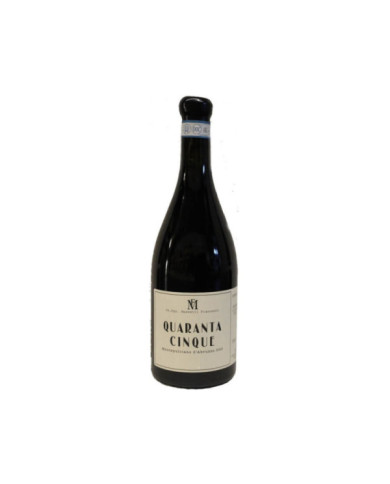
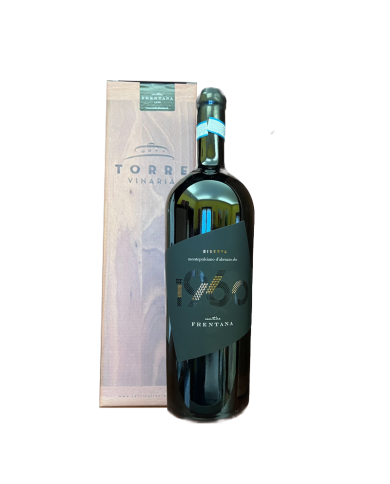
Francesco Massetti's Montepulciano d'Abruzzo Quarantacinque 2019 is a representative wine of the new generation of good winemakers, on the nose ripe aromas, red fruit, Mediterranean herbs, in the mouth Francesco's decisive hand refers to the power of the vine which is balanced with a good drink that still recalls the food.
€86.62
SKU:
15506
Brand:
Francesco Massetti
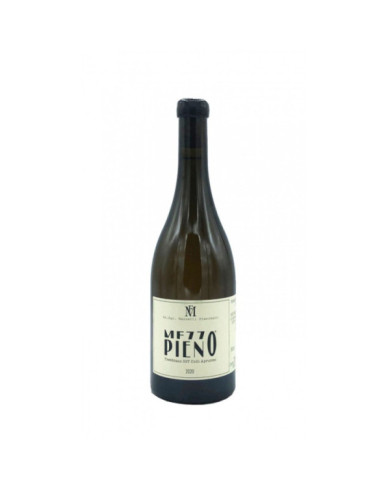
Francesco Massetti's Trebbiano offers the nose aromas of apple, white peach and puffs of hay as well as Mediterranean herbs, in the mouth it has a beautiful structure, freshness and saltiness with a good persistence, time will make this wine more complex, which is already very popular today .
€61.49
SKU:
15488
Brand:
Valle Martello
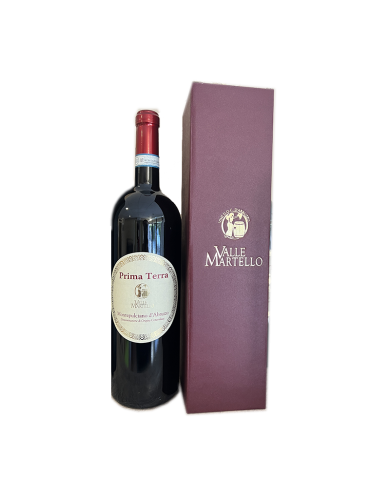
Prima Terra is a wine obtained from Montepulciano grapes grown in an ancient vineyard of the Masci family, the former, as anticipated by its name. Aged first in large wooden barrels, it then rests in the bottle for at least a year. It has an intense ruby red color. On the nose it expresses strong jam aromas and on the palate a pleasant softness obtained from a delicate aging.
€45.98
SKU:
15487
Brand:
Valle Martello
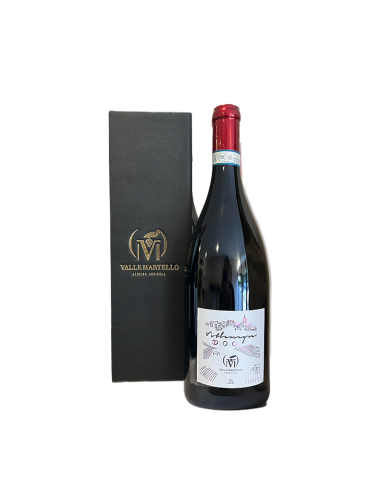
Villamagna DOC is the result of the project to enhance our wine area. It comes from a late harvest with manual harvesting of the selected grapes. Ruby red in color with purple reflections, the nose expresses intense aromas of red fruit, especially black cherry. In the mouth it fills the palate with its soft and velvety taste. Balanced and harmonious, it is a wine that goes well with Mediterranean cuisine, main courses of meats, salami, aged cheeses.
€33.18
SKU:
15486
Brand:
Piandimare
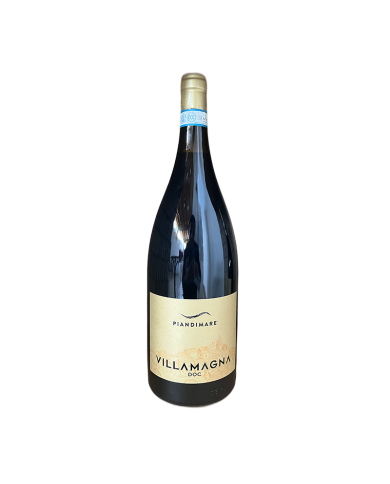
It is with the arrival of the new Villamagna Doc that Cantina Piandimare expands the line of its Montepulciano d'Abruzzo from the Piandimare massale selection with a further red that wants to be the umpteenth praise to the territory and the demonstration of the potential in terms of structure and aging. through the work done by the winery with only the grapes coming from the Val di Foro, in particular from those of the territory limited to the small, but growing interest, Doc Abruzzo Villamagna.
€33.65
SKU:
15309
Brand:
Nativ
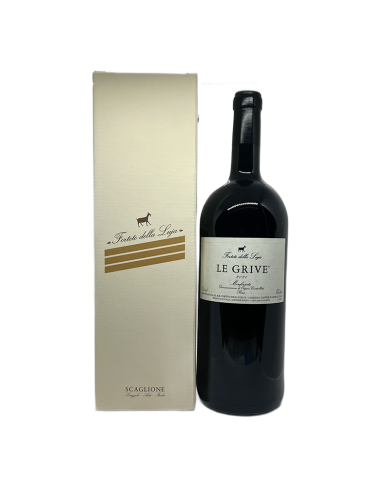
Important red wine whose vines are grown on volcanic soil on the hills of Taurasi. The name of our wine derives from the place where horses were once said to graze in the wild, and where the remains of the ancient hermitage of S. Quirico can still be found. A wine so precious as to dress it with a work of art by the contemporary painter Moreno Bondi.
€48.99
SKU:
15211
Brand:
Gianni Doglia
Moscato d'Asti is an excellent dessert wine that goes well with dry pastries and fruit cakes; moreover, thanks to the moderate alcohol content, it is a pleasant thirst-quenching drink in the summer. The combination with cured meats and cheeses is more provocative; a provocation that will amaze you! To preserve all the fragrance of the fruit in the wine, it is necessary to adopt a particular harvesting and vinification technique. In fact the grapes, coming from the company's own vineyards, are harvested manually in the vineyard and carefully placed in boxes for transport to the cellar; here they are delicately pressed and the must obtained is kept in cooling vats (-1.5° C) until the moment of vinification in an autoclave. Fermentation takes place at a controlled temperature and with the help of selected yeasts until 5% alcohol is reached. Subsequently the wine will be filtered and bottled. The result is a lively wine with strong and intense varietal characters.
€33.92
SKU:
15207
Brand:
Enrico Gatti
Obtained from the soft pressing of grapes
Chardonnay and a Pinot Noir from
vineyards located in the foothills area.
The vinification takes place in steel tanks.
Permanence on the lees for a minimum of 24 months.
Contains notes of tropical fruit, nuts and
hazelnuts. Harmonious olfactory perceptions e
engaging.
€56.00
SKU:
15204
Brand:
Enrico Gatti
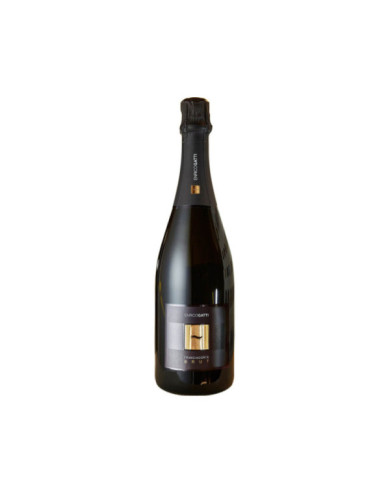
Obtained from the soft pressing of grapes
Chardonnay from vineyards located in the area
hilly.
Part of the must is fermented in oak barrels
French and matured on the fermentation lees e
part is vinified in steel.
Permanence on the lees for a minimum of 32 months.
Essentially creamy with fragrant tones of
fresh almond and delicate aromas of butter.
Delighted with a subtle minerality.
€72.47
SKU:
15203
Brand:
Enrico Gatti
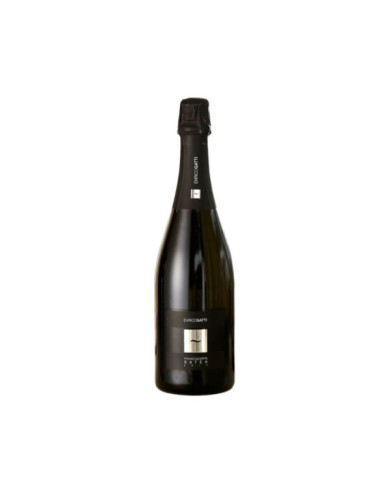
Obtained from the soft pressing of grapes
Chardonnay from vineyards located in the area
foothills.
Vinification takes place in steel tanks.
Permanence on the lees for a minimum of 24 months.
Franciacorta Brut expresses personality
of the company.
Fresh, played on a balanced persistence
which refers to dried fruit and citrus fruits.
€55.27
SKU:
15156
Brand:
Follador
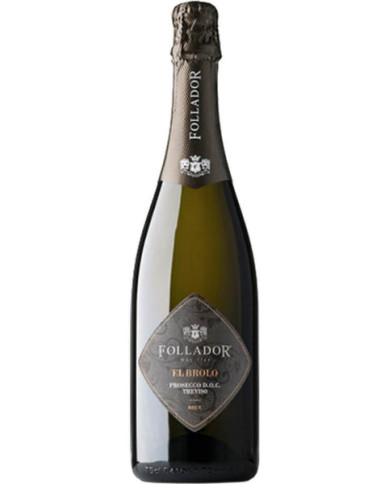
Hints of flowers, apple, pear and citrus fruits, which are found in the mouth giving sensations of flavor and freshness. Fine and persistent bubble. Pale straw yellow color with greenish reflections. Ideal for a refreshing aperitif or with appetizers, first courses and dishes based on fish, vegetables and white meats.
€33.55
€44.24
SKU:
14900
Brand:
PODERE MATTIOLI
Around the 12th century, an ancient villa known as “il castellare de Ylice” stood near our cellar. The name was probably due to the Latin term ilex (holm oak), a particular variety of oak very common in our area. To date, no trace has remained of this historic villa, but the passion and respect we have for our territory has prompted us to pass on the name of that ancient presence.
€33.86
SKU:
14878
Brand:
Cascina del Colle
From the archaeological discovery of a mammoth tusk in the second half of the 60s at the point where the current company "La Cascina del Colle " was built. Hence the idea of a lively, powerful and majestic wine
€44.15
SKU:
14876
Brand:
Cascina del Colle
Invasione Riserva Villamagna Cascina del Colle , ruby red. On the nose hints of red fruit and aromas of jam. Round and balanced on the palate, pleasantly tannic.
€32.21
SKU:
14872
Brand:
Fontefico
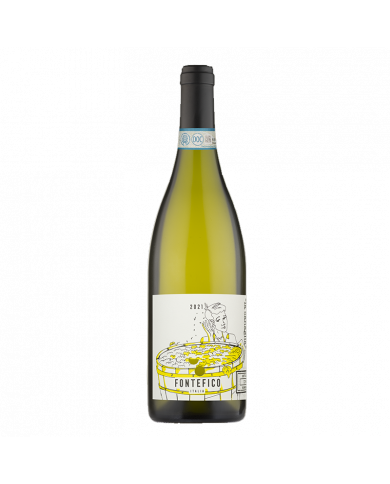
This superior pecorino comes from the white vineyard, a spiteful vineyard because, despite our attentions, it has very low yields, as if it wanted to avoid the effort of producing more grapes. But then he is forgiven by giving us a unique, fresh and voluminous wine, which you will never tire of drinking. It is the "rogue" of Fontefico.
SKU:
14825
Brand:
CVA Canicattì
A Nero d'Avola of great harmony, our spearhead. Surprising in its aromas, precious for the elegance and silkiness of its tannins. An exciting wine.
€63.44
€228.38
€129.90
SKU:
14654
Brand:
Tenuta Antonini
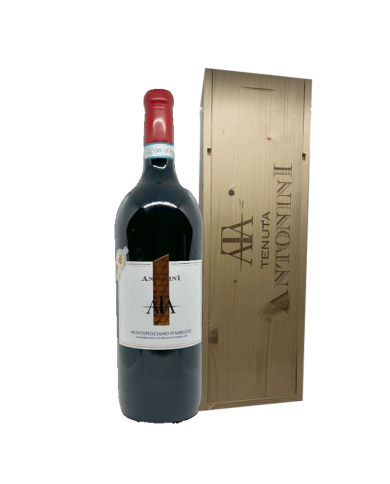
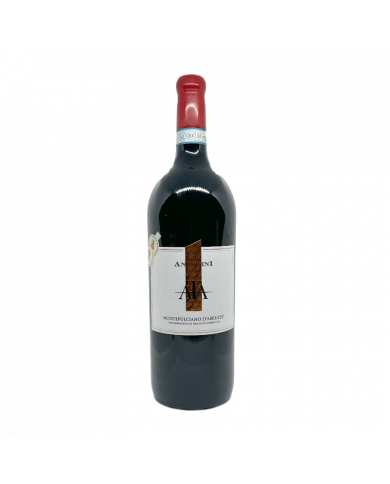
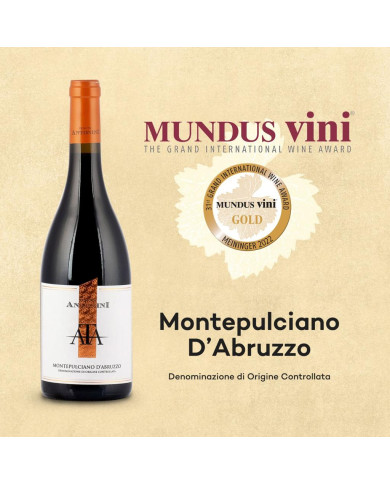
Red is the color of passion. Strong, energetic, charged, exciting: our Montepulciano d'Abruzzo is exactly like that, enveloping and full-bodied. Each sip encourages the discovery of its sensorial complexity, but also to let oneself be pervaded by positive sensations and share them with those around us.
€35.87
SKU:
14645
Brand:
Cantina Dorigati
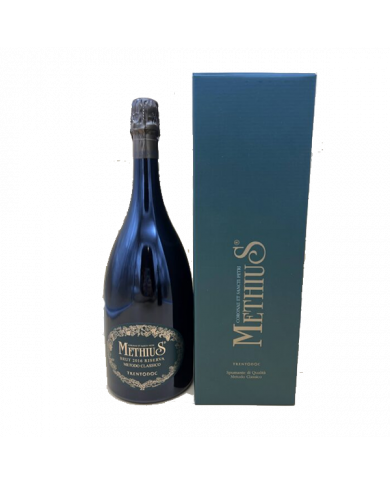
Il Trentino è una terra indubbiamente vocata alla produzione di basi spumanti. Se si aggiunge una produzione artigianale e rispettosa delle tradizioni ecco che si ottiene TRENTODOC, ovvero il metodo classico trentino.è da questi presupposti che nel 1986 nasce METHIUS TRENTO DOC grazie all’amicizia tra due amici enologi: Carlo Dorigati ed Enrico Paternoster. Il Trento Doc Methius è prodotto solo nella tipologia riserva, a sottolineare la qualità eccelsa di questo prodotto e la sua unicità. La cantina d’invecchiamento, ubicata a Mezzocorona (Trentino), risale ai primi del 1900, è completamente interrata e costruita con i “volti a botte” quasi tutti in pietra squadrata. Qui le bottiglie di Methius sostano per 60 mesi, a temperatura e umidità pressoché costanti tutto l’anno. Il nome “Methius” deriva dalla ricerca di un toponimo locale che accomuna l’origine del prodotto aziendale al territorio di nascita. L’etimo del nome scelto si perde nella storia. Si sa che già nel 1150 (Principe Vescovo e Mainardo II conte di Tirolo) il nome delle due borgate site nella “Piana Rotaliana” erano: Methius Coronae (oggi Mezzocorona) e Methius Sancti Petri (oggi Mezzolombardo) ove il radicale comune “Methius” deriva dal celtico e latino volgare.
€98.09
SKU:
14580
Brand:
Ca' Rugate
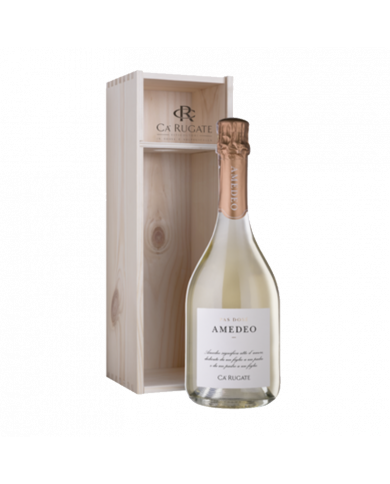
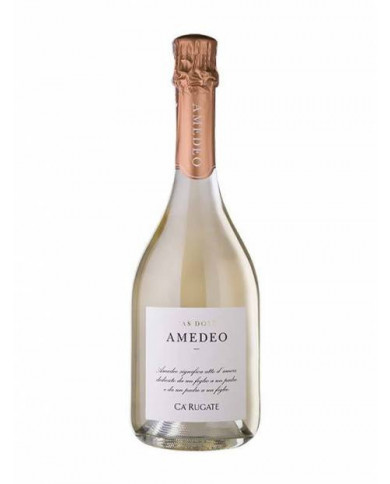
Delicate hints of freshly baked croissant crust, with references to spices and notes of white peach, accompanied by a vigorous and enveloping drink, supported by a whipping and crystalline acidity.
€97.17
SKU:
14579
Brand:
Ca' Rugate
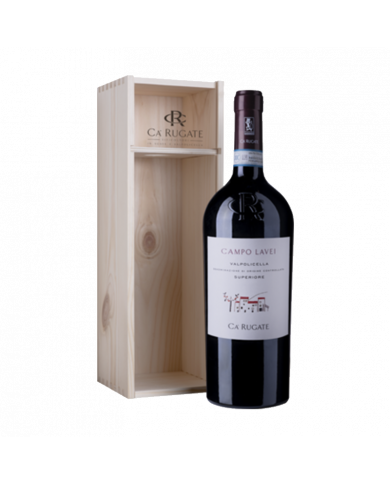
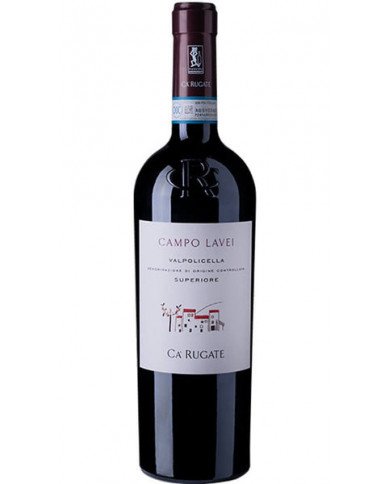
Deep ruby red dress, a Valpolicella Superiore with aromas of small red fruits, from blackberry to currant to cherry that blend well in a splendid harmony of spicy flavors given by the aging in barrel.
Letting the wine decant from the important organoleptic structure and important tannins, it is possible to perceive the softness on the palate.
Enveloping and sensual, it is perfect for your most intense evenings with important dinners with the strongest flavours.
€75.40