

 Italiano
 Deutsch








There are no more items in your cart
SKU:
14878
Brand:
Cascina del Colle
From the archaeological discovery of a mammoth tusk in the second half of the 60s at the point where the current company "La Cascina del Colle " was built. Hence the idea of a lively, powerful and majestic wine
€44.15
SKU:
14876
Brand:
Cascina del Colle
Invasione Riserva Villamagna Cascina del Colle , ruby red. On the nose hints of red fruit and aromas of jam. Round and balanced on the palate, pleasantly tannic.
€32.21
SKU:
14872
Brand:
Fontefico
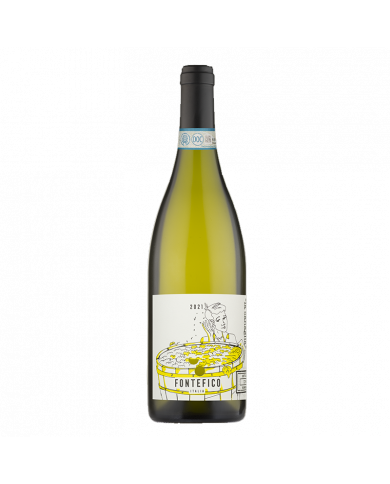
This superior pecorino comes from the white vineyard, a spiteful vineyard because, despite our attentions, it has very low yields, as if it wanted to avoid the effort of producing more grapes. But then he is forgiven by giving us a unique, fresh and voluminous wine, which you will never tire of drinking. It is the "rogue" of Fontefico.
SKU:
14825
Brand:
CVA Canicattì
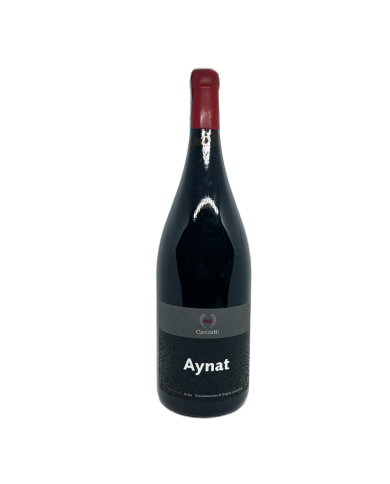
A Nero d'Avola of great harmony, our spearhead. Surprising in its aromas, precious for the elegance and silkiness of its tannins. An exciting wine.
€63.44
€228.38
€129.90
SKU:
14654
Brand:
Tenuta Antonini
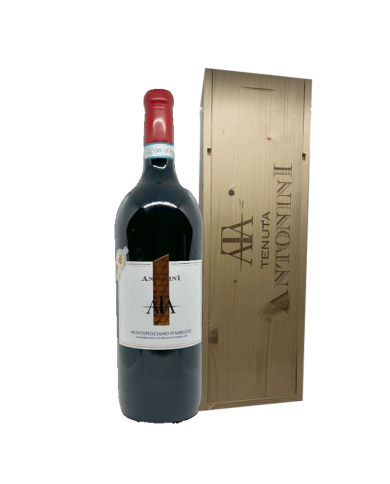
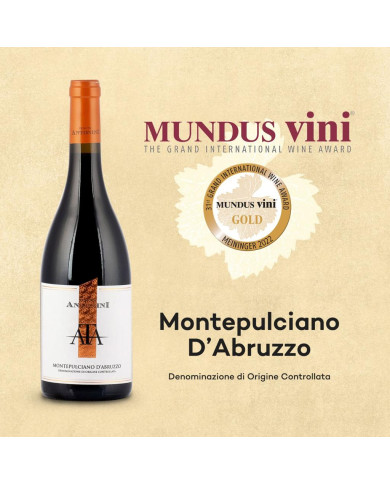
Red is the color of passion. Strong, energetic, charged, exciting: our Montepulciano d'Abruzzo is exactly like that, enveloping and full-bodied. Each sip encourages the discovery of its sensorial complexity, but also to let oneself be pervaded by positive sensations and share them with those around us.
€35.87
SKU:
14645
Brand:
Cantina Dorigati
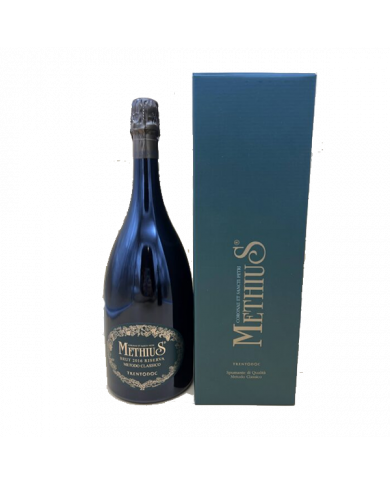
Il Trentino è una terra indubbiamente vocata alla produzione di basi spumanti. Se si aggiunge una produzione artigianale e rispettosa delle tradizioni ecco che si ottiene TRENTODOC, ovvero il metodo classico trentino.è da questi presupposti che nel 1986 nasce METHIUS TRENTO DOC grazie all’amicizia tra due amici enologi: Carlo Dorigati ed Enrico Paternoster. Il Trento Doc Methius è prodotto solo nella tipologia riserva, a sottolineare la qualità eccelsa di questo prodotto e la sua unicità. La cantina d’invecchiamento, ubicata a Mezzocorona (Trentino), risale ai primi del 1900, è completamente interrata e costruita con i “volti a botte” quasi tutti in pietra squadrata. Qui le bottiglie di Methius sostano per 60 mesi, a temperatura e umidità pressoché costanti tutto l’anno. Il nome “Methius” deriva dalla ricerca di un toponimo locale che accomuna l’origine del prodotto aziendale al territorio di nascita. L’etimo del nome scelto si perde nella storia. Si sa che già nel 1150 (Principe Vescovo e Mainardo II conte di Tirolo) il nome delle due borgate site nella “Piana Rotaliana” erano: Methius Coronae (oggi Mezzocorona) e Methius Sancti Petri (oggi Mezzolombardo) ove il radicale comune “Methius” deriva dal celtico e latino volgare.
€98.09
SKU:
14588
Brand:
Ca' Rugate
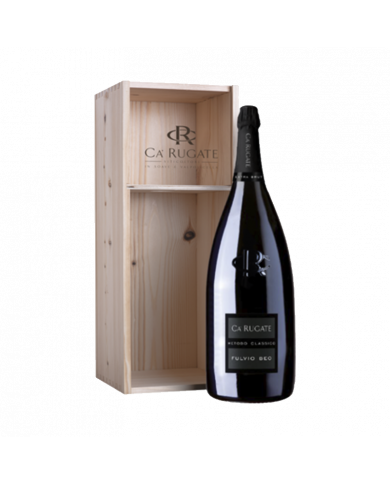
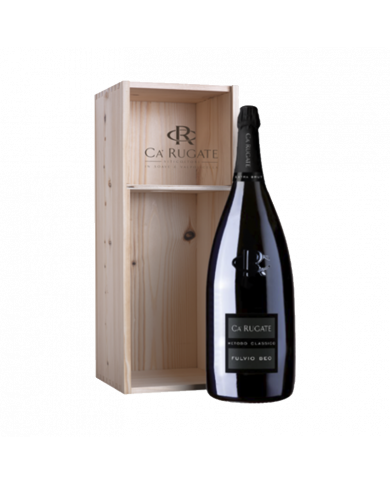
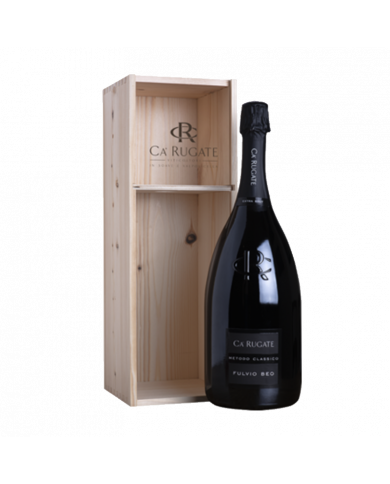
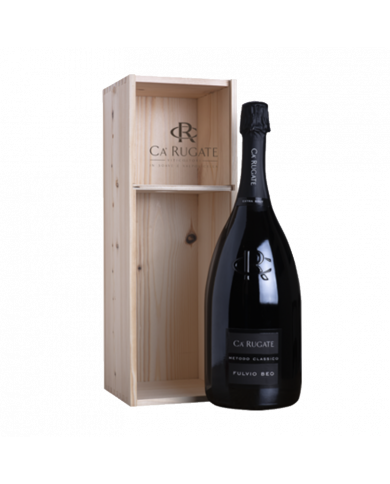
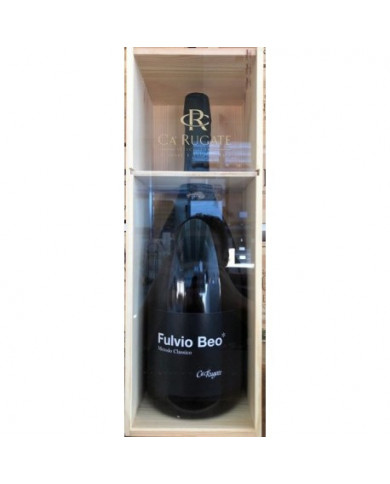
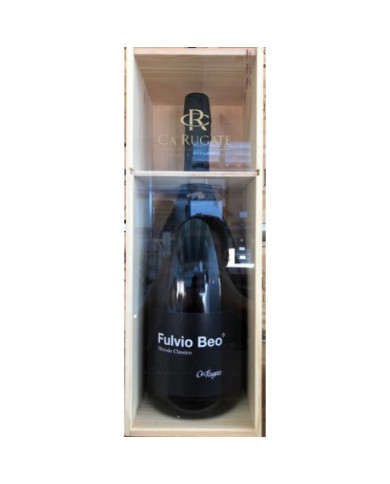
Fulvio Beo Classic Method Ca' Rugate has a straw yellow color with greenish reflections, it is a sparkling wine with a fine and persistent perlage. The nose releases a delicate hint of yeast with pleasant fruity notes. Harmonious, almost velvety flavour, with a dry finish.
€720.29
SKU:
14587
Brand:
Ca' Rugate
Fulvio Beo Classic Method Ca' Rugate has a straw yellow color with greenish reflections, it is a sparkling wine with a fine and persistent perlage. The nose releases a delicate hint of yeast with pleasant fruity notes. Harmonious, almost velvety flavour, with a dry finish.
€551.75
SKU:
14586
Brand:
Ca' Rugate
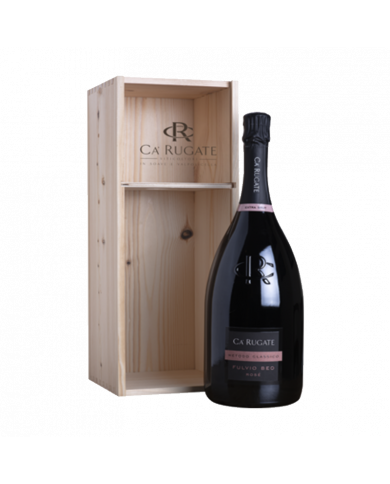
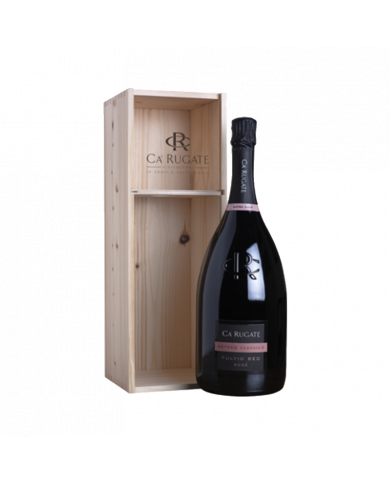
After a short maceration of 1-2 days on the skins, the fermentation takes place in stainless steel tanks. About 6 months after the harvest, the base wine is bottled with the addition of yeasts which trigger a second fermentation. After about 24 months the yeasts, through the "disgorgement", come out of the bottle. At this point, the Fulvio Beo Rosè sparkling wine is ready for marketing.
Tasting notes
Coral pink in color with shades that veer towards salmon-colored tones. On the nose aromas of small berries, currants and strawberries and delicate hints of almond.
€333.06
SKU:
14585
Brand:
Ca' Rugate
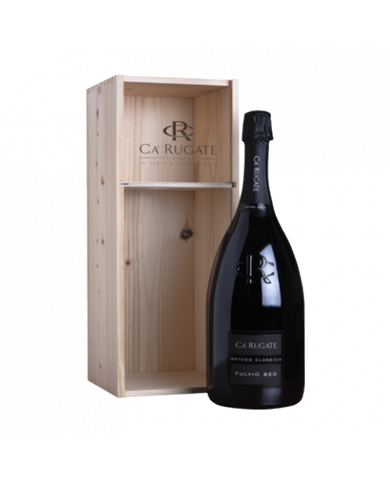
Fulvio Beo Classic Method Ca' Rugate has a straw yellow color with greenish reflections, it is a sparkling wine with a fine and persistent perlage. The nose releases a delicate hint of yeast with pleasant fruity notes. Harmonious, almost velvety flavour, with a dry finish.
€333.06
SKU:
14584
Brand:
Ca' Rugate
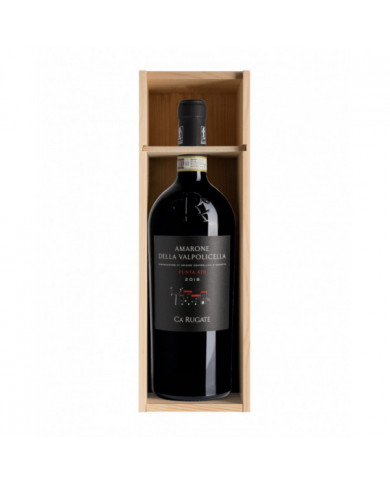
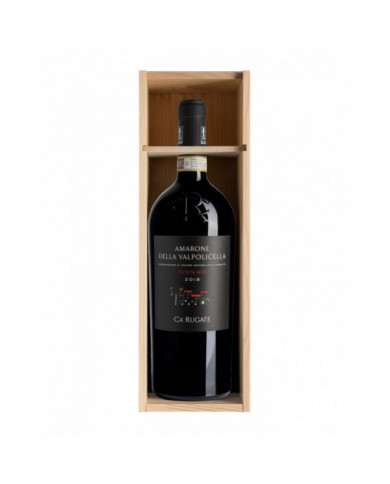
The Amarone di Ca' Rugate "Punta 470" announces itself in the glass with a well concentrated garnet colour. The olfactory bouquet that emerges on the nose is broad, where various notes of small berry fruits such as blackberry, cherry and currant can be traced, alternating with spicy references. On the palate it has an excellent structure, powerful and energetic thanks to a round sip, which wraps the palate with softness; it closes with a finish of excellent persistence, characterized by an aftertaste that recalls the flavor of the dried grapes from which the Amarone production process is born. A label of important depth both on the nose and in the mouth, which comes from a meticulous production process, in which each phase of the production is followed with care and attention, until the wine, after a good period of refinement, is not ready to be bottled. A great expression, dense, intense and elegant. The "Punta 470" takes shape from the union between Corvina, Corvinone and Rondinella, varieties grown in soils rich in skeleton and limestone located in the hilly area of Montecchia di Crosara. The manual harvest begins during the second half of September, taking care to place the bunches in boxes without overlapping them, in order to guarantee correct ventilation. The bunches wither for 4-5 months in a fruit cellar, dehydrating and thus concentrating their sugary substances; then we proceed with the pressing, and the must obtained is fermented in steel. The wine ages for 30-36 months in 500-litre oak tonneaux and 25-hectolitre barrels.
SKU:
14583
Brand:
Ca' Rugate
Fulvio Beo Classic Method Ca' Rugate has a straw yellow color with greenish reflections, it is a sparkling wine with a fine and persistent perlage. The nose releases a delicate hint of yeast with pleasant fruity notes. Harmonious, almost velvety flavour, with a dry finish.
€142.74
SKU:
14580
Brand:
Ca' Rugate
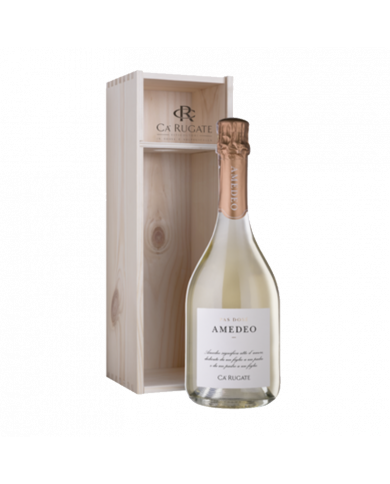
Delicate hints of freshly baked croissant crust, with references to spices and notes of white peach, accompanied by a vigorous and enveloping drink, supported by a whipping and crystalline acidity.
€97.17
SKU:
14579
Brand:
Ca' Rugate
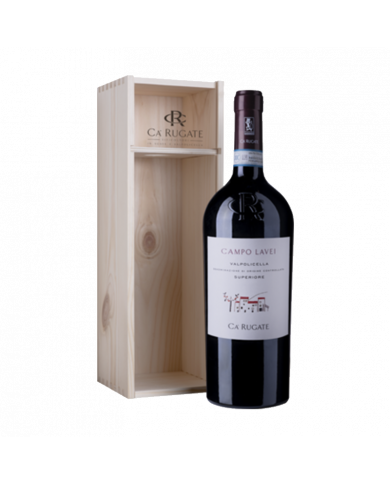
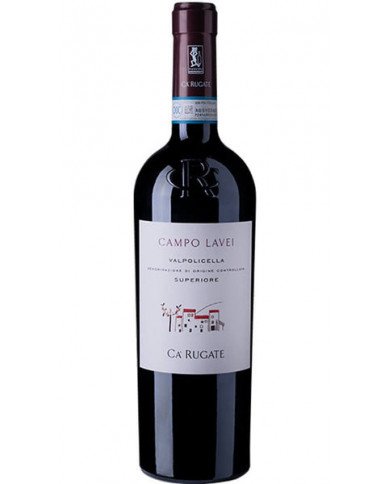
Deep ruby red dress, a Valpolicella Superiore with aromas of small red fruits, from blackberry to currant to cherry that blend well in a splendid harmony of spicy flavors given by the aging in barrel.
Letting the wine decant from the important organoleptic structure and important tannins, it is possible to perceive the softness on the palate.
Enveloping and sensual, it is perfect for your most intense evenings with important dinners with the strongest flavours.
€75.40
SKU:
14578
Brand:
Ca' Rugate
Fulvio Beo Classic Method Ca' Rugate has a straw yellow color with greenish reflections, it is a sparkling wine with a fine and persistent perlage. The nose releases a delicate hint of yeast with pleasant fruity notes. Harmonious, almost velvety flavour, with a dry finish.
€64.90
SKU:
14577
Brand:
Ca' Rugate
Fulvio Beo Magnum sparkling wine in wooden case from the Ca' Rugate winery comes from 100% Garganega grapes. The base wine is vinified entirely in steel so as not to alter the typical aromas and freshness. A complex and full-bodied sparkling wine, which highlights the great potential of the volcanic territory of the Soave area.
€61.61
SKU:
14576
Brand:
Ca' Rugate
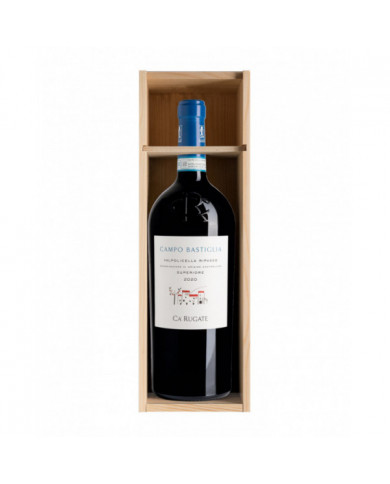
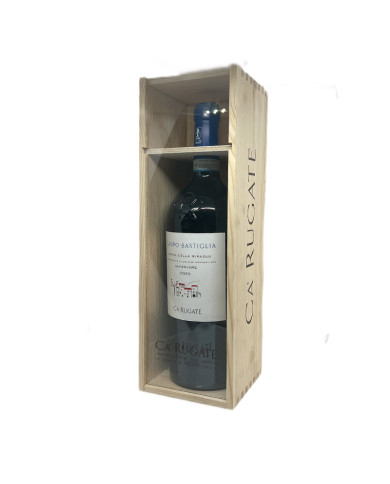
The Valpolicella Classico Superiore "Campo Bastiglia" by Cà Rugate has a deep garnet red colour. On the nose the aromas are fruity with notes of cherry and red fruit with floral and spice nuances. The taste is full and velvety thanks to the soft tannins that characterize it. Ripasso is a traditional practice which involves, after pressing the dried Amarone grapes, the refermentation of the pomace on a vintage wine. The subsequent refinement takes place 50% in tonneaux and 50% in steel for a period of about 8 months. The best grapes from the various owned vineyards are located in the hilly area of Montecchia di Crosara, in soils rich in skeleton and mainly calcareous. A great wine with excellent value for money.
€61.50
SKU:
14575
Brand:
Ca' Rugate
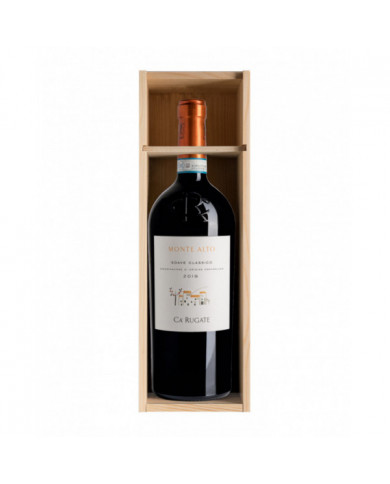
The Soave Classico "Monte Alto" is a soft and fragrant white wine from the Veneto region, which the aging on the lees in barriques and oak barrels has contributed to rounding out. On the nose emerge aromas of flowers, yellow fruit and almonds. The sip is enveloping, fresh and intense, with a good structure. The "Monte Alto" belongs to the group of crus of Ca' Rugate, historic company of the Tessari family, born in the heart of Valpolicella, between Monteforte d'Alpone and Montecchia di Crosara, and witness for over a century of a viticulture closely linked to local traditions and local vines. Spread over an area of over 4000 meters and divided over 3 levels, the cellar allows the company to concentrate all the processes of vinification, refinement, bottling and storage in a single location. The owned vineyards, located on the Rugate hill which gives the company its name, are cultivated partly with the Veronese pergola system, partly with the guyot system. On the south-facing slopes, where the cultivation of vines finds particularly favorable conditions, the soil is basaltic and rich in clay and silt. The area is vast and rather homogeneous, with characteristics that have made it possible to identify particular micro-areas, suitable for obtaining a fresh, balanced, persistent Soave Classico with great personality. These are the territorial premises that give rise to this warm and soft wine, with a structure capable of supporting a remarkable evolution after a few years of age, the Soave Classico "Monte Alto" is produced with the best grapes from the vineyards of Monteforte d'Alpone, bringing with it a varietal expression of extremely high quality which thus seals the great relationship established over time between the Ca' Rugate company and the hills of Soave.
€60.60
SKU:
14573
Brand:
Ca' Rugate
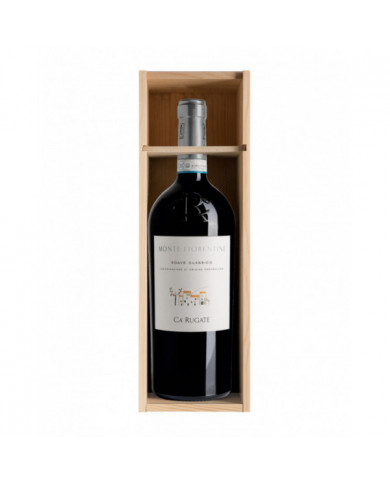
The Soave Classico Magnum "Monte Fiorentine" by Cà Rugate has a deep straw yellow colour. The nose is fine and delicate with exotic fruit and citrus. The Taste is soft, persistent and sapid.
This wine is vinified in white with fermentation in steel at 16-18 degrees, for a period of 10-15 days.
The vineyards of Monte Fiorentine are located north of Colle Rugate, in Brognoligo di Monteforte d'Alpone, in soils of volcanic origin rich in minerals.
A very structured wine that is best expressed after 1-2 years of aging in the bottle.
€43.07
SKU:
14568
Brand:
Ca' Rugate
Fulvio Beo sparkling wine in a wooden box from the Ca' Rugate winery comes from 100% Garganega grapes. The base wine is vinified entirely in steel so as not to alter the typical aromas and freshness. A complex and full-bodied sparkling wine, which highlights the great potential of the volcanic territory of the Soave area.
€136.64
SKU:
14566
Brand:
Ca' Rugate
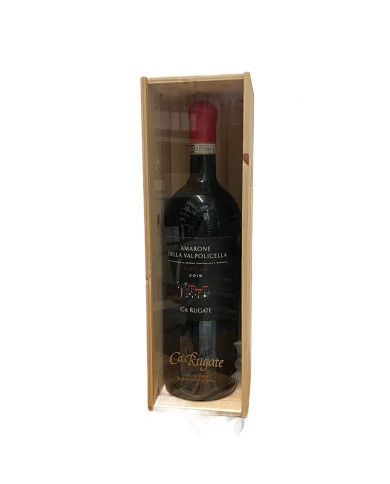
The Amarone di Ca' Rugate "Punta 470" announces itself in the glass with a well concentrated garnet colour. The olfactory bouquet that emerges on the nose is broad, where various notes of small berry fruits such as blackberry, cherry and currant can be traced, alternating with spicy references. On the palate it has an excellent structure, powerful and energetic thanks to a round sip, which wraps the palate with softness; it closes with a finish of excellent persistence, characterized by an aftertaste that recalls the flavor of the dried grapes from which the Amarone production process is born.
A label of important depth both on the nose and in the mouth, which comes from a meticulous production process, in which each phase of the production is followed with care and attention, until the wine, after a good period of refinement, is not ready to be bottled. A great expression, dense, intense and elegant.
The "Punta 470" takes shape from the union between Corvina, Corvinone and Rondinella, varieties grown in soils rich in skeleton and limestone located in the hilly area of Montecchia di Crosara. The manual harvest begins during the second half of September, taking care to place the bunches in boxes without overlapping them, in order to guarantee correct ventilation. The bunches wither for 4-5 months in a fruit cellar, dehydrating and thus concentrating their sugary substances; then we proceed with the pressing, and the must obtained is fermented in steel. The wine ages for 30-36 months in 500-litre oak tonneaux and 25-hectolitre barrels.
€139.69
SKU:
14518
Brand:
Bellavista
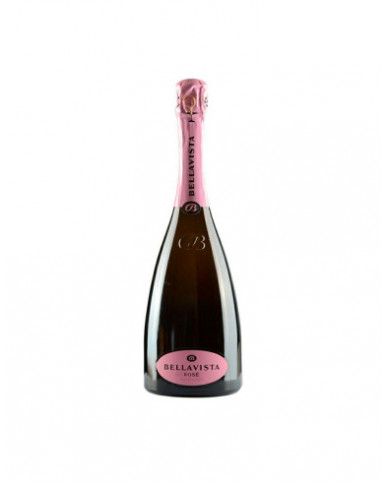
Bellavista Wine's Magnum di Rose Millesimato Franciacorta DOCG is a sparkling wine produced in Lombardy. It is a ready-to-drink wine. It is recommended to serve at a temperature of 6°C
€132.59
SKU:
14511
Brand:
Bellavista
White foam, exuberant and of excellent persistence. The pearl necklaces are very fine to form a well-present and prolonged crown over time. The effervescence is dynamic and full of youth. Bright and bright yellow color with clear greenish reflections. Perfume characterized by marked minerality. Wide and inviting, it embraces nuances of ripe sweet fruit, meringue, pastry and candied citrus peel. Flavor fully corresponding to the nose, with an almost crunchy creamy sensation and a texture that combines elegance and lightness, thickness and harmony. The vibrant and contemporary character represents its unmistakable identity.
€317.07
SKU:
14510
Brand:
Bellavista
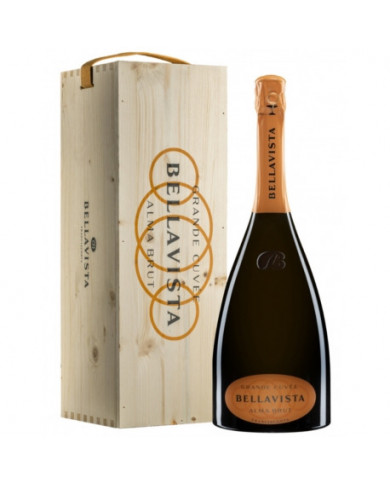
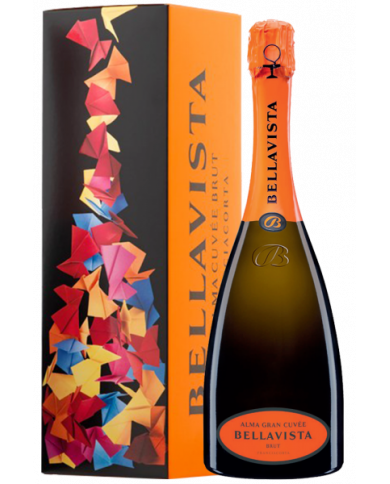
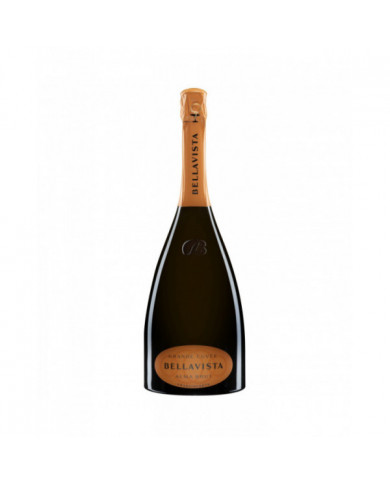
The Franciacorta DOCG Cuvèe Brut "Alma" by Bellavista comes from the skilful union of about 60 of the 120 harvest selections obtained in the cellar. About 100 selections come from the same harvest and are identified with extreme care in 107 parcels distributed in 10 different municipalities of Franciacorta ("horizontal assembly"). To this vast patrimony of olfactory and gustatory variants are then added the aromas and flavors of particular "reserve wines" from different vintages ("vertical assembly"). A unique cuvée, which with its elegant complexity represents the most complete and often mysterious soul of Franciacorta.
€81.45
SKU:
14508
Brand:
Bellavista
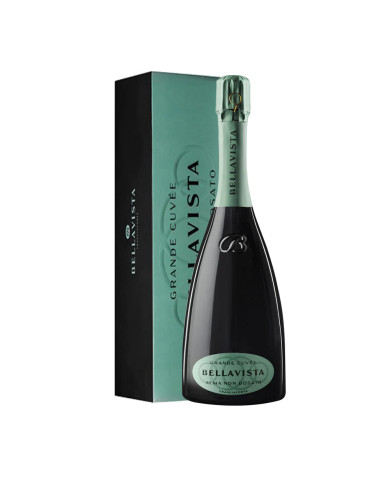
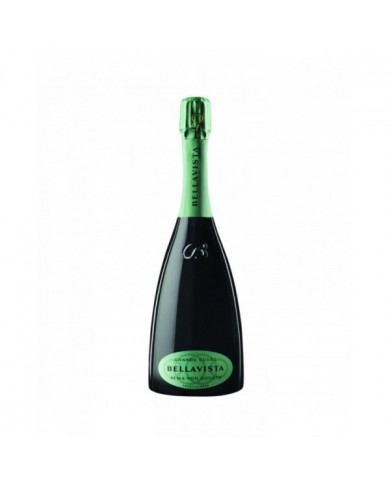
It is told through a sensory profile that evolves giving altogether sapidity, freshness, finesse, elegance and agility: the result is simply superlative, given by the Franciacorta Non Dosato "Alma Grande Cuvée", labeled Bellavista . A bubble that wants to become the symbol of the purest essence of the lands of Franciacorta, proposing a sip with which Bellavista drops its mask, retracing its history in a contemporary key. Here then is that every detail - label included - becomes a reference to the concept of harmony, both external and connected to the precious content. The apparent - and intended - aesthetic minimalism, again, finally connects with a Franciacorta that remains suspended in time, as if to recall the impossibility of finding glasses of a similar caliber.
€84.06
SKU:
14505
Brand:
Bellavista
The Franciacorta DOCG Cuvèe Brut "Alma" by Bellavista comes from the skilful union of about 60 of the 120 harvest selections obtained in the cellar. About 100 selections come from the same harvest and are identified with extreme care in 107 parcels distributed in 10 different municipalities of Franciacorta ("horizontal assembly"). To this vast patrimony of olfactory and gustatory variants are then added the aromas and flavors of particular "reserve wines" from different vintages ("vertical assembly"). A unique cuvée, which with its elegant complexity represents the most complete and often mysterious soul of Franciacorta.
€81.50
SKU:
14450
Brand:
Emidio Pepe
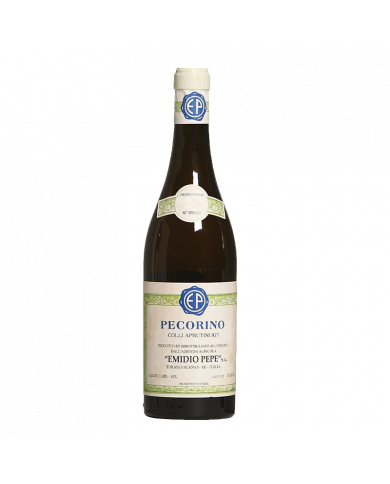
Pecorino by Emidio Pepe is a white wine with a great personality, full-bodied and intense, which gives us floral and yellow fruit notes on the nose, with a herbaceous finish. The sip has a very pleasant mineral note and a vertical taste of great persistence.
SKU:
14449
Brand:
Montevertine
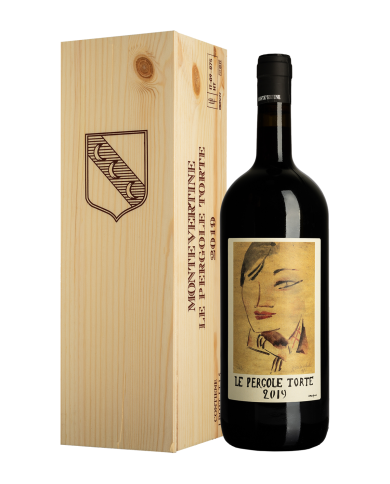
Produced for the first time in the 1977 vintage, it was the first pure Sangiovese vinified in our area of Radda in Chianti. The grapes come from our historic vineyards, planted between 1968 and 1999. It ages for one year in Allier barriques and one year in Slavonian oak barrels.
€858.00
SKU:
14448
Brand:
Montevertine
Produced for the first time in the 1977 vintage, it was the first pure Sangiovese vinified in our area of Radda in Chianti. The grapes come from our historic vineyards, planted between 1968 and 1999. It ages for one year in Allier barriques and one year in Slavonian oak barrels.
€877.50
SKU:
14447
Brand:
Montevertine
Produced for the first time in the 1977 vintage, it was the first pure Sangiovese vinified in our area of Radda in Chianti. The grapes come from our historic vineyards, planted between 1968 and 1999. It ages for one year in Allier barriques and one year in Slavonian oak barrels.
SKU:
14426
€32.50
SKU:
14421
Brand:
Fontodi
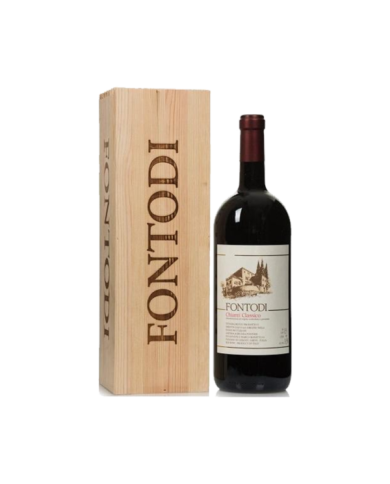
Famous and full-bodied expression of Sangiovese from Tuscany, Fontodi 's Chianti Classico is an intense and elegant wine, aged in old barriques for 24 months. Allows aromas of violets, leather and tobacco to emerge in the glass. The sip reveals body, spice, clarity and precision. Organic wine
€65.59
SKU:
14420
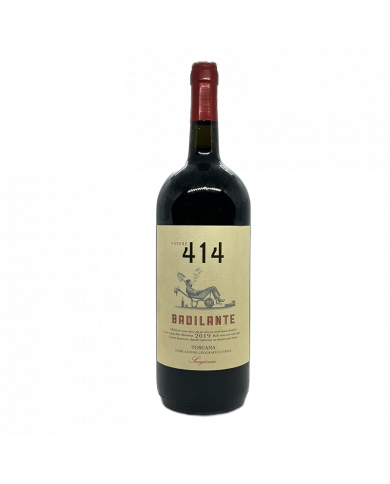
Badilante IGT Sangiovese Brilliant ruby red, bouquet characterized by fruity aromas that integrate with spicy perceptions. On the palate it shows medium structure, elegance and roundness conferred by the docility of the tannins. The objective set for this wine is finalized in the creation of a drink endowed with great versatility able to accompany many of the dishes of the Tuscan tradition. The shovelers were those who for over a century tilled the virgin lands of the Maremma. Our Sangiovese is born today from the same areas, elegant and generous, a timeless classic.
€25.22
Large format wines are a popular choice for special occasions and among wine collectors. They come in a variety of sizes and offer a variety of advantages over standard bottles. In this article, we'll explore everything you need to know about large format wines, from their benefits to storage and purchasing.
The advantages of large format wines
Large format wines offer numerous advantages over standard bottles. First, most wines in large formats age better than standard bottles. This is because the amount of oxygen entering the bottle is lower than in standard bottles. Furthermore, the larger capacity of wine in a single container means that temperature fluctuations are less significant, reducing the risk of damage to the wine.
Secondly, large format wines are an ideal choice for special occasions. A large bottle quickly becomes the center of attention and impresses guests. Furthermore, a single large bottle is much easier to manage than many smaller ones. For example, if you're hosting a dinner for a large group, you can use several large bottles to facilitate service.
Large format wine sizes
Large format wines are available in different sizes, each with a specific name:
Magnum : 1.5 litres, equal to two standard bottles
Jeroboam : 3 liters, equal to four standard bottles
Rehoboam : 4.5 liters, equal to six standard bottles
Methuselah : 6 liters, equal to eight standard bottles
Salmanazar : 9 liters, equal to twelve standard bottles
Balthazar : 12 liters, equal to sixteen standard bottles
Nebuchadnezzar : 15 litres, equal to twenty standard bottles
Storage of large format wines
Storing large-format wines is an important aspect to consider. Because these bottles are larger than standard bottles, storage can be more complicated. Most cellars don't have shelves or space suitable for large bottles, so planning ahead is essential.
Additionally, large bottles may take longer to adjust to the ambient temperature in which they are stored. To avoid temperature fluctuations, it's important to store large bottles in a cool, dry place.
Purchase of large format wines
Buying large format wines can be an excellent choice for wine collectors and for special occasions. However, it's important to pay attention to the bottles' origin. Large bottles can be more susceptible to counterfeiting than standard bottles, so it's important to buy from reputable and trustworthy sellers.
What are large format wines?
Large format wine bottles are larger than the standard 750ml bottle. There are numerous larger wine bottle sizes, including the Magnum (1.5 liters), the Double Magnum (3 liters), the Jeroboam (4.5 liters), the Rehoboam (4.5 liters), the Methuselah (6 liters), the Salmanazar (9 liters), the Balthazar (12 liters), and the Nebuchadnezzar (15 liters).
Why choose large-format wines?
There are many reasons to choose a larger bottle of wine over the traditional 750 ml bottles. First, wine in larger formats is more stable than standard bottles, thanks to the greater volume of wine in the bottle and the smaller amount of air coming into contact with the wine.
Secondly, wines in large formats develop more slowly, meaning they can be stored for a longer period without undergoing any alteration. Furthermore, these wines have greater harmony and balance than standard bottles, thanks to the greater contact surface between the wine and the cork.
Finally, wines in large formats are ideal for special occasions, such as weddings, anniversaries, birthdays, or corporate events, because they have a greater visual impact and can satisfy the palates of a greater number of people.
How to choose a large format wine?
Choosing a large-format wine depends on the type of wine and your personal needs. Generally, the wines best suited to larger formats are those that require a longer aging period, such as structured red wines, complex white wines, or sweet dessert wines.
Furthermore, it's important to choose a high-quality wine, because the larger the quantity of wine in the bottle, the greater the chance of defects appearing. It's therefore important to purchase wines in large formats from reputable retailers who offer guarantees regarding the wine's quality and shelf life.
Finally, it's important to consider the number of people attending the event to choose the right bottle size. For example, a Magnum bottle (1.5 liters) is enough for about 10 people, while a Balthazar bottle (12 liters) can satisfy up to 100 people.
In conclusion, large format wines are an excellent choice for special occasions and for wine collectors, thanks to their greater stability, their ability to evolve more slowly, and their ability to please the palates of a larger number of people.