

 Italiano
 Deutsch







There are no more items in your cart
SKU:
14167
Brand:
Buccia Nera
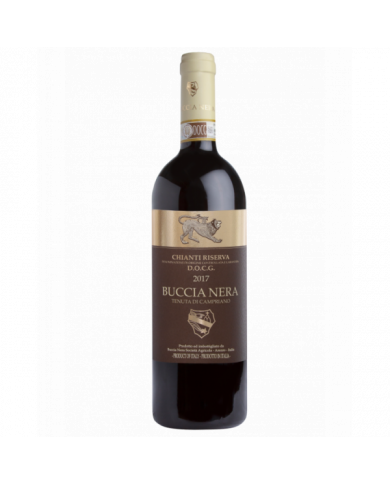
It is not surprising to discover that this Chianti Riserva DOCG Tenuta di Campriano produced from Buccia Nera has been awarded several times by international wine critics. After all, it is clear that it is a great product from the first taste. It could be defined as pure Sangiovese, given that in the assembly this grape weighs for about 85%. But in this case, to add nobility to the blend, a part of Merlot and one part of Cabernet Sauvignon are added, improving vines par excellence. The vinification of the grapes takes place in three different moments, always in steel at a controlled temperature. Spontaneous alcoholic and malolactic fermentation and 2-year aging in 30-hectolitre oak barrels followed by a further year in the bottle. The result is a complex and structured red. The color is impenetrable, ruby red with garnet reflections. The nose opens with notes of cherry in alcohol and blackberry, to then offer spicy sensations of chocolate, licorice and tobacco. In the mouth it is full, voluminous, soft at the entrance, with nice ripe tannins that leave the mouth dry and clean.
€23.40
SKU:
14166
Brand:
Buccia Nera
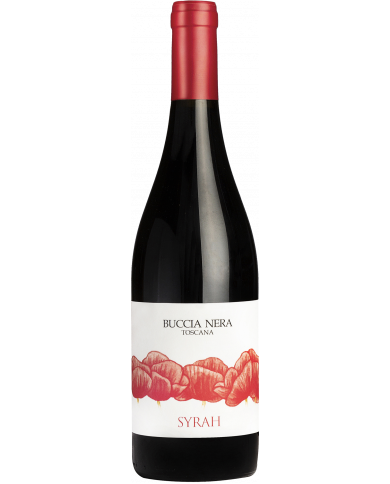
The Syrah vine is at home on the rolling hills surrounding Arezzo. Originally from the French region of Rhone, he has found a welcoming second home in Tuscany and is often able to express himself at high levels. In the version proposed here by Buccia Nera, the grapes that have reached a perfect degree of ripeness are harvested by hand and vinified without resorting to selected yeasts. Fermentation, in fact, is activated spontaneously thanks to the colony of native yeasts found on the skins and in the cellar environment. The result is a wine of beautiful complexity but just as pleasant. In this case, it is easy to recognize the characteristics of the varietal which are enhanced by a minimally invasive vinification. The color is intense and lively ruby red. On the nose they are clearly distinguished by more typical spicy notes of black pepper which are accompanied by memories of coffee and sweeter toffee. In the mouth it is soft with ripe tannins and a nice acidity that perfectly balances the alcoholic component. A versatile wine that is easy to enhance with the right combination of meat and cheese but also with dishes with a pleasantly spicy flavor, such as a tasty goulash.
€17.45
SKU:
14165
Brand:
Buccia Nera
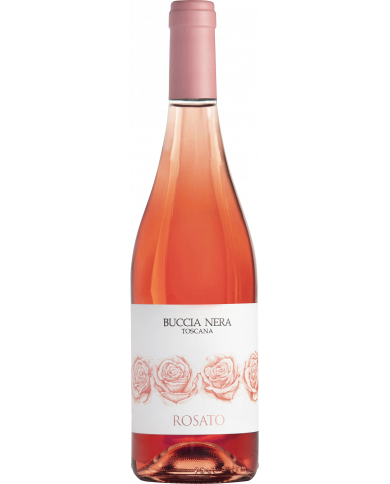
In the mouth it is fresh and light. Good correspondence to the nose and palate, it completes the tasting leaving the mouth pleasantly clean.
€16.84
SKU:
14164
Brand:
Buccia Nera
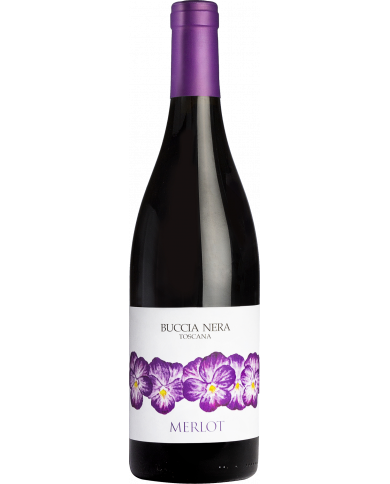
Soft and enveloping. The tannins are ripe and well balanced by the acidity. Good taste-olfactory persistence, after swallowing the fruity aromas immediately return.
PAIRINGS: Red meat, game, aged cheeses.
€16.84
SKU:
14163
Brand:
Buccia Nera
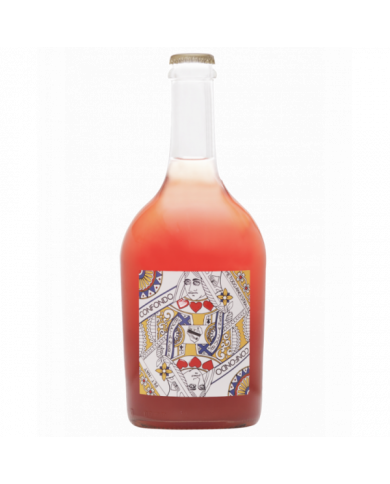
Lobster pink with beautiful opalescence. Well visible deposits of yeast on the bottom of the bottle. Upon opening, the nose shows hints of yeast and bread making and then opens up with fruity aromas of cherry, wild strawberries, white currants and rose petals. There is minerality in the finish. The taste is dry with very delicate but persistent bubbles, fresh and savory with good persistence. Red fruits return to the aftertaste and finish. The mouth remains pleasantly dry.
€14.52
SKU:
14161
Brand:
Tenuta San Guido
Both powerful and incredibly fine, the wine reveals mature and elegant tannins, exquisite fruitiness and exceptional length on the palate. Pleasant since its youth, it has the advantage of being able to be appreciated without waiting too long, while retaining a great aging potential, rare for an Italian wine of this level ... In short, we are facing a legendary bottle and words are not enough to describe its beauty.
€550.00
SKU:
14162
Brand:
Buccia Nera
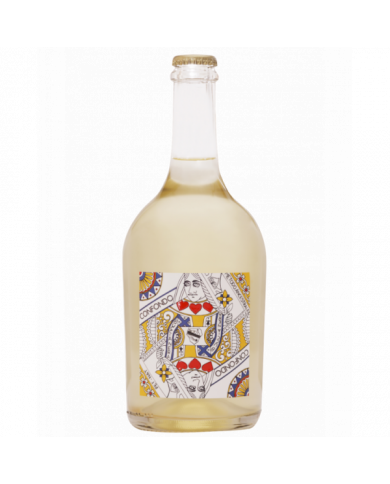
When tasted, a very delicate bubble, which pleasantly massages the palate, decisive and pleasant citrus freshness, right flavor and good persistence, with a aftertaste and finish of citrus and fruit with a long trail of freshness to characterize the whole taste.
€14.52
SKU:
14160
Brand:
Buccia Nera
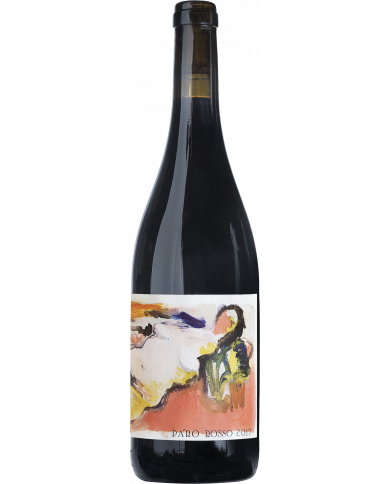
Disturbing. If we had to describe this wine in one word, we would use this adjective and no other. The red blend, based on Cabernet Sauvignon and Merlot, is an intense amalgam of two vines that express themselves with great elegance and strength in this territory. We are at 350 meters above sea level, in a soil rich in clay and silt, ideal characteristics for the production of intense reds, with a complex organoleptic profile and great aging potential. Pa' Ro rosso immediately expresses itself in the glass with great personality: the color is an intense and impenetrable ruby red. A sense of smell that is very full of aromas and herbaceous notes is striking, the spiciness embellishes an already well-stressed nose with notes of black pepper and licorice. Scents of plum and blueberry define its fruitiness, while the balsamic note makes it vivid and powerful. At the sip it continues to seduce us for the fullness of the taste; enveloping softness and alcohol on one side, well balanced by good freshness and elegant tannins on the other. A fine wine, very intense, very long. All the cards are in order to achieve excellence. What better pairing than a sweet wild boar?
€18.45
SKU:
14159
Brand:
Buccia Nera
€20.04
€14.03
The destemmed grapes remain in maceration on the skins throughout the alcoholic fermentation. The alcoholic fermentation takes place entirely in stainless steel barrels at a controlled temperature of 18°C. AGING: In stainless steel for 8 months and in bottle for at least 2 months.
€20.04
€14.03
SKU:
14157
Brand:
Buccia Nera
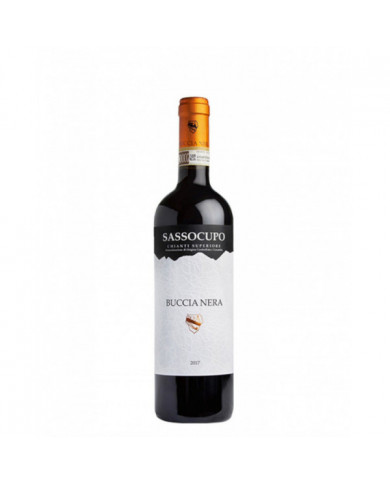
90% Sangiovese, with just a hint of Canaiolo to make the cut more intriguing. Thus Sassocupo was born, which bears the Chianti Superiore Denomination on the label and is distinguished by an alcohol content of 14 degrees. An extremely pleasant red, which can give great satisfaction at the table, especially if the menu includes a large use of red meats. If in the glass it has a beautiful, not too lively ruby red color, the nose reveals the unmistakable notes of ripe red fruit, such as cherry and black cherry, which soon give way to an evident hint of pepper. In the mouth it is vertical, with a nice tannin and a decisive freshness that make it elegant and versatile. Long persistence, leaves the mouth pleasantly clean and dry.
€16.25
SKU:
14156
Brand:
Ornellaia
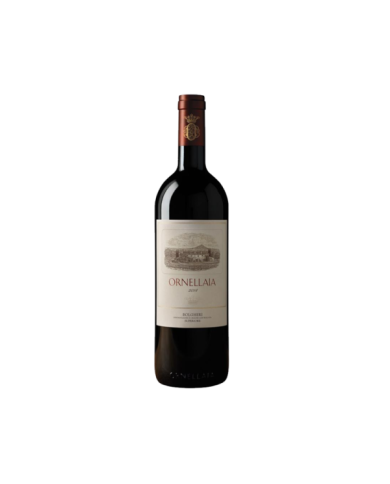
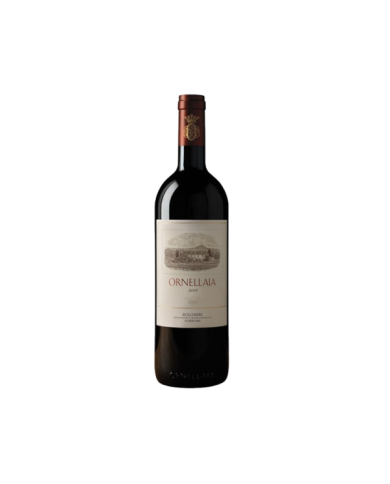
Cuvée of Cabernet Sauvignon, Merlot, Cabernet Franc and Petit Verdot, Ornellaia 2014 is capable of expressing all the exceptional qualities of the territory. 2014 was a particular year for Tenuta dell ' Ornellaia , with a particularly rainy August that threatened very difficult conditions for grape ripening and an increased risk of diseases for the vineyards. But it is in the dark moments that passion and experience can change the course of events: the continuous leaf stripping and treatments carried out during the summer have allowed the grapes to arrive safe and sound for the harvest.
€427.00
SKU:
14155
Brand:
Ornellaia
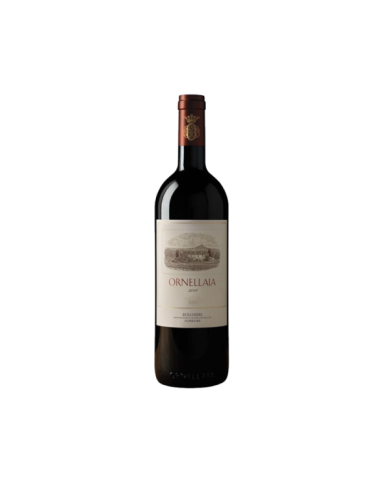
Cuvée of Cabernet Sauvignon, Merlot, Cabernet Franc and Petit Verdot, Ornellaia 2014 is capable of expressing all the exceptional qualities of the territory. 2014 was a particular year for Tenuta dell ' Ornellaia , with a particularly rainy August that threatened very difficult conditions for grape ripening and an increased risk of diseases for the vineyards. But it is in the dark moments that passion and experience can change the course of events: the continuous leaf stripping and treatments carried out during the summer have allowed the grapes to arrive safe and sound for the harvest.
SKU:
14154
Brand:
Ornellaia
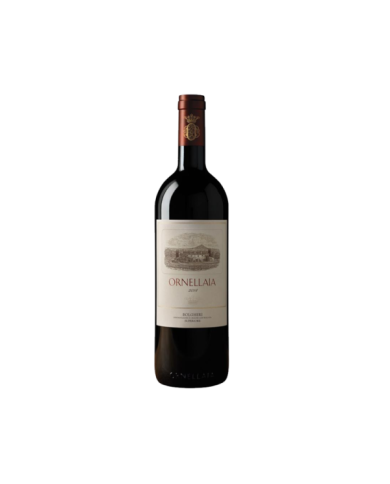
Cuvée of Cabernet Sauvignon, Merlot, Cabernet Franc and Petit Verdot, Ornellaia 2014 is capable of expressing all the exceptional qualities of the territory. 2014 was a particular year for Tenuta dell ' Ornellaia , with a particularly rainy August that threatened very difficult conditions for grape ripening and an increased risk of diseases for the vineyards. But it is in the dark moments that passion and experience can change the course of events: the continuous leaf stripping and treatments carried out during the summer have allowed the grapes to arrive safe and sound for the harvest.
SKU:
14153
Brand:
Ornellaia
Cuvée of Cabernet Sauvignon, Merlot, Cabernet Franc and Petit Verdot, Ornellaia 2014 is capable of expressing all the exceptional qualities of the territory. 2014 was a particular year for Tenuta dell ' Ornellaia , with a particularly rainy August that threatened very difficult conditions for grape ripening and an increased risk of diseases for the vineyards. But it is in the dark moments that passion and experience can change the course of events: the continuous leaf stripping and treatments carried out during the summer have allowed the grapes to arrive safe and sound for the harvest.
SKU:
14152
Brand:
Ornellaia
Cuvée of Cabernet Sauvignon, Merlot, Cabernet Franc and Petit Verdot, Ornellaia 2014 is capable of expressing all the exceptional qualities of the territory. 2014 was a particular year for Tenuta dell ' Ornellaia , with a particularly rainy August that threatened very difficult conditions for grape ripening and an increased risk of diseases for the vineyards. But it is in the dark moments that passion and experience can change the course of events: the continuous leaf stripping and treatments carried out during the summer have allowed the grapes to arrive safe and sound for the harvest.
SKU:
14150
Brand:
Ornellaia
Cuvée of Cabernet Sauvignon, Merlot, Cabernet Franc and Petit Verdot, Ornellaia 2014 is capable of expressing all the exceptional qualities of the territory. 2014 was a particular year for Tenuta dell ' Ornellaia , with a particularly rainy August that threatened very difficult conditions for grape ripening and an increased risk of diseases for the vineyards. But it is in the dark moments that passion and experience can change the course of events: the continuous leaf stripping and treatments carried out during the summer have allowed the grapes to arrive safe and sound for the harvest.
SKU:
14149
Brand:
Ornellaia
Intense ruby red and noble color. It has elegant fruity scents on the nose, of cherries, black cherries, black currants, blackberries and blueberries, which are enriched with tertiary tones of spices, coffee, licorice and oak. The taste is soft, luxuriant and persistent, expressive in the fruit and silky in the tannins. Long persistence and deep closure. Perfect in combination with the second dishes of the land cuisine, it goes very well with dishes based on noble poultry or feathered game. Try it with the chicken in red wine.
SKU:
14148
Brand:
Ornellaia
Intense ruby red and noble color. It has elegant fruity scents on the nose, of cherries, black cherries, black currants, blackberries and blueberries, which are enriched with tertiary tones of spices, coffee, licorice and oak. The taste is soft, luxuriant and persistent, expressive in the fruit and silky in the tannins. Long persistence and deep closure. Perfect in combination with the second dishes of the land cuisine, it goes very well with dishes based on noble poultry or feathered game. Try it with the chicken in red wine.
SKU:
14147
Brand:
Ornellaia
Intense ruby red and noble color. It has elegant fruity scents on the nose, of cherries, black cherries, black currants, blackberries and blueberries, which are enriched with tertiary tones of spices, coffee, licorice and oak. The taste is soft, luxuriant and persistent, expressive in the fruit and silky in the tannins. Long persistence and deep closure. Perfect in combination with the second dishes of the land cuisine, it goes very well with dishes based on noble poultry or feathered game. Try it with the chicken in red wine.
€66.27
SKU:
14146
Brand:
Banfi
Deep red, tending to garnet. Rich and complex bouquet, with sweet notes of plum, ripe cherry and small fruits that blend well with balsamic and tobacco notes. In the mouth you can immediately notice the great structure, full and soft, characterized by powerful tannins that give dimension while remaining gentle on the palate. A wine that lends itself to a very long aging. Throughout the meal, it is an ideal accompaniment to red meats, savory game and aged cheeses.
SKU:
14145
Brand:
Banfi
Deep red, tending to garnet. Rich and complex bouquet, with sweet notes of plum, ripe cherry and small fruits that blend well with balsamic and tobacco notes. In the mouth you can immediately notice the great structure, full and soft, characterized by powerful tannins that give dimension while remaining gentle on the palate. A wine that lends itself to a very long aging. Throughout the meal, it is an ideal accompaniment to red meats, savory game and aged cheeses.
SKU:
14144
Brand:
Banfi
Intense, deep color, with garnet reflections. The nose is complex, with sweet hints of licorice, coffee, plum jam, tobacco and a light note of violet. The structure is very elegant, large in size, with very soft tannins and perfectly balanced with a lively acidity, capable of sustaining its persistence for a long time. From great aging. For the whole meal, it superbly accompanies red meats, game and aged cheeses.
€136.64
SKU:
14143
Brand:
Banfi
Intense, deep color, with garnet reflections. The nose is complex, with sweet hints of licorice, coffee, plum jam, tobacco and a light note of violet. The structure is very elegant, large in size, with very soft tannins and perfectly balanced with a lively acidity, capable of sustaining its persistence for a long time. From great aging. For the whole meal, it superbly accompanies red meats, game and aged cheeses.
€95.16
SKU:
14142
Brand:
Banfi
Intense, deep color, with garnet reflections. The nose is complex, with sweet hints of licorice, coffee, plum jam, tobacco and a light note of violet. The structure is very elegant, large in size, with very soft tannins and perfectly balanced with a lively acidity, capable of sustaining its persistence for a long time. From great aging. For the whole meal, it superbly accompanies red meats, game and aged cheeses.
€129.90
SKU:
14072
Brand:
Montevertine
Produced for the first time in the 1977 vintage, it was the first pure Sangiovese vinified in our area of Radda in Chianti. The grapes come from our historic vineyards, planted between 1968 and 1999. It ages for one year in Allier barriques and one year in Slavonian oak barrels.
€448.90
SKU:
14071
Brand:
Montevertine
Produced for the first time in the 1977 vintage, it was the first pure Sangiovese vinified in our area of Radda in Chianti. The grapes come from our historic vineyards, planted between 1968 and 1999. It ages for one year in Allier barriques and one year in Slavonian oak barrels.
SKU:
14069
Brand:
Cantina Marchesi Antinori
This fine wine from the Antinori winery respects the local traditions of Tuscany. The denomination is that of Vin Santo della Valdichiana DOC. Produced from the blended vinification of Tuscan Trebbiano and Malvasia vines.
€17.81
SKU:
14068
Brand:
Cantina Marchesi Antinori
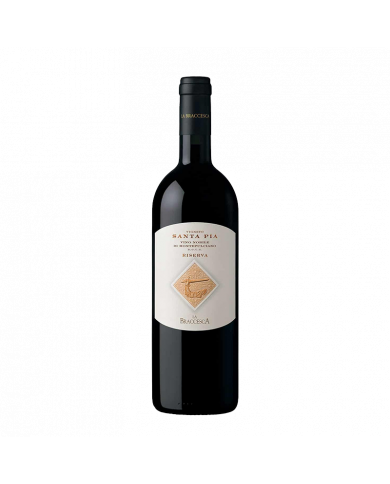
The Vino Nobile di Montepulciano Santa Pia La Braccesca of the Marchesi Antinori was born in the homonymous estate, located on the Sienese hills. It is produced exclusively with Prugnolo Gentile grapes, harvested only by hand during the month of September. Fermentation takes place in stainless steel tanks at a controlled temperature of 28 ° C for 20 days. Subsequently the wine is aged in barrique for 15 months and for another 20 months in the bottle before being put on the market.
SKU:
14067
Brand:
Cantina Marchesi Antinori
Dense ruby color with garnet reflections. The nose expands sensations of plum, mulberry, violet, and then unraveling on wild and licorice tones. In the mouth, warm and enveloping, it declines sumptuous softness and caressing tannins. Ideal together with the silverside with mustard and plums or on the stuffed roast in a crust.
€119.90
SKU:
14066
Brand:
Cantina Marchesi Antinori
Dense ruby color with garnet reflections. The nose expands sensations of plum, mulberry, violet, and then unraveling on wild and licorice tones. In the mouth, warm and enveloping, it declines sumptuous softness and caressing tannins. Ideal together with the silverside with mustard and plums or on the stuffed roast in a crust.
SKU:
14065
Brand:
Cantina Marchesi Antinori
Dense ruby color with garnet reflections. The nose expands sensations of plum, mulberry, violet, and then unraveling on wild and licorice tones. In the mouth, warm and enveloping, it declines sumptuous softness and caressing tannins. Ideal together with the silverside with mustard and plums or on the stuffed roast in a crust.
€65.90
SKU:
14064
Brand:
Cantina Marchesi Antinori
The Chianti Classico "Badia a Passignano" is a famous and intense expression of the Chianti of the Marchesi Antinori . It is a full-bodied and complex red wine, with the unmistakable aromas of berries, cherries and sweet spices. Aged for 14 months in oak barrels
€68.81
SKU:
14063
Brand:
Cantina Marchesi Antinori
Historic Antinori house wine which, since the 2011 vintage, is produced with grapes from the Tignanello estate. It is composed almost entirely of Sangiovese grapes combined with a small amount of other complementary varieties. A wine that presents itself as the full expression of the quality and elegance of the Sangiovese of these areas.
SKU:
14019
Brand:
Cantina Marchesi Antinori
Ruby mantle tending to garnet. On the nose, sensations of violet, berries and plum follow one another in sequence, then black pepper, pleasant mentholated touches and sensations of leather and chocolate. In the mouth it expresses vigor and roundness, with tannins of excellent caliber that anticipate a very long finish. Ideal with delicious stuffed meats such as quail or pigeon.
€73.44
SKU:
14018
Brand:
Cantina Marchesi Antinori
Ruby mantle tending to garnet. On the nose, sensations of violet, berries and plum follow one another in sequence, then black pepper, pleasant mentholated touches and sensations of leather and chocolate. In the mouth it expresses vigor and roundness, with tannins of excellent caliber that anticipate a very long finish. Ideal with delicious stuffed meats such as quail or pigeon.
€82.47
SKU:
14017
Brand:
Cantina Marchesi Antinori
Ruby mantle tending to garnet. On the nose, sensations of violet, berries and plum follow one another in sequence, then black pepper, pleasant mentholated touches and sensations of leather and chocolate. In the mouth it expresses vigor and roundness, with tannins of excellent caliber that anticipate a very long finish. Ideal with delicious stuffed meats such as quail or pigeon.
€76.13
Discover the best wines of Tuscany: an unforgettable experience!
Tuscany is one of Italy's most renowned wine regions, and for decades its excellent wines have been appreciated worldwide. Tuscan wines offer a range of flavors, from sweet and fruity to robust and intense. Furthermore, this region also boasts a rich traditional culture and a long history of winemaking, making it an ideal destination for tourists seeking an unforgettable food and wine experience.
Why is Tuscany famous for its wine?
Tuscany has a mild climate and rich, fertile soil, making it one of Italy's most suitable regions for wine production. The region is particularly known for its red wines, such as Chianti, Brunello di Montalcino, and Vino Nobile di Montepulciano. These wines are made from Sangiovese grapes, the most widely grown grape in Tuscany. The region also has a rich tradition of white wines, such as Vernaccia di San Gimignano, Vermentino, and Trebbiano.
How to choose the right Tuscan wine?
When choosing a Tuscan wine, the first thing to consider is your personal taste. If you prefer sweet, fruity wines, a white wine like Vernaccia di San Gimignano or Vermentino is the right choice. If you prefer more robust, structured wines, then a red wine like Chianti or Vino Nobile di Montepulciano is better.
Furthermore, it's also important to consider the vintage of the wine you're purchasing. Wine quality depends on the climatic conditions during the period in which the grapes were grown, so before purchasing a bottle, it's a good idea to ask the producer about the vintage.
Where to find Tuscan wines?
Tuscan wines are readily available in supermarkets and specialty shops, but to savor the finest, highest-quality wines, you can also visit a winery. Tuscany boasts numerous wineries that organize guided tours and tastings to showcase their wines. Visiting one is a truly unique experience, as you have the opportunity to learn firsthand how wine is made and taste the different varietals.
What are the most famous wines of Tuscany?
Tuscany's most famous wines are Chianti, Brunello di Montalcino, Vino Nobile di Montepulciano, and Vernaccia di San Gimignano. Chianti is a light and fruity red wine, while Brunello di Montalcino is a red wine with great intensity and structure. Vino Nobile di Montepulciano is a full-bodied and complex red wine, while Vernaccia di San Gimignano is a dry white wine with fruity and floral notes.
How to pair Tuscan wines?
Tuscan wines are ideal paired with meat, fish, vegetable, or cheese dishes. For example, Chianti pairs excellently with meat dishes such as roasts or braised meats, while Vino Nobile di Montepulciano is perfect with fish dishes such as cod or salmon. Brunello di Montalcino pairs well with vegetable dishes such as soups and broths, while Vernaccia di San Gimignano is ideal with aged cheeses.
How to store Tuscan wines?
Tuscan wines should be stored in a cool, dry place, away from heat and direct light. The ideal storage temperature is between 10 and 14°C. Red wines can be stored for up to 5 years, while white wines should not be stored for more than 2 years. Furthermore, it's important to remember that wines should be stored horizontally, so that the cork is always in contact with the wine.
Tuscan Wine Denomination
Tuscany is one of the most important wine regions in Italy and the world. The region is famous for its fine wines such as Chianti , Brunello di Montalcino , and Vino Nobile di Montepulciano. These wines have either a controlled designation of origin (DOC) or a controlled and guaranteed designation of origin (DOCG). In this article, we'll explore the appellations of Tuscan wines and how they're produced.
Introduction to the Wine Denominations of Tuscany
Wine appellations are a classification system that guarantees the quality and geographical origin of Italian wines. There are three levels of appellation: Vino da Tavola, DOC, and DOCG. Table wines have no geographical or grape variety restrictions, while DOC and DOCG wines are produced in specific geographical areas and with specific grapes.
DOC wines of Tuscany
Tuscan DOC (Denominazione di Origine Controllata) wines are produced in specific areas of the region and are made with specific grapes. These wines have strict production requirements, such as grape yield, alcohol content, and minimum aging time.
Chianti DOCG
Chianti is one of the best-known and most popular Italian wines, produced primarily in the Chianti region, between the cities of Florence, Siena, and Arezzo. The wine is made primarily from Sangiovese grapes and may also contain other red grapes such as Canaiolo, Colorino, and Merlot. Chianti DOCG is a dry red wine that can be classified by its aging period: Chianti, Chianti Riserva, and Chianti Classico .
Brunello di Montalcino DOCG
Brunello di Montalcino is a DOCG wine produced in the Montalcino area, in the province of Siena. It is made with Sangiovese grapes, known locally as Brunello. The wine is aged for at least five years and must be produced exclusively with grapes from the Montalcino area.
Vino Nobile di Montepulciano DOCG
Vino Nobile di Montepulciano is a DOCG wine produced in the Montepulciano area, in the province of Siena. It is made primarily from Sangiovese grapes and must be aged for at least two years. The name "Nobile" derives from this wine's reputation during the Renaissance.
IGT wines from Tuscany
IGT (Indicazione Geografica Tipica) is an Italian wine designation that indicates a broader geographical area than DOC and DOCG wines. These wines can be made with grape varieties other than those specified by the DOC and DOCG designations.
Super Tuscan
Super Tuscans are IGT wines produced in Tuscany that do not comply with the DOC and DOCG designations. These wines are often made with international grapes such as Cabernet Sauvignon, Merlot, and Syrah, and are aged in French oak barrels. Super Tuscans are generally full-bodied and intense red wines, with a high concentration of fruit.
Tuscany is a world-renowned wine region, and its controlled and guaranteed designations of origin guarantee the quality of its wines. Tuscan DOC and DOCG wines are produced in specific geographical areas and with specific grapes, while Tuscan IGT wines have fewer restrictions in terms of geographical area and grape variety. Each appellation has its own unique characteristics and offers a different tasting experience. Regardless of which wine you choose, Tuscan wines are definitely a winning choice.
Frequently Asked Questions
What are the main Tuscan wine denominations?
The main Tuscan wine denominations are Chianti DOCG, Brunello di Montalcino DOCG, Vino Nobile di Montepulciano DOCG and IGT.
What do DOC and DOCG mean?
DOC stands for Controlled Designation of Origin, while DOCG stands for Controlled and Guaranteed Designation of Origin. These designations guarantee the quality and geographical origin of Italian wines.
What are the production requirements for DOC and DOCG wines from Tuscany?
Tuscan DOC and DOCG wines have strict production requirements, such as grape yield, alcoholic strength, and minimum aging time.
What are Super Tuscans?
Super Tuscans are IGT wines produced in Tuscany that do not comply with the DOC and DOCG designations. These wines are often made with international grapes such as Cabernet Sauvignon, Merlot, and Syrah.
What are the most famous DOCG wines from Tuscany?
The most famous DOCG wines of Tuscany are Chianti DOCG, Brunello di Montalcino DOCG and Vino Nobile di Montepulciano DOCG .