Italiano
 Deutsch










There are no more items in your cart
SKU:
14640
Brand:
Cantina Dorigati
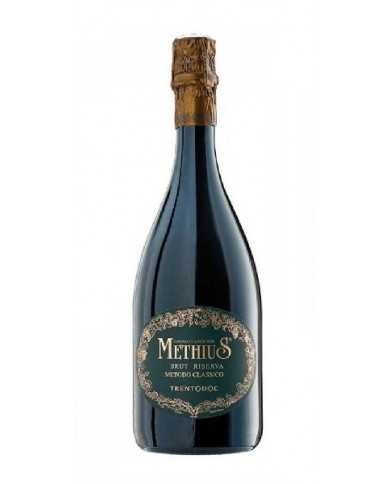
Il Trentino è una terra indubbiamente vocata alla produzione di basi spumanti. Se si aggiunge una produzione artigianale e rispettosa delle tradizioni ecco che si ottiene TRENTODOC, ovvero il metodo classico trentino.è da questi presupposti che nel 1986 nasce METHIUS TRENTO DOC grazie all'amicizia tra due amici enologi: Carlo Dorigati ed Enrico Paternoster. Il Trento Doc Methius è prodotto solo nella tipologia riserva, a sottolineare la qualità eccelsa di questo prodotto e la sua unicità. La cantina d'invecchiamento, ubicata a Mezzocorona (Trentino), risale ai primi del 1900, è completamente interrata e costruita con i "volti a botte" quasi tutti in pietra squadrata. Qui le bottiglie di Methius sostano per 60 mesi, a temperatura e umidità pressoché costanti tutto l'anno. Il nome "Methius" deriva dalla ricerca di un toponimo locale che accomuna l'origine del prodotto aziendale al territorio di nascita. L'etimo del nome scelto si perde nella storia. Si sa che già nel 1150 (Principe Vescovo e Mainardo II conte di Tirolo) il nome delle due borgate site nella "Piana Rotaliana" erano: Methius Coronae (oggi Mezzocorona) e Methius Sancti Petri (oggi Mezzolombardo) ove il radicale comune "Methius" deriva dal celtico e latino volgare.
€46.60
SKU:
14635
Brand:
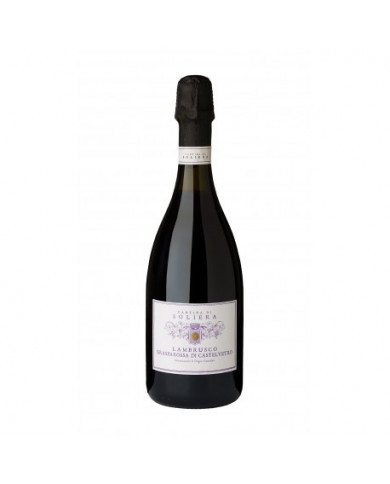
Cantina di Soliera
Intense and sparkling ruby red dry wine. Fruity and persistent bouquet with hints of cherry and violet. Fruity, fresh, lively and pleasantly harmonious on the palate. Recommended with red, grilled, roasted and boiled meats. It goes well with Asian cuisine. Serve at a temperature of 12-14 °C.
€8.42
SKU:
14633
Brand:
Cantina di Soliera
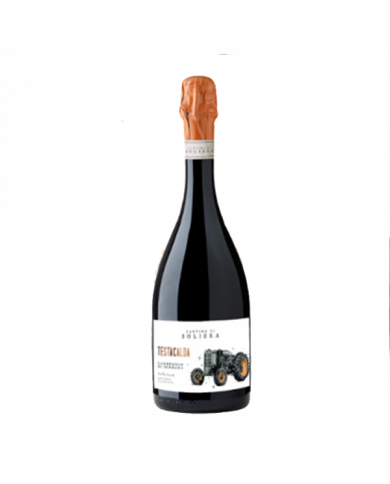
Testacalda is a 100% Classic Method Lambrusco di Sorbara Spumante made with the ancient and traditional method of refermentation in the bottle with final disgorgement. Ideal with cured meats, ramen, noodles, but also carbonara pasta. Serve at a temperature of 6 – 8 °C.
SKU:
14632
Brand:
Cantina di Soliera
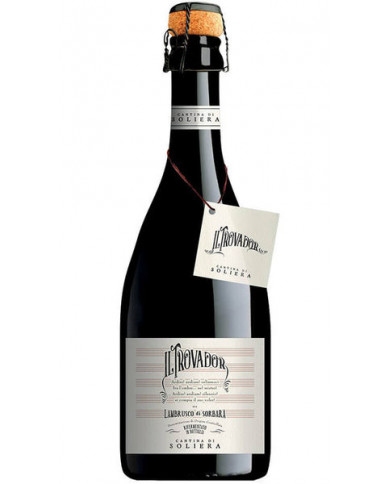
Trovador is a Lambrusco obtained from Sorbara grapes which is then re-fermented with an ancient method done exclusively in the bottle. Therefore obtained through a production process in which the final disgorgement is not performed, thus differentiating itself from the classic methods of production of Lambrusco. In this way a particular wine is produced whose scents are perceived in a more distinct and natural way.
€13.01
SKU:
14631
Brand:
Cantina di Soliera
The Cantina di Soliera Lambrusco Grasparossa Amabile wine is a sweet sparkling ruby red wine, of an intense red color, vinous, fruity with hints of violet, obtained from the natural fermentation of Lambrusco Grasparossa grapes. Lively, evanescent foam with a deep pink colour.
€8.37
SKU:
14630
Brand:
Cantina di Soliera
Sparkling semi-dry ruby red wine. It shows itself among fruity scents characteristic of Lambrusco, obtained from a natural fermentation. Lively sparkling and effervescent mousse. Mainly indicated in combination with typical dishes of the Romagna tradition including fresh pasta and cured meats.
€8.85
€9.20
€8.28
SKU:
14623
Brand:
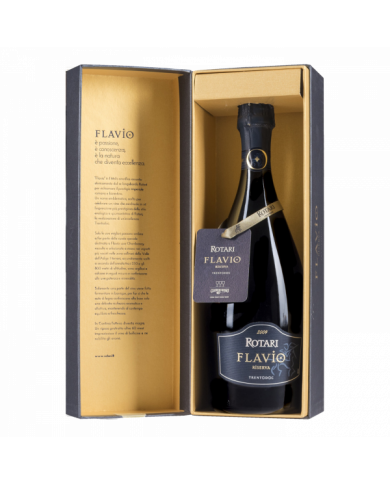
Rotari
It is produced with 100% Chardonnay grapes, rigorously harvested and selected by hand. The first fermentation, which takes place partly in steel and partly in barrique, is followed by 5 months refinement in the same containers and second fermentation, by refermentation in the bottle, with a full 5 years refinement on its own yeasts.
€49.17
SKU:
14614
Brand:
Cantina Orsogna
Live wine, organic and biodynamic (Demeter) with spontaneous fermentation, without added sulphites, unfiltered, with fermentation lees.
€13.42
SKU:
14588
Brand:
Ca' Rugate
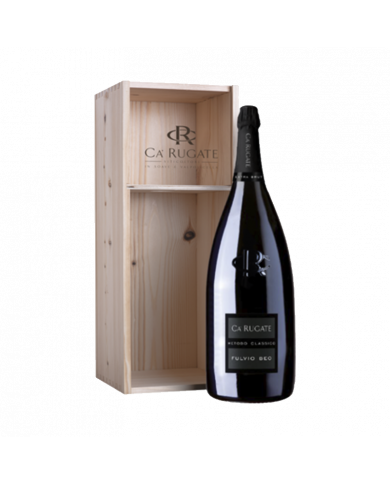
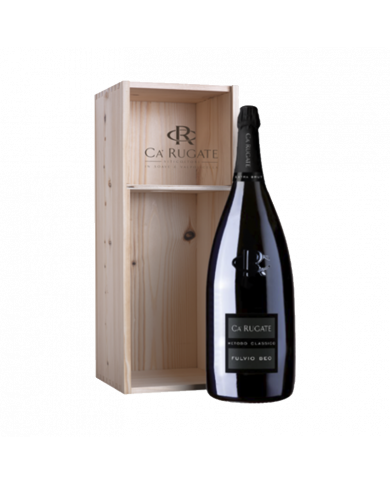
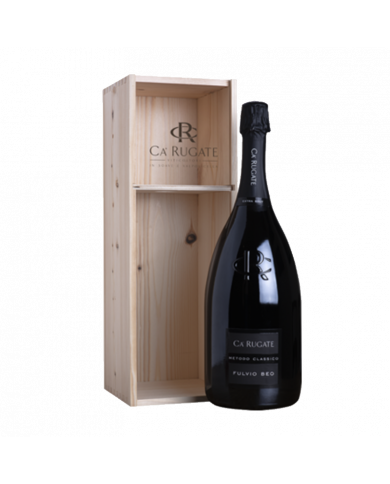
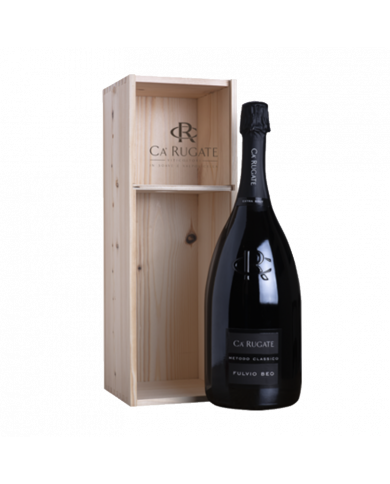
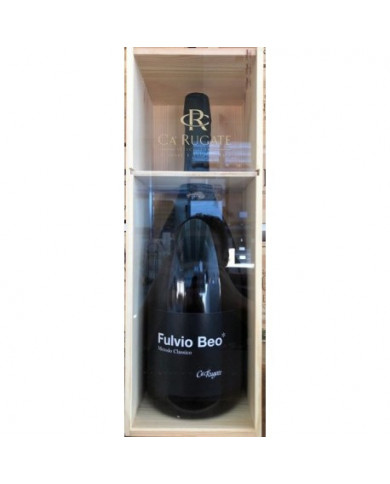
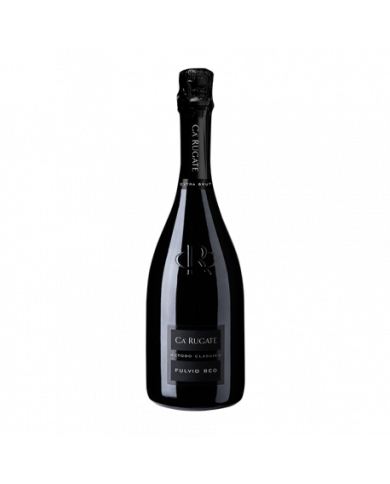
Fulvio Beo Classic Method Ca' Rugate has a straw yellow color with greenish reflections, it is a sparkling wine with a fine and persistent perlage. The nose releases a delicate hint of yeast with pleasant fruity notes. Harmonious, almost velvety flavour, with a dry finish.
€720.29
SKU:
14587
Brand:
Ca' Rugate
Fulvio Beo Classic Method Ca' Rugate has a straw yellow color with greenish reflections, it is a sparkling wine with a fine and persistent perlage. The nose releases a delicate hint of yeast with pleasant fruity notes. Harmonious, almost velvety flavour, with a dry finish.
€551.75
SKU:
14586
Brand:
Ca' Rugate
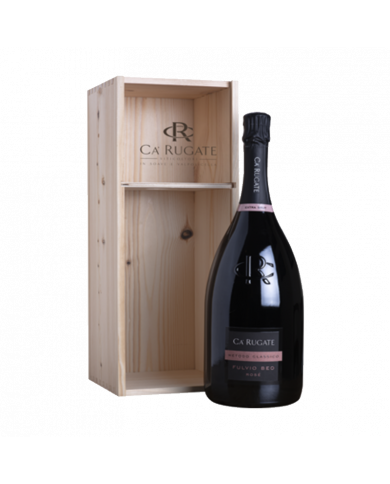
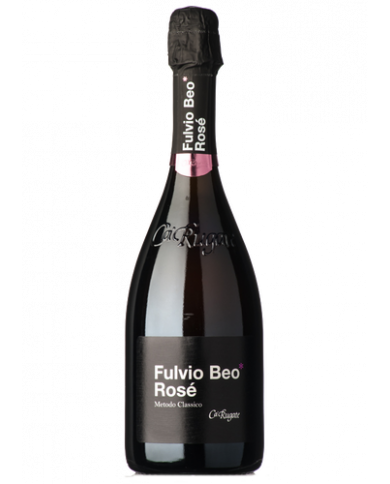
After a short maceration of 1-2 days on the skins, the fermentation takes place in stainless steel tanks. About 6 months after the harvest, the base wine is bottled with the addition of yeasts which trigger a second fermentation. After about 24 months the yeasts, through the "disgorgement", come out of the bottle. At this point, the Fulvio Beo Rosè sparkling wine is ready for marketing.
Tasting notes
Coral pink in color with shades that veer towards salmon-colored tones. On the nose aromas of small berries, currants and strawberries and delicate hints of almond.
€333.06
SKU:
14585
Brand:
Ca' Rugate
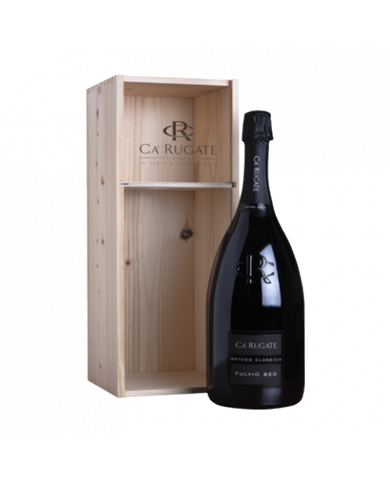
Fulvio Beo Classic Method Ca' Rugate has a straw yellow color with greenish reflections, it is a sparkling wine with a fine and persistent perlage. The nose releases a delicate hint of yeast with pleasant fruity notes. Harmonious, almost velvety flavour, with a dry finish.
€333.06
SKU:
14583
Brand:
Ca' Rugate
Fulvio Beo Classic Method Ca' Rugate has a straw yellow color with greenish reflections, it is a sparkling wine with a fine and persistent perlage. The nose releases a delicate hint of yeast with pleasant fruity notes. Harmonious, almost velvety flavour, with a dry finish.
€142.74
SKU:
14580
Brand:
Ca' Rugate
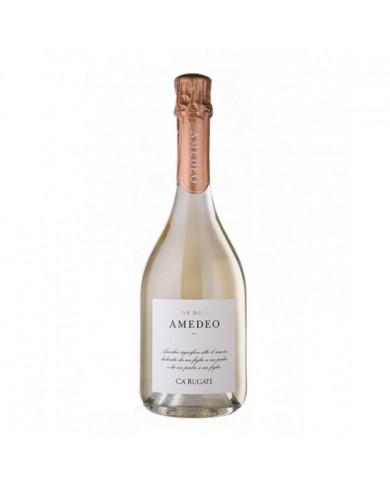
Delicate hints of freshly baked croissant crust, with references to spices and notes of white peach, accompanied by a vigorous and enveloping drink, supported by a whipping and crystalline acidity.
€97.17
SKU:
14578
Brand:
Ca' Rugate
Fulvio Beo Classic Method Ca' Rugate has a straw yellow color with greenish reflections, it is a sparkling wine with a fine and persistent perlage. The nose releases a delicate hint of yeast with pleasant fruity notes. Harmonious, almost velvety flavour, with a dry finish.
€64.90
SKU:
14577
Brand:
Ca' Rugate
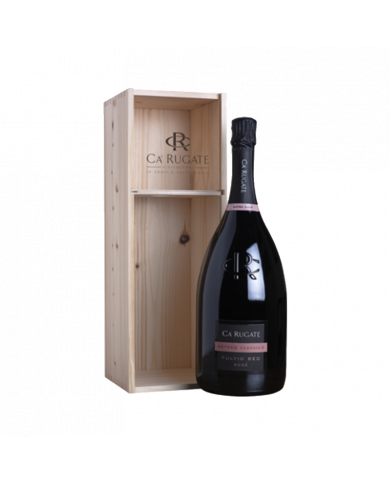
Fulvio Beo Magnum sparkling wine in wooden case from the Ca' Rugate winery comes from 100% Garganega grapes. The base wine is vinified entirely in steel so as not to alter the typical aromas and freshness. A complex and full-bodied sparkling wine, which highlights the great potential of the volcanic territory of the Soave area.
€61.61
SKU:
14572
Brand:
Ca' Rugate
Delicate hints of freshly baked croissant crust, with references to spices and notes of white peach, accompanied by a vigorous and enveloping drink, supported by a whipping and crystalline acidity.
€36.06
SKU:
14568
Brand:
Ca' Rugate
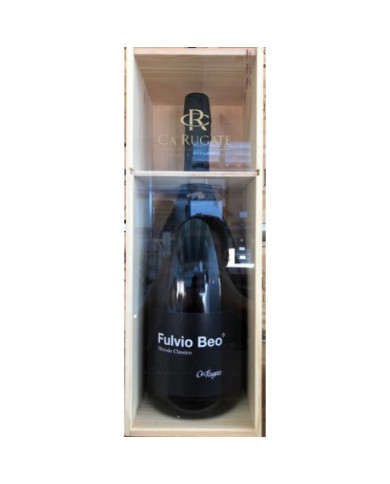
Fulvio Beo sparkling wine in a wooden box from the Ca' Rugate winery comes from 100% Garganega grapes. The base wine is vinified entirely in steel so as not to alter the typical aromas and freshness. A complex and full-bodied sparkling wine, which highlights the great potential of the volcanic territory of the Soave area.
€136.64
SKU:
14567
Brand:
Ca' Rugate
Straw yellow color with greenish reflections, it is a sparkling wine with a fine and persistent perlage. The nose releases a delicate hint of yeast with pleasant fruity notes. Harmonious, almost velvety flavour, with a dry finish.
€19.03
SKU:
14563
Brand:
Ca' Rugate
Coral pink color with shades that veer towards salmon tones. On the nose aromas of small berries, currants and strawberries and delicate hints of almond.
€21.01
€11.27
SKU:
14520
Brand:
Bellavista
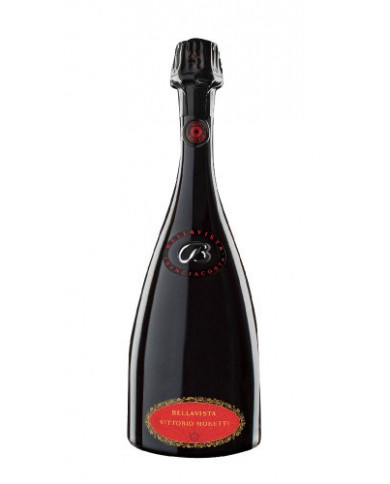
The Franciacorta Extra Brut "Vittorio Moretti" from the Bellavista winery exudes history and love for one's land. It is the result of work begun in 1977, when Vittorio Moretti, a visionary entrepreneur, built a cellar next to his home in Erbusco, deciding to focus on viticulture. Years of study and research have led to today's results. The Bellavista Vittorio Moretti is a sparkling wine of the highest level, elegant and at the same time powerful, complex, a symphony of different aromas: from ripe fruit to candied citrus fruits, passing through honey and toasted dried fruit. Produced from the best harvests of Chardonnay and Pinot Noir, it is vinified in steel and oak barrels, which give the wine spicy hints. The Franciacorta Extra Brut "Vittorio Moretti" is subsequently made sparkling with refermentation in the bottle according to the classic method and completes its maturation with an aging of a further seven years, achieving the unmistakable taste that has crowned it among the excellences of the sector. Ready to drink, it also lends itself to resting further in our cellars. At sight the very fine and persistent perlage embellishes the golden and brilliant tone. On the nose hints of ripe white fruit, spices, candied citrus fruits, honey and toasted dried fruit such as almonds and hazelnuts. The palate is powerful, complex, smooth, broad and creamy. A sparkling wine of great class made to amaze and satisfy enthusiasts and lovers of Italian bubbly.
€119.56
SKU:
14518
Brand:
Bellavista
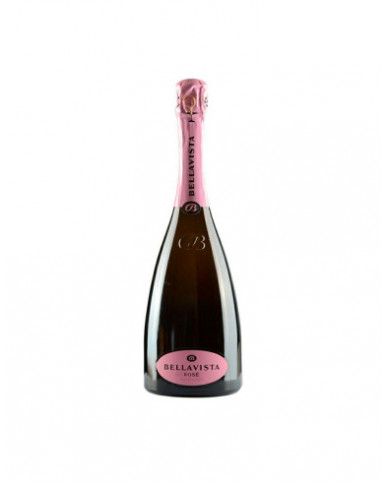
Bellavista Wine's Magnum di Rose Millesimato Franciacorta DOCG is a sparkling wine produced in Lombardy. It is a ready-to-drink wine. It is recommended to serve at a temperature of 6°C
€132.59
SKU:
14516
Brand:
Bellavista
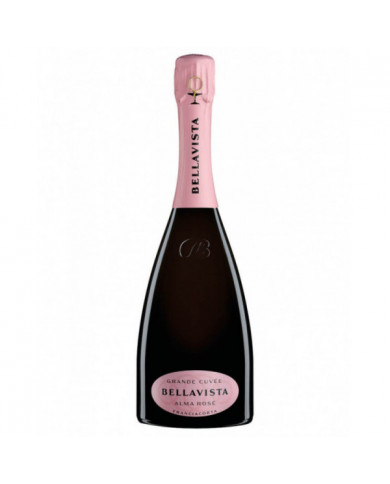
The Franciacorta Grande Cuvée Alma Rosé Pas Dosé by Bellavista was born in vineyards located in the heart of Franciacorta DOCG. The name Alma, which in Latin means "she who feeds", is a tribute to this land. It is mainly produced from Chardonnay grapes, with the addition of Pinot Noir grapes, harvested and selected exclusively by hand from vines with an average age of over 25 years. Once the grapes have been vinified, the wines are aged in pièces (228-litre Burgundian barriques). The sparkling process takes place according to the classic method, with aging on the lees. It is characterized by an antique pink color and a fine and persistent perlage. The nose opens with a broad perfume, among which pleasant nuances of Mediterranean flowers, citrus fruits, peach, lychee and pomegranate stand out, with final notes reminiscent of white chocolate, almond and marzipan. On the palate it is pleasantly sapid and complete in the aftertaste, with a long and persistent finish. Perfect as an aperitif and to accompany appetizers and fish-based first courses.
€52.14
SKU:
14514
Brand:
Bellavista
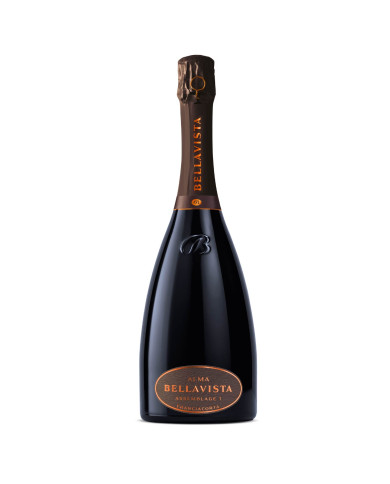
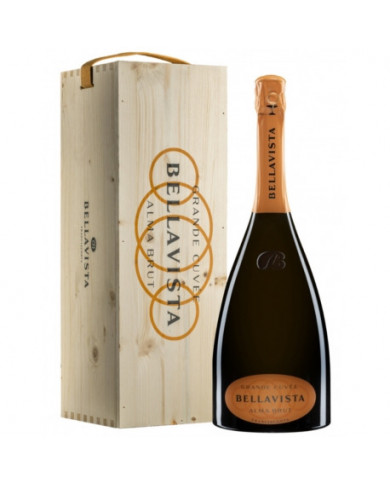
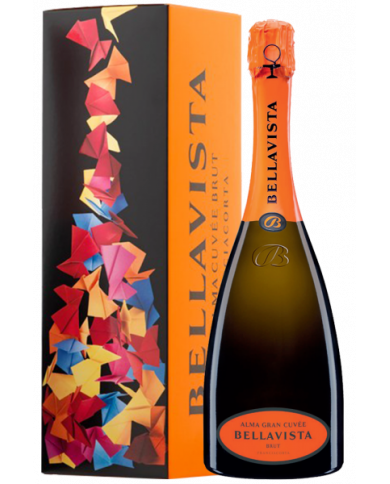
Alma Cuvée is born from the skilful union of about 60 of the 120 harvest selections obtained in the cellar. About 100 selections come from the same harvest and are identified with extreme care in 107 parcels distributed in 10 different municipalities of Franciacorta ("horizontal assembly"). To this vast patrimony of olfactory and gustatory variations are then added the aromas and flavors of particular "reserve wines" from different harvests ("vertical assembly"). A unique cuvée, which with its elegant complexity represents the most complete and often mysterious soul of Franciacorta.
€38.70
SKU:
14513
Brand:
Bellavista
Alma Cuvée is born from the skilful union of about 60 of the 120 harvest selections obtained in the cellar. About 100 selections come from the same harvest and are identified with extreme care in 107 parcels distributed in 10 different municipalities of Franciacorta ("horizontal assembly"). To this vast heritage of olfactory and gustatory variations are added the aromas and flavors of particular "reserve wines" from different vintages ("vertical assembly"). A unique cuvée, which with its elegant complexity represents the most complete and often mysterious soul of Franciacorta.
€39.41
SKU:
14512
Brand:
Bellavista
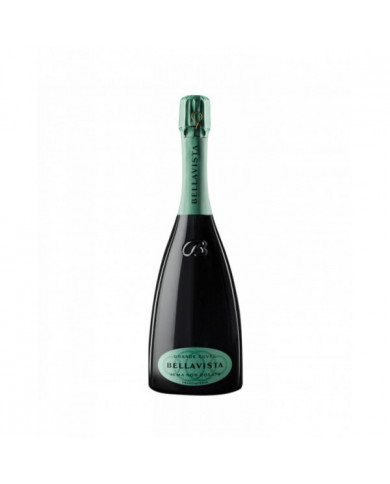
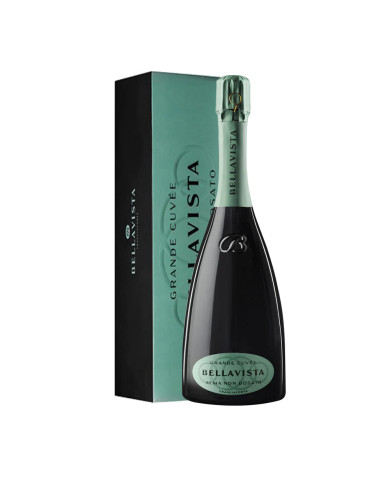
It is told through a sensory profile that evolves giving altogether sapidity, freshness, finesse, elegance and agility: the result is simply superlative, given by the Franciacorta Non Dosato "Alma Grande Cuvée", labeled Bellavista . A bubble that wants to become the symbol of the purest essence of the lands of Franciacorta, proposing a sip with which Bellavista drops its mask, retracing its history in a contemporary key. Here then is that every detail - label included - becomes a reference to the concept of harmony, both external and connected to the precious content. The apparent - and intended - aesthetic minimalism, again, finally connects with a Franciacorta that remains suspended in time, as if to recall the impossibility of finding glasses of a similar caliber.
€39.21
SKU:
14511
Brand:
Bellavista
White foam, exuberant and of excellent persistence. The pearl necklaces are very fine to form a well-present and prolonged crown over time. The effervescence is dynamic and full of youth. Bright and bright yellow color with clear greenish reflections. Perfume characterized by marked minerality. Wide and inviting, it embraces nuances of ripe sweet fruit, meringue, pastry and candied citrus peel. Flavor fully corresponding to the nose, with an almost crunchy creamy sensation and a texture that combines elegance and lightness, thickness and harmony. The vibrant and contemporary character represents its unmistakable identity.
€317.07
SKU:
14510
Brand:
Bellavista
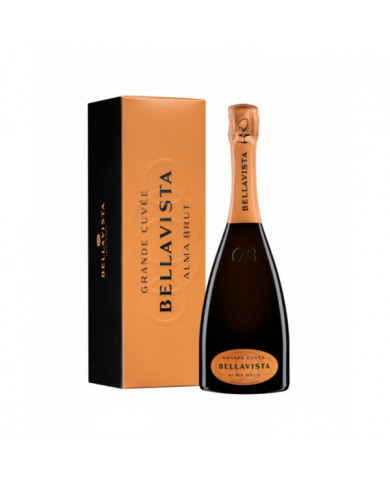
The Franciacorta DOCG Cuvèe Brut "Alma" by Bellavista comes from the skilful union of about 60 of the 120 harvest selections obtained in the cellar. About 100 selections come from the same harvest and are identified with extreme care in 107 parcels distributed in 10 different municipalities of Franciacorta ("horizontal assembly"). To this vast patrimony of olfactory and gustatory variants are then added the aromas and flavors of particular "reserve wines" from different vintages ("vertical assembly"). A unique cuvée, which with its elegant complexity represents the most complete and often mysterious soul of Franciacorta.
€81.45
SKU:
14508
Brand:
Bellavista
It is told through a sensory profile that evolves giving altogether sapidity, freshness, finesse, elegance and agility: the result is simply superlative, given by the Franciacorta Non Dosato "Alma Grande Cuvée", labeled Bellavista . A bubble that wants to become the symbol of the purest essence of the lands of Franciacorta, proposing a sip with which Bellavista drops its mask, retracing its history in a contemporary key. Here then is that every detail - label included - becomes a reference to the concept of harmony, both external and connected to the precious content. The apparent - and intended - aesthetic minimalism, again, finally connects with a Franciacorta that remains suspended in time, as if to recall the impossibility of finding glasses of a similar caliber.
€84.06
SKU:
14505
Brand:
Bellavista
The Franciacorta DOCG Cuvèe Brut "Alma" by Bellavista comes from the skilful union of about 60 of the 120 harvest selections obtained in the cellar. About 100 selections come from the same harvest and are identified with extreme care in 107 parcels distributed in 10 different municipalities of Franciacorta ("horizontal assembly"). To this vast patrimony of olfactory and gustatory variants are then added the aromas and flavors of particular "reserve wines" from different vintages ("vertical assembly"). A unique cuvée, which with its elegant complexity represents the most complete and often mysterious soul of Franciacorta.
€81.50
SKU:
14502
Brand:
Banfi
Sweet sparkling wine obtained from the Brachetto vine, an ancient and complex aromatic grape present only in the Acquese area, characterized by unique and inimitable aromas. The cold maceration of the fruits and the subsequent soft pressing allow the extraction of the intense typical aromas contained in the peel and the characteristic pale ruby red color. A pleasant wine, extraordinarily elegant.
€10.90
SKU:
14441
Brand:
La Guardiense
Brilliant straw yellow colour, characteristic fruity bouquet of good intensity with hints of cedar, citrus, white fruit and yeasts. Pleasant, with a good structure and excellent persistence. Balanced.
€13.96
SKU:
14440
Brand:
La Guardiense
Straw yellow color with green reflections. The nose expresses floral hints of orange blossom completed by nuances of flint and yeasts. The taste is elegant, savoury, soft and very persistent, confirming the olfactory hints of citrus.
€11.47
SKU:
14404
€9.04
Sparkling Wine Sales: How to Choose the Best and Pair It with Food
Sparkling wine is a festive and lively wine, ideal for accompanying celebrations and convivial gatherings. In Italy, sparkling wine production is highly diverse and includes a wide range of varieties, from Prosecco to Champagne, including Franciacorta and Trento DOC .
In this article, we'll guide you through the world of sparkling wines, with tips for choosing the right wine for your preferences and occasions, food pairings, and tasting suggestions.
How are sparkling wines produced?
Sparkling wines are produced through a fermentation process that allows the wine to produce bubbles. There are two main methods for producing sparkling wines: the Classic Method and the Charmat Method.
Each sparkling wine has its own production method, which influences both its flavor and final price. The main production methods are the Classic Method, the Charmat Method, and the Martinotti Method.
The Classic Method is the most expensive and artisanal method used to produce high-quality sparkling wines such as Champagne. In this method, the second fermentation takes place in the bottle, with the yeast settling at the bottom of the bottle and being removed through the disgorging process. This process requires considerable time and attention, which is reflected in the final price of the product.
The Charmat Method is used to produce lighter, fruitier sparkling wines. In this method, the secondary fermentation takes place in large stainless steel tanks, where the wine is kept under pressure to create carbonation. After fermentation, the wine is filtered and bottled.
The Martinotti Method , also known as the Italian Method or the Tank Method, is a modern method used to produce high-quality sparkling wines such as Prosecco. In this method, the secondary fermentation takes place in large stainless steel tanks, where the wine is kept under pressure to create carbonation. After fermentation, the wine is filtered and bottled.
In addition to the production method, the type of grape used also influences the flavor and final price of the sparkling wine. The main grape varieties used to produce sparkling wines are Chardonnay, Pinot Noir, and Glera.
Chardonnay is a white grape used to produce high-quality sparkling wines like Champagne. It has a fruity flavor and a buttery note.
Pinot Noir is a black grape used to produce high-quality sparkling wines such as rosé Champagne. It has an intense and complex flavor, with notes of berries and spices.
Glera is a white grape used to make Prosecco. It has a fresh and fruity flavor, with notes of green apple and pear.
Ultimately, choosing a sparkling wine depends on your personal taste and the occasion for which you're drinking it. Sparkling wines are an excellent choice for parties and celebrations, but they can also be enjoyed as an aperitif or with a light meal. With the wide range of sparkling wines available on the market, there's sure to be one to suit every taste and budget.
Related posts