

 Italiano
 Deutsch





















There are no more items in your cart
SKU:
23148
Brand:
Giulia Negri
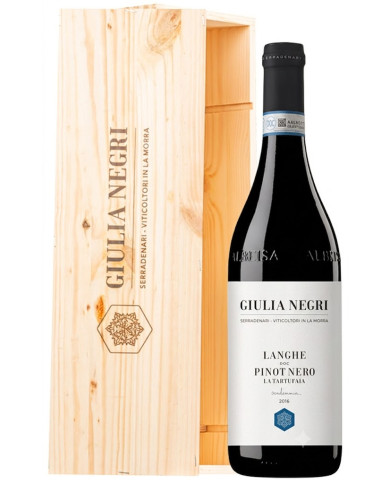
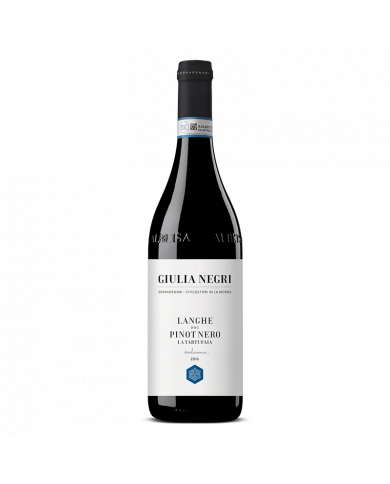
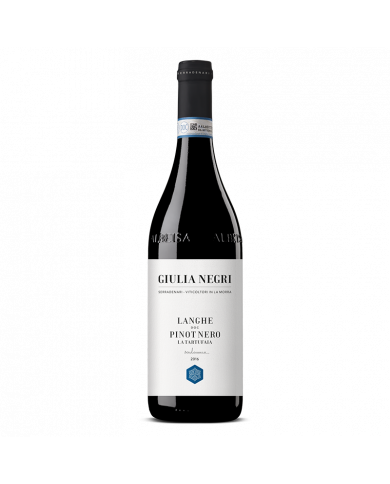
Giulia Negri 's Tartufaia is an elegant and full-bodied red wine produced from Pinot Noir grapes, aged for about 12 months in barrique: the apotheosis of Pinot Noir in the Langhe. It has an aromatic profile that at times recalls Burgundy, with elegant notes of red fruits, flowers and leather. The sip is enveloping, soft and complex, with great character and long persistence.
€151.52
SKU:
23147
Brand:
Giulia Negri
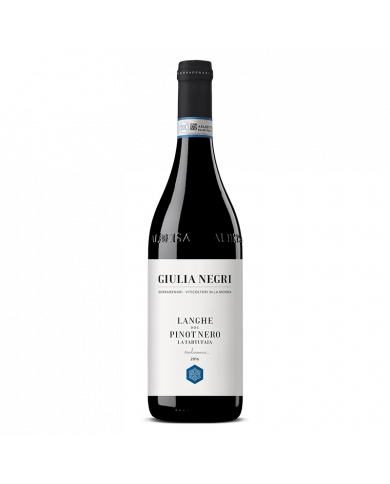
Giulia Negri 's Tartufaia is an elegant and full-bodied red wine produced from Pinot Noir grapes, aged for about 12 months in barrique: the apotheosis of Pinot Noir in the Langhe. It has an aromatic profile that at times recalls Burgundy, with elegant notes of red fruits, flowers and leather. The sip is enveloping, soft and complex, with great character and long persistence.
€61.93
SKU:
23146
Brand:
Giulia Negri
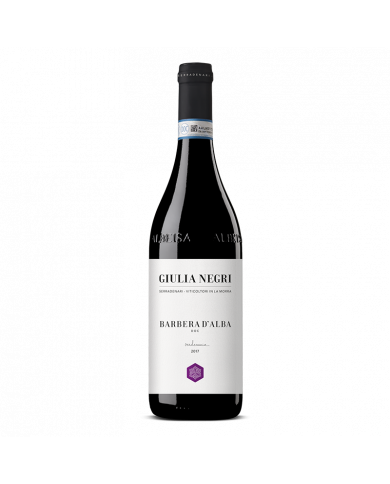
Giulia Negri 's Barbera D'Alba is a modern interpretation of Barbera, thanks to the mineral-rich soils of the La Morra cru. The grapes are harvested in small boxes and rigorously by hand. The grapes are pressed and left to ferment spontaneously in steel vats, then the wine ages for about 16 months partly in steel and in French oak tonneaux. On the nose the small red fruits and leather are the most present scents, in the mouth the sip is frank and dry.
€25.52
SKU:
23145
Brand:
Giulia Negri
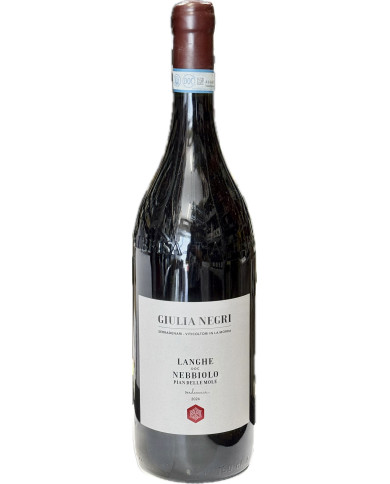
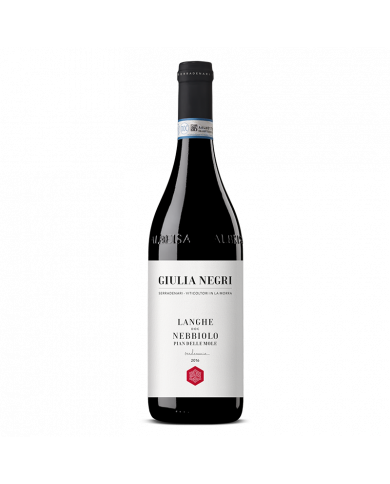
Giulia Negri 's "Pian delle Mole" is an intense red wine that gives a bouquet full of aromas ranging from red fruits when young, but which also lends itself to aging, then tending towards more tertiary aromas such as spice and coffee . On the palate it is warm, soft and persistent.
€54.84
SKU:
21816
Brand:
Cascina Corte
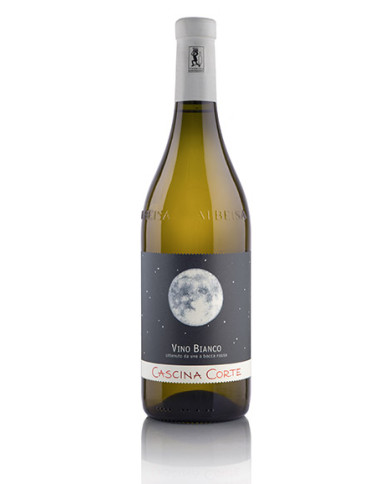
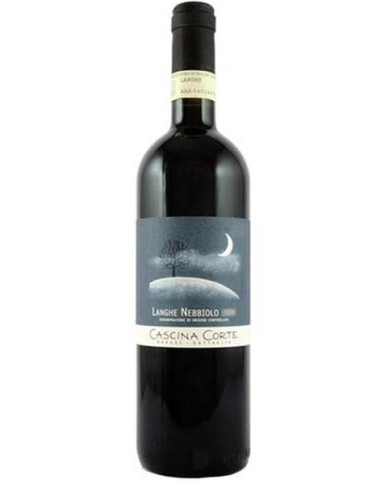
White color tending towards straw yellow. Fruity aromas on the nose, citrus aromas. In the mouth it is very fresh, vibrant, with a nice acidity and full of character.
€23.24
SKU:
21798
Brand:
Cascina Corte
White color tending towards straw yellow. Fruity aromas on the nose, citrus aromas. In the mouth it is very fresh, vibrant, with a nice acidity and full of character.
€24.71
SKU:
21797
Brand:
Cascina Corte
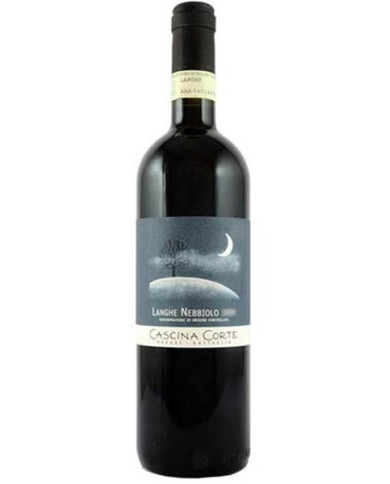
Intense and composite bouquet, with hints of strawberry, pomegranate, tea leaf and scents of undergrowth and violet. To drink immediately, but long-lived like few other wines.
€26.60
€23.66
SKU:
21795
Brand:
Cascina Corte
Intense and composite bouquet, with hints of strawberry, pomegranate, tea leaf and scents of undergrowth and violet. To drink immediately, but long-lived like few other wines.
€52.01
SKU:
21794
Brand:
Cascina Corte
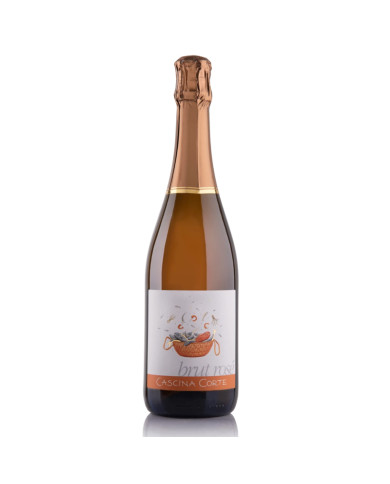
Elegant and refined wine. In the mouth the acidity runs through the entire tasting, letting the rich background matter shine through and raising the tone of the drink. Persistent.
€45.49
€23.40
SKU:
21792
Brand:
Cascina Corte
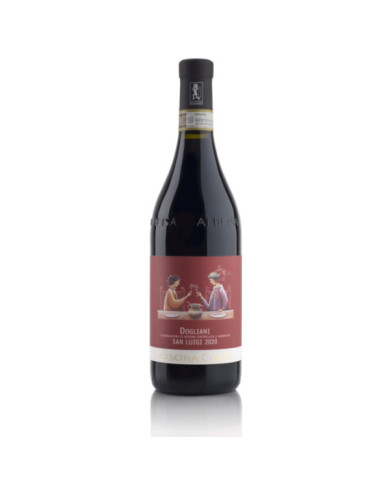
Dogliani San Luigi is obtained from the selection of various Dolcetto vines. It is a table wine with an immediate aroma of cherry, not too long in the mouth.
€38.99
€23.40
SKU:
21790
Brand:
Cascina Corte
Garnet red colour. The nose opens on varietal hints of dried rose, violet and wet earth, which gives the wine a spicy aroma; fine and sweet in the mouth.
€32.51
€23.39
€61.10
€28.55
€24.69
€11.83
SKU:
21745
Brand:
Forteto della Luja
Piasa Rischei is the wine produced solely with Moscato grapes, left to dry on the vine and harvested at the end of October, a part of the bunches is still left to dry on mats in an orchard. After fermentation, the wine is aged in barriques for 24 months. A passito balanced between freshness and sweetness. Great evolutionary capacity. Perfect to combine with cheeses and fois gras.
€37.39
SKU:
21744
Brand:
Gaja
Bright ruby goblet. On the nose, a complex and elegant bouquet and a profile that expands and changes minute after minute. First nose chiseled with delicate flowers and sweet spices, followed by a slight fruit, a touch of ginger and a hint of verbena and mint. The mineral voice and the closing notes of tobacco are surprising. The taste has class and tension: classic, aristocratic, it is both graceful and austere. Three-dimensional mouth, which develops progressively, maintaining an unmistakable elegance and personality.
€461.99
SKU:
21743
Brand:
Gaja
€456.77
Barolo "Sperss" is a famous label from the Gaja winery, produced since 1988 from the vineyards of Serralunga d'Alba. It is an intense, rich and very elegant red wine, with territorial aromas of violets, humus and berries and a balanced, structured, fresh, soft and persistent sip
€456.77
SKU:
21742
Brand:
Gaja
€335.99
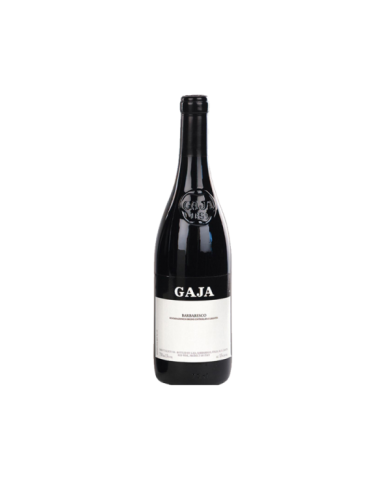
Founded in 1859 by Giovanni Gaja , the homonymous winery is probably the symbol of the Langhe, with all its history and the legacy it hands over to posterity. Led with passion, strength and tenacity by Angelo Gaja together with his children, Gaia, Rossana and Giovanni, it is one of the most important companies for the production of Barbaresco.
€335.99
SKU:
21734
Brand:
Gianfranco Bovio
Intense red color with violet reflections. The nose perceives hints of dried fruit and balsamic notes. On the palate it is very full-bodied but at the same time elegant with a very long finish thanks to the remarkable acidity.
€23.90
SKU:
21722
Brand:
Forteto della Luja
Vino dolce color rosso cerasuolo con riflessi granati, delicatamente aromatico con sentori di rosa appassita, confettura di fragole, ciliegie sciroppate e spezie che ben si adatta anche all’invecchiamento.
€44.01
€28.60
€11.31
€16.26
€18.10
SKU:
21554
Brand:
Colombo
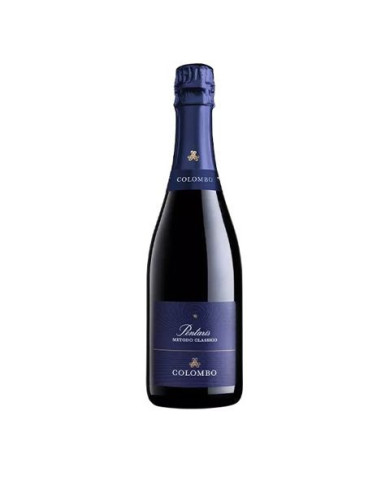
Pentaris, Piemonte DOC, Metodo Classico Millesimato, è uno degli spumanti proposto all'azienda Colombo, grazie alla collaborazione dell'enologo Riccardo Cotarella. Nasce da un blend del 50% di uve Pinot Nero e 50 % di Chardonnay.
€32.45
SKU:
21553
Brand:
Colombo
Uve raccolte nei vigneti aziendali, posti tra i 250 e i 400 metri sul livello del mare, questo Piemonte DOC nasce da una lavorazione super accurata in cantina. Fermentazione alcolica svolta in vasche di acciaio Inox a temperatura controllata, come anche la successiva fermentazione malolattica. Al termine della trasformazione, il vino viene imbottigliato e prosegue con una breve fase di affinamento in bottiglia per circa 6 mesi.
€12.57
SKU:
21552
Brand:
Colombo
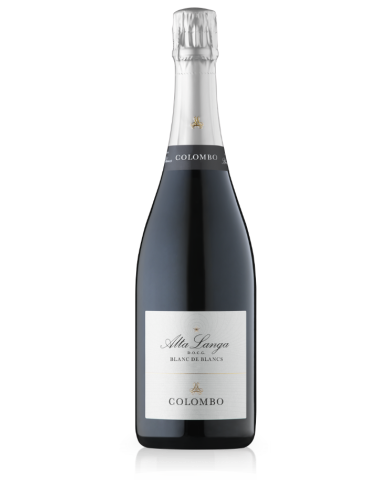
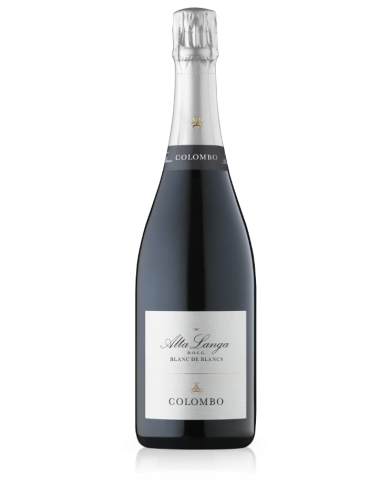
L' Alta Langa Brut Blanc de Blancs della Cascina Pastori Colombo è uno spumante millesimato elegante e complesso. Ottenuto da sole uve Chardonnay, viene rifermentato secondo Metodo Classico in vasche d'acciaio a temperatura controllata e affina almeno 36 mesi sui lieviti. Al naso un bouquet floreale, con sentori di frutta fresca, note di crosta di pane e burro nocciola
€37.82
SKU:
21551
Brand:
Colombo
Lo Spumante Brut di Colombo è un Metodo Classico elegante, sapido ed equilibrato, maturato per almeno 24 mesi in bottiglia. Al naso è fine e delicato, con note di agrumi, crosta di pane e fragranze floreali. Conquista al palato per la trama fresca e raffinata, di grande equilibrio e finezza, tonificata da un perlage sottile e duraturo
€44.53
SKU:
21550
Brand:
Colombo
Lo Spumante Brut di Colombo è un Metodo Classico elegante, sapido ed equilibrato, maturato per almeno 24 mesi in bottiglia. Al naso è fine e delicato, con note di agrumi, crosta di pane e fragranze floreali. Conquista al palato per la trama fresca e raffinata, di grande equilibrio e finezza, tonificata da un perlage sottile e duraturo
€19.59
SKU:
21549
Brand:
Colombo
Il Blanc de Blancs Alta Langa esprime con elegante finezza e persistenza lo chardonnay, le dolci e fresche note floreali di margherite di campo accompagnano pesca a polpa bianca, pompelmo e ananas aromatizzandosi ai sentori minerali addolciti dalle note di miele.
€55.02
SKU:
21548
Brand:
Colombo
Il Blanc de Blancs Alta Langa esprime con elegante finezza e persistenza lo chardonnay, le dolci e fresche note floreali di margherite di campo accompagnano pesca a polpa bianca, pompelmo e ananas aromatizzandosi ai sentori minerali addolciti dalle note di miele.
€37.82
SKU:
21547
Brand:
Colombo
100% Pinot Nero. Uve selezionate in vigna e raccolte a mano in piccole cassette. Grappoli provenienti esclusivamente dai vigneti aziendali di Colombo, a Bubbio, in provincia di Asti.
€65.88
SKU:
21546
Brand:
Colombo
100% Pinot Nero. Uve selezionate in vigna e raccolte a mano in piccole cassette. Grappoli provenienti esclusivamente dai vigneti aziendali di Colombo, a Bubbio, in provincia di Asti.
€29.28
SKU:
21545
Brand:
Colombo
Maxima è la Riserva, prodotta solo nelle annate migliori, da Colombo. Il nome, di derivazione latina, fa riferimento all’antichità, quando già si annotava l’interesse dell’Impero romano per la finezza delle uve provenienti da Bubbio.
€24.40
SKU:
21544
Brand:
Colombo
Vino definito "femminile", caldo e armonioso, nasce da una lavorazione in purezza di uve Pinot Nero provenienti da vigneti collinari posti tra i 250 e i 400 metri sul livello del mare. Una volta giunte in cantina, le uve vengono sottoposte a fermentazione alcolica in acciaio inox, seguita dalla fermentazione malolattica, in questo caso svolta in legno.
€22.94
SKU:
21442
Brand:
Torraccia Del Piantavigna
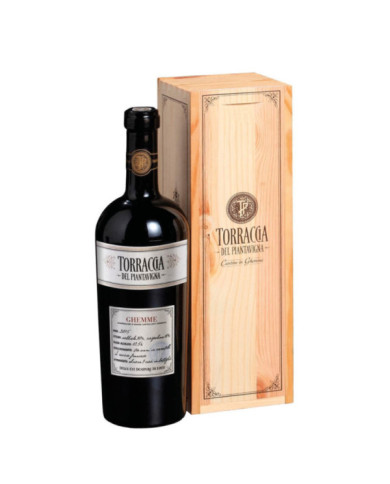
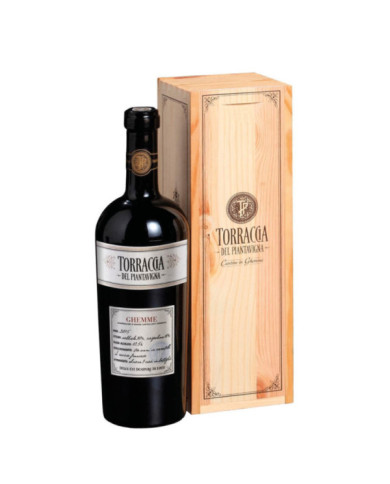
The Ghemme di Torraccia del Piantavigna is produced in the northeastern part of Piedmont with Nebbiolo and Vespolina grapes.
€97.01
SKU:
21441
Brand:
Torraccia Del Piantavigna
The Ghemme di Torraccia del Piantavigna is produced in the northeastern part of Piedmont with Nebbiolo and Vespolina grapes.
€95.92
SKU:
21440
Brand:
Torraccia Del Piantavigna
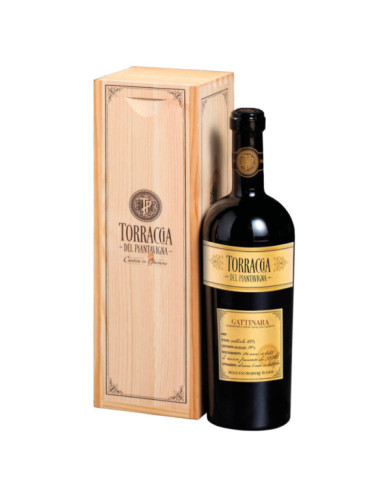
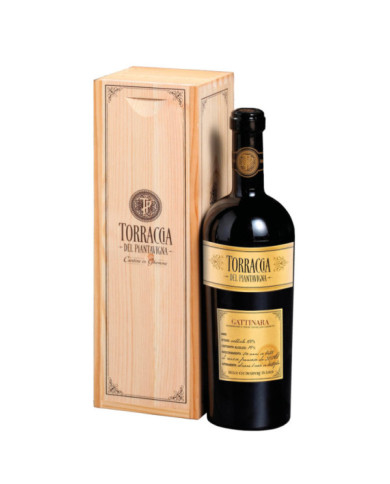
The Gattinara di Torraccia del Piantavigna is produced with 100% Nebbiolo grapes from five hectares of vineyards located in the Municipality of Gattinara.
€70.64
SKU:
21439
Brand:
Torraccia Del Piantavigna
The Gattinara di Torraccia del Piantavigna is produced with 100% Nebbiolo grapes from five hectares of vineyards located in the Municipality of Gattinara.
€74.07
SKU:
21435
Brand:
Gianni Doglia
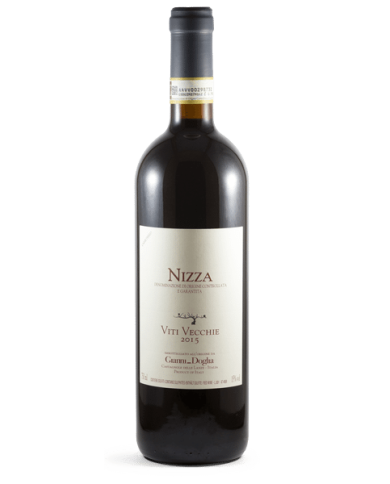
The grapes come from a plot of about one hectare located in the municipality of Nizza Monferrato, whose vines reach an average age of 50 years and represent the maximum selection of Barbera. Wine indicated for main courses of red meat, game or well-aged cheeses, structured, round with a harmonious balance between freshness and softness. The grapes are harvested manually and carefully stored in boxes for transport to the cellar, pressed and fermented at a controlled temperature with a maceration of about 15 days. After racking, the wine ages in small wooden barrels for about 18-24 months. The wine is then left to rest for about 6 months in a steel tank. At this point it is possible to proceed with the bottling. After further refinement in the bottle for at least 6 months in the cellar at a temperature of 20°C,
€30.50
SKU:
21434
Brand:
Gianni Doglia
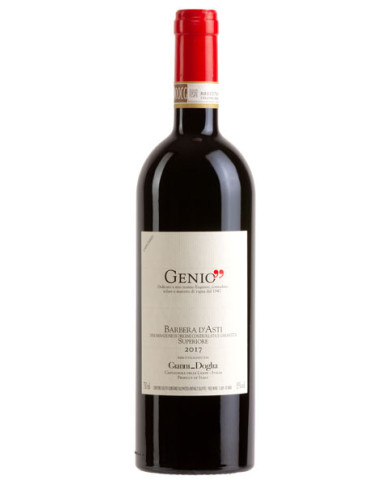
Enveloping, warm and round taste. Excellent persistence and harmony, the result of an elegant balance from a decisive freshness to a good body. The grapes are harvested manually in the vineyard and are carefully placed in boxes for transport to the cellar, pressed and then fermented at a controlled temperature with a maceration of about 15 days. After racking, it is aged in small wooden barrels for 18-24 months. The wine is then left to rest for about 6 months in stainless steel vats. At this point it can be bottled. After further aging in the bottle for at least 6 months in the cellar at a temperature of 20°C, the wine is finally ready to drink.
€21.35
€8.98
SKU:
21227
Brand:
Produttori del Gavi
SPARKLING WINE OBTAINED WITH THE CLASSIC METHOD. REFERMENTATION TAKES PLACE IN THE BOTTLE FOR APPROXIMATELY 30 DAYS AT A TEMPERATURE OF 13°C, AFTER WHICH THE WINE AGES FOR 30 TO 40 MONTHS ON LEES OF YEAST. COMPLETELY MANUAL WORKING. STARTERS AND CAKES, BUT IT'S ALSO EXCELLENT FOR ALL MEALS.
€63.00
SKU:
21046
Brand:
Giulia Negri
Giulia Negri 's Tartufaia is an elegant and full-bodied red wine produced from Pinot Noir grapes, aged for about 12 months in barrique: the apotheosis of Pinot Noir in the Langhe. It has an aromatic profile that at times recalls Burgundy, with elegant notes of red fruits, flowers and leather. The sip is enveloping, soft and complex, with great character and long persistence.
€69.41
€31.72
€26.96
€17.54
SKU:
20655
Brand:
Valter Bera
Di un rosso rubino brillante con riflessi granati, questo vino nasce da vigneti particolarmente vocati. Il substrato calcareo argilloso ricco di sabbie esalta i suoi profumi vinosi e fruttati, intensi ed ampi e la struttura armonica del vino, caldo e asciutto in bocca, di lunga persistenza, adatto ad una cucina saporita, con antipasti, carni arrosto e formaggi stagionati.
€12.91
SKU:
20654
Brand:
Valter Bera
Vino dal colore rosso rubino molto intenso e brillante con riflessi granati che nasce dall’unione armonica di vitigni a bacca rossa ammessi dalla denominazione Langhe. Il profumo è molto fine, intenso, pieno di frutta matura e note di spezie dolci, mentre in bocca è morbido, vellutato, di grande equilibrio e struttura. Ottimo con carni rosse brasate e salumi cotti.
€43.38
SKU:
20653
Brand:
Valter Bera
Vino dal colore rosso rubino molto intenso e brillante con riflessi granati che nasce dall’unione armonica di vitigni a bacca rossa ammessi dalla denominazione Langhe. Il profumo è molto fine, intenso, pieno di frutta matura e note di spezie dolci, mentre in bocca è morbido, vellutato, di grande equilibrio e struttura. Ottimo con carni rosse brasate e salumi cotti.
€21.01
SKU:
20652
Brand:
Valter Bera
Elegante e robusto, austero e di grande nobiltà, questo vino ottenuto da uve Nebbiolo coltivate nel comune di Castiglione Falletto, esibisce un colore rosso granato brillante con riflessi più caldi con il trascorrere del tempo. Nel bicchiere sprigiona profumi eterei e speziati, molto persistenti, con note leggere di vaniglia , cacao, caffè, liquirizia e sentori di tartufo. Sapore asciutto e pieno ben equilibrato.
€188.99
SKU:
20651
Brand:
Valter Bera
Elegante e robusto, austero e di grande nobiltà, questo vino ottenuto da uve Nebbiolo coltivate nel comune di Castiglione Falletto, esibisce un colore rosso granato brillante con riflessi più caldi con il trascorrere del tempo. Nel bicchiere sprigiona profumi eterei e speziati, molto persistenti, con note leggere di vaniglia , cacao, caffè, liquirizia e sentori di tartufo. Sapore asciutto e pieno ben equilibrato.
€91.00
SKU:
20650
Brand:
Valter Bera
Elegante e robusto, austero e di grande nobiltà, questo vino ottenuto da uve Nebbiolo coltivate nel comune di Castiglione Falletto, esibisce un colore rosso granato brillante con riflessi più caldi con il trascorrere del tempo. Nel bicchiere sprigiona profumi eterei e speziati, molto persistenti, con note leggere di vaniglia , cacao, caffè, liquirizia e sentori di tartufo. Sapore asciutto e pieno ben equilibrato.
€42.02
SKU:
20649
Brand:
Valter Bera
"Frizzante, granato scuro con bordo chiaro. Naso molto fragrante di lampone selvatico, ciliegia scura, prugna, chiodi di garofano e un po' di cannella. Pieno e sostanzioso al palato, si apre con un sacco di tannini corposi e grippanti, un bel nucleo fondente, di lampone e tabacco, lungo finale."
€238.00
SKU:
20648
Brand:
Valter Bera
"Frizzante, granato scuro con bordo chiaro. Naso molto fragrante di lampone selvatico, ciliegia scura, prugna, chiodi di garofano e un po' di cannella. Pieno e sostanzioso al palato, si apre con un sacco di tannini corposi e grippanti, un bel nucleo fondente, di lampone e tabacco, lungo finale."
€112.00
SKU:
20647
Brand:
Valter Bera
"Frizzante, granato scuro con bordo chiaro. Naso molto fragrante di lampone selvatico, ciliegia scura, prugna, chiodi di garofano e un po' di cannella. Pieno e sostanzioso al palato, si apre con un sacco di tannini corposi e grippanti, un bel nucleo fondente, di lampone e tabacco, lungo finale."
€55.99
SKU:
20646
Brand:
Valter Bera
Vino dolce e alcolico, prodotto da uve Moscato appassite. Regala sensazioni complesse, dal colore giallo oro carico al profumo intenso e muschiato che ricorda il miele e la frutta candita. Il sapore armonico, caldo, dal retrogusto aromatico ben si adatta ai dolci secchi, alla torta di nocciole, ai formaggi erborinati.
€26.60
SKU:
20645
Brand:
Valter Bera
Ottenute da vinacce di Moscato d’Asti Bera è di colore bianco leggermente paglierino. Il profumo è intenso, aromatico, netto e gradevolissimo; gusto intenso morbido e ricco di aroma.
€28.00
€23.97
€23.99
€26.56
SKU:
20502
Brand:
Valter Bera
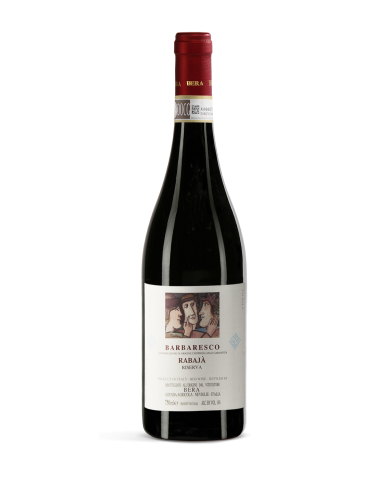
Wine of great nobility, austere, elegant, frank, obtained from Nebbiolo grapes from vineyards owned by the prestigious cru Rabaja in Barbaresco.
€247.00
SKU:
20501
Brand:
Valter Bera
Wine of great nobility, austere, elegant, frank, obtained from Nebbiolo grapes from vineyards owned by the prestigious cru Rabaja in Barbaresco.
€123.49
SKU:
20500
Brand:
Valter Bera
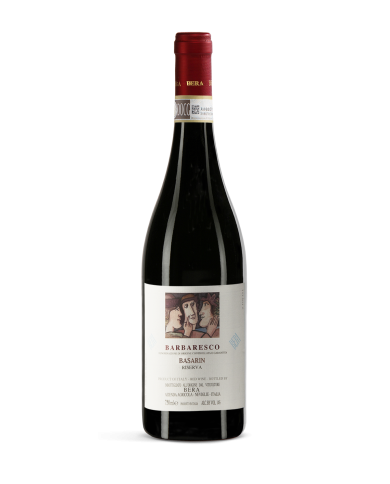
Elegant, austere, of great nobility; this wine made from Nebbiolo grapes has a garnet red color with orange reflections. In the glass it releases ethereal and spicy aromas, with light notes of vanilla and dried flowers, while in the mouth it is generous, of great harmony and persistence. It goes well with red meats, game and aged cheeses. Obtained from Nebbiolo grapes from vineyards in the Basarin sub-area in Neive.
€249.75
SKU:
20499
Brand:
Valter Bera
Elegant, austere, of great nobility; this wine made from Nebbiolo grapes has a garnet red color with orange reflections. In the glass it releases ethereal and spicy aromas, with light notes of vanilla and dried flowers, while in the mouth it is generous, of great harmony and persistence. It goes well with red meats, game and aged cheeses. Obtained from Nebbiolo grapes from vineyards in the Basarin sub-area in Neive.
€117.00
SKU:
20498
Brand:
Valter Bera
This version of Barbaresco Bera takes its name from the Serraboella hill, located in the Municipality of Neive, particularly suited to the production of noble, elegant, long-lived wines. It has a bright ruby color with orange hues, the flavor is robust and full, with spicy sensations. An excellent Barbaresco, complete and characteristic, which lends itself to accompany important dishes based on meat and game. Thanks to its longevity, it can also become a collector's item, which will be able to give us strong emotions even after twenty-five years!
€186.29
SKU:
20497
Brand:
Valter Bera
Produced with Nebbiolo grapes, it is a garnet colored wine with orange reflections, lively and captivating. It has ethereal, ample and persistent aromas, reminiscent of violets and roses, a dry taste, with a good structure, pleasantly sapid, with already sweet tannins. It goes well with grilled red meats, baked pasta, medium-aged cheeses.
€42.91
€43.54
SKU:
20347
Brand:
MARCHESI DI GRESY
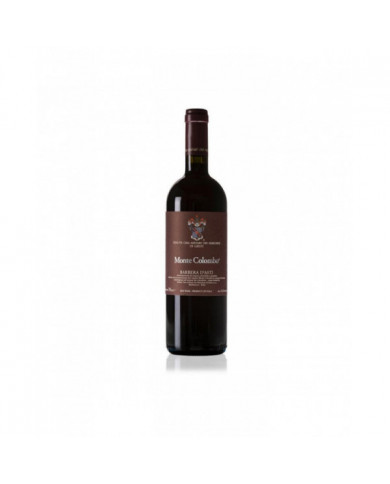
Born in 2001 from the Monte Colombo vineyard in Cassine, it is produced only in the best annate.Vino with an imposing and harmonious structure, with notes of raspberry and ripe cherry. Excellent in combination with first courses and red meats with tasty seasonings. Ideal with medium-aged cheeses.
€28.69
€35.69
€27.18
€33.67
SKU:
20115
Brand:
Attilio Ghisolfi
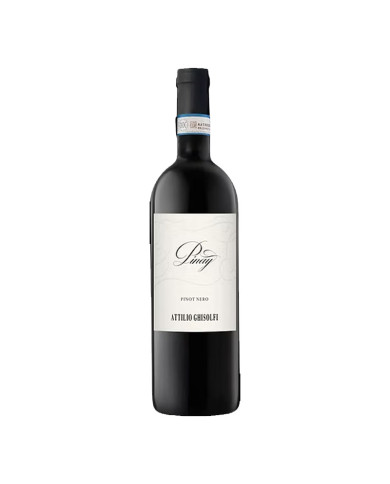
Questo vino è prodotto con uva Pinot Nero in purezza e rappresenta una piccolo esperimento nell’ambito delle varietà non legate al territorio. Viene prodotto nei vigneti situati in Monforte d’Alba, zona Visette.
€18.30
SKU:
20114
Brand:
Attilio Ghisolfi
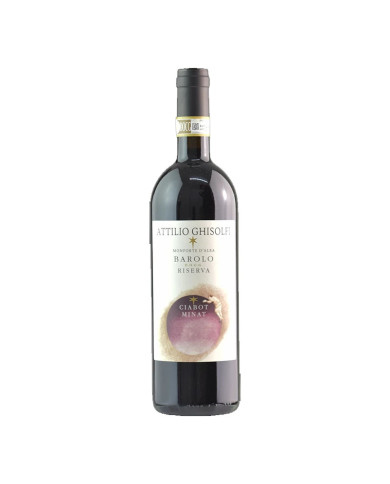
Il “Ciabot Minat” rappresenta l’eccellenza dell’azienda ed è il frutto di una scrupolosa selezione.
Per questo motivo viene prodotto solo nelle migliori annate e in numero limitato di bottiglie.
€100.63
SKU:
20112
Brand:
Attilio Ghisolfi
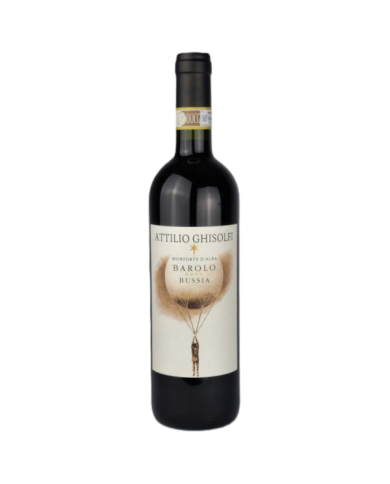
Questo vino rosso si presenta con un elegante colore rubino che sfuma verso il granato, promettendo complessità e profondità. Al naso, sprigiona un bouquet raffinato e floreale, con delicate note di ibisco rosso che si intrecciano a sentori di prugna matura e lampone fresco. Al palato, conquista con la sua struttura armoniosa e avvolgente, offrendo un'esperienza piena e bilanciata. I tannini, moderati e ben integrati, accompagnano con eleganza ogni sorso, rendendo il vino già godibile fin da giovane. Il finale è lungo e persistente, lasciando un piacevole ricordo fruttato e vellutato.
€52.70
SKU:
20110
Brand:
Attilio Ghisolfi
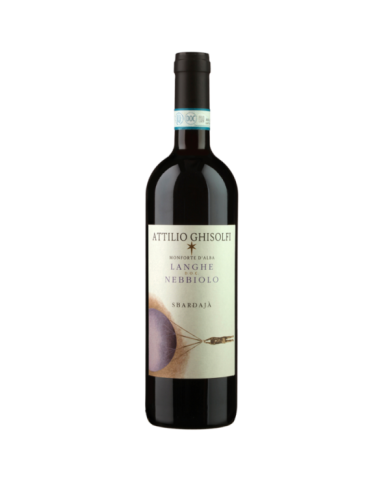
Classe e spontanea vivacità sono le caratteristiche che distinguono il Nebbiolo. Vino antico e già noto per le cantine di Casa Reale Savoia a partire dal 1600. ” Sbardajà ” è un termine che deriva dal dialetto Piemontese e significa ” sparsi – sparpagliati ed è stato scelto questo nome poiché il vino è ottenuto da uve Nebbiolo provenienti da vigneti sparsi tra Langhe e Roero (Monforte, Monteu Roero e Priocca)
€21.41
SKU:
20108
Brand:
Attilio Ghisolfi
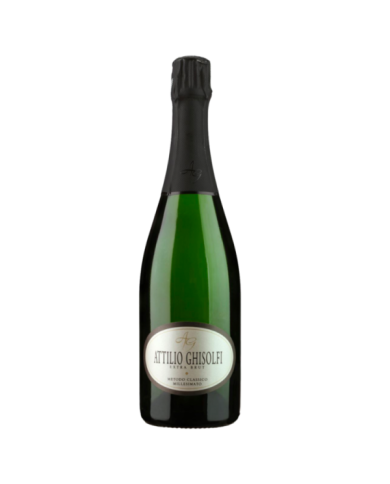
Molto intrigante e profumato questo Vino Spumante di Qualità Metodo Classico Extra Brut Millesimato della cantina Attilio Ghisolfi. Si caratterizza per aromi e sapori di grande eleganza. La freschezza vibrante lo rende versatile negli abbinamenti e fluido nella beva.
€23.06
€15.49
SKU:
19972
Brand:
Torraccia Del Piantavigna
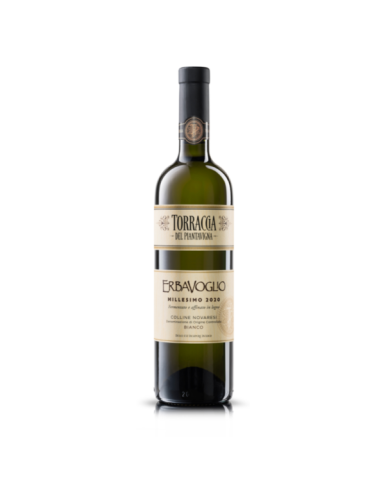
excellent both as an aperitif and throughout the meal, it accompanies a wide variety of foods based on both fish and vegetables, up to moderately strong flavours.
€16.90
SKU:
19840
Brand:
Bartolo Mascarello
Il Barolo 2001 di Bartolo Mascarello è un vino pregiato tra i più importanti d'Italia, un vero e proprio mito tra gli appassionati di vino. È un Barolo di stampo rigorosamente tradizionale maturato per 32 mesi in botte grande.
€635.62
SKU:
19839
Brand:
Giacomo Conterno
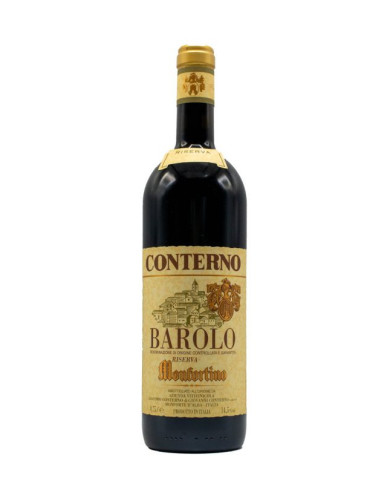
Il Barolo Riserva Monfortino 1995 è un barolo pronto per essere bevuto, ma anche in grado di rimanere ancora per molti anni nelle vostre cantine.
€1,579.90
SKU:
19838
Brand:
Poderi Aldo Conterno
Un grande classico da una grande vigna, il Barolo di Aldo Conterno proviene infatti da due diversi appezzamenti in Bussia, uno dei vigneti più importanti di Monforte d’Alba. Da qui, dopo un’attenta selezione dei grappoli, le uve vengono portate in cantina per la successiva vinificazione in acciaio dove le bucce rimangono a contatto con il mosto per quasi un mese. Dopo la svinatura ed alcuni travasi il vino viene fatto maturare per oltre due anni in botti grandi di rovere. È così che nasce un Barolo di grande riconoscibilità, austero e profondo.
€240.00
SKU:
19837
Brand:
Poderi Aldo Conterno
Il Barolo Bussia “Cicala” dei Poderi Aldo Conterno è una grande espressione di Barolo, un’interpretazione classica, antica e tradizionale. Nasce nel leggendario vigneto Cicala del cru Bussia e viene prodotto nel completo rispetto delle più antiche pratiche enologiche delle Langhe: lunga macerazione sulle bucce per ottenere una massima estrazione e lungo affinamento solo in botte grande.
€164.70
SKU:
19826
Brand:
Poderi Aldo Conterno
Al naso, piacevoli bacche rosse essiccate, fiori pressati e un po' di noce brasiliana. Di medio corpo con aromi di frutta speziata. Quest'anno i tannini sono più in secondo piano e questo conferisce al palato medio una sensazione di bocca piuttosto aperta. Finale un po' più stretto con buona frutta e spezie.
€183.00
SKU:
19825
Brand:
Elio Altare
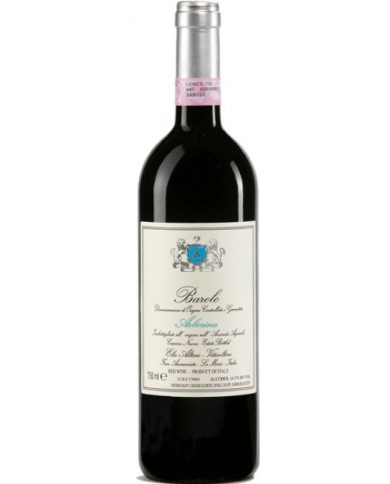
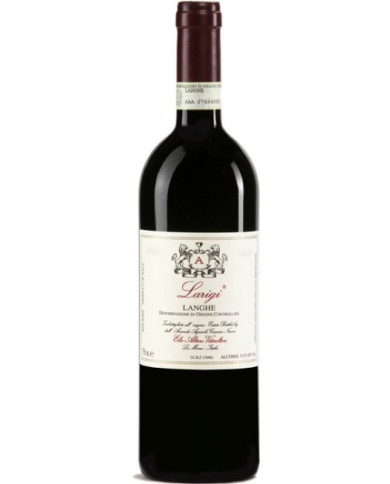
Vinificazione: macerazione sulle bucce in rotofermentatore a temperatura controllata per 4 / 5 giorni, affinamento in barrique francesi (30% nuove) per 24 mesi
Colore: rosso rubino vivo con riflessi granato
Profumo: note fruttate e floreali, petali di fiori, etereo e dolce
Sapore: elegante, femminile, tannini leggeri
SKU:
19824
Brand:
Elio Altare
macerazione con le bucce in rotofermentatori a temperatura controllata per 3 / 4 giorni, affinamento in barriques francesi (100% nuove) per 18 mesi. Colore: rosso porpora scuro. Sapore: Caldo, morbido, intenso, con tannini setosi e vellutati, una piacevole acidità, sapore che varia dalle more alle ciliegie.
€118.34
SKU:
19823
Brand:
Elio Altare
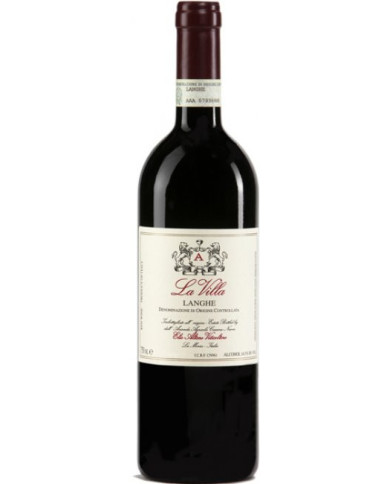
Il "La Villa" di Elio Altare è un vino rosso delle Langhe tutto realizzato nell'areale di La Morra da un blend di uve Nebbiolo e Barbera. La firma tipica e riconoscibile di Elio è data dall'affinamento di 18 mesi in barrique, che dona al vino carattere e longevità, con profumi di prugna e mora e contorni di spezie. Al palato è intenso, complesso e ben calibrato tra acidità e tannicità
€158.60
SKU:
19806
Brand:
Paolo Scavino
Questa cuvée è stata vinificata per la prima volta nel 1978 da Enrico Scavino e suo padre, che desideravano sfruttare appieno il potenziale della parcella da cui provengono le uve di nebbiolo di questo vino. Nei vini prodotti da nebbiolo, le peculiarità del vitigno emergono dopo qualche anno di invecchiamento. Densi e con tannini affinati, vibranti, strutturati e complessi, questi vini sono equilibrati da un’acidità caratteristica. Al palato affascinano per le note balsamiche e di frutti rossi. Sono quindi ottimi vini gastronomici, da lasciare riposare per qualche anno per una degustazione ottimale.
€163.97
SKU:
19805
Brand:
Giacomo Conterno
Calice rosso granato, di grandiosa luminosità. Il naso si esprime su un bouquet elegante di fiori rosa e bianchi, di liquirizia e tabacco, con dolci rimandi di frutti di bosco. Bocca armonica, delicata, rivela uno spessore incredibile e persistenza infinita. Finezza, rigore e precisione.
€400.16
SKU:
19784
Brand:
Gaja
Questo vino bianco nasce dall’utilizzo in purezza di un grande vitigno internazionale, il Sauvignon.
€120.00
SKU:
19783
Brand:
Paolo Scavino
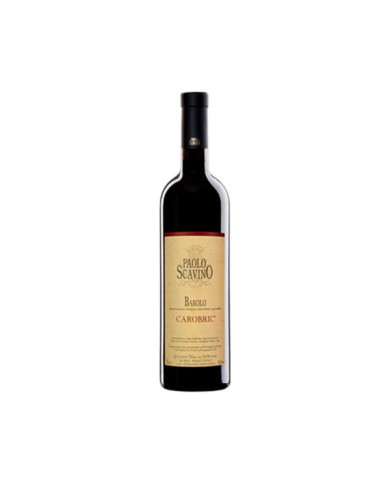
Il Barolo Carobric è un vino che nasce nel 1996 come combinazione di uve provenienti da tre diversi cru della zona di coltivazione del Barolo. Grazie ad un attento lavoro in vigna è un vino di assoluta eleganza e complessità, preciso e intenso.
€119.56
SKU:
19782
Brand:
Paolo Scavino
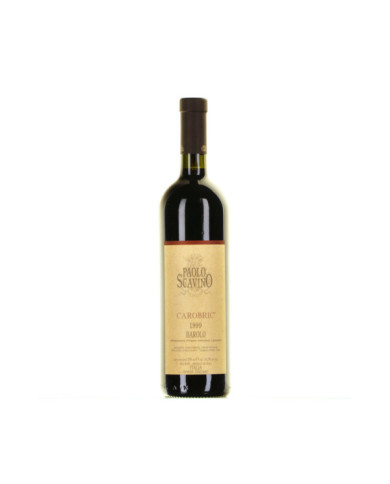
Il Barolo Carobric è un vino che nasce nel 1996 come combinazione di uve provenienti da tre diversi cru della zona di coltivazione del Barolo. Grazie ad un attento lavoro in vigna è un vino di assoluta eleganza e complessità, preciso e intenso.
€162.00
SKU:
19781
Brand:
Paolo Scavino
Storica cantina di Castiglione Falletto, l’azienda vitivinicola “Paolo Scavino” è stata fondata nel 1921, da Lorenzo Scavino e dal figlio Paolo.
€229.99
Discover the magic of Piedmont wines: savor the taste of tradition!
Piedmont is one of Italy's most renowned regions for producing excellent wines. Piedmont's winemaking tradition has developed over the centuries, and the region's wines are appreciated worldwide.
The origins of Piedmont wine
Piedmont wine has ancient origins. The region, located in northwestern Italy, enjoys a temperate climate that lends itself to the production of quality wines. The first documents mentioning Piedmont wines date back to the Middle Ages, when the region's princes invited their guests to taste their wines.
The wine styles of Piedmont
Piedmont's wine styles are highly diverse. The most well-known are the red wines Barolo and Barbaresco, both made from Nebbiolo, a grape native to the region. Piedmont's red wines are generally fuller-bodied, with complex aromas ranging from berries to spices, and have good acidity that makes them suitable for aging.
In addition to red wines, Piedmont is also famous for its white wines, such as Gavi and Arneis . These wines are lighter and have fewer tannins than red wines, but are just as tasty.
What are the most famous Piedmontese wines?
Piedmont wines are appreciated worldwide and are considered among the finest in Italy. Among the best-known are Barolo, Barbaresco, Gavi, Arneis , Dolcetto, and Barbera. These wines have been appreciated by generations of wine lovers and are a must-try for anyone who wants to discover Piedmont's winemaking tradition.
How to best savor Piedmont wines
Piedmont wines are meant to be savored slowly. Tasting should be done in a quiet environment and using glasses suitable for wine tasting. Serving temperature is crucial to getting the most out of the wine: white wines should be served chilled (8-10ºC), while red wines should be served warmer (16-18ºC).
To fully appreciate Piedmont wines, it's important to understand the flavors and aromas of each wine. You should try to identify the aromas and flavors of each wine, such as berries, spices, herbs, and earthy notes. This will help you better understand how wines pair with foods and how to choose the most suitable wines for a given occasion.
Taste tradition with Piedmont wines
Tasting Piedmont wines is a unique experience. It will allow you to discover the flavors and aromas of a thousand-year-old winemaking tradition that has made Piedmont one of the world's most renowned regions for quality wine production.
Choose a Piedmont wine and savor all the magic and flavor of tradition!
Piedmont Wine Denomination: A Journey into the World of Wine
Piedmont is a region located in northwest Italy, stretching from the Alps to the Po River. This region is renowned for its natural beauty, culture, history, and, above all, its high-quality wine production. In this guide, you'll discover everything you need to know about Piedmont's wine appellation, from grape varieties to the main wines produced and their characteristics.
Introduction to the denomination of Piedmont wines
The Piedmont wine denomination is a classification system based on its origin, the grape variety used, and the production methods. There are three levels of Piedmont wine designation: DOCG (Controlled and Guaranteed Designation of Origin), DOC (Controlled Designation of Origin), and IGT (Typical Geographical Indication).
IGT
The IGT (Italian Geographical Indication) is the lowest denomination and covers the entire Piedmont region. This designation allows producers to use grapes from other regions and experiment with new winemaking techniques. IGT wines can have very different characteristics, depending on the grape variety and the techniques used.
DOC
The DOC designation is reserved for wines produced in specific areas of Piedmont and that meet specific production criteria. These wines must be made with a specific grape variety, must be aged for a specific period, and must meet specific production criteria.
DOCG
The DOCG designation is the highest in the Piedmont wine appellation hierarchy. This designation is reserved for wines that represent the best of Piedmont and have an international reputation. DOCG wines are produced in specific areas of Piedmont, using specific grape varieties and following rigorous production criteria.
The grape varieties of Piedmont
Piedmont is famous for its wide variety of native grapes, some of which are used to produce some of the world's finest wines. Here are some of Piedmont's most important grape varieties:
Nebbiolo
Nebbiolo is Piedmont's most important grape variety and is used to produce some of the region's most famous wines, such as Barolo and Barbaresco. This grape variety is known for its fruity flavor and tannic character.
Barbera
Barbera is the second most important grape variety in Piedmont and is used to produce highly regarded red wines, such as Barbera d'Alba and Barbera d'Asti.
The main wines of Piedmont
Piedmont is famous for producing some of the world's finest wines, renowned for their unique flavors and distinctive characteristics. Here are the region's main wines:
Barolo
Barolo is the king of Piedmont wines and is produced with Nebbiolo grapes grown in the hills of the Barolo municipality. This wine is renowned for its complex, fruity flavor, its tannic character, and its intense ruby red color. Barolo is aged in wooden barrels for a minimum of three years and has an alcohol content of approximately 13%.
Barbaresco
Barbaresco is another great Piedmont red wine made from Nebbiolo grapes. This wine has a similar flavor to Barolo, but is a bit softer and lighter. Barbaresco is aged for at least two years and has an alcohol content of approximately 13%.
Barbera d'Alba
Barbera d'Alba is a red wine made from Barbera grapes grown in the Langhe region. This wine has a fruity flavor and an alcohol content of approximately 12.5%. Barbera d'Alba is aged for at least one year in wooden barrels.
Moscato d'Asti
Moscato d'Asti is a sweet white wine made from Moscato Bianco grapes grown in the Langhe area. This wine has a fruity, fresh flavor and is perfect as an aperitif or dessert. Moscato d'Asti has an alcohol content of approximately 5%.
Piedmont is a major winemaking region, producing some of the world's finest wines. The DOCG, DOC, and IGT designations represent a wine classification system that guarantees the quality and provenance of products. Each grape variety has its own distinctive characteristics, giving Piedmont wines their unique flavor and distinctive qualities. If you're a wine enthusiast, a visit to Piedmont's wineries is an experience not to be missed.
Frequently Asked Questions
What are the most important grape varieties of Piedmont?
The most important grape varieties of Piedmont are Nebbiolo, Barbera and Moscato Bianco.
What is the most famous wine from Piedmont?
The most famous wine of Piedmont is Barolo.
What does the DOCG designation mean?
The DOCG designation stands for Controlled and Guaranteed Designation of Origin and is the highest in the hierarchy of Piedmont wine denominations.
What are the main production areas of Piedmont wines?
The main production areas of Piedmont wines are the Langhe