

 Italiano
 Deutsch















There are no more items in your cart
€7.47
€18.70
€14.00
€10.40
€19.50
€8.80
€19.89
€24.70
€19.65
€11.69
€18.67
€16.12
€11.92
€11.37
€8.70
€7.67
€7.59
€11.22
€11.66
€6.71
€5.98
€34.34
€11.06
€26.46
€31.90
€10.49
€7.45
€27.80
€11.13
€10.44
€13.95
€25.86
€17.55
€16.78
SKU:
21034
Brand:
Castello di Volpaia
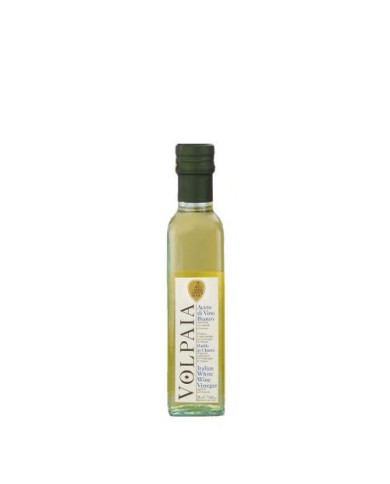
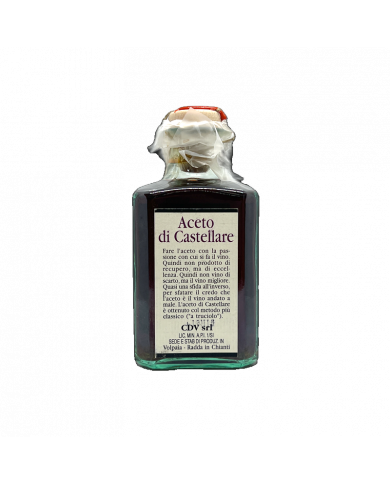
L’idea di creare un acetificio al Castello di Volpaia è nata nel 1984 dal desiderio di riconsegnare il giusto onore ad un prodotto tipico delle zone vitivinicole. Dopo una grande quantità di ricerche è stato adottato il metodo tradizionale di acetificazione lento a truciolo l’unico in grado di mantenere le qualità organolettiche del vino base. Nel tino dove avviene la trasformazione il vino percola più volte su tre cestelli contenenti trucioli di quercia e tralci di vite che servono da sostegno alla famiglia di batteri.
Nel lento passaggio il vino si prende l’ossigeno necessario a trasformarsi in aceto. Il processo termina con l’invecchiamento di circa un anno in botti di legno che aggiunge complessità agli aromi ed al sapore. Una parte di alcool viene volutamente mantenuta per esaltare le qualità organolettica. La chiarifica e la filtrazione è molto leggera in modo da mantenere le caratteristiche tipiche dell’aceto. L’eventuale deposito è frutto di processi naturali.
€12.42
€11.29
€7.90
SKU:
20386
Brand:
N/A
€27.17
SKU:
20385
Brand:
N/A
€18.07
SKU:
20384
Brand:
N/A
€19.37
€18.13
€12.80
€12.54
€8.95
€19.50
€24.66
SKU:
20322
Brand:
N/A
€32.49
€23.10
€26.90
€33.26
€15.40
€14.78
€7.57
SKU:
18137
Brand:
Cantina Marchesi Antinori
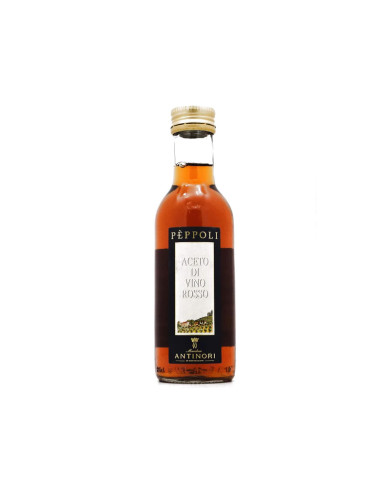
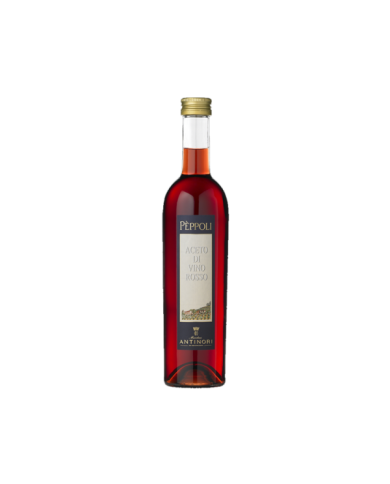
It is a pleasant dressing for salads and an interesting supplement, naturally in moderate doses. In fact, it contains polyphenols, substances with antioxidant and anticancer properties. Thanks to its antiseptic properties, wine vinegar is then useful as a preservative. The addition of herbs makes it a condiment with a different flavor or a medicinal preparation to be used for therapeutic purposes (then it takes the name of medicated vinegar).
€7.82
SKU:
17177
Brand:
Sutto
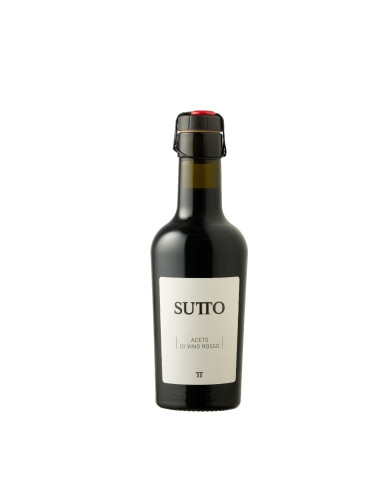
Wine vinegar is one of the most used condiments in Italian cuisine. Rich in mineral salts and antioxidants, it is ideal with salads, raw and cooked vegetables, cheeses, fresh fruit and boiled meats.
€11.19
SKU:
17176
Brand:
Sutto
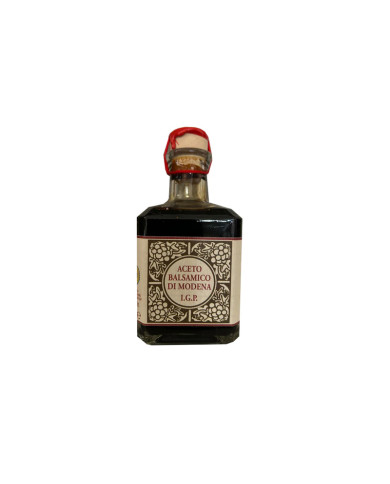
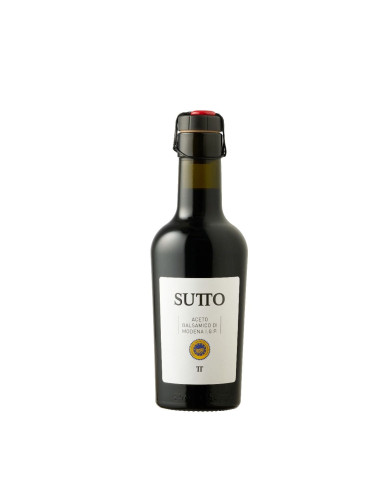
Balsamic vinegar of Modena PGI represents one of the recognized Italian food and wine excellences. Its delicate aroma and balanced acidity make it a perfect condiment for salads, raw and cooked vegetables, cheeses, fresh fruit and boiled meats.
€17.49
SKU:
17091
Brand:
Sesto Senso
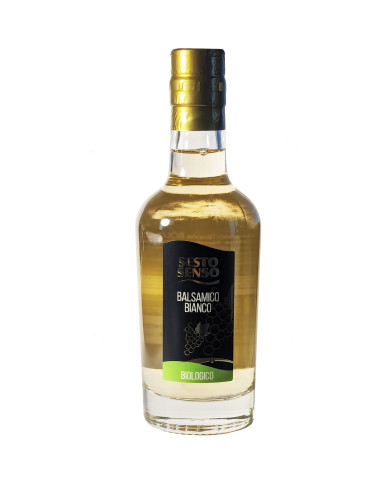
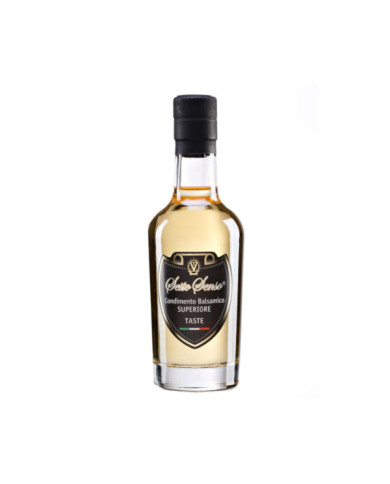
White condiment produced with Trebbiano grape must and vinegar, aged in oak barrels with a balanced and round structure.
€11.55
SKU:
17090
Brand:
Sesto Senso
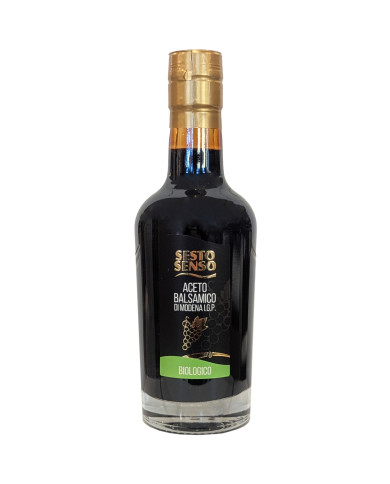
Maturation of Balsamic Vinegar, produced with Lambrusco and Ancelotta grapes from organic cultivation, aged in oak barrels, with a strong and sweet and sour taste, to be enjoyed on main courses (raw and cooked meat, fish dishes, first courses, fresh and grilled vegetables , fresh fruit and ice cream).
€11.55
SKU:
16494
Brand:
Lunae Bosoni
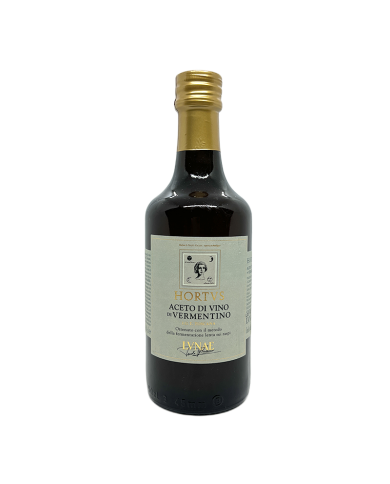
Vinegar has very ancient origins and it seems to have been produced for about 2500 years. Being a natural and economic product, white vinegar, which among other things does not color, as well as being suitable for the most varied uses in the kitchen and is an excellent dressing for vegetables and low-calorie salads.
€12.35
SKU:
14708
Brand:
Cantina Wilma
Wine vinegar is usually made by combining different grapes. We have chosen to use a single vine typical of Abruzzo to obtain a more intense aroma. The "Pecorino" White Wine Vinegar has a fresh scent and a full-bodied appearance. The persistent taste makes it excellent for many dishes based on fish and vegetables.
€15.40
€21.31
€16.80
SKU:
11515
Brand:
Castellare di Castellina
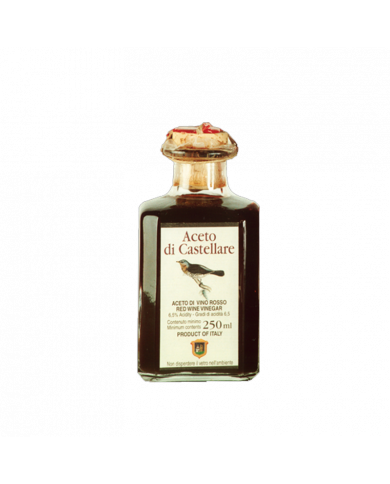
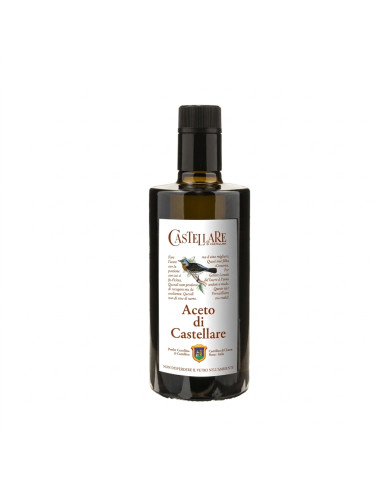
When the wine goes bad it becomes vinegar. Aceto di Castellare, on the other hand, is made from the best wine, selected by expert palates, and produced following the most refined method, that of shavings. A reverse challenge to defeat synthetic vinegars. A natural, unflavored vinegar, which even in its color makes you want to use it to dress any dish or side dish.
€10.47
SKU:
3774
Brand:
Cantina Marchesi Antinori
It is a pleasant dressing for salads and an interesting supplement, naturally in moderate doses. In fact, it contains polyphenols, substances with antioxidant and anticancer properties. Thanks to its antiseptic properties, wine vinegar is then useful as a preservative. The addition of herbs makes it a condiment with a different flavor or a medicinal preparation to be used for therapeutic purposes (then it takes the name of medicated vinegar).
SKU:
1166
Brand:
Castellare di Castellina
When the wine goes bad it becomes vinegar. Aceto di Castellare, on the other hand, is made from the best wine, selected by expert palates, and produced following the most refined method, that of shavings. A reverse challenge to defeat synthetic vinegars. A natural, unflavored vinegar, which even in its color makes you want to use it to dress any dish or side dish.
€13.26