

 Italiano
 Deutsch










There are no more items in your cart
SKU:
15742
Brand:
Ronco dei Tassi
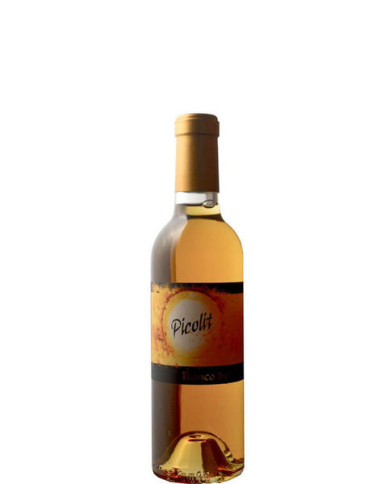
Picolit is produced in a vineyard where the average age of the vines is around 30 years, made up of sandstone marls of Eocene origin. The harvest takes place in mid-October; subsequently the Picolit grapes are left to dry on racks for 40/50 days. This is followed by fermentation in Allier oak barrels. The wine rests on the fermentation lees for 15 months in small oak barrels and 3 months in the bottle before being put on the market.
An amber yellow wine is presented to the glass. The bouquet is delicate and elegant with clear fruity hints of apricots and dried figs. The taste is sweet and harmonious and gives the palate a warm and persistent flavor for a long time.
A bottle that, on the occasion of an invitation, is certainly always very welcome by the hosts. Picolit is a delicious wine that is well suited to daily consumption in the company of cheese platters and sideboard desserts, dry biscuits and dried fruit.
€26.72
SKU:
15719
Brand:
Fattoria La Rivolta
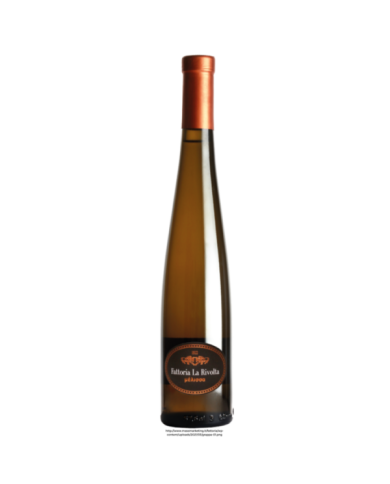
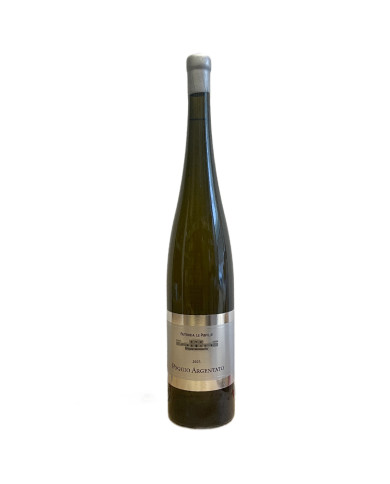
Falanghina del Sannio Taburno Passito DOP "Melissa" is an emblematic wine, capable of embodying the great brightness of the products made in Campania. Fattoria La Rivolta produces it starting from a strict selection of dried grapes, characterized by a strong concentration of sugars and flavours, which convey a full and decisive taste to the final sip. Freshness and minerality are perfectly blended together, enhancing a sweetness that is never cloying. The ideal bottle to place on the table at the end of dinner, to amaze your guests.
SKU:
15704
Brand:
4 Quattro Valli
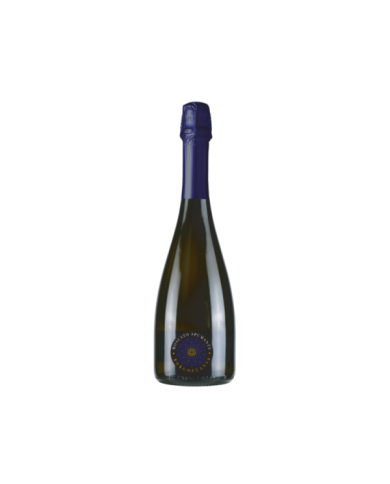
From the very sweet Moscato grape, a white sparkling wine of extraordinary quality: fruity and exotic, aromatic and very pleasant. Try it at the end of a meal with desserts and dry pastries.
€12.22
SKU:
15703
Brand:
4 Quattro Valli
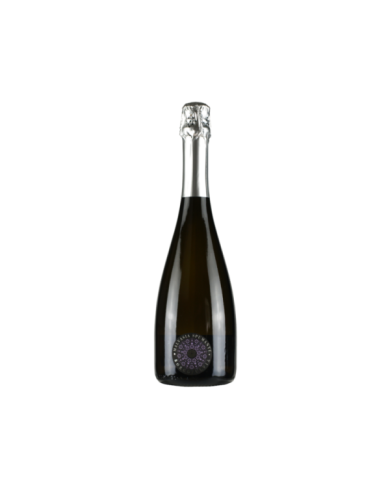
Only aromatic Malvasia di Candia for this sweet, soft and fruity sparkling white wine. The aroma of peach and apricot is unmistakable: ideal with desserts, it knows how to amaze with a good spicy cheese.
€12.22
€32.51
SKU:
15656
Brand:
Ploner
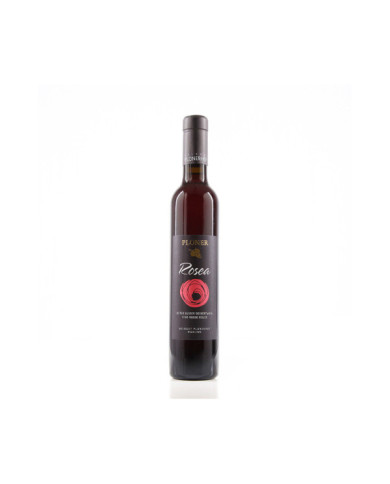
Red wine, delicately sweet, of various autochthonous biotypes of the pink Moscato variety. It expresses enchanting scents of roses, develops a long and soft delicious aroma with an unforgettable finish.
€39.65
SKU:
15655
Brand:
Ploner
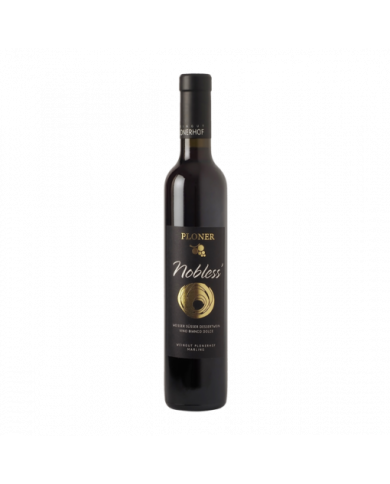
White wine, delicately sweet, of various autochthonous biotypes of the Moscato giallo variety. It expresses enchanting aromas of flower nectar and honey, develops a long and soft delicious aroma with an unforgettable finish
€39.65
SKU:
15467
Brand:
Pieropan
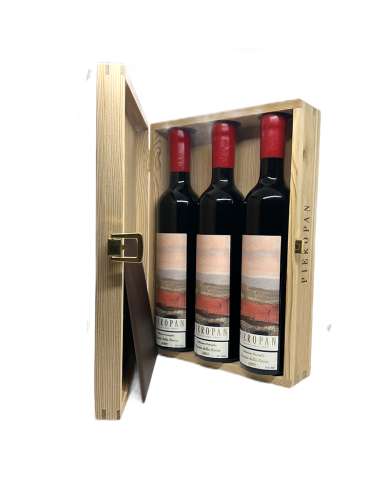
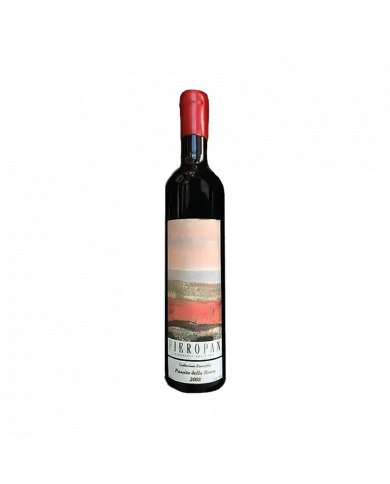
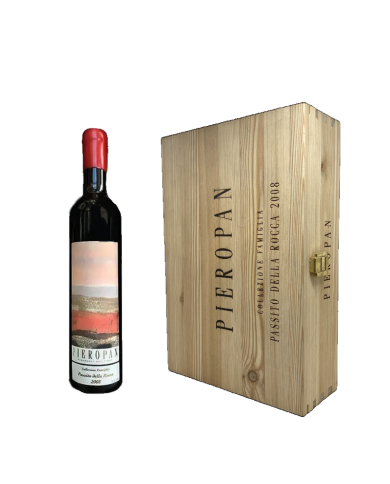
PRODUCT IN LIMITED QUANTITY The Passito della Rocca wine was born as an experiment of the company to create a "sweet wine" different from the tradition of the area., Produced from 1988 to 2008
€189.59
SKU:
15448
Brand:
Martinez
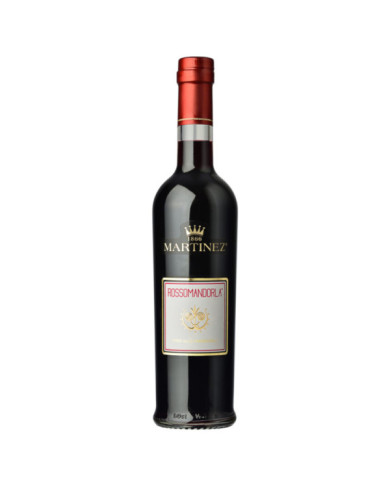
RossoMandorla is the last born among the Martinez flavored products, the result of the union of two typical Sicilian flavours: Nero D'Avola wine and almonds. This combination gives life to a sweet dessert wine, with a deep red color typical of the vine of which it is a child, intense and persistent on the nose and in the mouth. In RossoMandorla the characteristic notes of Nero D'Avola wine, which are best expressed thanks to a long maceration process, are sweetened with the intense flavor of the aroma of bitter almonds. The processing is then completed with a small addition of alcohol.
€11.74
SKU:
15435
Brand:
Martinez
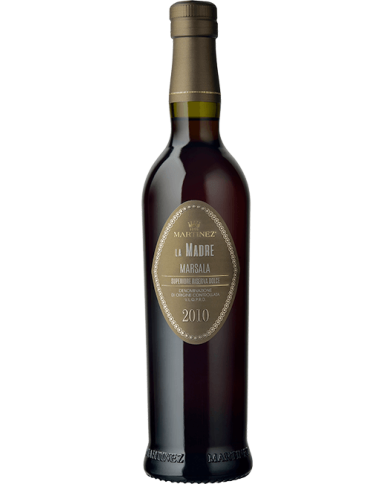
Dedicated to grandmother Tanina, mother of 5 children, a generous and sweet woman but at the same time authoritative and decisive as Marsala La Madre presents itself: warm and enveloping in its amber colour, disruptive on the nose, sweet but never cloying in the mouth. In the Concia which is the phase in the production process in which the type of Marsala to be obtained is defined, the Mistella was added to the DOC base wine from Grillo grapes which gives it sweetness, cooked must and alcohol to then start the aging in oak barrels.
€23.40
SKU:
15430
Brand:
Martinez
The Marsala Superiore Dolce bears the name of the Garibaldi because it is told both the type and the same preferred when he landed in Marsala to make the unification of Italy. With a residual sugar of 11%, it is the sweetest of the Marsala Martinez and probably for this reason it is the most loved by the female public. During the Concia which is the phase in the production process in which the type of Marsala to be obtained is defined, alcohol, Mistella and cooked must are added to the wine which gives it an intense amber colour. The aging process then begins in rivore barrels in which the wine is in contact with the air for many years, developing the characteristic oxidative bouquet.
€15.60
SKU:
15429
Brand:
Martinez
Menhir is a liqueur sweet wine, with a small addition of alcohol, son of the island of Pantelleria. It is obtained from the Zibibbo variety which contains everything this splendid island contains: sun, volcanic earth, warm African winds. The grapes, after being dried in the sun, are left to macerate in the must during the entire fermentation which is blocked with a small addition of alcohol.
€24.90
SKU:
15428
Brand:
Martinez
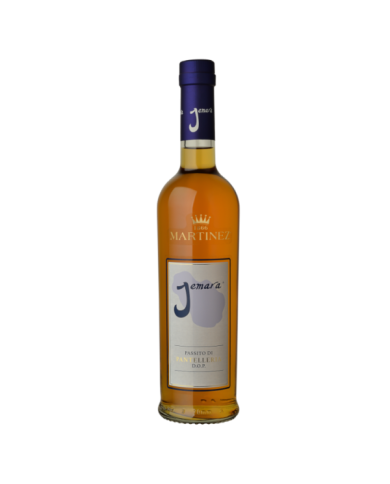
Jemara is a natural passito, with no added alcohol, son of the island of Pantelleria, where the entire production process is developed up to bottling, as required by the Production Regulations. It is obtained from the Zibibbo variety which contains everything this splendid island contains: sun, volcanic earth, warm African winds. The grapes, after being dried in the sun, are left to macerate in the must throughout the fermentation process, giving it unmistakable sweet and honeyed notes.
€40.19
SKU:
15407
Brand:
Alberto Longo
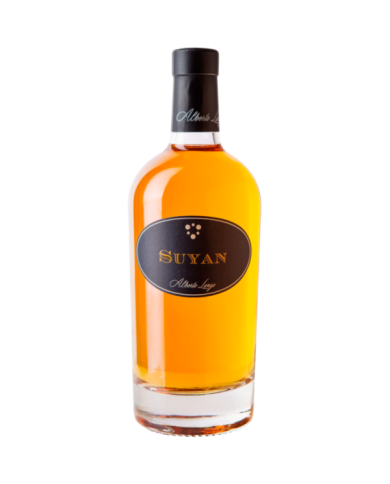
Golden with amber reflections, brilliant, Intense and persistent, hints of apricot compote, candied figs amalgamated with notes of dried fruit and spices, sweet, well structured, elegant, fresh and sapid, long finish, spicy aroma in the mouth.
€19.52
SKU:
15389
Brand:
Cantina Reale
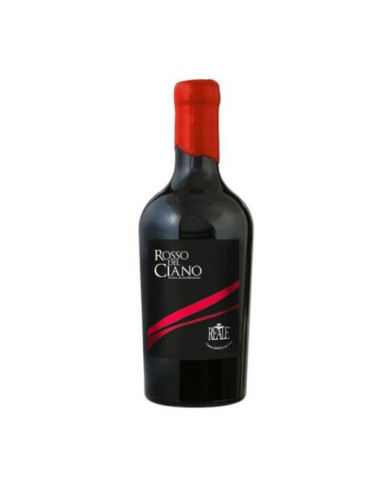
This excellent wine is obtained from various carefully selected grapes and left to dry naturally for 60 days. The wine obtained is first aged in barriques and subsequently in the bottle.
€23.79
SKU:
15312
Brand:
Cantina Reale
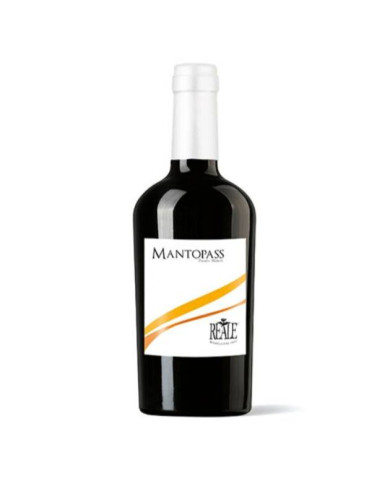
Passito red wine IGT from the hills of Mantua Alto Mincio This great wine is obtained from various carefully selected grapes and left to dry on the vine for 40/50 days. Its great personality is captivating on the palate of the taster. Dark red colour, characteristic aroma of fruity, spicy, undergrowth and cherry.
€24.11
SKU:
15220
Brand:
Gianni Doglia
Meditation wine, ideal in combination with aged cheeses and excellent at any time of the day or at the end of a meal as a digestive. The grapes are harvested and selected manually in the vineyard and carefully deposited in boxes for transport to the cellar. Here begins careful drying for a period of two months on wooden racks, in a dry and well-ventilated place. The withered bunches are pressed and subsequently the must obtained is left to ferment in steel tanks at a controlled temperature for about a month. At the end of the fermentation the wine rests in stainless steel tanks for about a year. Subsequently the wine is bottled and after a rest of about 6 months in the cellar at 18°C to complete the refinement in the bottle, it will be ready to be drunk.
€20.01
SKU:
15217
Brand:
Gianni Doglia
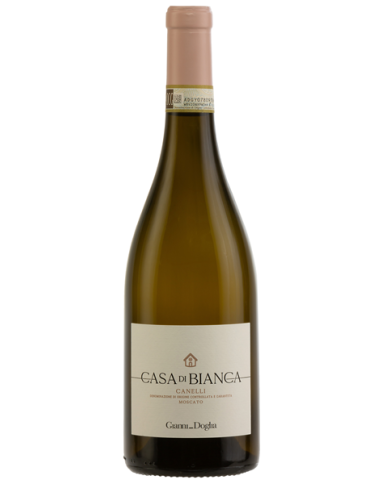
The grapes that come from a small plot known as "Casa di Bianca", located in the hamlet of Annunziata di Castagnole delle Lanze, represent the maximum selection of the Moscato vine from our lands. The Moscato Casa di Bianca grapes are carefully selected in the vineyard during the harvest (which takes place exclusively by hand), after being carefully pressed; the flower must is the result and is elaborated with the Martinotti Method in an autoclave, where it will rest on its lees for at least six months.
€19.03
SKU:
15214
Brand:
Gianni Doglia
Moscato d'Asti is an excellent dessert wine that goes well with dry pastries and fruit cakes; moreover, thanks to the moderate alcohol content, it is a pleasant thirst-quenching drink in the summer. The combination with cured meats and cheeses is more provocative; a provocation that will amaze you! To preserve all the fragrance of the fruit in the wine, it is necessary to adopt a particular harvesting and vinification technique. In fact the grapes, coming from the company's own vineyards, are harvested manually in the vineyard and carefully placed in boxes for transport to the cellar; here they are delicately pressed and the must obtained is kept in cooling vats (-1.5° C) until the moment of vinification in an autoclave. Fermentation takes place at a controlled temperature and with the help of selected yeasts until 5% alcohol is reached. Subsequently the wine will be filtered and bottled. The result is a lively wine with strong and intense varietal characters.
€13.88
SKU:
15211
Brand:
Gianni Doglia
Moscato d'Asti is an excellent dessert wine that goes well with dry pastries and fruit cakes; moreover, thanks to the moderate alcohol content, it is a pleasant thirst-quenching drink in the summer. The combination with cured meats and cheeses is more provocative; a provocation that will amaze you! To preserve all the fragrance of the fruit in the wine, it is necessary to adopt a particular harvesting and vinification technique. In fact the grapes, coming from the company's own vineyards, are harvested manually in the vineyard and carefully placed in boxes for transport to the cellar; here they are delicately pressed and the must obtained is kept in cooling vats (-1.5° C) until the moment of vinification in an autoclave. Fermentation takes place at a controlled temperature and with the help of selected yeasts until 5% alcohol is reached. Subsequently the wine will be filtered and bottled. The result is a lively wine with strong and intense varietal characters.
€33.92
SKU:
15118
Brand:
Durin
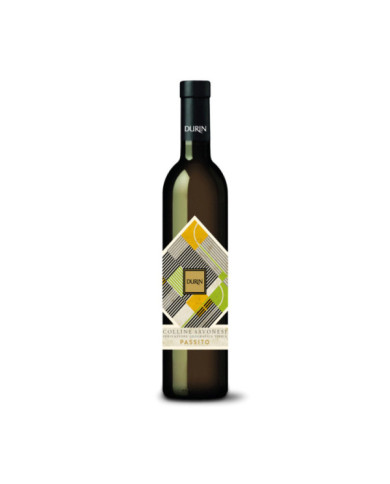
It has an amber yellow color with golden reflections. The aromas are intense and persistent and recall dried and candied fruit…
€23.00
SKU:
14976
Brand:
Tenute Chiaromonte
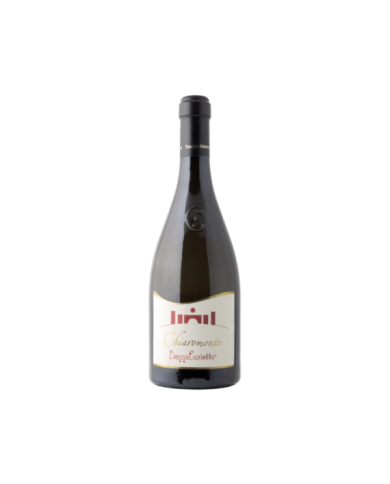
Soft and enveloping wine, with a bright red color. With fruity olfactory textures with hints of black cherry and with floral notes of rose that blend with a delicate sweetness.
Pairings
Ideal companion for almond sweets, dark chocolate and various desserts. Intriguing accompaniment with seasoned and blue cheeses.
€18.67
SKU:
14935
Brand:
Ceretto
Sweet white wine, it is the dessert wine par excellence. It has a more or less intense straw yellow color depending on the vintage, an intense, aromatic and very persistent fruity aroma. The sweet taste is in harmonious balance with the low alcohol content (5% vol.) and with the acidity, never very high, but which gives the product a pleasant freshness. PAIRINGS: fresh fruit (peaches, strawberries, berries…) panna cotta cream-based desserts.
SKU:
14911
Brand:
Maculan
The combination we suggest is a goose foie gras escalope, but perfection is achieved in a glass, in front of the fireplace in good company!
€49.96
Discover the Delight of Sweet Wines: A Journey for Your Senses
Sweet wines can be a true delight for the senses. The way sweet wine touches your taste buds and nostrils with its rich aromas will make you feel like you're in heaven. The magic of sweet wines is unique and is becoming increasingly popular among consumers seeking a unique sensory experience. If you're looking to discover the beauty of sweet wines, then you've come to the right place. This article will explore some of the best sweet wines and how to choose the right one for you.
What is a Sweet Wine?
First, we need to clarify what a sweet wine is. A sweet wine is one that contains a certain amount of sugar. This sugar can be added during fermentation or later. The amount of sugar in sweet wine can range from slightly sweet to very sweet. Sweet wines are often sweeter than dry wines because they contain more sugar.
The Most Popular Sweet Wines
Sweet wines can be divided into three broad categories: dessert wines, sparkling wines, and aromatized wines. Dessert wines are sweeter and more aromatic, such as Port, Sherry, Muscat, and Madeira. Sparkling wines are carbonated wines such as Champagne, Moscato Frizzante, Prosecco , and Cava. Aromatized wines are fruit-forward, such as Riesling, Gewürztraminer, and Grüner Veltliner.
How to Choose a Sweet Wine
If you're interested in trying a sweet wine, there are a few things to consider. First, you need to decide whether you want a dessert wine, a sparkling wine, or an aromatized wine. You'll also need to consider your budget and personal tastes. If you're a beginner, you might want to start with a less expensive and less sweet wine, like a Moscato or Riesling. If you're an expert, you might want to explore rarer and more expensive wines like a Port or Sherry.
How to Serve a Sweet Wine
If you've decided to try a sweet wine, it's important to serve it properly. Dessert wines should be served chilled, while sparkling and aromatized wines should be served at room temperature. The right temperature for a sweet wine varies depending on the type of wine, so be sure to read the labels before serving. Dessert wines should be served in wider dessert glasses, while sparkling and aromatized wines should be served in wine glasses.
How to Pair a Sweet Wine
One of the advantages of sweet wines is that they can be paired with many different dishes. Dessert wines pair well with desserts, cheeses, and meats. Sparkling wines can be paired with all types of dishes, from savory to sweet. Aromatized wines are particularly versatile and can be paired with fish, meat, and vegetable dishes.
Conclusion
Sweet wines are a fun and relaxing way to enjoy a meal or an evening. Whether you're a beginner or an expert, there's a sweet wine to suit your needs. Remember to choose the right wine for your meal, serve it at the right temperature, and pair it properly. If you follow these steps, you're sure to enjoy the delights of sweet wines.