

 Italiano
 Deutsch










There are no more items in your cart
SKU:
16821
Brand:
Quadra Franciacorta
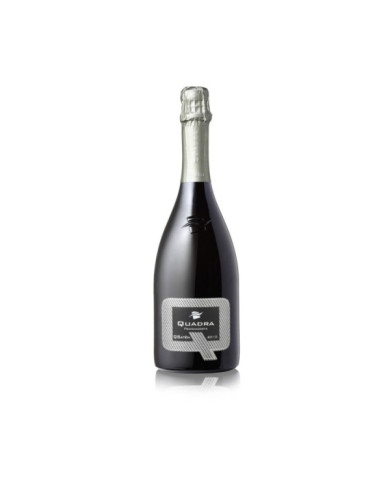
Clear and distinctive essence of Franciacorta. Lower atmospheric pressure will make the mouth smooth and creamy with a sweet nose of fresh flowers and lemon cream.
€64.78
SKU:
16820
Brand:
Quadra Franciacorta
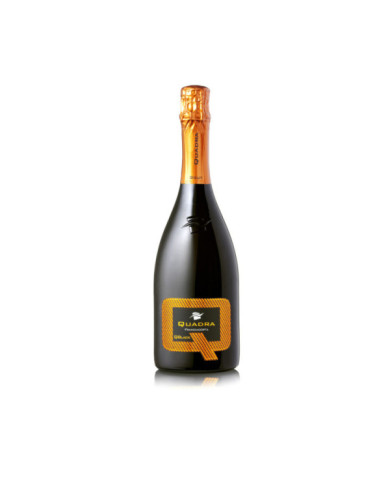
The perfect statement of the Quadra philosophy. A harmonious encounter between the three main grapes of Franciacorta: Chardonnay, Pinot Bianco and Pinot Nero from all the estate vineyards.
€54.61
SKU:
16807
Brand:
Cembra Cantina di Montagna
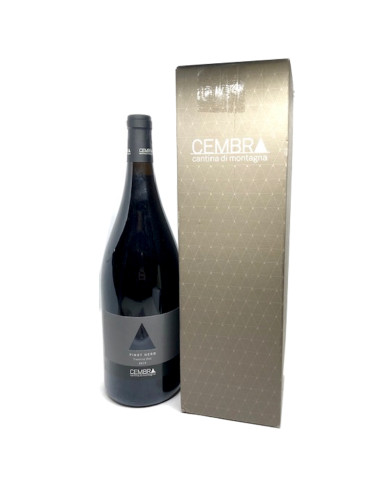
The Cembra Pinot Noir is born in the Valle di Cembra vineyards, in the heart of Trentino Alto Adige, located at an altitude of 500-600 m. slm
€104.19
SKU:
16801
Brand:
Cembra Cantina di Montagna
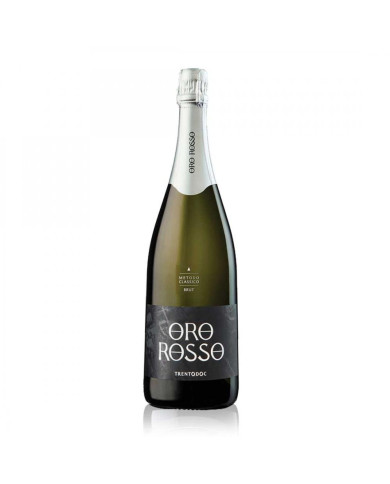
With a deep straw yellow colour, it has a fine and refined bouquet with notes of ripe fruit and bread crust. On the palate, the taste is full and persistent. Excellent with fish appetizers, shellfish and carpaccio
€92.23
SKU:
16785
Brand:
Girolamo Russo
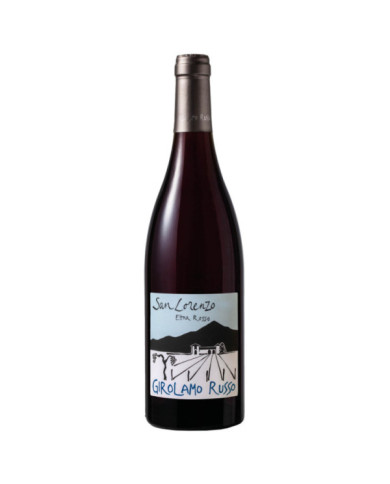
Girolamo Russo's Etna Rosso San Lorenzo was born in vineyards located in Contrada San Lorenzo (Randazzo), in the extraordinary wine-growing panorama of Etna, a terroir particularly suited to the production of wines of great value, which benefits from unique temperature ranges.
€126.49
SKU:
16782
Brand:
Girolamo Russo
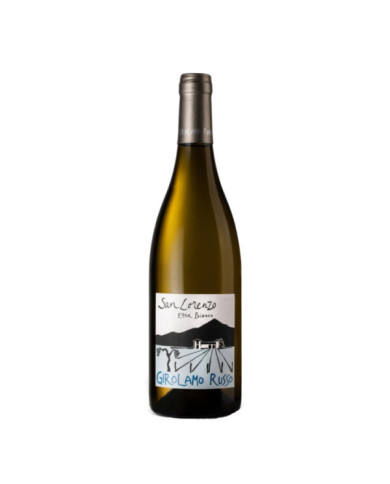
Etna Bianco "San Lorenzo" is a mineral and delicate white wine, made with Carricante grapes and other local varieties that grow at high altitudes on the sandy soils of the Great Volcano. The nose has a fine and very mineral olfactory profile, with suggestive notes of white pulp fruit, citrus fruits and pleasant floral sensations. It reveals a slender and dynamic body, of great progression and freshness, with a clear mineral trail
€102.72
SKU:
16781
Brand:
Girolamo Russo
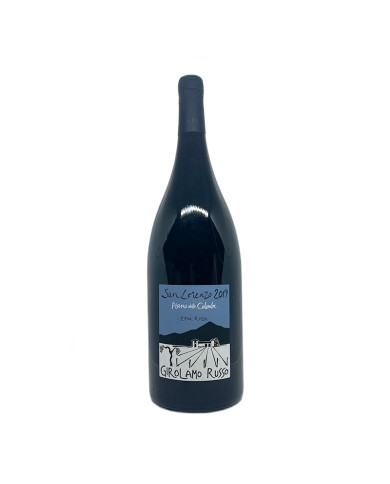
The San Lorenzo Piano delle Colombe magnum Etna Rosso DOC wine is a label signed by Girolamo Russo. With marked organoleptic characteristics, it is the perfect companion for robust first courses, grilled red meats, game, venison and noble poultry. Harmonious and characteristic, the San Lorenzo Piano delle Colombe magnum Etna Rosso DOC wine preserves the richness of the Nerello Mascalese grapes grown in the Randazzo area (CT)
€348.92
SKU:
16778
Brand:
Girolamo Russo
Girolamo Russo's Etna Bianco Nerina was born in vineyards located in the extraordinary wine-growing panorama of Etna, a terroir particularly suited to the production of wines of great value and in which the vines are trained as saplings, in this case at approx. 700 m. slm
€71.15
SKU:
16776
Brand:
Girolamo Russo
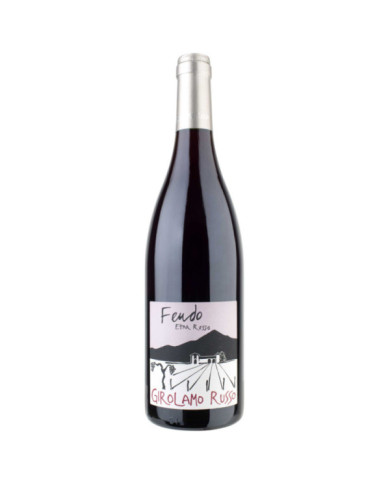
The Etna Rosso Feudo by Girolamo Russo was born in vineyards located in the Feudo district in Randazzo, in the extraordinary wine-growing panorama of Etna, a terroir particularly suited to the production of wines of great value, thanks to unique temperature ranges.
€126.49
SKU:
16774
Brand:
Girolamo Russo
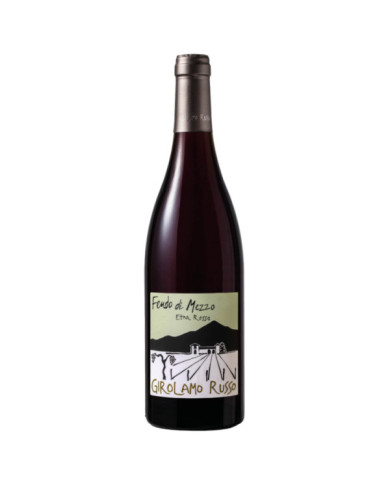
Girolamo Russo's Etna Rosso Feudo di Mezzo has still young and slightly rough tannins. Of an intense ruby red, it offers hints of ripe fruit, cherry, marasca cherry, aromatic herbs, balsamic essences and notes of vanilla and tobacco on the nose. On the palate it is soft, but with tannins still a little rough, with an excellent structure, a complex of great fullness of taste and persistence
€130.00
SKU:
16760
Brand:
Carpineto
Produced in the oldest production area, as stated in the disciplinary that regulates it, this area gave its name to the wine and is the only one where Chianti Classico is produced. It extends between Florence and Siena in a territory of breathtaking beauty, made up of villages perched on the top of the hills, of olive trees cultivated in steep fields with an irregular outline and of cypresses lined up to delimit the innumerable dirt roads.
€111.18
SKU:
16747
Brand:
Peter Zemmer
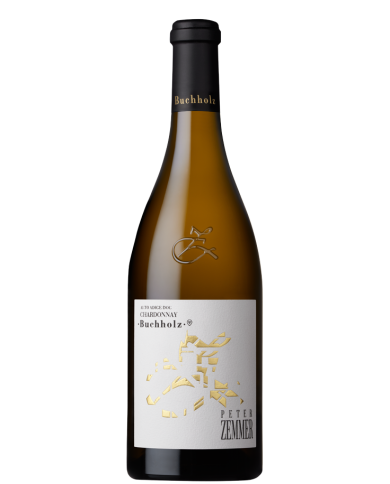
Hence the denomination chosen for this geographical entity
from the historical name "Buchholz" for the slopes of the valley above
Salorno in the Bassa Atesina, already mentioned in the historical cartography of
the land register of 1858 is documented.
€48.56
SKU:
16744
Brand:
Peter Zemmer
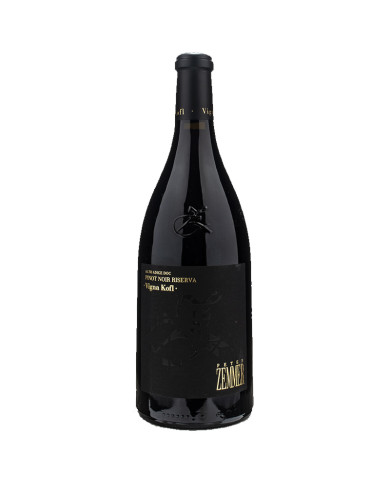
The Pinot Noir Riserva "Vigna Kolf" is a full-bodied and intense red wine with an elegant and refined profile, born at an altitude of 1030 meters from a single vineyard. Aged for one year in barrique, it expresses aromas of wild berries, cherry and strawberry, followed by notes of cocoa, vanilla and noble woods. On the palate, despite the firm and soft structure, it is agile and vibrant, with soft tannins and a gentle freshness
€79.25
SKU:
16739
Brand:
Peter Zemmer
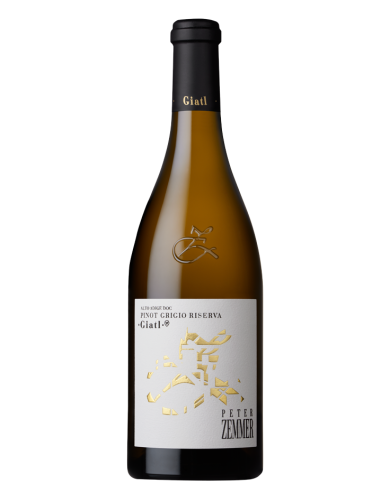
Peter Zemmer's Pinot Grigio Riserva "Giatl" is a full-bodied white wine from a very suitable vineyard located in an area of the same name as the cuvèe. It ferments and ages for 12 months in oak barriques and expresses a rich and varied personality, with aromas full of ripe fruit such as pear and melon, cream and vanilla, with notes of aromatic herbs, while the sip is structured, sapid and very fresh.
€67.59
SKU:
16734
Brand:
Peter Zemmer
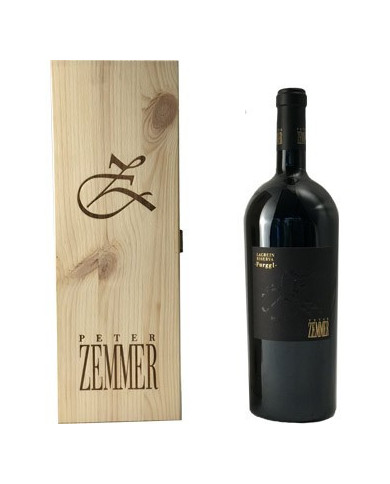
Traces of violet, bitter chocolate, berries, licorice and vanilla characterize this great red produced by one of the oldest cellars in South Tyrol
€71.39
SKU:
16732
Brand:
Peter Zemmer
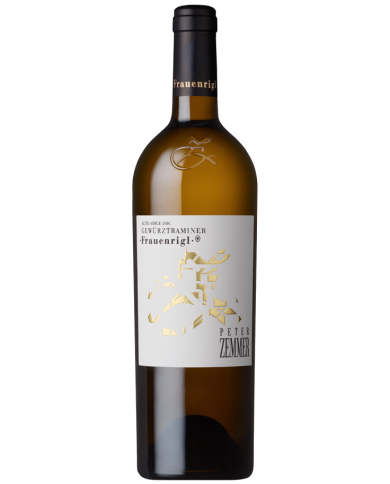
Aromas of peaches and apricots intertwine with exotic scents of lychees, mango and passion fruit, a great white wine produced by one of the oldest cellars in South Tyrol
€38.92
SKU:
16611
Brand:
Fattoria le Pupille
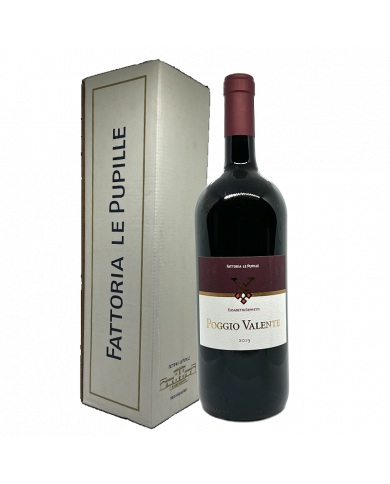
Compact ruby red. The bouquet reveals the fragrance of red roses, black cherry, blood orange and blackberry. Followed by juniper berries, dried flowers, Tuscan cigars and undergrowth. The tannins are dense and silky which develop on a fresh and savory base. Persistent finish on blackcurrant echoes.
€72.59
SKU:
16605
Brand:
Broglia
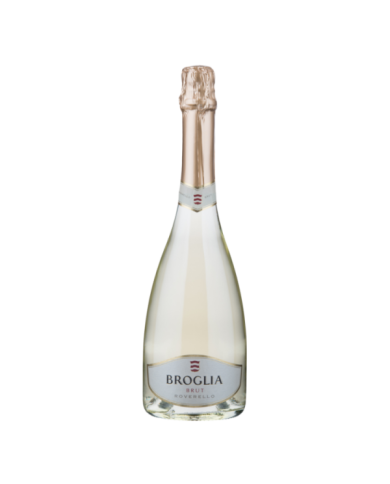
The name Roverello recalls the young oaks of the woods that surround the Meirana vineyards. This Spumante Brut is obtained from our own grapes which are harvested earlier than the others to characterize the youth and freshness that distinguishes it. We have been producing this sparkling wine for over 30 years as required by our denomination of 1974. It is a wine specially prepared for the taste of the modern consumer who likes a young, inviting, high quality sparkling wine. It comes with a gentle petillant, obtained with a refermentation in an autoclave which enhances its aromas, harmony and freshness. In the glass it shows a crystalline clarity, a straw yellow color with greenish reflections, a fruity, characteristic bouquet. The taste is pleasant, clean, harmonious. It goes perfectly with appetizers or cold second courses; also referred to as an aperitif.
€27.33
SKU:
16597
Brand:
Broglia
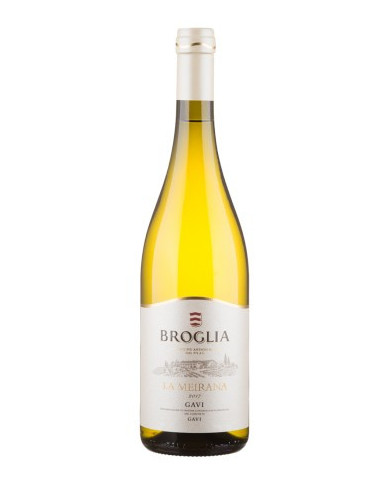
The Meirana di Broglia is the most important and representative product of the company's production, a gavi among the most classic and appreciated in the world. La Meirana is not just the name of a wine, it is the main Estate of the Cellar.
€31.23
SKU:
16565
Brand:
Valentino Butussi
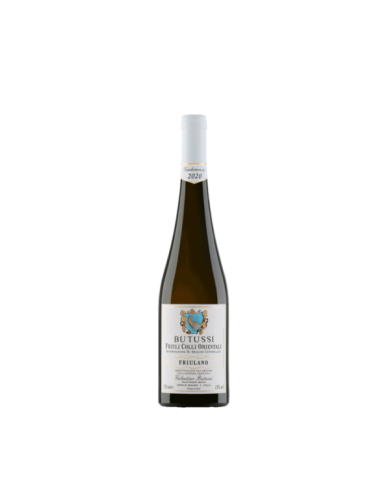
For the vinification of this wine, 30/40% of the grapes are left to dry in wooden boxes for over a month. The remaining grapes are left on the vine and are then harvested when overripe, when the berries begin to brown and dehydrate naturally. The grapes are destemmed and the must is left in contact with the skins for 24-28 hours at a temperature of 12°C to allow the wine to accentuate its varietal characteristics and to acquire the golden yellow-amber color typical of this vine . Aging takes place for 60% for 6 months in steel tanks, 40% for 6 months in 300-litre oak barrels and ends with 2-4 months in the bottle.
€31.00
SKU:
16558
Brand:
Valentino Butussi
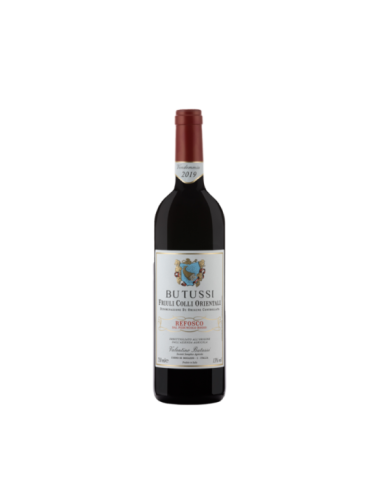
The ruby red color with purplish reflections that fade with ageing. Intense bouquet, which evokes wild blackberries, wild berries with winy and vegetable notes. Strong flavour, the tannins are integrated and the finish is pleasantly bitter.
Refosco dal peduncolo rosso is an ancient Friulian vine, perhaps the best Friulian variety of red berried grapes.
€33.00
SKU:
16555
Brand:
Valentino Butussi
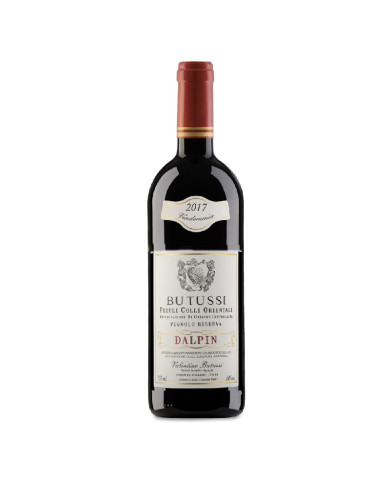
PIGNOLO BUTUSSI FRIULI VENEZIA GIULIA Grape variety: pure Pignolo Winy, tannic taste, reminiscent of raspberry. It is a wine to be discovered. Wine for meat dishes of Friulian cuisine, especially it prefers the ciàr in padiele (beef stew). Serving temperature: 16 – 18° C
SKU:
16546
Brand:
Valentino Butussi
Straw yellow color tending towards greenish. Delicate and pleasant aroma reminiscent of wild flowers; it has a dry taste with a soft and velvety taste and a bitter almond aftertaste. It is excellent as an aperitif, but also goes well with appetizers in general, with eggs and asparagus and is excellent with San Daniele ham.
€31.00
SKU:
16545
Brand:
Valentino Butussi
Intense ruby red in color with aging it develops garnet reflections. Spicy and fruity aroma with nuances of raspberry and blueberry. Body
robust, full-bodied, savory, it is an aging wine and the Prince of red wines. It is a wine for great cooking meats, for roasted red meats, excellent with
poultry, and hard cheeses.
€35.00
SKU:
16543
Brand:
Valentino Butussi
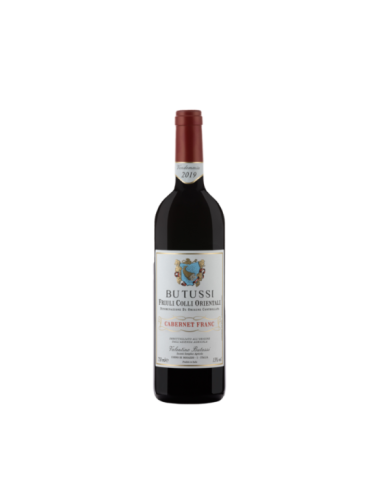
Ruby red wine tending towards purplish. Intense distinctly herbaceous and vinous aroma. Full, tannic flavour. It is a wine for red meats and roasts and also goes well with feathered game and aged cheeses.
€33.00
SKU:
16541
Brand:
Valentino Butussi
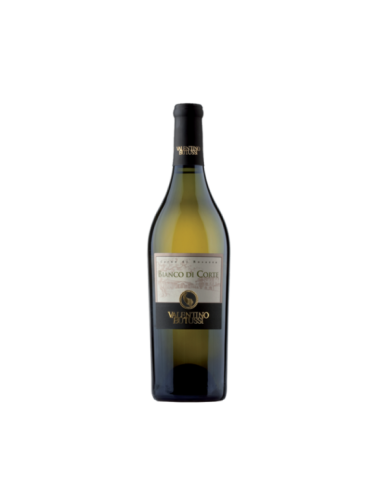
White with great structure, with sustained alcohol content and balanced acidity. Fine and elegant with aromas reminiscent of apple and toasted bread. Aged it evolves into a very pleasant bouquet. Aperitif wine, suitable for a wide range of light hors d'oeuvres, soups, egg-based dishes, fish and white poultry meat. Serving temperature: 10-12°C
€29.04
SKU:
16536
Brand:
Valentino Butussi
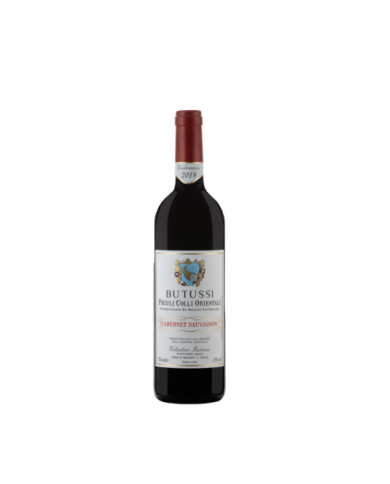
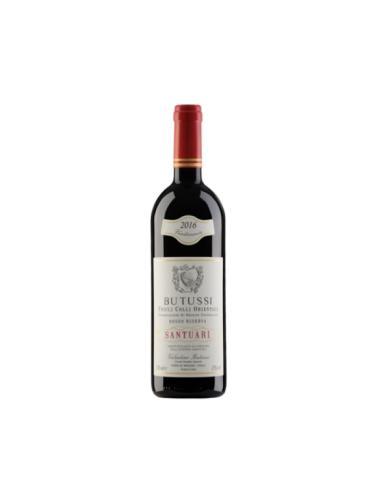
A Riserva with an austere and solemn character, which reaches the qualitative peaks of the entire range created by the Valentino Butussi farm. This "Santuari" is a Cabernet Sauvignon DOC where the balance between taste and aroma makes the sip incisive and expressive, denoting its great evolutionary potential over time. The carefully selected grapes, after harvesting, ferment in oak barrels thanks to the use of indigenous yeasts. Then we move on to the refinement, carried out for two years in oak barrels with a capacity of 300 liters; after bottling, the wine further ages in glass for 12 months. A label that interprets the Colli Orientali del Friuli terroir with a niche production, where excellence and aging capacity go hand in hand, giving us a red wine of great value.
€110.00
SKU:
16519
Brand:
Masseria L'Astore
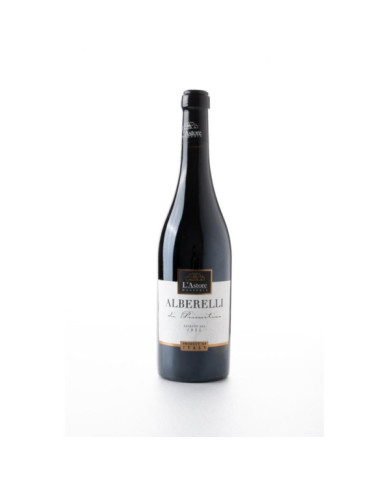
An important Primitive for
simple convivial moments,
of pure and warm feelings
fragrances, of sweet emotions and of
soft words, of shining eyes and of
full goblets that toll the
future."
€87.35
SKU:
16517
Brand:
Masseria L'Astore
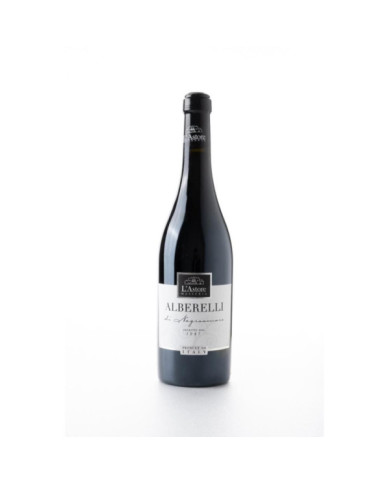
Chiseled by hand like sculptures,
gnarled, twisted and strong enough to survive winds and drought over time
of our land. Not at present
explant convenience.
We rescued, cared for and respected them
for their natural essence, such as the
history of Apulian viticulture ci
it dictated
€74.18
SKU:
16508
Brand:
Nicolis
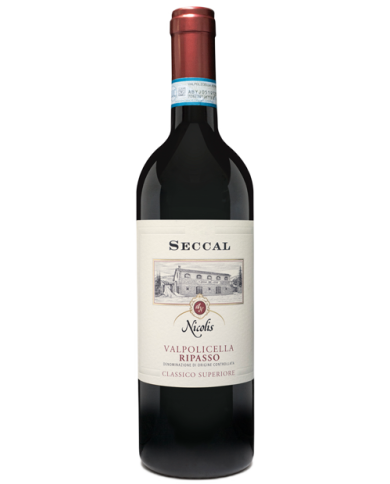
The Seccal Valpolicella Superiore Ripasso DOC by Vini Nicolis is an excellent wine, an expression of the Verona area.
€223.99
SKU:
16506
Brand:
Nicolis
The Seccal Valpolicella Superiore Ripasso DOC by Vini Nicolis is an excellent wine, an expression of the Verona area.
€44.77
SKU:
16504
Brand:
Nicolis
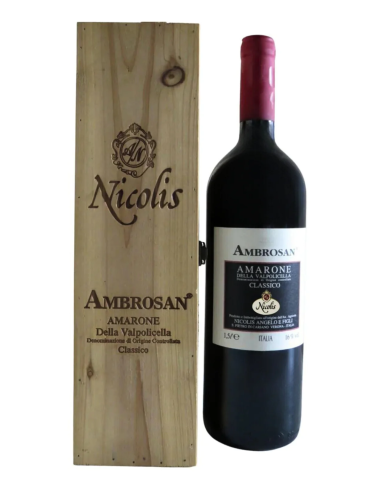
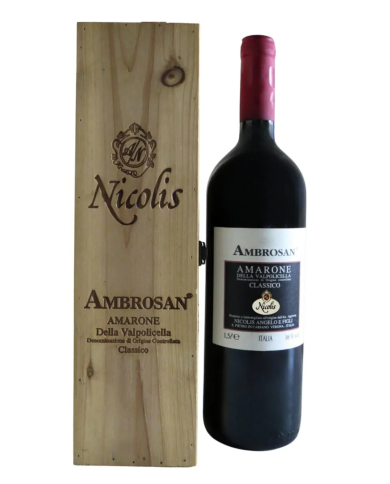
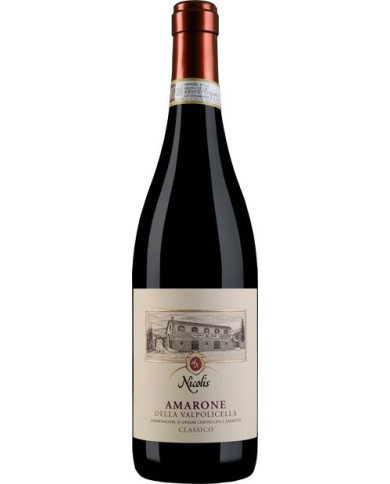
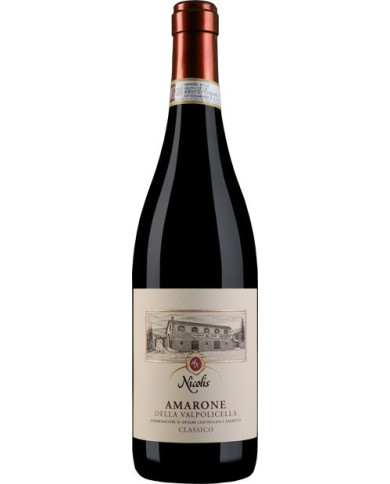
Deep dark ruby red that gradually turns towards garnet. Powerful and aristocratic nose made of ripe fruit, jam, sensations of cocoa, walnut husk, tobacco and leather. A powerful yet gentle and elegant full-bodied wine, very noble in roundness, complex and with an unmistakable flavor played on the balance between volume and softness, warmth and freshness, austerity and richness.
€217.40
SKU:
16503
Brand:
Nicolis
Deep dark ruby red that gradually turns towards garnet. Powerful and aristocratic nose made of ripe fruit, jam, sensations of cocoa, walnut husk, tobacco and leather. A powerful yet gentle and elegant full-bodied wine, very noble in roundness, complex and with an unmistakable flavor played on the balance between volume and softness, warmth and freshness, austerity and richness.
€263.52
SKU:
16502
Brand:
Nicolis
Deep dark ruby red that gradually turns towards garnet. Powerful and aristocratic nose made of ripe fruit, jam, sensations of cocoa, walnut husk, tobacco and leather. A powerful yet gentle and elegant full-bodied wine, very noble in roundness, complex and with an unmistakable flavor played on the balance between volume and softness, warmth and freshness, austerity and richness.
€151.52
SKU:
16501
Brand:
Nicolis
Deep dark ruby red that gradually turns towards garnet. Powerful and aristocratic nose made of ripe fruit, jam, sensations of cocoa, walnut husk, tobacco and leather. A powerful yet gentle and elegant full-bodied wine, very noble in roundness, complex and with an unmistakable flavor played on the balance between volume and softness, warmth and freshness, austerity and richness.
€283.28
SKU:
16500
Brand:
Nicolis
Deep dark ruby red that gradually turns towards garnet. Powerful and aristocratic nose made of ripe fruit, jam, sensations of cocoa, walnut husk, tobacco and leather. A powerful yet gentle and elegant full-bodied wine, very noble in roundness, complex and with an unmistakable flavor played on the balance between volume and softness, warmth and freshness, austerity and richness.
€96.87
Large format wines are a popular choice for special occasions and among wine collectors. They come in a variety of sizes and offer a variety of advantages over standard bottles. In this article, we'll explore everything you need to know about large format wines, from their benefits to storage and purchasing.
The advantages of large format wines
Large format wines offer numerous advantages over standard bottles. First, most wines in large formats age better than standard bottles. This is because the amount of oxygen entering the bottle is lower than in standard bottles. Furthermore, the larger capacity of wine in a single container means that temperature fluctuations are less significant, reducing the risk of damage to the wine.
Secondly, large format wines are an ideal choice for special occasions. A large bottle quickly becomes the center of attention and impresses guests. Furthermore, a single large bottle is much easier to manage than many smaller ones. For example, if you're hosting a dinner for a large group, you can use several large bottles to facilitate service.
Large format wine sizes
Large format wines are available in different sizes, each with a specific name:
Magnum : 1.5 litres, equal to two standard bottles
Jeroboam : 3 liters, equal to four standard bottles
Rehoboam : 4.5 liters, equal to six standard bottles
Methuselah : 6 liters, equal to eight standard bottles
Salmanazar : 9 liters, equal to twelve standard bottles
Balthazar : 12 liters, equal to sixteen standard bottles
Nebuchadnezzar : 15 litres, equal to twenty standard bottles
Storage of large format wines
Storing large-format wines is an important aspect to consider. Because these bottles are larger than standard bottles, storage can be more complicated. Most cellars don't have shelves or space suitable for large bottles, so planning ahead is essential.
Additionally, large bottles may take longer to adjust to the ambient temperature in which they are stored. To avoid temperature fluctuations, it's important to store large bottles in a cool, dry place.
Purchase of large format wines
Buying large format wines can be an excellent choice for wine collectors and for special occasions. However, it's important to pay attention to the bottles' origin. Large bottles can be more susceptible to counterfeiting than standard bottles, so it's important to buy from reputable and trustworthy sellers.
What are large format wines?
Large format wine bottles are larger than the standard 750ml bottle. There are numerous larger wine bottle sizes, including the Magnum (1.5 liters), the Double Magnum (3 liters), the Jeroboam (4.5 liters), the Rehoboam (4.5 liters), the Methuselah (6 liters), the Salmanazar (9 liters), the Balthazar (12 liters), and the Nebuchadnezzar (15 liters).
Why choose large-format wines?
There are many reasons to choose a larger bottle of wine over the traditional 750 ml bottles. First, wine in larger formats is more stable than standard bottles, thanks to the greater volume of wine in the bottle and the smaller amount of air coming into contact with the wine.
Secondly, wines in large formats develop more slowly, meaning they can be stored for a longer period without undergoing any alteration. Furthermore, these wines have greater harmony and balance than standard bottles, thanks to the greater contact surface between the wine and the cork.
Finally, wines in large formats are ideal for special occasions, such as weddings, anniversaries, birthdays, or corporate events, because they have a greater visual impact and can satisfy the palates of a greater number of people.
How to choose a large format wine?
Choosing a large-format wine depends on the type of wine and your personal needs. Generally, the wines best suited to larger formats are those that require a longer aging period, such as structured red wines, complex white wines, or sweet dessert wines.
Furthermore, it's important to choose a high-quality wine, because the larger the quantity of wine in the bottle, the greater the chance of defects appearing. It's therefore important to purchase wines in large formats from reputable retailers who offer guarantees regarding the wine's quality and shelf life.
Finally, it's important to consider the number of people attending the event to choose the right bottle size. For example, a Magnum bottle (1.5 liters) is enough for about 10 people, while a Balthazar bottle (12 liters) can satisfy up to 100 people.
In conclusion, large format wines are an excellent choice for special occasions and for wine collectors, thanks to their greater stability, their ability to evolve more slowly, and their ability to please the palates of a larger number of people.