Italiano
 Deutsch






There are no more items in your cart
SKU:
16454
Brand:
Maso Martis
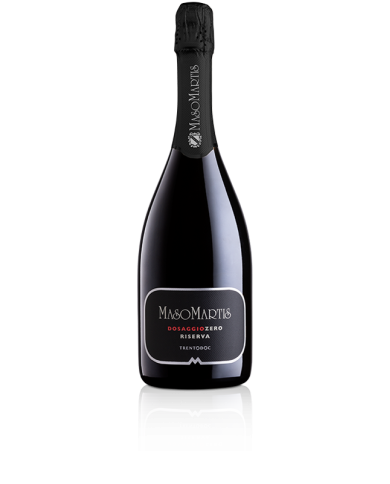
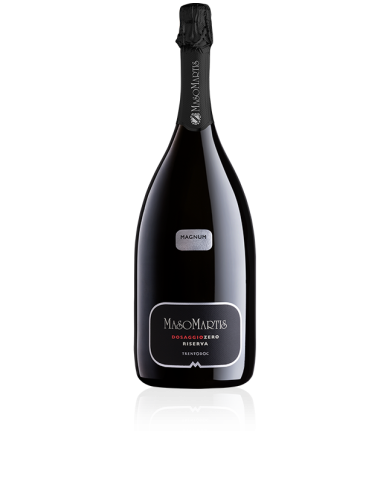
DosaggioZero is a classic method with no residual sugar, with an intense body and aromas, mineral, with a robust and decisive character. One of the first pas dosè classic method produced in Trentino.
€38.31
SKU:
16453
Brand:
Maso Martis
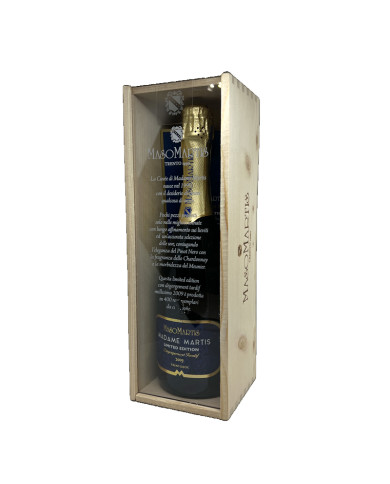
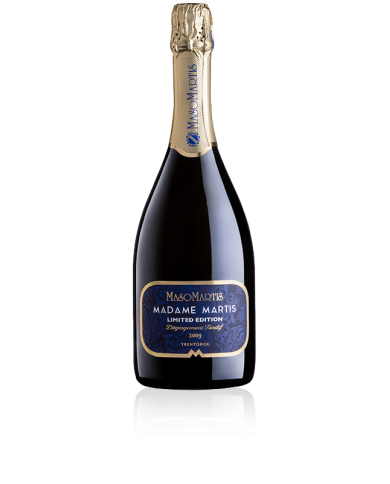
This bottle of the 2009 vintage is one of the very few produced by Maso Martis with a careful selection of its grapes, combining the elegance of Pinot Noir with the fragrance of Chardonnay and the softness of Meunier. "Madame Martis" is the successful synthesis of the precious elements that have always characterized the harmonious and decisive style of Maso Martis sparkling wines.
€169.90
SKU:
16452
Brand:
Maso Martis
DosaggioZero is a classic method with no residual sugar, with an intense body and aromas, mineral, with a robust and decisive character. One of the first pas dosè classic method produced in Trentino.
€85.03
SKU:
16406
Brand:
Le Marchesine
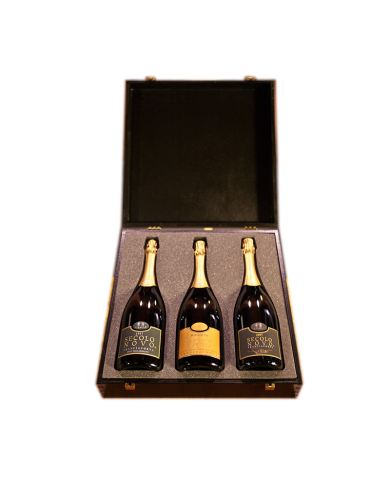
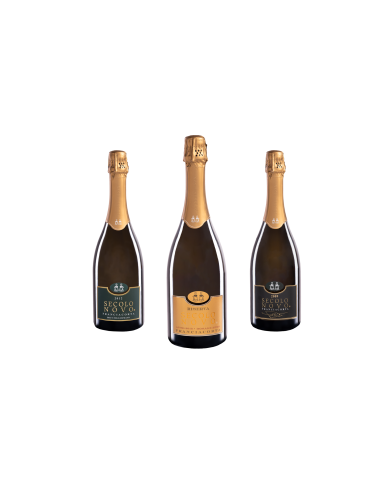
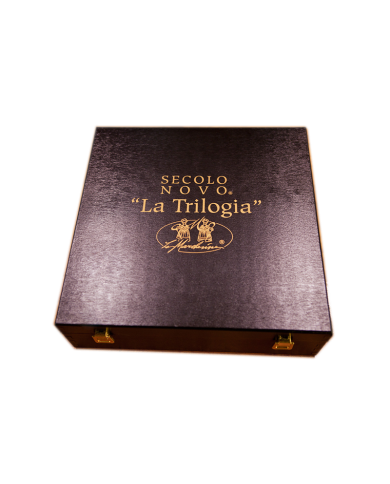
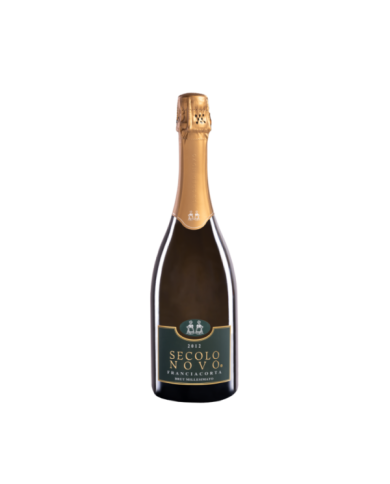
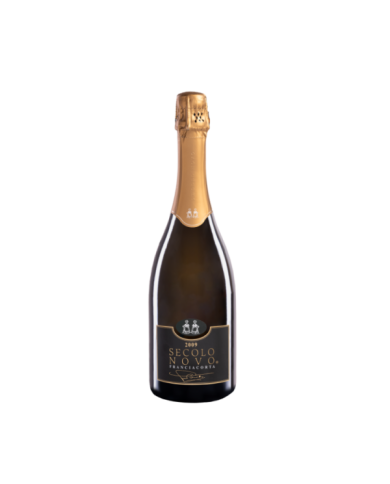
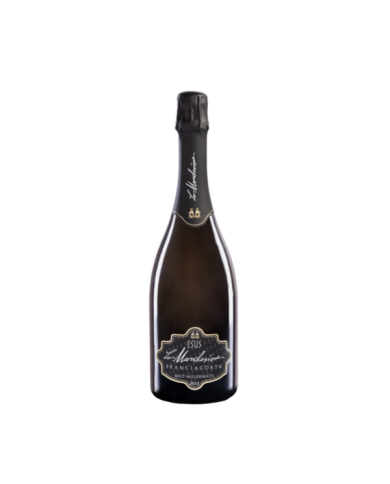
The spearhead of our Franciacorta production is represented by the Secolo Novo Trilogy: the Brut Millesimato, the Riserva Brut Nature Giovanni Biatta and the Riserva Dosage Zéro. Jewels of patience and dedication vinified only in the great vintages.
€256.20
SKU:
16403
Brand:
Le Marchesine
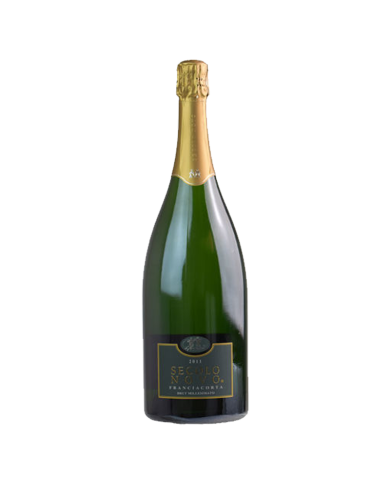
It is from a vineyard on the La Santissima di Cussago hill, one of the most suitable areas of Franciacorta, that the only chardonnay grapes that lead to the "Secolo Novo" come. The Franciacorta DOCG Brut "Secolo Novo" by Le Marchesine is a sparkling wine of unmistakable class, elegant and relaxed, whose permanence on the lees lasts for 3 years.
€93.57
SKU:
16402
Brand:
Le Marchesine
In appearance, the wine has a brilliant straw yellow color, with a fine and persistent perlage. The scent on the nose, an initial impact of bread crust and yeasts opens up to a composed and elegant olfactory profile. The taste has rich notes of exotic fruits, elderflower and white chocolate are the perfect introduction to a fresh, clean, round taste. It closes very long on light hints of ginger.
€167.38
SKU:
16399
Brand:
Le Marchesine
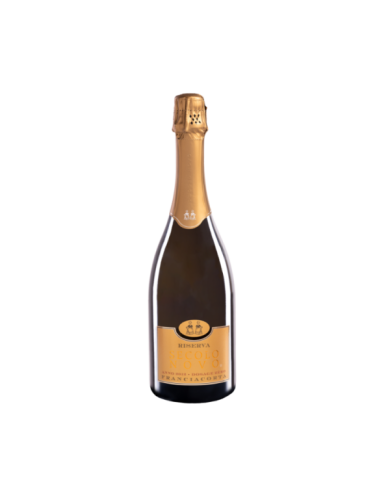
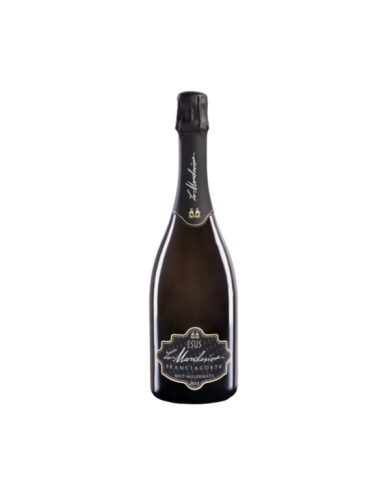
Franciacorta Dosage Zéro Secolo Novo Riserva comes from clonal selections of Chardonnay grapes. Harvested by hand in small crates, very slow and soft pressing of the whole bunches. Controlled fermentation in purity at 17° - 19° with indigenous yeasts in order to keep the flavor and aromas of Franciacorta intact. Maturation in stainless steel tanks. In the months of March and April, the wine is transferred to the bottle for the second fermentation. The bottles are stacked in refining rooms at controlled temperatures (13°) for at least 60 months. After this period, Franciacorta Dosage Zéro Secolo Novo Riserva takes on its characteristics of aroma and flavor and a very fine perlage. We then move on to the final phase of remuage, dégorgement and clothing for the shipment.
€51.36
SKU:
16398
Brand:
Le Marchesine
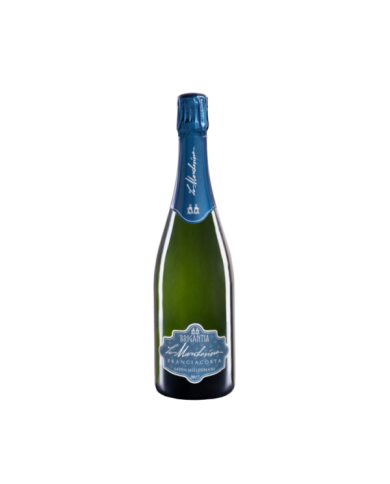
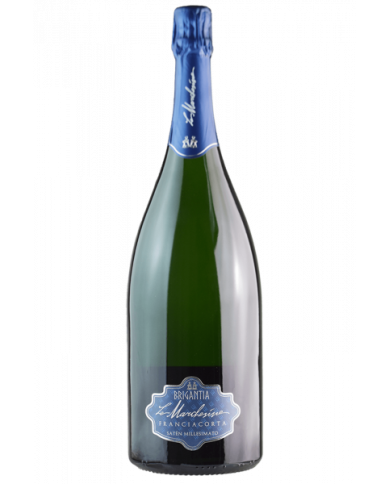
Awarded with three glasses by the illustrious Gambero Rosso guide. In the vineyard with manual harvesting in boxes of a maximum of 18 kg. Grapes coming exclusively from our vineyard of La Santissima di Gussago. VINIFICATION: in white in pneumatic press with soft pressing of the whole grapes and use exclusively of the 1st fraction. After static and physical separation from the impurities of the must at low temperatures, the inoculation of selected yeasts for fermentation takes place in stainless steel tanks at a controlled temperature. This is followed by racking and lowering of the temperature to around 10°C to avoid malolactic fermentation. Once the "draught syrup" has been added, it is bottled, capped with a crown cap and laid down in a pile for the second fermentation. AGING IN THE BOTTLE: 54 months.
SKU:
16397
Brand:
Le Marchesine
Floral, mineral, fruity and spicy bouquet. Structured and at the same time elegant in the mouth, with an incredible persistence. Franciacorta Brut Secolo Novo Giovanni Biatta comes from clonal selections of Chardonnay grapes. Harvested by hand in small crates, must obtained from the natural pressing of the grapes (at zero pressure, also known as autopressurage). Controlled fermentation in purity at 17° – 19° with indigenous yeasts in order to keep the flavor and aromas of Franciacorta intact. Maturation in stainless steel tanks. In the months of March and April the passage into the bottle for the second fermentation takes place. The bottles are stacked in refining rooms at controlled temperatures (12° – 14°) for at least 54 months. After this period, the Franciacorta Brut DOCG Giovanni Biatta takes on its characteristics of aroma and flavor and with a very fine perlage. We then move on to the final phase of remuage, dégorgement and clothing for the shipment.
€51.36
SKU:
16396
Brand:
Le Marchesine
Floral, mineral, fruity and spicy bouquet. Structured and at the same time elegant in the mouth, with an incredible persistence. Franciacorta Brut Secolo Novo Giovanni Biatta comes from clonal selections of Chardonnay grapes. Harvested by hand in small crates, must obtained from the natural pressing of the grapes (at zero pressure, also known as autopressurage). Controlled fermentation in purity at 17° – 19° with indigenous yeasts in order to keep the flavor and aromas of Franciacorta intact. Maturation in stainless steel tanks. In the months of March and April the passage into the bottle for the second fermentation takes place. The bottles are stacked in refining rooms at controlled temperatures (12° – 14°) for at least 54 months. After this period, the Franciacorta Brut DOCG Giovanni Biatta takes on its characteristics of aroma and flavor and with a very fine perlage. We then move on to the final phase of remuage, dégorgement and clothing for the shipment.
€293.78
SKU:
16395
Brand:
Le Marchesine
It is a classic cuvée obtained from Pinot bianco, Pinot nero and Chardonnay grapes harvested by hand in small baskets and vinified within 2 – 3 hours of harvesting. The must obtained ferments for a few days in steel tanks at a controlled temperature (17° – 18°) in order to maintain and preserve the best aromas and flavours. The second fermentation takes place in rooms at a constant temperature, slowly in order to favor the development of minute bubbles. The product has a fragrant scent reminiscent of Acacia flowers and small red berried fruits (raspberry); soft, fresh and lively flavor that rightly lingers in the mouth.
€16.47
SKU:
16394
Brand:
Le Marchesine
It is a classic cuvée obtained from Pinot bianco, Pinot nero and Chardonnay grapes harvested by hand in small baskets and vinified within 2 – 3 hours of harvesting. The must obtained ferments for a few days in steel tanks at a controlled temperature (17° – 18°) in order to maintain and preserve the best aromas and flavours. The second fermentation takes place in rooms at a constant temperature, slowly in order to favor the development of minute bubbles. The product has a fragrant scent reminiscent of Acacia flowers and small red berried fruits (raspberry); soft, fresh and lively flavor that rightly lingers in the mouth.
€15.86
SKU:
16393
Brand:
Le Marchesine
It is a classic cuvée obtained from Pinot bianco, Pinot nero and Chardonnay grapes harvested by hand in small baskets and vinified within 2 – 3 hours of harvesting. The must obtained ferments for a few days in steel tanks at a controlled temperature (17° – 18°) in order to maintain and preserve the best aromas and flavours. The second fermentation takes place in rooms at a constant temperature, slowly in order to favor the development of minute bubbles. The product has a fragrant scent reminiscent of acacia flowers, linden and even toasted bread; soft, fresh and lively flavor that rightly lingers in the mouth. The suggested serving temperature is between 8° and 10°.
€15.49
SKU:
16392
Brand:
Le Marchesine
It is a classic cuvée obtained from Pinot bianco, Pinot nero and Chardonnay grapes harvested by hand in small baskets and vinified within 2 – 3 hours of harvesting. The must obtained ferments for a few days in steel tanks at a controlled temperature (17° – 18°) in order to maintain and preserve the best aromas and flavours. The second fermentation takes place in rooms at a constant temperature, slowly in order to favor the development of minute bubbles. The product has a fragrant scent reminiscent of acacia flowers, linden and even toasted bread; soft, fresh and lively flavor that rightly lingers in the mouth. The suggested serving temperature is between 8° and 10°.
€45.51
SKU:
16391
Brand:
Le Marchesine
Franciacorta Brut DOCG Nodens comes from clonal selections of Pinot Noir grapes.
Harvested by hand in small crates, very slow and soft pressing of the whole bunches. Fermentation without contact with the skins controlled in purity at 17° - 19° with indigenous yeasts in order to keep the flavor and aromas of Franciacorta intact.
Maturation in stainless steel tanks. In the months of March and April the passage into the bottle for the second fermentation takes place.
The bottles are stacked in refining rooms at controlled temperatures (12° – 14°) for at least 36 months. After this period, Franciacorta Brut DOCG Millesimato takes on its characteristics of aroma and flavor and with a very fine perlage. We then move on to the final phase of remuage, dégorgement and clothing for the shipment.
Very fine and persistent perlage. Bouquet of red fruits, raspberry and blackberry; mineral, with hints of chocolate. In the mouth lively and structured, long and persistent. Pale pink color with coppery reflections.
€72.47
SKU:
16390
Brand:
Le Marchesine
Franciacorta Brut DOCG Nodens comes from clonal selections of Pinot Noir grapes.
Harvested by hand in small crates, very slow and soft pressing of the whole bunches. Fermentation without contact with the skins controlled in purity at 17° - 19° with indigenous yeasts in order to keep the flavor and aromas of Franciacorta intact.
Maturation in stainless steel tanks. In the months of March and April the passage into the bottle for the second fermentation takes place.
The bottles are stacked in refining rooms at controlled temperatures (12° – 14°) for at least 36 months. After this period, Franciacorta Brut DOCG Millesimato takes on its characteristics of aroma and flavor and with a very fine perlage. We then move on to the final phase of remuage, dégorgement and clothing for the shipment.
Very fine and persistent perlage. Bouquet of red fruits, raspberry and blackberry; mineral, with hints of chocolate. In the mouth lively and structured, long and persistent. Pale pink color with coppery reflections.
€35.32
SKU:
16389
Brand:
Le Marchesine
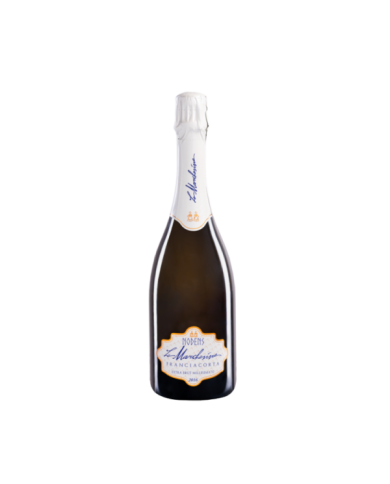
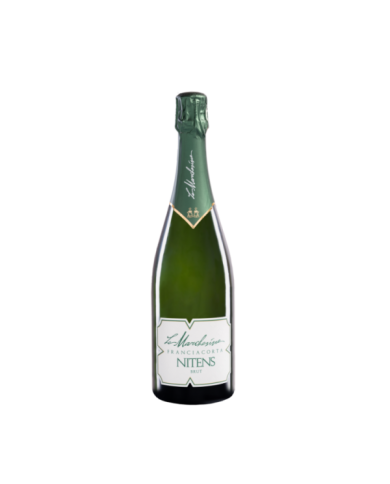
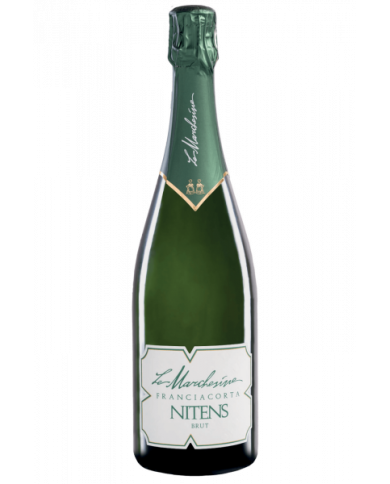
Strong yellow color with greenish reflections. Very fine and persistent perlage. Fine and complex aroma. Dry, dry taste with acidulous vein and characteristic nerve, elegant and full-bodied.
Franciacorta Brut comes from clonal selections of Chardonnay, Pinot bianco and Pinot nero grapes. Harvested by hand in small crates, very slow and soft pressing of the whole bunches. Controlled fermentation at 17° – 19° with indigenous yeasts in order to keep the flavor and aromas of Franciacorta intact. Maturation in stainless steel tanks. In the months of March and April, the wine is transferred to the bottle for the second fermentation. The bottles are stacked in refining rooms at controlled temperatures (12° – 14°) for at least 25 months. After this period, Franciacorta Brut takes on its characteristics of aroma and flavor and with a very fine perlage. We then move on to the final phase of remuage, dégorgement and clothing for the shipment.
€21.84
SKU:
16388
Brand:
Le Marchesine
Strong yellow color with greenish reflections. Very fine and persistent perlage. Fine and complex aroma. Dry, dry taste with acidulous vein and characteristic nerve, elegant and full-bodied.
Franciacorta Brut comes from clonal selections of Chardonnay, Pinot bianco and Pinot nero grapes. Harvested by hand in small crates, very slow and soft pressing of the whole bunches. Controlled fermentation at 17° – 19° with indigenous yeasts in order to keep the flavor and aromas of Franciacorta intact. Maturation in stainless steel tanks. In the months of March and April, the wine is transferred to the bottle for the second fermentation. The bottles are stacked in refining rooms at controlled temperatures (12° – 14°) for at least 25 months. After this period, Franciacorta Brut takes on its characteristics of aroma and flavor and with a very fine perlage. We then move on to the final phase of remuage, dégorgement and clothing for the shipment.
€50.87
SKU:
16387
Brand:
Le Marchesine
When it arrives on the palate it makes a clean sweep, it is full, powerful, but not intrusive, it expresses great salinity and freshness, the persistence is very pronounced, in the finish of excellent elegance it takes up the toasted and processed nuts characters that the nose has exalted.
€72.47
SKU:
16386
Brand:
Le Marchesine
It literally explodes on the nose; difficult to contain all the aromas. It ranges from the ripe sweetness of exotic fruit to smoky notes; reminiscent of toasted and salted nuts, peanut butter, hazelnut cream, soft butter, sometimes salted caramel and gianduja chocolate; there is no shortage of sweet spices.
€34.89
SKU:
16385
Brand:
Le Marchesine
Straw yellow in colour. The nose brings back notes of sponge cake, butter and biscuits to anticipate fresher tones of cedar and lime, with hints of pineapple and peach. On the palate it is creamy, enveloping and typical for the type, crossed by a lively sapid-acid fusion that underlines a rare pleasantness, with a long aromatic finish. Pairing: Excellent with grilled mackerel fillet, stuffed squid, stewed cod but also for a glamorous aperitif!
€26.90
SKU:
16384
Brand:
Le Marchesine
Straw yellow in colour. The nose brings back notes of sponge cake, butter and biscuits to anticipate fresher tones of cedar and lime, with hints of pineapple and peach. On the palate it is creamy, enveloping and typical for the type, crossed by a lively sapid-acid fusion that underlines a rare pleasantness, with a long aromatic finish.
Pairing:
Excellent with grilled mackerel fillet, stuffed squid, stewed cod but also for a glamorous aperitif!
€63.81
SKU:
16383
Brand:
Le Marchesine
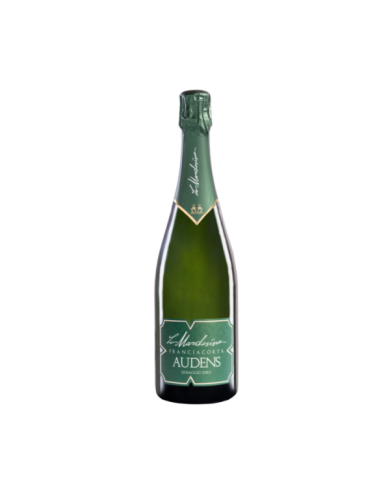
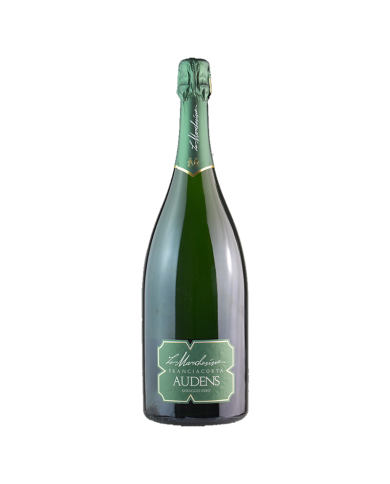
Straw yellow color with golden reflections with a very fine perlage and excellent persistence. Aromatic, intense, with an evolved bouquet with notes of toasting and yeast. Complex to the taste, it reveals a good structure and a nice acidity. Very persistent. Franciacorta Audens Dosaggio Zero comes from clonal selections of Chardonnay, Pinot Blanc and Pinot Noir grapes. Harvested by hand in small crates, very slow and soft pressing of the whole bunches. Controlled fermentation at 17° – 19° with indigenous yeasts. Maturation in stainless steel tanks. In the months of March and April, the bottle is transferred for the second fermentation which lasts for at least 25 months.
€22.68
SKU:
16382
Brand:
Le Marchesine
Straw yellow color with golden reflections with a very fine perlage and excellent persistence.
Aromatic, intense, with an evolved bouquet with notes of toasting and yeast. Complex to the taste, it reveals a good structure and a nice acidity. Very persistent.
Franciacorta Audens Dosaggio Zero comes from clonal selections of Chardonnay, Pinot Blanc and Pinot Noir grapes.
Harvested by hand in small crates, very slow and soft pressing of the whole bunches.
Controlled fermentation at 17° – 19° with indigenous yeasts. Maturation in stainless steel tanks.
In the months of March and April, the bottle is transferred for the second fermentation which lasts for at least 25 months.
€50.87
Sparkling Wine Sales: How to Choose the Best and Pair It with Food
Sparkling wine is a festive and lively wine, ideal for accompanying celebrations and convivial gatherings. In Italy, sparkling wine production is highly diverse and includes a wide range of varieties, from Prosecco to Champagne, including Franciacorta and Trento DOC .
In this article, we'll guide you through the world of sparkling wines, with tips for choosing the right wine for your preferences and occasions, food pairings, and tasting suggestions.
How are sparkling wines produced?
Sparkling wines are produced through a fermentation process that allows the wine to produce bubbles. There are two main methods for producing sparkling wines: the Classic Method and the Charmat Method.
Each sparkling wine has its own production method, which influences both its flavor and final price. The main production methods are the Classic Method, the Charmat Method, and the Martinotti Method.
The Classic Method is the most expensive and artisanal method used to produce high-quality sparkling wines such as Champagne. In this method, the second fermentation takes place in the bottle, with the yeast settling at the bottom of the bottle and being removed through the disgorging process. This process requires considerable time and attention, which is reflected in the final price of the product.
The Charmat Method is used to produce lighter, fruitier sparkling wines. In this method, the secondary fermentation takes place in large stainless steel tanks, where the wine is kept under pressure to create carbonation. After fermentation, the wine is filtered and bottled.
The Martinotti Method , also known as the Italian Method or the Tank Method, is a modern method used to produce high-quality sparkling wines such as Prosecco. In this method, the secondary fermentation takes place in large stainless steel tanks, where the wine is kept under pressure to create carbonation. After fermentation, the wine is filtered and bottled.
In addition to the production method, the type of grape used also influences the flavor and final price of the sparkling wine. The main grape varieties used to produce sparkling wines are Chardonnay, Pinot Noir, and Glera.
Chardonnay is a white grape used to produce high-quality sparkling wines like Champagne. It has a fruity flavor and a buttery note.
Pinot Noir is a black grape used to produce high-quality sparkling wines such as rosé Champagne. It has an intense and complex flavor, with notes of berries and spices.
Glera is a white grape used to make Prosecco. It has a fresh and fruity flavor, with notes of green apple and pear.
Ultimately, choosing a sparkling wine depends on your personal taste and the occasion for which you're drinking it. Sparkling wines are an excellent choice for parties and celebrations, but they can also be enjoyed as an aperitif or with a light meal. With the wide range of sparkling wines available on the market, there's sure to be one to suit every taste and budget.
Related posts