Italiano
 Deutsch





There are no more items in your cart
SKU:
7391
Brand:
Cantina Reale
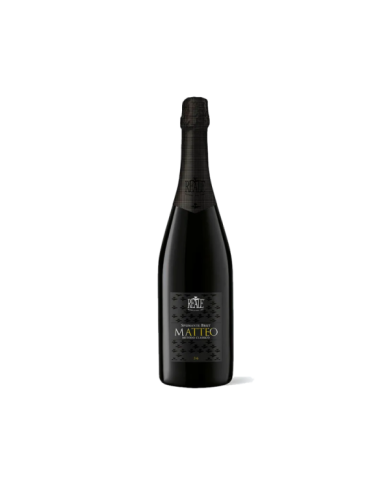
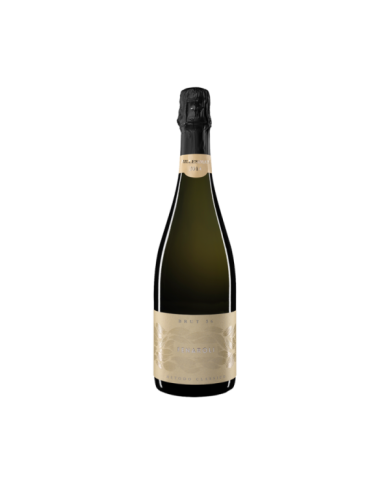
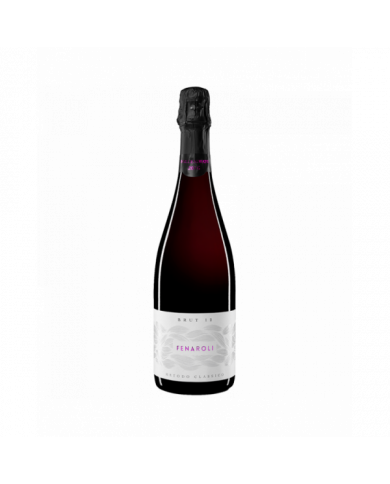
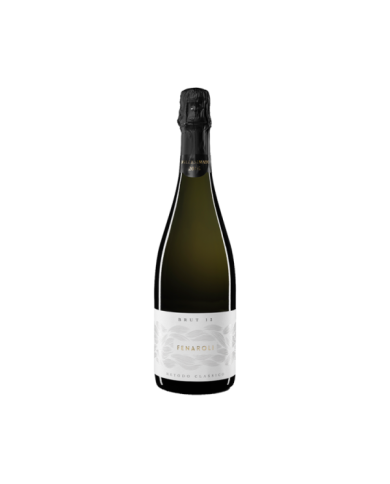
It is an excellent wine obtained from the early harvest of Chardonnay and Pinot Nero grapes.
At the end of the natural fermentation in the bottle (36 months) we obtain an elegant wine with a fine perlage, a yellow color with golden reflections, a delicate, characteristic, fruity aroma, a savory, soft, full flavor.
Recommended with: capunsèi, risotto, pumpkin tortelli, fish and shellfish, white meats and semi-aged cheeses.
€23.95
€10.78
SKU:
7121
Brand:
Naviganti
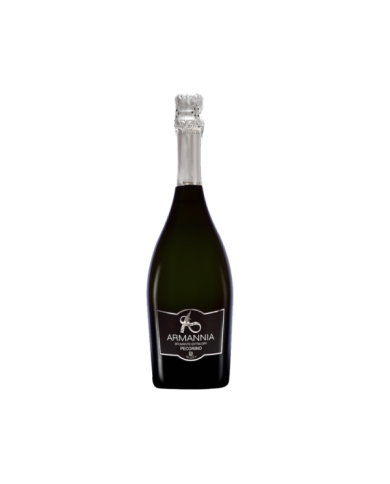
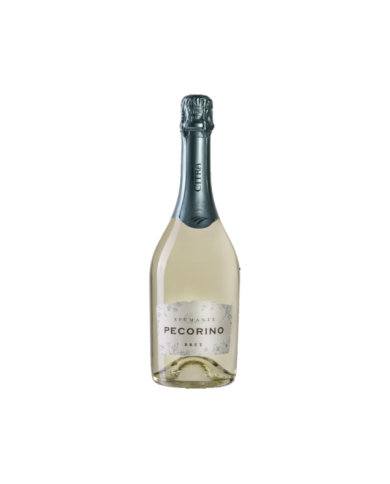
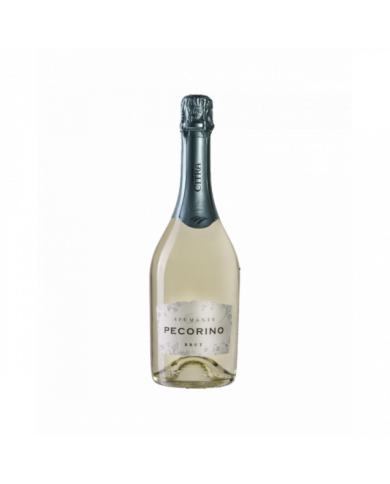
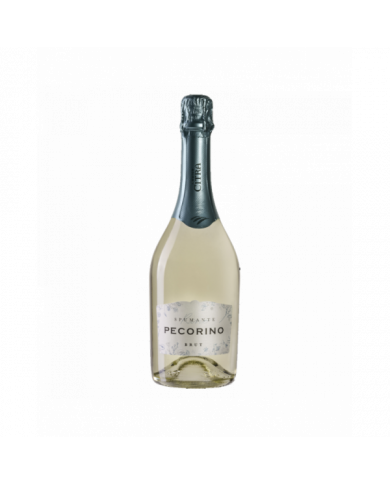
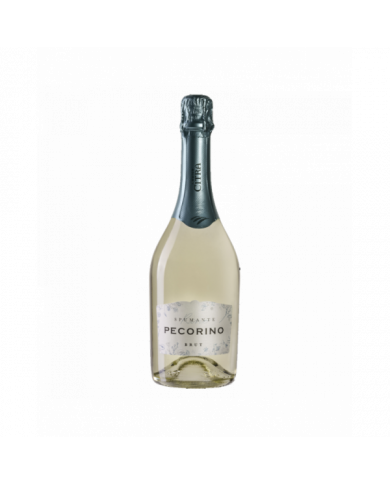
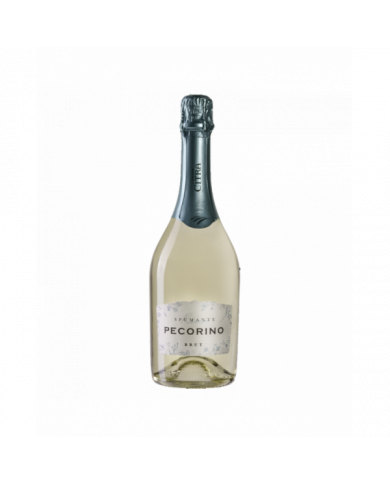
The brut sparkling wine is made with 100% Pecorino grapes. At sight it shows a bright and intense straw yellow color, the perlage is subtle and long-lasting. The olfactory spectrum shows fruity notes well mixed with floral aromas of wisteria, lily of the valley and aromatic herbs. In the mouth it is striking for its great freshness and agility, it is dry and with a good balance between savory and acidic components. It closes with a moderately persistent finish.
€10.39
SKU:
7064
Brand:
Donnafugata
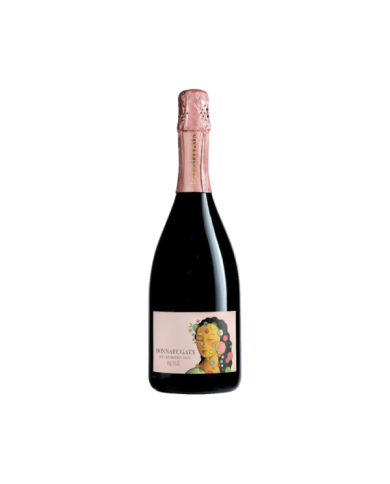
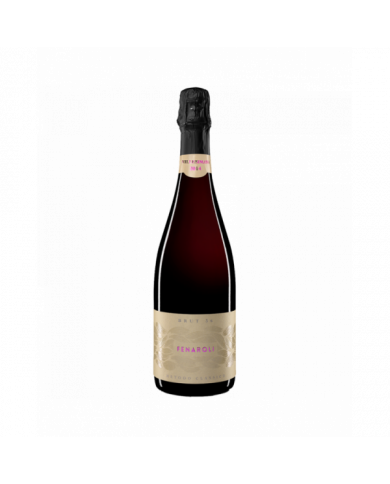
Brut Rosé 2016 - Millesimato , with an antique pink color, is characterized by an elegant and distinct bouquet . It offers tertiary notes of bread crust combined with delicate fruity hints (wild strawberries) and spices . In the mouth it has a pleasant freshness and good structure , with a seductive return of fruity sensations and a sapid vein with a long persistence .
At the table
A meal rosé, excellent with raw or cooked shellfish and fish tartare. We recommend it with thinly sliced San Daniele ham.Excellent at 6 - 8 ° C °
€31.32
SKU:
6902
Brand:
Casal Thaulero
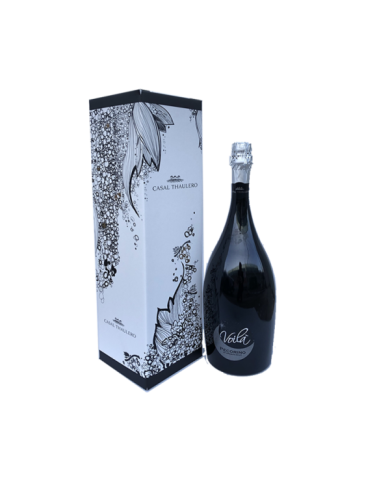
Brilliant straw yellow with greenish hues, fine-grained perlage.
Complex and fragrant, clear scent of bread crust, floral note of jasmine and broom and sage balsamic.
Strong and enveloping taste, marked minerality.
€15.07
SKU:
6900
Brand:
Casal Thaulero
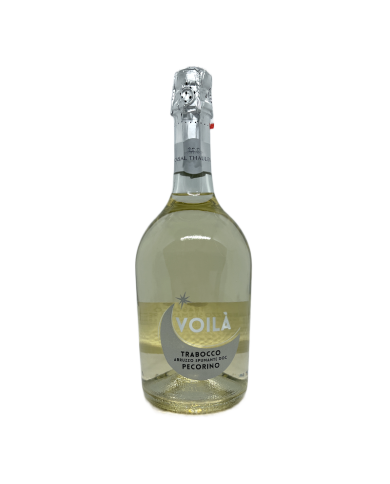
Brilliant straw yellow with greenish hues, fine-grained perlage.
Complex and fragrant, clear scent of bread crust, floral note of jasmine and broom and sage balsamic.
Strong and enveloping taste, marked minerality.
€9.52
€8.56
SKU:
6764
Brand:
Codice Citra
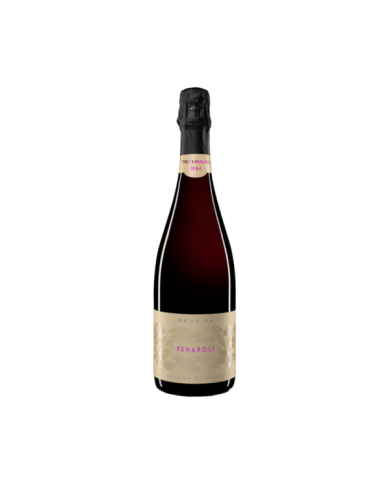
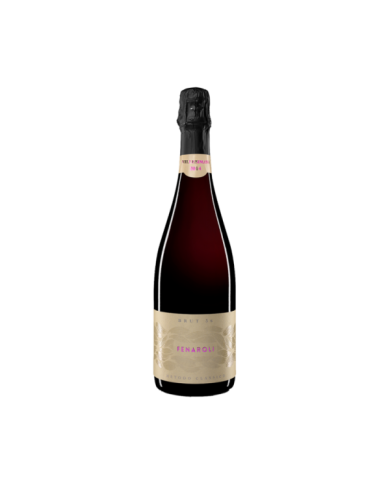
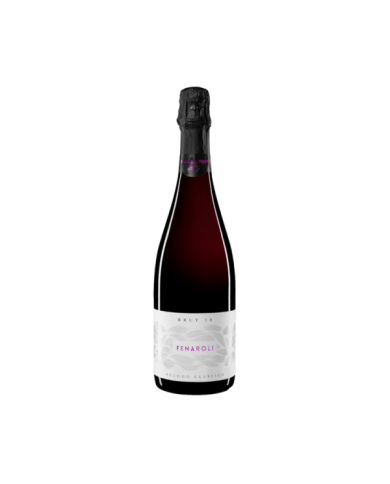
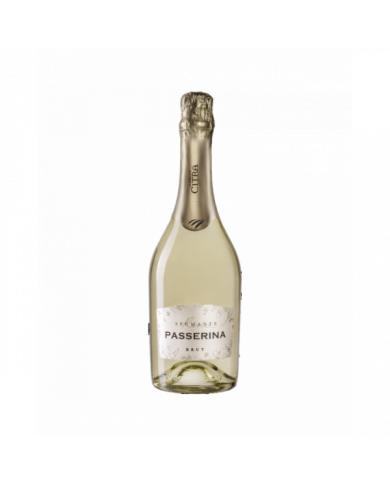
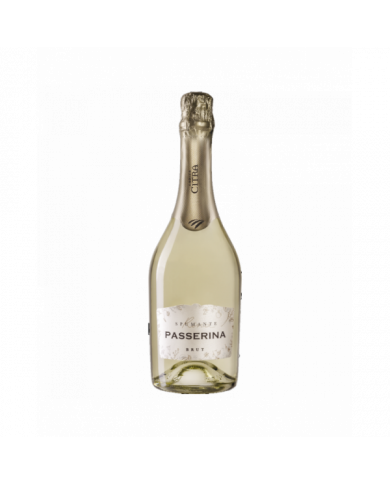
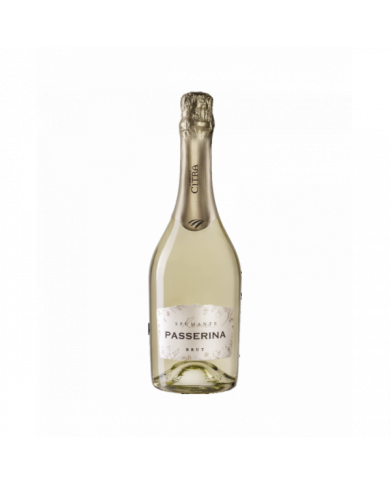
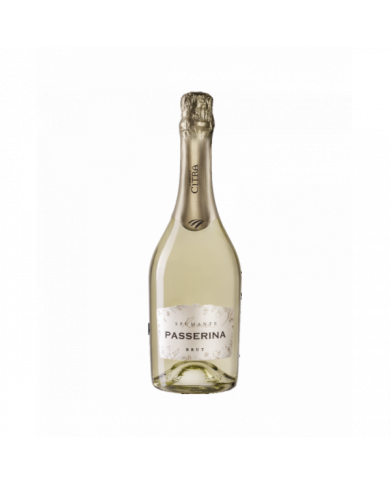
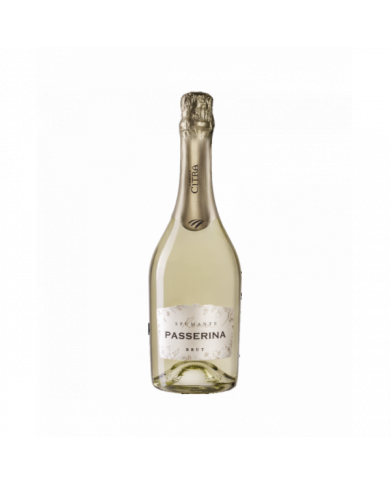
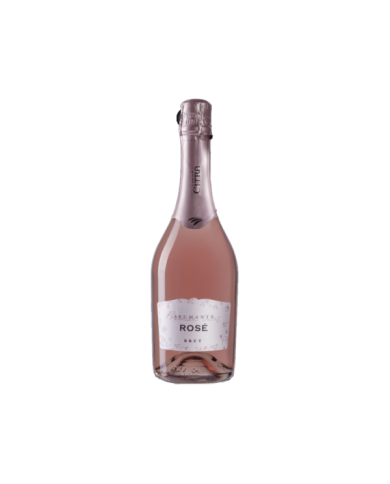
Vinification: The grapes are gently pressed and vinified in steel vats at around 15°C. At the end of fermentation, maturation continues on the lees. Second fermentation and aging on the lees: in the spring following the harvest, the base wine referments in the bottle at a temperature of 12°C for about 30 days. Once the second fermentation is complete, the bottles remain to refine on the lees, lying on their side for at least 36 months. The clarification of the wine takes place with the "pointing" after a laborious "remuage", at the end of which disgorgement and dosage are carried out. Color: Soft rosé with slight orange reflections, with a fine and persistent perlage. Smell: Intense, persistent with notes of red fruit: cherry, morello cherry and floral (rose). Fragrant hints of yeast and pâtisseries. Taste: Dry and fragrant, very well balanced. Overall it is a full and persistent harmonious wine.
€23.80
€21.40
€15.38
€10.77
€16.57
€17.45
€15.70
SKU:
6748
Brand:
Codice Citra
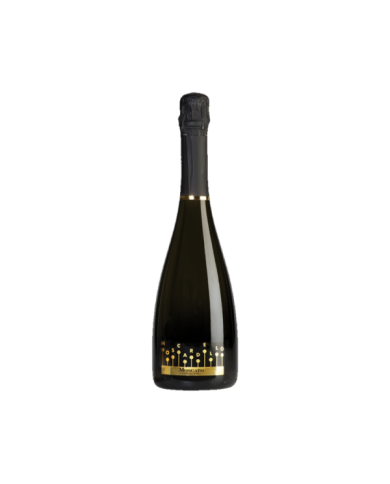
Vino Moscato Dolce Moscardello is the ancient dialect name given to this delicious sweet wine. It is a precious and limited production, obtained from the noble Moscato vine. To enhance its typical characteristics, the grapes are subjected to careful vinification with "natural" fermentation, which contributes to making Moscardello a jewel of Abruzzo enology. Vinification: In white, with crushing and soft pressing of the grapes. Fermentation: the base must ferments at a controlled temperature in an autoclave with selected yeasts. Second fermentation lasts about 15-20 days. Color: Straw yellow, with greenish reflections. Smell: Typically aromatic. Taste: Sweet, balanced, persistent.
€8.02
€6.43
€6.43
SKU:
6600
Brand:
Podere Castorani
Prosecco di Treviso has conquered many consumers. Always present on the wine lists of restaurants and on the tables of connoisseurs, it symbolizes festivity and sparkling elegance. Very versatile, delicate and refined, it brings joy and vivacity with it. The notes of Golden apple, pear, white pulp fruit and wisteria flowers are unmistakable on the nose. The taste is balanced between acidity and softness.
SKU:
6597
Brand:
Podere Castorani
Prosecco di Valdobbiadene DOCG Millesimato · Colour: straw yellow with greenish reflections with very fine and persistent foam.
Sparkling Wine Sales: How to Choose the Best and Pair It with Food
Sparkling wine is a festive and lively wine, ideal for accompanying celebrations and convivial gatherings. In Italy, sparkling wine production is highly diverse and includes a wide range of varieties, from Prosecco to Champagne, including Franciacorta and Trento DOC .
In this article, we'll guide you through the world of sparkling wines, with tips for choosing the right wine for your preferences and occasions, food pairings, and tasting suggestions.
How are sparkling wines produced?
Sparkling wines are produced through a fermentation process that allows the wine to produce bubbles. There are two main methods for producing sparkling wines: the Classic Method and the Charmat Method.
Each sparkling wine has its own production method, which influences both its flavor and final price. The main production methods are the Classic Method, the Charmat Method, and the Martinotti Method.
The Classic Method is the most expensive and artisanal method used to produce high-quality sparkling wines such as Champagne. In this method, the second fermentation takes place in the bottle, with the yeast settling at the bottom of the bottle and being removed through the disgorging process. This process requires considerable time and attention, which is reflected in the final price of the product.
The Charmat Method is used to produce lighter, fruitier sparkling wines. In this method, the secondary fermentation takes place in large stainless steel tanks, where the wine is kept under pressure to create carbonation. After fermentation, the wine is filtered and bottled.
The Martinotti Method , also known as the Italian Method or the Tank Method, is a modern method used to produce high-quality sparkling wines such as Prosecco. In this method, the secondary fermentation takes place in large stainless steel tanks, where the wine is kept under pressure to create carbonation. After fermentation, the wine is filtered and bottled.
In addition to the production method, the type of grape used also influences the flavor and final price of the sparkling wine. The main grape varieties used to produce sparkling wines are Chardonnay, Pinot Noir, and Glera.
Chardonnay is a white grape used to produce high-quality sparkling wines like Champagne. It has a fruity flavor and a buttery note.
Pinot Noir is a black grape used to produce high-quality sparkling wines such as rosé Champagne. It has an intense and complex flavor, with notes of berries and spices.
Glera is a white grape used to make Prosecco. It has a fresh and fruity flavor, with notes of green apple and pear.
Ultimately, choosing a sparkling wine depends on your personal taste and the occasion for which you're drinking it. Sparkling wines are an excellent choice for parties and celebrations, but they can also be enjoyed as an aperitif or with a light meal. With the wide range of sparkling wines available on the market, there's sure to be one to suit every taste and budget.
Related posts