

 Italiano
 Deutsch










There are no more items in your cart
SKU:
14820
Brand:
CVA Canicattì
€10.90
€8.72
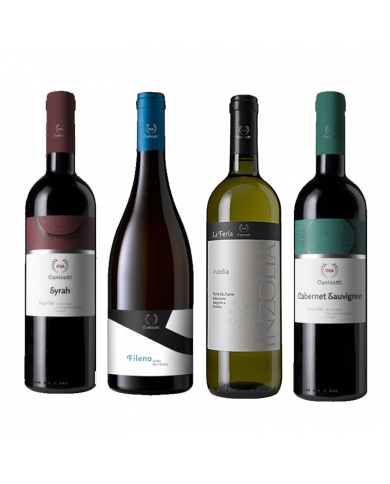
CVA's Grillo Fileno is the best white wine in Italy
The highest score ever, among the Italian white wines offered for tasting at the Concours Mondial de Bruxelles 2022: Fileno, harvest 2021, Grillo in purity, is the best white wine in Italy. An extraordinary result for CVA, a small but prestigious wine cooperative in the Agrigento area.
€10.90
€8.72
SKU:
14652
Brand:
CVA Canicattì
Fileno, harvest 2021, 100% Grillo, is the best white wine in Italy. An extraordinary result for CVA, a small but prestigious wine cooperative in the Agrigento area.
From the vinification of Nero d'Avola and Nerello Mascalese grapes, a rosé wine of great pleasure and fragrance takes shape. Intense in the aromas, elegant, savory and mineral on the palate.
Faithful to tradition yet modern and innovative. Inzolia in purity, a wine with its aromatic characteristics, which stands out for its savory and mineral taste.
€32.90
SKU:
14617
Brand:
Feudo Arancio
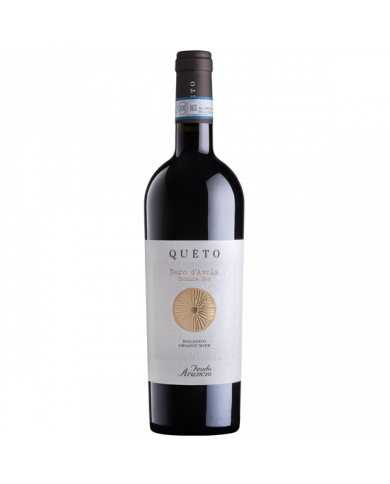
Wine produced from organically grown Nero d'Avola grapes on the Sambuca di Sicilia estate, in the province of Agrigento. The vines are covered with grass and set on a gentle hill (300 meters slm ) which is particularly ventilated and characterized by clayey soils. The vineyard is located in the area of the company most exposed to winds and currents, so as to minimize the pressure of cryptogams.
€17.42
SKU:
14610
Brand:
Feudo Arancio
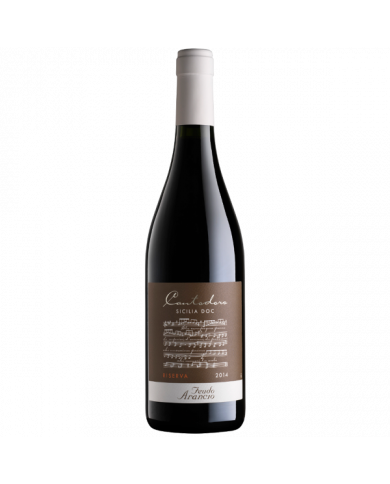
This wine, 100% Frappato, expresses the nobility and richness of one of the oldest Sicilian vines. Frappato is among the southernmost red berried varieties in Europe. Its historic enographic site is Vittoria, the youngest city in the Ragusa area lying in the lower Ibleo plain. This vine is suitable for the production of red wines with low coloring intensity, typical of a young red wine.
€10.86
€8.69
SKU:
14609
Brand:
Feudo Arancio
Nero d'Avola and Cabernet Sauvignon come together to give life to a wine that expresses the two souls of Sicily, a land of great native vines such as Nero D'Avola, but also a land that has happily welcomed international vines such as Cabernet Sauvignon. Nero d'Avola: grapes harvested around the second week of September, alcoholic fermentation with selected yeasts at 24-25°C for 14-16 days, malolactic fermentation with selected bacteria, maturation for 8 months in French barriques with 2 years aging and light toast. Cabernet Sauvignon: grapes harvested around the first week of October, fermentation and alcoholic maceration with selected yeasts at 26-28°C for 16-18 days, malolactic fermentation with selected bacteria, maturation for 12 months in French barriques with 3-year aging and medium roast. Blend: at the end of the maturation in wood, the Nero d'Avola and Cabernet wines are blended and further maturation of 4 months in barriques follows to favor the fusion of the aromas of the two different varieties. This is followed by bottling and subsequent maturation in the bottle for 8 months.
€17.20
SKU:
14608
Brand:
Feudo Arancio
Variety of Middle Eastern origin which is best expressed in Sicily thanks to the intense luminosity and uniqueness of the soils. It is a medium-late variety, ripening around the end of September. The grapes are grown both in Sambuca di Sicilia, in the province of Agrigento, and in Acate, in the province of Ragusa. In the first estate, a more mature and structured wine is obtained, while in the second, a more delicate and fruity product is obtained. The type of training used is espalier, with an average planting density of 4,500 plants per hectare. Harvesting of the grapes at perfect phenolic ripeness, destemming and alcoholic fermentation with the skins for 10-12 days at 25-26°C, malolactic fermentation with selected bacteria, maturation for 10 months in French oak barriques.
€11.10
SKU:
14537
Brand:
Vivera
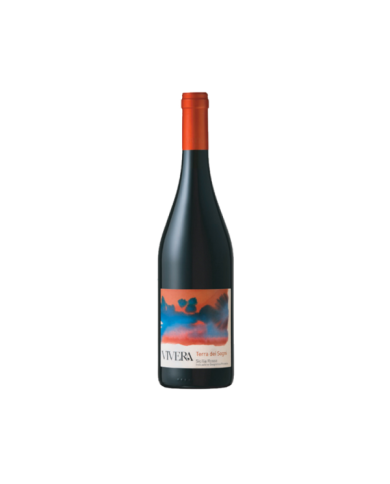
Ruby red wine with violet reflections. It has notes of red fruits, jam and sweet spices on the nose with a finish of vanilla and cocoa. In the mouth it is fresh, tannic and persistent Tagliatelle with ferla mushrooms, pasta with meat sauce, roast pork in milk with homemade bread croutons, grilled meat, walled octopus
€11.25
SKU:
14536
Brand:
Vivera
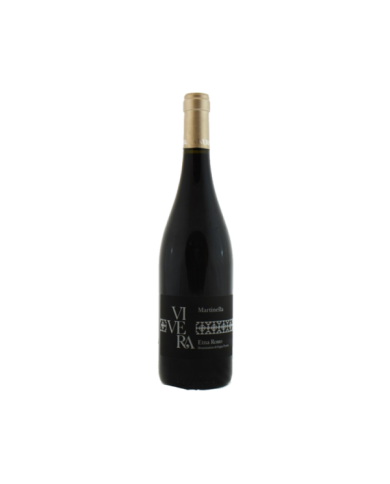
Etna Rosso "Martinella" is a rich, intense and elegant wine that is born in the homonymous district at 600 m on the slopes of the volcano, aged for 30 months in old barriques. It has a deep but delicate bouquet of wild fruit in jam, spices, pepper and undergrowth. On the palate it is decisive, energetic and vigorous, with grace and gracefulness, with lively and soft tannins on the finish
€24.96
SKU:
14319
Brand:
Cantina Orsogna
Organic and Biodynamic Wine (Demeter) > Spontaneous fermentation > Natural tartaric stabilization
€13.86
SKU:
14241
Brand:
Filippo Grasso
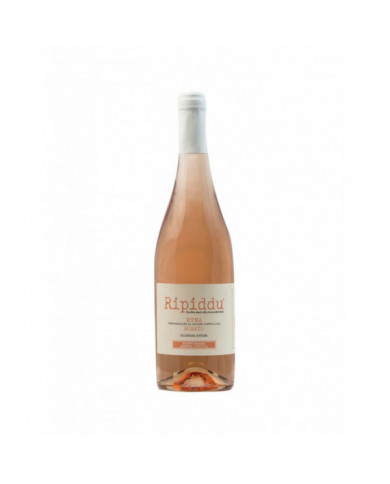
A rosé that well represents the expression of Etna terroir, Etna Rosato is a wine that pours into the glass with a pink color comparable to the color of onion skin. The olfactory examination reveals an intense aroma with the prevalence of aromas of red fruits and cherry. A fresh wine, with good acidity and aromatic intensity that make this cup very pleasant on the palate and easy to drink.
€17.21
SKU:
14240
Brand:
Filippo Grasso
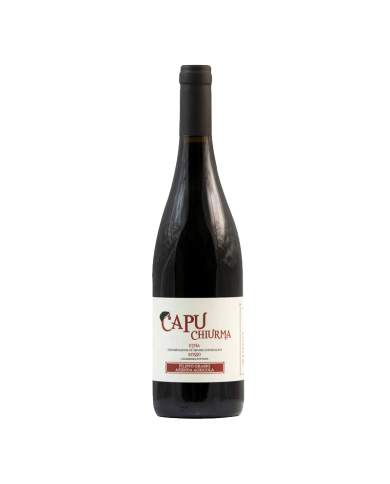
Ruby red with violet reflections, broad and persistent nose, full and harmonious in the mouth, it reflects the typicality of the old vineyards of Etna.
€20.09
SKU:
14239
Brand:
Filippo Grasso
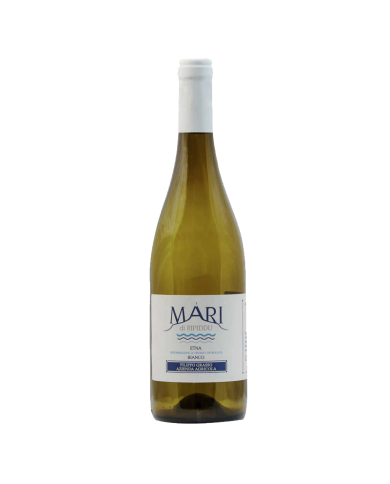
An elegant white, with well-marked mineral notes and a persistent and pleasant flavor on the palate. Excellent glass to combine, in order to be able to savor its exceptional qualities to the fullest, with seafood first courses, grilled roasted fish, shellfish and seafood appetizers.
€19.98
€16.99
SKU:
14238
Brand:
Filippo Grasso
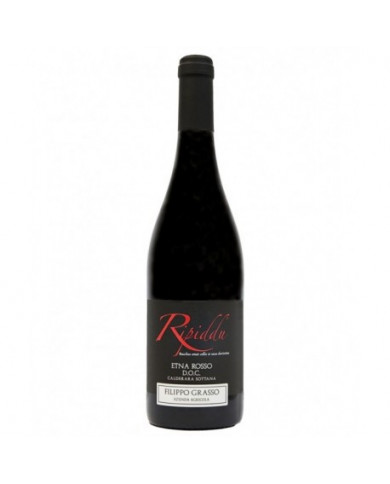
Etna Rosso Ripiddu Filippo Grasso is produced from Nerello Mascalese and Nerello Mantellato grapes on the Etna volcanic soil and precisely on the North Slope of Etna, in the Randazzo area, in Contrada Calderara.
€16.96
SKU:
14237
Brand:
Filippo Grasso
Carrico 68.8 is a "volcanic" wine from all points of view, produced on the northern slope of Etna and with an inimitable flavour. The soil composed almost exclusively of volcanic stones give the wine a unique minerality and flavour. The grapes, harvested during the first week of October, are then delicately pressed and then left to ferment at a controlled temperature. The nose offers a floral and fruity aroma with the prevalence of aromas of white pulp fruit. A wine with an Etna flavor and character that is always well appreciated by lovers of Sicilian wines. A white with well-marked mineral notes and a very pleasant sour taste on the palate. To be tried in combination with fish-based courses, seafood first courses and shellfish to be able to savor its exceptional qualities to the fullest.
€15.98
SKU:
14141
Brand:
Principe di Corleone
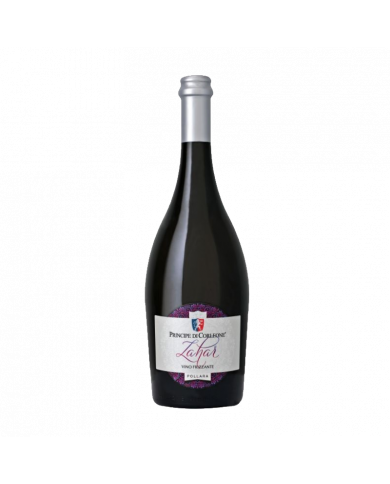
It is a sparkling wine with excellent luminosity and a pale yellow colour. Fresh, pleasant, easy to drink, it is an interesting alternative to the classic sparkling wine. It is perfect for brightening up moments of conviviality.
€12.60
SKU:
14140
Brand:
Principe di Corleone
€26.23
€20.98
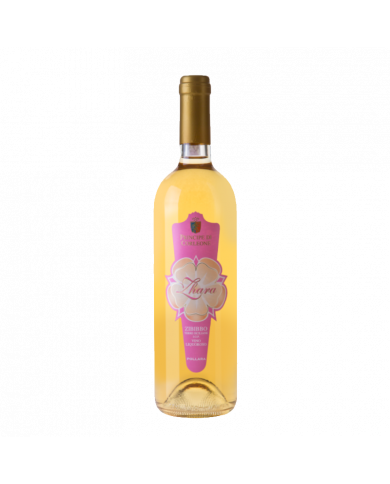
From one of the most typical Sicilian vines and from the selection of the best zibibbo grapes ripened on the island in the warm African wind, this classic of great charm is born. Intense and aromatic, it has a complex and decisive aroma and its combination with spicy cheeses, once tried, is difficult to forget.
€26.23
€20.98
SKU:
14139
Brand:
Principe di Corleone
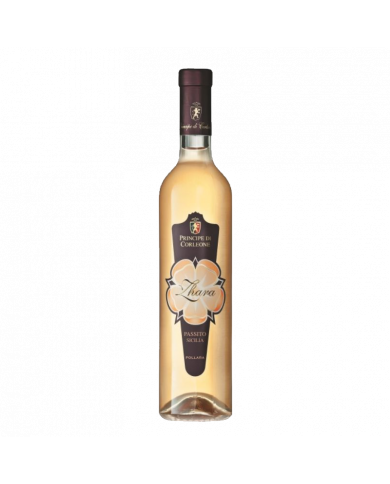
Produced from a careful selection of Moscato from Sicily, Lo Zhara Passito is an excellence thanks to a unique and inimitable relationship between sweetness and freshness. Harmonious, enveloping, perfect, it is a sweet wine capable of a very long aging in the bottle, the emotions are guaranteed after many years. The grapes, dried on racks, are pressed and left to macerate for about 5 hours, then they are softly pressed and fermented at 18-20°.
€17.28
SKU:
14137
Brand:
Principe di Corleone
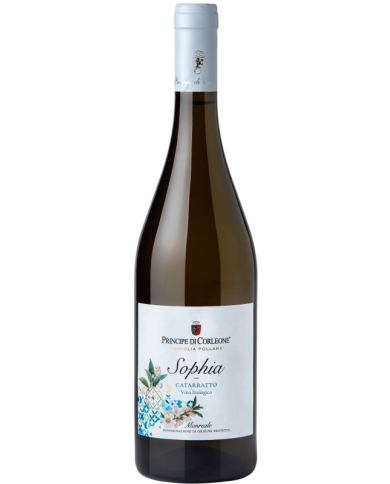
Obtained from Catarratto grapes from organic farming, it has a straw yellow color with greenish reflections. Ample bouquet with hints of white flowers and a strong, full and harmonious flavour. Ideal with all dishes based on fish, shellfish and soft cheeses.
€21.01
SKU:
14136
Brand:
Principe di Corleone
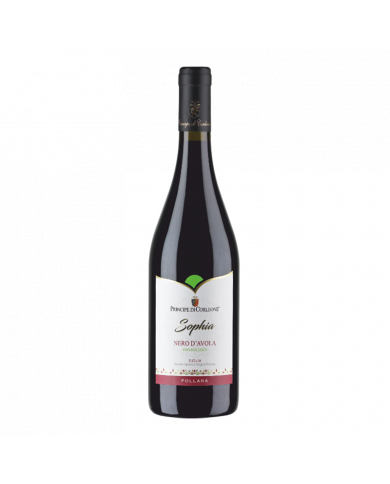
Obtained from Nero d'Avola grapes from organic farming, it has a ruby red colour. Fruity aroma with delicate hints of peanuts and almonds and a full-bodied flavor with a concentration of gentle tannins. It elegantly accompanies all types of dishes. Ideal with medium texture cheeses.
€10.54
SKU:
14133
Brand:
Principe di Corleone
It reinterprets one of the most widespread grape varieties in the Mediterranean in a modern key. Terre Siciliane Syrah IGT wants to be, in the name, a tribute to the warm southeast wind of the ancient city of Syracuse, it is a full-bodied wine of great consistency, enveloping and palpitating.
€17.08
SKU:
14132
Brand:
Principe di Corleone
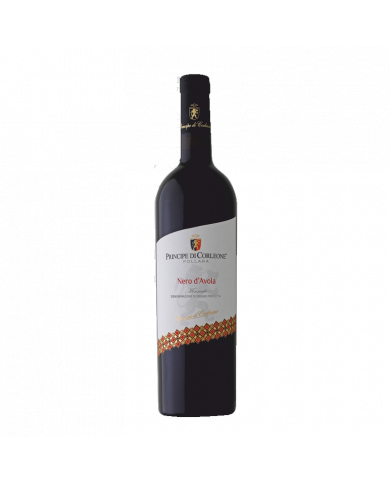
A great Sicilian classic that represents one of the historic vines of Sicily. A Nero d'Avola of rare elegance that stands out. Ruby red in color with violet reflections, it has an intense and fragrant aroma. The taste is fine and elegant, warm, dry, full-bodied.
€7.95
SKU:
14131
Brand:
Principe di Corleone
Among the first pure Cabernet Sauvignon produced in Sicily. For his personality and originality he has been awarded many times over the years. Expresses the territory from which it comes: Corleone. With a purplish-red colour, it has a complex and persistent aroma, reminiscent of blackcurrant fruits and spices.
€15.12
SKU:
14130
Brand:
Principe di Corleone
Quercus Nero d'Avola Dop Sicilia is the most important Nero d'Avola of the Pollara family. It ages for 24 months in Allier and Never oak barriques. It expresses elegance, power, balance. It enhances the unique scents of the lands of Sicily.
€15.12
SKU:
13282
Brand:
Gulfi
Nerobaronj is characterized by an intense ruby red color with violet reflections. On the nose, aromas of ripe red fruit can be perceived, such as cherry and plum, combined with spicy and slightly herbaceous notes. In the mouth it is a very structured wine, with well-present but balanced tannins and a fresh and vibrant acidity. The finish is long and persistent, with hints of fruit and spices that come together in a pleasant harmony.
Discover the Secrets of Sicilian Wines: A Journey Through Southern Italy's Winemaking Tradition
Sicily is one of Italy's richest regions, both for its history and its winemaking tradition. Sicilian wines are among the most appreciated in the world and are renowned for their quality. In this article, we'll discover the secrets of these delicacies and how to best enjoy them.
Sicilian Wines: An Ancient and Rich History
The tradition of winemaking in Sicily dates back to the Greco-Roman period, when the island was rich in native grape varieties. Over the centuries, Sicilian wine production has remained central to the region's culture and economy. Today, Sicilian wines are renowned worldwide for their unique quality.
Sicilian Wines: Varieties and Characteristics
Sicilian wines come in numerous varieties. The most famous are Nero d'Avola, Nerello Mascalese, Frappato, and Grecanico. These wines are characterized by a great aromatic complexity: hints of red fruits, spices, flowers, and vanilla. Nero d'Avola is an intense, full-bodied red wine, while Nerello Mascalese is lighter and fruitier. Frappato is a light, aromatic rosé, while Grecanico is a fresh, fruity white wine.
How to choose the right wine
Choosing the right wine depends on personal preference and the occasion. For example, if you want to drink a high-quality red wine, then you should opt for a Nero d'Avola. If you want a lighter, fruitier wine, you can choose a Nerello Mascalese. For a white wine, Grecanico is an excellent choice.
How to serve a Sicilian wine
To fully enjoy a Sicilian wine, serve it at a temperature of 18-20°C. Red wines are best served in fairly large glasses with a wider base and a narrower top. White wines, on the other hand, are best served in smaller glasses with a narrower base and a wider top.
The right match
Each wine has its own ideal pairing. For example, Nero d'Avola is a very versatile wine and pairs well with meat dishes, such as grilled steak. Nerello Mascalese, on the other hand, pairs better with fish or vegetable dishes. Frappato is a wine that pairs well with lighter dishes, such as a mixed salad. Grecanico is a wine that pairs well with fish or vegetable dishes.
5 tips for Sicilian wines
1. Choose a quality wine. Sicily is rich in excellent wines, so choose a product from a reliable producer.
2. Taste more wines. Taste several Sicilian wines to find out which one you like best.
3. Store your wine well. Store Sicilian wines in a cool, dry place away from heat sources.
4. Choose the right pairing. Pair Sicilian wines with the right dishes for a unique tasting experience.
5. Don't be shy. Don't hesitate to drink Sicilian wine and experiment with new varieties.
Discovering the secrets of Sicilian wines is a unique experience. Sicily is one of Italy's richest regions, and Sicilian wines are among the finest in the world. In this article, we've explored the history of these wines, their characteristics, how to choose and serve a Sicilian wine, and how to pair it with the right dishes. By following these tips, you'll be able to fully enjoy these delicacies and discover the secrets of Sicilian wines.
Sicilian Wine Denomination
Sicily is a region renowned worldwide for its wine production. Thanks to its Mediterranean climate, volcanic activity, and rich soil, the island produces some of the world's most prized wines. In this article, we'll explore Sicily's main wine appellations, their grape varieties, and their sensory characteristics, to discover the excellence of Sicilian winemaking.
Introduction to wine production in Sicily
Wine production in Sicily has ancient roots, dating back to the times of the Greeks and Romans. The region boasts a wide variety of terrain, from the volcanoes of Mount Etna and the Aeolian Islands to the inland hills, which allow for the cultivation of numerous native and international grape varieties. Thanks to the use of innovative techniques and a focus on quality, Sicilian wine production is constantly growing, offering the market high-quality wines capable of satisfying every palate.
The main denominations of Sicilian wines
Sicilian wine designations are divided into four main categories: Controlled Designation of Origin (DOC), Controlled and Guaranteed Designation of Origin (DOCG), Typical Geographical Indication (IGT), and Table Wines. Let's look at the characteristics of each in detail.
Controlled Designation of Origin (DOC)
The Controlled Designation of Origin (DOC) is a quality label awarded to wines that meet specific production criteria. Sicily has 23 DOCs, including Cerasuolo di Vittoria, Moscato di Pantelleria, and Etna Rosso.
Vittoria Cherry
Cerasuolo di Vittoria is a red wine produced in the southeastern part of the island, in the province of Ragusa. It is made with Nero d'Avola and Frappato grapes, in varying percentages, and has a deep ruby red color, a fruity aroma, and a dry, smooth flavor. It pairs perfectly with red meats, cured meats, and aged cheeses.
Moscato di Pantelleria
Moscato di Pantelleria is a sweet wine produced on the island of Pantelleria, located southwest of Sicily. The wine is made from the Moscato di Alessandria grape, locally known as Zibibbo, and has a deep golden yellow color, a rich, aromatic aroma, and a sweet, mellow flavor. It pairs perfectly with sweets and desserts.
Etna Red
Etna Rosso is a red wine produced on the slopes of Mount Etna, Europe's highest active volcano. This wine is made primarily from the native Nerello Mascalese grape, which grows on volcanic soils at high altitudes.
What is the most famous wine in Sicily?
A: Sicily's most famous wine is Etna Rosso, a red wine produced on the slopes of Mount Etna.
Controlled and Guaranteed Designation of Origin (DOCG)
The Controlled and Guaranteed Designation of Origin (DOCG) is the highest expression of Italian wine quality. Sicily has only one DOCG, Cerasuolo di Vittoria. This dry red wine is produced in the Vittoria area, in the province of Ragusa, with varying percentages of Nero d'Avola and Frappato grapes. The wine has a ruby red color, a fruity aroma, and a smooth, persistent flavor. It pairs perfectly with red meats, cured meats, and aged cheeses.
Typical Geographical Indication (IGT)
The Indicazione Geografica Tipica (IGT) designates wines produced in a specific geographical area and possessing certain distinctive characteristics. In Sicily, there are four IGTs: Terre Siciliane, Salina, Val di Mazara, and Alcamo. IGT wines can be made with international grape varieties, such as Chardonnay, Cabernet Sauvignon, and Merlot, as well as native varieties.
Table Wines
Table wines are wines produced in Sicily that do not fall into the DOC, DOCG, or IGT categories. Despite this, many of them are of the highest quality, produced with native grapes and using artisanal methods. Among the best-known are Nero d'Avola and Grillo.
Sicily is a region with a long winemaking tradition, renowned worldwide for the quality of its wines. Thanks to its volcanoes, Mediterranean climate, and diverse soils, the island produces exceptionally high-quality wines, capable of satisfying every palate. From DOC to IGT, from white to red, Sicilian wine production is a true oenological excellence.
FAQ
What are the native grape varieties of Sicily?
Among the main native grape varieties of Sicily are Nero d'Avola, Frappato, Inzolia, Grillo and Zibibbo.
How many DOC wines are there in Sicily?
In Sicily there are 23 DOC wines.
What are the main pairings for Sicilian wines?
Sicilian red wines pair perfectly with red meats, cured meats, and mature cheeses, while white wines are ideal with fish dishes, seafood, and fresh cheeses.
What is the difference between DOC and DOCG?
The main difference between DOC and DOCG is that the DOCG guarantees a higher quality of wine, with even more stringent production criteria and more frequent inspections.
What are the best-known wines of Sicily?
Among the best-known wines of Sicily are Etna Rosso, Cerasuolo di Vittoria, Nero d'Avola, and Grillo.