

 Italiano
 Deutsch










There are no more items in your cart
SKU:
13614
Brand:
Carpineto
€5.98
€4.78
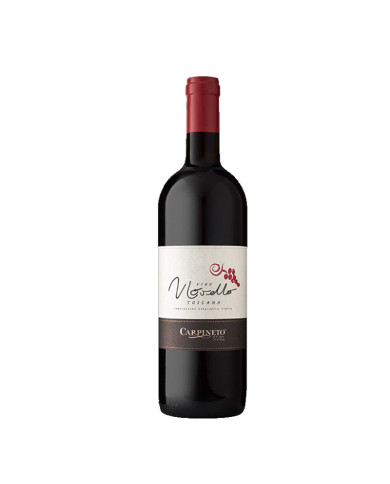
Novello wine is the first product to be consumed from the harvest. However, by novello we do not mean only the new wine of the vintage, but the wine produced with particular techniques, designed to give those peculiar aromas and those characteristics of softness and roundness that make it suitable for immediate consumption.
SKU:
13604
Brand:
Fattoria le Pupille
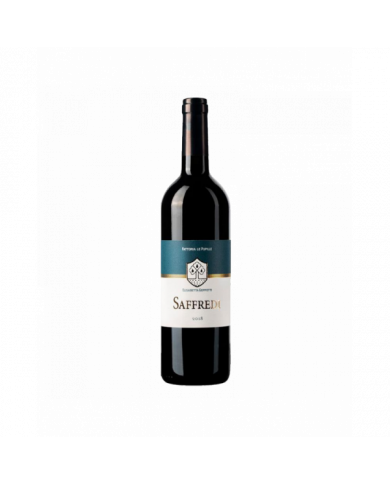
Saffredi is a robust, rich and complex Supertuscan, produced with a Bordeaux blend and aged in barriques for 18 months. Ample and intense hints of berries, spices and balsamic herbs emerge from a round and velvety texture, of great balance and persistence: an exuberant expression of the Tuscan Maremma
€89.67
SKU:
13598
Brand:
Fattoria le Pupille
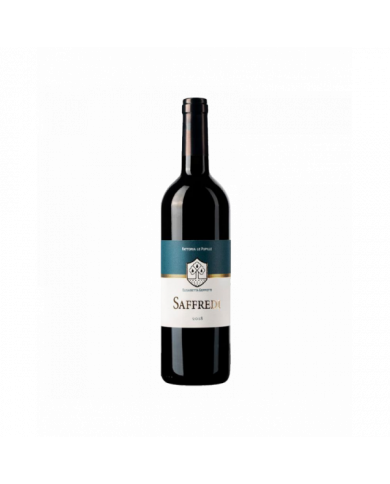
Saffredi is a robust, rich and complex Supertuscan, produced with a Bordeaux blend and aged in barriques for 18 months. Ample and intense hints of berries, spices and balsamic herbs emerge from a round and velvety texture, of great balance and persistence: an exuberant expression of the Tuscan Maremma
€93.12
SKU:
13498
Brand:
Ferrari
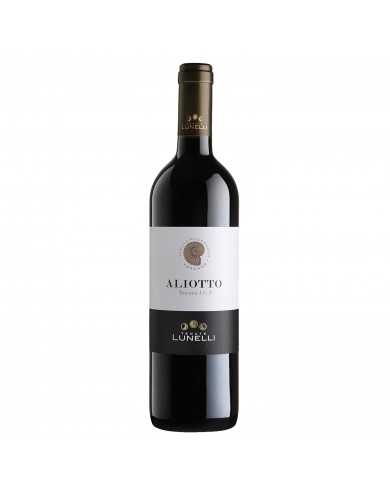
The Toscana Rosso Aliotto of Tenute Lunelli was born in vineyards located in the Podernovo estate, in the municipality of Terricciola, in the extraordinary terroir of the Pisan hills.
€11.10
SKU:
13467
Brand:
San Giusto a Rentennano
€12.35
€10.49
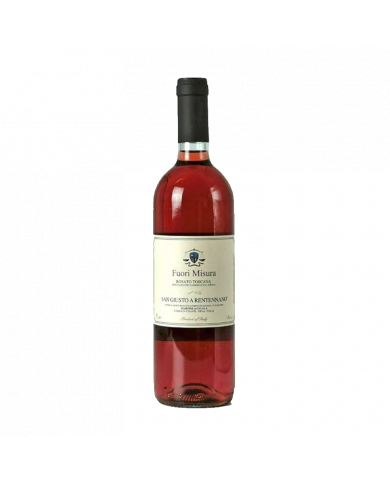
Yield per vine 1 kg, harvest 25-28 September. The wine is obtained by extracting the must from the Chianti Classico, Riserva, Percarlo, Ricolma tanks within 12-24 hours of placing the grapes, and partly with grapes (Merlot, Sangiovese, Canaiolo) harvested early and vinified in white. Slow fermentation at a temperature below 23°C, with the addition of about 15% of de-stemmed grapes. Maturation for 5 months in steel. The wine is subjected to light filtering, so it may have natural sediment. 8,200 bottles bottled on March 20th. Organic wine.
€12.35
€10.49
€10.90
SKU:
13386
Brand:
Avignonesi
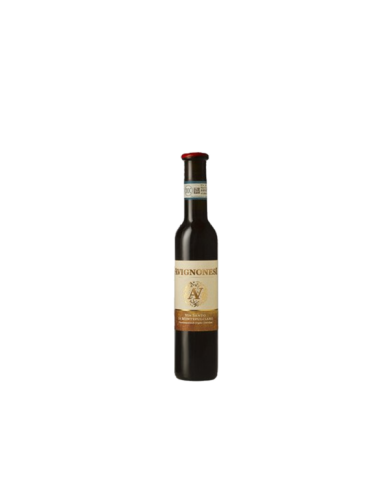
Avignonesi 's Vin Santo di Montepulciano is a sweet wine of great elegance obtained from Malvasia and Trebbiano and aged for 10 years in casks. The nose releases intense aromas of caramel, chocolate, honey, orange peel and Mediterranean herbs. The taste is rich and enveloping with notes of figs, almonds, lemon and coffee
€54.83
SKU:
13385
Brand:
Avignonesi
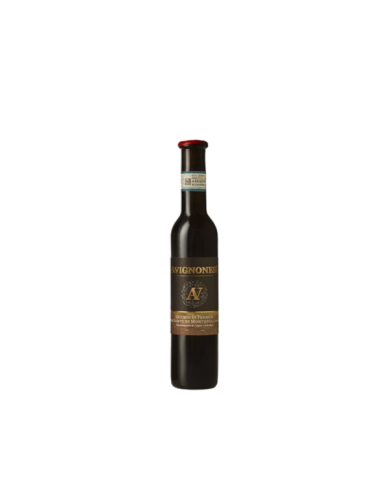
Avignonesi 's Vin Santo Occhio di Pernice is an extraordinarily rich sweet wine, produced from Sangiovese grapes and aged for 10 years in kegs. It exudes aromas of dates, dried fruit, panforte and sweet spices. On the palate it is sweet and sensual, infinite, with notes of cedar, salty candies and freshly baked biscuits
€82.24
SKU:
13363
Brand:
San Felice
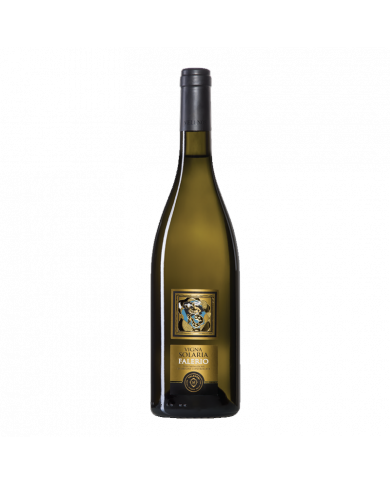
This selection of chardonnay, sauvignon blanc and semillon grapes is the demonstration of how an excellent white wine can also be produced in a territory more traditionally suited to the production of red grapes. Chardonnay, harvested when fully ripe, brings structure and complexity to the Sauvignon freshness and acidity. The small French oak barrels, where part of the wine ferments and ages for about 9 months, give it a pleasant and discreet toasted note.
€13.76
SKU:
13273
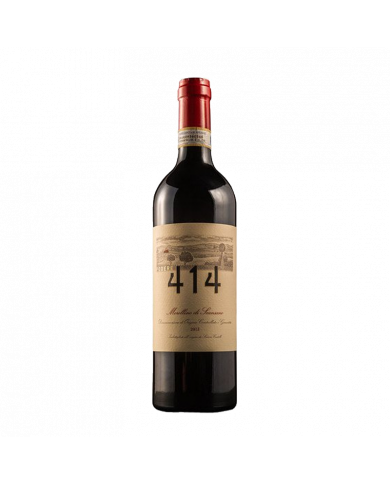
Morellino di Scansano del Podere 414 is a medium-bodied, soft and fresh red wine, aged for 12 months in wood. The notes of red fruit and sweet spices integrate with the fine and smooth tannins in a balanced and expressive structure, with good intensity and persistence
€24.95
SKU:
13261
Brand:
Carpineto
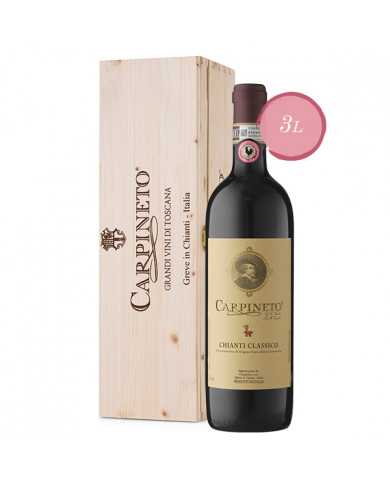
Chianti Classico Riserva is produced exclusively in the oldest wine-growing area of Tuscany, in a landscape of breathtaking beauty.
€103.58
SKU:
13256
Brand:
Carpineto
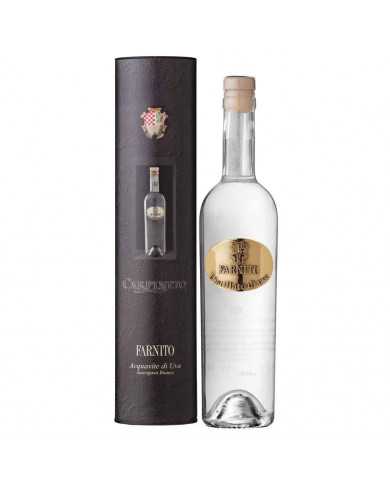
Obtained from fully ripe grapes from a vineyard located on the hills of the Valdarno. The must is macerated with its skins at a low temperature and is subsequently processed fresh from fermentation in an artisanal distillery not far from the cellar.
€29.40
SKU:
13252
Brand:
Carpineto
€13.00
Obtained from “muscat” aromatic quality grape juice, this sparkling wine aims to obtain the best balance between the varietal characteristics of the grape, the fruity aromas and the pleasantness of the residual sugar.
€13.00
SKU:
13247
Brand:
Carpineto
Tuscan Vinsanto… a wine whose origins are lost in the mists of time. Vinsanto in Tuscany is such an important wine full of meaning that it was difficult to buy, it was an ambition to make it at home with your own hands; in every family there was a person in charge of this art, usually the father or grandfather. The hypothesized origins of this exquisite drink, as well as those of its singular name are different and are lost in the mists of time. A Sienese legend says that in the 14th century a friar distributed a wine that healed the sick, hence the belief that it was a miraculous wine, "Santo". However, it cannot be excluded that the name "holy" derives from the use that has always been made of it during Mass.
€44.35
SKU:
13246
Brand:
Carpineto
Camponibbio is a large vineyard located at high density located in the southern part of our company of Chianciano in the province of Siena. It is divided into nine plots in which different vines are grown in different clones. Each harvest, the grapes of the varieties that have responded best to the seasonal trend are chosen. The blend essentially, made up of Sangiovese, Cabernet Sauvignon and Merlot, varies year by year, in percentages and varieties.
€35.60
SKU:
13245
Brand:
Carpineto
€35.60
€32.04
Camponibbio is a large vineyard located at high density located in the southern part of our company of Chianciano in the province of Siena. It is divided into nine plots in which different vines are grown in different clones. Each harvest, the grapes of the varieties that have responded best to the seasonal trend are chosen. The blend essentially, made up of Sangiovese, Cabernet Sauvignon and Merlot, varies year by year, in percentages and varieties.
€35.60
€32.04
SKU:
13244
Brand:
Carpineto
€27.69
€24.92
From the vineyard of our "Valcolomba" estate, set in the characteristic Maremma area not far from the sea, comes this wine with a marked typicality. The intense colour, the wide olfactory bouquet, the important depth, the softness and the balance, define the contours of its great elegance.
€27.69
€24.92
SKU:
13243
Brand:
Carpineto
€12.97
€9.08
Produced from grapes from our vineyards on our Chianciano/Montepulciano estate at an altitude of 300 meters above sea level.
€12.97
€9.08
SKU:
13241
Brand:
Carpineto
Obtained from Chardonnay wines, chosen from the production of different vintages, the oldest of which were kept in fine oak barrels. This singular sparkling wine is produced in very limited quantities, being the result of a long selection.
€17.90
SKU:
13240
Brand:
Carpineto
€9.02
€8.11
This is certainly the best known Italian wine in the world and is produced in Central Tuscany.
€9.02
€8.11
SKU:
13239
Brand:
Carpineto
€8.82
€5.29
"Mediterranean", this is the character of Vermentino produced in Maremma. The terroir strongly defines its organoleptic profile, merging all its aspects with the features of this wonderful land.
€8.82
€5.29
SKU:
13236
Brand:
Carpineto
€10.37
€8.81
This is certainly one of the most innovative wines produced to date. It contains all those characteristics that are most appreciated in wine: the fruity and fragrant aromas, the lively and deep colours, the strength of youth, the maturity of the wood, the softness of elegance.
€10.37
€8.81
SKU:
13234
Brand:
Carpineto
Chianti Classico Riserva is produced exclusively in the oldest wine-growing area of Tuscany, in a landscape of breathtaking beauty.
€69.26
SKU:
13233
Brand:
Carpineto
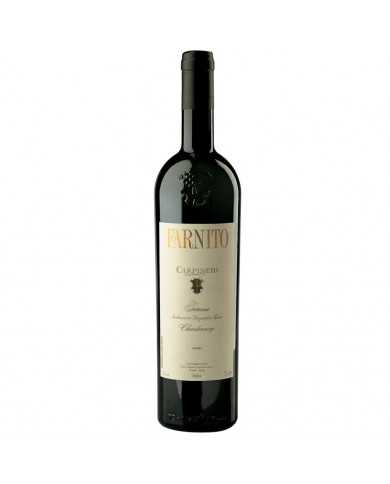
Produced with grapes from vineyards of the companies of Gaville (Florence) and Chianciano/Montepulciano (Siena), the latter planted at high density and considered by us to be particularly happy and suitable for producing great wines.
€54.90
SKU:
13230
Brand:
Carpineto
Produced in the oldest production area, as stated in the disciplinary that regulates it, this area gave its name to the wine and is the only one where Chianti Classico is produced. It extends between Florence and Siena in a territory of breathtaking beauty, made up of villages perched on the top of the hills, of olive trees cultivated in steep fields with an irregular outline and of cypresses lined up to delimit the innumerable dirt roads.
€32.12
SKU:
13226
Brand:
San Felice
Tradition and Future The first Supertuscan in Chianti Classico since 1968. It has an important history and today it stands out in the wine market of this category for a reason: it combines the tradition of international vines such as Cabernet and Merlot with the inclusion of a native variety, il Pugnitello, which is unique to San Felice .
€50.75
SKU:
13121
Brand:
Castello dei Rampolla
Liù is a red wine produced from 100% Merlot grapes. It is inspired by principles of purity of variety, of slenderness and substance that comes from the young harvest still combined, however, with an expression of substance. The expansion and freshness of the soils, in fact, guarantee a gradual and progressive ripening of the grapes even in the hottest years and the rigor of good agronomic practices. The average production is 6000 bottles
€75.15
SKU:
13120
Brand:
Castello dei Rampolla
Liù is a red wine produced from 100% Merlot grapes. It is inspired by principles of purity of variety, of slenderness and substance that comes from the young harvest still combined, however, with an expression of substance. The expansion and freshness of the soils, in fact, guarantee a gradual and progressive ripening of the grapes even in the hottest years and the rigor of good agronomic practices. The average production is 6000 bottles
€75.15
SKU:
13119
Brand:
Fattoria Felsina
The vineyards are located in Castelnuovo Berardenga, in the south-eastern part of the Chianti Classico production area, north-east of Siena.
€133.22
SKU:
13113
Brand:
Fattoria Felsina
Handcrafted grappa obtained by steam distillation in a discontinuous still using fresh pomace selected in Felsina. Naturally decanted without refrigeration and mechanical filtration, respecting the balance achieved after a long period in the cask.
€31.90
SKU:
13112
Brand:
Fattoria Felsina
Fontalloro della Fattoria di Felsina is a Tuscan red wine based on Sangiovese, considered an unmistakable territorial brand. The complex aromatic profile is drawn by dark shades of blackberry, licorice and black pepper with light hints of tobacco. The body is powerful and structured, with well integrated tannins and a finish with a pleasant aftertaste.
€143.47
SKU:
13111
Brand:
Fattoria Felsina
The vineyards are located in Castelnuovo Berardenga, in the south-eastern part of the Chianti Classico production area, north-east of Siena.
€240.83
SKU:
13110
Brand:
Fattoria Felsina
The vineyards are located in Castelnuovo Berardenga, in the south-eastern part of the Chianti Classico production area, north-east of Siena.
€66.90
SKU:
13109
Brand:
Fattoria Felsina
The vineyards are located in Castelnuovo Berardenga, in the south-eastern part of the Chianti Classico production area, north-east of Siena.
€62.59
SKU:
13108
Brand:
Fattoria Felsina
Chianti Classico constitutes the company's production base. The vineyards are located in Castelnuovo Berardenga, in the south-eastern part of the Chianti Classico production area, north-east of Siena.
€157.34
SKU:
13107
Brand:
Fattoria Felsina
Chianti Classico constitutes the company's production base. The vineyards are located in Castelnuovo Berardenga, in the south-eastern part of the Chianti Classico production area, north-east of Siena.
€61.92
Discover the best wines of Tuscany: an unforgettable experience!
Tuscany is one of Italy's most renowned wine regions, and for decades its excellent wines have been appreciated worldwide. Tuscan wines offer a range of flavors, from sweet and fruity to robust and intense. Furthermore, this region also boasts a rich traditional culture and a long history of winemaking, making it an ideal destination for tourists seeking an unforgettable food and wine experience.
Why is Tuscany famous for its wine?
Tuscany has a mild climate and rich, fertile soil, making it one of Italy's most suitable regions for wine production. The region is particularly known for its red wines, such as Chianti, Brunello di Montalcino, and Vino Nobile di Montepulciano. These wines are made from Sangiovese grapes, the most widely grown grape in Tuscany. The region also has a rich tradition of white wines, such as Vernaccia di San Gimignano, Vermentino, and Trebbiano.
How to choose the right Tuscan wine?
When choosing a Tuscan wine, the first thing to consider is your personal taste. If you prefer sweet, fruity wines, a white wine like Vernaccia di San Gimignano or Vermentino is the right choice. If you prefer more robust, structured wines, then a red wine like Chianti or Vino Nobile di Montepulciano is better.
Furthermore, it's also important to consider the vintage of the wine you're purchasing. Wine quality depends on the climatic conditions during the period in which the grapes were grown, so before purchasing a bottle, it's a good idea to ask the producer about the vintage.
Where to find Tuscan wines?
Tuscan wines are readily available in supermarkets and specialty shops, but to savor the finest, highest-quality wines, you can also visit a winery. Tuscany boasts numerous wineries that organize guided tours and tastings to showcase their wines. Visiting one is a truly unique experience, as you have the opportunity to learn firsthand how wine is made and taste the different varietals.
What are the most famous wines of Tuscany?
Tuscany's most famous wines are Chianti, Brunello di Montalcino, Vino Nobile di Montepulciano, and Vernaccia di San Gimignano. Chianti is a light and fruity red wine, while Brunello di Montalcino is a red wine with great intensity and structure. Vino Nobile di Montepulciano is a full-bodied and complex red wine, while Vernaccia di San Gimignano is a dry white wine with fruity and floral notes.
How to pair Tuscan wines?
Tuscan wines are ideal paired with meat, fish, vegetable, or cheese dishes. For example, Chianti pairs excellently with meat dishes such as roasts or braised meats, while Vino Nobile di Montepulciano is perfect with fish dishes such as cod or salmon. Brunello di Montalcino pairs well with vegetable dishes such as soups and broths, while Vernaccia di San Gimignano is ideal with aged cheeses.
How to store Tuscan wines?
Tuscan wines should be stored in a cool, dry place, away from heat and direct light. The ideal storage temperature is between 10 and 14°C. Red wines can be stored for up to 5 years, while white wines should not be stored for more than 2 years. Furthermore, it's important to remember that wines should be stored horizontally, so that the cork is always in contact with the wine.
Tuscan Wine Denomination
Tuscany is one of the most important wine regions in Italy and the world. The region is famous for its fine wines such as Chianti , Brunello di Montalcino , and Vino Nobile di Montepulciano. These wines have either a controlled designation of origin (DOC) or a controlled and guaranteed designation of origin (DOCG). In this article, we'll explore the appellations of Tuscan wines and how they're produced.
Introduction to the Wine Denominations of Tuscany
Wine appellations are a classification system that guarantees the quality and geographical origin of Italian wines. There are three levels of appellation: Vino da Tavola, DOC, and DOCG. Table wines have no geographical or grape variety restrictions, while DOC and DOCG wines are produced in specific geographical areas and with specific grapes.
DOC wines of Tuscany
Tuscan DOC (Denominazione di Origine Controllata) wines are produced in specific areas of the region and are made with specific grapes. These wines have strict production requirements, such as grape yield, alcohol content, and minimum aging time.
Chianti DOCG
Chianti is one of the best-known and most popular Italian wines, produced primarily in the Chianti region, between the cities of Florence, Siena, and Arezzo. The wine is made primarily from Sangiovese grapes and may also contain other red grapes such as Canaiolo, Colorino, and Merlot. Chianti DOCG is a dry red wine that can be classified by its aging period: Chianti, Chianti Riserva, and Chianti Classico .
Brunello di Montalcino DOCG
Brunello di Montalcino is a DOCG wine produced in the Montalcino area, in the province of Siena. It is made with Sangiovese grapes, known locally as Brunello. The wine is aged for at least five years and must be produced exclusively with grapes from the Montalcino area.
Vino Nobile di Montepulciano DOCG
Vino Nobile di Montepulciano is a DOCG wine produced in the Montepulciano area, in the province of Siena. It is made primarily from Sangiovese grapes and must be aged for at least two years. The name "Nobile" derives from this wine's reputation during the Renaissance.
IGT wines from Tuscany
IGT (Indicazione Geografica Tipica) is an Italian wine designation that indicates a broader geographical area than DOC and DOCG wines. These wines can be made with grape varieties other than those specified by the DOC and DOCG designations.
Super Tuscan
Super Tuscans are IGT wines produced in Tuscany that do not comply with the DOC and DOCG designations. These wines are often made with international grapes such as Cabernet Sauvignon, Merlot, and Syrah, and are aged in French oak barrels. Super Tuscans are generally full-bodied and intense red wines, with a high concentration of fruit.
Tuscany is a world-renowned wine region, and its controlled and guaranteed designations of origin guarantee the quality of its wines. Tuscan DOC and DOCG wines are produced in specific geographical areas and with specific grapes, while Tuscan IGT wines have fewer restrictions in terms of geographical area and grape variety. Each appellation has its own unique characteristics and offers a different tasting experience. Regardless of which wine you choose, Tuscan wines are definitely a winning choice.
Frequently Asked Questions
What are the main Tuscan wine denominations?
The main Tuscan wine denominations are Chianti DOCG, Brunello di Montalcino DOCG, Vino Nobile di Montepulciano DOCG and IGT.
What do DOC and DOCG mean?
DOC stands for Controlled Designation of Origin, while DOCG stands for Controlled and Guaranteed Designation of Origin. These designations guarantee the quality and geographical origin of Italian wines.
What are the production requirements for DOC and DOCG wines from Tuscany?
Tuscan DOC and DOCG wines have strict production requirements, such as grape yield, alcoholic strength, and minimum aging time.
What are Super Tuscans?
Super Tuscans are IGT wines produced in Tuscany that do not comply with the DOC and DOCG designations. These wines are often made with international grapes such as Cabernet Sauvignon, Merlot, and Syrah.
What are the most famous DOCG wines from Tuscany?
The most famous DOCG wines of Tuscany are Chianti DOCG, Brunello di Montalcino DOCG and Vino Nobile di Montepulciano DOCG .