

 Italiano
 Deutsch






There are no more items in your cart
SKU:
14578
Brand:
Ca' Rugate
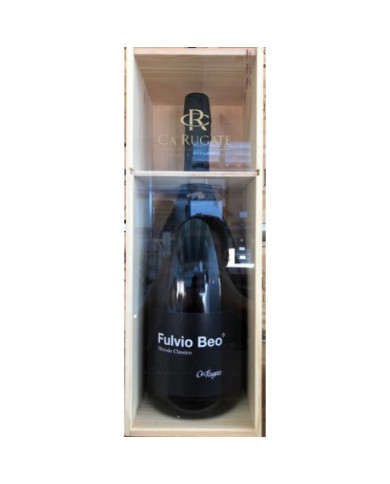
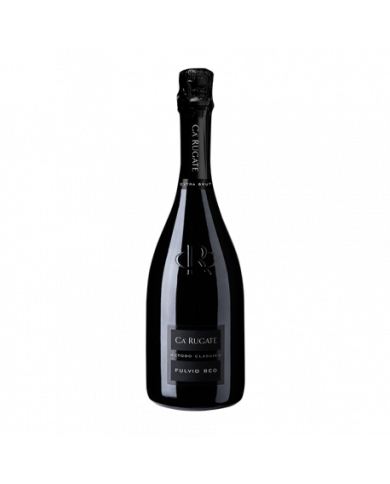
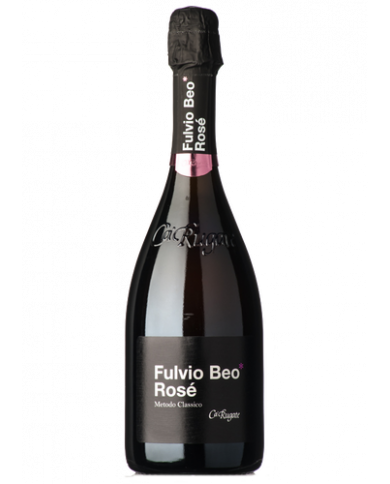
Fulvio Beo Classic Method Ca' Rugate has a straw yellow color with greenish reflections, it is a sparkling wine with a fine and persistent perlage. The nose releases a delicate hint of yeast with pleasant fruity notes. Harmonious, almost velvety flavour, with a dry finish.
€64.90
SKU:
14577
Brand:
Ca' Rugate
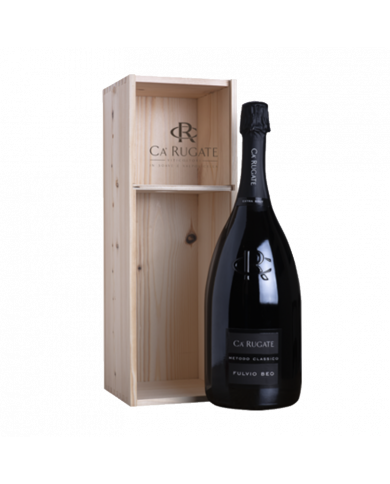
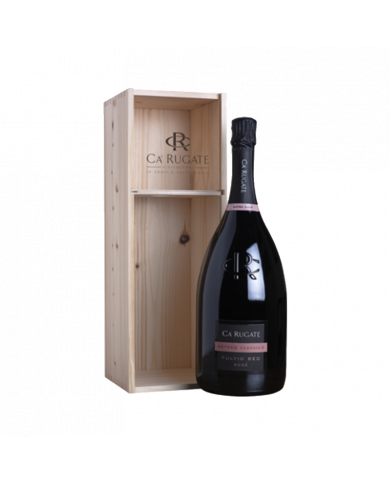
Fulvio Beo Magnum sparkling wine in wooden case from the Ca' Rugate winery comes from 100% Garganega grapes. The base wine is vinified entirely in steel so as not to alter the typical aromas and freshness. A complex and full-bodied sparkling wine, which highlights the great potential of the volcanic territory of the Soave area.
€61.61
SKU:
14576
Brand:
Ca' Rugate
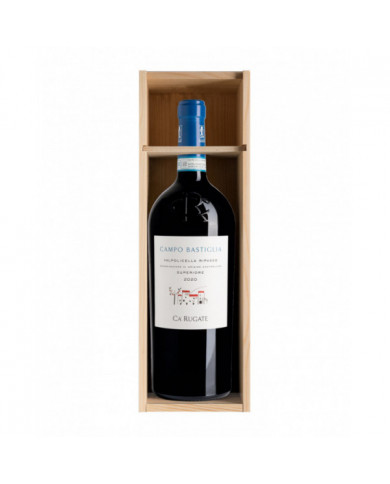
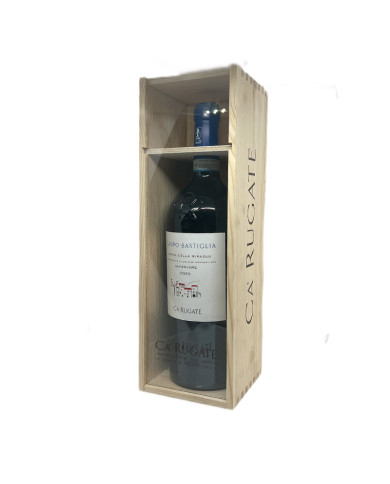
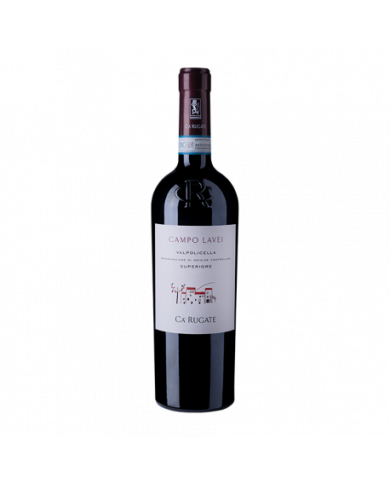
The Valpolicella Classico Superiore "Campo Bastiglia" by Cà Rugate has a deep garnet red colour. On the nose the aromas are fruity with notes of cherry and red fruit with floral and spice nuances. The taste is full and velvety thanks to the soft tannins that characterize it. Ripasso is a traditional practice which involves, after pressing the dried Amarone grapes, the refermentation of the pomace on a vintage wine. The subsequent refinement takes place 50% in tonneaux and 50% in steel for a period of about 8 months. The best grapes from the various owned vineyards are located in the hilly area of Montecchia di Crosara, in soils rich in skeleton and mainly calcareous. A great wine with excellent value for money.
€61.50
SKU:
14575
Brand:
Ca' Rugate
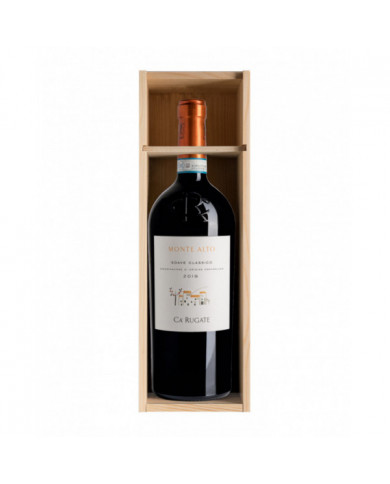
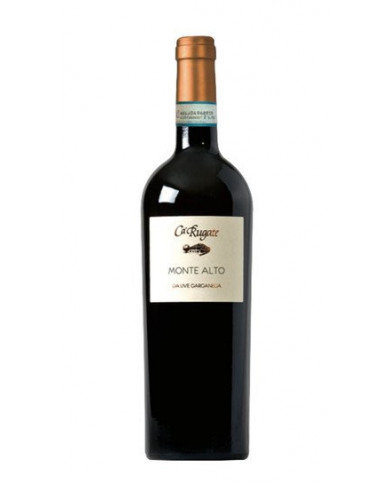
The Soave Classico "Monte Alto" is a soft and fragrant white wine from the Veneto region, which the aging on the lees in barriques and oak barrels has contributed to rounding out. On the nose emerge aromas of flowers, yellow fruit and almonds. The sip is enveloping, fresh and intense, with a good structure. The "Monte Alto" belongs to the group of crus of Ca' Rugate, historic company of the Tessari family, born in the heart of Valpolicella, between Monteforte d'Alpone and Montecchia di Crosara, and witness for over a century of a viticulture closely linked to local traditions and local vines. Spread over an area of over 4000 meters and divided over 3 levels, the cellar allows the company to concentrate all the processes of vinification, refinement, bottling and storage in a single location. The owned vineyards, located on the Rugate hill which gives the company its name, are cultivated partly with the Veronese pergola system, partly with the guyot system. On the south-facing slopes, where the cultivation of vines finds particularly favorable conditions, the soil is basaltic and rich in clay and silt. The area is vast and rather homogeneous, with characteristics that have made it possible to identify particular micro-areas, suitable for obtaining a fresh, balanced, persistent Soave Classico with great personality. These are the territorial premises that give rise to this warm and soft wine, with a structure capable of supporting a remarkable evolution after a few years of age, the Soave Classico "Monte Alto" is produced with the best grapes from the vineyards of Monteforte d'Alpone, bringing with it a varietal expression of extremely high quality which thus seals the great relationship established over time between the Ca' Rugate company and the hills of Soave.
€60.60
SKU:
14574
Brand:
Ca' Rugate
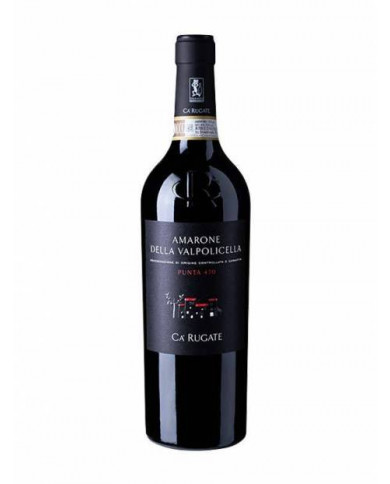
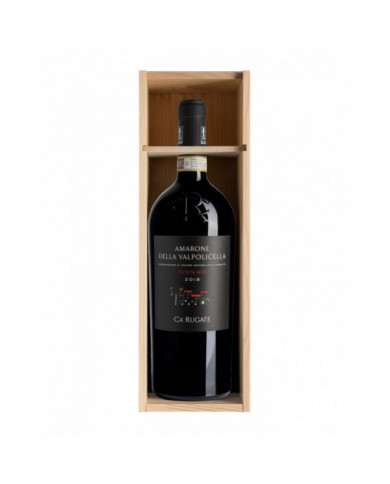
The Amarone di Ca' Rugate "Punta 470" announces itself in the glass with a well concentrated garnet colour. The olfactory bouquet that emerges on the nose is broad, where various notes of small berry fruits such as blackberry, cherry and currant can be traced, alternating with spicy references. On the palate it has an excellent structure, powerful and energetic thanks to a round sip, which wraps the palate with softness; it closes with a finish of excellent persistence, characterized by an aftertaste that recalls the flavor of the dried grapes from which the Amarone production process is born. A label of important depth both on the nose and in the mouth, which comes from a meticulous production process, in which each phase of the production is followed with care and attention, until the wine, after a good period of refinement, is not ready to be bottled. A great expression, dense, intense and elegant. The "Punta 470" takes shape from the union between Corvina, Corvinone and Rondinella, varieties grown in soils rich in skeleton and limestone located in the hilly area of Montecchia di Crosara. The manual harvest begins during the second half of September, taking care to place the bunches in boxes without overlapping them, in order to guarantee correct ventilation. The bunches wither for 4-5 months in a fruit cellar, dehydrating and thus concentrating their sugary substances; then we proceed with the pressing, and the must obtained is fermented in steel. The wine ages for 30-36 months in 500-litre oak tonneaux and 25-hectolitre barrels.
€46.36
SKU:
14573
Brand:
Ca' Rugate
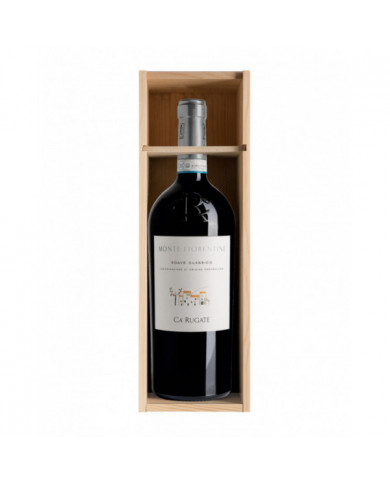
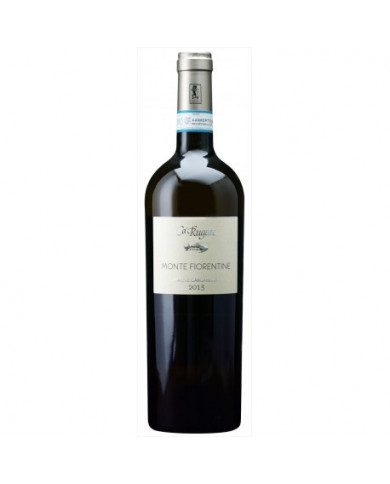
The Soave Classico Magnum "Monte Fiorentine" by Cà Rugate has a deep straw yellow colour. The nose is fine and delicate with exotic fruit and citrus. The Taste is soft, persistent and sapid.
This wine is vinified in white with fermentation in steel at 16-18 degrees, for a period of 10-15 days.
The vineyards of Monte Fiorentine are located north of Colle Rugate, in Brognoligo di Monteforte d'Alpone, in soils of volcanic origin rich in minerals.
A very structured wine that is best expressed after 1-2 years of aging in the bottle.
€43.07
SKU:
14571
Brand:
Ca' Rugate
Straw yellow color with antique gold reflections. The nose offers a complex and harmonious aromatic range that combines citrus notes with those of Mediterranean herbs. On the palate it is intense and elegant with marked minerality and flavor that give a long and fresh finish.
€24.64
SKU:
14570
Brand:
Ca' Rugate
Deep ruby red colour. The aromas are of small berry fruits, blackberry, currant and cherry, well married to spicy notes due to the aging in wood. On the palate it is soft, with good tannins, which integrates pleasantly with a welcome sensation of freshness.
€22.20
SKU:
14569
Brand:
Ca' Rugate
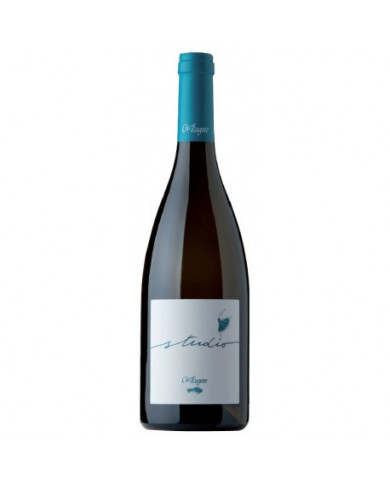
Studio is the name of a wine but it is also the study of a wine. A study made of research and experimentation around two grape varieties typical of the Soave area: Trebbiano di Soave and Garganega. A study that began several years ago, which led Ca' Rugate towards a rereading and reinterpretation of these two native vines.
€21.59
SKU:
14568
Brand:
Ca' Rugate
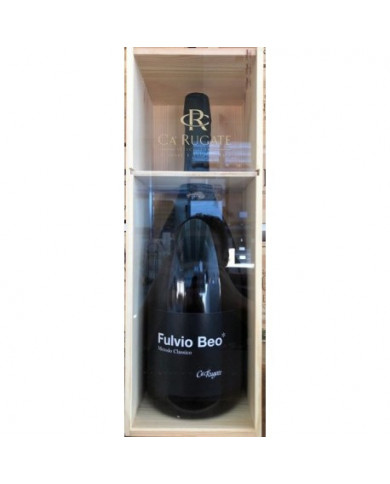
Fulvio Beo sparkling wine in a wooden box from the Ca' Rugate winery comes from 100% Garganega grapes. The base wine is vinified entirely in steel so as not to alter the typical aromas and freshness. A complex and full-bodied sparkling wine, which highlights the great potential of the volcanic territory of the Soave area.
€136.64
SKU:
14567
Brand:
Ca' Rugate
Straw yellow color with greenish reflections, it is a sparkling wine with a fine and persistent perlage. The nose releases a delicate hint of yeast with pleasant fruity notes. Harmonious, almost velvety flavour, with a dry finish.
€19.03
SKU:
14566
Brand:
Ca' Rugate
The Amarone di Ca' Rugate "Punta 470" announces itself in the glass with a well concentrated garnet colour. The olfactory bouquet that emerges on the nose is broad, where various notes of small berry fruits such as blackberry, cherry and currant can be traced, alternating with spicy references. On the palate it has an excellent structure, powerful and energetic thanks to a round sip, which wraps the palate with softness; it closes with a finish of excellent persistence, characterized by an aftertaste that recalls the flavor of the dried grapes from which the Amarone production process is born.
A label of important depth both on the nose and in the mouth, which comes from a meticulous production process, in which each phase of the production is followed with care and attention, until the wine, after a good period of refinement, is not ready to be bottled. A great expression, dense, intense and elegant.
The "Punta 470" takes shape from the union between Corvina, Corvinone and Rondinella, varieties grown in soils rich in skeleton and limestone located in the hilly area of Montecchia di Crosara. The manual harvest begins during the second half of September, taking care to place the bunches in boxes without overlapping them, in order to guarantee correct ventilation. The bunches wither for 4-5 months in a fruit cellar, dehydrating and thus concentrating their sugary substances; then we proceed with the pressing, and the must obtained is fermented in steel. The wine ages for 30-36 months in 500-litre oak tonneaux and 25-hectolitre barrels.
€139.69
SKU:
14565
Brand:
Ca' Rugate
Deep straw yellow colour. Intense, persistent, floral, fruity nose of ripe fruit, dried fruit and almond. Warm, soft and full-bodied. On the palate it is intense and persistent. Very structured wine that reaches its peak after a few years.
€17.69
SKU:
14564
Brand:
Ca' Rugate
Deep straw yellow colour. Fine and delicate nose of exotic fruit and citrus. Soft, persistent and savory taste. A very structured wine that is best expressed after 1-2 years of aging in the bottle.
€16.10
SKU:
14563
Brand:
Ca' Rugate
Coral pink color with shades that veer towards salmon tones. On the nose aromas of small berries, currants and strawberries and delicate hints of almond.
€21.01
SKU:
14562
Brand:
Ca' Rugate
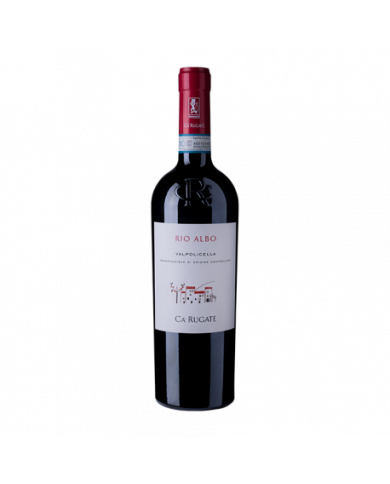
Ruby red colour. Intense and persistent aromas reminiscent of blackberry and cherry. On the palate it is soft, slightly tannic and with good flavor.
€13.71
SKU:
14561
Brand:
Ca' Rugate
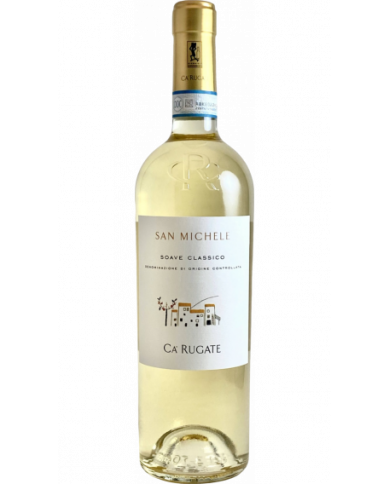
Straw yellow colour. Fine and delicate nose of sweet field flowers: chamomile, elderberry, iris. Pleasant palate, with sweet almond aftertaste.
€11.96
SKU:
14560
Brand:
Ca' Rugate
Straw yellow colour. Fine and delicate nose of sweet field flowers: chamomile, elderberry, iris. Pleasant palate, with sweet almond aftertaste.
€7.44
SKU:
14559
Brand:
Ca' Rugate
Very deep ruby red colour. Aromas of small berry black fruit, with sensations of aromatic herbs and spices on the finish. Taste sweetness clear, round and soon contrasted by the silky sensation of the tannins.
€32.94
SKU:
14558
Brand:
Ca' Rugate
Golden yellow colour. Intense, persistent, floral and fruity aroma of sultanas, dried figs and walnuts, enriched by a spicy note. Intense and persistent also on the palate. Dessert wine that is best expressed after a year of aging in the bottle.
€34.43
SKU:
14404
€9.90
SKU:
14403
€10.50
SKU:
14392
Brand:
Cantina Roeno
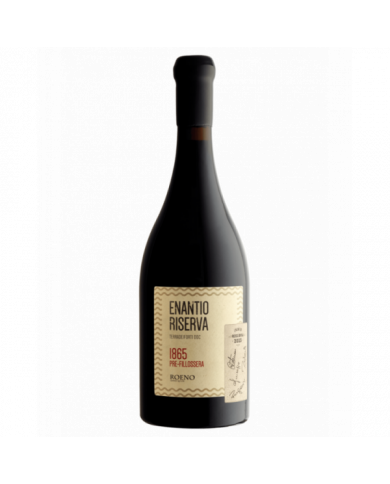
Our indigenous wine par excellence, from vines that were already alive and vibrant over 150 years ago. A powerful, deep and very elegant wine.
€48.31
SKU:
14390
Brand:
Cantina Roeno
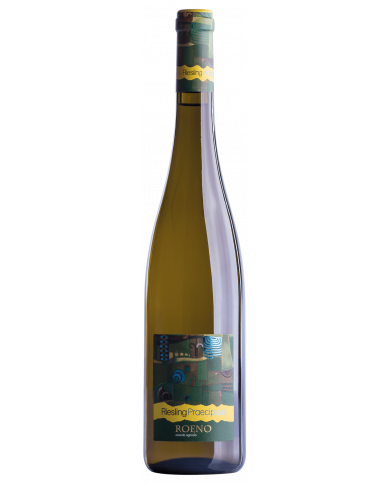
From the ambitious project of the Cantina Roeno was born "PRAECIPUUS" obtained from Renano riesling grapes. The choice of the Latin name is a tribute to the excellence of the product obtained. Praecipuus: extraordinary, excellent. First vintage of Praecipuus 2009.
€48.07
Discover the secrets of Veneto wines: Italian excellence
Veneto wines are known worldwide for their excellence. High-quality wines, offering a unique experience to their drinkers, are produced from vineyards located in the green hills of Veneto. If you're looking to discover the secrets of Veneto wines, then you've come to the right place. In this article, we'll explore some of the secrets of Veneto wines and how they can be a unique and unforgettable experience.
The types of wine from Veneto
Veneto wines are known for their versatility. Various types of wine can be produced, including white, red, rosé, and sweet wines. Veneto's white wines are known for their freshness and fragrance. Veneto's red wines are rich in fruit and spice aromas. Veneto's rosé wines are soft and fruity. Veneto's sweet wines are particularly prized for their intense and rich flavors.
The vines of Veneto
Veneto's grape varieties are among the most prized in the world. Several varieties are grown in the Veneto hills, including Garganega, Corvina, Merlot, Cabernet Franc, Trebbiano di Soave, and Pinot Grigio. Each varietal has a unique flavor and offers a unique tasting experience.
The DOCs of Veneto
Veneto wines are classified based on their quality and production area. There are two wine categories: DOC and DOCG. DOC wines are produced in a specific geographical area and must meet certain quality criteria. DOCG wines are produced in a specific geographical area and must meet even more stringent quality criteria.
The best wines of Veneto
Veneto wines are known for their exceptional quality. Many of them are considered among the best in the world. Some of the most renowned wines come from the Veneto region, including Soave, Valpolicella, Amarone, Bardolino, and Prosecco. These wines are appreciated worldwide for their quality and uniqueness.
How to best enjoy Veneto wines?
Veneto wines are best enjoyed in a suitable setting. They are ideal paired with typical Veneto dishes, such as pasta, rice, meat, and cheese. They are also ideal as an aperitif before a meal or as an accompaniment to dessert. They can also be enjoyed on their own as a meditation wine.
Veneto Wine Denomination
Veneto is one of Italy's most renowned wine regions, with a vast array of native grape varieties and designations of origin that testify to its richness and diversity. In this article, we'll discover Veneto's winemaking treasures, exploring grape varieties, classifications, the most iconic red and white wines, production methods, food pairings, and much more.
The Veneto region
History
Viticulture in the Veneto region has ancient origins, dating back to Roman times. Over the centuries, vine cultivation has developed and consolidated, producing highly prestigious and internationally recognized wines.
Geography
Veneto is located in northeastern Italy, stretching from the Dolomites to the Venice Lagoon. The region boasts a remarkable diversity of landscapes and terroirs, which is reflected in the variety of wines produced.
Climate
The Veneto climate is characterized by cold, rainy winters and hot, humid summers, with significant temperature variations between day and night. These climatic conditions favor the ripening of the grapes and the expression of complex aromas and flavors.
Native vines
Garganega
Garganega is the most widespread white grape variety in the Veneto region, used primarily for the production of Soave. Wines made from Garganega are fresh, elegant, and aromatic, with notes of white flowers and white-fleshed fruit.
Corvina
Corvina is a typical red grape variety from the Veneto region, primarily used in the production of Amarone della Valpolicella and Valpolicella Ripasso. Wines made with Corvina are characterized by good structure, soft tannins, and fruity and spicy notes.
Raboso
Raboso is another native red grape variety from Veneto, known for its acidity andTannicity. Wines made from Raboso are intense, persistent, and long-lived, ideal for aging.
Wine classifications
DOCG
Veneto boasts numerous wines classified as DOCG (Controlled and Guaranteed Designation of Origin), including Amarone della Valpolicella, Recioto di Soave, and Prosecco Superiore di Conegliano-Valdobbiadene.
DOC
The region also boasts several DOC (Controlled Designation of Origin) denominations, such as Bardolino, Valpolicella, Soave, and Lugana, which attest to the quality and uniqueness of the wines produced.
IGT
Finally, wines that do not fall under the DOC and DOCG designations can be classified as IGT (Indicazione Geografica Tipica) Veneto, a more flexible category that allows for the use of a wider range of grape varieties and production methods.
Red wines from Veneto
Amarone della Valpolicella
Amarone della Valpolicella is a full-bodied and structured red wine, made from dried grapes fermented to achieve a high concentration of sugar and alcohol. It has notes of dried fruit, spices, and chocolate, with a long, lingering finish.
Bardolino
Bardolino is a light, fruity red wine, made primarily from Corvina and Rondinella grapes. It is characterized by its freshness and drinkability, with notes of cherry and red berries.
Valpolicella Ripasso
Valpolicella Ripasso is a red wine made through a "ripasso" process, the fermentation of Valpolicella on Amarone pomace. The result is a fuller-bodied and complex wine, with notes of ripe fruit, spice, and tobacco.
White wines from Veneto
Sweet
Soave is a dry, minerally white wine, made primarily from Garganega grapes. It has floral notes of white fruit and almond, with a fresh, savory finish.
Prosecco
Prosecco is a sparkling white wine made from Glera grapes and fermented using the Charmat method. It features a creamy foam, notes of flowers and fresh fruit, and a smooth, pleasant finish.
Lugana
Lugana is a white wine made from Turbiana grapes, grown in the area between Veneto and Lombardy. It is an elegant and refined wine, with notes of white flowers, fruit, and minerality.
Production method
Withering
Appassimento is a grape drying process used in the production of Amarone della Valpolicella and Recioto di Soave. The dried grapes concentrate the sugars and aromas, giving the wines a distinct character. a unique and distinctive character.
Charmat Method
The Charmat method is used to produce Prosecco and involves a second fermentation in an autoclave, which gives the wine its characteristic effervescence.
Classic Method
The classic method, used for some Venetian sparkling wines such as Prosecco Superiore di Conegliano-Valdobbiadene, involves a second fermentation in the bottle and a period of aging on the lees, which gives the wine greater complexity and finesse.
Food pairings
Veneto wines pair perfectly with local cuisine, rich in flavors and traditions. Red wines, such as Amarone and Valpolicella Ripasso, pair well with meat and game dishes, while white wines, such as Soave and Lugana, pair well with fish and vegetable dishes.
Visits to the cellars
If you're interested in discovering Veneto's wines and producers firsthand, you can organize guided tours of the wineries and tastings directly in the vineyards. This is an excellent opportunity to appreciate the beauty of the area and meet the people who, with passion and dedication, continue the region's winemaking tradition.
Veneto is a land of unique and fascinating wines, the fruit of a long tradition and an extraordinary terroir. From discovering native grape varieties to visiting wineries, immerse yourself in the culture and flavors of this captivating Italian region and let yourself be captivated by its wines.
What are the most famous Veneto wine denominations?
Veneto is one of Italy's most important wine regions, with a wide variety of high-quality wines. Among the most famous Veneto wine appellations are:
-
Valpolicella DOC: is a specific denomination for red wines produced in the Valpolicella area, north of Verona. These wines are made primarily from Corvina, Rondinella, and Molinara grapes.
-
Amarone della Valpolicella DOCGThis is a specific denomination for Valpolicella red wines that have undergone a drying process before fermentation. These wines are very rich and full-bodied, with remarkable aromatic complexity.
-
Soave DOC: It is a specific denomination for white wines produced in the Soave area, east of Verona. These wines are made primarily from Garganega and Trebbiano di Soave grapes.
-
Prosecco DOC and DOCGThese are two specific denominations for sparkling wines produced in the Veneto and Friuli Venezia Giulia regions. Prosecco DOC is produced in the province of Treviso, while Prosecco Superiore DOCG is produced in a smaller area in the provinces of Treviso and Belluno.
-
Bardolino DOC: is a specific denomination for red and rosé wines produced in the Bardolino area, on the shores of Lake Garda. These wines are made primarily from Corvina, Rondinella, and Molinara grapes.
These are just a few examples of Veneto's wine denominations, but the region boasts many other high-quality, internationally recognized wines.
What are the most important native grape varieties of Veneto?
Garganega, Corvina and Raboso are the most representative native vines of the region.
What is the difference between DOCG, DOC and IGT?
The DOCG designation guarantees the origin and quality of wines produced in a specific geographical area, while the DOC designation indicates a broader geographical origin and greater flexibility in the choice of grape varieties and production methods, while the IGT designation allows for an even wider range of grape varieties and production methods.
What are some of the most famous red and white wines from the Veneto region?
Among the red wines, Amarone della Valpolicella, Bardolino, and Valpolicella Ripasso are highly regarded. Among the white wines, Soave, Prosecco, and Lugana are among the best-known.
What production methods are used in the Veneto region?
In Veneto, various production methods are used, including appassimento, the Charmat method, and the Classic method.
Is it possible to visit the cellars and taste Veneto wines?
Yes, many wineries offer guided tours and tastings. Directly at the vineyards. We recommend contacting the wineries to arrange a visit and enjoy an unforgettable experience in the heart of the Veneto region.