

 Italiano
 Deutsch









There are no more items in your cart
SKU:
16027
Brand:
Sutto
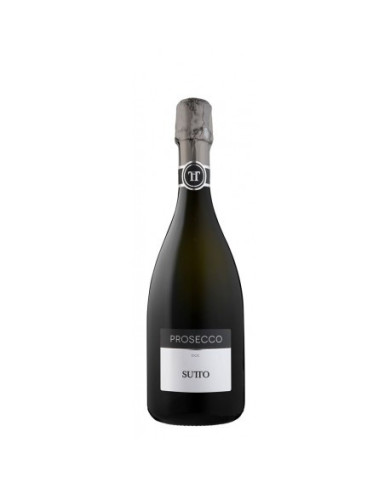
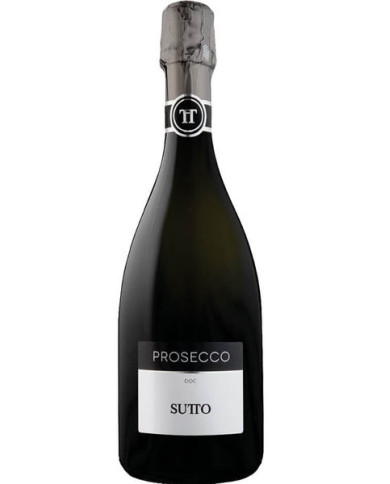
Our Prosecco DOC extra dry Sutto comes from the territories of the province of Treviso and is the result of the search for a harmonious and versatile drink that has now become the image of our way of "making wine".
€11.71
SKU:
16026
Brand:
Sutto
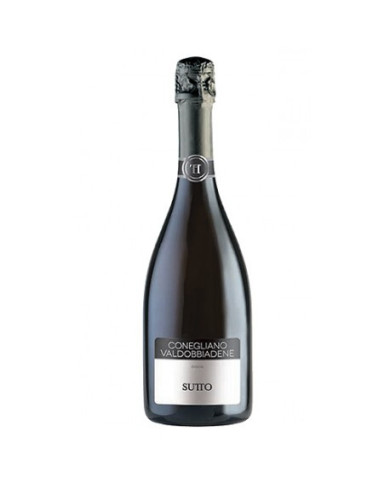
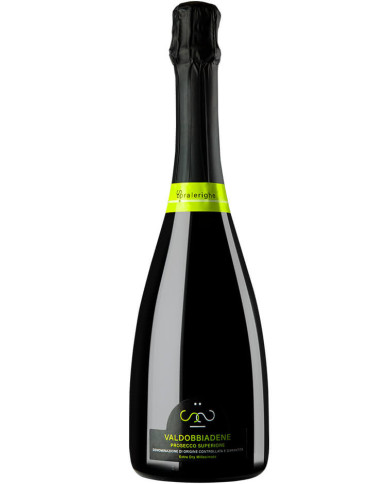
The Valdobbiadene Prosecco Superiore Extra Dry Sutto comes from prestigious lands of morainic origin. The example of an exclusively manual agriculture in steep and insidious terrain, combined with a process designed to keep the wine on its noble lees for a period sufficient to give the pleasure of drinking well in all circumstances.
€17.54
SKU:
16025
Brand:
Sutto
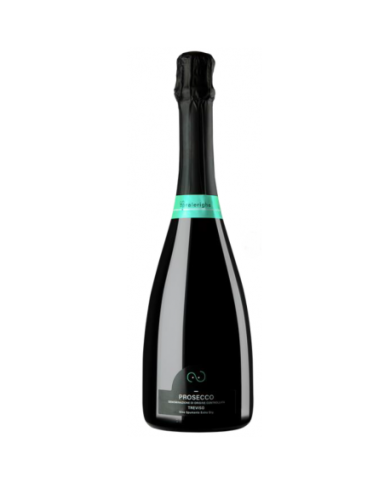
The territory from which our Prosecco DOC comes extends in the hills of the province of Treviso, in the DOC production area and covers a set of territories that follow one another from the plain up to the Venetian heights. From here comes a fragile and generous vine: the Glera, delicately tended by hand, due to the nature of the steep, steep and difficult terrains in which it lives. This grape transformed into wine takes the famous name of Prosecco, one of the most drunk wines in the world. Delicate aromas and refined flavors that arise from the perfect symbiosis between a mild microclimate, strengthened by a remarkable temperature range and an ancient soil, rich in limestone and clay, originating from the lifting of the seabed.
€14.31
SKU:
16024
Brand:
Sutto
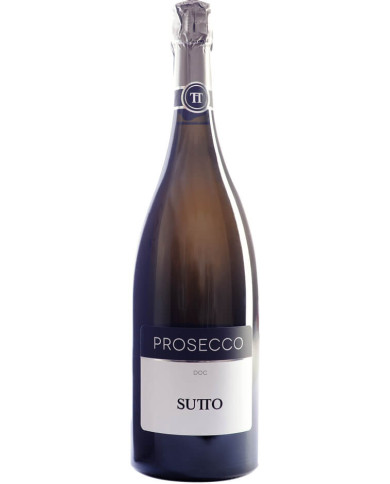
The Magnum size of Prosecco Millesimato Extra Dry from the Sutto winery is the right choice for an informal toast or to celebrate an important event.
Straw yellow color with slight greenish reflections. The nose is inebriated by floral aromas and nuances of fresh fruit. On the palate it is full, fresh and very soft.
A bubble with a fine and persistent perlage, the ideal companion for aperitifs or in combination with fish-based dishes and first courses with delicate sauces. A glass that is not excessively dry, with the right effervescence and a finish supported by a stimulating acid vein that make it a must for convivial meetings.
€29.40
SKU:
15853
Brand:
Colli del Soligo
The Glera grapes used for the production of this sparkling wine come from vineyards located in the plains, on the outskirts of Treviso. The bunches are generally harvested in September at medium ripeness in order to preserve the acid component, which is important in the production of Prosecco Spumante. After the harvest, the grapes are subjected to a light pressing and a slow fermentation in steel tanks. Finally, the refermentation in autoclave (sparkling) follows the Charmat method.
€10.78
SKU:
15848
Brand:
Colli del Soligo
€14.12
Cuvée Solicum, result of the selection of the best grapes grown in the municipalities of San Pietro di Feletto, Refrontolo, Col San Martino and Miane. Areas that have always been suited to viticulture.
The bunches are harvested by hand from the vineyards located on the hills and once they arrive in the cellar they are processed as per tradition.
First the vinification in white then the sparkling in autoclave following the Charmat method.
This is how this refined and elegant sparkling wine was born, perfect as a gift idea or to be uncorked during a dinner with friends.
€14.12
SKU:
15842
Brand:
Colli del Soligo
100% Glera grapes with a straw yellow color and greenish reflections and crossed by a minute and continuous perlage.
The vinification takes place in the most traditional way but with great care: the grapes are harvested by hand in the month of September; in the cellar, the bunches are softly pressed and a slow fermentation then begins in steel tanks using selected yeasts. Second fermentation in autoclave.
The nose smells of fresh fruit, with hints of mandarin, pineapple and pear, but also of floral hints of wisteria and hawthorn with hints of aromatic herbs. In the mouth it stretches exuberantly and is immediately pleasant: it bewitches the palate with fruity sensations and the unmistakable softness. It makes it perfect for pairing your aperitifs and fish and sushi courses.
€14.15
SKU:
15841
Brand:
Colli del Soligo
100% Glera grapes with a straw yellow color and greenish reflections and crossed by a minute and continuous perlage.
The nose smells of fresh fruit, with hints of mandarin, pineapple and pear, but also of floral hints of wisteria and hawthorn with hints of aromatic herbs. In the mouth it stretches exuberantly and is immediately pleasant: it bewitches the palate with fruity sensations and the unmistakable softness. It makes it perfect for pairing your aperitifs and fish and sushi courses.
€12.32
SKU:
15808
Brand:
Corte delle Calli
€11.36
€10.22
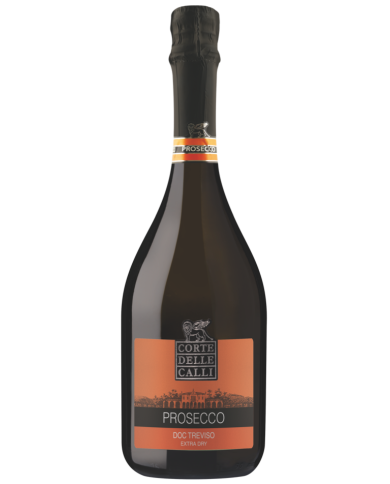
The sparkling process takes place according to the Charmat method in steel autoclaves according to the rules dictated by the production disciplinary. The result is a young and exciting extra dry wine suitable for all occasions. Brilliant straw yellow color with some greenish reflections. With a lively perlage, it has aromas of good intensity with hints of white flowers and fruity golden apples. Good intensity. The taste is fresh and on the palate it is elegant and soft, with a pleasantly sugary vein.
€11.36
€10.22
SKU:
15798
Brand:
Serenello
€13.44
€12.10
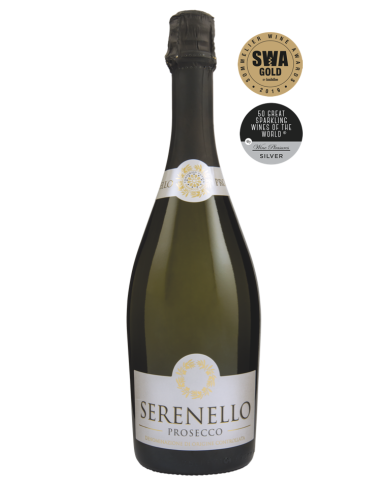
Brilliant straw yellow color with some greenish reflections. With a lively perlage, it has aromas of good intensity with hints of white flowers and fruity golden apples. Good intensity. The taste is fresh and on the palate it is elegant and soft, with a pleasantly sugary vein.
€13.44
€12.10
SKU:
15770
Brand:
Serena Wines 1881
Excellent Prosecco Extra Dry from 85% Glera grapes and a blend of Chardonnay, Pinot Bianco and Pinot Grigio.
Straw yellow with a fine and persistent perlage. Excellent persuasive aromas and beautiful and delicious bubbles on the palate.
Excellent pairing with fresh and light dishes, but also with first courses or naturally as an aperitif.
€19.40
SKU:
15767
Brand:
Serena Wines 1881
VINES 100% Glera VINIFICATION The grapes are harvested rigorously by hand to then undergo a soft pressing. The must thus obtained is fermented at a temperature between 18 and 20°C CHARACTERISTICS Able to tease and satisfy even the most demanding palates Pale straw yellow with fine and persistent perlage decidedly fruity bouquet with hints of wisteria, acacia flowers and rennet apple fragrant, fresh and pleasantly acidulous on the palate Suitable for any type of occasion Excellent with delicate appetizers or fish dishes
€13.18
SKU:
15766
Brand:
Serena Wines 1881
Excellent Prosecco Extra Dry from 85% Glera grapes and a blend of Chardonnay, Pinot Bianco and Pinot Grigio. Straw yellow with a fine and persistent perlage. Excellent persuasive aromas and beautiful and delicious bubbles on the palate. Excellent pairing with fresh and light dishes, but also with first courses or naturally as an aperitif.
€7.71
SKU:
15761
Brand:
Serena Wines 1881
Excellent Prosecco Extra Dry from 85% Glera grapes and a blend of Chardonnay, Pinot Bianco and Pinot Grigio. Straw yellow with a fine and persistent perlage. Excellent persuasive aromas and beautiful and delicious bubbles on the palate. Excellent pairing with fresh and light dishes, but also with first courses or naturally as an aperitif.
€11.90
€10.71
SKU:
15760
Brand:
Serena Wines 1881
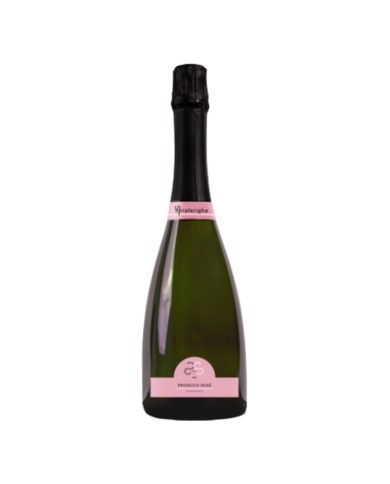
Serena Sopra le Righe Prosecco DOC Treviso Excellent Extra Dry prosecco from 85% Glera grapes and a blend of Chardonnay, Pinot Bianco and Pinot Grigio.Giallo Straw yellow with a fine and persistent perlage. Excellent persuasive aromas and beautiful and delicious bubbles on the palate. Excellent pairing with fresh and light dishes, but also with first courses or aperitifs
€11.83
SKU:
15576
Brand:
Montelvini
Il Brutto represents a clear reference to the tradition and culture of Treviso and Asolo in particular of wines refermented in the bottle, with a limited natural presence of sulphites and very few sugars; “Brutto” because it is a natural, unfiltered wine, and for this reason it is slightly veiled to the eye.
€15.59
SKU:
15575
Brand:
Montelvini
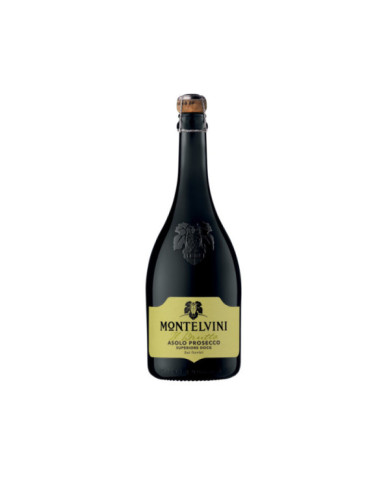
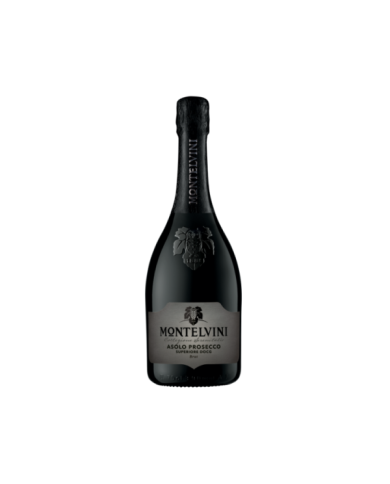
As the maximum synthesis of the balance between minerality and aroma, typical of the area, a high quality Asolo Prosecco Superiore DOCG is born, obtained from our best vineyards. A peculiar wine, which stands out for its finesse in the Prosecco panorama.
€14.95
SKU:
15175
Brand:
Follador
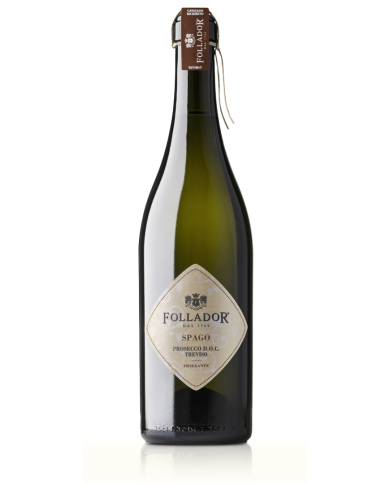
A Follador milestone, this wine made from carefully selected DOC grapes best expresses the typical tastes and aromas of Prosecco. Intense straw yellow color and lively, fine and elegant perlage. Its bouquet is an explosion of fresh and velvety fragrances. We distinguish the green apple, peach, apricot and finally acacia and rose flowers. Excellent structure on the palate is an extraordinary combination of freshness and flavor. Ideal for aperitifs, it elegantly accompanies light first and second courses, white meats, vegetables, fish and shellfish dishes.
€14.55
SKU:
15162
Brand:
Follador
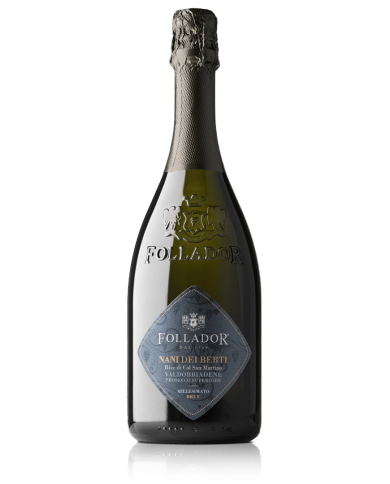
NANI DEI BERTI - Banks of Col San Martino: A tribute to the energy and initiative of Giovanni Follador, father of Gianfranco, so nicknamed. Refined sparkling wine of noble quality, very fine perlage in a splendid combination of bouquet and flavours. An excellent Superiore with a pale straw yellow color, with typical greenish reflections. Lively and very fine perlage with an intense bouquet of citrus, almond and acacia flowers. Excellent balance of acidity and fragrance, well structured with a dry finish. Important wine, good aperitif. Its sapidity and balanced structure make it suitable for light first and second courses, excellent with tasty cheeses.
€17.06
SKU:
15161
Brand:
Follador
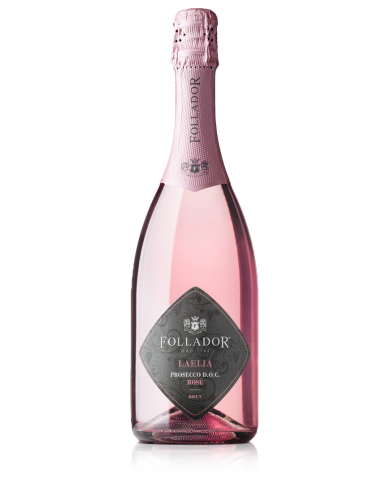
Delicious sparkling wine with a fresh and lively taste, a bright pale pink vintage with good structure and persistence, based on Glera grapes with a blend of 10% Pinot Noir. The base wines are obtained from cryomacerated grapes according to the Gianfranco Follador method ®, with fermentation in steel tanks at a controlled temperature. Pinot Noir is vinified in red as per the disciplinary. Second fermentation in autoclave, according to the Martinotti-Charmat method, with regular refermentation with at least two months of rest on the lees. Intense hint of fruit, in particular apple and white-fleshed peach, with pleasant notes of red fruits, blackberry, wild strawberries and currants. An excellent accompaniment to any aperitif, it is interesting to pair with cold cuts, cured meats in general and even aged cheeses.
€16.74
SKU:
15160
Brand:
Follador
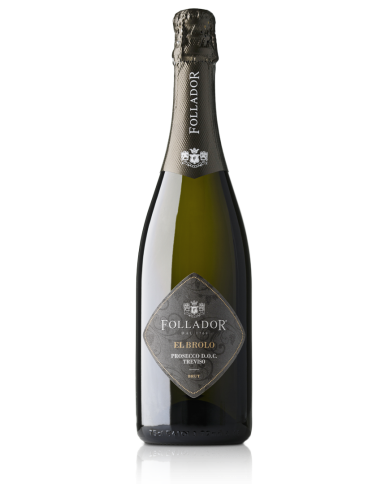
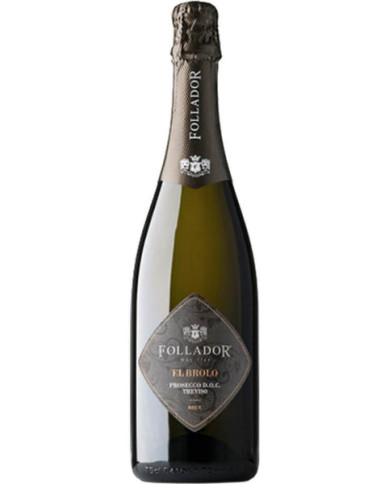
EL BROLO: In ancient times, the home garden was called brolo, enclosed by a low wall and shaded
from a pergola vine.
Finesse and excellent structure are the synonyms of this precious sparkling wine, obtained from high quality grapes. Straw yellow color with greenish reflections with fine and persistent perlage. Very pleasant aroma of acacia flowers, golden apple and almond. The taste is sapid, fresh and well structured on the palate. Ideal partner for appetizers, light first courses and medium-long aged cheeses.
€14.03
SKU:
15159
Brand:
Follador
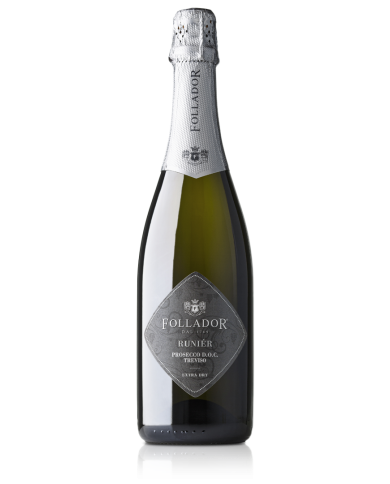
RUNIÉR: The typical endings of the Venetian idiom radiate up to the hills of the hinterland, in the heart of the Territory.
This elegant sparkling wine is an expression of genuineness and delicacy. Brilliant straw yellow color and very fine perlage. Fine and delicate foam. Delicious bouquet where fruity and floral fragrances are clearly perceived with a prevalence of green apple and with hints of acacia and jasmine. On the palate it is fresh, well structured and with a pleasant persistence. Excellent as an aperitif and with first courses in general, based on fish and shellfish.
€14.03
SKU:
15158
Brand:
Follador
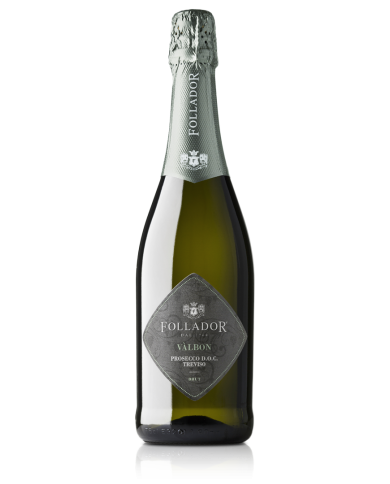
VÀLBON: A name that refers to our characteristic hilly landscape dotted with vineyards and charming villages.
Hints of flowers, apple, pear and citrus fruits, which are found in the mouth giving sensations of flavor and freshness. Fine and persistent bubble. Pale straw yellow color with greenish reflections. Ideal for a refreshing aperitif or with appetizers, first courses and dishes based on fish, vegetables and white meats.
€14.31
SKU:
15157
Brand:
Follador
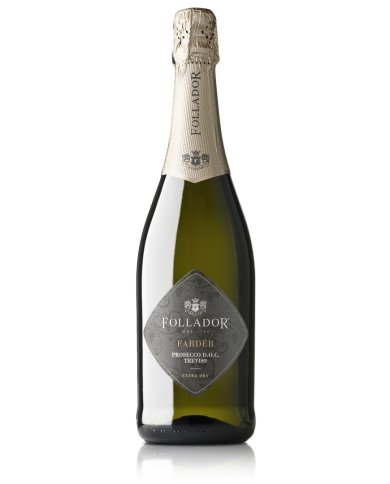
FARDÉR: Again a reference to the Venetian inflection, with its characteristic accents and the elision of the final vowel.
Rich, savory and velvety are the ideal adjectives to describe this elegant wine made from lowland grapes, also from our area. Pale straw yellow color with greenish reflections. Rich and complete bouquet with floral hints of almond and ripe fruit, with a soft and velvety, harmonious and savory taste. Excellent for aperitifs, appetizers and dry pastries.
€12.57
SKU:
15156
Brand:
Follador
Hints of flowers, apple, pear and citrus fruits, which are found in the mouth giving sensations of flavor and freshness. Fine and persistent bubble. Pale straw yellow color with greenish reflections. Ideal for a refreshing aperitif or with appetizers, first courses and dishes based on fish, vegetables and white meats.
€33.55
SKU:
14709
Brand:
Ornella Bellia
€15.54
Prosecco wine produced with glera grapes grown in the hilly areas of the denomination which extends for 15 municipalities between Conegliano and Valdobbiadene.
€15.54
SKU:
14404
€9.04
SKU:
14403
€9.52
SKU:
14345
Brand:
Merotto
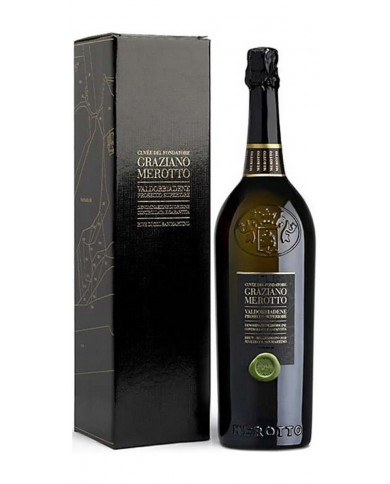
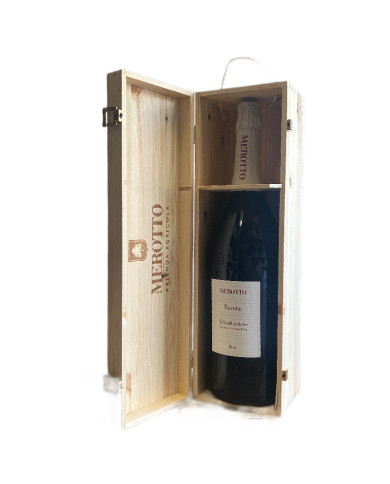
The grapes of the Cuvée del Fondatore come from the Banks of Col San Martino and in particular from cadastral maps 86 - 826 at 230 meters above sea level.
€51.85
SKU:
14344
Brand:
Merotto
€19.52
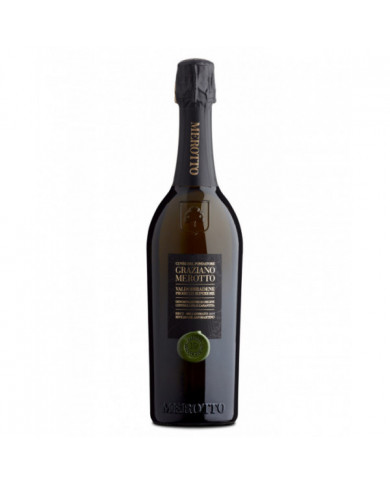
The grapes of the Cuvée del Fondatore come from the Banks of Col San Martino and in particular from cadastral maps 86 - 826 at 230 meters above sea level.
€19.52
SKU:
14342
Brand:
Merotto
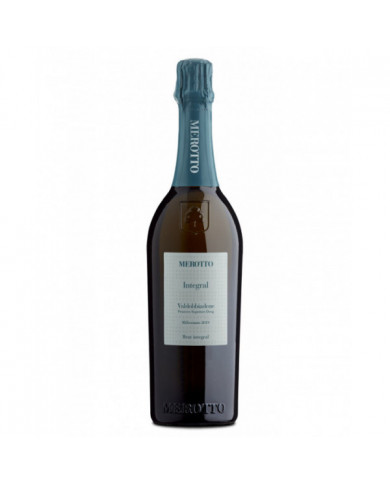
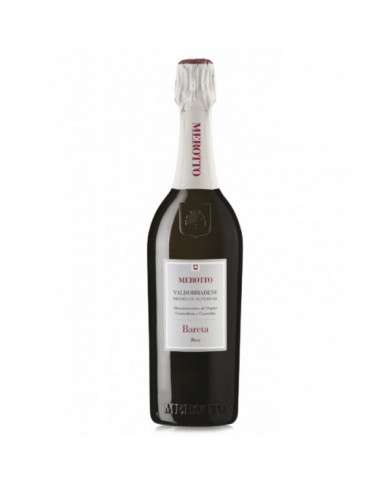
A sincere brut, fresh and very elegant in its perfume, taste and enchanting perlage.
€17.81
SKU:
14333
Brand:
Merotto
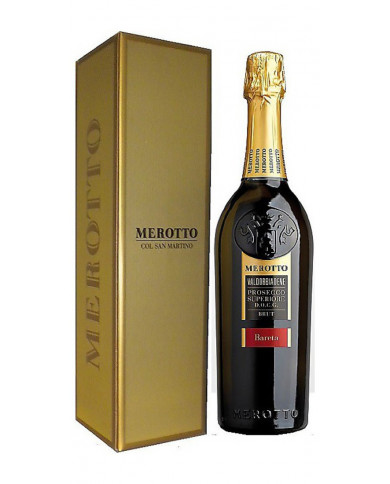
Citrus and floral notes, strong and savory taste. Between one sip and another, all the enchantment of the Col San Martino hills.
€119.90
€37.82
SKU:
14330
Brand:
Merotto
Citrus and floral notes, strong and savory taste. Between one sip and another, all the enchantment of the Col San Martino hills.
€17.37
€8.69
Prosecco Denomination: A Journey Through History and Culture
What is Prosecco ? Simple: it's a sparkling wine of Italian origin, famous throughout the world. But the Prosecco denomination tells us much more. It allows us to take a journey through the history, culture, and art of winemaking.
The History of Prosecco
The origin of Prosecco
Prosecco has its roots in northeastern Italy, and its name derives from the word "prosech," which means "forest" in local dialect. This sparkling wine dates back to the 16th century.
The evolution of Prosecco
Over the centuries, Prosecco has undergone a radical transformation, going from a sweet, semi-dry wine to a dry, sparkling wine loved throughout the world.
Types of Prosecco
Prosecco DOC
Prosecco DOC, or Controlled Designation of Origin, covers a vast area that extends between Veneto and Friuli Venezia Giulia.
Prosecco DOCG
Prosecco DOCG, or Controlled and Guaranteed Designation of Origin, represents the pinnacle of Prosecco production, with unparalleled quality and uniqueness.
Prosecco Superiore di Cartizze
Prosecco Superiore di Cartizze is considered the jewel in the crown of Prosecco, produced only in a small area of the Prosecco region.
How Prosecco is produced
The winemaking process
Prosecco is produced using the Charmat or Martinotti method, a winemaking process that involves a second fermentation in autoclaves.
The importance of terroir
Terroir, or the soil, climate, and environment in which the vines grow, plays a fundamental role in the quality and character of Prosecco .
How to taste Prosecco
How to serve Prosecco
Prosecco is served chilled, preferably in a sparkling wine glass, to fully appreciate its fruity and floral aromas.
Food pairings with Prosecco
Thanks to its versatility, Prosecco pairs perfectly with a wide variety of foods, from appetizers to desserts.
Prosecco around the world
Prosecco in Italian exports
Prosecco is one of Italy's most important wine exports, beloved both in Europe and the United States.
The influence of Prosecco on culture
Prosecco has had a significant impact on culture, becoming a symbol of Italian life, synonymous with celebration and conviviality.
The Prosecco denomination is not just a mark of quality, but represents the passion, tradition, and art of Italian winemaking. Prosecco , with its unique and unmistakable flavor, continues to conquer the world, toast after toast.
FAQ
Where does Prosecco come from?
Prosecco comes from northeastern Italy, specifically from the regions of Veneto and Friuli Venezia Giulia.
What is the difference between Prosecco DOC and DOCG?
Prosecco DOCG is produced in specific and more restricted areas than Prosecco DOC, guaranteeing superior quality.
How is Prosecco served?
Prosecco is served cold, preferably in a sparkling wine glass.
What foods can Prosecco pair with?
Prosecco pairs perfectly with a wide variety of foods, from appetizers to desserts.
Why is Prosecco so popular?
Prosecco is popular for its unique flavor, its versatility, and because it represents a symbol of Italian life.