

 Italiano
 Deutsch















There are no more items in your cart
SKU:
11316
Brand:
Castello di Querceto
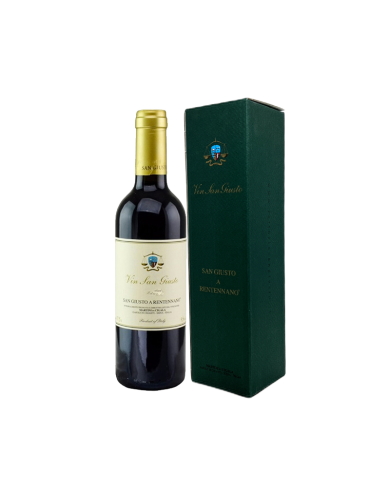
This is a remarkable example of a traditional Chianti Vin Santo. It comes from grapes harvested from a single vineyard of 1 hectare cultivated with Malvasia di Toscana, Trebbiano Toscano and San Colombano. The grapes are dried for 3 months before pressing and aged in 100-litre oak barrels for 3 years before bottling and a further 3 months of aging in the cellar before being marketed. It displays aromas and flavors of dried fig, nuts, sultanas, leather and balsamic hints that make it a wonderful accompaniment to a cheese platter. A fine example of a traditionally produced fine dessert wine. Suitable for bottle aging up to 25 years after release.
€20.46
SKU:
11307
Brand:
Castel Firmian
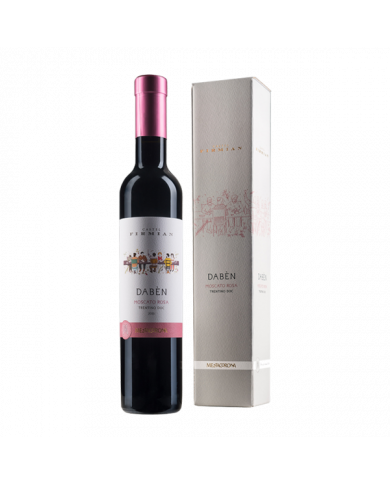
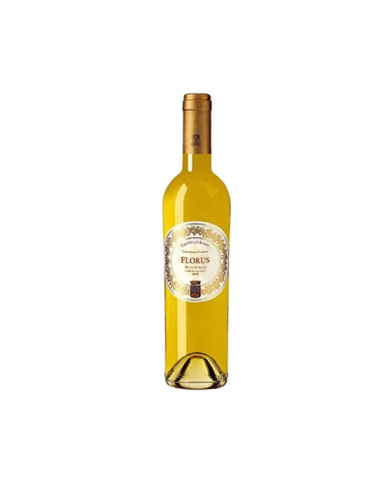
The Moscato Rosa vine is a very ancient vine, of probable Greek origins which, passing through Sicily, arrived in Trentino in the mid-nineteenth century. The name seems to derive more from the primary aroma of rose that characterizes this aromatic vine, than from the color of the berry, which is actually bluish-black. Moscato Rosa is very delicate to cultivate as it is subject to various problems in flowering and ripening which greatly reduce its production capacity. For all these reasons, as well as being noble, it is also a precious wine, also due to its great ability to accumulate large quantities of sugar. This wine is obtained from small vineyards located on the alluvial fan of the town of Pressano, north of Trento, at about 250-300 metres, facing south-southwest on clayey-limestone soils and in a well-ventilated area to avoid health problems and allow the grapes the achievement of a perfect level of aromatic and sugar ripening. The grapes are harvested by hand very late after a natural drying on the vine and, after destemming, are subjected to traditional vinification with the addition of selected yeasts at a temperature of 22-24°C for 6-8 days. Then with the use of cold (5°C), the fermentation process is naturally blocked with the consequent maintenance of the desired residual sugar. It then continues with the collection of only flower wine without pressing of the pomace. This is followed by conservation in steel for a few months, always at a low temperature to preserve the aromas of this elegant wine
€22.20
SKU:
11229
Brand:
Tenuta Arabona
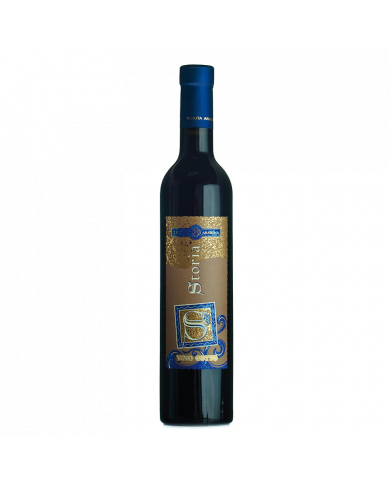
The name means that it is a product that originates from history. In fact, in the past years it was customary in peasant houses that, at the birth of a child, especially the firstborn, the father or grandfather of the unborn child would produce a particular wine at the first harvest, the "cooked wine". This wine was kept for years in small wooden barrels. It was opened, to offer it to diners, on the occasion of the First Communion and subsequently for the marriage of the child. Deliciously accompanied by typical Abruzzo desserts, sweets with almonds or in any case dry pasta.
€11.14
€29.89
SKU:
11007
Brand:
Cantina Ricchi
The care and effort of an extreme production work are illuminated by golden flashes that bring with them an intriguing bouquet, full of sweetness and freshness.
€20.94
€63.00
€15.90
SKU:
10632
Brand:
Cantina Frentana
The Passito DOC IGT Terre di Chieti comes from precious white Moscato grapes, partially dried for about 3 months at controlled temperature and humidity. The wine ages in French oak barriques for about 24 months and then follows a period of aging in steel. It is a soft passito, rich in nuances, to always be kept in the cellar.
€20.46
€23.79
SKU:
9257
Brand:
La Veneranda
Obtained thanks to the drying process of Sagrantino grapes.
Very ample wine, with great structure with a long aromatic persistence and a typical tannic finish supported by a pleasant sweetness.
Wine with great evolutionary capacities in the bottle. In fact, it can be refined in the bottle for many years, significantly improving.
€25.38
SKU:
9236
Brand:
Ettore Galasso
A dessert wine from the Pescaresi Hills, Abruzzo, Italy. Made from Moscato Bianco grapes.
€10.31
SKU:
9230
Brand:
Maculan
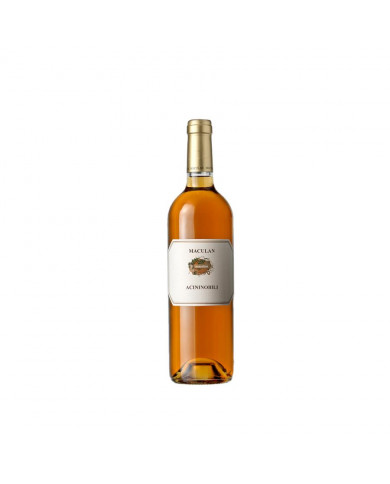
Excellent in combination with pastry desserts, fruit tarts, homemade focaccias and even desserts with creams.
€38.65
SKU:
9227
Brand:
Maculan
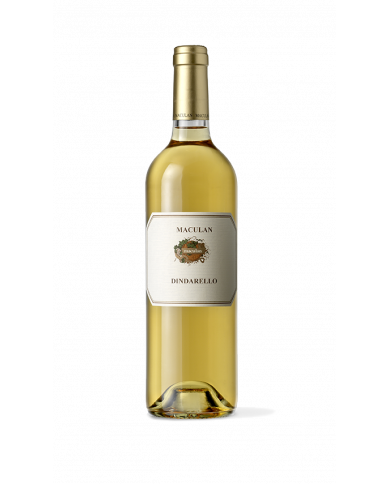
The combination we suggest is a goose foie gras escalope, but perfection is achieved in a glass, in front of the fireplace in good company!
€54.40
SKU:
9226
Brand:
Maculan
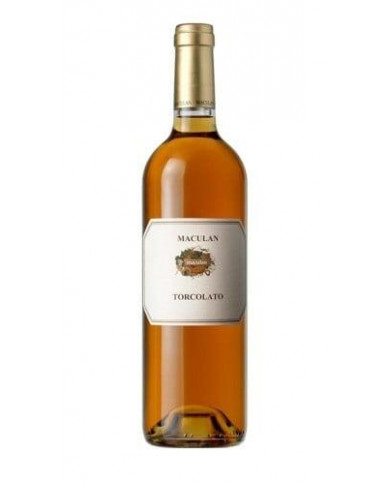
Excellent pairing with small dry pastries or typical sweets such as "fregolota".
€75.19
SKU:
9220
Brand:
Maculan
Excellent in combination with pastry desserts, fruit tarts, homemade focaccias and even desserts with creams.
€17.64
SKU:
9138
Brand:
Di Majo Norante
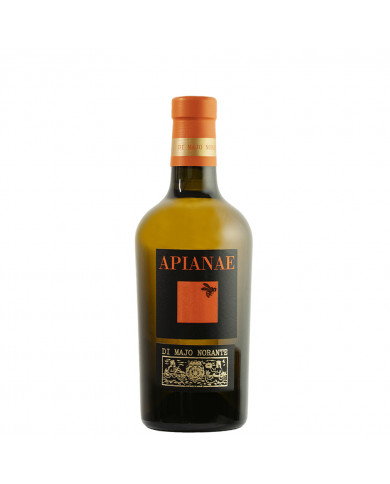
From this ancient vine dear to the Popes, which was cultivated in Italy as early as 200 BC with the name of Apicia, Apicius or Apianae - according to Colummella and the other Georgics, a sweet wine with a Moscato flavor was obtained.
€24.49
€38.86
SKU:
8874
Brand:
Donnafugata
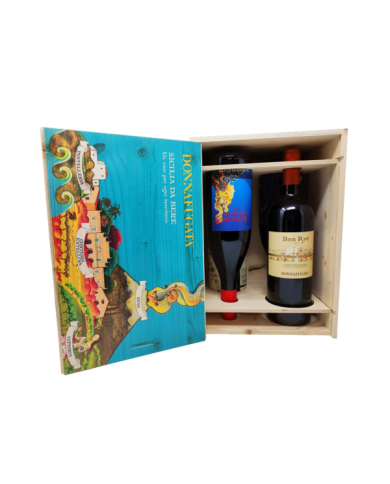
Modern wooden and plexiglass box with Vigna di Gabri 2020 Sicilia Doc, Sul Vulcano Etna Rosso Doc 2017 and Ben Ryé 2019 Passito di Pantelleria Doc 0.375l bottle
€83.70
SKU:
8871
Brand:
Donnafugata
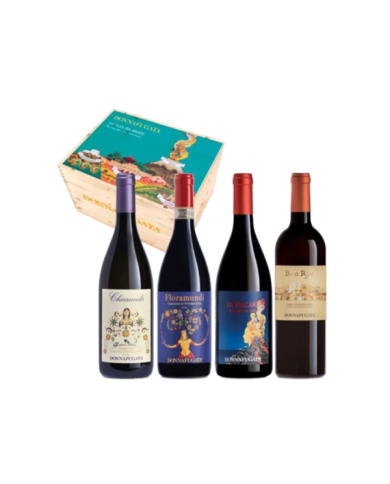
Beautiful and elegant wooden box signed Donnafugata , containing the 4 most symbolic wines of Sicily.
€133.20
SKU:
8849
Brand:
Bartolo Mascarello
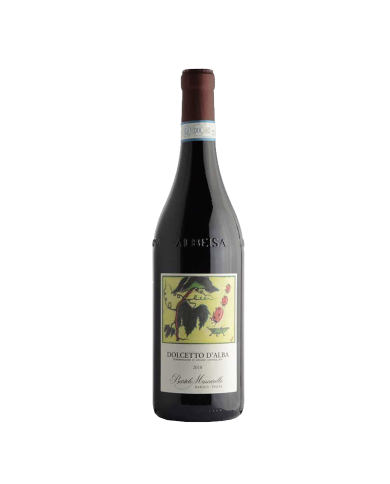
Bartolo Mascarello , Dolcetto d'Alba 2020 is an explosive wine with marked notes of red fruits, earth, wild herbs. Robust and rustic wine without giving up the finesse, a milestone characteristic of the Mascarello Bartolo winery. Bartolo Mascarello Dolcetto d 'Alba is a deep and intensely aromatic red, with a deep ruby color. The nose offers a greedy and persistent bouquet with refined aromas of violet and lavender mixed with black cherry and sweet spices. On the palate it offers a wide range of flavors, with a prevalence of fruit and then strokes of rosemary and thyme. Its delicate acidity is refreshing and perfectly integrated.
SKU:
8621
Brand:
Lago di Venere
Deep and intense golden yellow color. The nose expresses an intense, ample, slightly aromatic aroma, with a hint of honey. In the mouth it is soft, sweet, warm, round, it recalls the olfactory sensations. Excellent at the end of a meal accompanied by typical Sicilian sweets, such as cannoli, Sicilian cassata and almond sweets.
€18.56
€15.77
SKU:
8476
Brand:
Masi
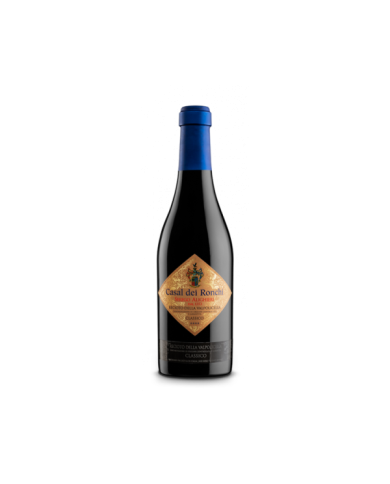
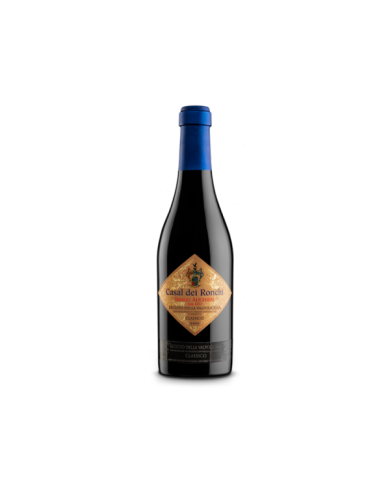
A noble sweet red dessert wine traditional from Valpolicella, this Recioto comes from the ancient Casal dei Ronchi vineyard, in the Serego Alighieri Possessions. From the classic Corvina, Rondinella and Molinara grapes, set aside in the winter months on bamboo racks in the drying rooms for Appassimento, a fragrant, fruity and round wine is born.
€35.15
SKU:
8447
Brand:
Zenato
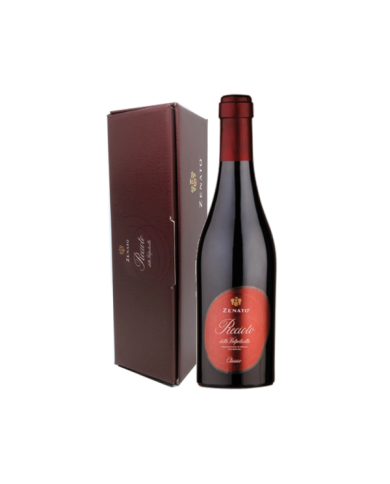
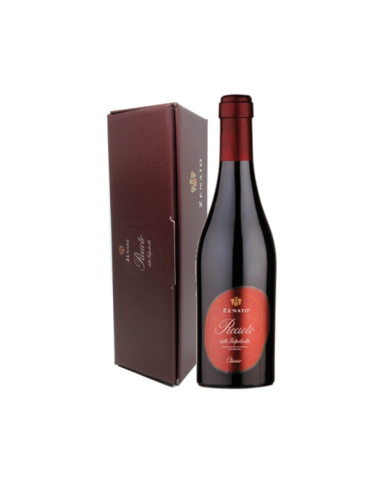
Recioto Classico is a sweet red wine with intriguing and enveloping notes. After more than three months of drying, the grapes are left to ferment and then aged for 24 months in tonneaux, and then rest for another 12 months in the bottle. Aromatic range that alternates notes of cherry and figs with plums and cloves, soft and velvety sip, with a very generous persistence on the finish
SKU:
8373
Brand:
San Giusto a Rentennano
Very concentrated with high residual sugars but well balanced by acidity, a wine with a very long aging to be served at a temperature of 7-8 ° c.
€51.12
SKU:
8007
Brand:
La Caudrina
After drying, the grapes are pressed and the must obtained, after a first racking, is left to ferment with the use of special selected yeasts . The must ferments at a low temperature, about 15 °, until it has developed about 12 degrees of alcohol. Subsequently, the cleaned and filtered wine is placed in barriques for refinement, during which there is a slight fermentation recovery. Refinement lasts approximately 18 months . After this period the wine was filtered and bottled to be further refined in the bottle for about 6 months .
€13.83
SKU:
7923
Brand:
Quintarelli
Amabile del Cere is a white passito from Veneto made from various white grapes. It is a blend based on chardonnay, garganega, Tuscan trebbiano and sauvignon. The grapes are harvested at the end of September, followed by drying in wooden boxes and pressing in January, when the botritys worked at full capacity on the volume and sugar residue of the bunches. Quintarelli 's passito is then aged for 5 or 6 years in French oak. Exquisite, sublime, delicate. The fifth essence of sweetness. The amber color, the notes of bergamot, candied fruit and spices accompany a vertical, delicate and engaging sip. A passito from the past, with an enormous potential for spectacular evolution. A meditation wine to be savored on rare occasions, excellent with dry or sliced desserts.
€237.90
SKU:
7920
Brand:
Quintarelli
Amabile del Cere is a white passito from Veneto made from various white grapes. It is a blend based on chardonnay, garganega, Tuscan trebbiano and sauvignon. The grapes are harvested at the end of September, followed by drying in wooden boxes and pressing in January, when the botritys worked at full capacity on the volume and sugar residue of the bunches. Quintarelli 's passito is then aged for 5 or 6 years in French oak. Exquisite, sublime, delicate. The fifth essence of sweetness. The amber color, the notes of bergamot, candied fruit and spices accompany a vertical, delicate and engaging sip. A passito from the past, with an enormous potential for spectacular evolution. A meditation wine to be savored on rare occasions, excellent with dry or sliced desserts.
SKU:
7239
Brand:
Cantine De Luca
amber yellow wine, delicate bouquet, full and harmonious taste with hints of honey and tropical fruit.
€21.41
€24.77
€19.37
SKU:
6422
Brand:
Argiolas
AROMATIC AND LAMINATED GRAPES
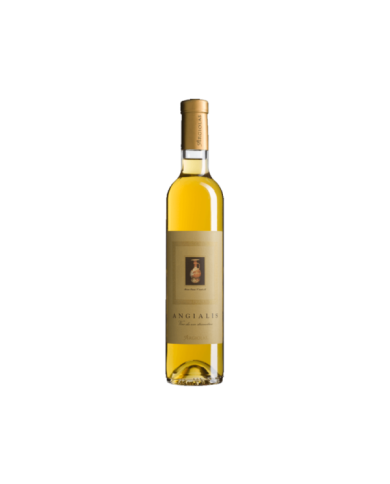
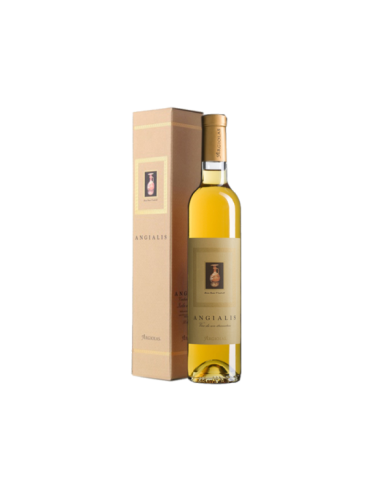
Angialis Isola dei Nuraghi Igt by Argiolas is a wine with an intense straw yellow color. On the nose they result in very intense primary aromas, markedly Mediterranean. Terpenic characters typical of Nasco.
€33.71
SKU:
6388
Brand:
Cantina Dei Colli Ripani
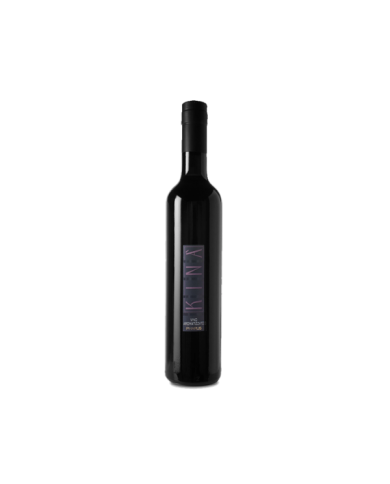
When a pure and precious Sangiovese meets the power of aromatic herbs, Kinà is born. A special wine, the result of a wise and measured aromatic infusion. We like to think of it as a faithful friend in all seasons: in summer, served with ice and an orange or lemon zest, at a temperature of 16 ° / 18 °, it is an excellent digestive. In winter, however, it is made aromatic mulled wine. Perfect to accompany desserts, excellent with chocolate, sought after in fruit-based cocktails.
SKU:
6381
Brand:
Cantina Dei Colli Ripani
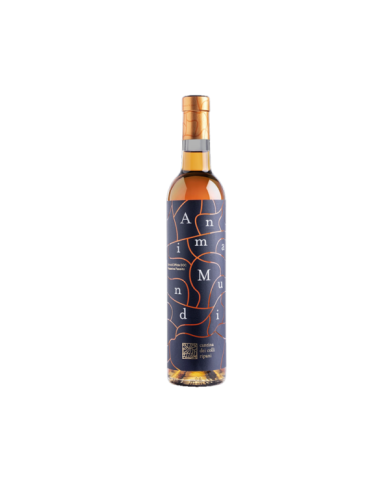
Ancient traditions define the Anima Mundi as the unity of the whole, the universal meaning capable of manifesting itself in every single aspect of nature. This is the spirit and ambition of our passito wine: to represent the beating heart of our Colli Ripani in one gulp. Bright yellow in color tending to amber, intensely fragrant and soft in taste, Anima Mundi is obtained according to the traditional drying method of native passerina grapes, carefully selected following a meticulous process that controls every stage of production: from pruning to collection.
€29.45
SKU:
6317
Brand:
Banfi
Excellent to conclude festive lunches and dinners, it is perfect if combined with the Neapolitan pastiera.
SKU:
5614
Brand:
Agriverde
€20.50
Straw yellow with golden reflections. On the nose the aromas are reminiscent of wisteria, rose petals and lime, peach and apricot with hints of sage, lemons and orange blossoms that blend with elegant brackish and mineral nuances. On the palate it is fruity, enjoys good acidity, and a long finish. Food matches: Desserts with dry and fresh pasta. Excellent with seasoned and spicy cheeses.
€20.50
Discover the Delight of Sweet Wines: A Journey for Your Senses
Sweet wines can be a true delight for the senses. The way sweet wine touches your taste buds and nostrils with its rich aromas will make you feel like you're in heaven. The magic of sweet wines is unique and is becoming increasingly popular among consumers seeking a unique sensory experience. If you're looking to discover the beauty of sweet wines, then you've come to the right place. This article will explore some of the best sweet wines and how to choose the right one for you.
What is a Sweet Wine?
First, we need to clarify what a sweet wine is. A sweet wine is one that contains a certain amount of sugar. This sugar can be added during fermentation or later. The amount of sugar in sweet wine can range from slightly sweet to very sweet. Sweet wines are often sweeter than dry wines because they contain more sugar.
The Most Popular Sweet Wines
Sweet wines can be divided into three broad categories: dessert wines, sparkling wines, and aromatized wines. Dessert wines are sweeter and more aromatic, such as Port, Sherry, Muscat, and Madeira. Sparkling wines are carbonated wines such as Champagne, Moscato Frizzante, Prosecco , and Cava. Aromatized wines are fruit-forward, such as Riesling, Gewürztraminer, and Grüner Veltliner.
How to Choose a Sweet Wine
If you're interested in trying a sweet wine, there are a few things to consider. First, you need to decide whether you want a dessert wine, a sparkling wine, or an aromatized wine. You'll also need to consider your budget and personal tastes. If you're a beginner, you might want to start with a less expensive and less sweet wine, like a Moscato or Riesling. If you're an expert, you might want to explore rarer and more expensive wines like a Port or Sherry.
How to Serve a Sweet Wine
If you've decided to try a sweet wine, it's important to serve it properly. Dessert wines should be served chilled, while sparkling and aromatized wines should be served at room temperature. The right temperature for a sweet wine varies depending on the type of wine, so be sure to read the labels before serving. Dessert wines should be served in wider dessert glasses, while sparkling and aromatized wines should be served in wine glasses.
How to Pair a Sweet Wine
One of the advantages of sweet wines is that they can be paired with many different dishes. Dessert wines pair well with desserts, cheeses, and meats. Sparkling wines can be paired with all types of dishes, from savory to sweet. Aromatized wines are particularly versatile and can be paired with fish, meat, and vegetable dishes.
Conclusion
Sweet wines are a fun and relaxing way to enjoy a meal or an evening. Whether you're a beginner or an expert, there's a sweet wine to suit your needs. Remember to choose the right wine for your meal, serve it at the right temperature, and pair it properly. If you follow these steps, you're sure to enjoy the delights of sweet wines.